From the U.S. to the world

Which are the 12 most used American terms worldwide? 12 strong contenders


Published on June 10, 2026

Image: Markus Krisetya

American English has influenced global vocabulary for more than a century through movies, advertisements, literature, music, businesses, and technology. Some words that began as distinctly American expressions eventually became common almost everywhere, even in places where English is not an official language. From casual slang to everyday terms for housing, transportation, and anything you can think of, these 12 Americanisms have crossed oceans and cemented themselves into the daily speech of dozens of countries.

1

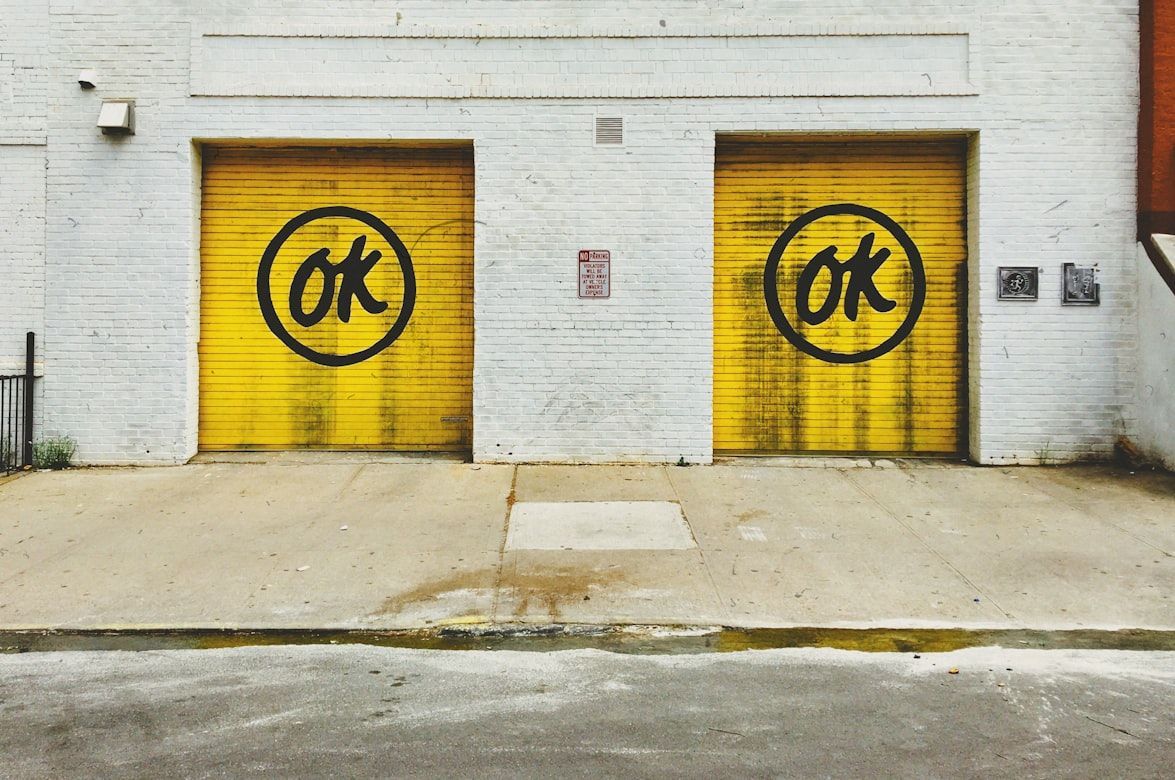
OK

Image: STEPHEN POORE

"OK" may be the most successful American word ever exported. It first appeared in print on March 23, 1839, in the Boston Morning Post, where editor Charles Gordon Green jokingly abbreviated "oll korrect," a humorous misspelling of "all correct."

The term exploded nationally during the 1840 U.S. presidential campaign of Martin Van Buren, nicknamed "Old Kinderhook" after Kinderhook, New York. Today, "OK" is used almost everywhere on Earth.

2

Teenager

Image: Simon Maage

The word "teenager" became popular in the U.S. during the 1940s, especially through advertising and youth marketing. Earlier generations did not usually view adolescence as a separate social category the way modern culture does.

American magazines, fashion brands, and music companies helped spread the idea worldwide after World War II. Publications such as Seventeen magazine and Hollywood films helped establish the teenager as a distinct cultural identity across Europe and beyond.

3

Movie

Image: Tyson Moultrie

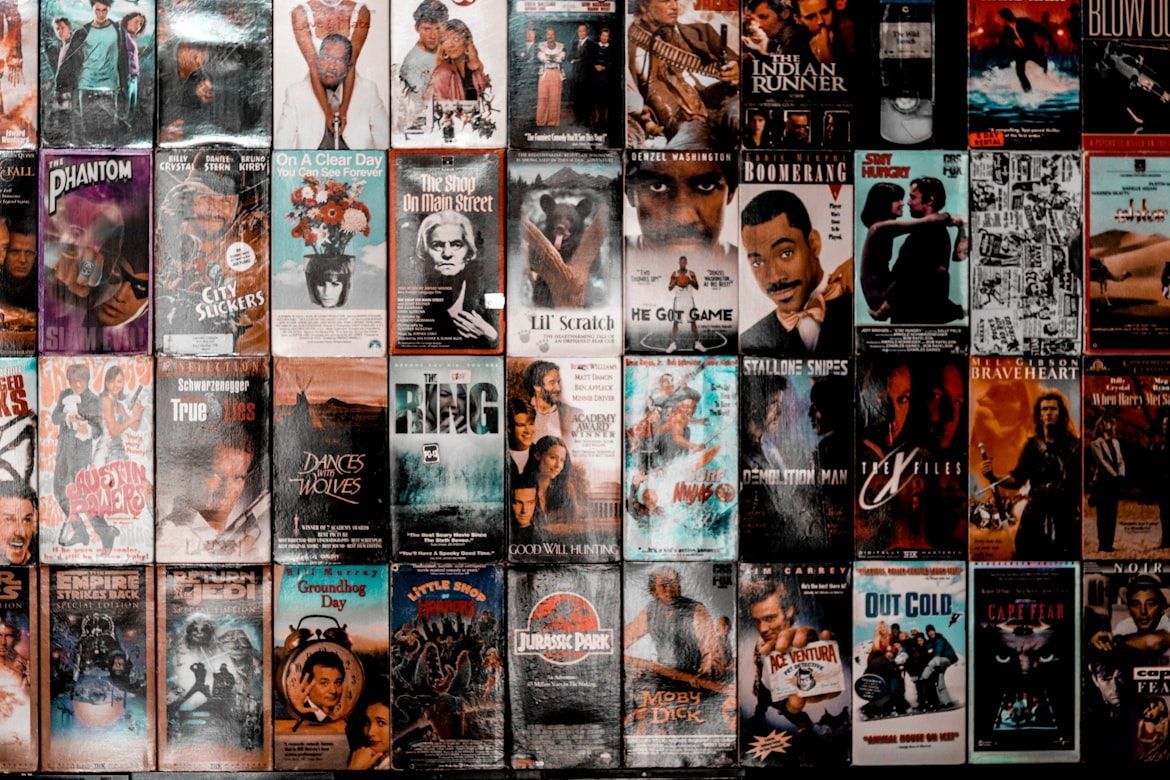
"Movie" emerged in the U.S. around 1912 as a shortened version of "moving picture." Americans favored the informal nickname, while Britain and some other countries kept preferring "film" or "cinema."

Hollywood’s rise during the 20th century carried the term across the globe. By the 1930s and 1940s, millions of people worldwide were watching American "movies," and the word became internationally recognizable even in places where local terms still existed.

4

Elevator

Image: Arisa Chattasa

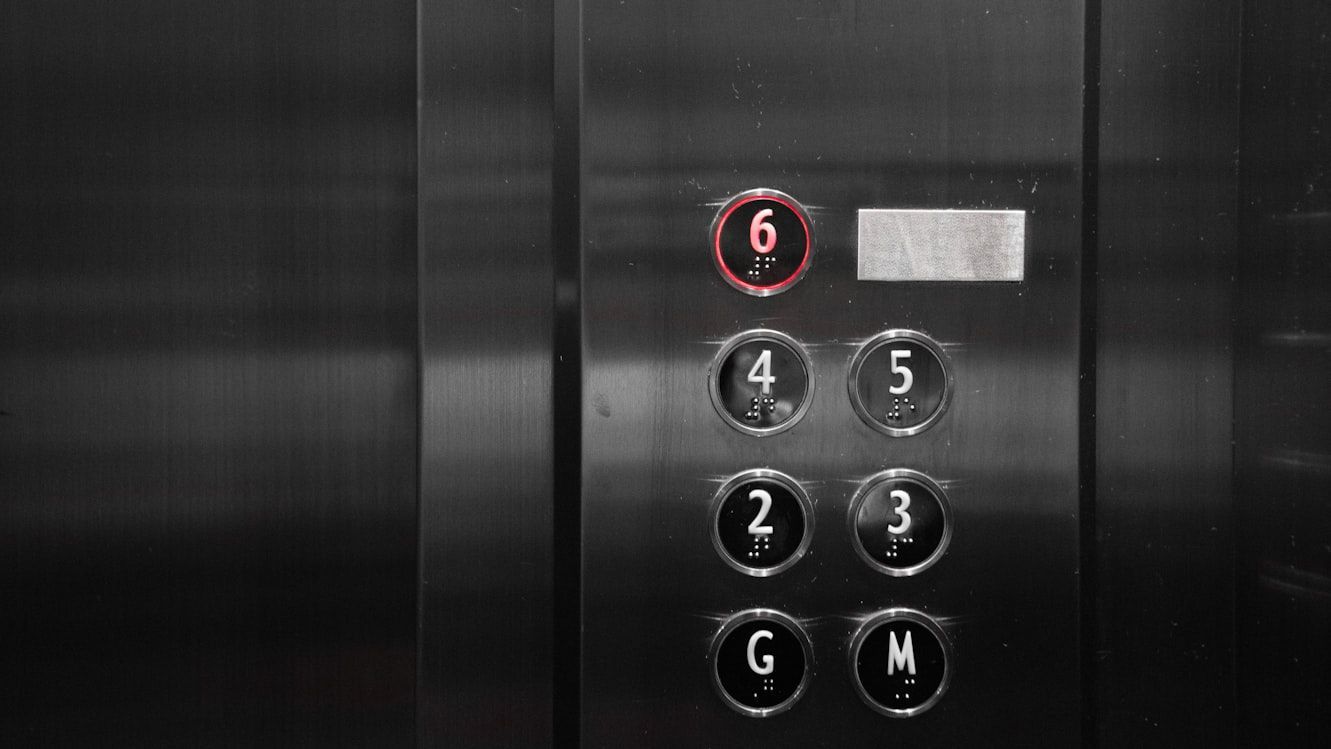
Americans popularized the word "elevator" for the vertical lift system invented in the 19th century. In Britain, the same machine became known as a "lift," but American terminology spread internationally through U.S. companies and skyscraper culture.

The word gained prominence after inventor Elisha Otis demonstrated a safe passenger elevator in New York City in 1854 at the Crystal Palace Exhibition. As American-style office towers spread worldwide during the 20th century, so did the "elevator."

5

Cookie

Image: Vyshnavi Bisani

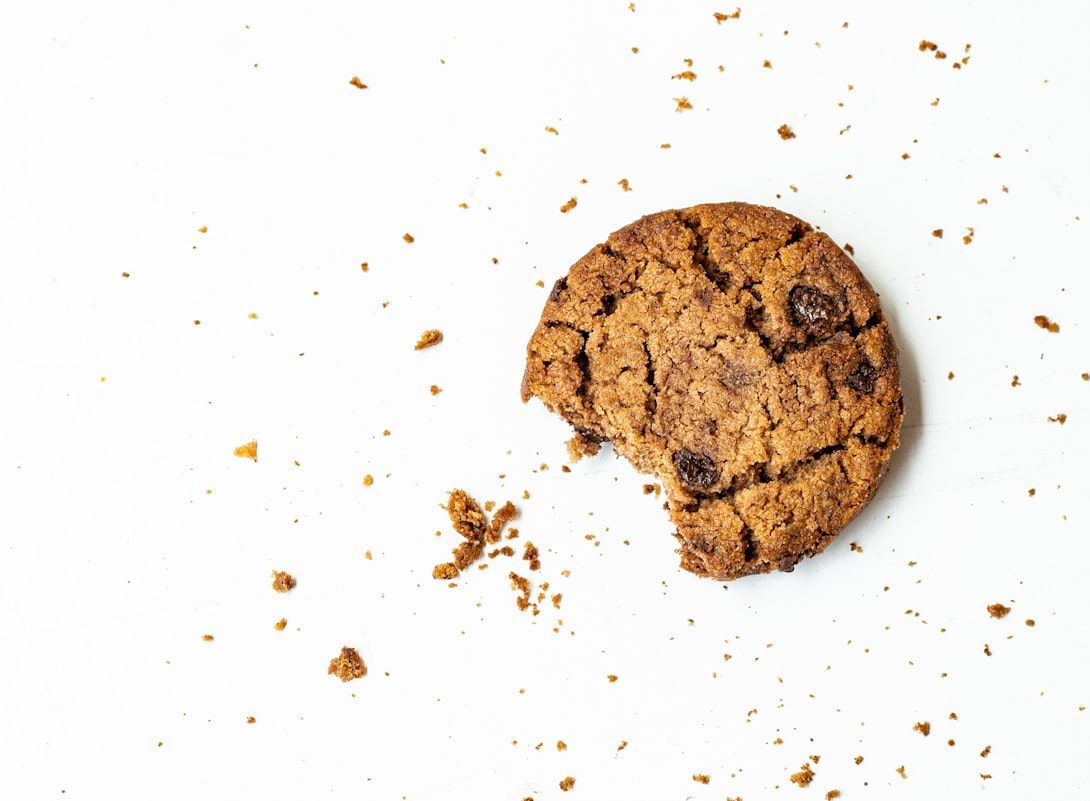
The American word "cookie" comes from the Dutch word koekje, meaning "little cake." Dutch settlers brought the term to New Amsterdam, later renamed New York, during the 1600s. Over time, Americans adopted it as the standard word for sweet baked treats.

Britain traditionally used "biscuit," but American culture helped spread "cookie" globally through packaged snacks, television advertising, and brands like Oreo and Chips Ahoy! Today, both terms are recognized internationally, often with slightly different meanings.

6

Apartment

Image: Huy Nguyen

"Apartment" became the dominant American term for a rented residential unit during the late 19th century as cities like New York and Chicago rapidly expanded upward with multi-family buildings.

British English traditionally favored "flat," but "apartment" spread internationally through American real-estate marketing, television, and films. Luxury developments worldwide now commonly advertise "apartments," even in countries where local words exist.

7

Gas

Image: Dawn McDonald

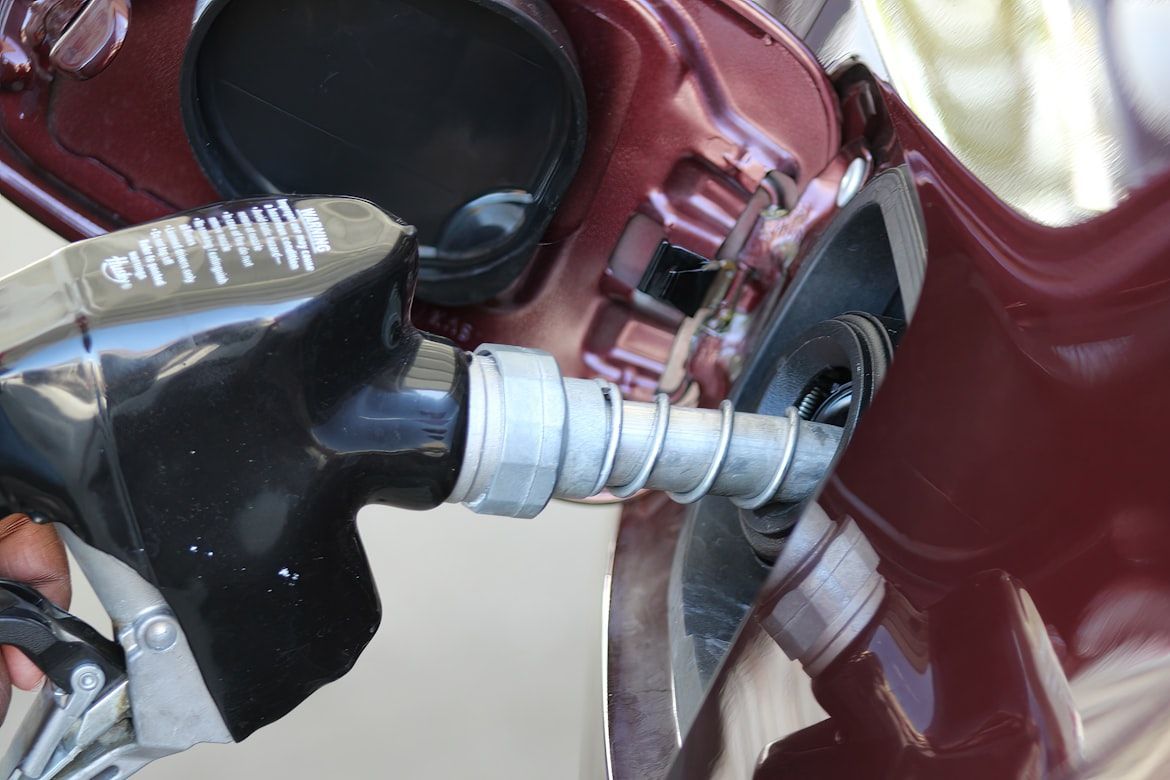
Americans shortened "gasoline" to simply "gas" in the early automotive era of the 1900s. The rise of Ford, General Motors, and America’s highway culture helped export the term globally alongside U.S. car culture.

While many countries still prefer "petrol," travelers almost anywhere understand "gas station." American road movies, music, and television helped cement the term in international vocabulary.

8

Truck

Image: Josiah Farrow

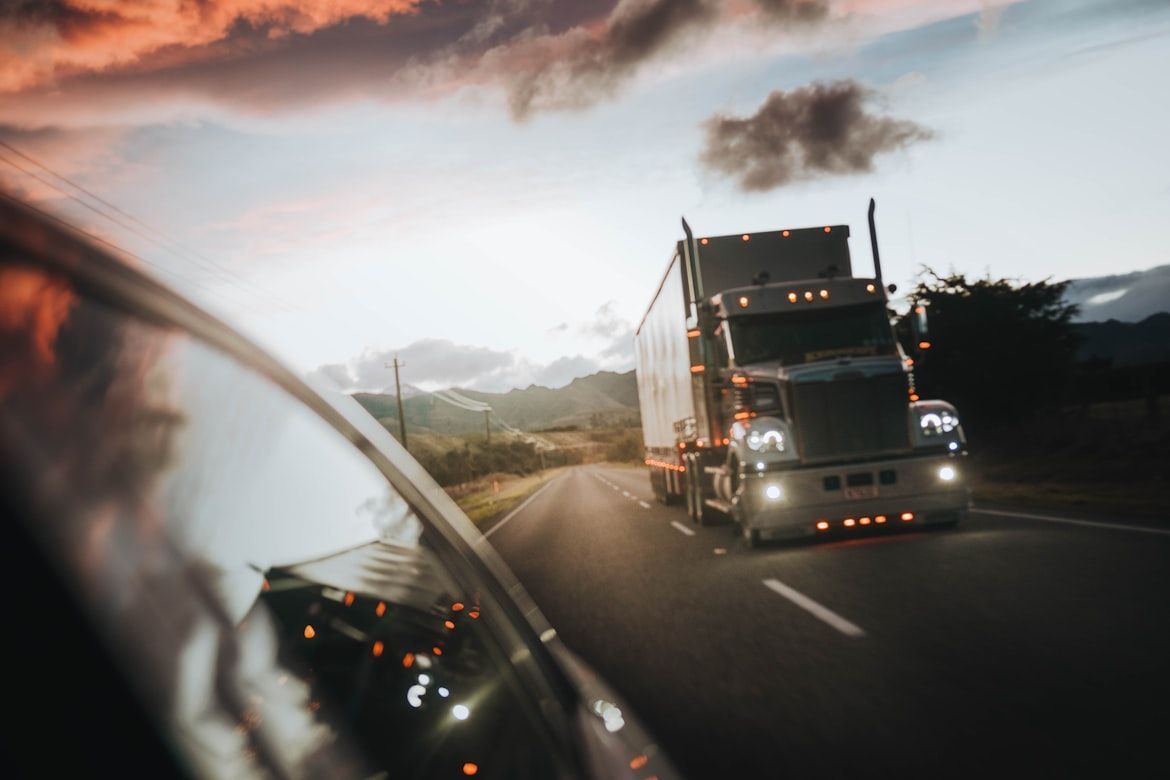
The American word "truck" replaced the older freight term during the industrial boom of the late 1800s and early 1900s. In Britain, the same vehicle is usually called a "lorry," but American English has spread widely through commerce and manufacturing.

As American trucking companies, military vehicles, and exports became globally visible after World War II, "truck" entered everyday speech in many countries. Today, international brands from Toyota to Mercedes often market "pickup trucks" using the American term.

9

Sidewalk

Image: Tim Photoguy

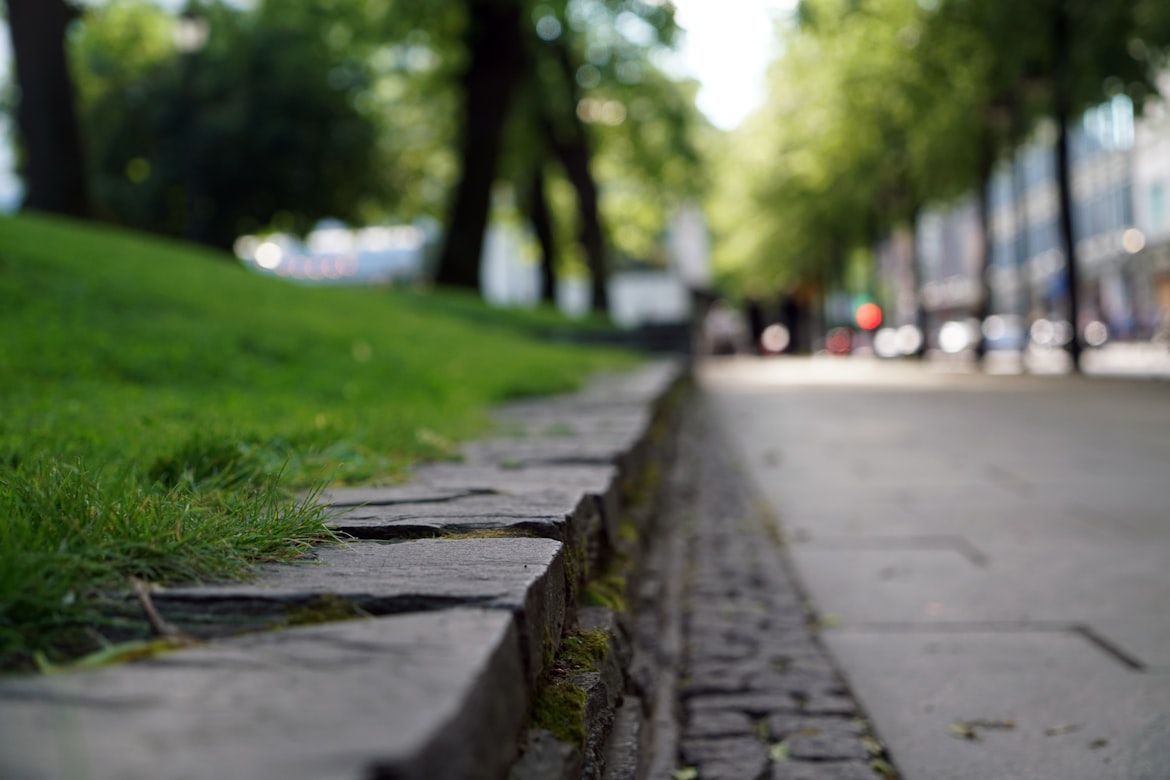
Americans adopted "sidewalk" during the 18th and 19th centuries to describe paved pedestrian paths beside the streets. British English preferred "pavement," but U.S. urban terminology spread through engineering, mapping, and popular culture.

The term became especially associated with American city life in places like New York and Los Angeles. Jazz songs, movies, and Broadway culture helped introduce "sidewalk" to international audiences during the 20th century.

10

Store

Image: Tem Rysh

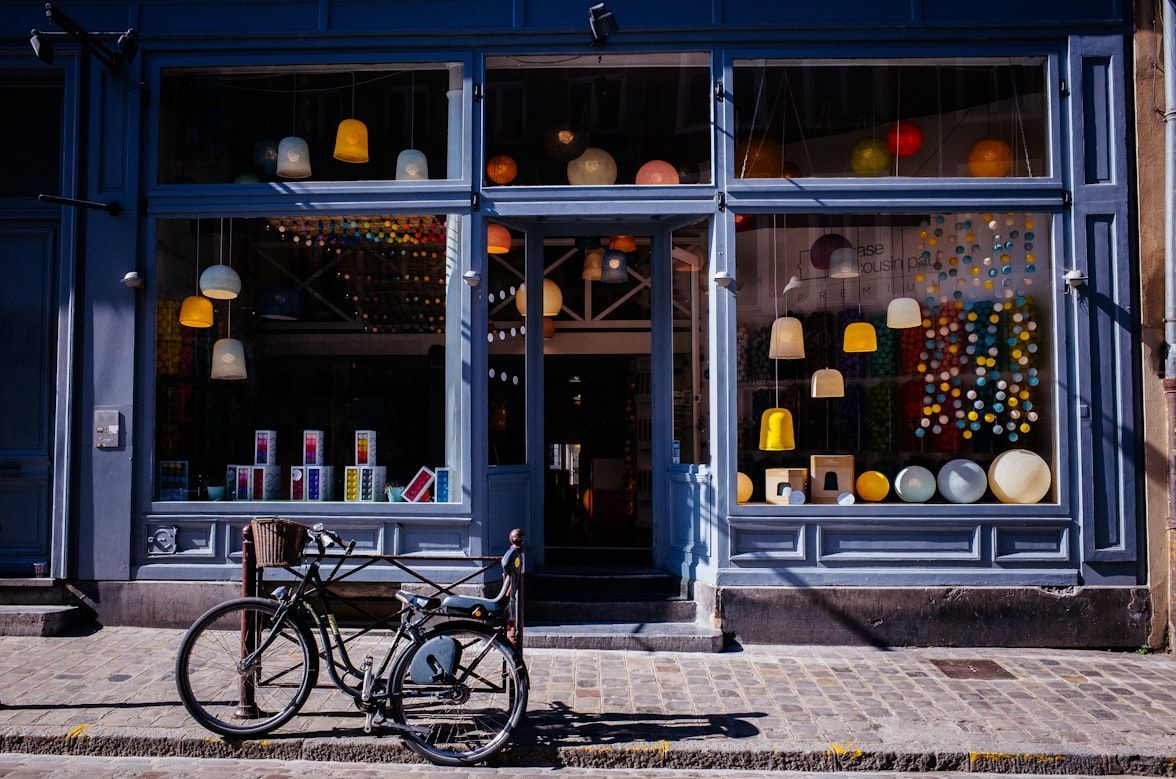
"Store" became the standard American word for a retail shop during the country’s commercial expansion in the 1800s. Britain traditionally favored "shop," but American business culture later spread "store" internationally.

Department stores such as Macy’s, founded in New York in 1858, and later chains like Walmart and Target helped popularize the term worldwide. Today, many countries use both "shop" and store, often interchangeably.

11

Vacation

Image: Chen Mizrach

The U.S. popularized "vacation" as the standard word for leisure travel and time away from work. The term comes from the Latin vacatio, meaning freedom or exemption from duty, but gained especially strong impulse and use in the U.S. during the late 19th century.

British English prefers "holiday," yet "vacation" has spread globally through American tourism, airlines, and entertainment. Expressions like "summer vacation" became internationally familiar thanks to movies, television, and school-related American culture.

12

Guy

Image: Brooke Cagle

"Guy" originally referred to Guy Fawkes, the English conspirator involved in the failed Gunpowder Plot of 1605. In Britain, "guy" first described strange-looking figures burned during Bonfire Night celebrations.

Americans later transformed the word into an informal term for a man, and eventually for groups of people in general, as in "you guys." Hollywood films, television sitcoms, and everyday American speech helped spread this casual usage worldwide.


WHITE HOUSE PASTIMES

Commanders-In-Quirk! Discover These Ten Presidential Fun Facts & Hobbies!


Published on June 10, 2026


Image: Jéan Béller

Let’s face it: Our "Commanders in Chief" are humans, after all. However significant their leadership was for the growth of our country, we should always keep in mind that they also had likes, dislikes, hobbies, and, above all, quirks just like the rest of us.

We have decided to document ten of our favorite presidential fun facts that celebrate the human side of our heads of state. Can you guess which president absolutely adored jelly beans before reading? It might surprise you!

1

Four score and many hats ago…

Image: Garry T

Even though he is pictured bareheaded in the $5 bill and his memorial, it is kind of hard to separate President Lincoln from his iconic black top hat. And as anyone who had to play Lincoln will attest (which includes both Daniel Day-Lewis and elementary school students on President’s Day), top hats are rather roomy headpieces. This height served no functional purpose unless you were a certain president who had a habit of storing notes and papers on your hat.

According to historians, President Lincoln was incredibly messy during his lawyer years in Illinois. He came up with the solution of storing important documents in his top hat as a way to separate them from the mess in his office and, by the time he became president, this habit was well-known. Some believe Lincoln kept this tradition since it conveyed a powerful message: These ideas were coming straight from the president’s head.

2

Keep those feet warm!

Image: Jonathan Taylor

As far as hobbies go, collecting socks might be one of the most useful ones. After all, doesn’t a huge assortment of colorful, comfy songs to choose from at the start of each day sound like a dream? In any case, we can think of at least one person who shared our passion for socks and that is former president George H.W. Bush.

As President Bush himself said in 2014, "I'm a self-proclaimed sock man. The louder, the brighter, the crazier the pattern - the better." Several pieces of his collections have been pictured over the years: these include the American flag pair he wore when he was awarded the Presidential Medal of Freedom and a pair with his own face worn during a 2013 football game.

3

You can put it on the board!

Image: Feo con Ganas

Most of us are aware of Ronald Reagan’s acting career before turning to politics. He was one of the most prominent actors in the 1950s, appearing in over 50 movies and acting as president of the Screen Actors Guild twice. However, you might be surprised to learn that when young Ronald first arrived in Hollywood in 1937, he had previously pursued a different career path.

President Reagan worked as a sports announcer for five years, covering major league baseball and college football for WHO in Des Moines, Iowa. During his time in the White House, he would continue to show his broadcasting skills while addressing the American public every Saturday on the radio.

4

Nutty for peanuts?

Image: Afif Ramdhasuma

Jimmy Carter’s past as a peanut farmer is very well documented. He was nicknamed "The Peanut Farmer" during his time in the White House, referencing the farm in which Carter grew and sold peanuts since his teenage years. His image is so heavily associated with peanuts that, in 1976, a roadside attraction of a large peanut bearing his enormous smile was built to support his presidential candidacy.

What is less known is President Carter’s love for anything peanut, particularly peanut butter. In a recent interview for his 99th birthday, he states he still enjoys an occasional scoop of peanut butter ice cream. Moreover, a delicious cake known as the "Jimmy Carter cake" includes both peanut butter and roasted peanuts on top of a cream cheese and chocolate layer.

5

President Reagan’s sweet tooth

Image: Patrick Fore

We could fill an entire article with the favorite snacks of U.S. presidents (and maybe we will in the future, who knows?). We could talk endlessly about FDR’s love for grilled cheese sandwiches or the above-mentioned Carter peanut craze. However, President Reagan’s obsession with jelly beans was simply too incredible not to include in this article.

Reagan first became infatuated with jelly beans when he was governor of California. In an effort to quit pipe smoking, he adopted eating these colorful pieces of candy as a stand-in. During his time in the White House, over 700 bags of jelly beans were ordered each month, and distributed among different government buildings. He gifted bags of Jelly Belly beans (his favorite brand) to foreign dignitaries and illustrious Americans, including the astronauts aboard the Challenger Space Shuttle. To commemorate their most famous fan, the Jelly Belly factory has a portrait of President Reagan made entirely of jelly beans.

6

We hold these fries to be self-evident

Image: Nurul Roy Saleh

From authoring the Declaration of Independence to conducting the Louisiana Purchase, Thomas Jefferson’s contributions to this great nation of ours can’t be denied. However, there’s an outstanding accomplishment made by our Third President that sometimes goes unacknowledged by history books: he is credited with bringing the very first recipe of French fries to America.

While serving as American Minister to France, Jefferson collected over 150 of his favorite French recipes to bring back home. Jefferson’s recipe for pommes de terre frites, which were round-shaped instead of sticks, didn’t really catch on until the 1900s but set the base of what would eventually become one of America’s favorite foods.

7

A night to remember

Image: Long Truong

While it is an evening we will probably remember for the rest of our lives, prom nights are not particularly luxurious events. Don’t get us wrong: we have nothing but admiration for the enormous work that goes into turning a high-school gym into the setting of a magical event, but tight budgets sometimes have to cut a few corners. However, if you happened to be in the 1975 class of Holton-Arms School, you might have enjoyed a prom night in a rather unusual place: the White House.

Susan Ford, daughter of President Gerald Ford, petitioned at the behest of her classmates to hold her prom night in the White House. While some conditions had to be arranged (for instance, an assurance that no expense would be covered by the government), the White House administration agreed and Susan’s class was able to enjoy a night to remember at the Executive Mansion.

8

A groovy president!

Image: Maxence Pira

Many presidents have been rather musical. Harry S. Truman and Richard Nixon were talented pianists, and Warren G. Harding even celebrated his nomination in the 1920 Democratic Convention by showing off his tuba-playing skills. However, President Clinton’s prowess with the saxophone is perhaps the most well-known.

Before turning to politics, Clinton briefly considered a music career: he avidly practiced the saxophone as a kid and even became the first chair of Arkansas’ All-State Band. Most famously, Clinton appeared in the Arsenio Hall show during the 1992 election and played a cover of "Heartbreak Hotel" on his trusted saxophone. This performance also proved to be a smart political move since it helped him gain traction with young voters.

9

Boom, Boom, Dynamite!

Image: University of Texas at Arlington Photograph Collection

While not the only cheerleader president (both Reagan and FDR were cheerleaders in their college years), George W. Bush’s cheering days are perhaps the most well-known. He became head cheerleader in his senior year of high school at Philips Academy: some photographs remain from those days on which we can see the future 43rd president electrifying the crowd through a megaphone. From 1964 to 1968, President Bush attended Yale University, where he also became part of the cheerleading squad.

10

Tee up!

Image: Robert Ruggiero

We end this article with one of America’s favorite pastimes. Millions of Americans relax after a long week by hitting the greens. In case you happen to live far away from a golf course, you might seek to escape your worries by practicing on a putting green. That is exactly what President Eisenhower, an avid golfer, sought to recreate when he installed a putting green in the White House: a place on which to momentarily unwind and enjoy himself, before going back to his presidential duties.

The putting green, installed in 1954, was later on dismantled by President Nixon. George H.W. Bush reinstalled it in 1991, and President Clinton moved it back into its original location in 1995. It sits there to this day, a small oasis on which commanders-in-chief can momentarily loosen up.

Looking for an extra scoop of literary fun?

Learn more with our Word of the day

utilize

/ˈjudlˌaɪz/