TO EACH THEIR OWN, RIGHT?
Which Is The Most Stressful Job In The World? 10 Nerve-Wracking Jobs.
Published on July 25, 2024
 Image: Christian Erfurt
Some of the jobs on this list are pretty obvious. Fighting fire amid screams and people in mortal danger is a spectacularly stressful situation, even for someone who does it for a living. But some others might come as a bit of a surprise, that is, for the people who are not directly involved in such occupations.
Whether you are coordinating commercial air flights, drunken crowds, or unruly children, whether you are saving someone’s life or closing an important business deal, there is always plenty of stress to go around. Take a look at the following ten gigs and make up your mind as to which of these would be the most stressful for you.
Registered nurse
 Image: JESHOOTS.COM
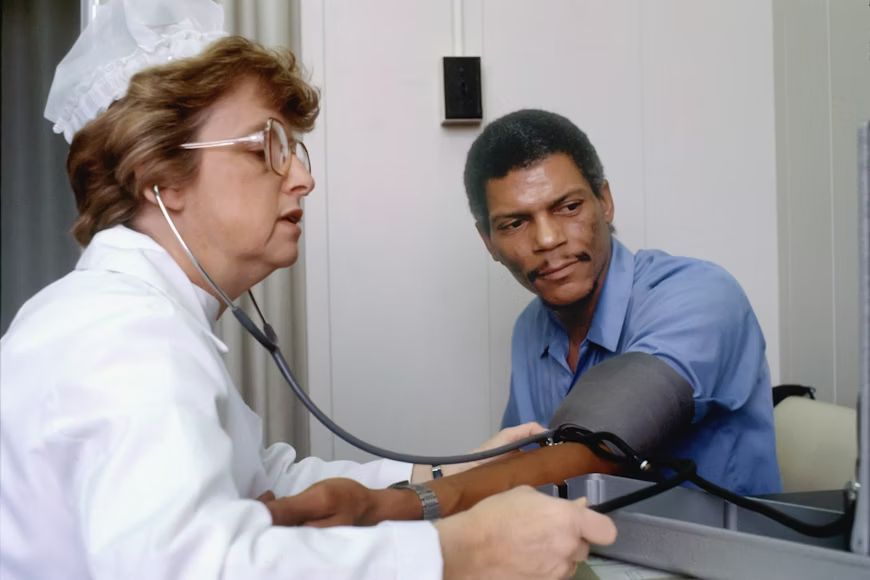
With heavy responsibilities that involve other people’s lives in a very direct way, nurses collaborate with other health professionals to treat diseases and promote their patients' health and well-being.
Their responsibilities include administering medicine, monitoring patients, assisting with lab tests, and organizing patient files. They often have to be on their feet for long hours, with intense schedules, as hospitals may require them to come in on short notice.
Teachers
 Image: Taylor Flowe
Working well outside school hours, grading papers, going over curricula, dealing with undisciplined kids, dealing with undisciplined kids’s parents, and a thousand more chores are the daily routine of a teacher that, let’s face it, will never get rich by doing her/his job.
The huge responsibility that involves taking care of other people’s children and doing one’s best to impart valuable lessons and education to an audience that is usually apathetic at best makes the role of a teacher, a very stressful and demanding one.
Event manager
 Image: CHUTTERSNAP
One would be forgiven to think that a job that entails being around happy situations all the time, is quite a joyous experience. But the truth is that being an event planner and coordinator is nothing short of a stressful endeavor.
Imagine having to coordinate and choreograph the multiple aspects and actors of a one-time event that must turn out perfect or otherwise your reputation will suffer greatly. And this must be accomplished while dealing with unforeseen situations and let’s face it, demanding and often drunk people. In a nutshell, that is the daily bread of event planning and coordination.
Social worker
 Image: Georg Arthur Pflueger
Encouraging social development and assisting the most disadvantaged members of society can be a very satisfying occupation. Social workers focus on prominent social issues like homelessness, addiction, and abuse. But this often entails working with people in difficult situations that can be dangerous.
We never know how people who are dealing with extremely stressful situations will react and that is the very core of a social worker's daily duties. Much like a police officer, a social worker often encounters individuals who are going through the worst time of their lives and she/he has to deal with these people calmly and soothingly. This requires a huge amount of patience and the ability to cope with stress, without showing it.
Air traffic controller
 Image: Grant Beirute
Juggling with the lives of hundreds of passengers and crews who are, literally, in the air, might sound a bit poetic -sort of- but it is a pretty accurate description of an air traffic controller’s job.
This profession entails coordinating landings and takeoffs, incoming and outgoing air traffic, and checking on the status of every single aircraft in their area of operation. If this doesn’t sound like an incredibly stressful job to you, then you might have worked in one of the last positions on this list.
Business operations manager
 Image: Vasilis Caravitis
Dealing with other people’s money can be quite stressful. Managing all the business operations, setting organizational goals, and managing budgets for huge companies with huge pockets is certainly a very stressful job.
Bad decisions can end up in massive losses and layoffs with devastating consequences. All of these are usually the responsibility of a single manager who struggles to meet deadlines and financial goals while maintaining the team’s morale and dealing with personal situations and unforeseen situations.
Anesthesiologist
 Image: engin akyurt
Picture having to administer a potent chemical to a human being in a dose so precise that, if done wrong, could have fatal consequences. An anesthesiologist is a health care professional who monitors patient health during a procedure, adjusting the amount of anesthetic to relieve pain.
While relieving pain can be a satisfying job, the need for precision and constant vigilance, along with the potential for severe complications and the unpredictability of patient responses, makes this a very stressful job.
Paramedic
 Image: camilo jimenez
If your daily routine entails being the first responder in a dramatic emergency we can safely assume that stress is a trusty companion, albeit, not a pleasant one. Paramedics are highly trained professionals who assess, treat, and transport patients who need urgent medical attention. Sure, this can be a rewarding job but it is very mentally and physically taxing.
Paramedics often operate in dangerous, high-pressure environments where split-second decisions can mean life or death. The threat of violence combined with witnessing trauma daily contributes to extremely high rates of stress, depression, and anxiety among first responders.
Police officer
 Image: Fred Moon
Possibly very few jobs involve dealing with such a huge variety of life-threatening situations as police work does. The whole spectrum of human reactions and emotions is a real chance when the duty calls.
Police officers go on regular patrols, apprehend criminals, respond to emergency calls, and investigate crimes. They regularly engage violent people in dangerous and volatile situations. Sometimes, their duties require the use of lethal force to contain threats, making the role physically, mentally, and emotionally demanding.
Firefighter
 Image: Jay Heike
This one should come as no surprise. When your daily job is almost every other person’s worst nightmare, stress is a thing you learn to live and cope with. Dealing with life and death situations, all while in a flaming inferno, is not an occupation suited for the faint of heart.
Saying that this is a vocational calling is falling short of the truth. Firefighters respond to emergencies involving fires, hazardous materials, and other disasters, all for a not-so-great paycheck. Talk about stress for the sake of it.