Have you read them?
"Little Red Riding Hood," too? 12 books you won’t believe were banned
Published on August 15, 2025
 Image: Zoshua Colah
When you think of banned books, you might imagine something edgy, problematic, or revolutionary. But what if we told you that Where’s Waldo?, Charlotte’s Web, and even Little Red Riding Hood have faced censorship? We've collected some stories about the most innocent-looking titles being banned or challenged. Do you think you can guess why they were?
A version of Little Red Riding Hood
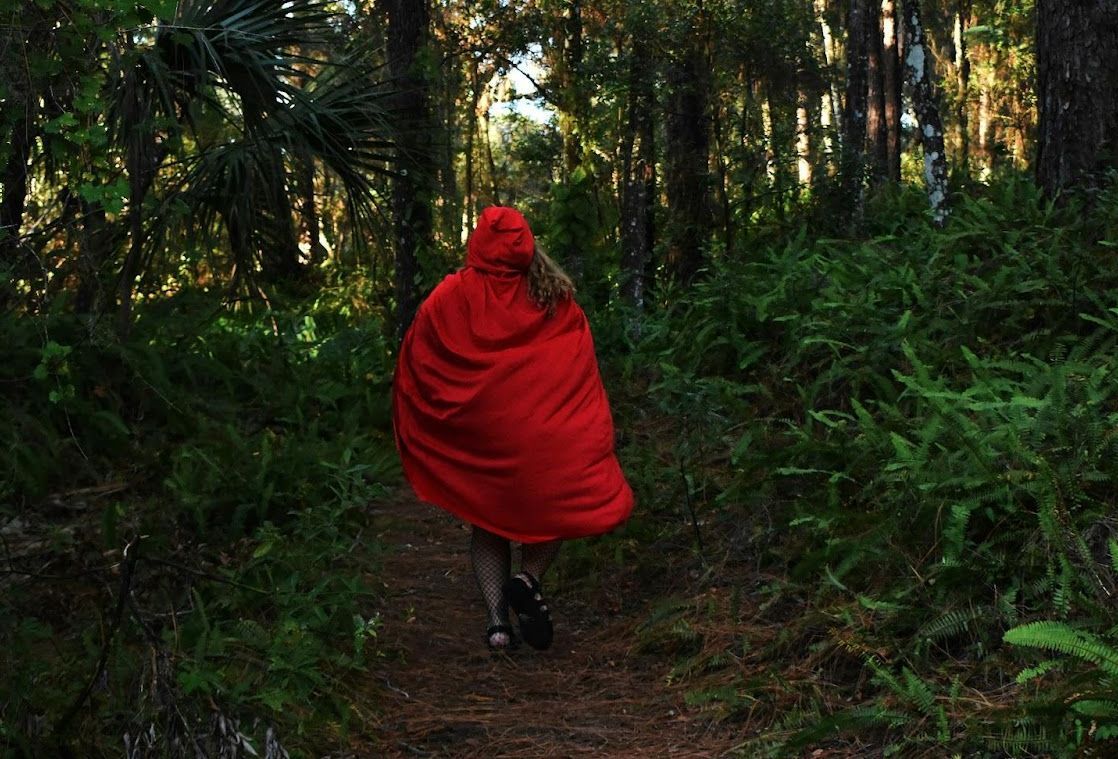 Image: Chelsey Marques
How could a well-known fairy tale like Little Red Riding Hood be banned? It came down to one added detail: an illustration.
The edition illustrated by Trina Schart Hyman, published in 1983, was deemed inappropriate for children due to a seemingly minor element—Little Red Riding Hood was shown carrying a bottle of wine for her grandmother.
Where’s Waldo?
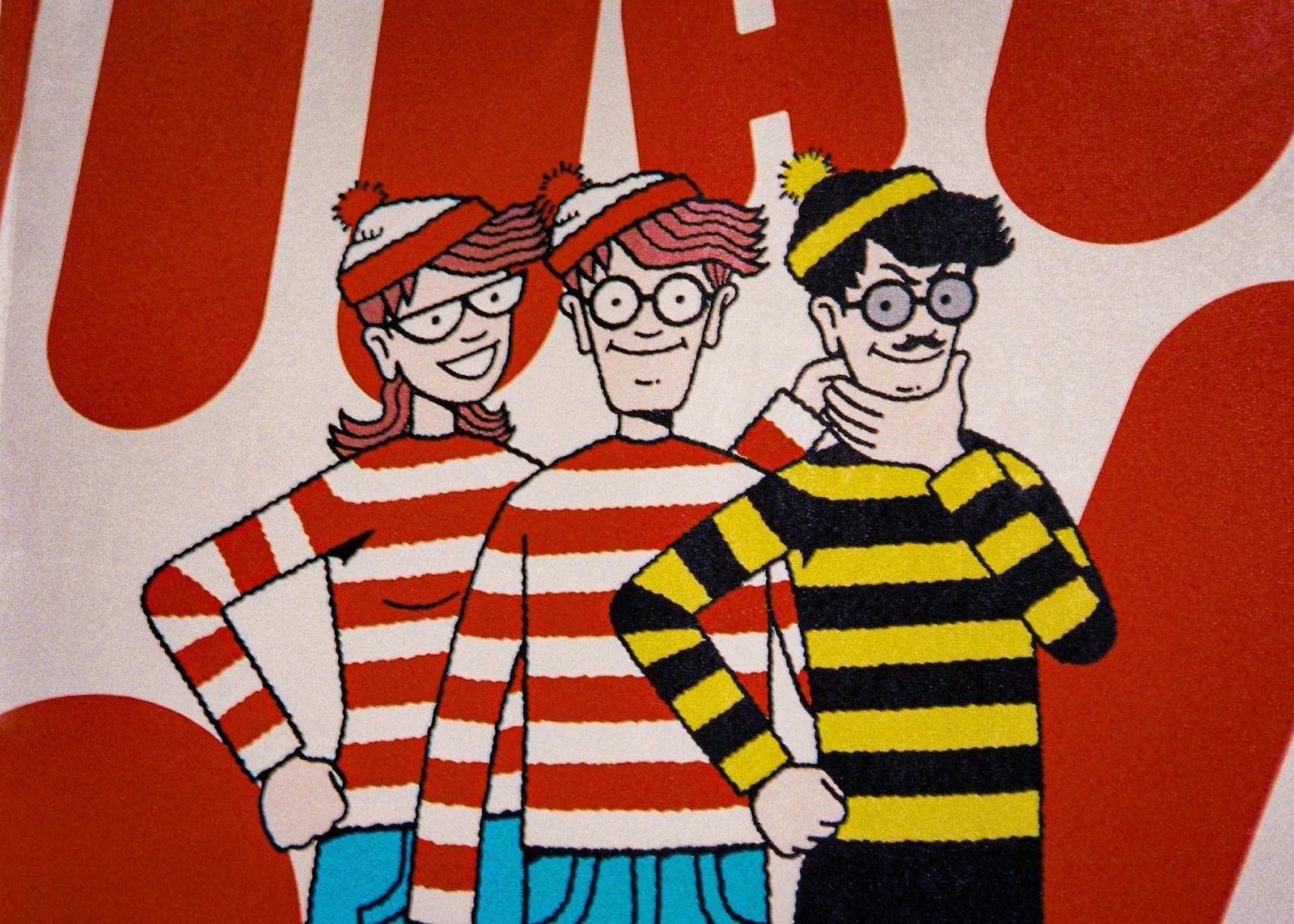 Image: BBiDDac
Martin Handford’s interactive book series—where readers had to find Waldo (or Wally) hidden within highly detailed scenes—became a worldwide sensation in the 1980s. However, one controversial illustration landed one of the books on a banned list in the US for 10 years.
Here’s why: one of the scenes, set on a beach, portrayed a small drawing of a lady showing a bit too much skin. That edition had to be revised and reapproved before it was allowed back in US schools and libraries.
James and the Giant Peach
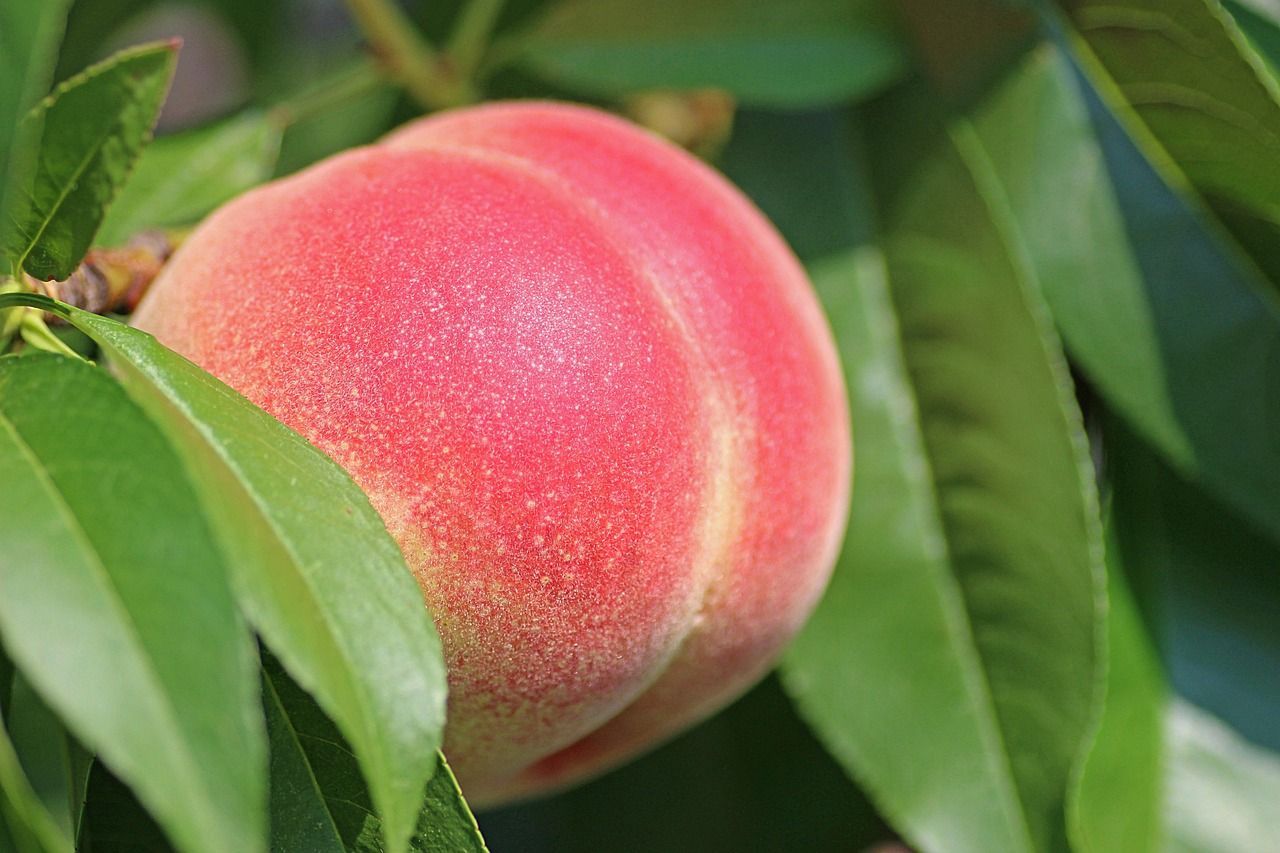 Image: kiyu_01
Roald Dahl’s fantasy novel about a young boy embarking on a surreal journey inside a gigantic peach was published in the 1960s and became a beloved classic.
However, in 1986, a school district in Wisconsin temporarily banned the book after objections from a religious group. The main complaint was a poem in which a spider was described as "licking her lips"—a phrase they claimed was sexually suggestive, despite the fact that spiders don’t even have lips.
Harriet the Spy
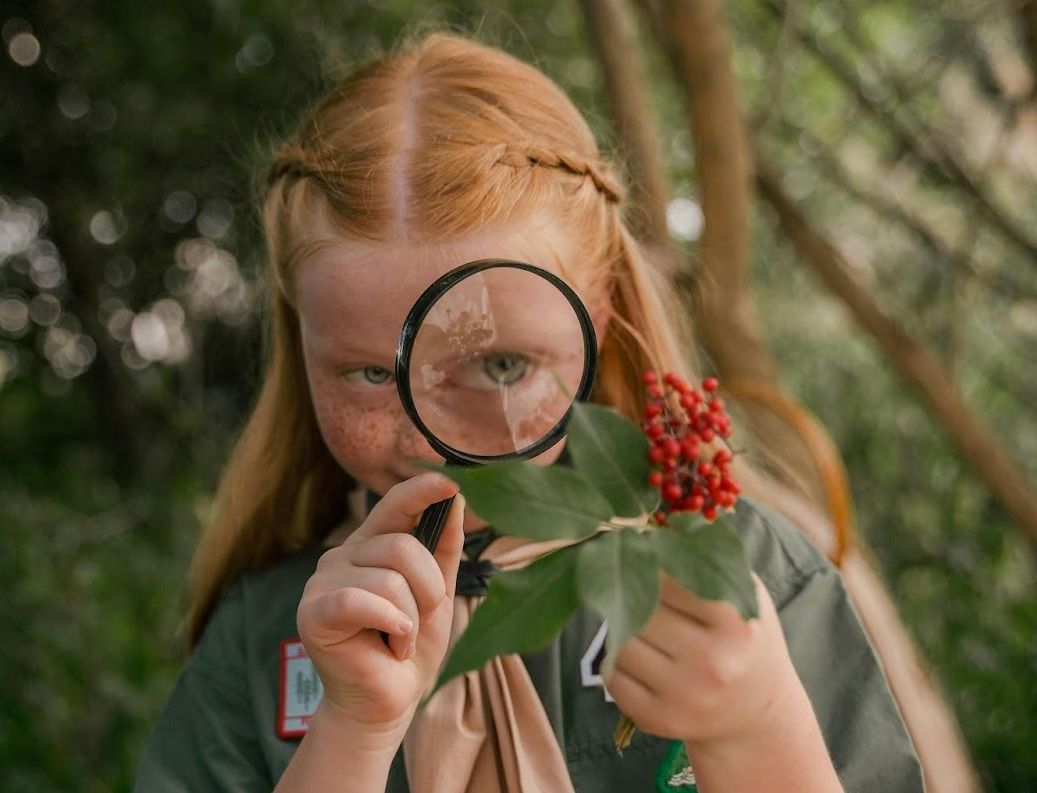 Image: cottonbro studio
Another beloved classic from the 1960s, Louise Fitzhugh’s Harriet the Spy was groundbreaking for its portrayal of a flawed, curious, and fiercely independent young female protagonist.
Harriet broke the mold of the tidy moral lessons found in earlier children’s literature—a shift that, of course, some parents disliked. Over the decades, especially in the 1980s and 1990s, the book was challenged in various school districts for allegedly promoting rudeness, lying, and disobedience.
Charlotte’s Web by E.B. White
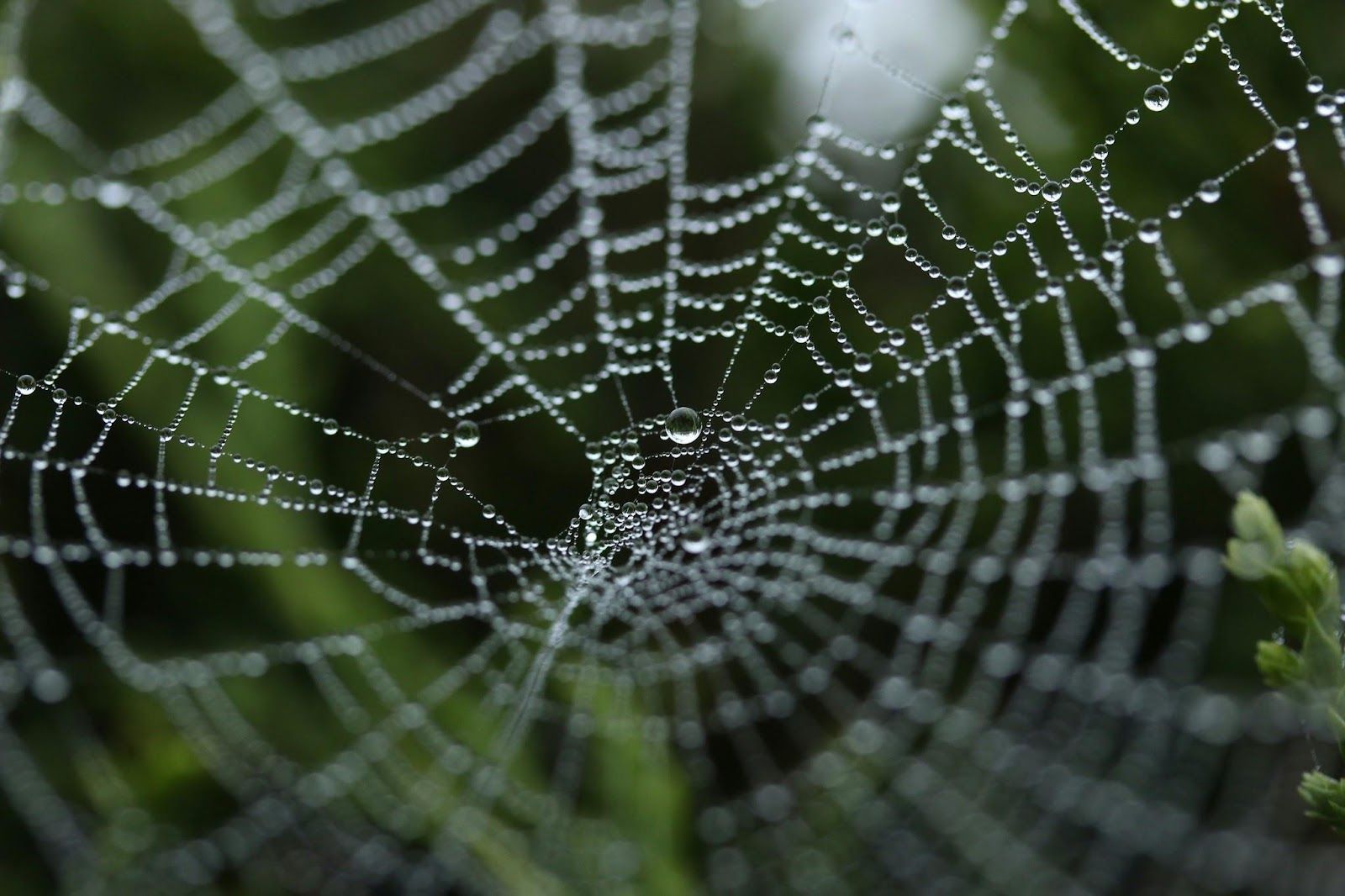 Image: michael podger
First published in 1952, Charlotte’s Web is a touching and philosophical children’s book. It tells the story of a pig named Wilbur and his unlikely friendship with a wise spider, Charlotte, who saves him from slaughter using messages woven into her web.
Still, this beloved classic was banned in parts of Kansas in 2006 for a surprisingly structural reason: religious objections to animals talking. In another instance, the book was challenged for mentioning death and for its supposedly "morbid" tone.
The Lorax
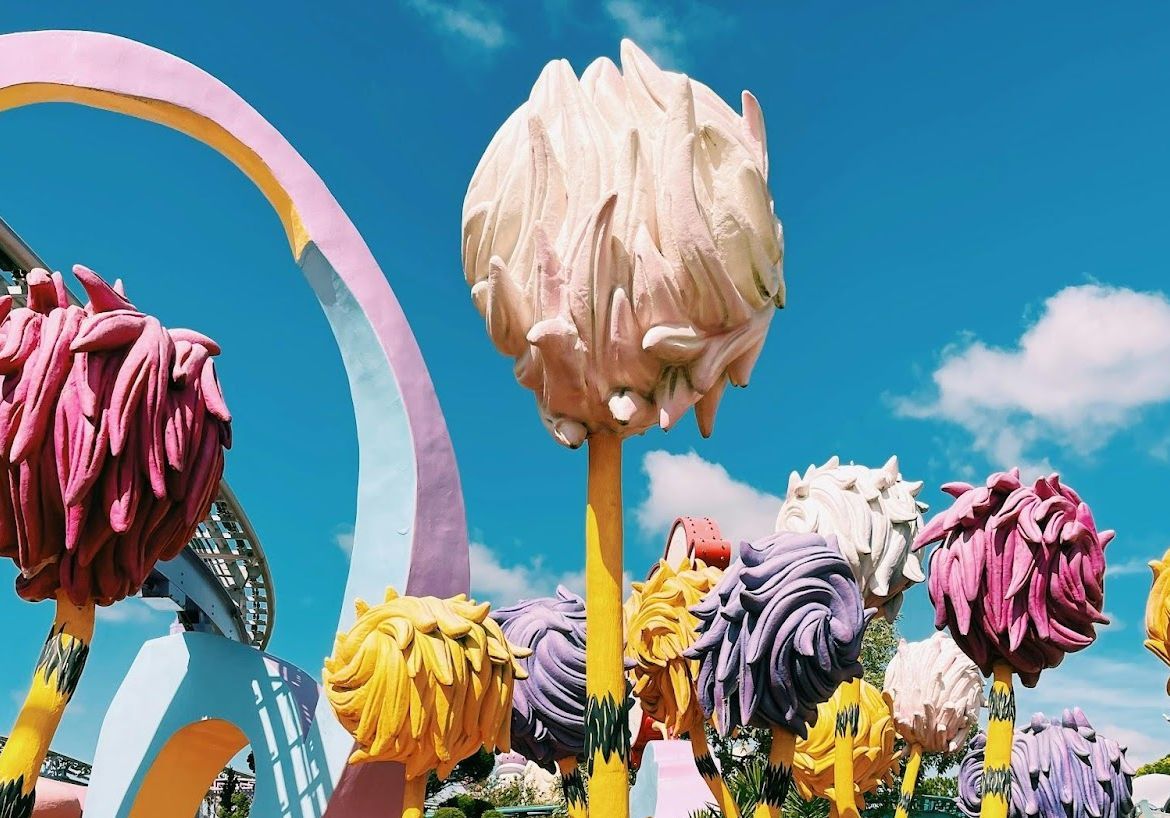 Image: Taylor Heery
In the story, the Lorax speaks for the trees, warning against the destruction of nature at the hands of greedy industry. But this environmental message didn’t sit well with everyone.
In 1989, a school district in Laytonville, California, removed The Lorax from its reading list after local logging companies and some parents complained. They argued that the book portrayed the forestry industry in an unfairly negative light—potentially turning children against the economic backbone of their region.
The Diary of Anne Frank (Unabridged Edition)
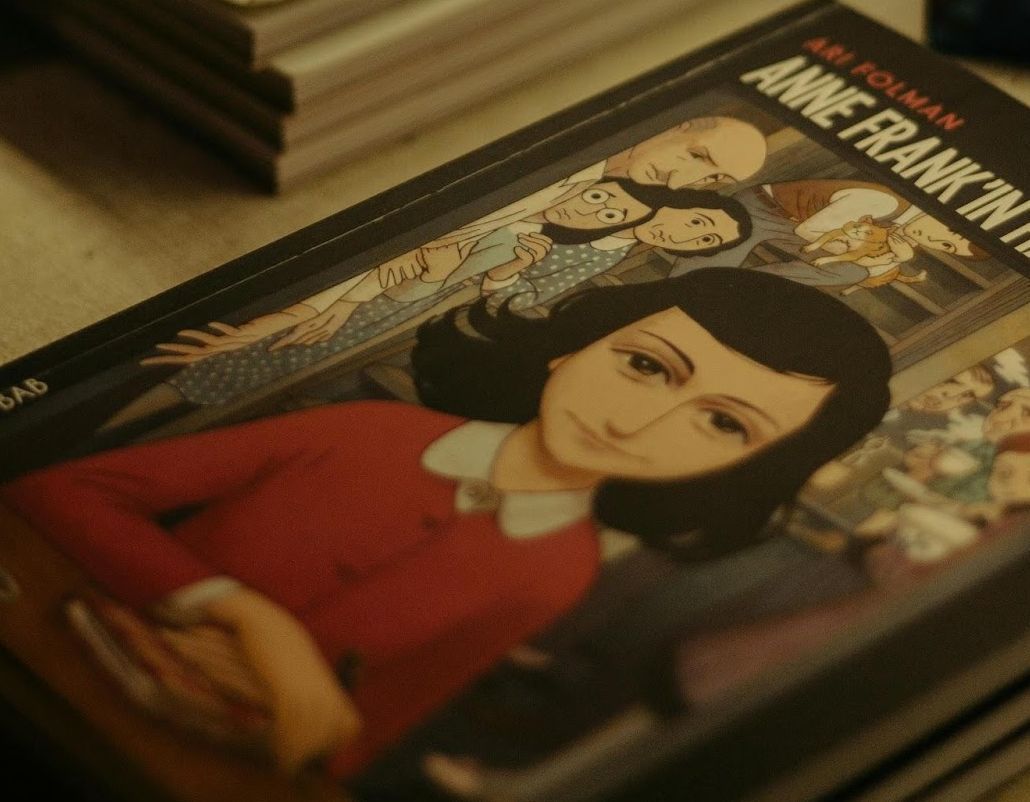 Image: Hilmi Işılak
Anne Frank’s diary has undoubtedly moved generations. First published in 1952, it has been translated into more than 70 languages.
And yet, the unabridged edition of this profound document has faced challenges. In 2010, for example, a school in Culpeper County, Virginia, removed it from its curriculum after a parent objected to references to Anne’s exploration of her body and her emerging sexuality.
The Wonderful Wizard of Oz by L. Frank Baum
 Image: Joshua Woroniecki
Even L. Frank Baum’s beloved fantasy novel has faced censorship. In the 1950s and ’60s, several libraries—including some in Florida and Chicago—banned the book.
Critics argued that it was "ungodly" due to its inclusion of witches and magic. Some claimed the story promoted "negativism" and "theosophy," while others objected to Dorothy’s strong-willed nature, which they believed encouraged young girls to think for themselves and solve problems without the help of men.
Where the Wild Things Are
 Image: Max Gotts
Maurice Sendak’s Where the Wild Things Are was banned by many libraries and schools when it was first released. This tale of a child’s fantastical escape into a land of wild creatures was considered too dark and scary by some psychologists and parents.
Others objected to Max’s behavior—particularly a scene in which he yells at his mother and is sent to bed without dinner.
The Giving Tree
 Image: Jan Huber
Shel Silverstein’s picture book tells the story of a boy and a tree. Over the years, the tree gives everything to the boy—its apples, branches, and trunk—until nothing is left. Readers have debated for decades whether it is a fable of unconditional love or a cautionary tale of exploitation.
This debate has led to censorship in some circles. The book has been banned or challenged for allegedly promoting selfishness on the part of the boy and self-sacrifice to the point of self-destruction on the part of the tree.
Sylvester and the Magic Pebble
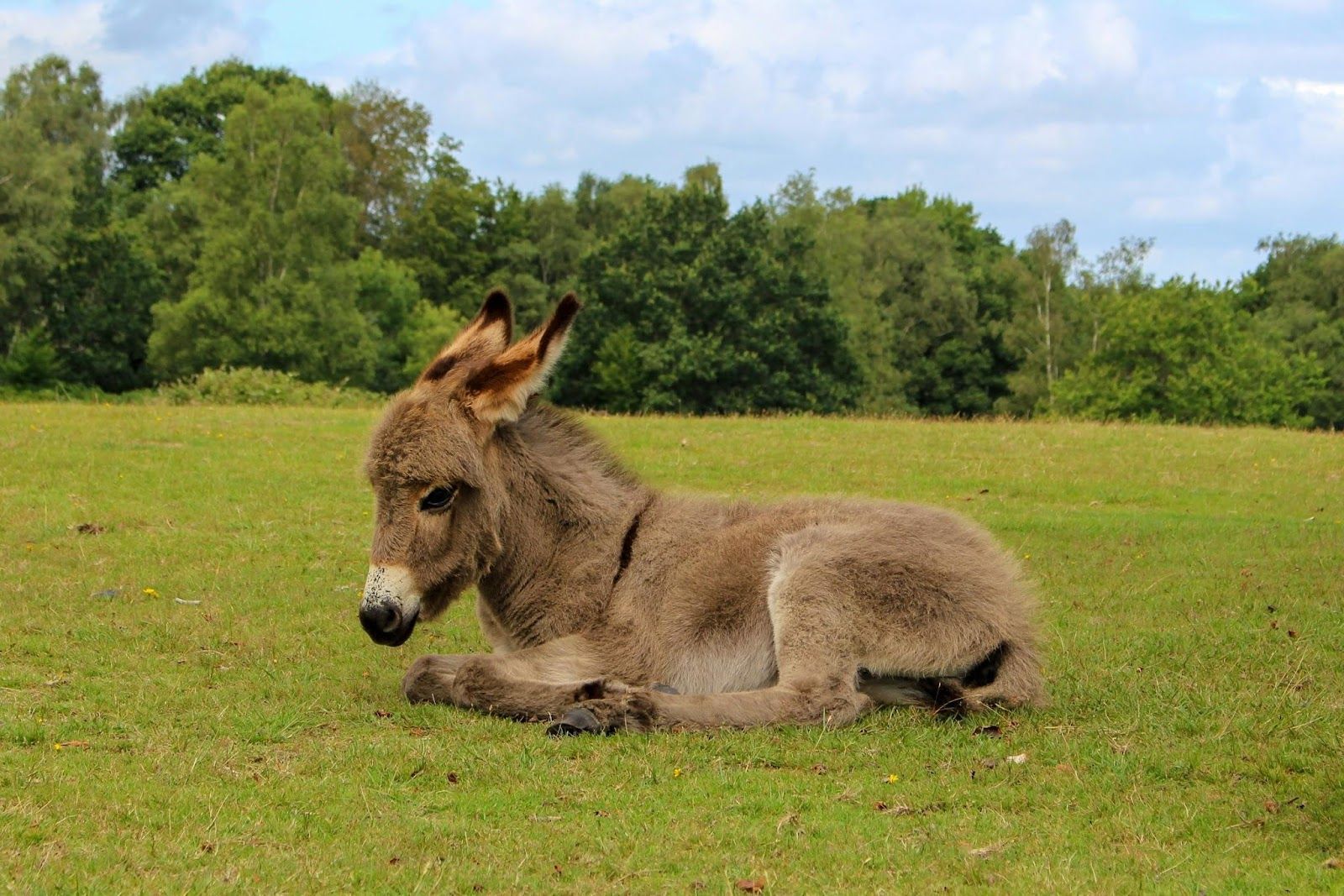 Image: Ellen Kerbey
This 1960s picture book tells the story of a young donkey named Sylvester who finds a magic pebble that grants wishes. One day, in a panic, he wishes to become a rock to escape danger—and becomes trapped in that form for months.
However, in the 1970s, the book was banned in several US schools and libraries, including some in Illinois and California, mainly because police in the story were depicted as pigs. Some law enforcement groups protested, claiming the imagery was anti-police.
Green Eggs and Ham
 Image: Nataliya Vaitkevich
Another title by Dr. Seuss made the list! It may sound unbelievable, but Green Eggs and Ham was banned in China for about 30 years due to political concerns.
The ban claimed that the book contained "early Marxist ideas" and could be interpreted as promoting rebellion against authority. The notion that someone persistently tries something unconventional and ends up liking it was seen by censors as a subversive message.


