Everyday expressions
Where does the phrase “close, but no cigar” come from? 8 idioms' origins
Published on December 9, 2023
 Image: Pisit Heng
Idioms are a rare breed, aren’t they? They confuse non-native speakers to no end, as they can’t simply be deduced from the meaning of individual words. After all, who in their right mind would accuse someone of stealing their intangible thunder? Or complain about having to burn lamp oil at midnight?
English speakers use these idioms all the time but rarely stop to figure out where they come from. If you were ever curious about how spilling beans might connect to confessing a secret, then this article is exactly what you need.
Steal Someone’s Thunder
 Image: Michał Mancewicz
The very literal origin of this idiom comes from the play "Appius and Virginia," written by English dramatist John Dennis in the early 1700s. For the production of his play, Dennis created a new method to imitate the sound of thunder. Sadly, "Appius and Virginia" had disappointing attendance and was canceled shortly after. However, Dennis soon after discovered that a production of Macbeth was using his thunder device, to critical acclaim. According to literary scholar Joseph Spence, Dennis angrily exclaimed, "Damn them! They will not let my play run, but they steal my thunder."
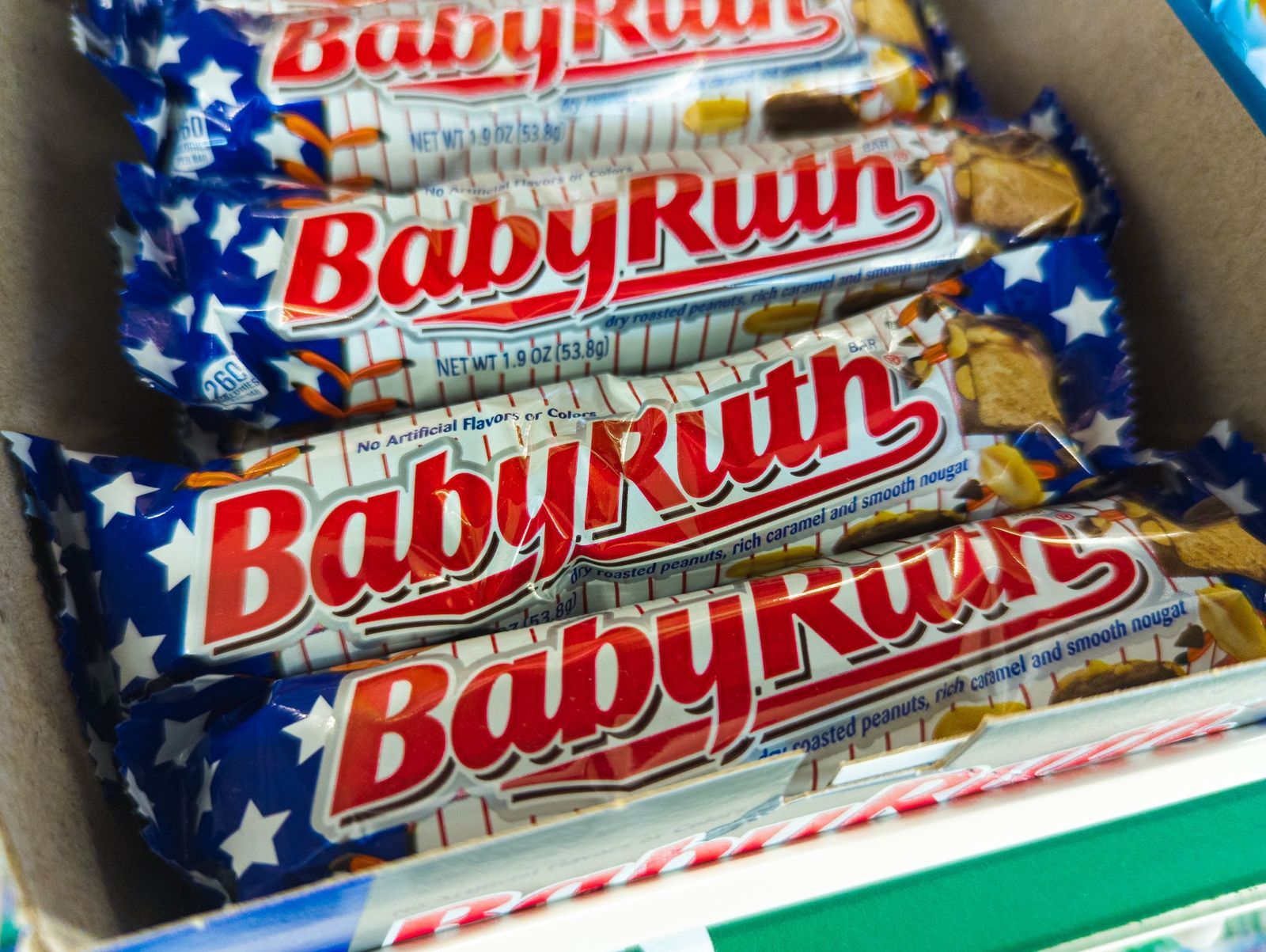
Close But No Cigar
 Image: Yohan Cho
This idiom has a surprising lighthearted aspect to it. While its meaning entails soul-crushing defeat, one can’t help but also imagine a Groucho Marx-looking character chewing on a big cigar. And this lightheartedness might not be completely accidental: After all, this idiom comes from the cheerful world of carnival games.
In the late 19th century, carnival games were targeted for adults, not children. Therefore, instead of handing out oversized stuffed animals of undefined species, winners might receive objects like cigars as prizes. The idiom "close but no cigar" was born from those players that almost won, but didn’t earn a prize.
I’ve Got It In The Bag
 Image: Tyler Hilton
The most widely accepted use of this idiom comes from America’s very own national pastime: baseball. In 1916, the New York Giants (now known as the San Francisco Giants) had an incredible winning streak of 26 consecutive games. The Giants believed that, if they were in the lead during the last inning of a game, moving a bag filled with extra baseballs off the field would secure their victory. They had "captured" the game in the bag. This team’s superstition has now evolved into an everyday idiom that means secured and complete success.
Spill The Beans
 Image: Milada Vigerova
Picture this: You are at work, hanging by the water cooler, and you are trying to get your favorite coworker to reveal a piece of office gossip that promises to be huge. We have all been there, but did you know that by asking your coworker to "spill the beans", you might be referencing one of the very first instances of democracy?
The origins of this idiom are still debated, but the consensus is that it most likely comes from a voting system from Ancient Greece. This process involved placing colored beans in a vase (white for yes, black for no). Tallying up the votes would then literally require someone to spill the vase and count each bean that was cast.
Burning The Midnight Oil
 Image: Ritabrata Das
Almost every student can attest to spending many sleepless nights burning the midnight oil in front of a seemingly endless pile of textbooks. While the origin of this idiom comes from oil lamps used in the 17th century, students all across the world still refer to this expression when talking about working late into the night.
The first known use of "burning the midnight oil" comes from a book written by English poet Francis Quarles in 1635. More recently, in 1972, country music legends Dolly Parton and Porter Wagoner recorded a collaborative studio album titled The Right Combination • Burning the Midnight Oil.
Turn A Blind Eye
 Image: Leimenide
While turning a blind eye might make us think about that lenient schoolteacher who occasionally gave us a pass on our missing homework, the most commonly accepted origin of this idiom comes from the nautical world. Specifically, from the iconic 18th century British Admiral Horatio Nelson.
In 1801, Nelson led the British attack alongside fellow Admiral Sir Hyde Parker in the Battle of Copenhagen. Nelson, who was blind in one eye, received a flag message from Parker that urged him to retreat. However, Nelson believed that the British fleet should continue to push forward, so he held his telescope to his blind eye and pretended he hadn’t seen Parker’s message.
Under The Weather
 Image: Raimond Klavins
Weirdly enough, another unexpected nautical term has found its way into this list! While nowadays feeling "under the weather" means feeling ill, the origin of this idiom dates back to slang used by sailors as far back as the 19th century.
The term "under the weather bow" was used to refer to the side of the ship that was exposed the most during storms. Sailors would seek shelter in their cabins to avoid getting seasick, literally going under the ship’s deck to escape the weather. The first literary use of this term was by American author Donald Grant Mitchell in his 1855 book Fudge Doings. In the book, a character describes a nasty experience in a steamer as feeling "a little under the weather."
Raised By Wolves
 Image: Carlos Felipe Ramírez Mesa
Throughout the years, countless parents have repeated the same question to their misbehaving children at the dinner table: "Were you raised by wolves?" And, while the current intention of these parents is to highlight bad manners and improper etiquette, it might hurt their case to learn that several outstanding characters from myths and literature were, in fact, raised by wolves.
Perhaps the first and most famous story of children raised by wolves is that of the founders of Ancient Rome, Romulus, and Remus. In the myth, the brothers are abandoned on the bank of a river, where they are found and nurtured by a she-wolf, before being eventually adopted by a shepherd. Furthermore, the protagonist of Rudyard Kipling’s 1894 novel The Jungle Book is a boy named Mowgli who is raised in the jungle by wolves.