Oops!

When lyrics break the rules: Grammar errors in famous songs!


Published on January 10, 2026


Image: Jamakassi

Can bad grammar make a good song? We all have that one tune that makes us sing at the top of our lungs the moment we hear the first note. But even the best songs can have a few mistakes! Of course, that doesn’t stop us from enjoying them, but here are 10 popular songs that have some surprising grammatical errors. Can you spot them? Let’s find out!

1

"Another Brick in the Wall, Part 2" by Pink Floyd
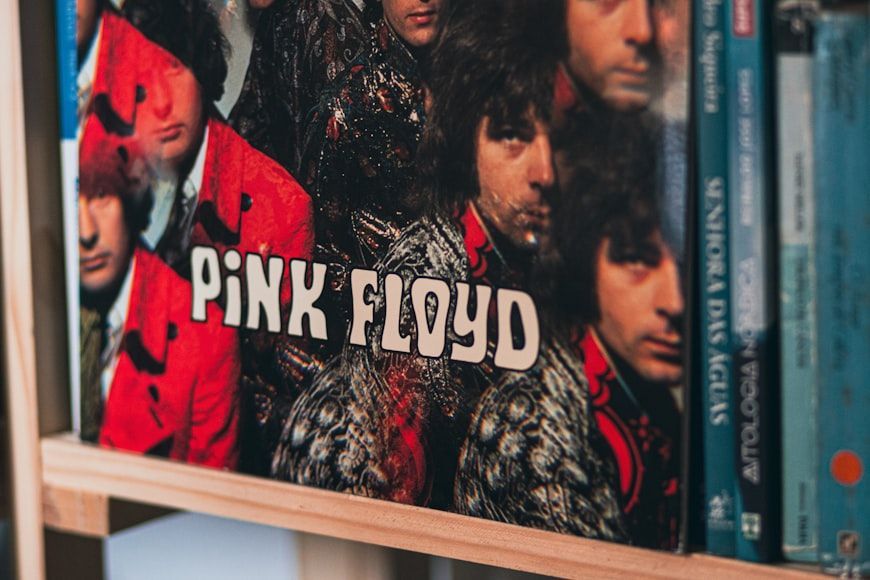
Image: Beatriz Kim

We know it’s impossible not to shout, "Hey, teacher!" even if you actually liked school. But here’s the thing: In "Another Brick in the Wall, Part 2," Pink Floyd sings, "We don’t need no education." This is a classic double negative. "Don’t" already does the job, so it should be "We don’t need any education." Grammatically correct, yes, but definitely not as catchy.

2

"I Got You (I Feel Good)" by James Brown
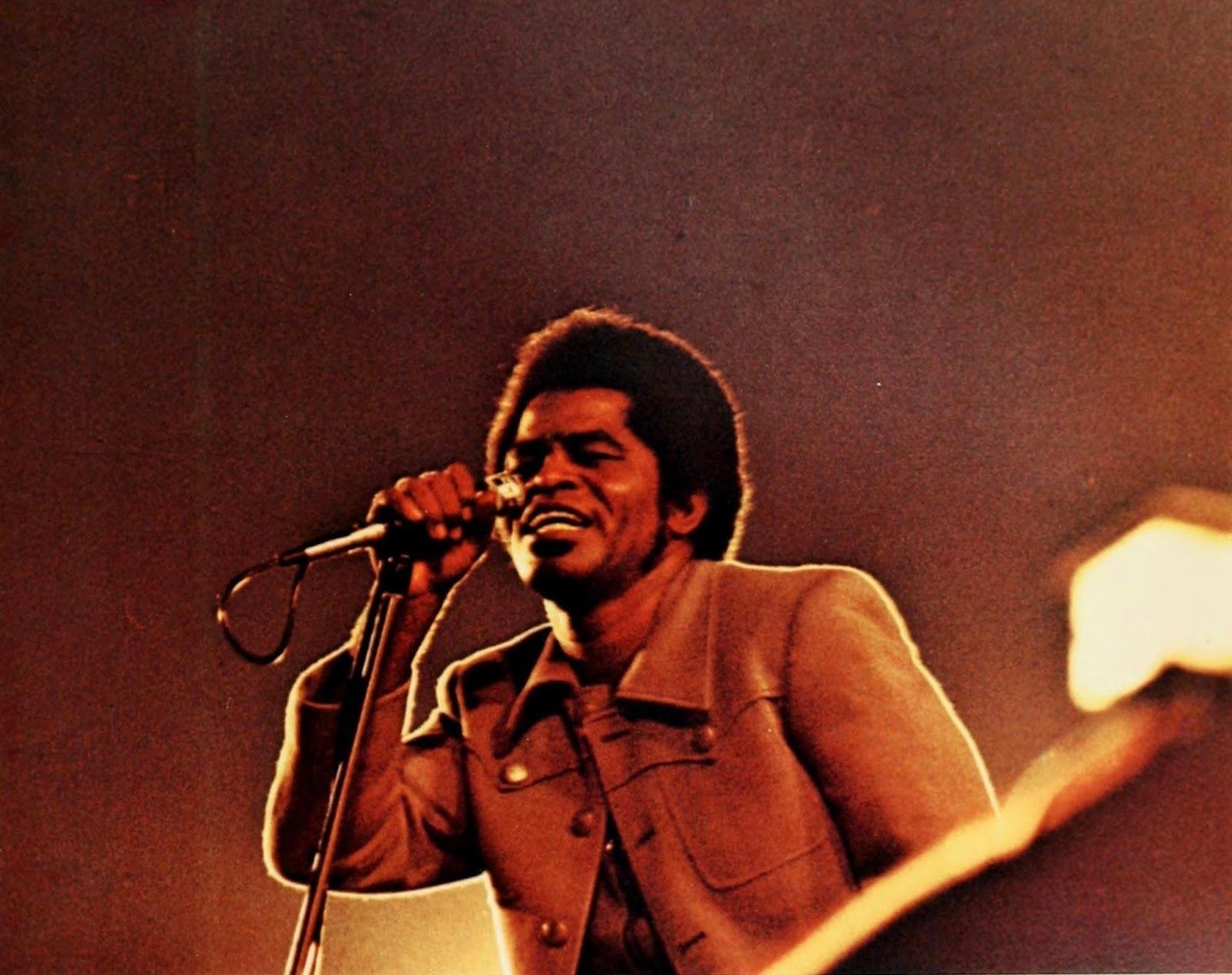
Image: Uncredited photographer for the Jambalaya, Public domain, via Wikimedia Commons

With his incredible voice and timeless hits, we can’t blame James Brown for grammar. Still, the little slip in "I Got You (I Feel Good)" could’ve been avoided. To be perfectly proper, the verb "feel" needs an adverb ("well"), not an adjective ("good"). But does it really matter when it sounds that amazing?

3

"(I Can’t Get No) Satisfaction" by The Rolling Stones
Image: Vale Arellano

While the guys from The Rolling Stones are musical geniuses, grammar isn’t exactly their top priority. And that’s okay, because they gave us many classics, like: "(I Can’t Get No) Satisfaction." As you may have noticed, this case is very similar to Pink Floyd’s, with the double negative once again taking center stage in this grammatical slip-up.

4

"Ain’t No Sunshine" by Bill Withers

Image: Sussex Records, Public domain, via Wikimedia Commons

Of course, poetic intent played a big role in Bill Withers’ choice of words when he sang, "Ain’t no sunshine when she’s gone…" But it seems double negatives are a recurring crime in the world of song lyrics. The contraction "ain’t" already carries the negation, which is repeated in the words that follow: "no sunshine."

5

"Everytime You Go Away" Paul Young

Image: Mink Mingle

Okay, when singing this song, we don’t notice the mistake because it only becomes obvious when reading it. But Paul Young’s "Everytime You Go Away" has a clear error. "Everytime" isn’t actually a word, though perhaps they removed the space between "every" and "time" to make the title four words instead of five.

6

"Lay Lady Lay" Bob Dylan

Image: See page for author, Public domain, via Wikimedia Commons

Bob Dylan may have won the Nobel Prize in Literature, but he slipped up in "Lay Lady Lay." To "lay" means to put something down gently or carefully, and it is a transitive verb, which usually requires a direct object, for example, "I lay the notebook on the table." In contrast, "lie" means to rest or recline and is an intransitive verb, so it only requires a subject—for example, "I lie down every afternoon." Since the girl in Dylan’s song is probably reclining by herself, the verb he chose isn’t technically correct.

7

"Every Little Thing She Does is Magic" by The Police
Image: Simon Weisser

The history of music wouldn’t be the same without the brilliance of The Police. But even legends slip up sometimes. Take their line, "Everything she do just turns me on." As we know, with a third-person singular subject like "she," the verb should be "does," not "do."

8

"If I Was a Rich Girl" by Gwen Stefani

Image: Lorie Shaull from St Paul, United States, CC BY-SA 2.0 <https://creativecommons.org/licenses/by-sa/2.0>, via Wikimedia Commons

We’re still trying to understand why Gwen Stefani sings, "If I was a rich girl..." In English, conditional sentences about hypothetical situations call for the subjunctive mood, which uses "were" with all subjects. And since her song is based on Fiddler on the Roof’s "If I Were a Rich Man," we know she had the correct example. Plus, singing "were" wouldn’t even mess up the rhythm. We need answers, Gwen!

9

"I Don't Want to Wait" by Paula Cole

Image: De an Sun

The ’90s weren’t just a decade; they were a feeling, and many will remember Paula Cole’s 1996 song "I Don’t Want to Wait." She sings, "Say a little prayer for I." Beautiful? Yes. Grammatically correct? No. "I" is a subject (performing the action), but here she needed "me" as the object (receiving the action). Still, we’ll forgive it for the sake of the rhyme.

10

"Ghostbusters" Ray Parker Jr.

Image: Bradley Menyhert

It only takes a few seconds of Ray Parker Jr.’s "Ghostbusters" to bring back the glory of the ’80s. But in the line "Who you gonna call?" there’s a tiny slip. Technically, it should be "Whom," since it’s the object (receiving the call), not the subject. In any case, we must admit that Ray Parker Jr.’s way of saying it is quite common.


Beat the heat

We wish we'd learned this before: 10 key tips for surviving in the desert


Published on January 10, 2026


Image: Ryan Cheng

Some landscapes are kinder than others. While nature can be harsh no matter where you are, camping in a quiet forest near the city is a very different experience from spending several days in the mountains or the desert. With the lack of water and the abysmal temperature differences between the sweltering day and the cold night, the desert is one of the most dangerous environments for human beings, but this isn't an obstacle for explorers! If you're an adventure fan or curious about survival skills, read on! Today, we're going to share 10 key tips to survive in the unforgiving sands.

1

Tell somebody

Image: N.

The first piece of advice experienced explorers give is this: someone else must know where you went. While it might seem a bit obvious, sharing your plans can be crucial when traveling through hostile or dangerous environments.

If you're interested in exploring the desert, thorough preparation is crucial. Part of that is to let your colleagues or loved ones know where you're going, how many days you think you'll be there, and some more information about the routes you plan to take. This way, in case of any unforeseen event, someone will notice that you spent more days than stipulated, and they'll start looking for you.

2

Keep covered

Image: Marvin Meyer

This is nothing new: the desert is really, really hot. Typically, what most of us tend to do in a warm environment is to take off some clothes to feel lighter. However, that's not recommended; in fact, it's quite the opposite.

While it may be counter-intuitive, it's essential to keep your body covered -from head to toe- from the hot desert sun. Not only is it important to protect your skin from the sun's harmful rays, but clothing also helps to keep your body moist and hydrated. On the other hand, layers of fabric, hats, and sunglasses also protect you from sandstorms and insects.

3

Night is your friend

Image: Sergey Pesterev

Night in the desert can be scary. However, many experts recommend walking at night if you need to travel.

Nighttime temperatures in the desert are low, but exercise and layers of clothing can protect you from the cold. By avoiding the heat of the day, your body retains water and energy.

But nighttime offers even more advantages. The desert sky displays a sea of stars, and knowing the constellations -or having a constellation map- can help you find your way.

4

Stay off the ground

Image: Azzedine Rouichi

Desert sands are punished by the harsh sun during the long hours of the day. During all that time, the ground absorbs the intense heat, turning the surface beneath your feet into a gigantic and dangerous stove. For this reason, many recommend that you should try to stay as far off the ground as possible.

First of all, sitting or lying directly on the ground is a big no! Insulating your feet with good footwear is also essential. Many adventurers cover not only their skin but also their shoes with layers of fabric, adding an extra barrier between themselves and the hot sand.

These actions will help protect you not only from the heat radiating off the ground but also from snakes, spiders, and other creatures that may be lurking at ground level.

5

Keep your mouth closed

Image: Zach Guinta

Okay, maybe the title sounds a bit intense. But actually, it's great advice if you happen to wander in the hot desert.

Keeping your mouth closed, especially if you're walking, is an essential step. But why? Well, besides helping you breathe better, this will keep your lips and tongue from drying out, so you'll be less thirsty. Other important tips include avoiding smoking and resisting the impulse to lick your lips.

On the other hand, it's recommended to eat sparingly. Of course, your body needs food, but conserving it during the initial hours is crucial for when you really need the calories. In addition, eating too much can make you thirsty or cause your body to expend too much energy on digestion.

6

Look for water source

Image: Dulcey Lima

Although it can be difficult to find water in the desert, it's not totally impossible. If you notice your water supply is running low, these tips can help you.

First, if you come across animal tracks leading downhill, this may be a trail to a water source. Desert animals know where to find it!

On the other hand, one of the most recommended ways to find water is to dig a hole. As you dig, you'll feel the sand start to get wet; eureka! Wherever you spot vegetation with large, green leaves, that's the place to dig. Always remember to purify water before drinking!

7

Be prepared to make a fire

Image: Patrick Hendry

Water is not the only thing you'll need. Knowing how to make fire is one of the main skills for survival in almost any environment, and the desert is no exception.

Desert temperatures can drop significantly at night. For that reason, fire will be vital, as it will light you up and keep you warm. Plus, it can help scare off animals and make you visible to helicopters.

While you probably won't need the light and heat of fire during the day, it's an essential tool for boiling and purifying water!

8

Listen to your body

Image: Hassan OUAJBIR

Humans can typically survive up to 3 days without water. So, during your time in the desert, it's important to constantly pay attention to your body, as certain physical signs can alert you to potential dehydration.

The first and most obvious are excessive thirst and dry mouth and lips. In addition, dry or cracked skin could also indicate that you need more water.

Other signs of dehydration can be dark yellow urine, dizziness, fatigue, headaches, muscle cramps, or tachycardia.

9

Don't drink cactus juice

Image: Brianda Maldonado

No matter what the cartoons and movies have told you, never drink cactus juice.

But why? It's simply not safe for your body. We know in harsh desert conditions, any liquid will be highly tempting. However, cactus juice is highly acidic. The acidity can make you feel pretty sick, leading to headaches, stomach cramps, vomiting, and even more serious symptoms that can worsen dehydration, such as kidney issues.

In short, the water or juice of most cacti is toxic to humans, leading to consequences far worse than just thirst.

10

PLB

Image: Azzedine Rouichi

Accidents can happen anywhere, especially when nature surrounds us, and even the most experienced explorers may need help. In such cases, cell phones and other devices used in the city can run out of battery or fail to reach a signal. But if you're an outdoor fan, you're probably familiar with personal locator beacons.

A PLB is a specialized emergency device for those traveling in remote or dangerous areas. Equipped with GPS, a PLB sends an emergency signal with your location to rescue agencies so they can find and help you as soon as possible.

Looking for an extra scoop of literary fun?

Learn more with our Word of the day

gloomy

/ˈɡlumi/