Oops!
When lyrics break the rules: Grammar errors in famous songs!
Published on January 10, 2026
 Image: Jamakassi
Can bad grammar make a good song? We all have that one tune that makes us sing at the top of our lungs the moment we hear the first note. But even the best songs can have a few mistakes! Of course, that doesn’t stop us from enjoying them, but here are 10 popular songs that have some surprising grammatical errors. Can you spot them? Let’s find out!
"Another Brick in the Wall, Part 2" by Pink Floyd
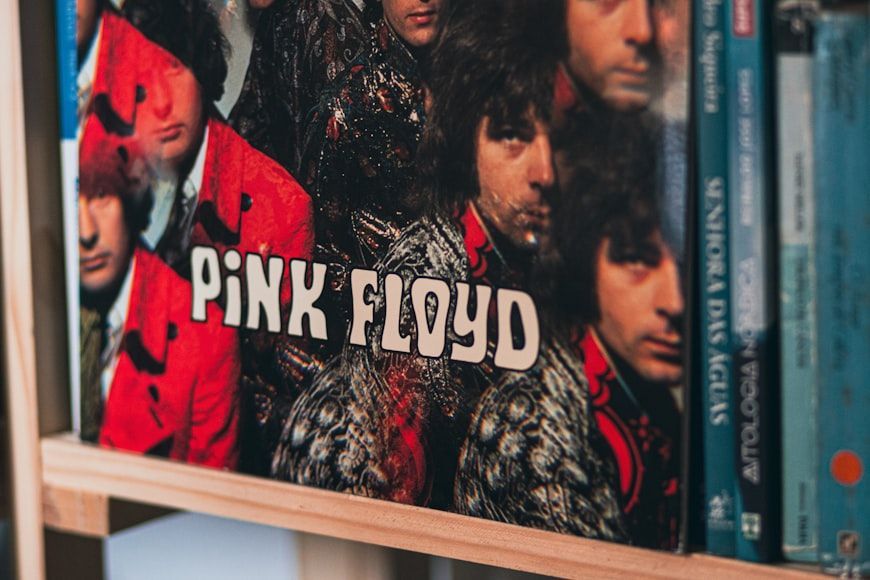 Image: Beatriz Kim
We know it’s impossible not to shout, "Hey, teacher!" even if you actually liked school. But here’s the thing: In "Another Brick in the Wall, Part 2," Pink Floyd sings, "We don’t need no education." This is a classic double negative. "Don’t" already does the job, so it should be "We don’t need any education." Grammatically correct, yes, but definitely not as catchy.
"I Got You (I Feel Good)" by James Brown
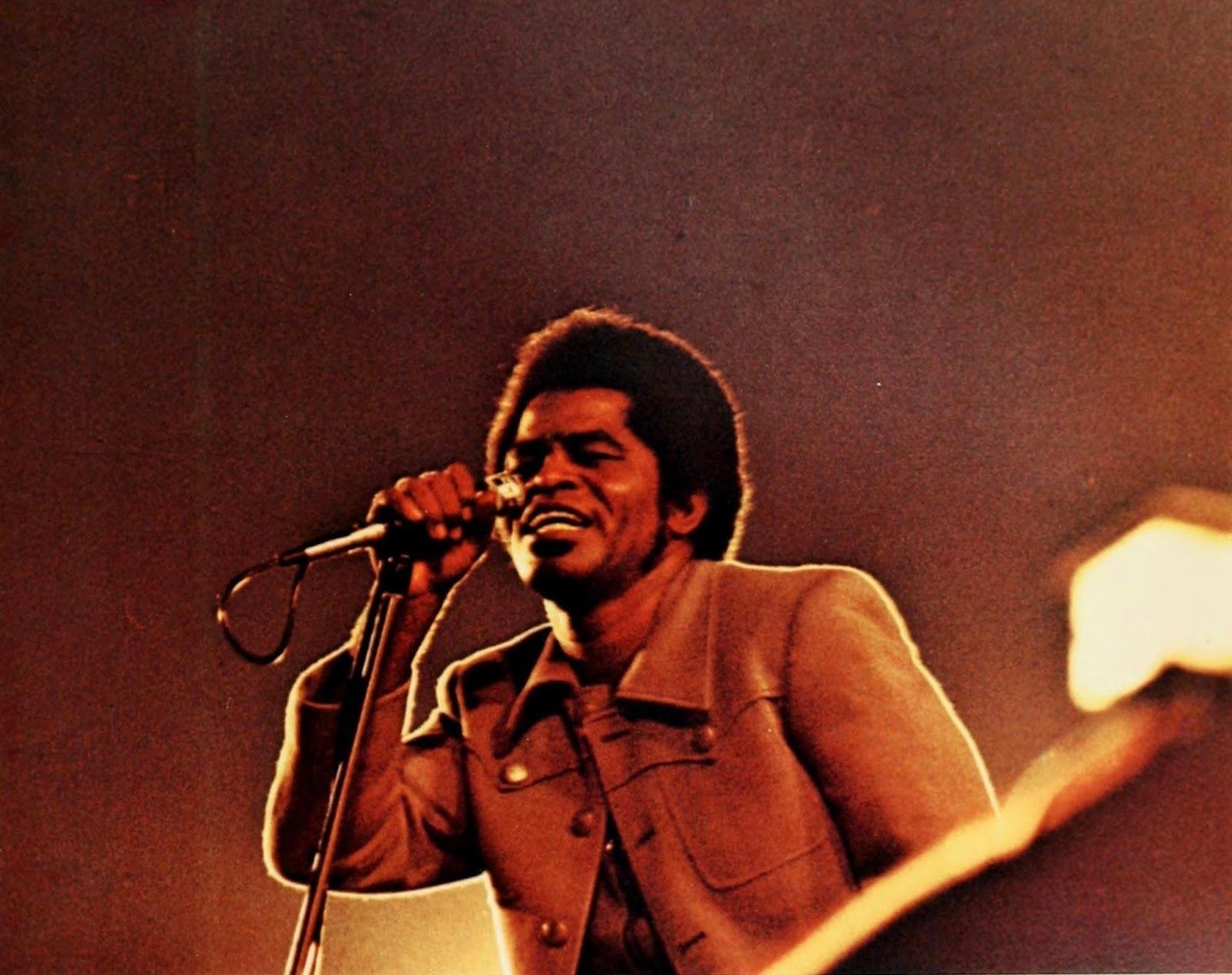 Image: Uncredited photographer for the Jambalaya, Public domain, via Wikimedia Commons
With his incredible voice and timeless hits, we can’t blame James Brown for grammar. Still, the little slip in "I Got You (I Feel Good)" could’ve been avoided. To be perfectly proper, the verb "feel" needs an adverb ("well"), not an adjective ("good"). But does it really matter when it sounds that amazing?
"(I Can’t Get No) Satisfaction" by The Rolling Stones
 Image: Vale Arellano
While the guys from The Rolling Stones are musical geniuses, grammar isn’t exactly their top priority. And that’s okay, because they gave us many classics, like: "(I Can’t Get No) Satisfaction." As you may have noticed, this case is very similar to Pink Floyd’s, with the double negative once again taking center stage in this grammatical slip-up.
"Ain’t No Sunshine" by Bill Withers
 Image: Sussex Records, Public domain, via Wikimedia Commons
Of course, poetic intent played a big role in Bill Withers’ choice of words when he sang, "Ain’t no sunshine when she’s gone…" But it seems double negatives are a recurring crime in the world of song lyrics. The contraction "ain’t" already carries the negation, which is repeated in the words that follow: "no sunshine."
"Everytime You Go Away" Paul Young
 Image: Mink Mingle
Okay, when singing this song, we don’t notice the mistake because it only becomes obvious when reading it. But Paul Young’s "Everytime You Go Away" has a clear error. "Everytime" isn’t actually a word, though perhaps they removed the space between "every" and "time" to make the title four words instead of five.
"Lay Lady Lay" Bob Dylan
 Image: See page for author, Public domain, via Wikimedia Commons
Bob Dylan may have won the Nobel Prize in Literature, but he slipped up in "Lay Lady Lay." To "lay" means to put something down gently or carefully, and it is a transitive verb, which usually requires a direct object, for example, "I lay the notebook on the table." In contrast, "lie" means to rest or recline and is an intransitive verb, so it only requires a subject—for example, "I lie down every afternoon." Since the girl in Dylan’s song is probably reclining by herself, the verb he chose isn’t technically correct.
"Every Little Thing She Does is Magic" by The Police
 Image: Simon Weisser
The history of music wouldn’t be the same without the brilliance of The Police. But even legends slip up sometimes. Take their line, "Everything she do just turns me on." As we know, with a third-person singular subject like "she," the verb should be "does," not "do."
"If I Was a Rich Girl" by Gwen Stefani
 Image: Lorie Shaull from St Paul, United States, CC BY-SA 2.0 <https://creativecommons.org/licenses/by-sa/2.0>, via Wikimedia Commons
We’re still trying to understand why Gwen Stefani sings, "If I was a rich girl..." In English, conditional sentences about hypothetical situations call for the subjunctive mood, which uses "were" with all subjects. And since her song is based on Fiddler on the Roof’s "If I Were a Rich Man," we know she had the correct example. Plus, singing "were" wouldn’t even mess up the rhythm. We need answers, Gwen!
"I Don't Want to Wait" by Paula Cole
 Image: De an Sun
The ’90s weren’t just a decade; they were a feeling, and many will remember Paula Cole’s 1996 song "I Don’t Want to Wait." She sings, "Say a little prayer for I." Beautiful? Yes. Grammatically correct? No. "I" is a subject (performing the action), but here she needed "me" as the object (receiving the action). Still, we’ll forgive it for the sake of the rhyme.
"Ghostbusters" Ray Parker Jr.
 Image: Bradley Menyhert
It only takes a few seconds of Ray Parker Jr.’s "Ghostbusters" to bring back the glory of the ’80s. But in the line "Who you gonna call?" there’s a tiny slip. Technically, it should be "Whom," since it’s the object (receiving the call), not the subject. In any case, we must admit that Ray Parker Jr.’s way of saying it is quite common.


