Furry instincts

When crickets stop chirping, it’s time to run: 10 animal early warnings


Published on August 21, 2025
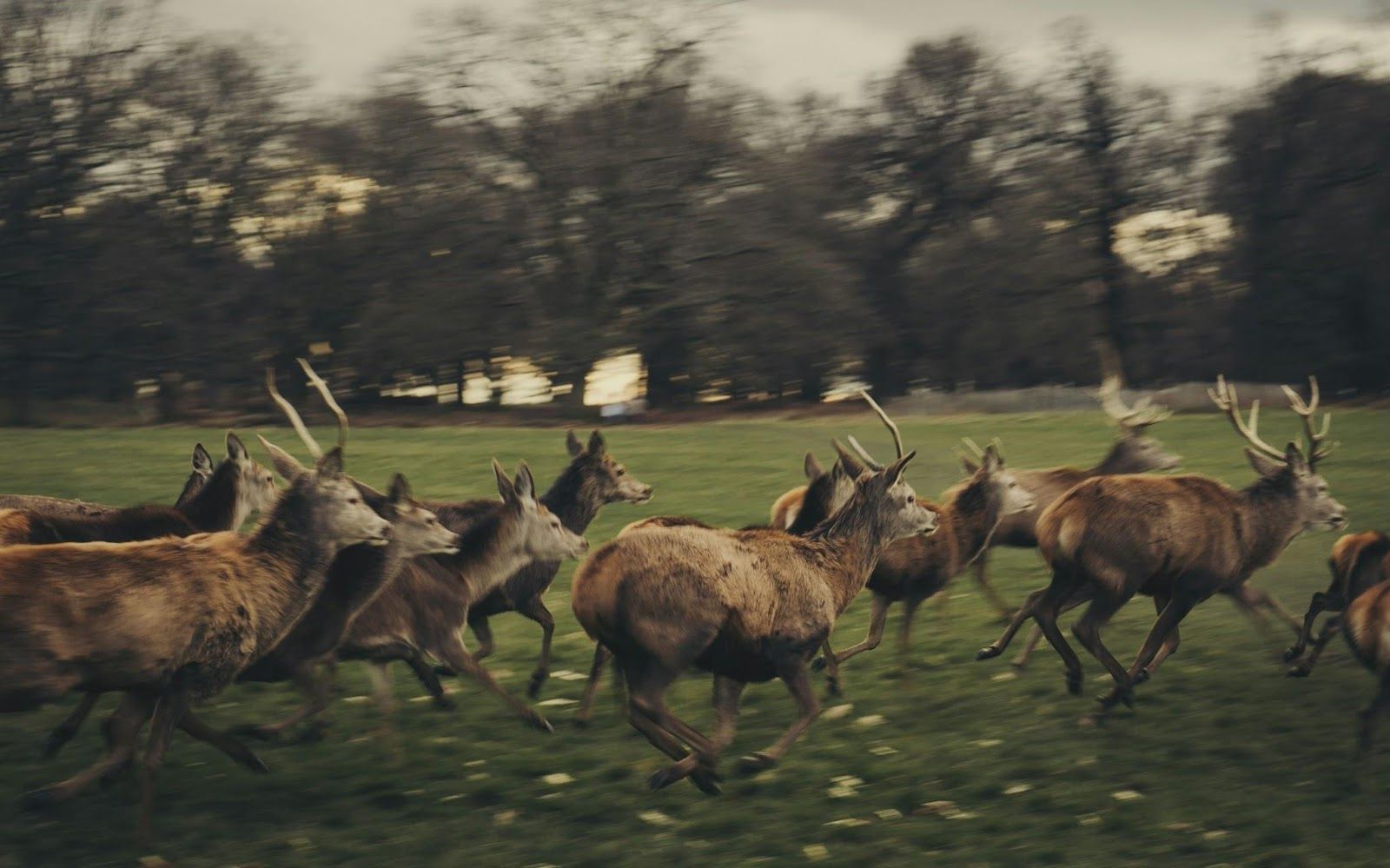

Image: Zoltan Fekeshazy

Long before radar and satellites, animals have relied on their sensory superpowers to detect natural disasters. From elephants hearing through the ground to ants reacting to tremors and storms in advance, many creatures exhibit behaviors that hint at impending doom—often hours or even days before it hits. Here's a list of 10 real ways animals are believed to detect and respond to natural disasters.

1

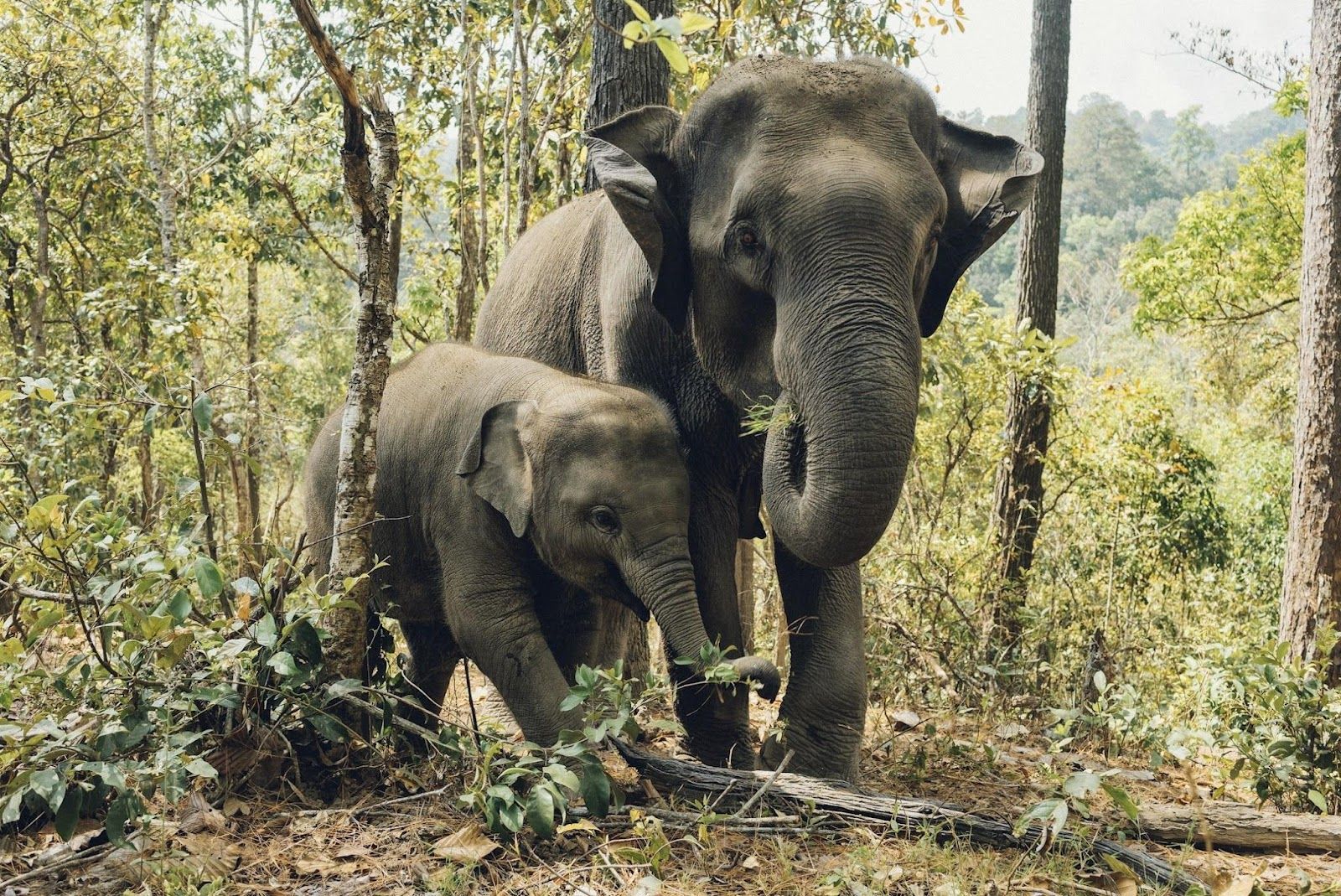
Elephants and earthquakes

Image: paweldotio

Elephants can detect low-frequency seismic vibrations through their feet, known as infrasound. These sounds travel great distances through the ground, giving elephants an early warning system for earthquakes.

Field studies in Sri Lanka and Thailand have recorded elephants moving to higher ground hours before tsunamis and quakes.

2

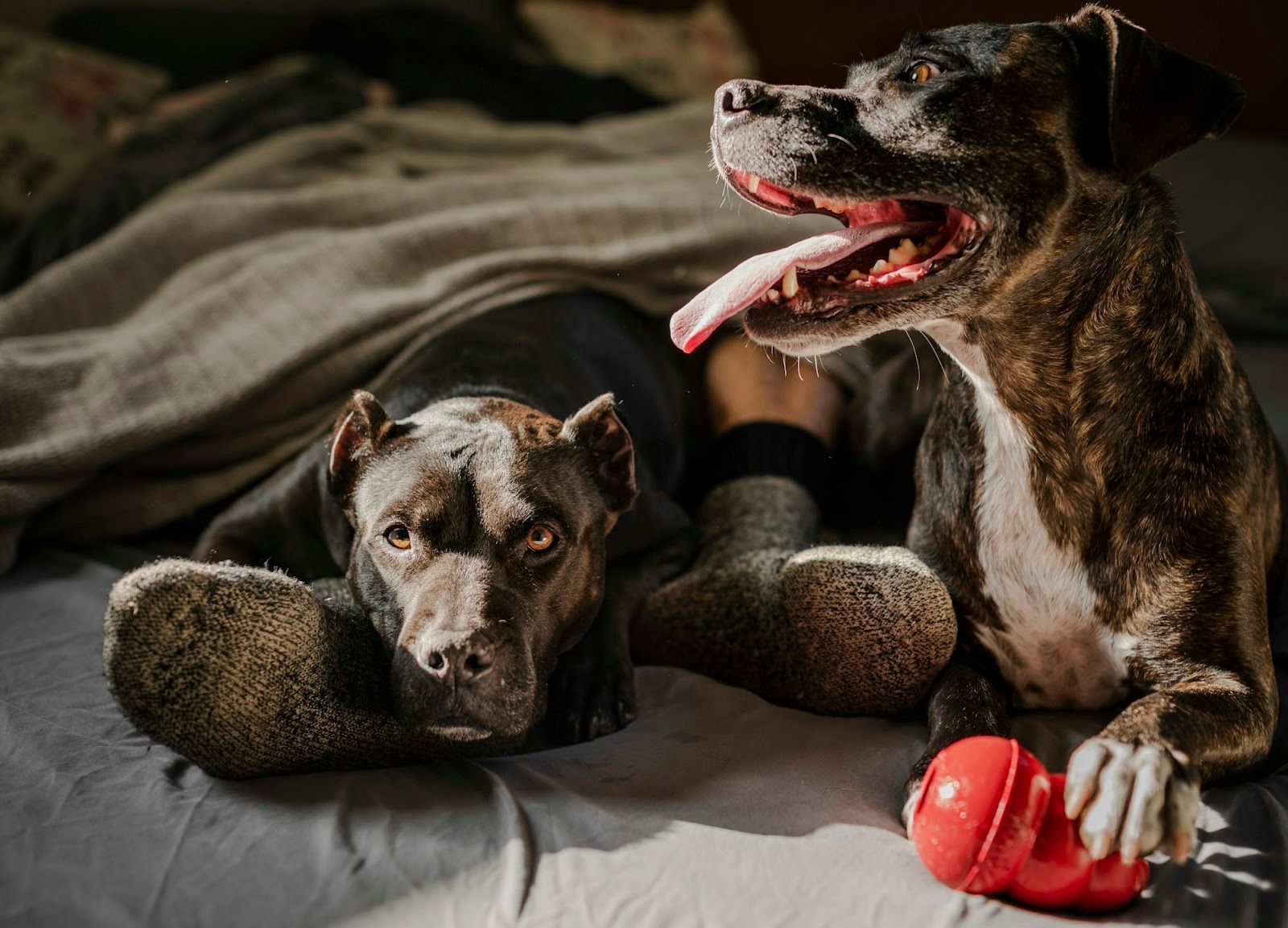
Dogs sensing seizures and storms

Image: Chewy

Dogs often display signs of anxiety—pacing, whining, hiding—before storms or earthquakes. In some cases, they have even alerted owners to seizures or cardiac events.


Their acute sense of smell and hearing allows them to detect subtle changes in barometric pressure and even the scent of ozone that precedes a thunderstorm. In quake-prone areas, dogs have been reported barking frantically seconds before tremors strike.

3

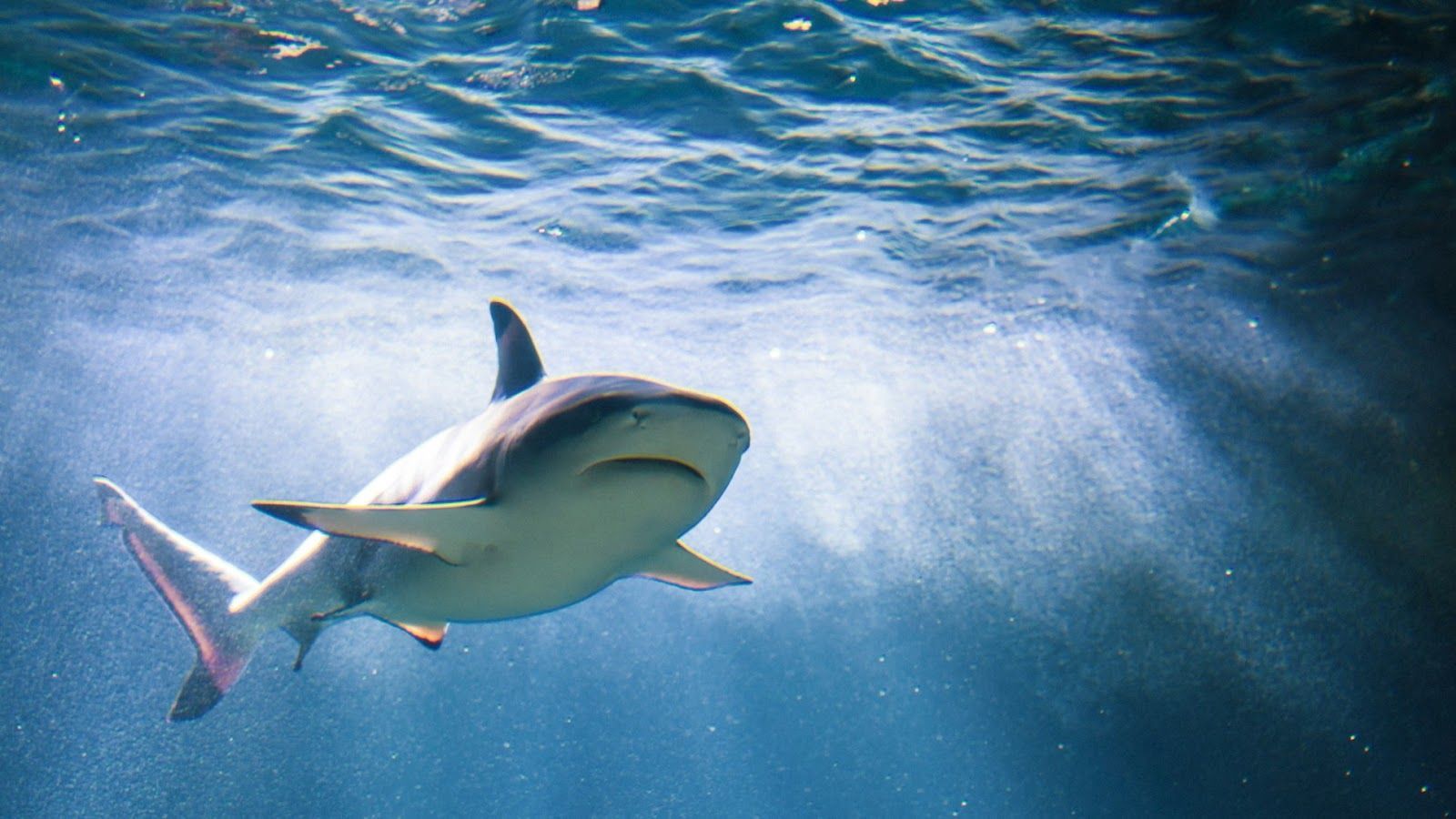
Sharks avoiding hurricanes

Image: Alexandre Boucey

Sharks can detect shifts in barometric pressure, allowing them to dive deeper before hurricanes strike.

In 2001, tagged bonnethead sharks in Florida were observed diving rapidly in response to Hurricane Gabrielle’s approach. Their pressure-sensitive lateral lines function like an early-warning system for dangerous storms.

4

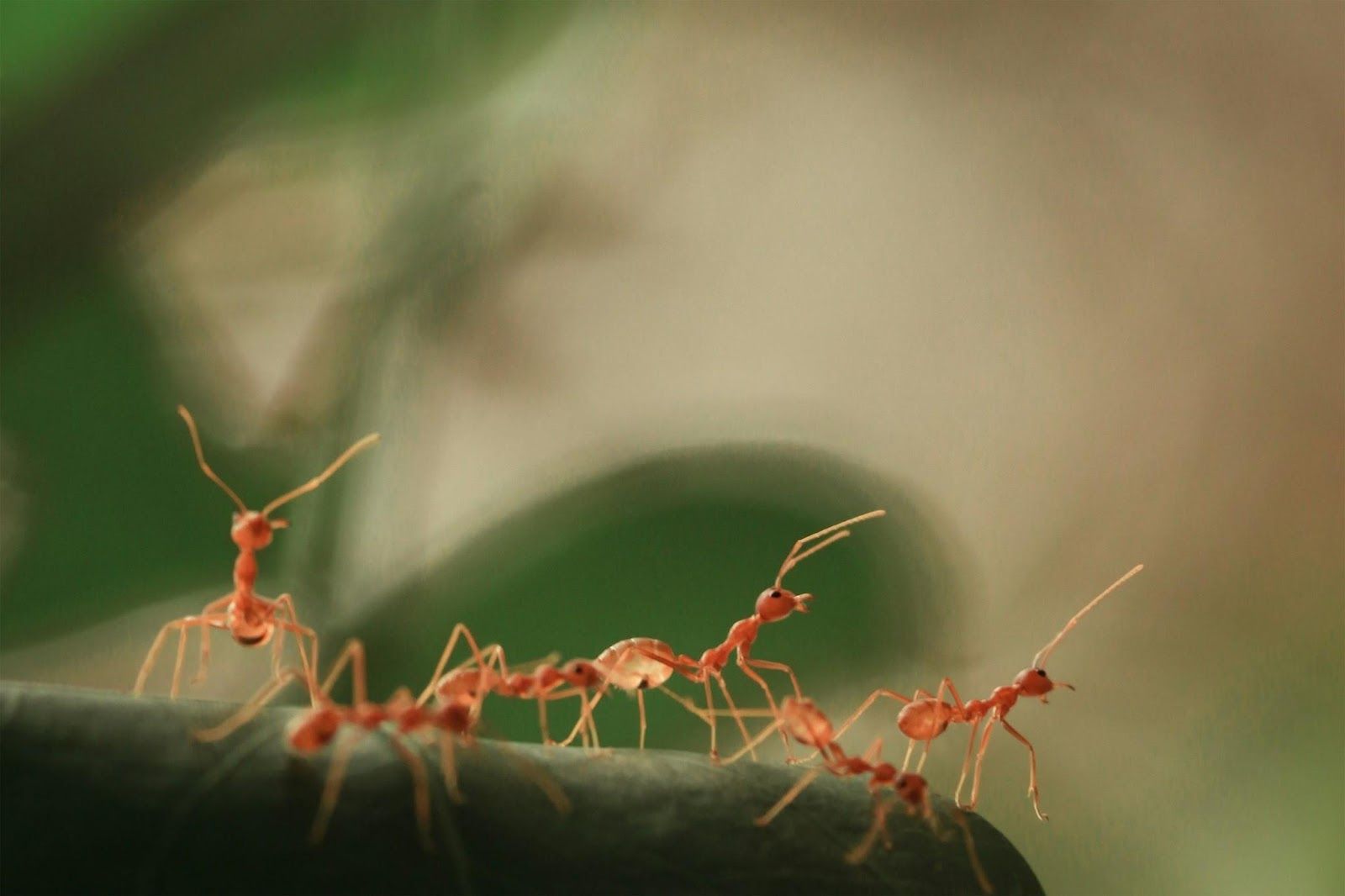
Ants and micro tremors

Image: Prince Patel

Ants have been observed to alter their foraging behavior and nest structure before earthquakes. Scientists believe they react to changes in soil gases and vibrations.

In addition to earthquakes, ants can also detect approaching storms. Changes in barometric pressure and humidity can cause ants to become more active or retreat deeper into their nests.

5

Birds and barometric shifts

Image: Mohamed Fsili

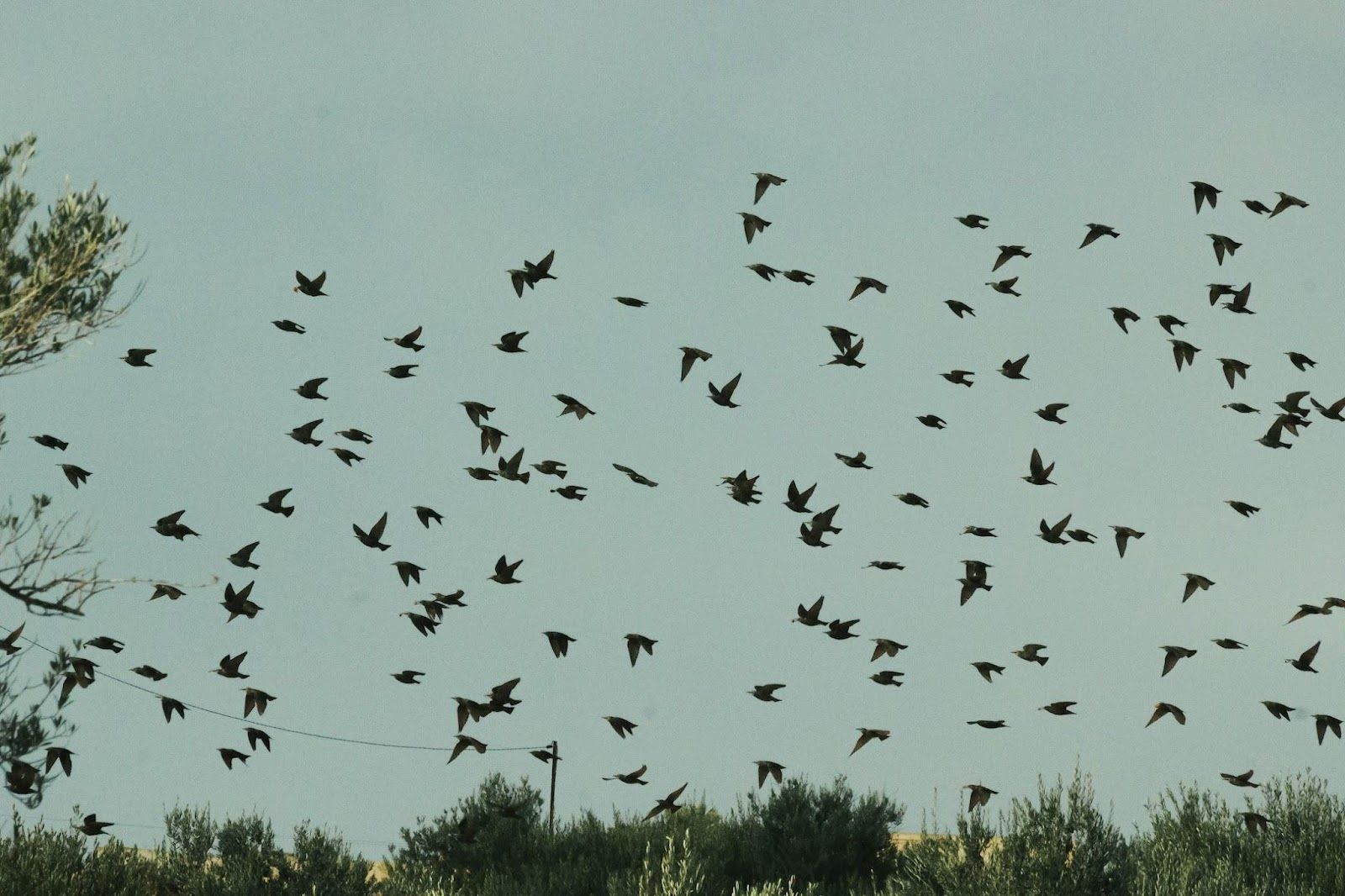
As one would expect, birds are highly responsive to changes in air pressure. Many species change flight paths or stop migrating if a storm is coming.

In 2014, golden-winged warblers abruptly left Tennessee days before a deadly tornado outbreak, only returning after the threat passed. GPS trackers on some of the birds confirmed the sudden 900-mile round-trip escape.

6

Fish leaping from water

Image: Geoff Brooks

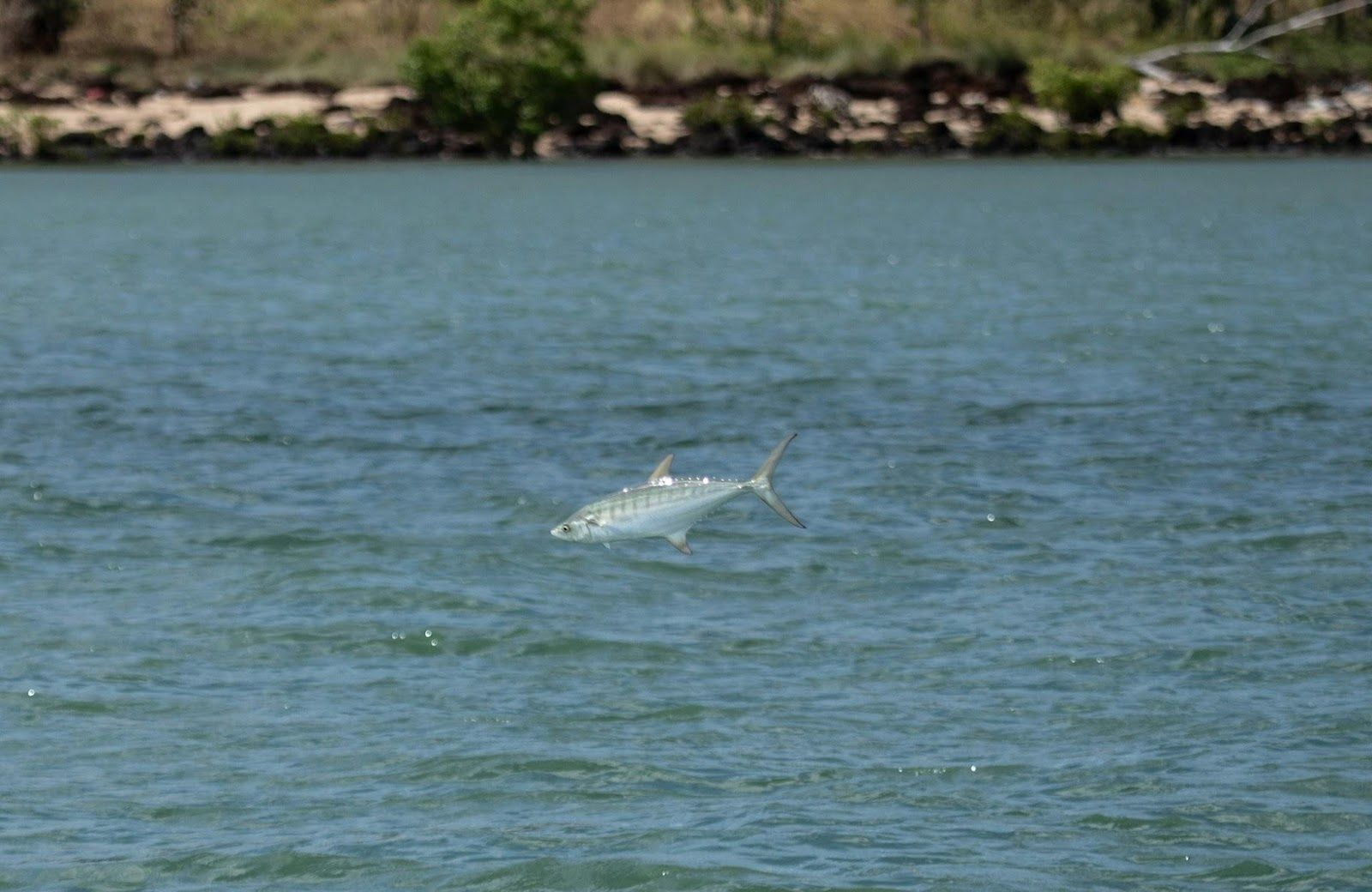
Fish have been recorded jumping out of the water just before earthquakes, possibly reacting to pressure or specific chemical changes.

In Japan, koi and eels exhibited panic-like thrashing and leaping before the 2011 Tōhoku quake. Researchers suggest their specialized senses can detect subtle pressure waves or dissolved gas anomalies in water.

7

Rats fleeing before floods

Image: Michelle Gordon

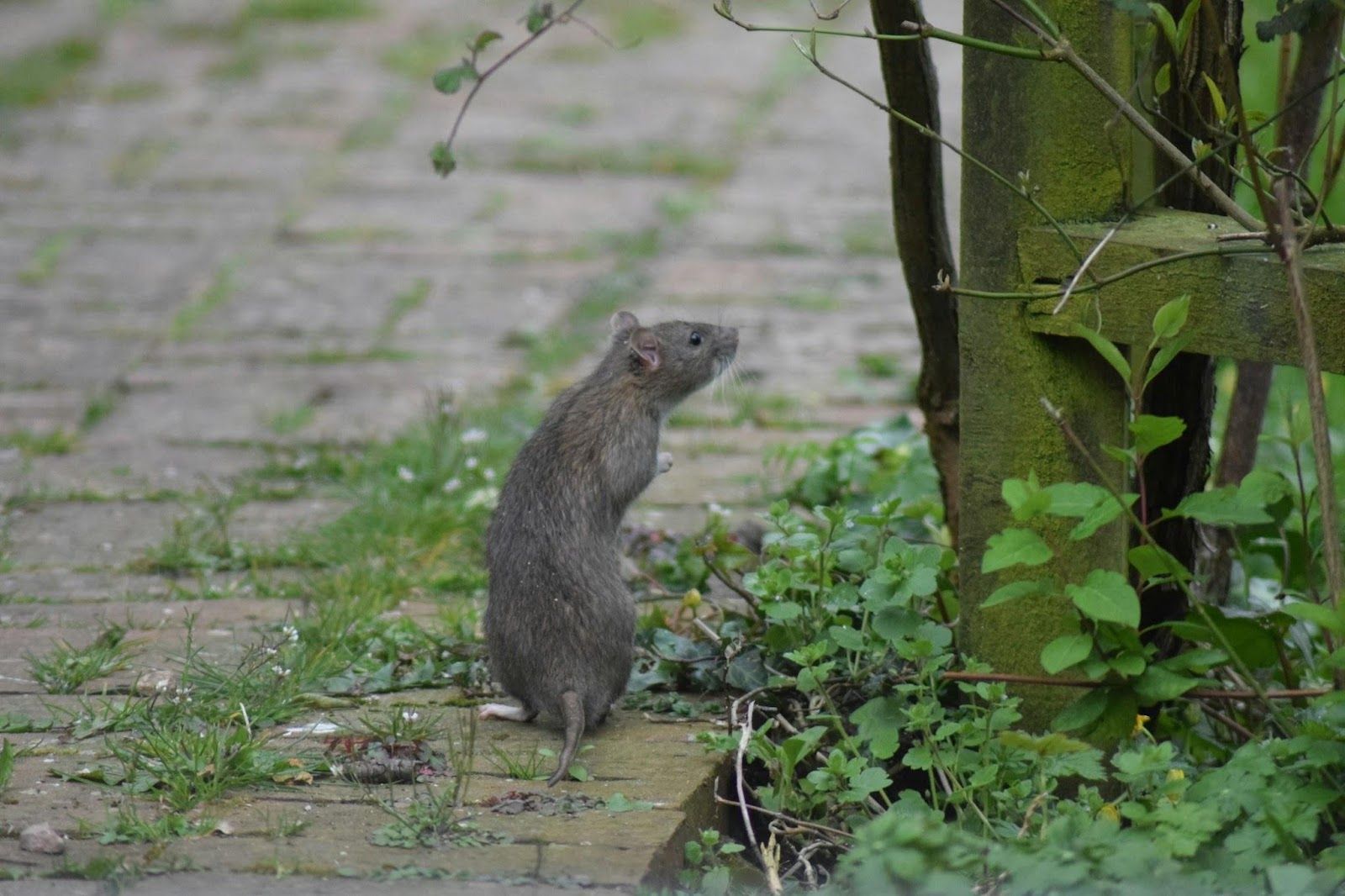
Rats often leave urban areas en masse before major flooding events. Sewer vibrations or scent cues may warn them of the incoming danger.

In India and Bangladesh, mass rat migration has historically preceded flash floods. Their survival relies on quickly identifying danger zones, and some believe their whiskers help detect water movement and even vibrations deep underground.

8

Dolphins avoiding red tides

Image: Peter Fogden

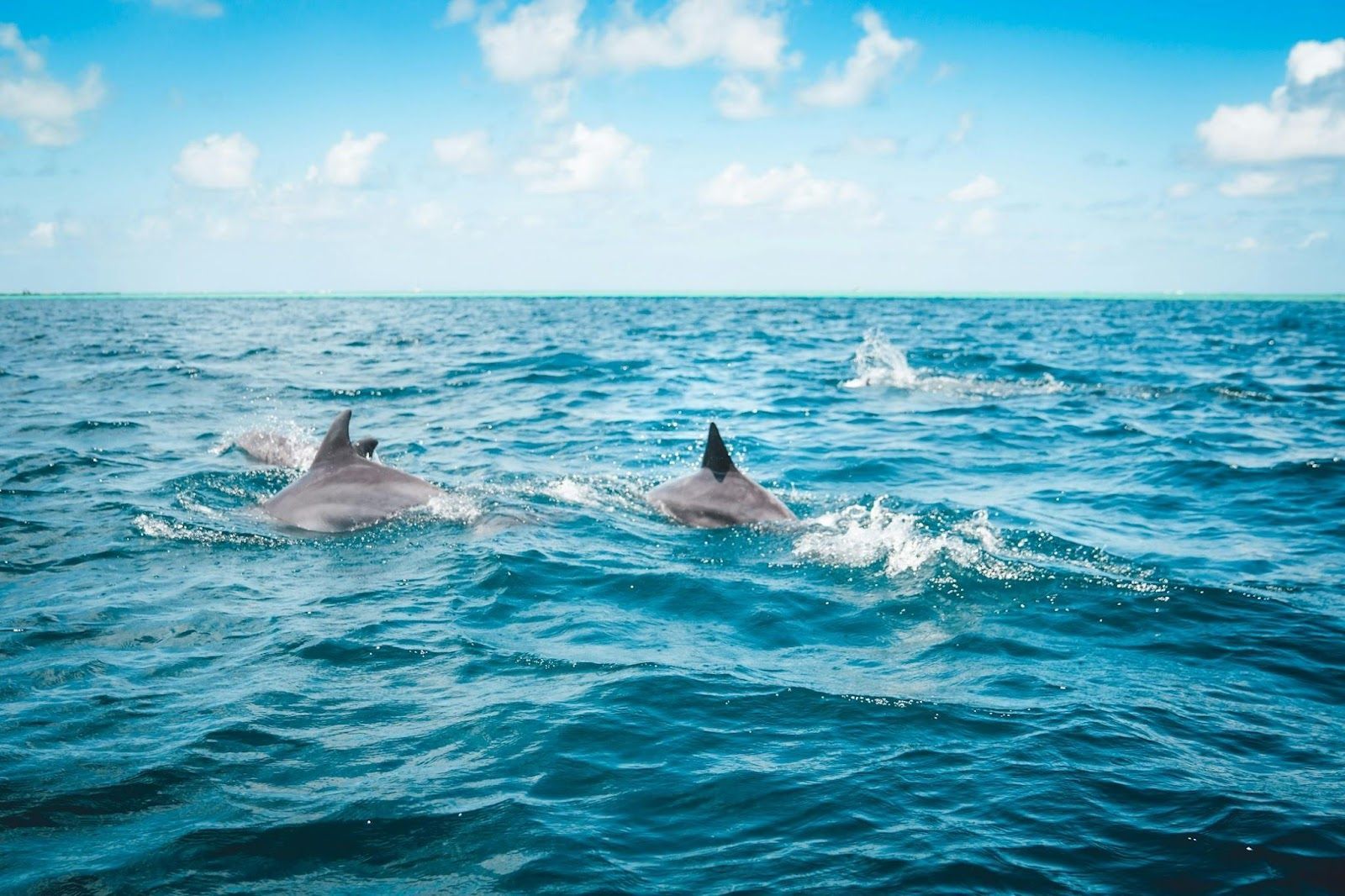
Dolphins may be able to detect algal blooms (red tides) from miles away and often swim clear of affected areas.

Scientists believe their acute echolocation could help them sense chemical changes or detect developing dead zones. In Florida, dolphins have been observed avoiding regions impacted by Karenia brevis blooms long before any visible changes appear in the water.

9

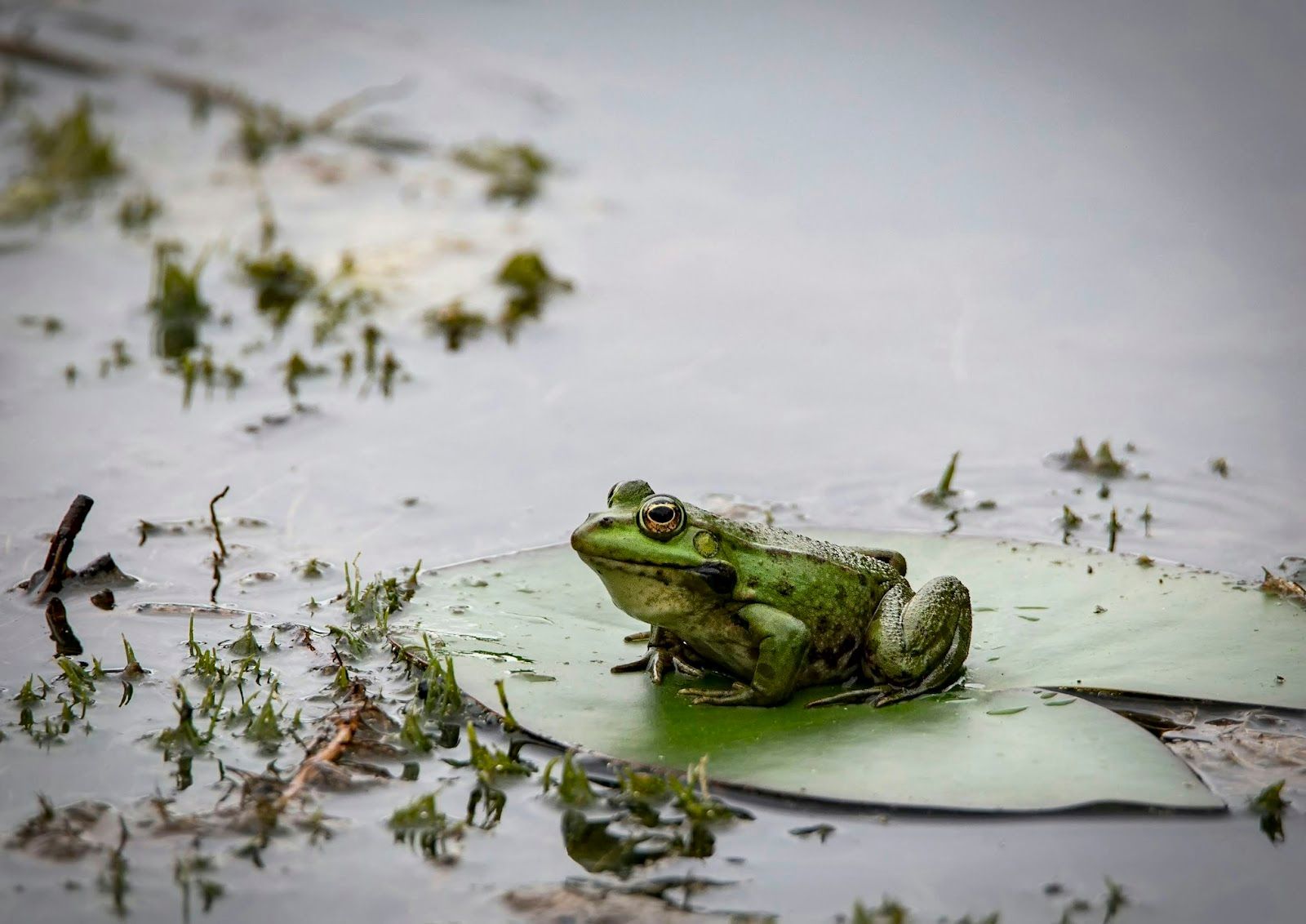
Frogs croaking differently

Image: Erzsébet Vehofsics

Frogs may alter their calls ahead of seismic activity, responding to low-frequency vibrations.

Researchers in Japan recorded changes in frog croaking patterns in the days before the 2011 quake. The frogs emitted less frequent and lower-pitched calls, suggesting discomfort from environmental shifts.

10

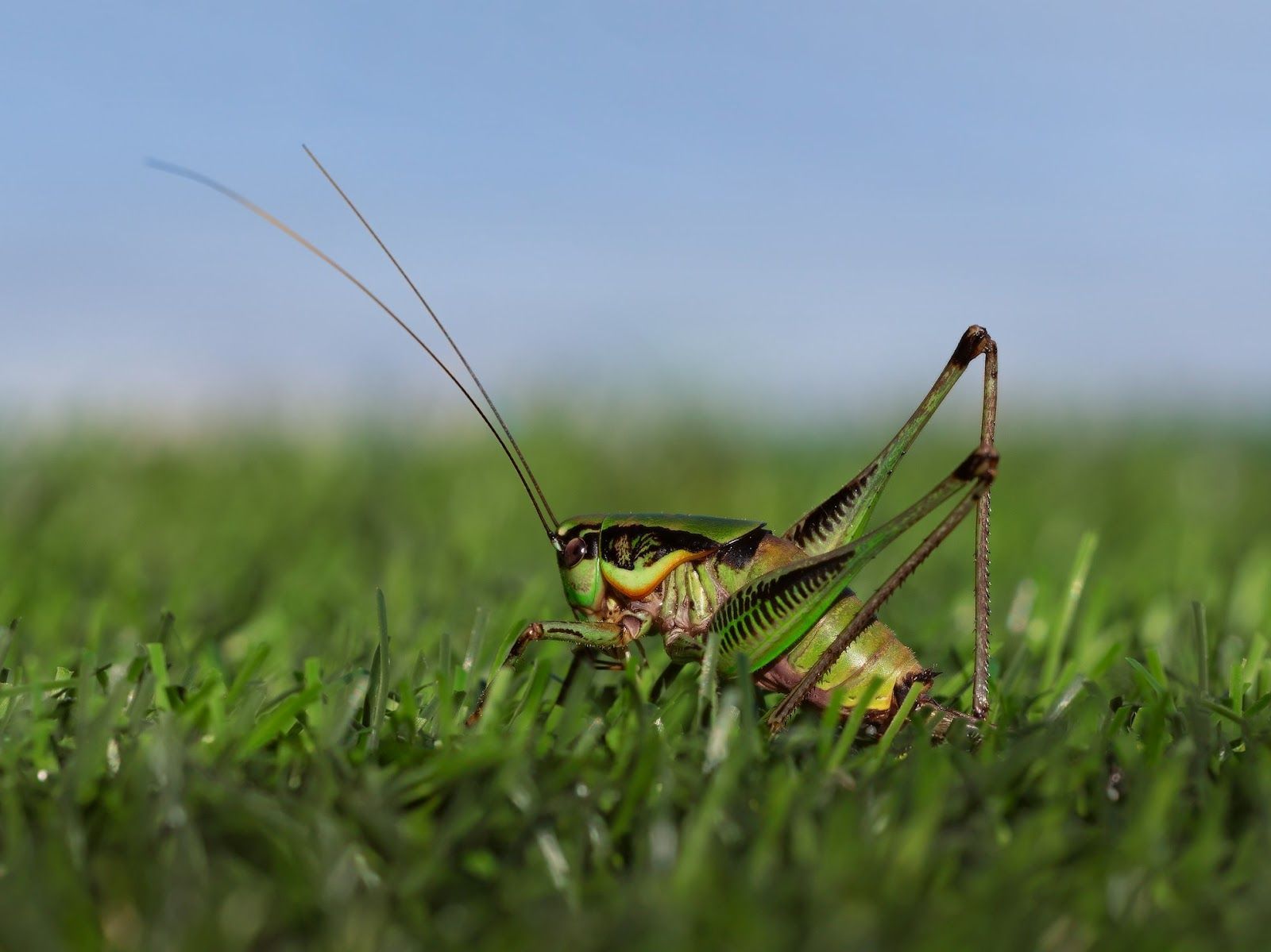
Crickets falling silent

Image: William Warby

Crickets often go silent ahead of disasters. This curious behavior may be linked to their sensitivity to ground vibrations and air pressure changes.

Studies in Indonesia noted decreased cricket chirping before tsunamis. The silence has been proposed as a natural indicator, potentially tied to shifts in humidity or ground tension.


WHAT WOULD A FREQUENT FLYER DO?

10 Air Travel Etiquette Tips For A Better Journey!


Published on August 21, 2025


Image: Artur Tumasjan

Depending on the details, air travel can make for a pleasant experience or a hideous one. The Internet is crawling with advice on how to improve this endeavor and, while some of it is very much on point, many other sources offer dubious or outdated information.

Listed below are ten tips that can help smooth the ride and even save you a few bucks in the process.

1

Always check in to your flight ahead of time

Image: Centre for Ageing Better

An early check-in to your flight will not only save you valuable time at the airport, and let you choose a better seat, but it will also prevent some airlines from re-selling your place (yes, that happens).

Also, checking in early through the website or airline app can earn you bonus miles. Too many positive things for a little effort at home.

2

Liquids and sharp objects in your hand luggage

Image: CHUTTERSNAP

This one is obvious: any liquids you're carrying through TSA checkpoints must be less than 3.4 ounces (100 milliliters) and placed in a see-through bag no larger than a quart.

Also, leave at home that mini pocket knife you use as a keychain and any sharp objects, as it too, won’t make it past the TSA checkpoint. Or, put them in the checked baggage.

3

Traveling overseas? Bring a pen!

Image: Glen Carrie

Overseas travel involves filling out paper forms that are usually handed out during the flight. And there is a great possibility that the onboard personnel won’t have enough pens to go around.

So, take a pen from home. You’ll need it to fill out immigration forms onboard. And your flight attendant will appreciate not having to supply the entire flight with extra ink.

4

Keep the most important things with you

Image: American Green Travel

God forbid it happens but, if your checked bags get lost or delayed, it’s important to have your essentials packed into your carry-on. Make a list of the most important things and start with prescription medications and medical supplies.

Follow the list with a cell phone charger, a change of clothes, and the necessary paperwork to get you through security and into your hotel. What you can pack in a carry-on is different than what you can pack in a checked bag.

5

Size up your bags

Image: American Green Travel

It’s no secret that airlines have strict size limits for carry-on bags, which are enforced by gate agents. So, check your bag's dimensions at home and make sure they adhere to your airline's limits.

And keep in mind that European carriers' limits vary slightly from those in the U.S. Blame it on standard versus metric. Carry-on requirements vary by airline (9″x14″x22″ is standard for Delta, United, and American Airlines; Southwest allows 10″x16″x24″). it’s best to confirm space allotments and measure your bag before you pack.

6

Gather your electronics

Image: Ady TeenagerInRO

Electronic devices can take up space pretty quickly, especially when you are traveling with a smartphone, charger, laptop, tablet, photo camera, etc.

So, get those items ordered and make sure you are not forgetting anything, including chargers, extra batteries, etc. And maybe think about getting an organizer if these things create too much of a mess.

7

Wear comfortable clothing

Image: JESHOOTS.COM

Dressed up women and men in suits toasting with a champagne glass in their ample seats while the steward attendant smiles are probably not the sort of thing you will encounter when air traveling these days. Crumpled seats and tight aisles are the norm instead.

And, in this scenario, being comfortable is paramount. So, dress up with that situation in mind. Airplane cabin climate settings vacillate between icebox and toaster oven, with no habitable medium in between. Dress for any contingency by wearing multiple light layers.

8

Peak crowds appear on peak days

Image: Anastasia Nelen

Really, it’s as simple as that. Larger crowds lead to more chaotic parking and drop-off situations and longer wait times at security checkpoints so, plan accordingly.

Airports tend to be most crowded on Monday mornings and Friday afternoons, as these days bear the brunt of business travel. As for seasonal variations, expect Fridays to get even busier in the summer months as recreational travel peaks.

9

Consider visiting the airport lounge during a long wait

Image: Ricardo Gomez Angel

If you are not a frequent traveler, spending your hard-earned money on those several hundred dollar annual fees that are associated with airline lounges makes no sense at all. But if you’ve got a long wait, it might be worth it to purchase a daily pass.

The cost is usually much less than you expect and you don’t need to have a certain credit card brand to access it. You will be able to spend those hours in a more comfortable environment, with amenities like complimentary food and drinks, better seats, showers, and more.

10

The quietest part of the plane is not the most expensive

Image: Toa Heftiba

If motion sickness is a problem for you, then the front seats might not be the best location on the plane. The front and back of the aircraft are the areas that move and bounce the most.

In contrast, the middle part is the most stable one. As a pilot said: "A plane is like a seesaw. If you’re in the middle, you don’t move as much". So, while a last-minute upgrade might seem like a good idea, those front seats are not the best for those with motion sickness.

Looking for an extra scoop of literary fun?

Learn more with our Word of the day

wiseacre

/ˈwaɪzˌeɪkər/