Wacky history

When a kettle went to war and 9 other bizarre conflicts in history


Published on August 3, 2025

Image: Museums Victoria

Not all conflicts are fought for power or territory—some "wars" erupted over pies, buckets, and even unsuspecting animals. Human history, it seems, can be incredibly unpredictable. From bizarre misunderstandings to centuries-long stalemates over trivial disputes, here are 10 of the strangest "wars" ever fought.

1

The Pastry War

Image: The Now Time

In 1838, French pastry chef Remontel demanded compensation after his shop in Mexico was looted by soldiers. France sent warships to collect, escalating into an all-out war.

When Mexico refused to pay, France blockaded Veracruz and bombarded the city. The war only ended when Britain mediated, leading to Mexico paying 600,000 pesos to avoid further conflict.

2

The Toledo War

Image: Alex Boyd

A land dispute over a strip of land called the Toledo Strip caused Ohio and Michigan to nearly go to war in the 1830s. The states armed militias but only exchanged minor skirmishes.

The conflict only ended when the federal government intervened, awarding Ohio the disputed land and giving Michigan the Upper Peninsula as compensation.

3

The War of the Stray Dog

Image: Alexandra Mirgheș

In 1925, a Greek soldier chased his stray dog across the Bulgarian border and was shot, sparking hostilities. In response, Greece invaded, capturing several villages before the League of Nations intervened.

Greece was ordered to withdraw and pay reparations to Bulgaria. Despite its absurd start, the conflict helped prove the effectiveness of international diplomacy in averting larger wars.

4

The Cod Wars

Image: Ricardo Resende

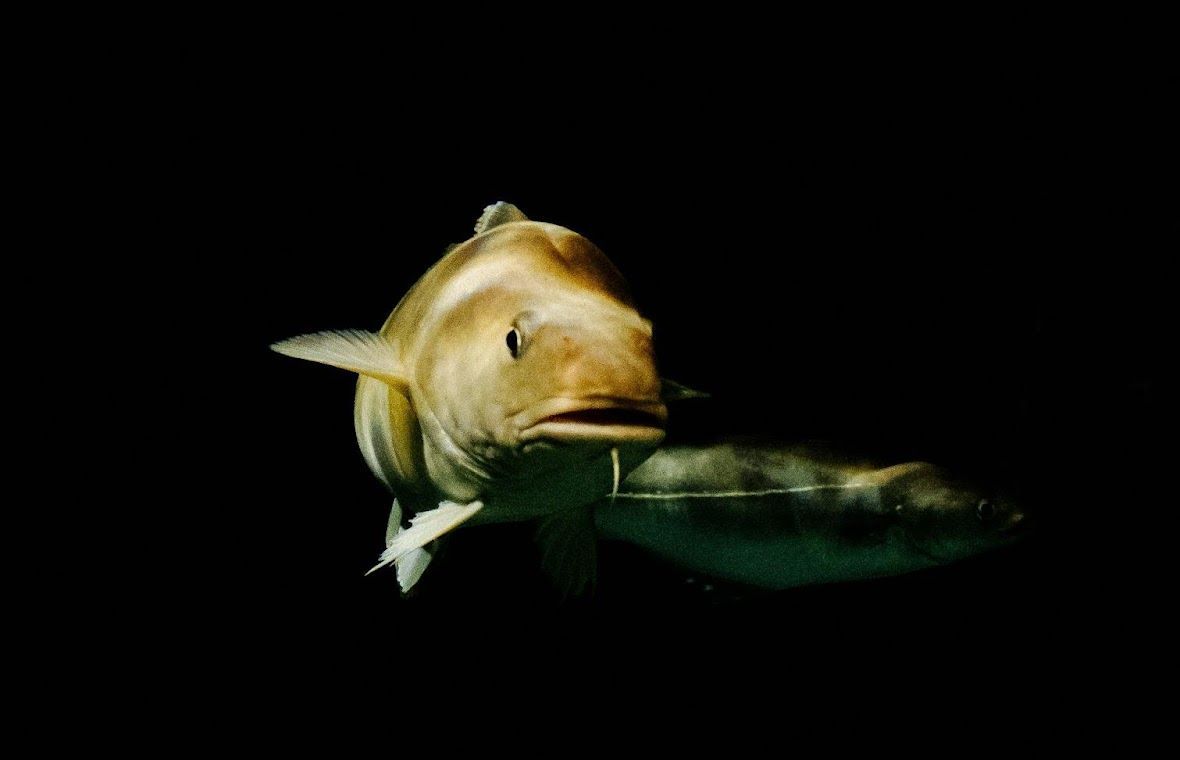
A 20th-century conflict, the Cod Wars were disputes between Iceland and the UK over fishing rights in the North Atlantic. Iceland extended its fishing boundaries several times, angering British trawlers.

Despite no deaths, the confrontations involved ramming ships and cutting nets. Iceland eventually prevailed, asserting control over its waters and reshaping international fishing agreements.

5

The Emu War

Image: Sharon Co Images

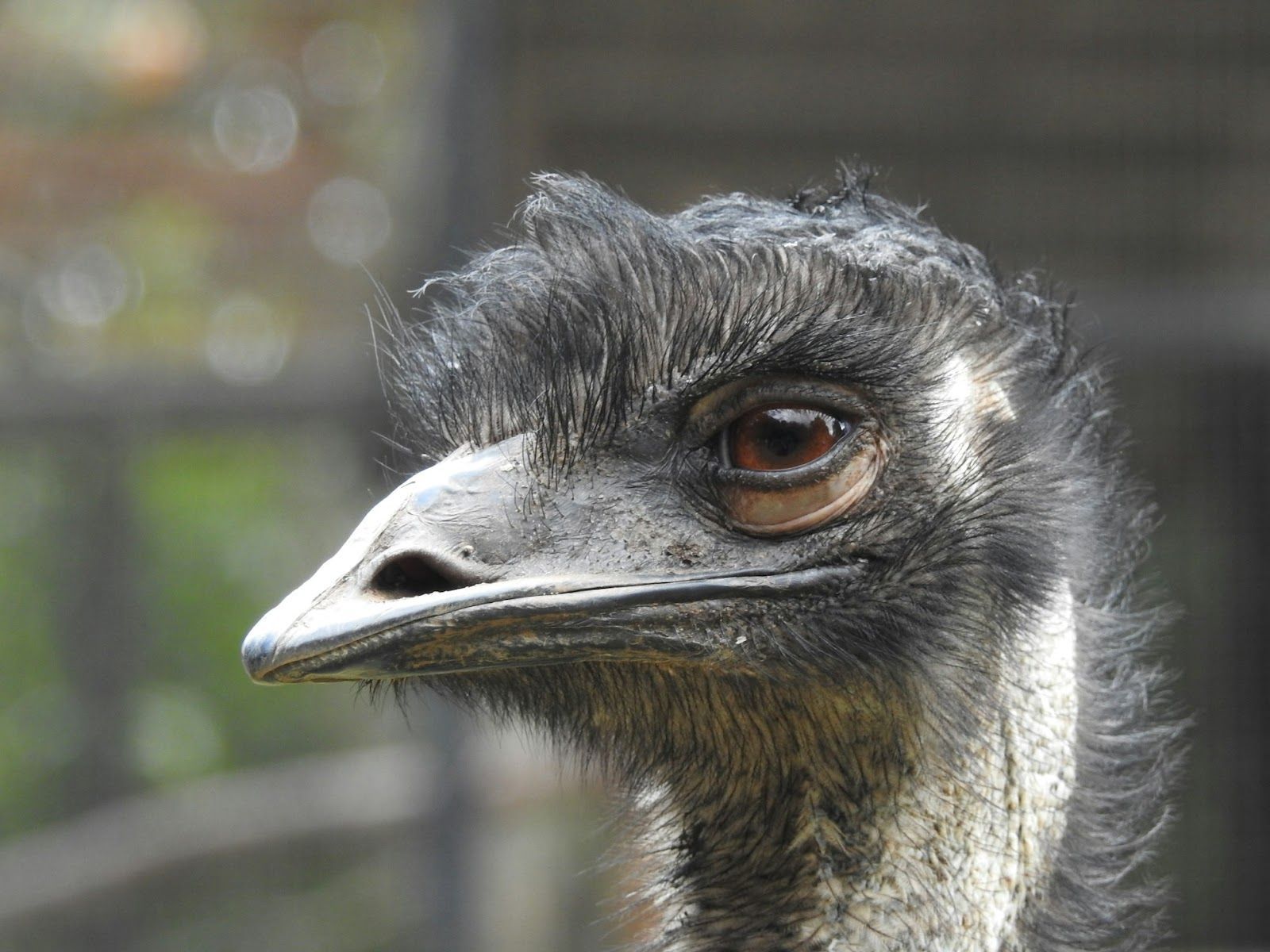
In 1932, Australia deployed soldiers to manage an emu overpopulation wreaking havoc on crops. Using machine guns, they expected an easy victory but were surprisingly outwitted by the agile birds, accomplishing nothing.

The campaign failed spectacularly, and emus remains a humorous symbol of nature’s resistance to human efforts, even to its military might! The government later turned to fencing to manage the problem without making fools of themselves.

6

The War of the Bucket

Image: Pavlo Semeniuk

In 1325, rival Italian city-states Bologna and Modena clashed when Modenese soldiers stole a bucket from Bologna's city well. A large battle ensued, resulting in well over 2,000 deaths.

Eventually, Modena triumphed, and the bucket is still displayed as a trophy in the city. While the origins of the conflict might seem bizarre, it highlights the intense (and sometimes absurd) rivalries between independent cities in medieval Italy.

7

The Pig War

Image: Christopher Carson

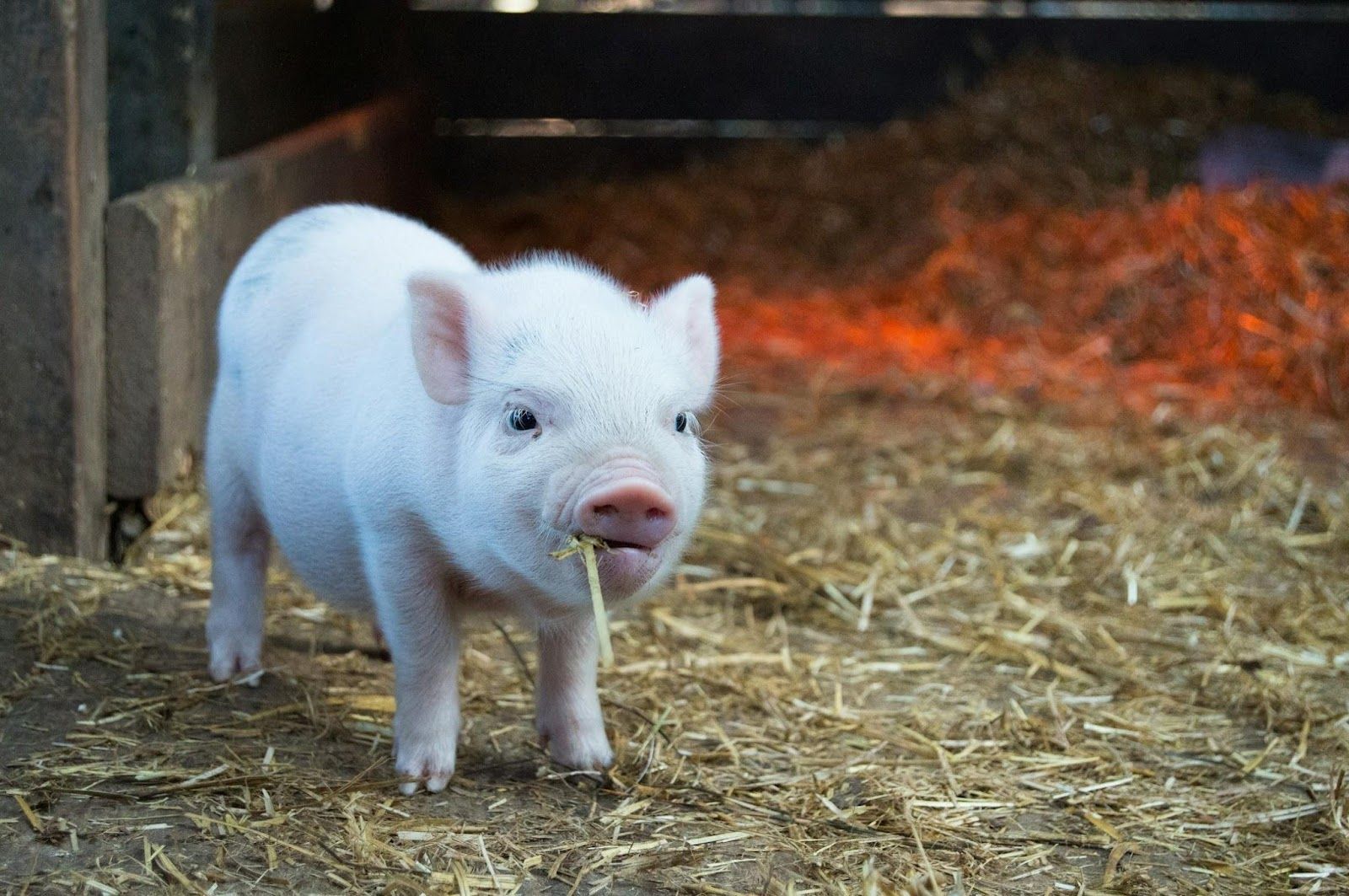
In 1859, on the still undefined U.S.-Canada border, a stray pig innocently crossed the border to eat vegetables from a neighboring farm, prompting an angry farmer to shoot it. This led to a feud with his neighbor that escalated into a military standoff between American and British forces, which lasted months.

The "war" only ended when the border issue was peacefully resolved through international arbitration. Fortunately, there were no casualties, except for the poor pig.

8

The Three Hundred and Thirty-Five Years War

Image: Clark Young

This conflict between the Netherlands and the Isles of Scilly began during the English Civil War. According to local historians, the small archipelago declared war on the Netherlands but never bothered to sign a peace treaty afterward.

Despite no fighting, it technically lasted over 300 years due to the forgotten declaration of war. In 1986, a peace treaty was finally signed, bringing an end to one of history’s most prolonged and bloodless "wars."

9

The Whisky War

Image: martin bennie

Since the 1970s, Denmark and Canada have engaged in a playful "war" over Hans Island, with each side leaving flags and bottles of whisky or schnapps during their visits.

The dispute was finally resolved in 2022, with the island being split between the two nations. This resolution also resulted in Canada and Denmark sharing a land border, meaning neither country borders just one other—the United States in the case of Canada, and Germany in the case of Denmark.

10

The Kettle War

Image: Maria Angelova

In 1784, the Holy Roman Empire and the Dutch Republic clashed over trade rights, with the Dutch winning the conflict by firing only one shot. The only casualty? A kettle of soup.

Apparently, when the bullet ricocheted off the metal container, the captain became so nervous that he immediately surrendered. While this incident wasn’t the last conflict between the two states, it remains a humorous example of history’s quirks.


TRAILBLAZERS IN ANIMATION

10 Saturday-morning cartoons that were loved for generations


Published on August 3, 2025


Image: Emre Turkan

Catchy theme songs. Universal visual gags. Ageless catchphrases. These cartoons have woven themselves into the fabric of our culture, and have brought giggles to parents, their children, and their grandchildren. They shaped the language of animation and left us with iconic characters and music that can spark old Saturday-morning nostalgia. Let's look into the history of 10 titles that charmed audiences and evolved into movies, park rides, and merch that still live in countless homes around the world.

1

Popeye the Sailor

Image: Jonathan MONCK-MASON

As is the case with many early animated cartoons, Popeye the Sailor was born in 2D. The comic strip he first appeared in, Thimble Theater, was created by Elzie Crisler Segar in 1919. Interestingly, Popeye’s famous love interest, Olive Oyl, was introduced 10 years before him. Once Popeye was drawn into Thimble Theater, though, he stole the show. Popeye became so popular that Fleischer Studios decided to produce a series of animated shorts about him.

The 1933 show was one of the trendsetters for the rotoscope technique, where animators traced over live-action footage to create more realistic movement. Popeye the Sailor was also one of the first cartoons to incorporate sound effects synchronized with on-screen actions. Segar eventually revealed that the character had been based on an eccentric retired sailor he had once known, called Frank "Rocky" Fiegel.

2

Looney Tunes

Image: Nate Biddle

Did you know that Looney Tunes was conceived as a strategy for Warner Bros. to promote its music catalog? It began as a series of shorts in 1930 and so, Bugs Bunny, Daffy Duck, Porky Pig, and many others were born. Looney Tunes became legendary for its use of humor and storytelling.

It introduced a faster-paced, more dynamic style of animation. We still remember the chattering, speedy speeches of many of these characters and some of their catchphrases, like "What's up, doc?", "That's all, folks!" or "¡Andale!". The series also established the device of "personality animation," where characters had signature moves, mannerisms, and quirks, setting the standard for character-driven style in the industry.

3

Tom & Jerry

Image: Teresa Jang

It all began with a mouse and a cat. Tom & Jerry was created by animators William Hanna and Joseph Barbera, who developed the series for Metro-Goldwyn-Mayer in 1940. The collaboration was so successful that it marked the beginning of one of the most enduring partnerships in animation history: Hanna-Barbera Productions. Remember that name.

Tom & Jerry was visual and musical storytelling, relying heavily on slapstick humor, with minimal dialogue, allowing physical comedy and expressive animation to drive the narrative. This focus on action and visual gags made Tom & Jerry universally appealing to audiences regardless of their mother language. Over time, it won seven Academy Awards for Best Animated Short Film.

4

Mickey Mouse & Friends

Image: Rod Long

Mickey Mouse & Friends is what the series of original Disney shorts are popularly called. From 1928 to the present, the characters created by Walt Disney and Ub Iwerks have been cemented as some of the most iconic cartoons of all time. Since its inception, the series was a trailblazer in animation for its pioneering use of synchronized sound in Steamboat Willie, one of the first cartoons to feature a fully synchronized soundtrack. Walt Disney was soon established as a leader in the animation industry and technology.

The popularity of Mickey and his friends led to the creation of countless shorts, feature films, and television series that are still recreated and watched today. Mickey Mouse's iconic status was further solidified when he became the first animated character to receive a star on the Hollywood Walk of Fame in 1978.

5

The Flintstones

Image: Bekir Uğur

The renowned cartoon about two families in the Stone Age was one of the creations of Hannah-Barbera Productions. It premiered in 1960 as the first prime-time animated television series. The Flintstones paved the way for many other animated shows aimed at adults. To give an idea, The Flintstones was the first animated show to feature a married couple sharing a bed on-screen.

At its heart, this show was a sitcom. It was modeled after The Honeymooners, also consisting of scenes from a suburban family, but adapted to a prehistoric setting. The show’s success proved that animated series could attract an adult audience in prime time, which was a significant departure from the children’s programming that dominated the landscape at the time.

6

The Jetsons

Image: Aleksandar Pasaric

The Jetsons was another of Hanna-Barbera Productions’ prodigal children. It premiered in 1962 with a concept deriving from the success of The Flintstones. This time, the suburban family scenes would be set in a utopian space-age world. The Jetsons offered a satirical yet optimistic view of the future, with flying cars, robot maids, and advanced technology.

The producers decided to emphasize the vibrant, high-tech world they were painting by broadcasting the show in color. This was rather new. While The Flintstones was also produced in color, it aired in black-and-white during its first two seasons. The Jetsons wasn’t a hit at first and was canceled after one season owing to low numbers, while it competed with Walt Disney's Wonderful World of Color. In the 80s, ABC came up with the idea to move the show to Saturday mornings, where it achieved widespread success and stayed on that schedule for decades.

7

Scooby-Doo, Where Are You!

Image: Nik

The original premise for the show was a musical group touring around the country in their van, accidentally solving mysteries (a twist on the by-then-famous The Archie Show). That’s why their talking dog, Scooby-Doo, was named after Frank Sinatra’s scat line, doo-be-doo-be-doo. Although the musical angle was dropped, the villain-unmasking group of teenagers still became legendary.

Scooby-Doo, Where Are You! was released as a Saturday morning CBS show in 1969 to compete with the violence of superhero cartoons. Since then, the original episodes, along with spin-offs and revivals, have lived on. It became a trailblazer for being one of the first animated mystery series, blending winks to supernatural horror, comedy, and adventure.

8

The Pink Panther Show

Image: adonyig

As unforgettable as its jazzy theme song, the Pink Panther is the icon of one of the longest-standing American TV and film franchises. The suave and silent character was introduced in the opening credits of Blake Edward’s 1963 The Pink Panther, set to the iconic music by Henry Mancini. The bit was so popular in the subsequent films that it developed into an animated series, The Pink Panther Show. The first installment was 1964's The Pink Phink, which won that year’s Academy Award for Animated Short Film.

By 1968, the show was airing on Saturday mornings on NBC. It was groundbreaking in its use of minimal or null dialogue. Set only to jazzy original scores, the Pink Panther’s endearing personality and his visual gags transcended language barriers and became popular worldwide.

9

The Smurfs

Image: Diego F. Parra

The Smurfs was created in Belgium, and it might have stayed there if it hadn’t caught the eye of Hannah-Barbera. Belgian cartoonist Peyo (Pierre Culliford) was the creator behind the 1958 comic strip, Les Schtroumpfs. The blue humanoid beings, who were friendly teamworkers and lived in mushroom-shaped houses, had in fact been born as side characters in a previous successful comic strip by Peyo.

Just like Popeye had, these colorful, wholesome creatures won the audience’s hearts and got their own strip. In the following years, animated shorts featuring the Smurfs were released in Belgium. Attracted by their success, Hanna-Barbera decided to produce a series to run in the U.S. This Saturday-morning cartoon aired for the first time in 1981 via NBC and is still broadcast in the country to this day.

10

The Simpsons

Image: Stefan Grage

Matt Groening, creator of The Simpsons, designed an animated dysfunctional family and named its members after his own. He only changed his name to "Bart". The Simpsons was released in 1989 as a half-hour prime-time show after a series of shorts that aired on The Tracey Ullman Show in 1987 became popular.

The satirical sitcom soon became a cultural phenomenon. The show pioneered a willingness to tackle controversial topics, a style that grew to become a subgenre of animated TV. Opening with one of the most recognized themes in television history, by Danny Elfman, The Simpsons has won numerous awards, including 34 Primetime Emmy Awards. It also holds the record as the longest-running American sitcom and the longest-running American scripted prime-time television series.

Looking for an extra scoop of literary fun?

Learn more with our Word of the day

gloomy

/ˈɡlumi/