Wacky history

When Australia lost to birds and 9 more wacky military conflicts


Published on August 3, 2025
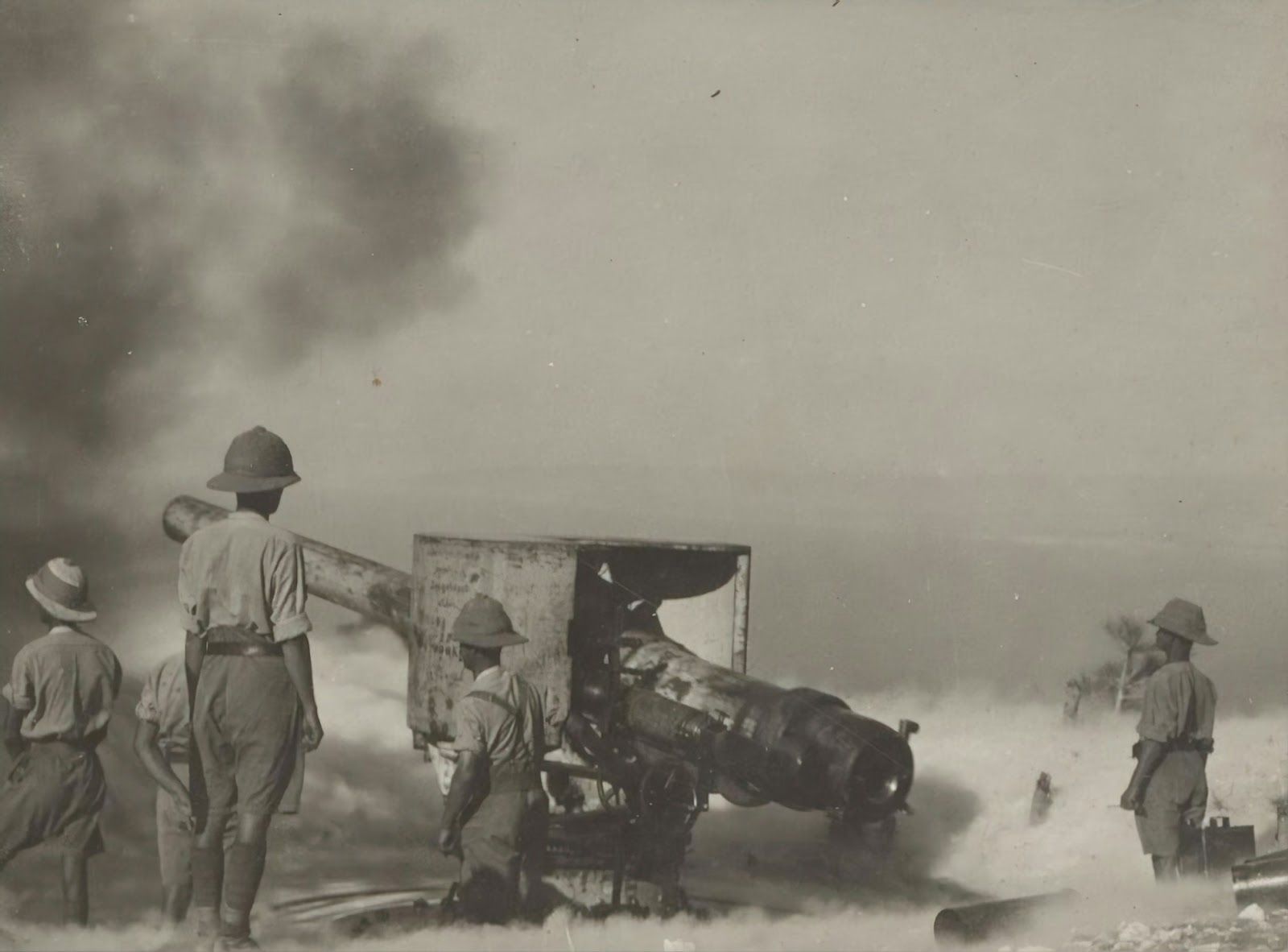

Image: Museums Victoria

Not all conflicts are fought for power or territory—some "wars" erupted over pies, buckets, and even unsuspecting animals. Human history, it seems, can be incredibly unpredictable. From bizarre misunderstandings to centuries-long stalemates over trivial disputes, here are 10 of the strangest "wars" ever fought.

1

The Pastry War

Image: The Now Time

In 1838, French pastry chef Remontel demanded compensation after his shop in Mexico was looted by soldiers. France sent warships to collect, escalating into an all-out war.

When Mexico refused to pay, France blockaded Veracruz and bombarded the city. The war only ended when Britain mediated, leading to Mexico paying 600,000 pesos to avoid further conflict.

2

The Toledo War

Image: Alex Boyd

A land dispute over a strip of land called the Toledo Strip caused Ohio and Michigan to nearly go to war in the 1830s. The states armed militias but only exchanged minor skirmishes.

The conflict only ended when the federal government intervened, awarding Ohio the disputed land and giving Michigan the Upper Peninsula as compensation.

3

The War of the Stray Dog

Image: Alexandra Mirgheș

In 1925, a Greek soldier chased his stray dog across the Bulgarian border and was shot, sparking hostilities. In response, Greece invaded, capturing several villages before the League of Nations intervened.

Greece was ordered to withdraw and pay reparations to Bulgaria. Despite its absurd start, the conflict helped prove the effectiveness of international diplomacy in averting larger wars.

4

The Cod Wars

Image: Ricardo Resende

A 20th-century conflict, the Cod Wars were disputes between Iceland and the UK over fishing rights in the North Atlantic. Iceland extended its fishing boundaries several times, angering British trawlers.

Despite no deaths, the confrontations involved ramming ships and cutting nets. Iceland eventually prevailed, asserting control over its waters and reshaping international fishing agreements.

5

The Emu War

Image: Sharon Co Images

In 1932, Australia deployed soldiers to manage an emu overpopulation wreaking havoc on crops. Using machine guns, they expected an easy victory but were surprisingly outwitted by the agile birds, accomplishing nothing.

The campaign failed spectacularly, and emus remains a humorous symbol of nature’s resistance to human efforts, even to its military might! The government later turned to fencing to manage the problem without making fools of themselves.

6

The War of the Bucket

Image: Pavlo Semeniuk

In 1325, rival Italian city-states Bologna and Modena clashed when Modenese soldiers stole a bucket from Bologna's city well. A large battle ensued, resulting in well over 2,000 deaths.

Eventually, Modena triumphed, and the bucket is still displayed as a trophy in the city. While the origins of the conflict might seem bizarre, it highlights the intense (and sometimes absurd) rivalries between independent cities in medieval Italy.

7

The Pig War

Image: Christopher Carson

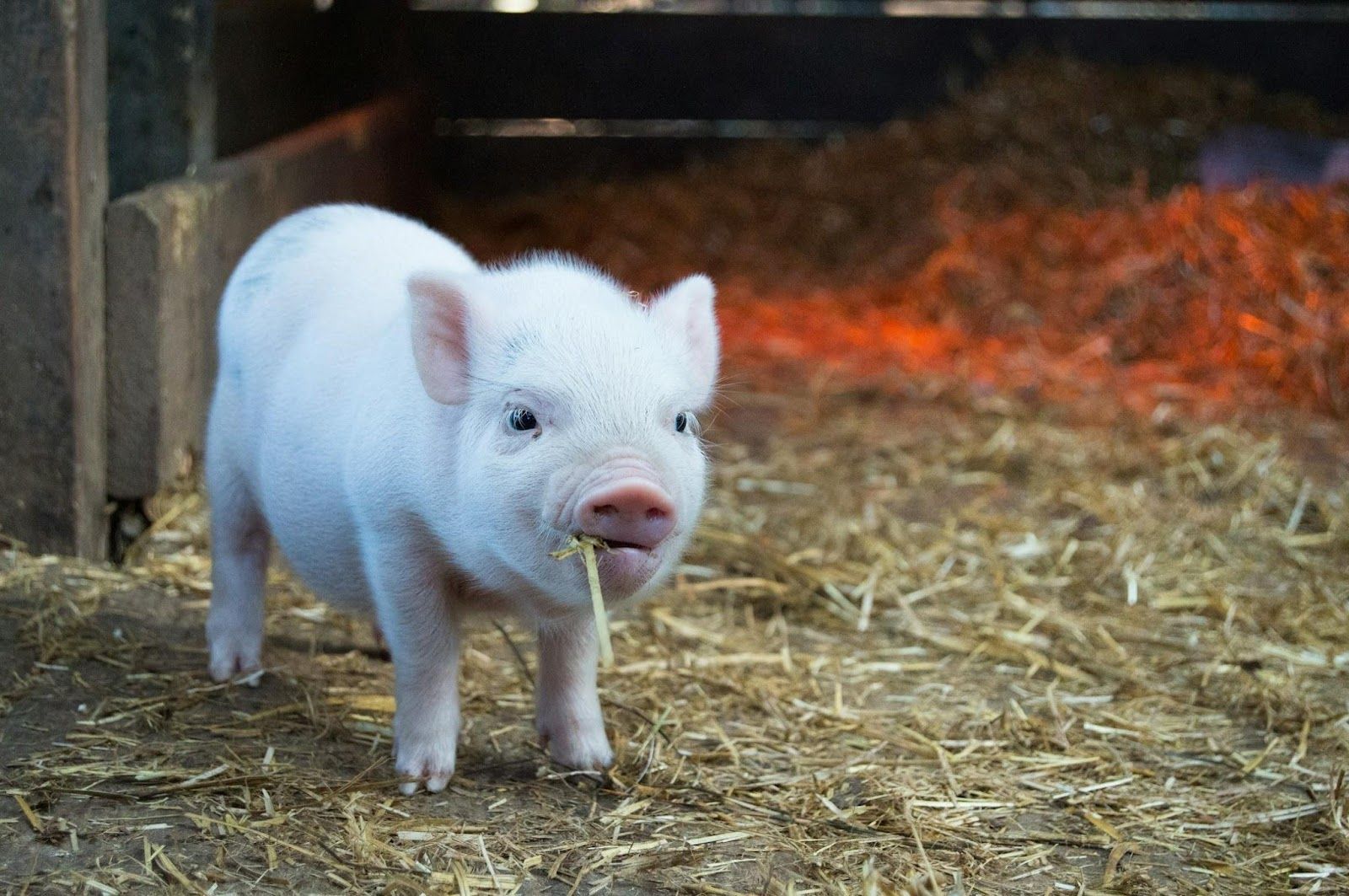
In 1859, on the still undefined U.S.-Canada border, a stray pig innocently crossed the border to eat vegetables from a neighboring farm, prompting an angry farmer to shoot it. This led to a feud with his neighbor that escalated into a military standoff between American and British forces, which lasted months.

The "war" only ended when the border issue was peacefully resolved through international arbitration. Fortunately, there were no casualties, except for the poor pig.

8

The Three Hundred and Thirty-Five Years War

Image: Clark Young

This conflict between the Netherlands and the Isles of Scilly began during the English Civil War. According to local historians, the small archipelago declared war on the Netherlands but never bothered to sign a peace treaty afterward.

Despite no fighting, it technically lasted over 300 years due to the forgotten declaration of war. In 1986, a peace treaty was finally signed, bringing an end to one of history’s most prolonged and bloodless "wars."

9

The Whisky War

Image: martin bennie

Since the 1970s, Denmark and Canada have engaged in a playful "war" over Hans Island, with each side leaving flags and bottles of whisky or schnapps during their visits.

The dispute was finally resolved in 2022, with the island being split between the two nations. This resolution also resulted in Canada and Denmark sharing a land border, meaning neither country borders just one other—the United States in the case of Canada, and Germany in the case of Denmark.

10

The Kettle War

Image: Maria Angelova

In 1784, the Holy Roman Empire and the Dutch Republic clashed over trade rights, with the Dutch winning the conflict by firing only one shot. The only casualty? A kettle of soup.

Apparently, when the bullet ricocheted off the metal container, the captain became so nervous that he immediately surrendered. While this incident wasn’t the last conflict between the two states, it remains a humorous example of history’s quirks.


FRUITFUL ETYMOLOGIES

From Apples To Kiwis: How These 10 Popular Fruits Got Their Names


Published on August 3, 2025


Image: PM Shamika

Ever wondered why "pineapple" combines "pine" and "apple," or why kiwis share their name with New Zealand's flightless bird? The origins of fruit names are as colorful and varied as the fruits themselves. Take a sweet bite of this article and dive into the fascinating etymologies behind these 10 well-loved fruits.

1

Apple

Image: From Marwool

The word "apple" originates from the Old English "æppel," which was a generic term for all fruits. Over time, its use narrowed specifically to the apple we know today.

Kind of underwhelming, eh? However, this might explain why there are so many different fruits named after apples. Also, since apples are thought to have been domesticated a whopping 10,000 years ago in Central Asia, the roots of their name can be traced back through many languages and centuries, showing how integral the fruit has been in various cultures.

2

Banana

Image: Giorgio Trovato

While the etymology of one of the world’s most popular fruits is a bit fuzzy due to its widespread cultural embrace, most researchers agree that the word "banana" stems from the Arabic banaan meaning finger. Believed to have been first domesticated in Southeast Asia, bananas were brought to the Western world by Arab traders who spread them across North Africa and into Spain.

The name, along with the fruit itself, was eventually introduced to the Americas by Portuguese sailors who brought bananas from West Africa in the 16th century.

3

Orange

Image: Cristina Anne Costello

The word "orange" boasts some of the oldest roots on this list. It comes from the Sanskrit "nāraṅga," literally meaning "orange tree," and passed through Persian and Arabic before entering European languages.

Interestingly, the fruit’s name predates the use of "orange" to describe the color in English. Beyond its intriguing etymology, oranges have a fascinating botanical history: they are actually hybrids of ancient citrus varieties, specifically mandarin and pomelo.

4

Grapes

Image: Nacho Domínguez Argenta

According to various sources, the word "grape" may originate from a Proto-Germanic term meaning "to hook" (krappen), likely referring to the hook-like tool used for harvesting the fruit. Alternatively, it might derive from the Old French "grape," a collective singular meaning "a bunch of grapes" or vine stock.

Interestingly, in Old English, grapes were called "winberige," meaning "wine berry"—a practical name given their role in winemaking. However, this term was eventually replaced by the familiar "grape" following the Norman invasion of England.

5

Pineapple

Image: Ariel

Indigenous to South America, the sweet and tangy pineapple surprised European explorers with its resemblance to a pine cone. Curiously, the first European to encounter the pineapple was Columbus, who brought it back to Spain and called it "piña de Indes," meaning "pine of the Indians."

The fruit became a huge hit, captivating Europeans with both its taste and exotic appearance. It quickly became a status symbol, with pineapples often purchased at exorbitant prices and displayed for months in royal courts before being consumed—only when they started to rot.

6

Cherry

Image: Mohammad Amin Masoudi

Although cherries have been consumed since prehistoric times, the English word "cherry" comes from the Old French "cherise," which in turn derives from the Latin "cerasum." This Latin term referred to the ancient Greek region of Kerasous, near modern-day Turkey, where cherries are believed to have been first cultivated and then exported throughout Europe.

Interestingly, the name "cherry" is also used for several fruits that are similar in size and shape but not botanically related to the true cherry, such as the Jamaican and Spanish cherries.

7

Peach

Image: LuAnn Hunt

The word "peach" is derived from the Latin "persica," meaning "Persian apple," reflecting the ancient belief that the fruit originated in Persia (modern-day Iran). However, recent genetic studies suggest that peaches actually originated in China, where they have been cultivated since the Neolithic period.

While some believe that peaches were brought to Europe by Alexander the Great following his conquests in Persia, there is no historical evidence to support this claim. Nevertheless, the Romans were already quite familiar with peaches by the first century AD, indicating that extensive trade routes for the fruit must have existed.

8

Mango

Image: Ghana Shyam Khadka

Cultivated in Southeast Asia since ancient times, the word for mango stems from the Tamil word "mankay," where "man" refers to the tree and "kay" to the fruit. Portuguese traders who encountered the fruit in India brought the term to Europe in the 16th century as "manga."

The scientific name for the fruit, Mangifera indica, quite literally refers to a plant that produces mangoes in India. Fun fact: the similar Latin word "mango," meaning dealer or trader, is completely unrelated. It is, in fact, the origin of the English word "monger" (as in "fishmonger").

9

Pomegranate

Image: Jonas Renner

Another victim of apples' popularity, the word "pomegranate" is derived from the Latin "pomum" (meaning apple) and "granatum" (seeded), reflecting its unique botanical structure, filled with numerous seeds. The Old French term "pomme-grenade" influenced the modern English form.

In early English, the fruit was known as "apple of Grenada," a term that resulted from an etymological confusion, mistakenly linking the Spanish city of Granada (derived from an unrelated Arabic word) with the Latin roots of the word.

10

Kiwi

Image: Andrea Hajdu

Who came first—the bird or the fruit? Kiwis (the fruits) have long puzzled their discoverers. A 1904 English nursery catalog described them as having "...edible fruits the size of walnuts, and the flavor of ripe gooseberries." Due to this resemblance, the fruit was initially known in Western exports as the Chinese gooseberry (just to clarify, gooseberries are definitely not related to geese).

However, when New Zealand growers began cultivating the fruit, they noted its brown, fuzzy appearance reminiscent of the flightless kiwi bird and decided to rename it kiwifruit for marketing purposes. Interestingly, another name for the fruit at the time was melonette. However, due to exceedingly high U.S. tariffs on melon imports, most growers chose to go the safe route and adopt the kiwi name, leading to the familiar term we use today.

Looking for an extra scoop of literary fun?

Learn more with our Word of the day

tropical

/ˈtrɑpəkəl/