Money talks

What's your net worth? 10 financial terms everybody should understand


Published on July 31, 2026


Image: Ibrahim Rifath

Some people believe that, unless you work in the world of finance, there is no need to understand financial terms and concepts. Well, nothing could be further from the truth. Finance is a core part of society, and financial literacy is important for everyone. At the same time, some of these terms are thrown around without fully understanding their meaning. What is a principal? Is compound interest different from normal interest? What is a person’s net worth? Here are 10 financial concepts that everyone should know.

1

Principal

Image: Alexander Grey

Whether you are investing a sum of money or taking a loan, there is an initial sum of money involved. The principal is the initial amount of money that you invest or borrow. It does not include any interest, fees, or future earnings, and it’s used as a base to calculate the interest that will be added to a loan and the returns from an investment.

2

Compound Interest

Image: Towfiqu barbhuiya

We commonly understand interest as the cost we pay for borrowing money, often calculated as a percentage of the principal amount. That is ‘simple interest’, but what about ‘compound interest’? Any accumulated interest from previous periods generates its own interest as well, so compound interest is the sum of the interest on the principal amount and the accumulated interest.

3

Net Worth

Image: Andre Taissin

We often hear the media discuss the net worth of celebrities, politicians, and other public figures, but can the worth of a person be calculated? When it comes to finance, it can, and it follows a very simple formula: the value of all your assets minus any money you owe. This simple but effective calculation is a good way to check how healthy your finances are at any point in time.

4

Annual Percentage Rate (APR)

Image: Jon Cellier

Paying a loan is never as simple as adding interest to the initial amount. In most cases, there are different fees involved, which means that you might owe more than you think. The Annual Percentage Rate or APR will give you the true cost of a loan —initial amount, interest, and any additional fees— represented as a percentage. With the APR, you can also compare loans to see which one offers better options.

5

Dividend

Image: Alexander Mils

If you own shares in a company, you will receive dividends, a portion of the profit made by the company. How do dividends work? Paid regularly, often quarterly, its value is decided by the company’s board of directors, who will determine an amount to be paid per share. The more shares you have, the more dividends you will receive.

6

Amortization

Image: Towfiqu barbhuiya

When taking out a loan, we are assuming that we will pay it over a period of time. This is called amortization. While the amortization of a loan gives us the possibility of paying a large sum back in regular smaller installments, it also involves interest (both simple and compound) and fees added to the principal amount.

7

Liquidity

Image: Alexander Grey

An asset is an item of value, and this includes cash, but also other valuable things such as objects, properties, bonds, shares, etc. Liquidity refers to how quickly an asset can be turned into cash without affecting its value, which in turn tells us how quickly we could access funds to cover any payment or debt.

8

Escrow

Image: Amina Atar

If you ever looked into buying a home, you might have heard the term ‘escrow’. An escrow is a legal arrangement where a third, neutral party temporarily controls the funds of a transaction, releasing them once the contract’s terms have been fulfilled. This helps prevent fraud, reduce financial risks, guarantee fairness, and ensure that neither party takes advantage of the other.

9

Delinquency

Image: Towfiqu barbhuiya

If you are a financial delinquent, you might be in trouble, but not in the way you imagine. When taking on a loan, you assume a responsibility to pay it back. If you fail to do so, or fall behind in your payments, you become a ‘delinquent’. While delinquency is temporary, it will hurt your credit score and can eventually turn into default, which allows the lender to take action against you.

10

Liability

Image: Towfiqu barbhuiya

We often use the word liability to describe a disadvantage or something that could cause difficulties. In its financial sense, liabilities refer to a responsibility or obligation we assume, such as paying back a loan. In this sense, liabilities —money we owe— are opposite to assets —money we possess.
Lost meanings

The fascinating stories behind America's favorite place names


Published on July 31, 2026


Image: John-Mark Smith

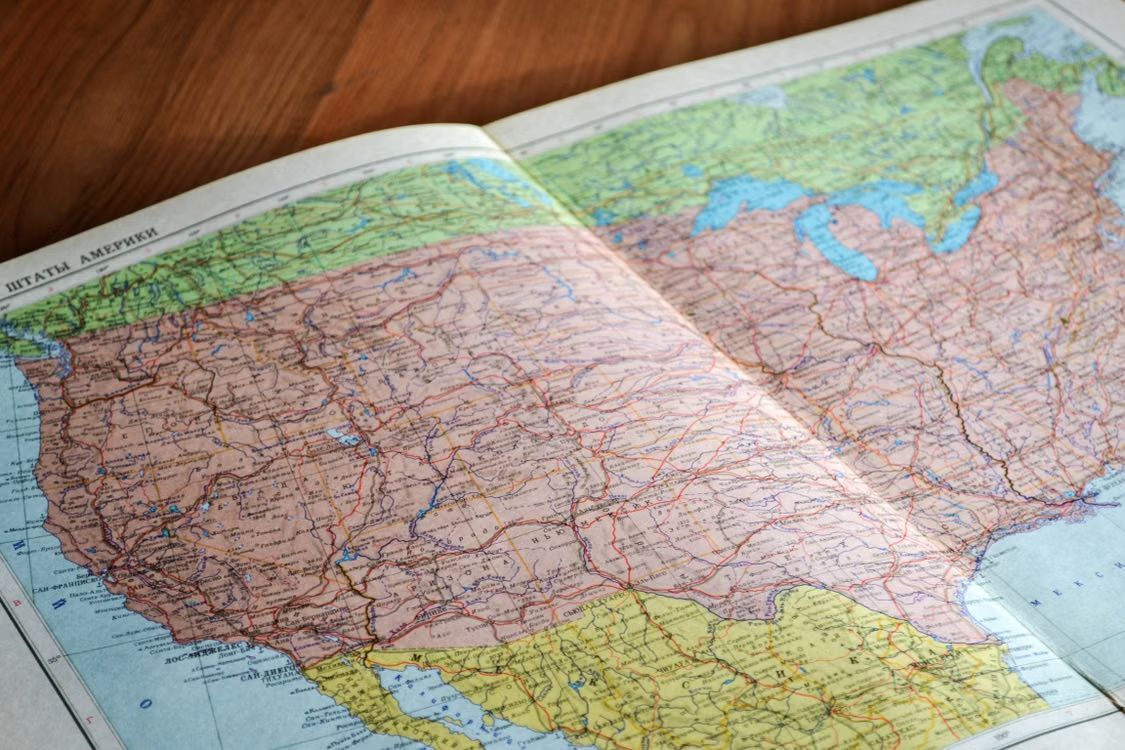
Ever wondered why Chicago is called Chicago, when Florida got its name, or what Alaska's name really means? Some of America's most familiar place names have surprisingly old, and sometimes unexpected, stories behind them. From Native American languages to Spanish explorers and even a fictional island, these names offer little glimpses into the people, languages, and cultures that shaped the country. Here are the fascinating stories behind some of America's best-known place names.

1

Chicago: The city named after wild onions

Image: Pedro Lastra

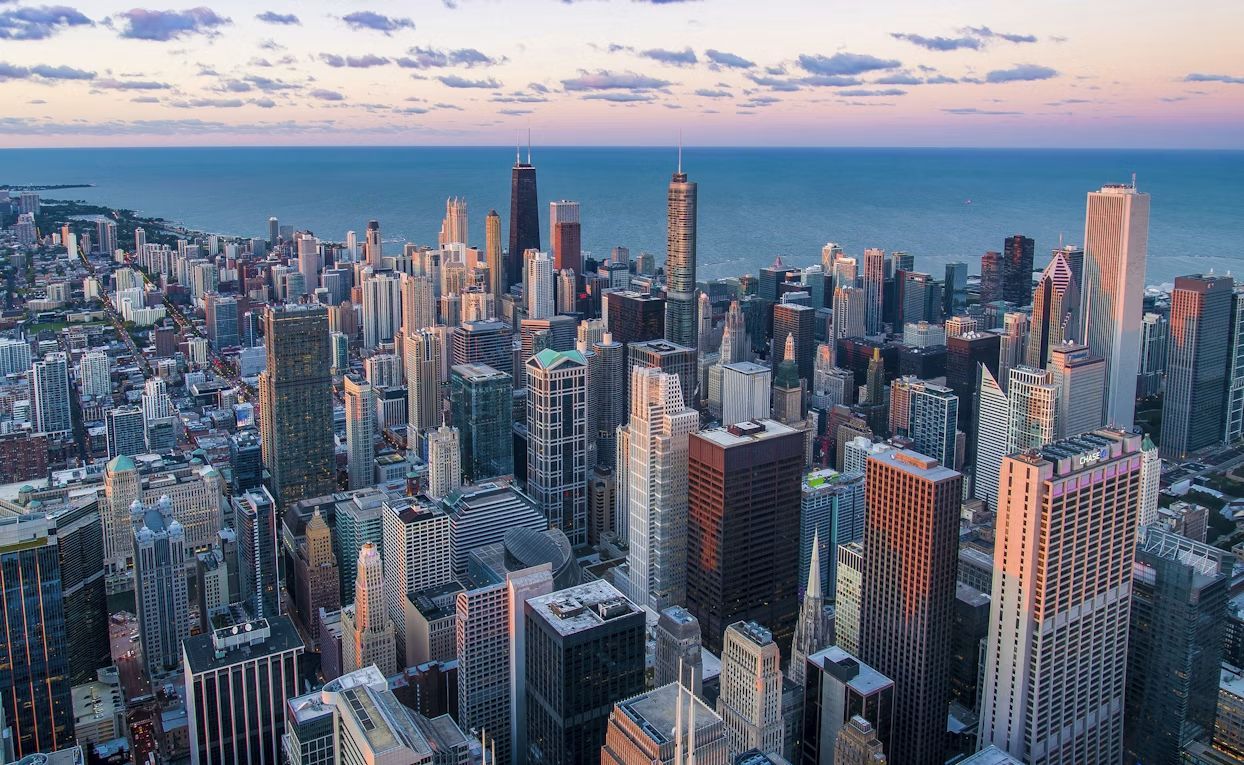
Chicago is known for its impressive skyline, deep-dish pizza, blues music, and location along Lake Michigan. But why is it called Chicago?

The name traces back to a Native American word, shikaakwa, referring to wild onions or garlic that once grew abundantly in the area. French explorers recorded the name in the late 1600s in various forms, eventually leading to the spelling we know today. Long before Chicago became one of America's largest cities, the plants growing around its waterways had already given the area its name.

2

Alaska: The great land

Image: Rod Long

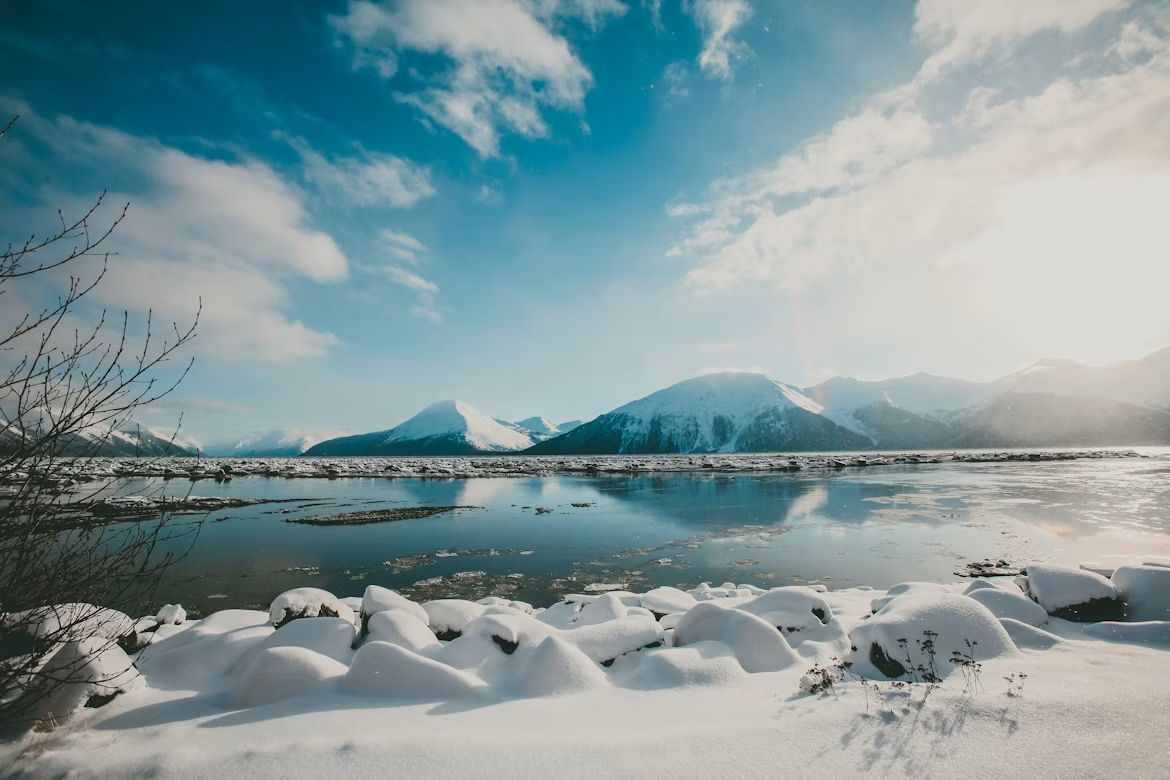
With its enormous wilderness, glaciers, mountains, and wildlife, Alaska hardly needs a grand name to convey its scale. Yet its name does exactly that.

Alaska comes from an Aleut word, often rendered as Alyeska or a related form, commonly interpreted as "the great land" or "the mainland." Long before Alaska became America's largest state in 1959, its Indigenous people had a name that reflected the vast landscape around them. Today, it remains an unusually fitting description of the Last Frontier.

3

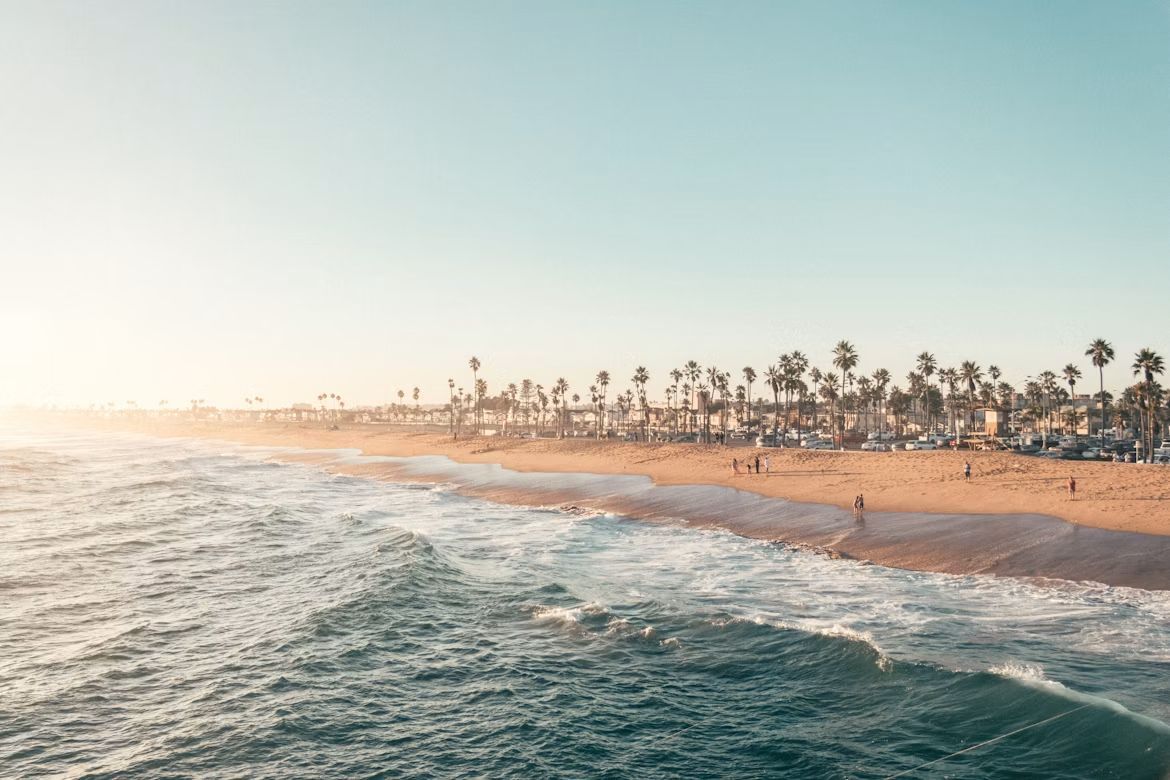
California: A place named after a fictional island

Image: Gustavo Zambelli

California is home to Silicon Valley, sunny beaches, Hollywood, and some of America's most recognizable landmarks.

In the early 16th century, a popular Spanish novel, Las Sergas de Esplandián, written by the Castilian author Garci Rodríguez de Montalvo**, described a mythical island called California. When Spanish explorers encountered the region in 1542, the name was eventually applied to the land they were exploring**. Perhaps it's fitting that America's home of fiction, Hollywood, is in a state that may have gotten its name from a fictional island.

4

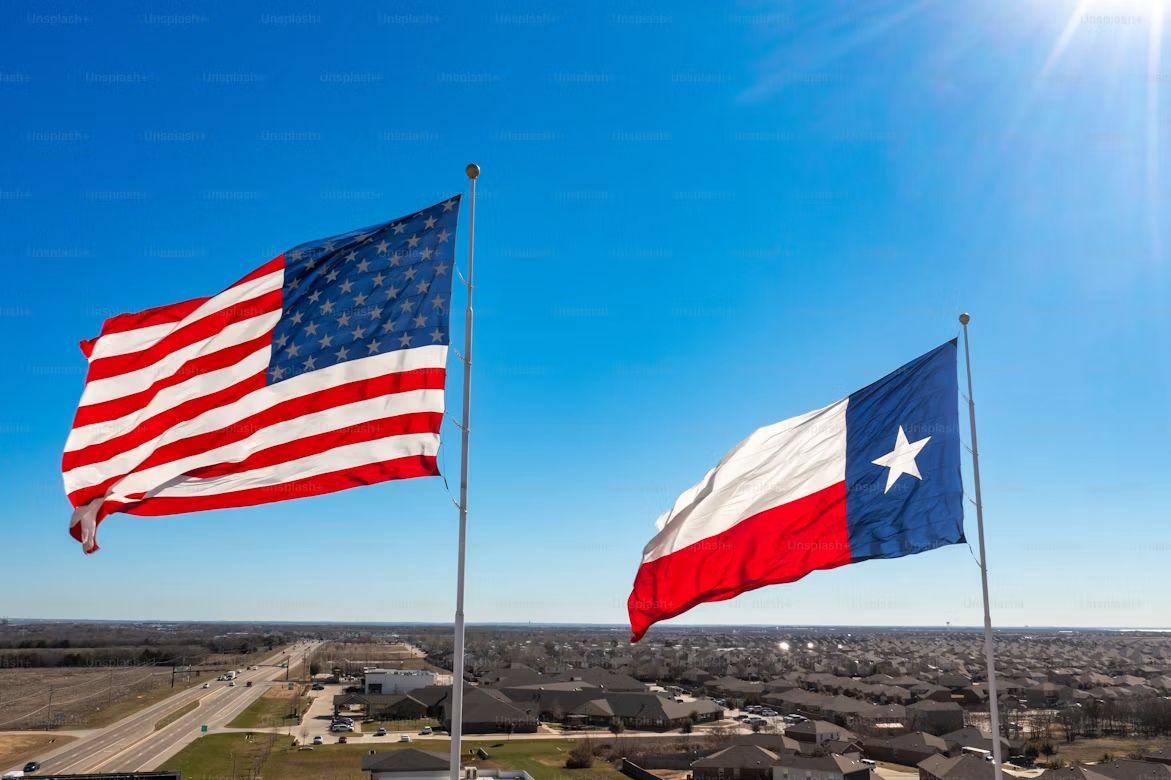
Texas: Friendship in one simple word

Image: Getty Images

Think of Texas, and images of cowboys, cattle ranches, barbecue, and the Alamo probably aren't far behind. But the meaning behind the state's name is surprisingly friendly.

Texas comes from the Caddo word tejas, commonly understood to mean "friends" or "allies." In 1689, Spanish explorers encountered Hasinai peoples in East Texas and recorded the word tejas, which they understood to mean 'friends' or 'allies.' The Spanish later adopted Tejas as a name for the region.

5

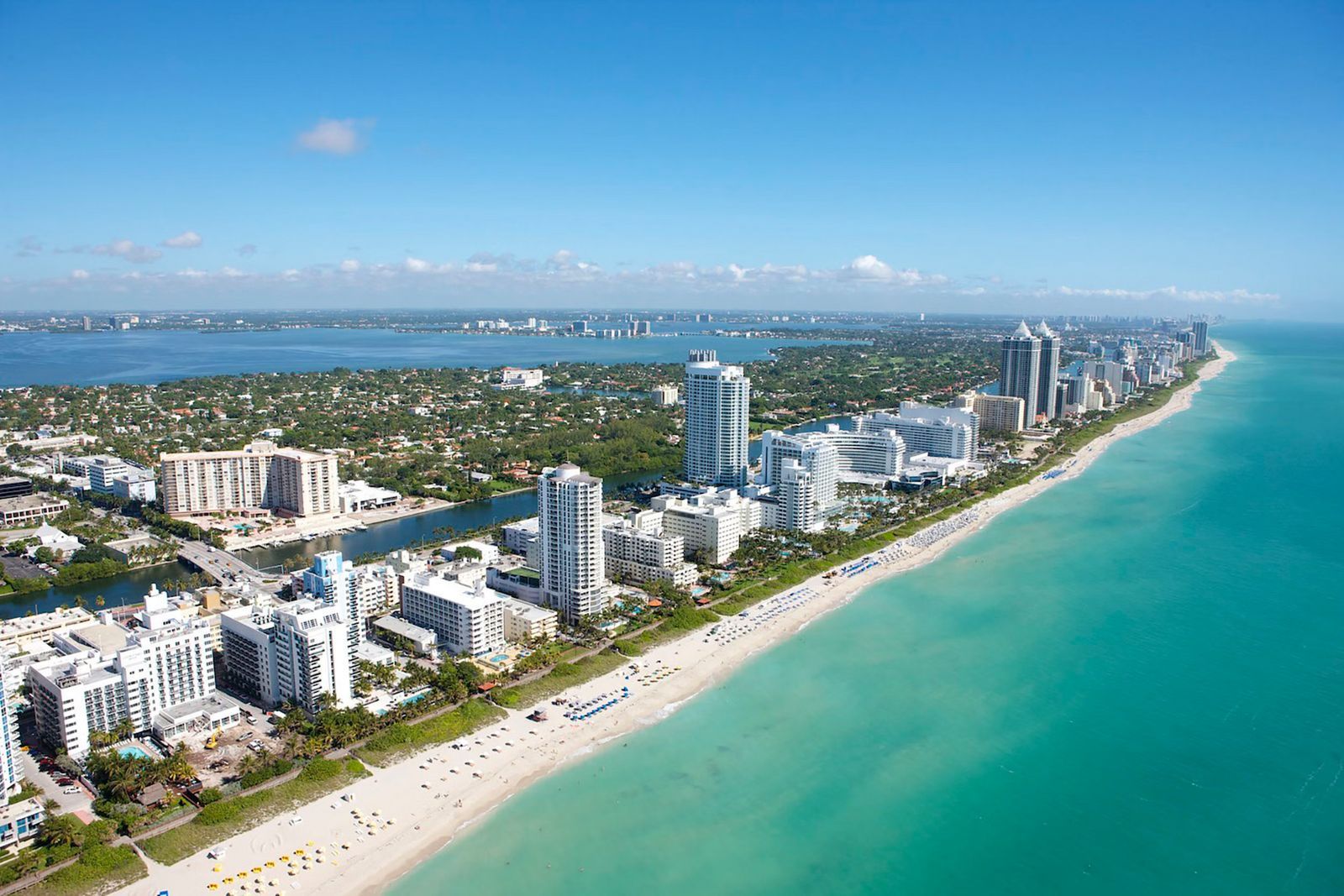
Florida: A name inspired by flowers

Image: Antonio Cuellar

Palm trees, beaches, orange groves, and warm weather have become synonymous with Florida. The state's name, though, has its roots in a Spanish Easter tradition.

When Spanish explorer Juan Ponce de León arrived in the region in 1513, he called it La Florida, a name associated with Pascua Florida, the Spanish Easter season, meaning "flowery Easter." The name has remained for more than 500 years, even as Florida became known for very different things.

6

Manhattan: A name with Native American roots

Image: Jermaine Ee

Long before Broadway, Wall Street, and the Empire State Building defined Manhattan, the island was home to the Lenape people. Their language left behind a name that millions of Americans use every day.

The exact meaning of Manhattan is debated, but interpretations have included "hilly island" and "place where wood is gathered." Whatever the precise translation, the name offers a reminder of the island's history long before New York became one of the world's great cities.

7

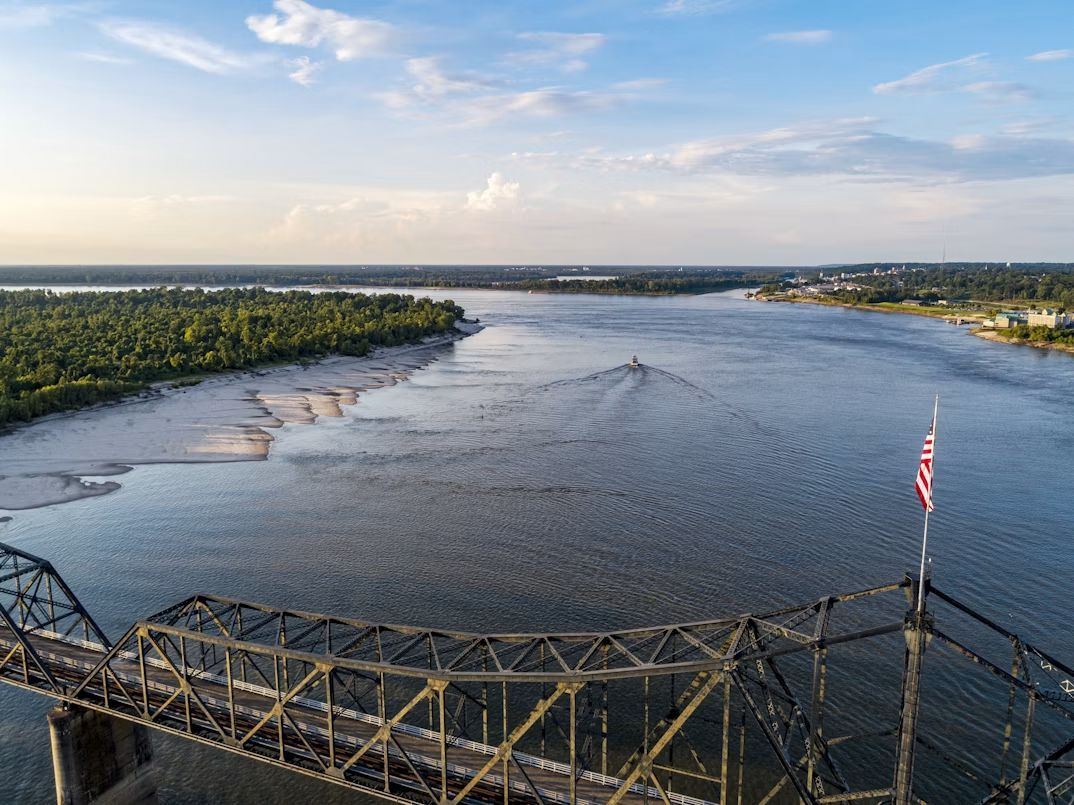
Mississippi: The great river

Image: Justin Wilkens

Few names are more closely tied to a river than Mississippi. The state shares its name with one of America's most important waterways, a river that has shaped transportation, trade, agriculture, and settlement for centuries.

The word comes from an Indigenous language and is commonly translated as "great river" or "great waters." Considering the Mississippi's enormous size and importance in American history, the name is remarkably fitting.

8

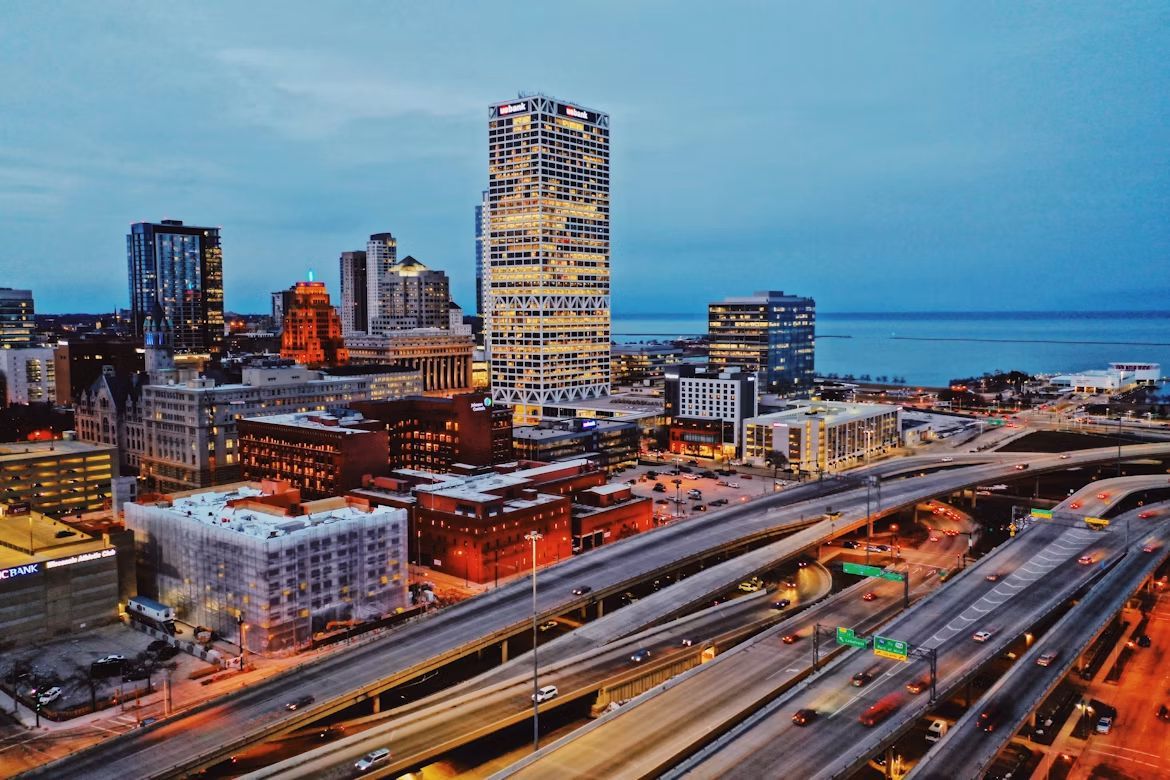
Milwaukee: The gathering place by the water

Image: Matthew Schultz

Today, Milwaukee is often associated with beer, baseball, and its Lake Michigan waterfront. But its name comes from a much older connection to the area's natural landscape.

Milwaukee comes from an Algonquian language and has been interpreted in several ways, including "good," "pleasant," or "gathering place by the water." The exact meaning has been debated, but the reference to water makes sense: the city developed along Lake Michigan and around the Milwaukee, Menomonee, and Kinnickinnic rivers.

9

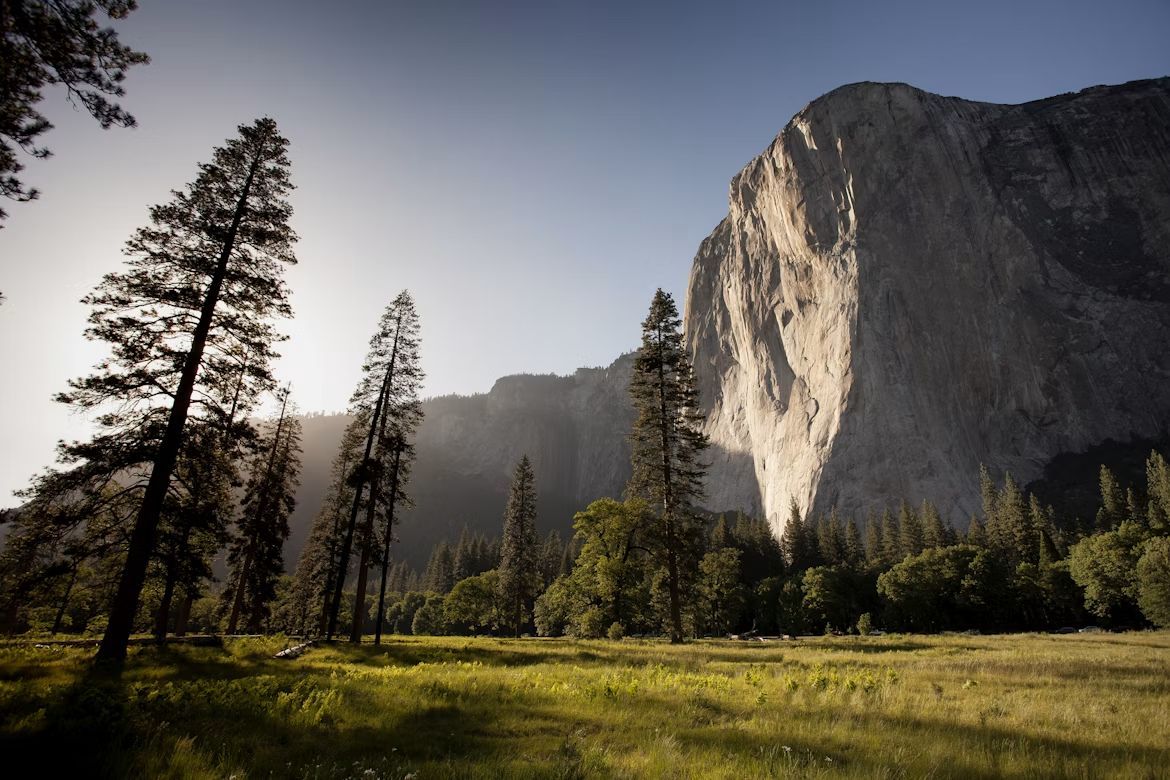
Yosemite: A name born from Native American history

Image: Adam Kool

Yosemite is one of the most recognizable names in America's national parks, evoking towering granite cliffs, waterfalls, and giant sequoias. Its name, however, carries a more complicated story.

The name Yosemite is often linked to a term used for the Ahwahneechee people and has traditionally been translated as "those who kill." But that simple translation leaves out an important part of the story: the word was reportedly used by outsiders to refer to the Ahwahneechee rather than being the name those people used for themselves. Today, the famous name remains, even though its origins are more complex than many visitors realize.

10

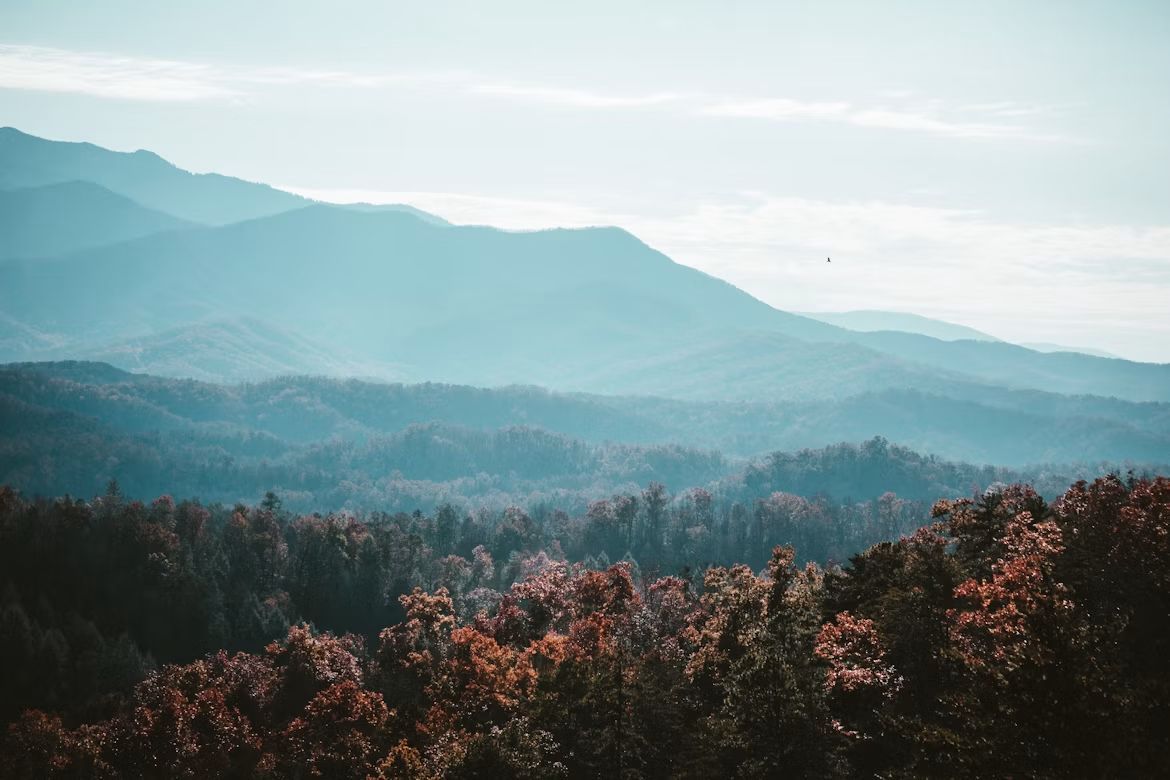
Appalachia: A name that traveled across a mountain range

Image: Sean Foster

Appalachia is more than a mountain range. The name evokes a distinctive American region known for its mountain communities, bluegrass music, traditional crafts, and deep-rooted cultural traditions.

The word Appalachia traces back to the Apalachee, an Indigenous group who lived in what is now the southeastern United States. Spanish explorers encountered the Apalachee in the 16th century, and variations of their name were eventually applied to the Appalachian Mountains and surrounding region. Over time, the name came to describe an entire cultural region stretching across several states.

Looking for an extra scoop of literary fun?

Learn more with our Word of the day

iterate

/ˈɪdəˌreɪt/