When sports got weird and unpredictable

What's the strangest thing that's ever happened during a game?


Published on May 14, 2026
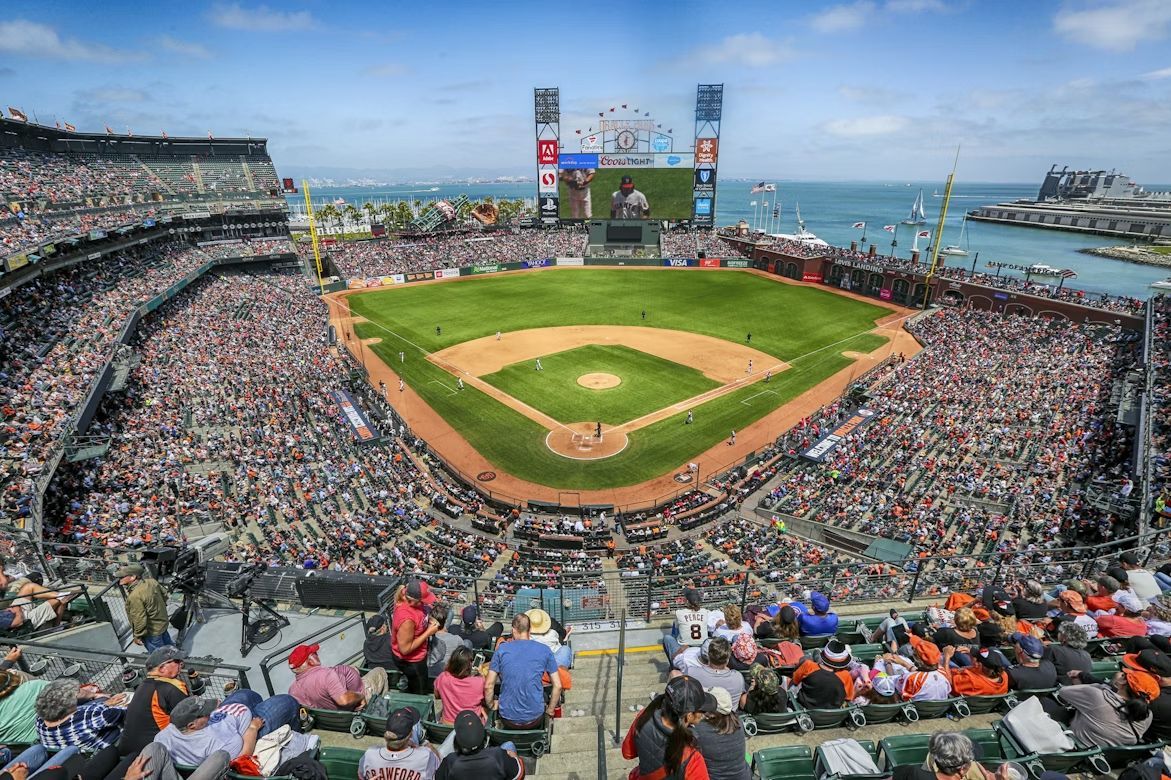

Image: Mick Haupt

Sports are supposed to be about athletic excellence, nail-biting competition, and moments of glory. But sometimes, the most memorable moments are the ones that leave us laughing, scratching our heads, or wondering whether we really saw what we think we saw. From wardrobe malfunctions to unexpected animal invasions, these 10 moments prove that sports can be just as entertaining when things go hilariously wrong.

1

The Fog Bowl (1988)

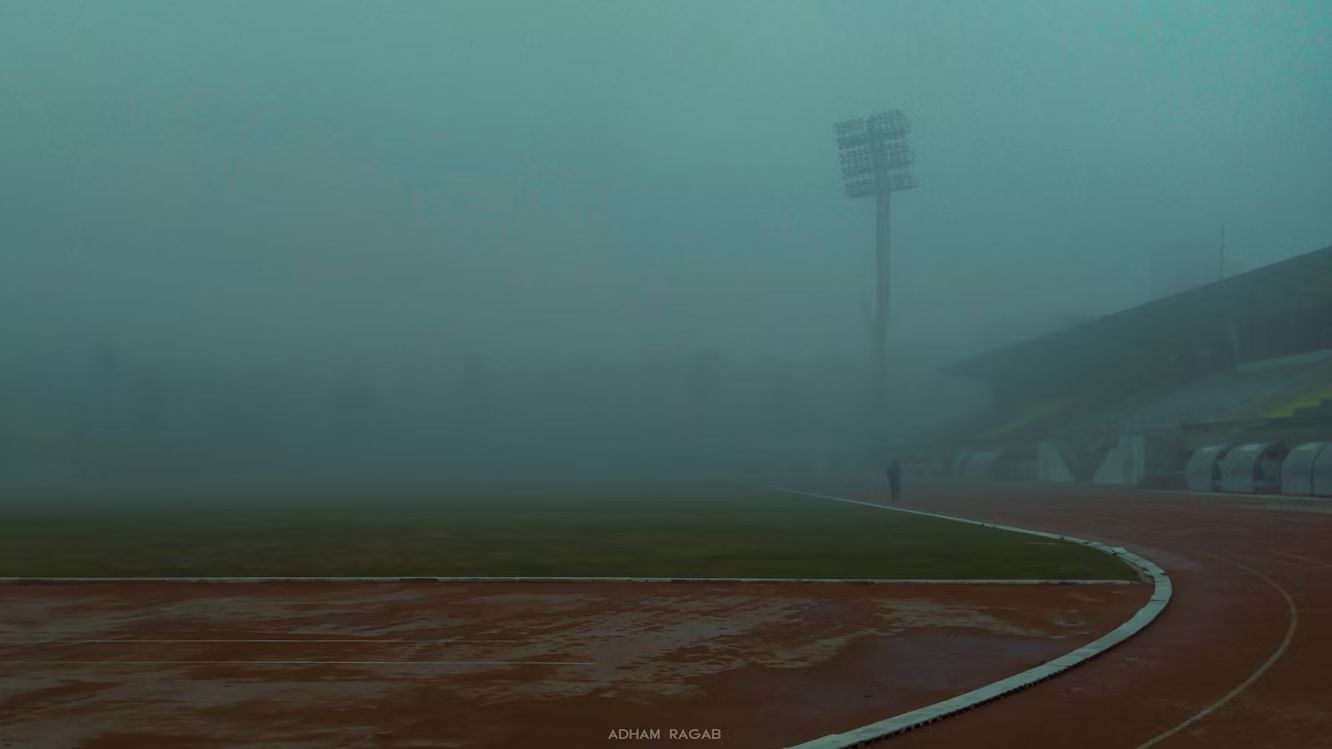
Image: Adham Ragab

Picture this: you're watching a playoff game between the Chicago Bears and Philadelphia Eagles, and suddenly you can't see anything. Not because your TV is broken, but because the field has disappeared into a thick blanket of fog. The 1988 NFC Divisional Playoff became known as the "Fog Bowl" when dense fog rolled into Soldier Field, making it nearly impossible for players, coaches, or fans to see what was happening.

The broadcasters were reduced to guessing what was going on, and viewers at home had a better view than the 65,000 fans who paid to be there. The Bears won 20-12, though no one could really see how.

2

Randy Johnson Explodes a Bird (2001)

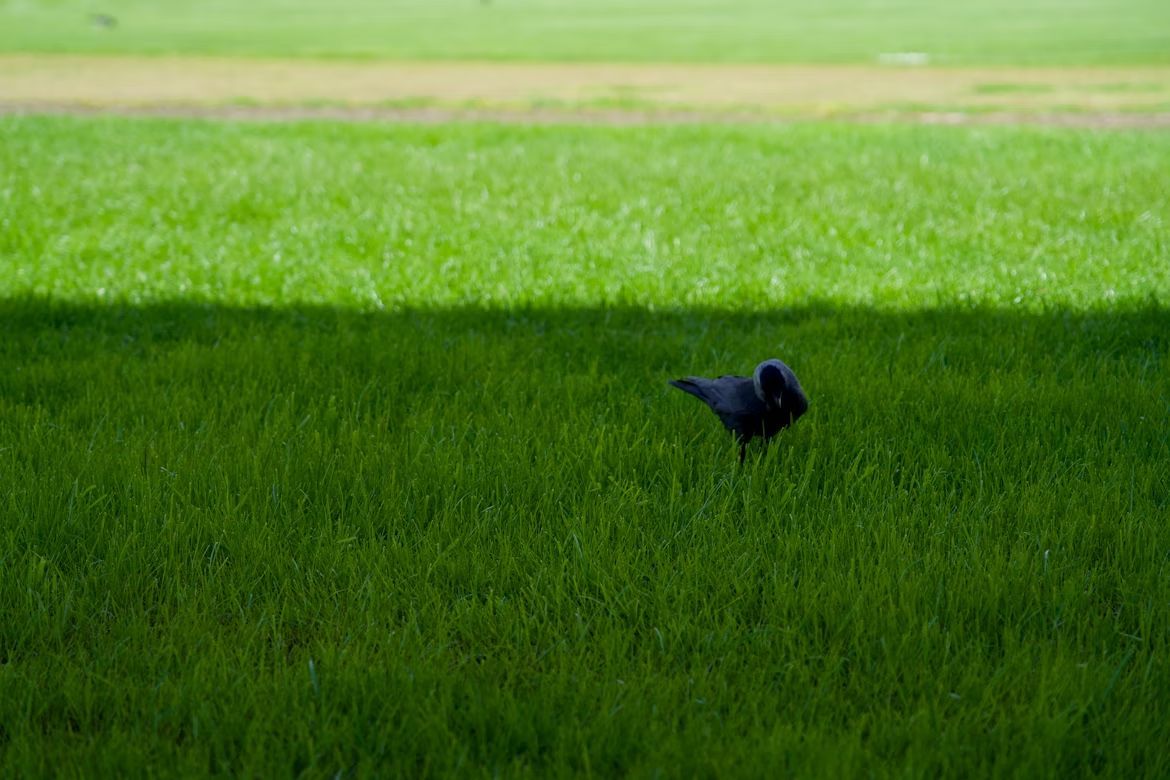
Image: Ragib Huda

Randy Johnson was known as "The Big Unit" for his intimidating 6'10" frame and blazing fastball. But on March 24, 2001, he became known for something entirely different: killing a bird mid-flight with a pitch. During a spring training game against the San Francisco Giants, Johnson wound up and released a fastball just as a dove flew across the plate. The result was an explosion of feathers that left everyone stunned.

3

The Butt Fumble (2012)

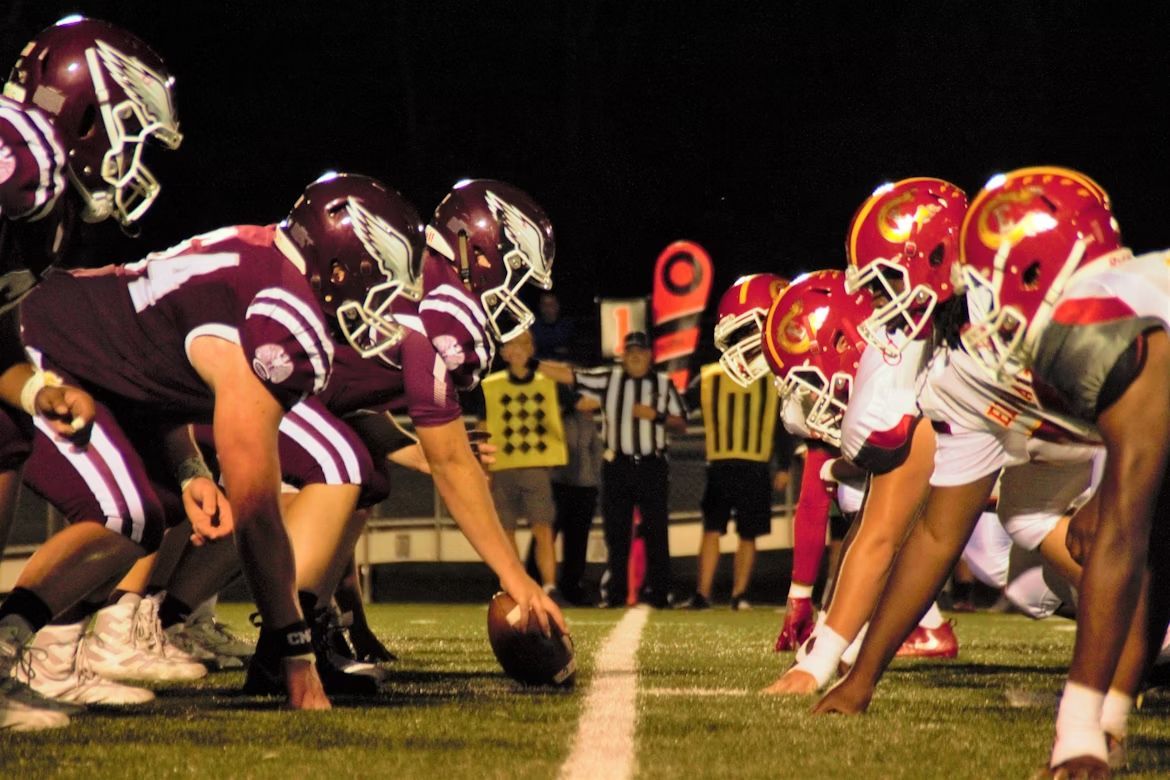
Image: Muyuan Ma

The Butt Fumble was performed by New York Jets quarterback Mark Sanchez on Thanksgiving Day in 2012. Facing the New England Patriots, Sanchez took the snap, tried to run forward, and crashed directly into his own offensive lineman's backside, fumbling the ball in the process. The Patriots scooped it up and ran it back for a touchdown.

4

Disco Demolition Night (1979)

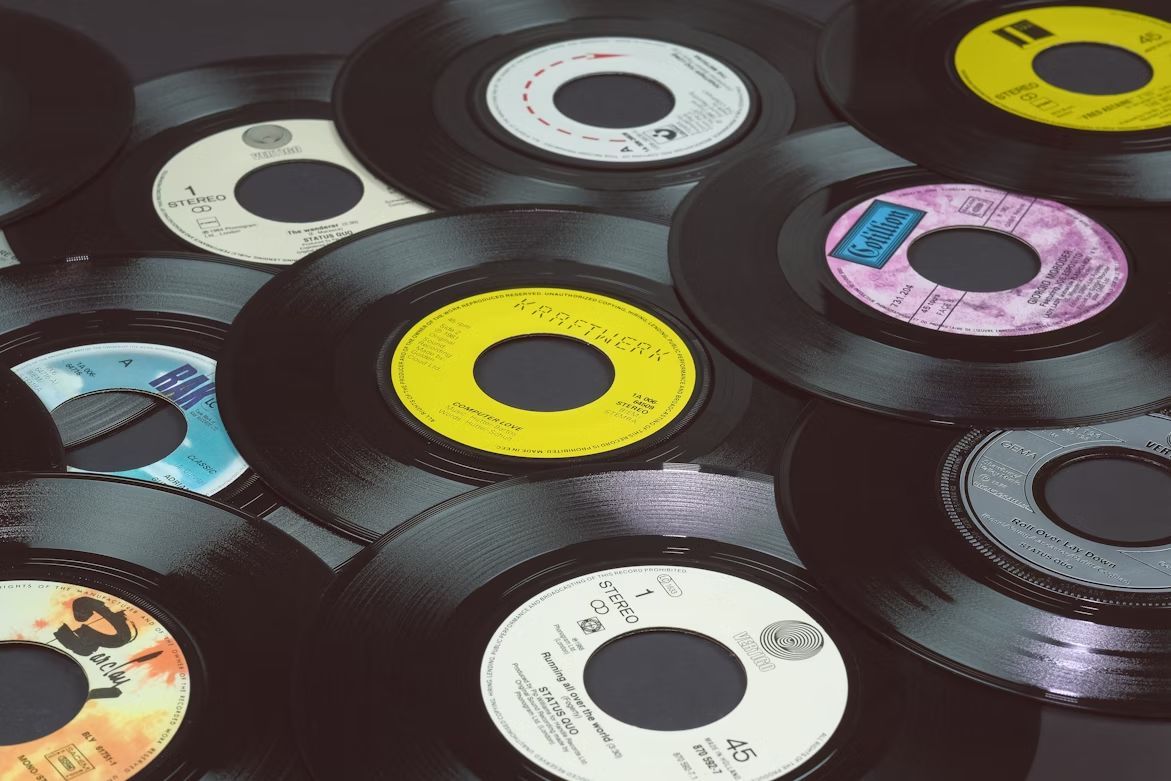
Image: Eric Krull

On July 12, 1979, the Chicago White Sox hosted "Disco Demolition Night" between games of a doubleheader. The promotion invited fans to bring disco records to be blown up on the field in exchange for discounted admission. Radio DJ Steve Dahl hyped up the event, and way more people showed up than expected.

After the first game, Dahl detonated a crate of disco records in center field, creating a massive explosion. Thousands of fans then stormed the field, tearing up chunks of grass, stealing bases, and causing widespread damage.

5

Wrong Way Riegels (1929 Rose Bowl)

Image: Mark Stuckey

Roy Riegels earned an unfortunate nickname that followed him for the rest of his life: "Wrong Way Riegels." During the 1929 Rose Bowl, played between California and Georgia Tech, Riegels scooped up a fumble and took off running—unfortunately, he ran 69 yards in the wrong direction toward his own end zone. His teammate, Benny Lom, chased him down the field, screaming for him to stop, finally tackling him at the one-yard line.

6

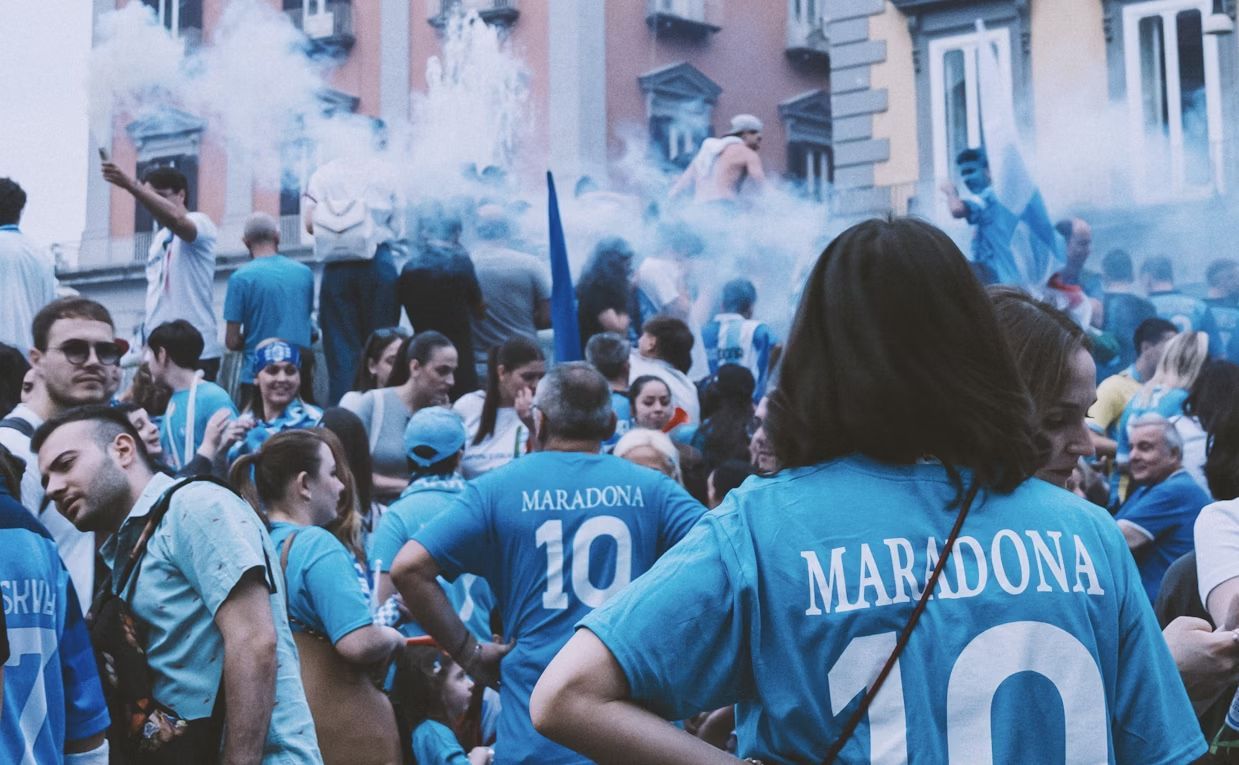
The Hand of God (1986)

Image: Carmen Laezza

Diego Maradona was one of soccer's greatest players, but one of his most famous goals was also his most controversial. During the 1986 World Cup quarterfinal match between Argentina and England, Maradona jumped for a ball in the box and punched it into the net with his hand. The referee didn't see it and allowed the goal to stand, despite furious protests from the English team.

After the game, Maradona claimed the goal was scored "a little with the head of Maradona and a little with the hand of God," which is how it earned its nickname. Argentina went on to win the match 2-1 and eventually won the World Cup.

7

Malice at the Palace (2004)

Image: JC Gellidon

The brawl between the Indiana Pacers and Detroit Pistons on November 19, 2004, was not just a fight; it was a full-scale riot that spilled into the stands. It began with a hard foul and escalated when Ron Artest (later known as Metta World Peace) lay down on the scorer’s table. A fan threw a cup of beer at him, prompting Artest to charge into the stands and throw punches at spectators.

Other players followed, and chaos erupted with fans and players fighting throughout the arena. The fallout was severe: Artest was suspended for the rest of the season (86 games), and eight other players received suspensions totaling 146 games.

8

The Immaculate Reception (1972)

Image: Riley McCullough

In a 1972 playoff game between the Pittsburgh Steelers and Oakland Raiders, Steelers quarterback Terry Bradshaw threw a desperation pass with 22 seconds left. The ball ricocheted off either Raiders safety Jack Tatum or Steelers receiver Frenchy Fuqua—no one's quite sure which—and bounced backward. Steelers running back Franco Harris scooped the ball just before it hit the ground and ran it in for a touchdown, giving Pittsburgh a stunning 13-7 victory.

9

Streaker Tackles Rugby Ref (2002)

Image: Nicholas Green

Streakers are nothing new in sports, but one particularly ambitious individual took things to a new level during a 2002 rugby match in Australia. A naked man sprinted onto the field during a match between the Sharks and the Roosters, evading security guards with surprising athleticism. But instead of just running around, he decided to tackle referee Bill Harrigan, bringing him to the ground in what may be the only naked tackle in professional sports history.

10

Jim Marshall's Wrong Way Run (1964)

Image: Carol Highsmith's America

Before Jim Marshall, there was Wrong Way Riegels—but Marshall's infamous mistake is the one etched into NFL blooper history. During a 1964 game between the Minnesota Vikings and the San Francisco 49ers, the defensive end scooped up a fumble and ran 66 yards—straight into the wrong end zone. Marshall threw the ball out of bounds in celebration, giving the 49ers a safety. His teammate Carl Eller tried to chase him down to tell him he was going the wrong way, but couldn't catch him.

A sign of belonging

Long hair and right hands: 11 religious customs across the world


Published on May 14, 2026


Image: CHUTTERSNAP

There are thousands of religions around the world, each following unique beliefs and customs. Some practices arise from the cultures associated with a particular faith, others from traditions shaped by historical events, and some can work as a way of showing adherence to a certain religion.

While some practices and beliefs may be shared among different religions, some are distinctive to a particular group. In this article, we will explore 11 customs and traditions that are unique to a religious group.

1

Sikhism: Uncut hair and turban

Image: sandeep gill

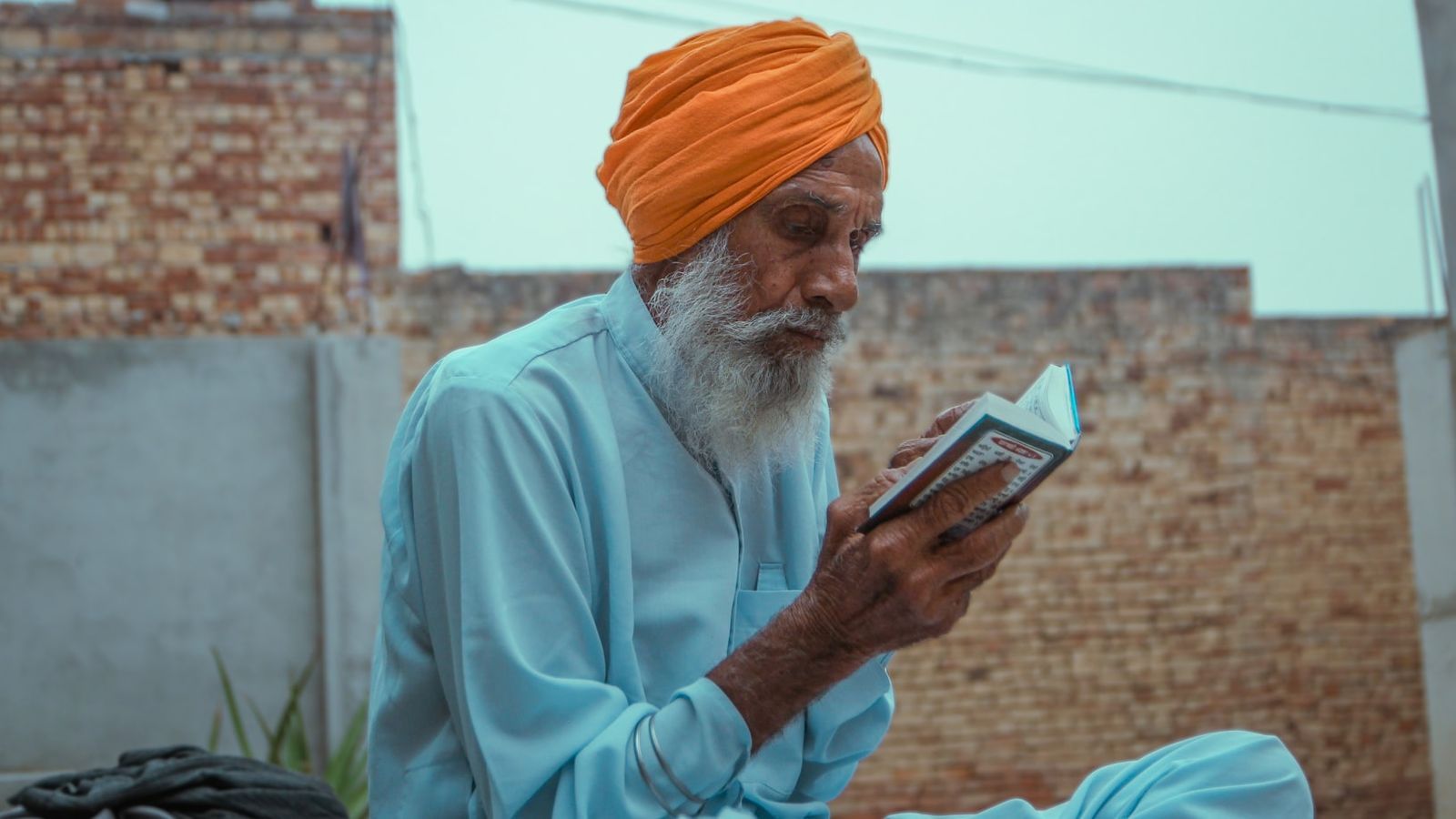
Sikhism is a religion that originated in the late 15th century in the Punjab region of India. Nowadays, it is estimated that around 30 million people around the world follow the Sikh faith.

As instructed by Guru Gobind Singh, Sikhs uphold five distinctive symbols of their faith, known as the Five Ks. One of these symbols is Kesh, or uncut hair, which Sikh men traditionally cover with a turban. This commandment also applies to facial hair. Sikh women tend to leave their uncut hair down, but some choose to wear a turban or other forms of head covering.

2

Orthodox Christianity: right-to-left sign of the cross

Image: Julia Tsukurova

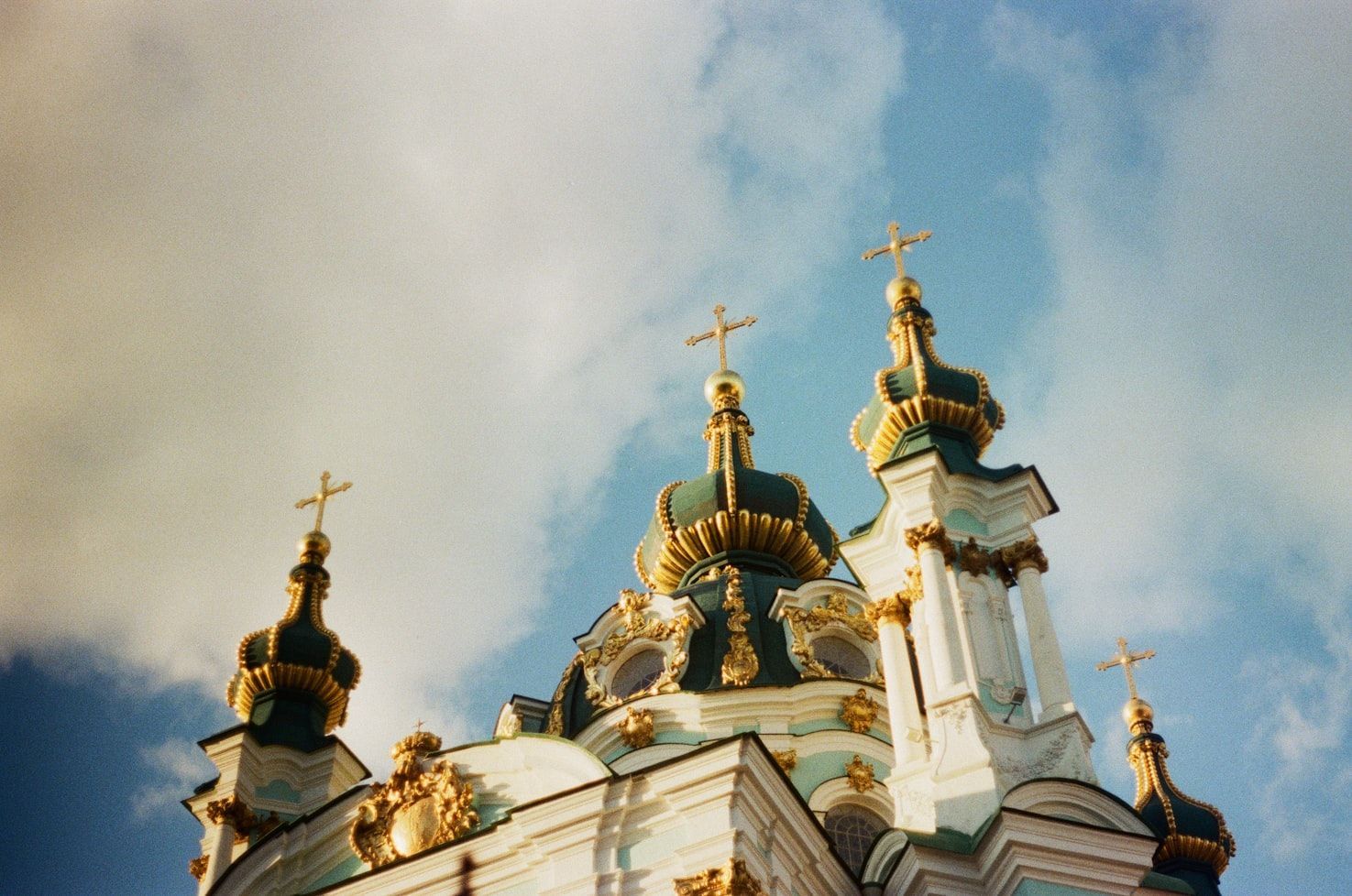
The sign of the cross, also known as signing oneself, is a Christian practice that dates back to at least the 3rd century and signifies the belief in the Holy Trinity. It is performed by touching the forehead, then the chest, and finally both shoulders.

While Catholics and other Christian denominations also use the sign of the cross, Orthodox churches are the main religious group to be identified by this practice performing it from right to left (touching the right shoulder first) and using three fingers to represent the Trinity.

3

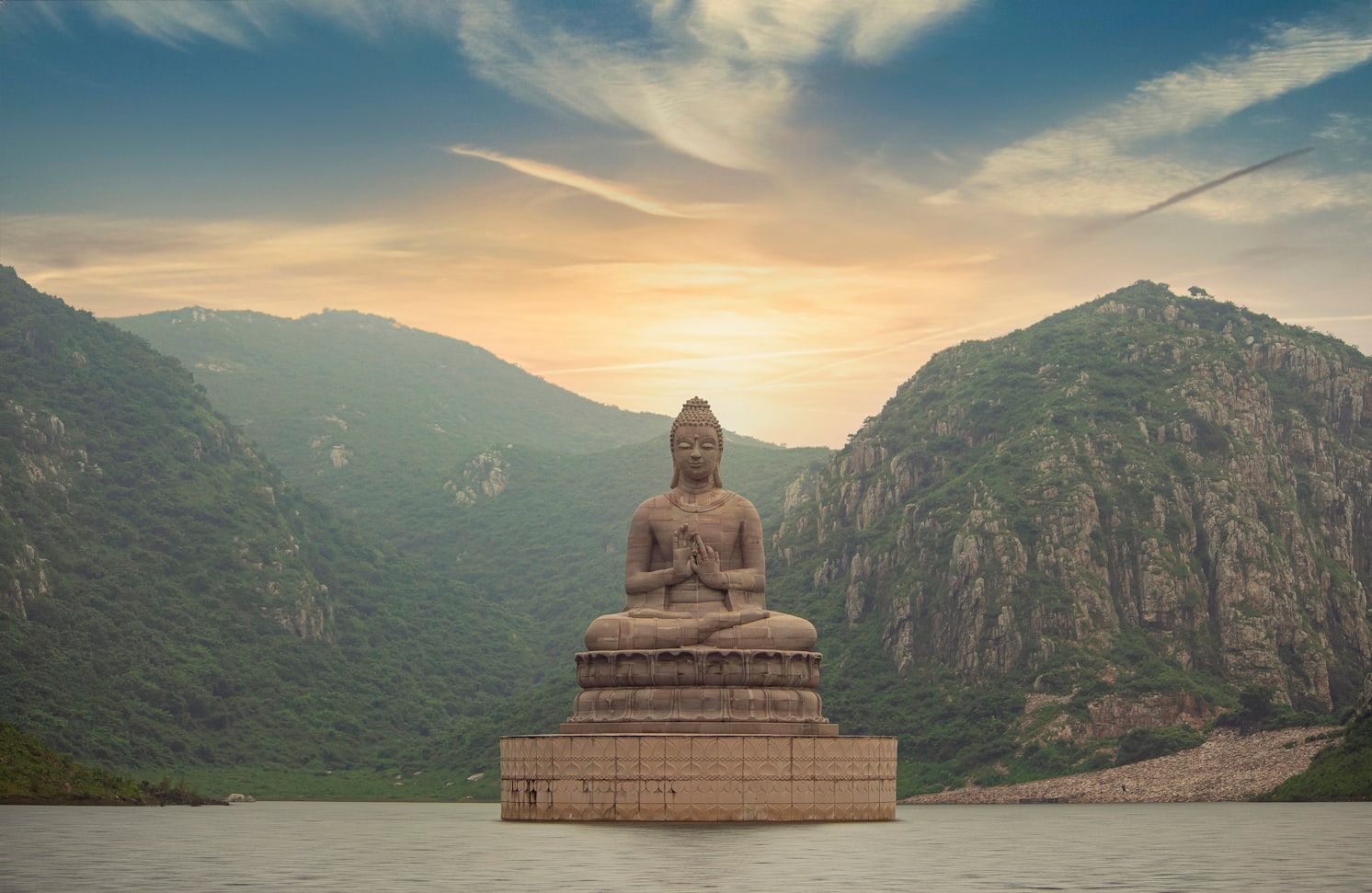
Buddhism: Anatta (no-soul)

Image: abhijeet gourav

Buddhism stands out for its lack of certain concepts that most Western people would come to expect from a major religion. One of these is the idea of a soul or a permanent, unchanging essence within a person. Instead, the focus is on the cycle of death and rebirth (samsara) and the interconnection of all things.

For Buddhists, nothing is isolated. Everything is part of a big system that’s interconnected, and clinging to the notion of a fixed self leads to suffering and disappointment. Letting go of attachments is a way to transcend suffering and move toward enlightenment (nirvana).

4

Catholics: no meat on Fridays

Image: Eiliv Aceron

Fridays are a special day in the Catholic tradition because they commemorate the day Christ died. This makes it a day of reflection, penance, and sacrifice, as a way to share the hardships and troubles Christ suffered. One common form of penance is by abstaining from eating meat.

Traditionally, not sacrificing an animal to eat was a way to highlight Christ’s death as the major sacrifice on Fridays. Because meat was once the foundation of most diets, giving it up was seen as a meaningful act of self-denial. This tradition only applies to warm-blooded animals, and everything that lives in water is permitted, which sometimes led to people eating beavers and capybaras on Good Friday.

5

Protestant Denominations: Iconoclasm

Image: Matt Meilner

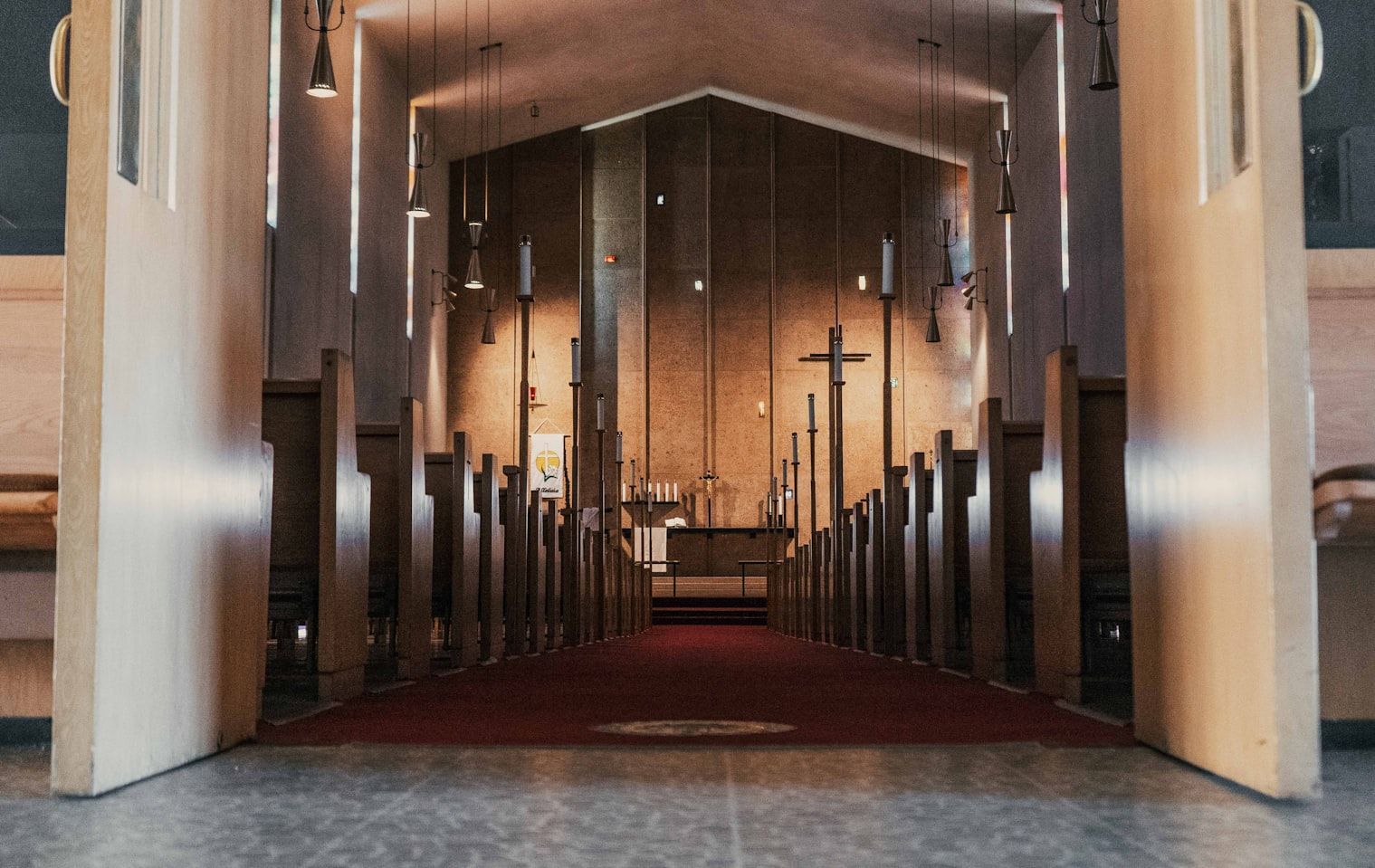
Religious images are an important topic in all Christian denominations. Some use it as a way of honoring God and remembering the saints, while others feel that they can lead to improper veneration, and most Protestant denominations fall into the second category: they believe that it violates the biblical commandment against idolatry.

In following this custom, they prefer not to have images or overtly ornate churches, not only to avoid giving material things the reverence owed only to God, but also as a way to avoid distractions.

6

Hinduism: the longest wedding ritual

Image: Jayesh Jalodara

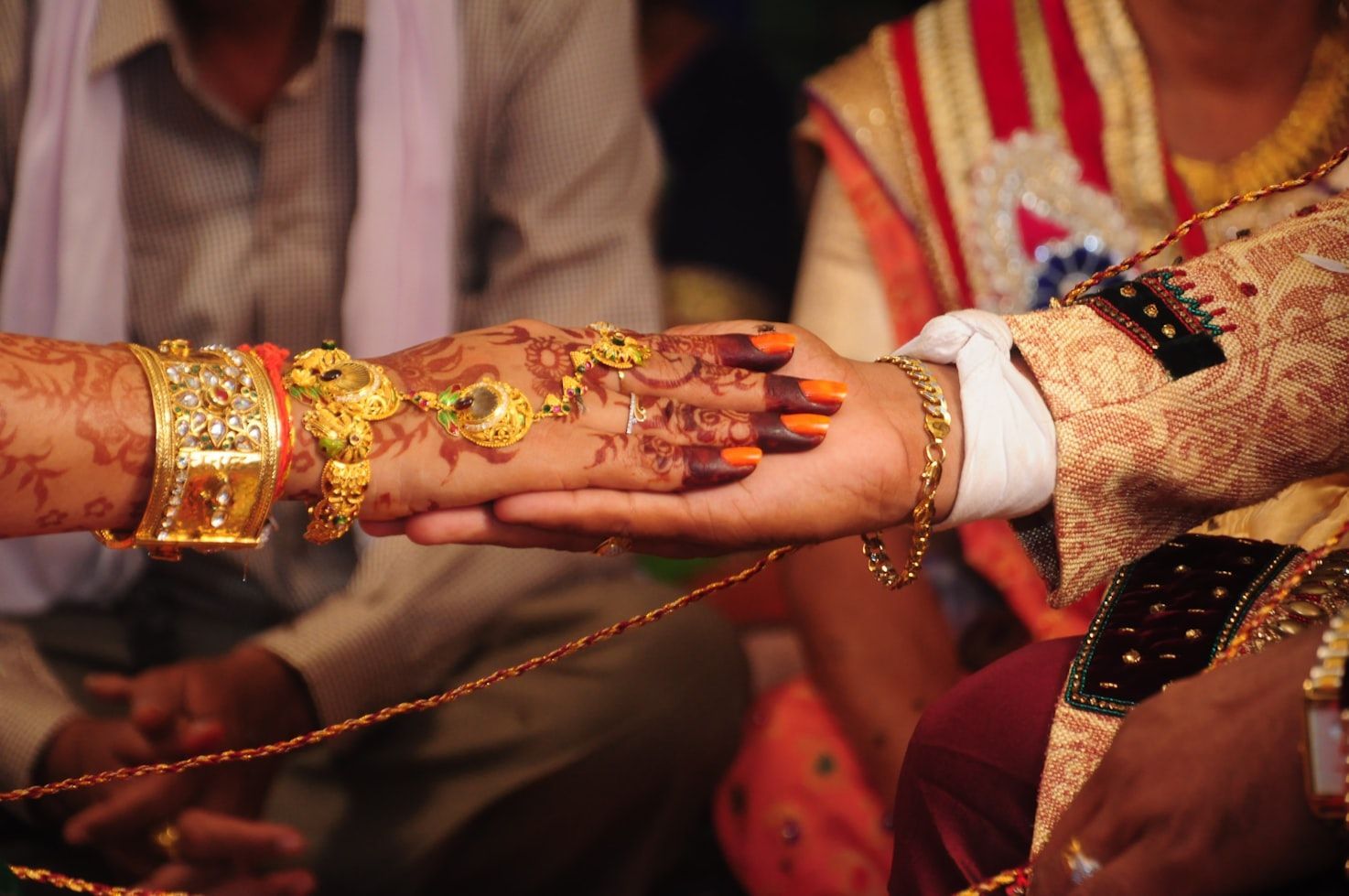
Weddings are joyous occasions across all cultures and religions, but Hindu weddings are on a different level. They are known for being colorful, ornate, and filled with dances, good food, and music. But this is not just a cultural trait: the wedding ritual is also ornate and intricate, and is one of the longest wedding rituals in the world.

While Hindu wedding customs vary widely by region, language, and community, they all share a common spiritual foundation. Most include at least three main rituals, each with its own traditions and associated ceremonies, making Hindu weddings multi-day events, often lasting a minimum of three days.

7

Islam: eating with the right hand

Image: Masjid MABA

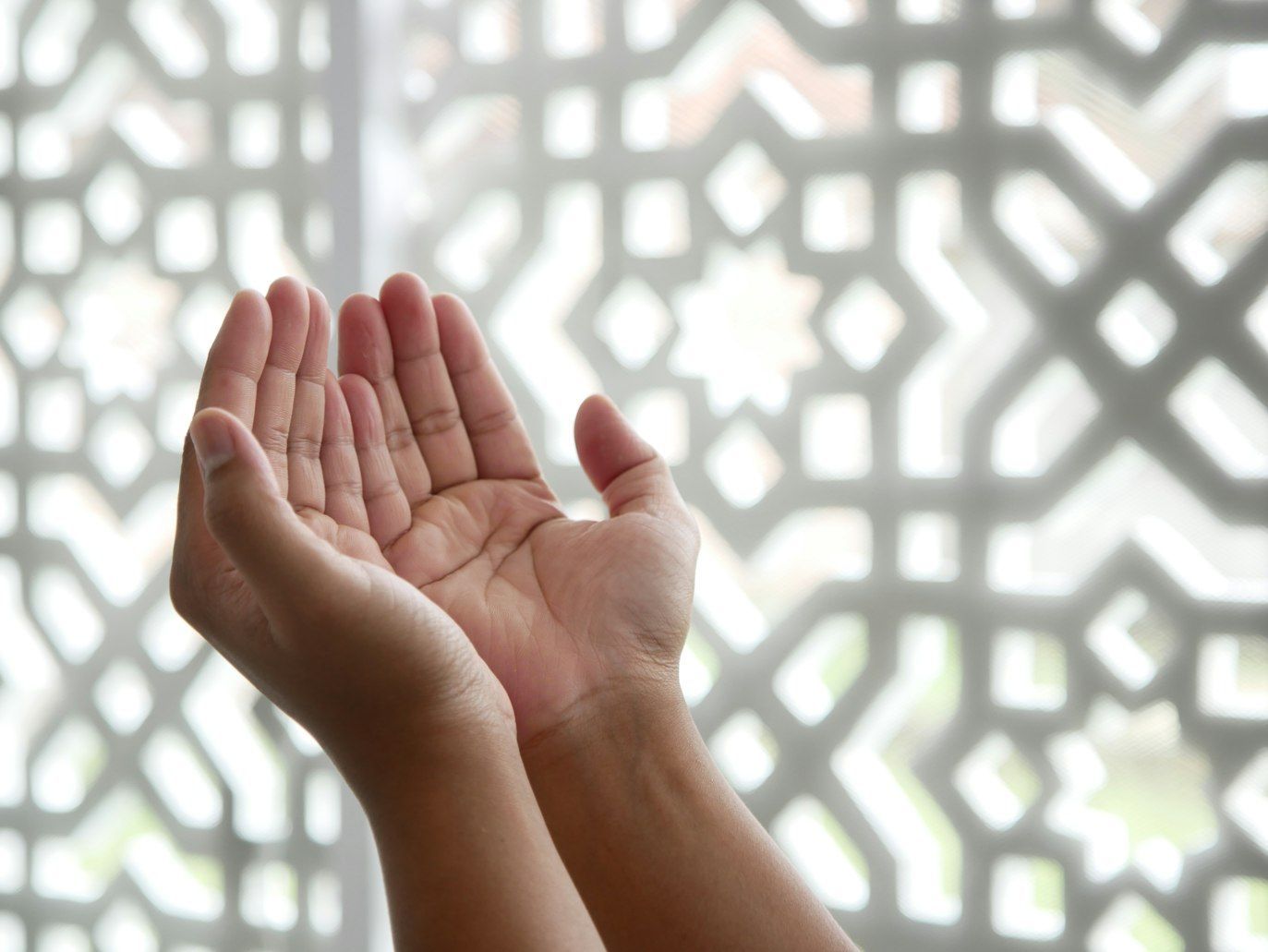
Many cultures and religions designate a specific hand for certain activities, such as eating or drinking, as a way to promote cleanliness. In Islamic tradition, the right hand is considered the appropriate hand for such acts, not only for reasons of hygiene but also for spiritual and symbolic significance.

Many Muslim scholars reference the right hand is associated with purity and blessing, while the left is considered impure and reserved for tasks related to personal hygiene. Some traditions also believe that the devil eats with the ‘impure’ hand, so they recommend using the right hand so as not to imitate him.

8

Shinto: no doctrine or scripture

Image: Dave Weatherall

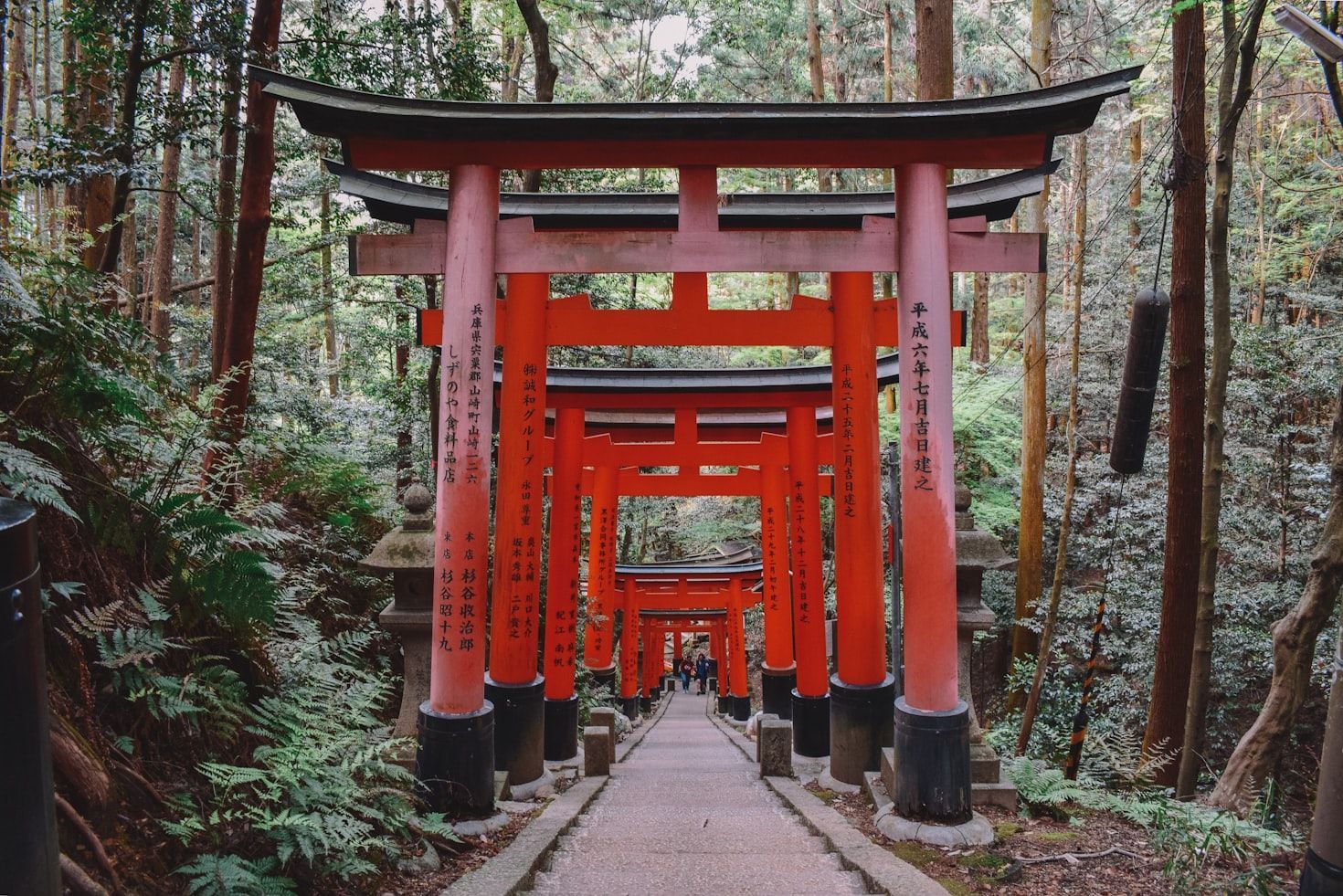
Shinto is a nature-based religion with centuries of history, practiced primarily in Japan. It venerates multiple deities, known as kami, which are believed to inhabit natural landscapes, forces of nature, and various aspects of life. By venerating them in their shrines, Shinto followers aim to cultivate harmonious relationships with these deities.

Unlike many other religions, Shinto does not have a central scripture or formal doctrine that dictates how it should be practiced. There is a strong focus on rituals and traditions, which are deeply ingrained in Japanese society and its customs. This means that there are multiple variations of Shinto practice, depending on the region, its history, and its customs.

9

Judaism: breaking a glass

Image: engin akyurt

Judaism is an ethnoreligion, meaning its religious beliefs are closely intertwined with cultural identity, even for Jews who may not consider themselves religious. One enduring tradition is the breaking of a glass by the groom during the wedding ceremony, a custom observed even by many secular Jews.

The breaking of the glass is traditionally understood as a remembrance of the destruction of the Temple in Jerusalem and the hardships that followed. But why such a sad memento on a joyful occasion? To remind us that life has its ups and downs, and joy is always mixed with sorrow.

10

Taoism: Inner smile

Image: Ricko Pan

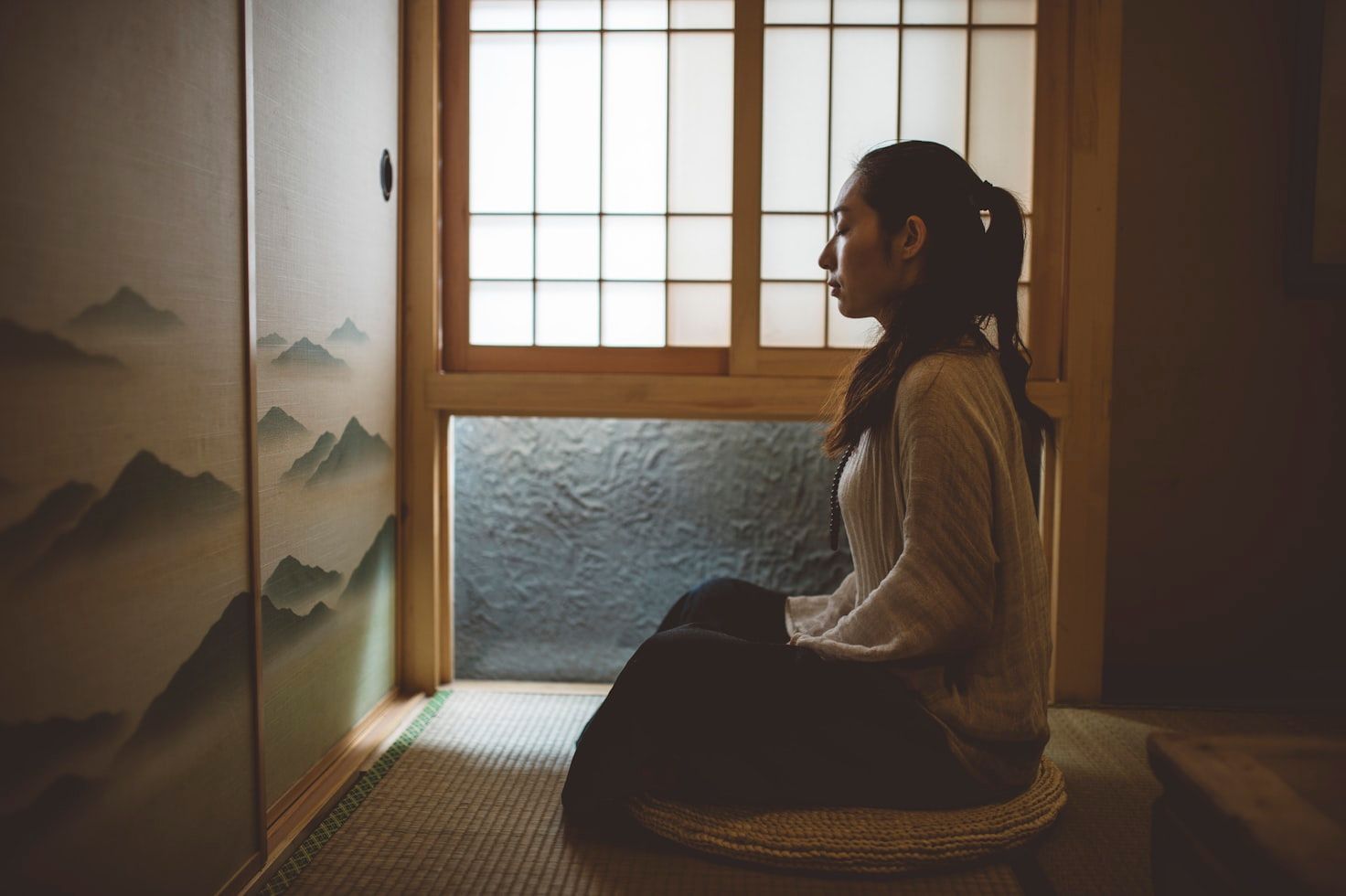
Taoism (also known as Daoism) is both a religion and a philosophy stemming from ancient China, but with influences in many Asian societies. It emphasizes harmony with the universe and its energy (Tao or Dao), and has many practices related to meditation and spiritual cultivation.

The Inner Smile is one of these customs. By smiling inwardly, followers of Tao aim to cultivate a sense of gratitude and love for their bodies and, through this connection, release negative energy and promote well-being.

11

Mormons: No coffee or tea

Image: Anushka Sharma

The Church of Jesus Christ of Latter-day Saints (commonly known as the LDS Church or Mormon Church) observes several dietary guidelines, one of which is the avoidance of coffee and tea. But where does this custom originate?

The Word of Wisdom (a section of LDS scripture) outlines health-related guidelines, including the prohibition of certain substances. Among these, "hot drinks" are forbidden. Traditionally, this has been interpreted to mean hot coffee and tea (excluding herbal teas). For many members, this has extended to avoiding caffeine altogether, though interpretations vary. Some believe that chilled coffee and tea are permissible, while others consume alternative caffeinated beverages, such as soda.

Looking for an extra scoop of literary fun?

Learn more with our Word of the day

deadpan

/ˈdɛdˌpæn/