What's the precise term for the dent you leave on the snow when you fall?
Published on November 16, 2026
When temperatures drop and freezing winds start to blow, our standard vocabulary can feel a little bit insufficient. We usually rely on the same handful of words ("freezing," "chilly," or "snowy") to describe the coldest months of the year. But the English language has a rich bundle of terms for every aspect of the winter season. Whether you want to describe a patch of winter sunshine, talk about animals hiding under snowbanks, or name that embarrassing dent you left after a bad ski fall, here are 10 rare wintry words to elevate your seasonal vocabulary.
Hiemal
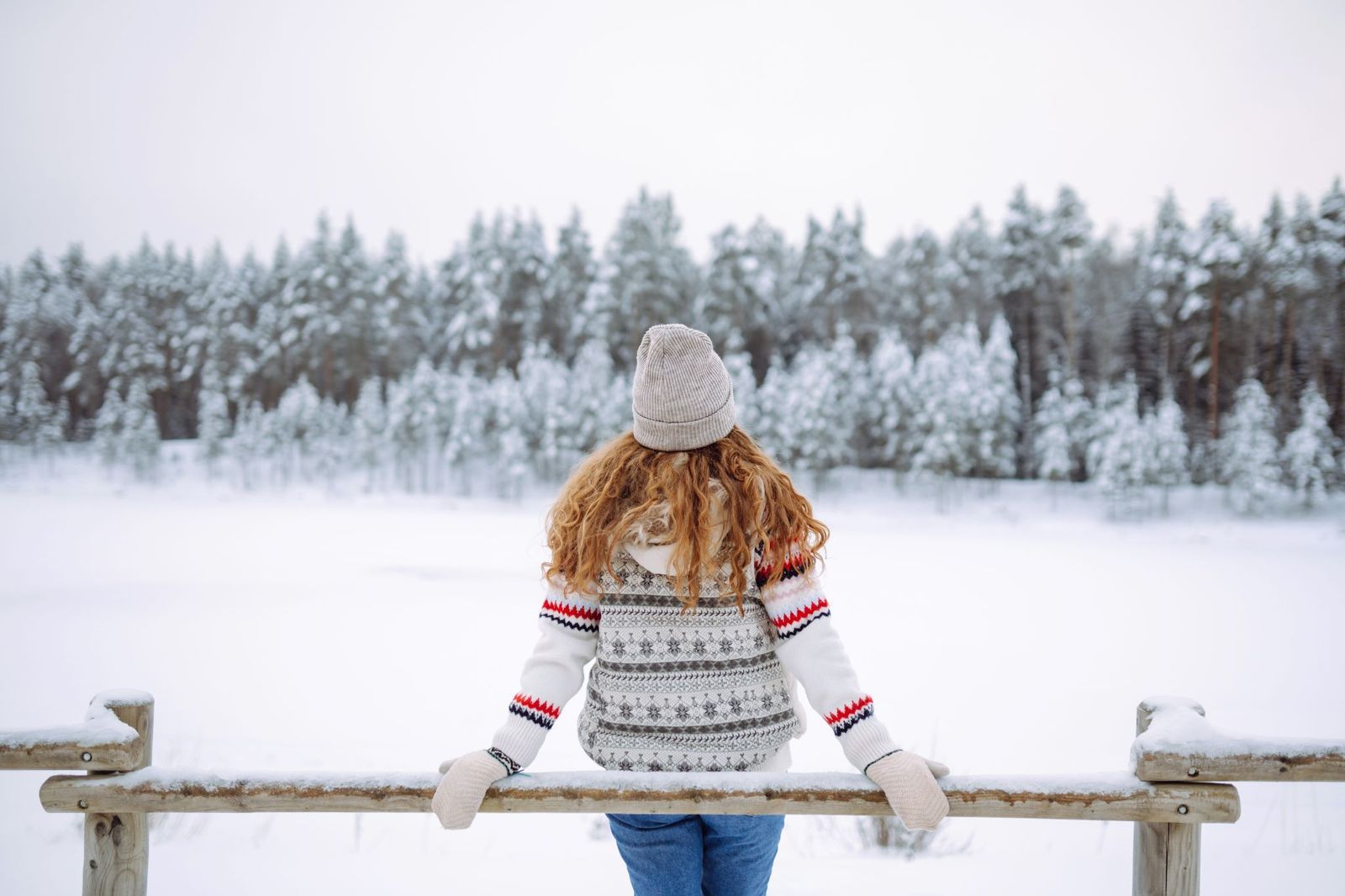
Before you know it, December comes. Suddenly, you’re tired of calling everything "wintry"; then it’s time to add hiemal to your repertoire. Pronounced HY-uh-mul, this adjective simply means "of or relating to winter."
It comes directly from the Latin word hiems (meaning winter). Although scientists and ecologists sometimes use it to mark the start of winter weather cycles, you can use it to sound sophisticated when talking about your favorite coats or hiemal comfort foods.
Psychrophilic
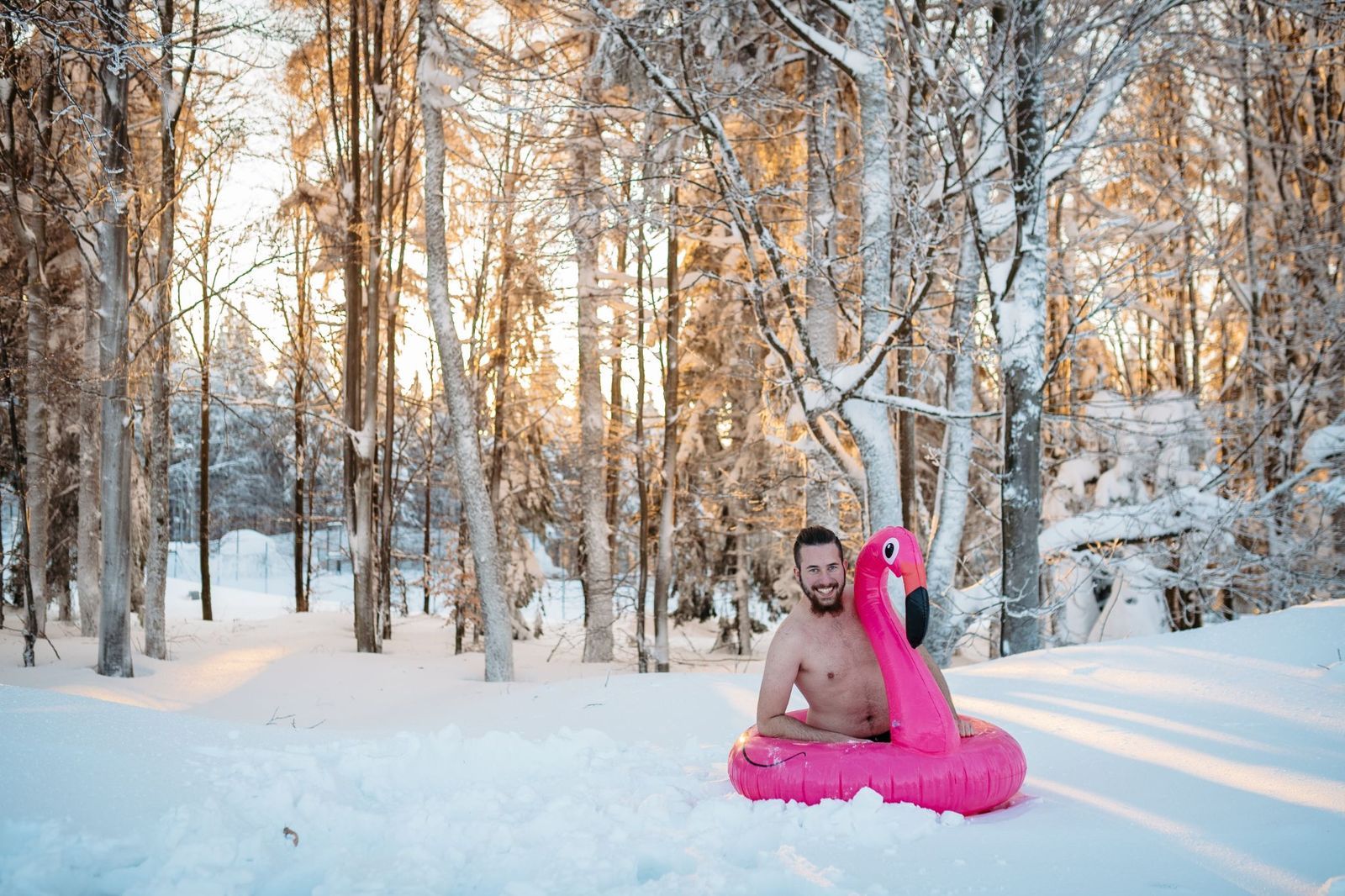
Some creatures prefer sub-zero conditions, including humans. Psychrophilic comes from the Greek roots for "cold-loving" (psychro-, "cold" and -philic, "fond of") and describes organisms that thrive at low temperatures.
While microbiologists use it for specialized Arctic bacteria, deep-sea fungi, and snow algae, it’s also an elevated way to describe that one friend who refuses to wear a jacket in December and turns the air conditioning to freezing levels year-round.
Apricity
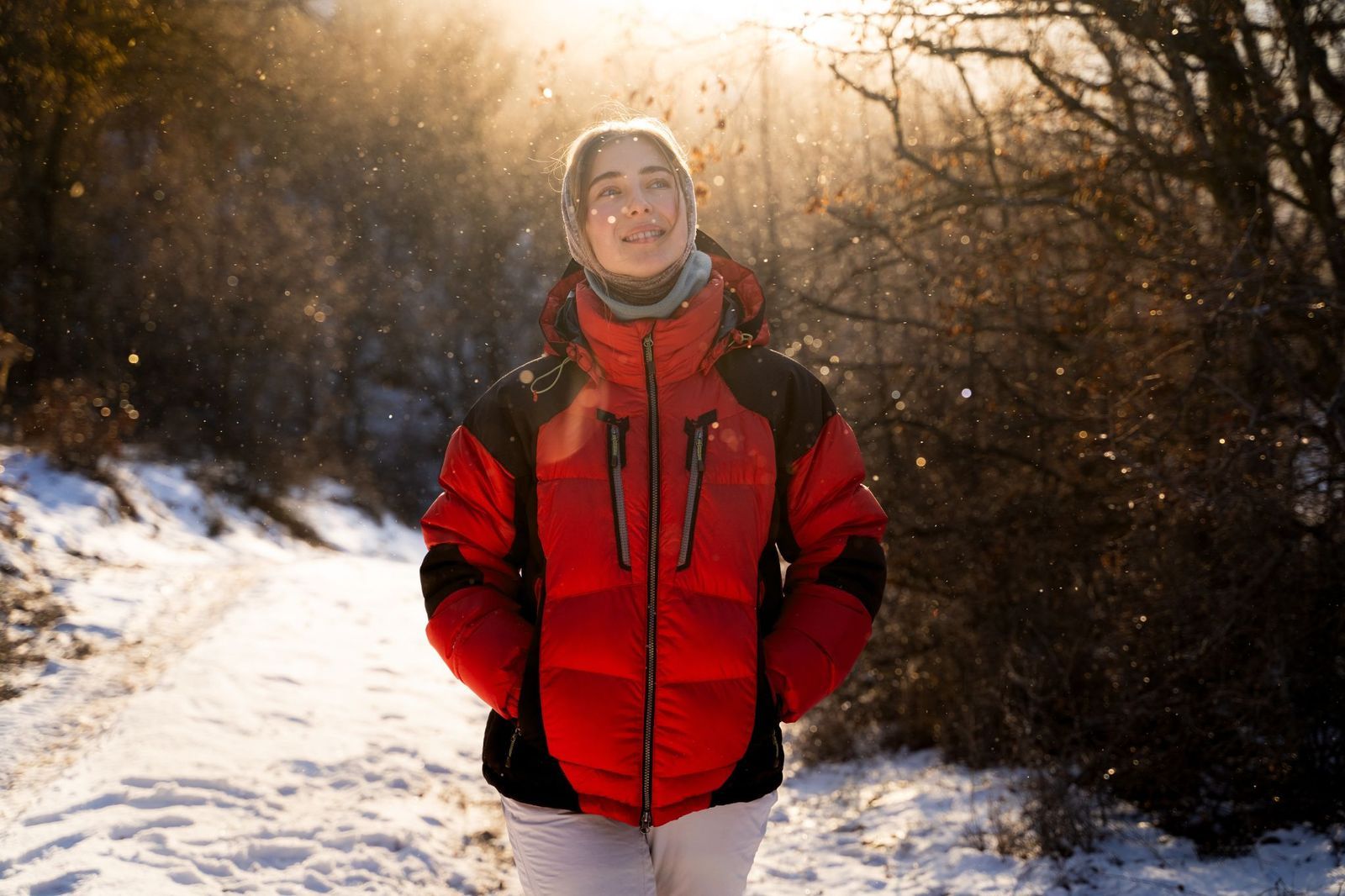
There’s a very specific feeling that happens on a freezing January afternoon when you step out of the shadows and hit a patch of direct sunlight. That gentle heat on your face is called apricity.
First recorded in English back in 1623 by dictionary maker Henry Cockeram, this beautiful noun describes "the warmth of the sun in winter." Even though it captures one of the best aspects of cold weather, the word never caught on in mainstream speech, and it’s still a hidden gem for language lovers.
Sitzmark
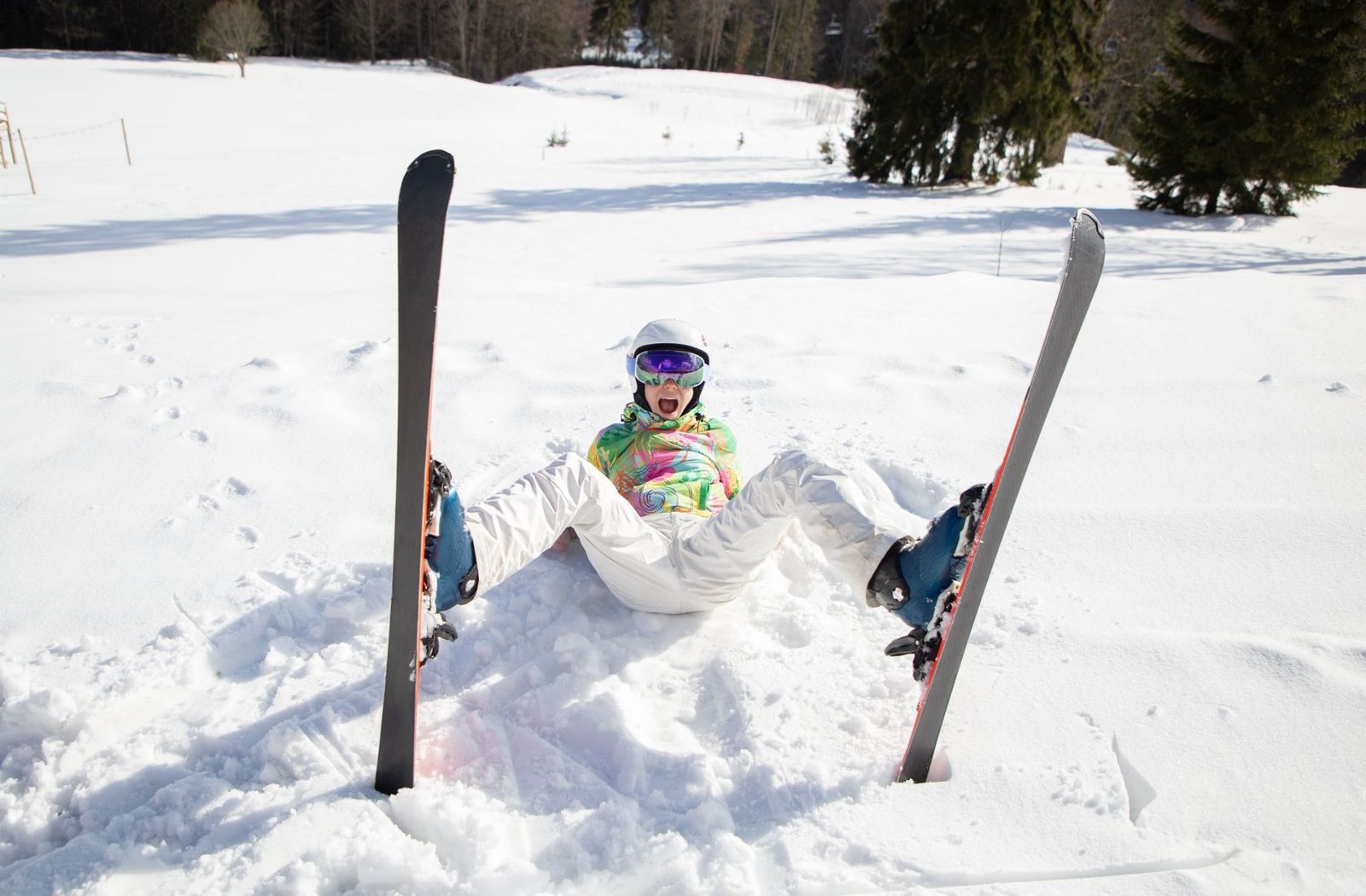
Anyone who has ever taken a beginner ski lesson knows the feeling of losing control and landing on their back end. Fortunately, there’s an official term for the evidence of your athletic failure: a sitzmark.
Borrowed from German, a sitzmark is the crater left in soft snow when a skier falls backward. Ski etiquette actually dictates that you fill your sitzmark so other skiers don’t trip over your imprint on their way down the slope.
Subnivean
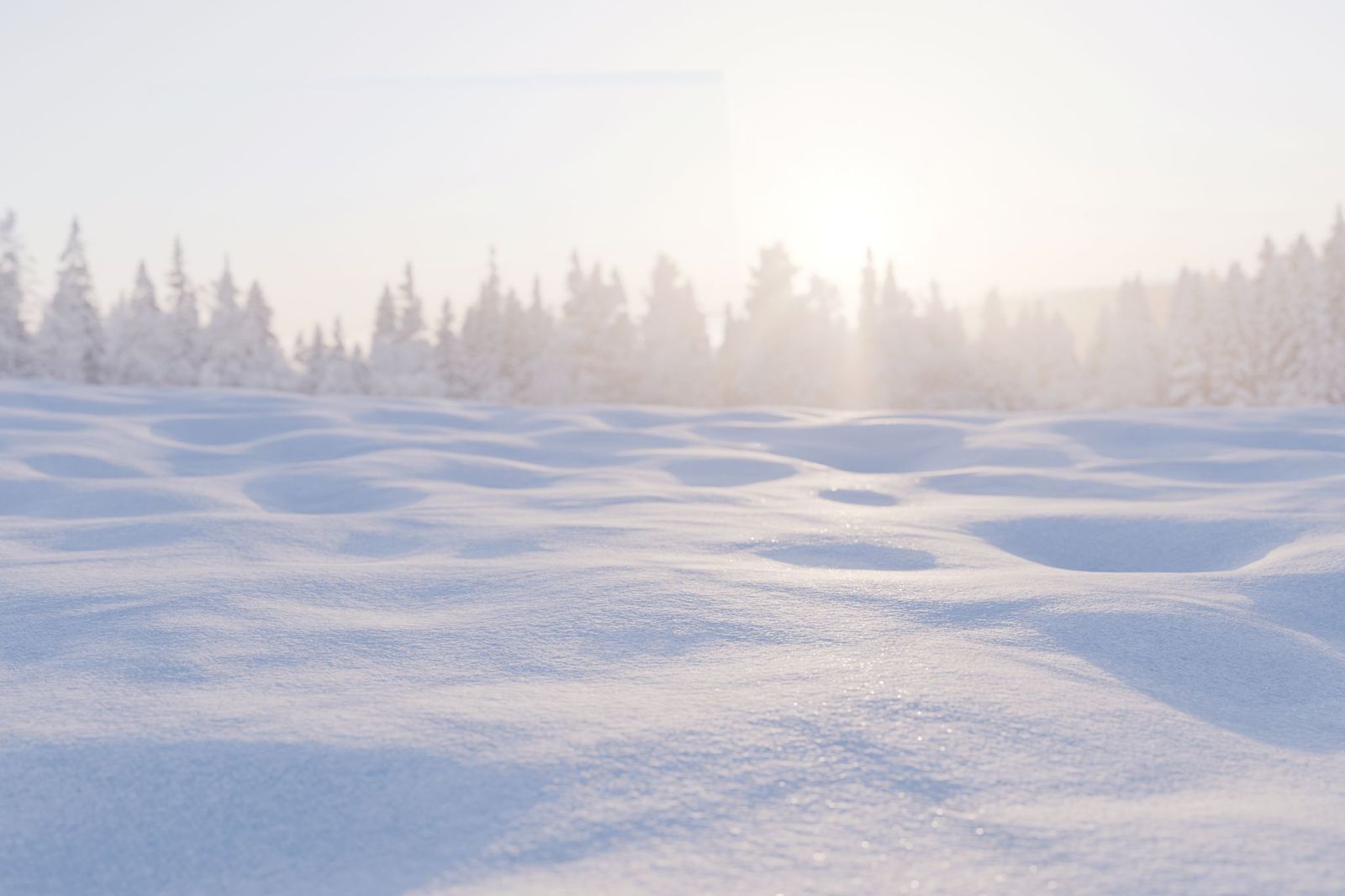
To the naked eye, a snowfall looks like a frozen desert. But beneath that white blanket, there’s an entire ecosystem. Subnivean, which combines the Latin prefix sub- ("under") and niveus ("snowy"), describes anything occurring underneath the snow.
Small animals like voles and mice rely on subnivean spaces to build tunnels, stay warm, and avoid predators lurking above the snowline.
Snowbird
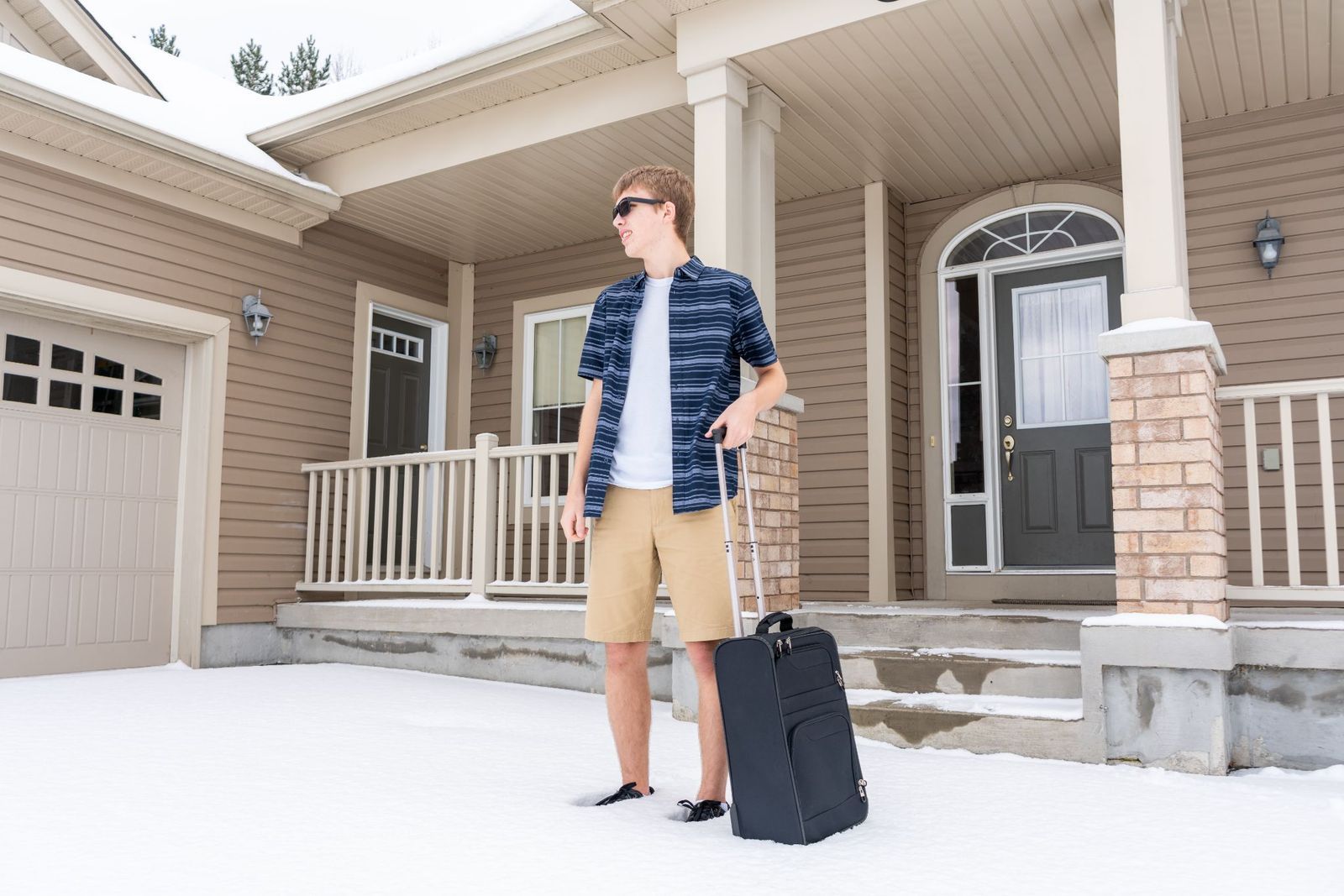
Unlike many terms on this list that have ancient Latin, German, or Greek origins, snowbird belongs to modern American slang. It refers to a person, typically a retiree or remote worker, who flees cold northern states to spend the winter months in southern destinations like Florida, Arizona, or Mexico.
Algid
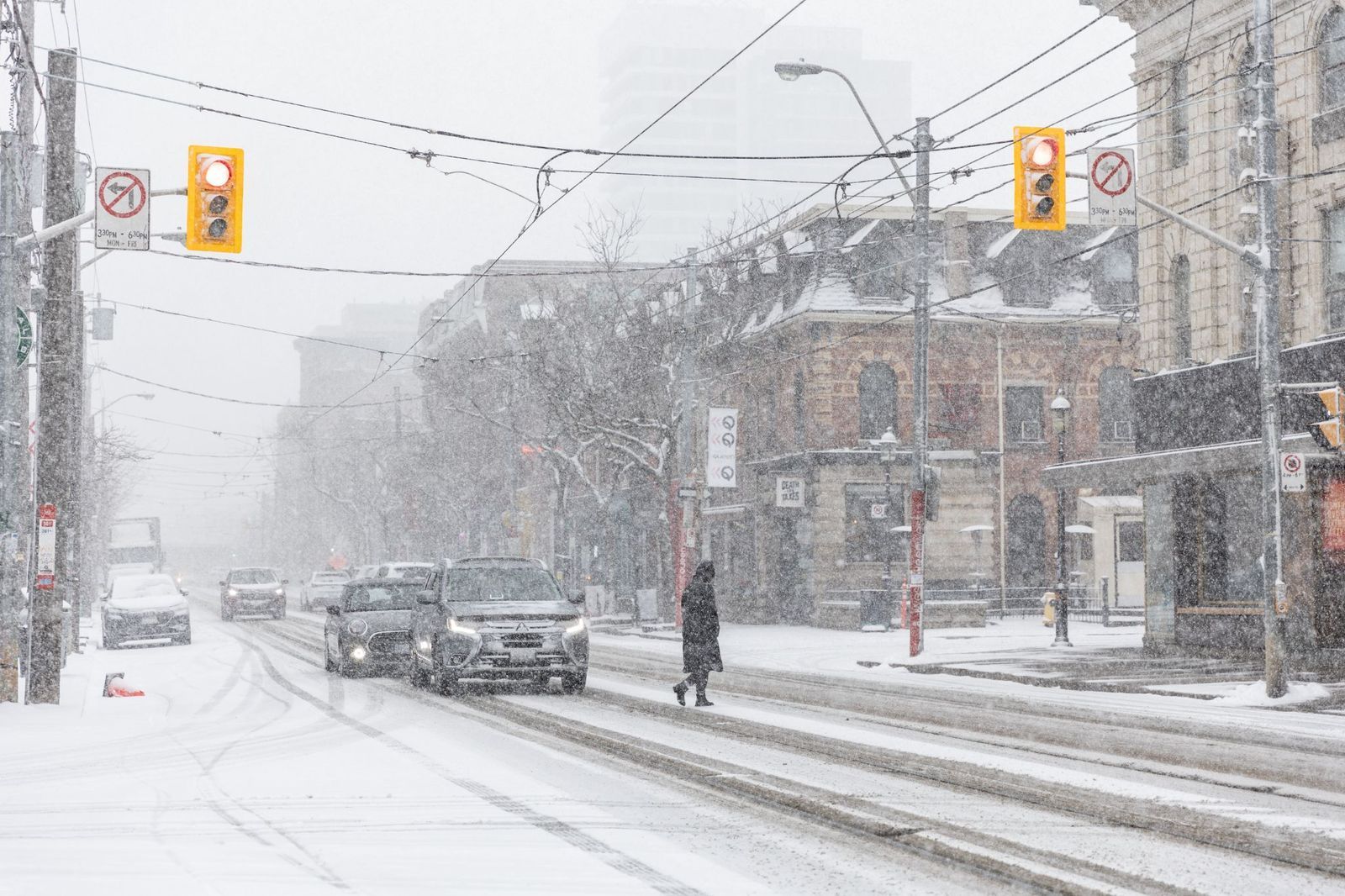
When standard words like "chilly" don’t quite capture the deep cold of a harsh winter wind, algid (from the Latin algēre, "to feel cold") can come in handy. Meaning icy or frigid, this obscure adjective carries a sharper punch.
Historically, doctors used algid to describe the sudden, dangerous drop in body temperature accompanying severe fevers or shock, but it works just as well when describing an unheated car or a frigid morning.
Brumation
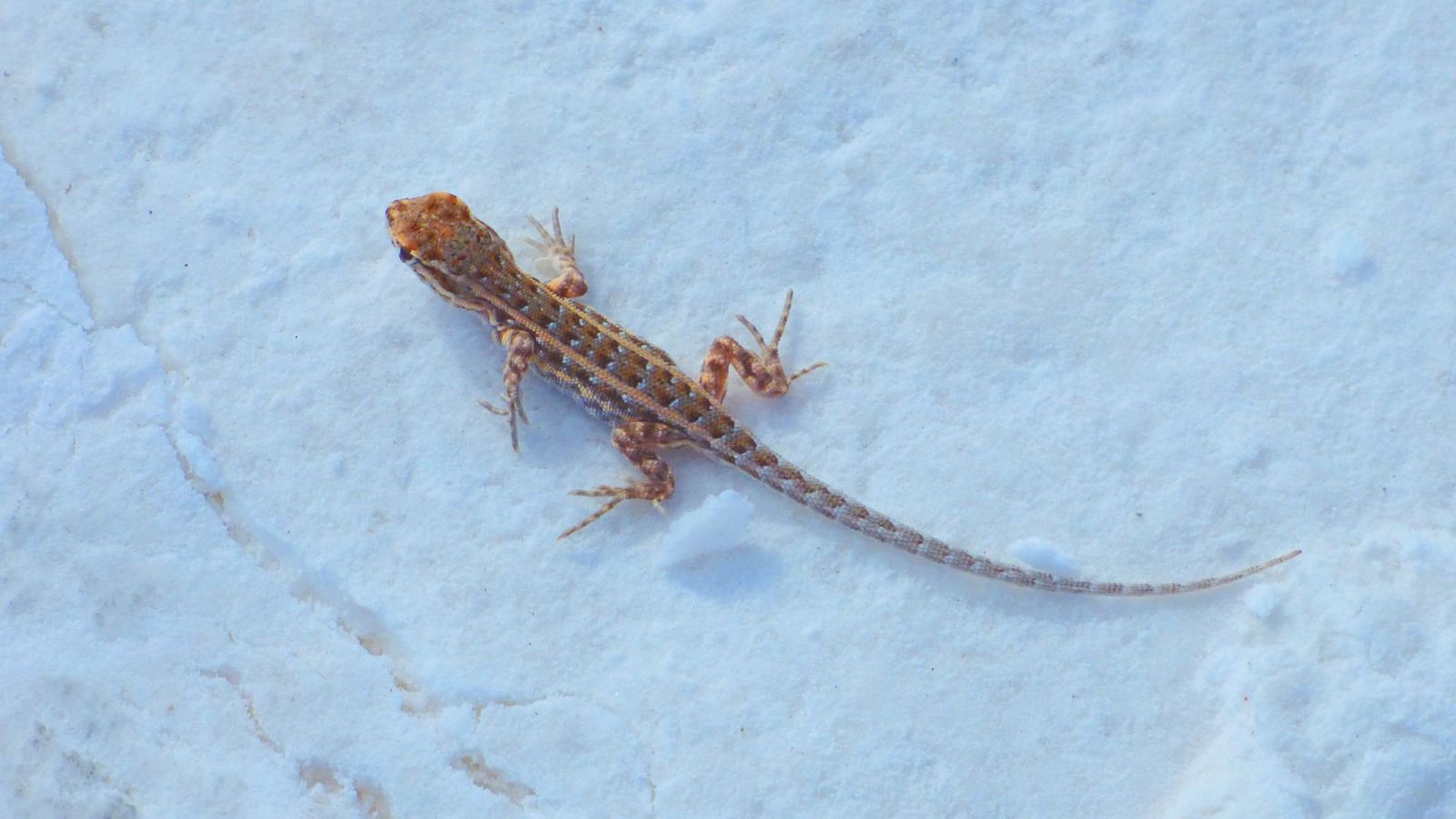
You have almost certainly heard of mammalian hibernation, but what happens to cold-blooded creatures like snakes, turtles, and lizards in winter? They go into brumation.
Coined by American zoologist Wilbur W. Mayhew in 1965, brumation describes a state of sluggishness and reduced metabolic activity caused by low temperatures. Unlike hibernators who sleep deeply, brumating reptiles will occasionally wake up on warmer winter days to drink water before going dormant again.
Gelid
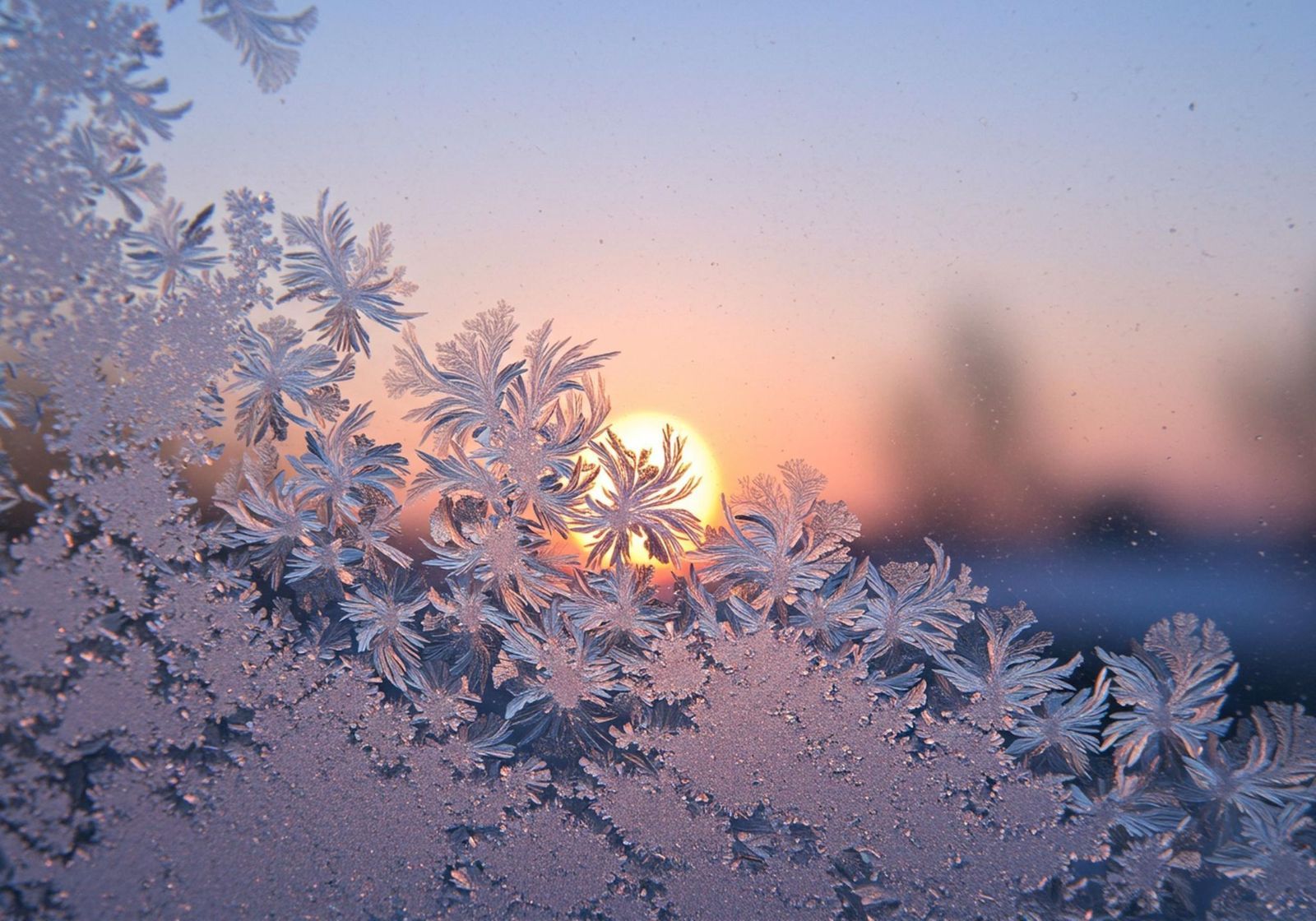
If you want a word that sounds as cold as it feels, gelid (pronounced JEL-id) is the ultimate choice. Derived from the Latin gelidus, it means extremely cold, icy, or frosty.
You can use it to describe the gelid waters of an Arctic plunge, a gelid layer of morning frost on your window, or even a frosty glare from someone who’s not happy about being out in the cold.
Primaveral
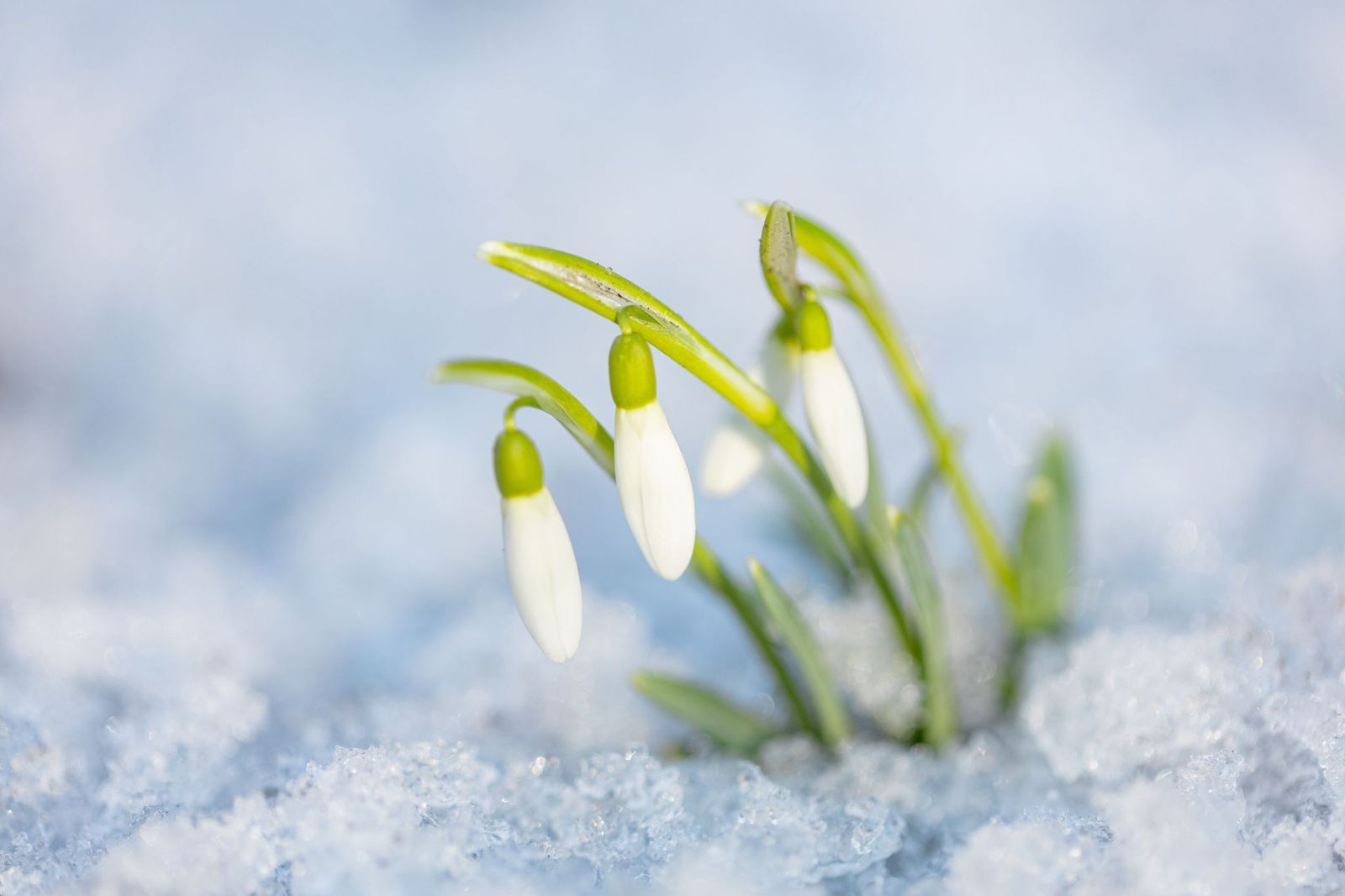
As the dark days of winter slowly begin to fade away, you might start noticing subtle hints that warmer weather is coming. That’s when primaveral comes in.
Meaning "of or relating to early spring," this word describes that delicate transitional phase when the snow starts to melt, songbirds return, and early flowers begin to bloom.


