Fiddlesticks!

What’s a nicer word for vomit? Discover 11 terms to soften awkward things


Published on July 25, 2026


Image: patpitchaya

We all need to say things that are not pleasant-sounding from time to time. But we can choose how we express such things. That's especially true when the topic involves bodily functions or other unpleasant realities. English is full of words that soften, sanitize, or medicalize things we'd rather not describe too vividly. Some come from Latin or Greek, others from doctors' offices, and a few were invented simply because saying the blunt version felt awkward. Here are 11 examples of "nice" words for not-so-nice things.

1

"Perspiration" sounds better than "sweat"

Image: Hans Reniers

If "sweat" sounds a bit too direct, perspiration offers a more polished alternative. The word comes from the Latin perspirare, meaning "to breathe through," and originally referred to moisture passing through the skin. By the 18th and 19th centuries, it had become the preferred choice in polite society, especially among writers and etiquette experts who considered "sweat" a little too earthy.

The distinction wasn't always scientific, but social. Victorians often treated "perspiration" as the refined term while reserving "sweat" for hard labor or athletic exertion. Today, both words describe the same natural process, but "perspiration" still carries a more formal, clinical tone in advertisements, medicine, and everyday conversation.

2

"Flatulence" is somewhat better than "passing gas"

Image: BlueRingMedia

Few topics inspire more creative wording than this one. While everyday English offers plenty of colorful expressions, the medical term for flatulence is derived from the Latin flatus, meaning "wind" or "blowing."

The funny part is that it's completely normal. Digestive specialists note that healthy adults commonly pass gas many times a day as part of ordinary digestion. Using a gentler expression doesn't change the biology; it simply makes discussing it a little less awkward.

3

"Restroom" sounds better than "toilet"

Image: Tim Mossholder

Americans rarely ask, "Where's the toilet?" Instead, they're far more likely to ask for the restroom, even though almost nobody goes there to rest. The word became popular during the early 20th century as a polite substitute that avoided mentioning the room's actual purpose.

It's one of English's classic euphemisms. Similar terms like "bathroom" and "washroom" focus on the room's features rather than the activities that take place inside.

4

"Expectoration" sounds much better than "spitting"

Image: Towfiqu barbhuiya

Doctors rarely tell patients to "spit." Instead, they'll often ask them to expectorate. The word comes from the Latin expectorare, meaning "to drive from the chest," and specifically refers to expelling mucus or phlegm rather than simply spitting.

Because it's more precise, the term remains standard in hospitals and medical textbooks. Outside healthcare, however, few people ever use it. It's a perfect example of how scientific language can make an unpleasant subject sound surprisingly dignified.

5

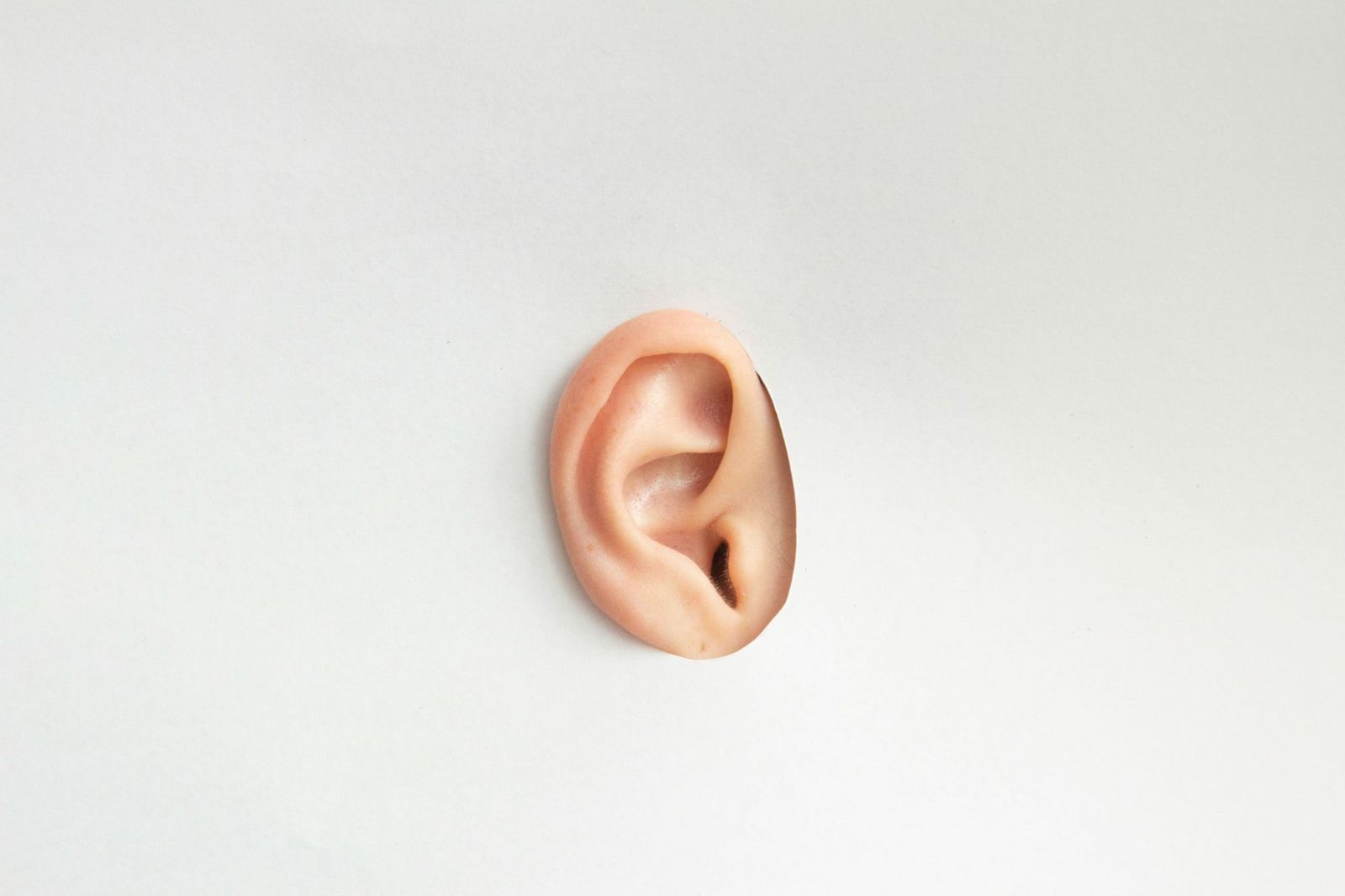
"Cerumen" sounds better than "earwax"

Image: Franco Antonio Giovanella

Most people know it as "earwax," but physicians and hearing specialists almost always call it "cerumen." The term comes from the Latin word cera, meaning "wax," and is the official anatomical term for the substance naturally produced in the ear canal.

Using the scientific term doesn't make it any less ordinary, but it certainly sounds more professional. That's why you'll find "cerumen" in medical charts, anatomy textbooks, and audiology clinics instead of the much more familiar everyday word.

6

"Halitosis" is better than "bad breath"

Image: Vitaly Gariev

"Halitosis" may sound like an intimidating medical condition, but it's simply the clinical term for persistent bad breath. Although doctors use the word today, it became widely known thanks to Listerine advertising campaigns during the early 1900s, which presented halitosis as a treatable problem rather than just an occasional inconvenience.

Those advertisements are still studied by marketing historians because they helped transform mouthwash into a household staple. It's a reminder that sometimes a sophisticated-sounding word can completely change how people think about an everyday issue.

7

"Emesis" sounds a lot better than "vomit"

Image: Alexey Demidov

Hospitals rarely record that a patient "vomited." Instead, medical records almost always use the term "emesis," borrowed from the Greek word emein, meaning "to vomit." The more formal language helps healthcare professionals communicate with precision while maintaining an objective tone.

The same Greek root appears in words like "antiemetic," the name for medications that prevent nausea and vomiting. Outside medical settings, though, most people stick with simpler vocabulary, even if it's a bit less elegant.

8

"Stool" is significantly better than "poop"

Image: fr0ggy5

When doctors, laboratories, or researchers discuss bodily waste, they almost always use the word "stool" in direct reference to the bathroom.

The term removes much of the emotional reaction that everyday words can provoke. That's one reason formal writing almost always favors "stool" over the more casual vocabulary heard in ordinary conversation.

9

"Urinate" is marginally better than "pee"

Image: jacopo marello

Children usually learn the word "pee" long before they ever hear the word "urinate," but the latter is the preferred term in medicine. It comes from the Latin urina, which also gave English words like "urinary," "urinalysis," and "urology."

Using "urinate" creates a neutral, professional tone that's especially helpful in healthcare. It allows doctors and patients to discuss sensitive topics comfortably without resorting to slang or overly childish language.

10

"Menstruation" is somewhat better than "period"

Image: Natracare

Many cultures have developed indirect ways of referring to a period, but medicine generally uses the more formal term "menstruation." It comes from the Latin mensis, meaning "month," reflecting the cycle's roughly monthly pattern.

English has accumulated dozens of euphemisms over the centuries, from "that time of the month" to more playful nicknames, revealing how reluctant many societies have been to discuss the subject openly. Today, "menstruation" is widely preferred in education and healthcare because it's both accurate and neutral.

11

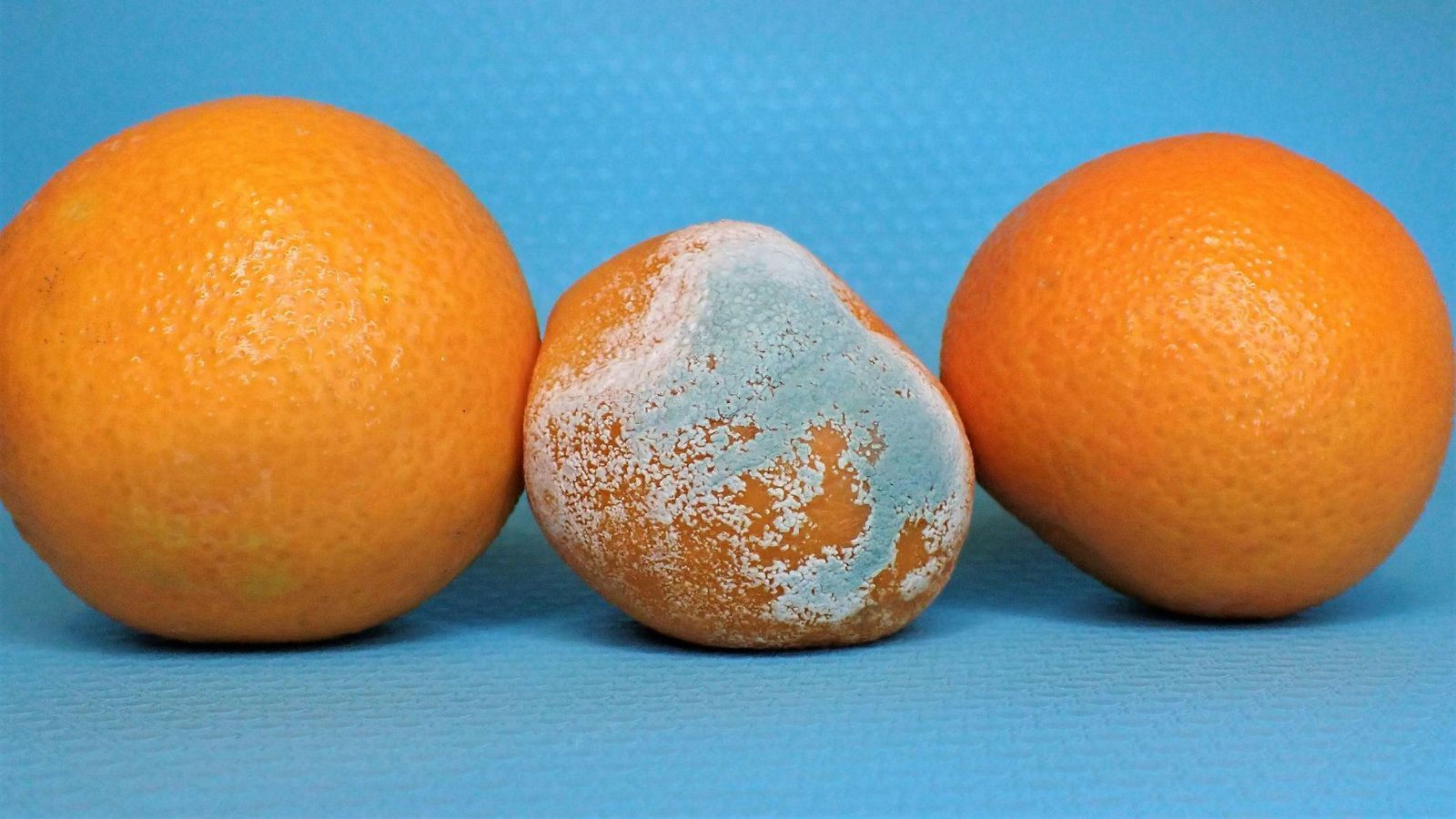
"Decompose" sounds better than "rot"

Image: Nancy Hughes

Most people would say something rotted, but scientists usually say it decomposed. The two words describe essentially the same process, yet "decompose" emphasizes the natural biological breakdown of organic material by bacteria, fungi, and other microorganisms.

Because it's more precise and emotionally neutral, the word appears regularly in biology, ecology, archaeology, and forensic science. Sometimes the nicest-sounding word also happens to be the most scientifically accurate, proving that language can soften reality without sacrificing the truth.


LITERARY PIONEERS

10 Books With Mind-Bending Plots That'll Leave You Dumbfounded


Published on July 25, 2026


Image: Christin Hume

Literature is the realm of limitless imagination, so why do we expect every book to be the same? Realism and structure can be the pillars on which an author chooses to build their story, and these can certainly add to the strength of their writing, but that does not necessarily have to be the case for everyone. Many classics of all time literature defy conventions, and we wouldn’t even have modern literature without these pioneers!

So, prepare to have your literary sensibilities shaken on this trip through some of the funniest and craziest books out there—at least, according to us. You might even find your next favorite read!

1

"Ulysses" by James Joyce

Image: Naomi Hutchinson

Infamous for being extremely difficult to read - and even more to understand, Joyce's magnum opus, Ulysses, is a literary puzzle that unfolds over a single day in Dublin. Its experimental narrative style, filled with stream-of-consciousness writing and linguistic innovations, challenges readers to navigate the complexities of life and language.

If you are not a fan of modernist literature, you might be wondering if this hefty volume is actually worth reading. Think of Joyce’s Ulysses as a very long and complicated joke, one that the author definitely did not expect anyone to take too seriously. With that in mind, it should be a fun - though challenging - read.

2

"The Man Who Was Thursday" by Chesterton

Image: Etienne Girardet

Chesterton's metaphysical thriller takes readers on a surreal journey through anarchic conspiracies and philosophical paradoxes. As the protagonist, Gabriel Syme, infiltrates a secret council of anarchists, he discovers that nothing is really what it seems, as most members of the group seem to also be secretly working for the police.

The masterful narrative of the novel veers into unexpected territories, blurring the lines between reality and illusion. After reading this book you will certainly be left thinking about the nature of order, chaos, and the reality we live in.

3

"A Confederacy of Dunces" by John Kennedy Toole

Image: mana5280

Ignatius J. Reilly, an unemployed 30-year-old medieval historian, the eccentric protagonist of Toole's posthumously published novel, leads readers on a picaresque odyssey through the streets of New Orleans. Sort of a modern Don Quixote, the novel explores the protagonist’s outrageous adventures as he is forced to face the real world and actually get a job for the first time in years.

This Pulitzer Prize-winning work is certainly hard to read through without bursting into uncontrollable laughter, so be warned. Toole's unique narrative style and memorable characters make this novel a rollercoaster of hilarity and social commentary that you will never want to forget.

4

"V." by Thomas Pynchon

Image: Korie Jenkins

The debut novel by enigmatic author Thomas Pynchon - known among other things for being particularly averse to being photographed - serves as a great introduction to his labyrinthine worlds. This book takes readers on a tour de force through the globe and various points in time, exploring the themes of conspiracy, paranoia, and all sorts of weird or unexplained phenomena as the characters try to locate a mysterious entity known as "V."

Pynchon’s erudite and eccentric narrative spans from uncomfortably detailed descriptions of rhinoplasty to fine insight into the inner workings of the American military-industrial complex, as well as the hysterical adventures of a group of alligator hunters in the Manhattan sewers. Though it may look like a daunting read at first, it will drag you into it if you give it an opportunity.

5

"Slaughterhouse-Five" by Kurt Vonnegut

Image: Karsten Winegeart

A classic masterpiece of American narrative, Slaughterhouse-Five is widely regarded as one of the greatest anti-war novels ever written. As its main character, Billy Pilgrim, becomes "unstuck in time" and experiences events out of order, the novel goes back and forth between different eras of his life.

Vonnegut blends black humor, sci-fi, and historical events with ease in a novel that will leave you thinking deeply about war and the meaning of life.

6

"The Hitchhiker's Guide to the Galaxy" by Douglas Adams

Image: Lanju Fotografie

Originating in a 1978 radio comedy broadcast on BBC Radio 4 primarily scripted by Douglas Adams, The Hitchhiker's Guide to the Galaxy was later novelized to great success, becoming an international phenomenon. Blending science fiction with absurdist humor, Adams' classic takes readers on a cosmic journey filled with eccentric characters and improbable situations.

From the destruction of Earth to intergalactic hitchhiking, this book's offbeat plot and witty narrative style redefined the possibilities of science fiction comedy.

7

"Infinite Jest" by David Foster Wallace

Image: Brandi Redd

Often described as an "encyclopedic novel," Wallace's magnum opus is not only a colossal novel in length but also in complexity. The unconventional narrative and intricate plot incorporate hundreds of footnotes and digressions, slowly dragging the reader into a singularity of heterogeneous commentary on just about anything while managing to keep a humorous tone.

If this seems like a tough nut to crack, it’s because it is. But if you are into reading a timeless classic akin to War and Peace in its span and ambition - perhaps during a summer vacation - Infinite Jest is just what you are looking for!

8

"Frankenstein" by Mary Shelley

Image: National Cancer Institute

An absolutely essential classic for both science fiction and horror fans, Shelley's classic novel, Frankenstein, revolutionized literature. By exploring themes like the limits and morals of scientific research and experimentation, as well as the question of life and consciousness itself, Frankenstein became one of the most popular gothic novels of the 19th century and stands as a firm literary anchor well into modern times, retold again and again from a million perspectives.

9

"Always Coming Home" by Ursula K. Le Guin

Image: Craig Melville

Le Guin's speculative fiction masterpiece, Always Coming Home, is a complex and multifaceted work that blurs the lines between novel, ethnography, and poetry.

Set in a future California, the book explores the society of the Kesh people, a group that survives in a distant future, long after modern society collapsed. The novel incorporates a dense tapestry of narratives, myths, and cultural insights that are as beautifully crafted as thought-provoking.

10

"Pale Fire" by Vladimir Nabokov

Image: jules a.

Better known for his best-seller Lolita, Nabokov was a daring and creative writer known for his clever plots and metaphors. Pale Fire, a novel he wrote after becoming financially independent, unfolds through a 999-line poem and its commentary.

As readers navigate the intricate layers of the novel, they discover a complex narrative filled with deception, obsession, and literary gamesmanship, making Pale Fire a truly mind-bending experience. An example of "metafiction," it is certainly an unconventional read, but it is considered by many to be Nabokov's most perfect novel and an outstanding display of his enduring genius.

Looking for an extra scoop of literary fun?

Learn more with our Word of the day

camaraderie

/ˌkɑm(ə)ˈrædəri/