Fiddlesticks!

What’s a nicer word for vomit? Discover 11 terms to soften awkward things


Published on July 25, 2026


Image: patpitchaya

We all need to say things that are not pleasant-sounding from time to time. But we can choose how we express such things. That's especially true when the topic involves bodily functions or other unpleasant realities. English is full of words that soften, sanitize, or medicalize things we'd rather not describe too vividly. Some come from Latin or Greek, others from doctors' offices, and a few were invented simply because saying the blunt version felt awkward. Here are 11 examples of "nice" words for not-so-nice things.

1

"Perspiration" sounds better than "sweat"

Image: Hans Reniers

If "sweat" sounds a bit too direct, perspiration offers a more polished alternative. The word comes from the Latin perspirare, meaning "to breathe through," and originally referred to moisture passing through the skin. By the 18th and 19th centuries, it had become the preferred choice in polite society, especially among writers and etiquette experts who considered "sweat" a little too earthy.

The distinction wasn't always scientific, but social. Victorians often treated "perspiration" as the refined term while reserving "sweat" for hard labor or athletic exertion. Today, both words describe the same natural process, but "perspiration" still carries a more formal, clinical tone in advertisements, medicine, and everyday conversation.

2

"Flatulence" is somewhat better than "passing gas"

Image: BlueRingMedia

Few topics inspire more creative wording than this one. While everyday English offers plenty of colorful expressions, the medical term for flatulence is derived from the Latin flatus, meaning "wind" or "blowing."

The funny part is that it's completely normal. Digestive specialists note that healthy adults commonly pass gas many times a day as part of ordinary digestion. Using a gentler expression doesn't change the biology; it simply makes discussing it a little less awkward.

3

"Restroom" sounds better than "toilet"
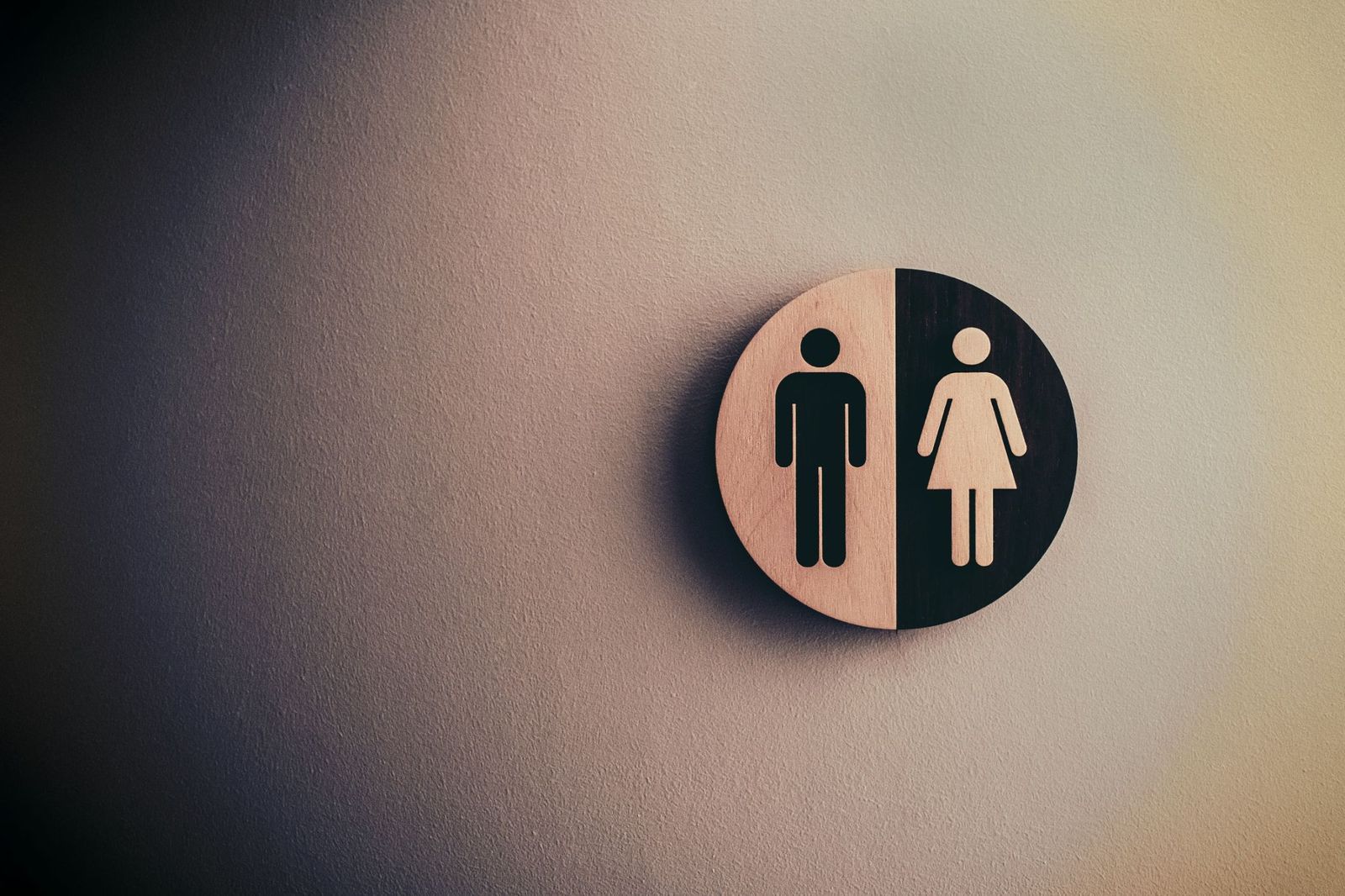
Image: Tim Mossholder

Americans rarely ask, "Where's the toilet?" Instead, they're far more likely to ask for the restroom, even though almost nobody goes there to rest. The word became popular during the early 20th century as a polite substitute that avoided mentioning the room's actual purpose.

It's one of English's classic euphemisms. Similar terms like "bathroom" and "washroom" focus on the room's features rather than the activities that take place inside.

4

"Expectoration" sounds much better than "spitting"

Image: Towfiqu barbhuiya

Doctors rarely tell patients to "spit." Instead, they'll often ask them to expectorate. The word comes from the Latin expectorare, meaning "to drive from the chest," and specifically refers to expelling mucus or phlegm rather than simply spitting.

Because it's more precise, the term remains standard in hospitals and medical textbooks. Outside healthcare, however, few people ever use it. It's a perfect example of how scientific language can make an unpleasant subject sound surprisingly dignified.

5

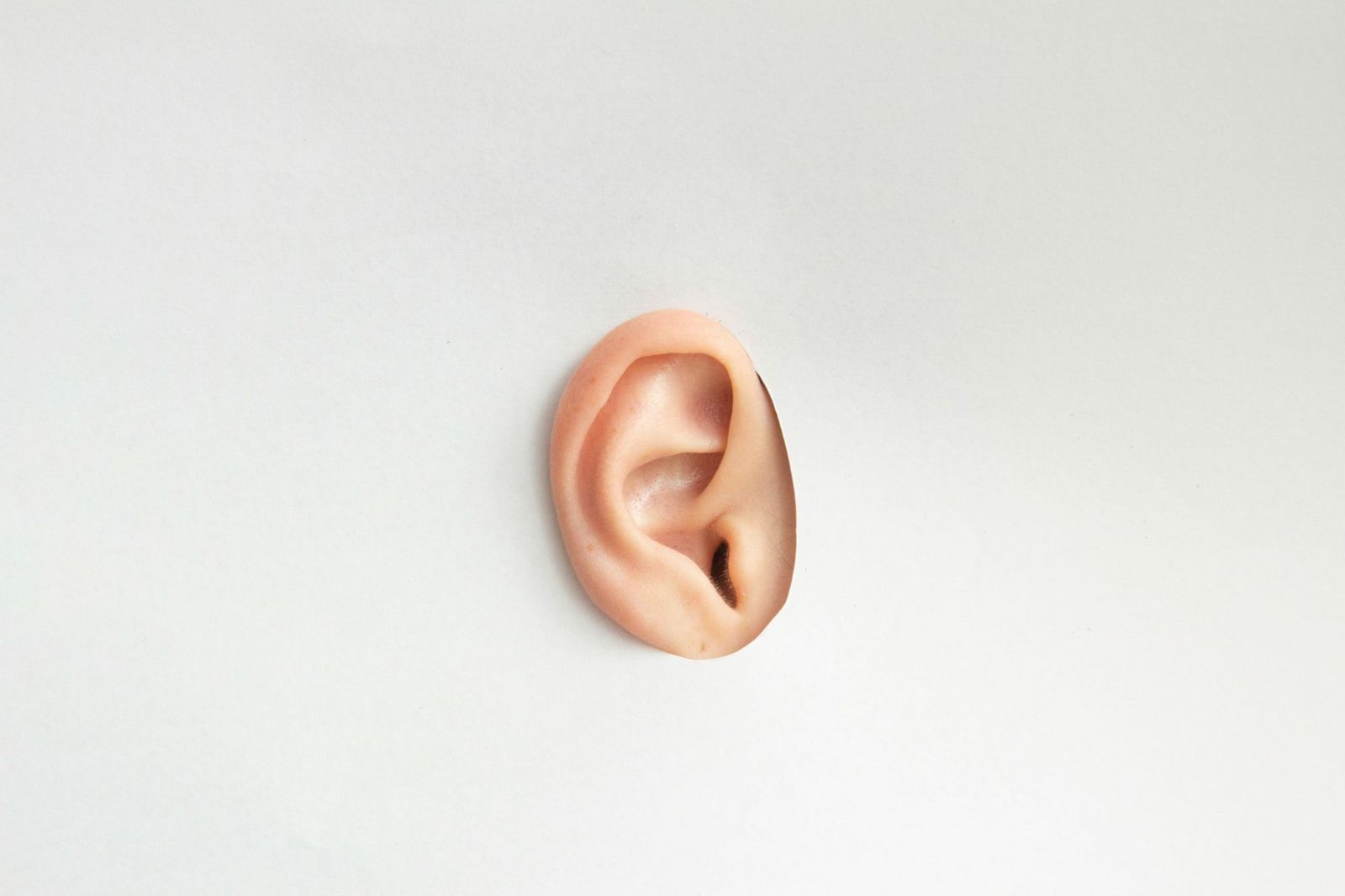
"Cerumen" sounds better than "earwax"

Image: Franco Antonio Giovanella

Most people know it as "earwax," but physicians and hearing specialists almost always call it "cerumen." The term comes from the Latin word cera, meaning "wax," and is the official anatomical term for the substance naturally produced in the ear canal.

Using the scientific term doesn't make it any less ordinary, but it certainly sounds more professional. That's why you'll find "cerumen" in medical charts, anatomy textbooks, and audiology clinics instead of the much more familiar everyday word.

6

"Halitosis" is better than "bad breath"

Image: Vitaly Gariev

"Halitosis" may sound like an intimidating medical condition, but it's simply the clinical term for persistent bad breath. Although doctors use the word today, it became widely known thanks to Listerine advertising campaigns during the early 1900s, which presented halitosis as a treatable problem rather than just an occasional inconvenience.

Those advertisements are still studied by marketing historians because they helped transform mouthwash into a household staple. It's a reminder that sometimes a sophisticated-sounding word can completely change how people think about an everyday issue.

7

"Emesis" sounds a lot better than "vomit"

Image: Alexey Demidov

Hospitals rarely record that a patient "vomited." Instead, medical records almost always use the term "emesis," borrowed from the Greek word emein, meaning "to vomit." The more formal language helps healthcare professionals communicate with precision while maintaining an objective tone.

The same Greek root appears in words like "antiemetic," the name for medications that prevent nausea and vomiting. Outside medical settings, though, most people stick with simpler vocabulary, even if it's a bit less elegant.

8

"Stool" is significantly better than "poop"

Image: fr0ggy5

When doctors, laboratories, or researchers discuss bodily waste, they almost always use the word "stool" in direct reference to the bathroom.

The term removes much of the emotional reaction that everyday words can provoke. That's one reason formal writing almost always favors "stool" over the more casual vocabulary heard in ordinary conversation.

9

"Urinate" is marginally better than "pee"

Image: jacopo marello

Children usually learn the word "pee" long before they ever hear the word "urinate," but the latter is the preferred term in medicine. It comes from the Latin urina, which also gave English words like "urinary," "urinalysis," and "urology."

Using "urinate" creates a neutral, professional tone that's especially helpful in healthcare. It allows doctors and patients to discuss sensitive topics comfortably without resorting to slang or overly childish language.

10

"Menstruation" is somewhat better than "period"
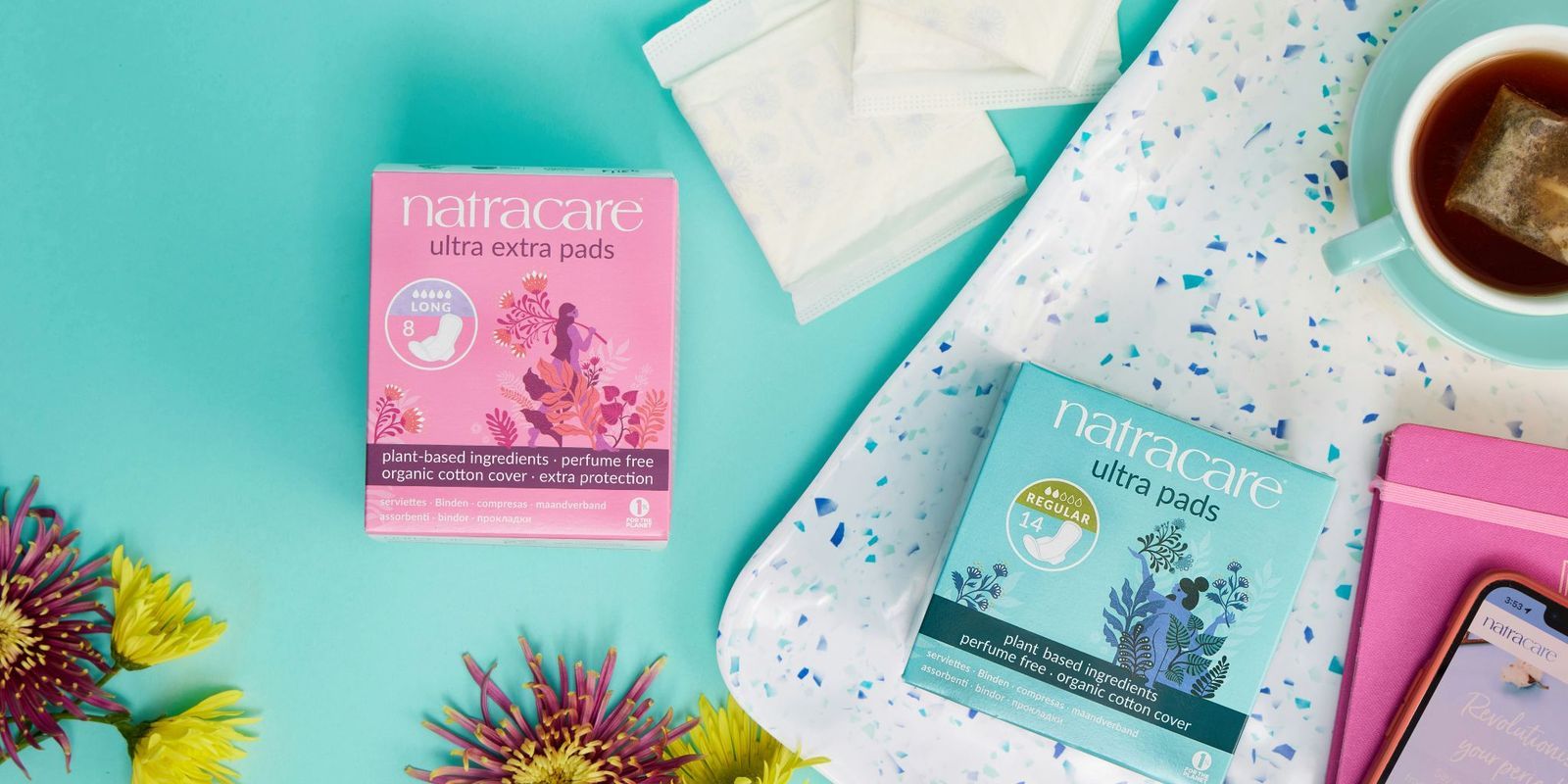
Image: Natracare

Many cultures have developed indirect ways of referring to a period, but medicine generally uses the more formal term "menstruation." It comes from the Latin mensis, meaning "month," reflecting the cycle's roughly monthly pattern.

English has accumulated dozens of euphemisms over the centuries, from "that time of the month" to more playful nicknames, revealing how reluctant many societies have been to discuss the subject openly. Today, "menstruation" is widely preferred in education and healthcare because it's both accurate and neutral.

11

"Decompose" sounds better than "rot"

Image: Nancy Hughes

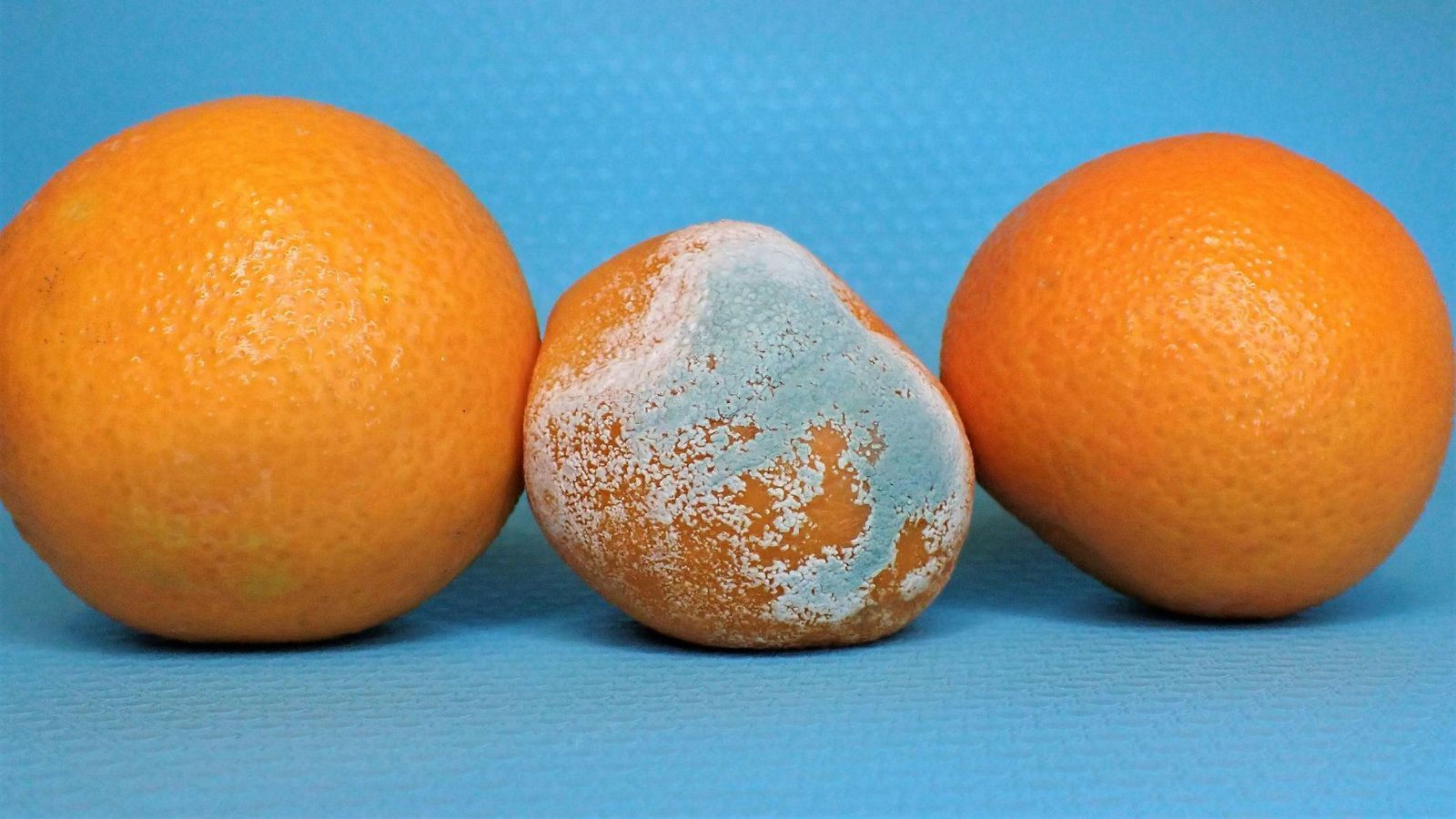
Most people would say something rotted, but scientists usually say it decomposed. The two words describe essentially the same process, yet "decompose" emphasizes the natural biological breakdown of organic material by bacteria, fungi, and other microorganisms.

Because it's more precise and emotionally neutral, the word appears regularly in biology, ecology, archaeology, and forensic science. Sometimes the nicest-sounding word also happens to be the most scientifically accurate, proving that language can soften reality without sacrificing the truth.


REDISCOVER EVERYDAY PHRASES

Do you Know the Fascinating Origins of These 10 Slang Words?


Published on July 25, 2026


Image: Andreas Fickl

Think about how boring our vocabulary would be if we didn’t have a more laid-back, informal register on which we could fall back. Most of us don’t even realize how much slang we use in basically every conversation we have. What most of us don’t do is take a moment to look into the origins of those informal terms that we use daily. Well, we decided to research the astonishing beginnings of these ten slang words and phrases. Ever wondered why we decided that besides meaning cow meat, the word "beef" could be used as a synonym for a dispute? Keep on reading and find out!

1

Cup of Joe

Image: Jessica Lewis 🦋 thepaintedsquare

Let’s start this article the same way millions of people start their day. Whether it’s with a piping hot mug fresh out of your coffee maker, or a quick cup from your favorite barista on your way to work, a nice cup of joe is that magical fuel that helps so many of us go through our day. That being said, doesn’t that nickname seem a little strange to you? Have you ever wondered what’s the connection between a cup of coffee and the shortening of the name Joseph?

There are several different theories concerning this nickname. The most popular one states that it comes from WW1 Secretary of Navy Josephus Daniels, who enacted a ban on alcohol consumption on all U.S. Navy ships. According to this theory, enraged sailors started using the Cup of Joe expression since coffee was the strongest drink they could have. Another theory believes that Joe is a shortening of "Jamoke", a 19th-century word for coffee.

2

Above board

Image: Michał Parzuchowski

Doing something in an above board manner means doing so in a completely honest and open way. Some believe that the phrase might come from the world of sailing since the best hiding place for contraband would be below the ship’s board: being above board could then be understood as the exact opposite. However, the first recorded appearances of above board date back to the 17th century, and they seem to suggest it actually references a game table (also known as a board). Keeping your cards above the board would show your companions that you are playing fairly and by the rules.

3

Cheesy

Image: Martyn Yakub

We’ll try to go through this entry with the least amount of cheesy puns possible. A little smirk or a quick chuckle after hearing a bad joke from a special someone might prove how cheesygoing you are. Heck, corny jokes aren’t just reserved for your dad: Maybe a cheesy, little pun might turn a date from just gouda into simply brie-lliant.

The origins of this expression are still not completely clear. The earliest usage of cheesy comes from the end of the 19th century, as slang used by U.S. students to describe an ignorant person. Perhaps the meaning we now use might come from the United Kingdom, where cheesy used to mean something "showy".

4

Flicks

Image: Jon Tyson

The term flicks has always been associated with going to the cinema. We’ve all referred to an adrenaline-fueled movie as an "action flick" or a bloodcurdling, exciting movie as a "scary flick." In fact, the term is so heavily associated with going to the movies that the minds behind Netflix chose it as inspiration for their company’s name.

Before the term flicks, early films from the 1900s were known as flickers. Some believe that this name comes from the first Nickelodeon theaters, since their projectors would "flicker" through images while making a distinctive sound. Another theory states that it comes from primitive projectors, which definitively weren’t as good as the modern pieces of equipment we are now used to. These rudimentary machines would sometimes shimmer, which made the images on the screen slightly flicker.

5

Down to brass tacks

Image: Unsplash

To get down to brass tacks is an extremely useful phrase if you feel someone is talking in a roundabout way and avoiding the point, since it means ignoring all secondary matters and focusing on the most important parts of an issue. Having said that, we are left to wonder how small pins specifically made of brass reflect the meaning of this term.

While most agree that it originated in the 19th century, linguists debate whether it comes from the world of upholstery (where brass tacks are regularly used), or if maybe it is derived from tacks used by shoemakers, among other possible origins. Another explanation states that it might come from Cockney rhyming, since the words facts and tacks sound very similar. But, if we get down to brass tacks (see what we did there?), the truth is that the origins of this phrase are still a mystery.

6

Pushing the envelope

Image: Mediamodifier

The origins of this phrase might come as a bit of a surprise. While it means to innovate or to push boundaries, whenever you hear someone is pushing the envelope you might think of shady characters pushing envelopes filled with important documents across the table of a dimly lit room. What’s more interesting is that investigating the origins of this phrase reveals that it doesn’t even refer to a paper envelope at all.

American author Tom Wolfe brought this phrase into the spotlight with The Right Stuff, his 1979 book about the space program. Wolfe kept hearing this phrase among scientists and engineers who were describing something that was performing exceedingly well. The envelope they were referring to, however, was not a container of letters, but rather a mathematical envelope. When calculating curves on graphing paper, the shape made by the drawn lines is fairly similar to an envelope: therefore, something that pushes the envelope would be something that’s challenging the margins of what is expected.

7

Heard it through the grapevine

Image: Dan Meyers

Besides being the title of an excellent Marvin Gaye song, the phrase I heard it through the grapevine is basically the more mature, sophisticated version of A Little Birdie Told Me, used by every parent dealing with lying children. While the image of a grapevine invokes whispers secretly heard between branches and leaves, it actually comes from the first messages sent through telegraphs. Since the miles of telegraph lines set in the 1800s resembled grapevine lines, people started to say "heard it through the grapevine" to mean something that arrived through the telegraph.

8

Beef

Image: Ryan Song


Sadly, having beef with someone doesn’t always mean sitting down with a friend to enjoy a lovely barbeque. This common slang term is used to describe a dispute or disagreement between two or more people. You might even remember a series of hilarious ads run in the 80s by Wendy’s, in which they disparaged their competition’s products with the phrase "Where’s the Beef?"

The first usage of beef as a derogatory term comes from the 19th century when it was used as a synonym for complaint or grievance. It is believed that its origins can be traced back to a British expression for alarm, where beef is used as a rhyming slang for the word "thief."

9

Humble pie

Image: Unsplash

Alongside beef, having a big slice of humble pie is not as delicious as it sounds. This expression is used whenever someone has to embarrassingly admit their mistakes and apologize for them. And while you might think that the "humble" in this pie comes from the modesty of admitting our mistakes, the actual origins of this idiom are slightly more disgusting. Humble comes from the 14th-century word "numbles", which is a term used to describe the heart, liver, and other entrails of animals, particularly deer. A humble pie was, as you might have guessed, a pie filled with these entrails, usually eaten by servants or hunters.

10

Slang

Image: Nick Fewings

We’ll end this list in a sort of meta way. We all know that slang is used for vocabulary used in an informal register, but have you ever stopped to think about why we call these words and phrases slang? While it does seem fitting that such an odd-sounding word is used to describe these pieces of unconventional vocabulary, tracing back the etymology of this word might be tricky.

Slang was used in the Scots dialect of the 19th century to describe "gossip or idle chat", while it meant "impertinence" in the Northern English regions. The exact origin of the word can’t be traced, but some believe it might be derived from the Scandinavian word sling, which means "to throw". Some linguists believe that slang might be derived from it, since the quick and unconcerned way in which we use slang might resemble "throwing" words.

Looking for an extra scoop of literary fun?

Learn more with our Word of the day

enchant

/ɪnˈtʃænt/