What is the longest place name in America? Meet 10 word giants
Published on July 11, 2026

In casual conversation, you’d probably never use most English words that go past 15 or 20 letters. They are usually scientific or medical terms built by stacking smaller words together. Yet, exploring these linguistic giants is a fun way to learn how our language handles specialized vocabulary. Let’s take a look at some of the longest words in the English-speaking world, starting with one so ridiculously big it stretches the definition of what a word can be. Can you guess what it is?
Methionylthreonylthreonylglutaminylarginyl…

To kick off the list, we have to look at a number that looks like a typo, but is entirely accurate: 189,819 letters. This is the full chemical name for the human muscle protein known commonly as titin.
Because proteins are complex chains of amino acids, their formal chemical names must list every single component in order. This particular sequence starts with methionylthreonylthreonylglutaminylarginyl… and keeps going for thousands of syllables. If you wanted to print it out, it would easily fill more than 50 pages. Want to try reading it out loud? You might want to clear your schedule, because it would take more than three hours.
Taumata…
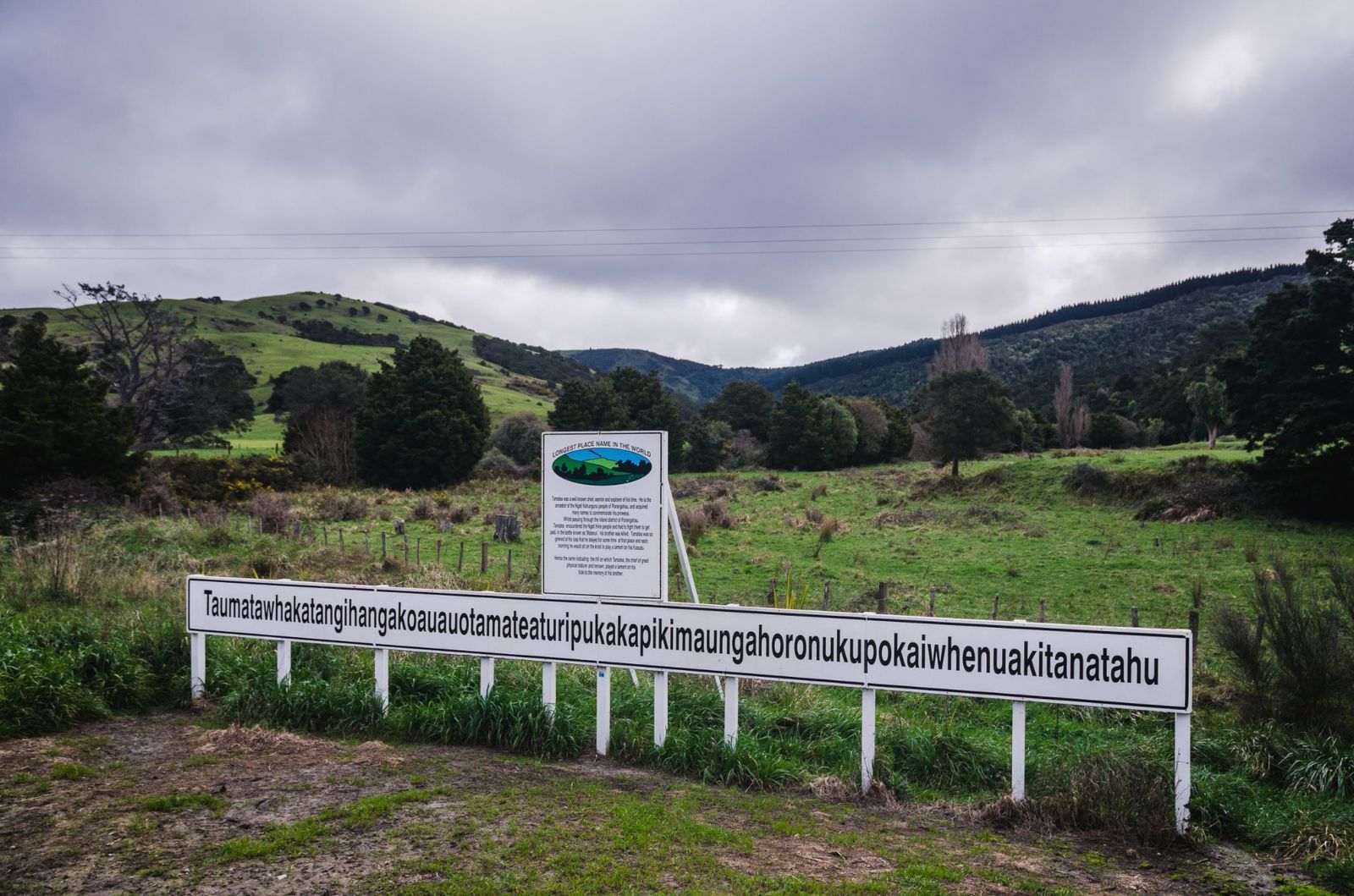
The longest place name in English belongs to a 1,001-foot-high hill located in Hawke's Bay, New Zealand. It boasts a staggering 85 letters: Taumatawhakatangihangakoauauotamateaturipukakapikimaungahoronukupokaiwhenuakitanatahu.
Derived from the Māori language, this long title translates to a poetic statement: "the place where Tamatea, the man who had big knees, the climber of mountains, the slider, the land-swallower that traveled about, played the nose flute that he had to the loved ones". Unsurprisingly, locals and tourists alike usually save their breath and refer to it simply as "Taumata".
Chargoggagoggmanchauggauggagoggchaubunagungamaugg
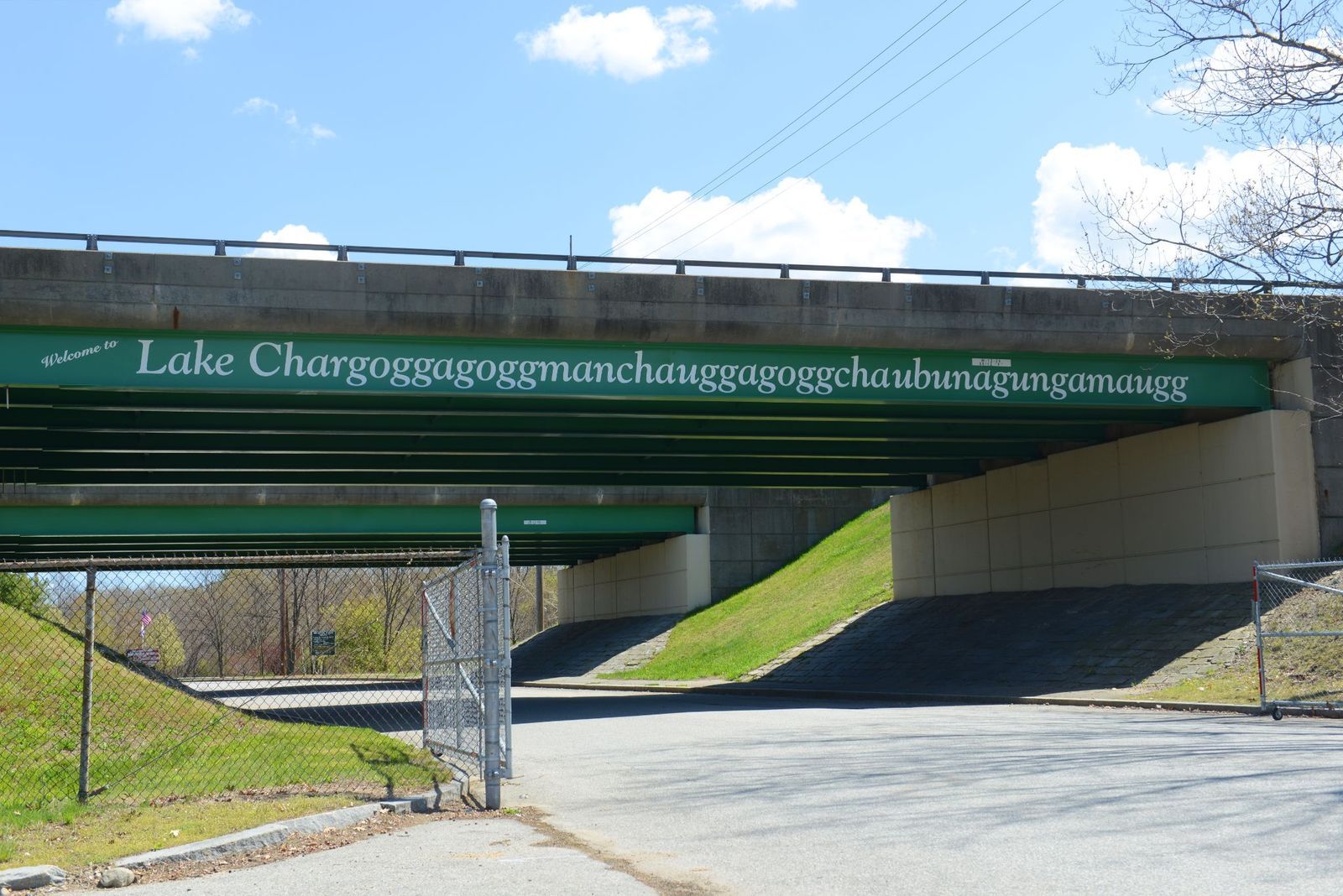
Not to be outdone, the United States has its own geographical giant sitting in Massachusetts. With a total of 49 letters, Lake Chargoggagoggmanchauggauggagoggchaubunagungamaugg is the longest official place name in America.
While the name originates from the language of the Nipmuc people, this huge version is believed to be a humorous invention by a local newspaper editor in the early 20th century. Along with the long spelling, the editor popularized a fake translation: "You fish on your side; I fish on my side; nobody fishes in the middle." Today, it’s also known as Webster Lake by anyone trying to type it into a GPS.
Pneumonoultramicroscopicsilicovolcanoconiosis

The longest word entered in most standard English dictionaries is Pneumonoultramicroscopicsilicovolcanoconiosis, which is 45 characters long. Found in specialized volumes like Merriam-Webster’s Medical Dictionary, it refers to a severe lung disease caused by the chronic inhalation of fine silicate or quartz dust, typically associated with volcanic activity. Ironically, medical professionals don’t actually use this word in daily practice; they simply call the condition silicosis.
Pseudopseudohypoparathyroidism

Pseudopseudohypoparathyroidism, at 30 letters, is a rare medical condition that mimics the physical skeletal traits of another disorder called pseudohypoparathyroidism. Aside from its impressive physical length, it holds a unique distinction in lexicography: it’s the only word in the dictionary that features a repeating consecutive "pseudo".
Antidisestablishmentarianism & more

There’s a unique category of words that almost never appear in real sentences. Because they lack everyday utility, dictionaries acknowledge their existence but choose not to give them formal entries.
This group includes antidisestablishmentarianism (28 letters), which refers to a 19th-century political movement in Britain. Also, the classic floccinaucinihilipilification (29 letters), a mashup of Latin roots that means the act or habit of judging something to be completely worthless. Finally, the most beloved of this group is supercalifragilisticexpialidocious (34 letters), the iconic nonsense phrase made famous by Walt Disney’s Mary Poppins.
Methylenedioxymethamphetamine

In the medical world, knowing a term like methylenedioxymethamphetamine (29 letters) is essential. While that mouthful might look unfamiliar at first glance, it refers to a synthetic amphetamine known for its hallucinogenic properties. Because nobody wants to write or say all 29 letters in a casual conversation, people have opted to use its much shorter street name, ecstasy, or its concise chemical acronym, MDMA.
Electroencephalographically & more

In the context of a research lab, some specialized technical terms fall into the twenty-to-thirty-letter sweet spot. Some of them are: Electroencephalographically (doing something by means of an electroencephalograph, a medical machine used to read and record brain wave patterns); radioimmunoelectrophoresis (a laboratory technique that uses radioactive labels to analyze specific proteins); laryngotracheobronchitis (a medical condition involving severe inflammation in the larynx, trachea, and bronchial tubes); and hydrochlorofluorocarbon (a type of greenhouse gas).
Counterrevolutionaries & more

These are long but feel more recognizable. At 22 letters, we can find terms like counterrevolutionaries (individuals who fight to overthrow a newly established revolutionary government), deinstitutionalization (the social and political process of moving patients out of asylum institutions), and otorhinolaryngological (anything relating to the medical specialty of the ear, nose, and throat).
Incomprehensibilities & more

If you’re looking for everyday 21-letter words, terms like incomprehensibilities (things that are impossible to understand) will do the trick. Also, this tier features medical terms like pseudohermaphroditism (a condition involving ambiguous external genitalia) and psychoneuroimmunology (the branch of medicine that studies how a person’s emotional state impacts their immune system).


