What is "doomscrolling" and why is everyone talking about it?


Published on November 5, 2026


Image: Igor Link

Language evolves rapidly as digital culture and new lifestyle priorities shape how we communicate. Words that started as niche social media slang or internet subculture terms quickly enter everyday speech. Understanding these terms helps you stay connected to modern culture and young at heart. Here are 10 essential words and expressions defining how people talk in the 2020s.

1

Doomscrolling

Image: daniiD

Doomscrolling, a very current activity no matter your age, is the habit of continuously scrolling through negative news stories, depressing social media posts, or troubling headlines on your phone, even when it causes stress or anxiety.

While the term began gaining traction during continuous global news cycles, "doomscrolling" is now a recognized behavioral concept. It describes the mental loop where people feel compelled to consume bad news despite knowing it harms their mood.

2

Aura farming

Image: KinoMasterskaya

If you perform an action, wear a specific outfit, or handle a situation in a way that makes you appear effortlessly cool, calm, or charismatic, you are "farming aura".

Borrowed from video games (where "aura" represents a character’s passive energy or power), "aura farming" means earning social points in real life. Handling a difficult situation with humor or showing unexpected confidence are classic examples of farming aura.

3

Bed rotting

Image: AnnaStills

Spending an entire day (or weekend) lying in bed while watching movies, eating snacks, scrolling through social media, and completely resting is nowadays called "bed rotting".

Despite its unappealing name, "bed rotting" emerged on social media as a rejection of hustle culture and constant productivity. It represents guilt-free rest and giving yourself permission to recharge physically and mentally without feeling obligated to accomplish tasks.

4

Canon event

Image: fizkes

A "canon event" is an unavoidable, difficult, or awkward life experience that serves as a defining character-building moment for a person.

The term was originally popularized by the animated movie Spider-Man: Across the Spider-Verse. Eventually, a "canon event" came to refer to inevitable milestones, like getting a bad haircut, failing a driving test, or going through a first breakup, that build resilience and maturity.

5

Serve/serving

Image: New Africa

People "serve" when they present themselves with exceptional style, confidence, or flair. It means delivering an outstanding appearance ("serving looks") or performance.

The expression was first used in Ballroom culture in the late 20th century. Yet, "serve" went mainstream recently through pop culture and social media, highlighting effortless presentation and high confidence.

6

Situationship

Image: PerfectWave

You are in a situationship when you make a romantic arrangement that is more than a casual friendship but less than a formal relationship, lacking clear labels, boundaries, or long-term commitments.

As dating norms shift toward flexibility nowadays, "situationship" describes the gray area where two people spend time together, go on dates, and share intimacy without officially defining what they are to each other.

7

Based

Image: Jacob Lund

"Based" is a term of praise used when someone expresses an opinion honestly and confidently, regardless of whether it’s popular or controversial.

Originally coined in hip-hop culture by rapper Lil B ("The BasedGod"), "based" means staying true to yourself. If someone speaks their mind without worrying about public opinion or political correctness, people call them "based".

8

Rich in life

Image: Olezzo

"Rich in life" stems from a lifestyle philosophy that measures success by personal happiness, health, meaningful relationships, and peace of mind rather than monetary wealth or luxury goods.

Reflecting a broader cultural shift toward work-life balance, "rich in life" emphasizes spending time outdoors, pursuing hobbies, and enjoying simple pleasures instead of working exhausting hours solely for income or prestige.

9

Monk mode

Image: New Africa

You enter "monk mode" if you spend a period of time in strict self-discipline, temporary isolation, and deep focus on a single personal or professional goal.

Popularized by entrepreneurs, students, and athletes, entering "monk mode" involves removing distractions like alcohol, social media, and unnecessary socializing. It focuses entirely on productivity, skill development, or health goals.

10

Finfluencer

Image: Wasana Kunpol

As the name indicates, a finfluencer is a blend of "financial" and "influencer". In short, it refers to a social media creator who produces content focused on investing, budgeting, real estate, cryptocurrency, or money management.

Millions of people now skip traditional financial advisors and turn to short-form videos for financial counsel. But beware: although many influencers offer helpful tips on saving money, financial experts urge viewers to check qualifications before making investment decisions.

10 endangered languages in the U.S. you didn’t know are dying


Published on November 5, 2026


Across the United States, many Indigenous languages are spoken by fewer people each year. These examples show how language loss often happens quietly, over generations. Learning about them helps explain important parts of American history that are rarely discussed but still shape communities today. Keep reading to discover 10 languages you probably didn’t know existed.

1

Chinook

Image: Ben Vaughn

Today, only a small number of people can still speak Chinook fluently. This language is associated with Indigenous communities of the Pacific Northwest, particularly along the Columbia River in present-day Oregon and Washington.

In the 19th century, Chinook played an important role in regional communication, especially through Chinook Jargon, a simplified trade language used by Native peoples, settlers, and traders. During the early 20th century, the use of English increased in schools, government, and business, which reduced the everyday use of Chinook. Linguists now classify the language as critically endangered, although dictionaries, recordings, and community teaching programs are available to support learning and preservation.

2

Comanche

Image: Bailey Alexander

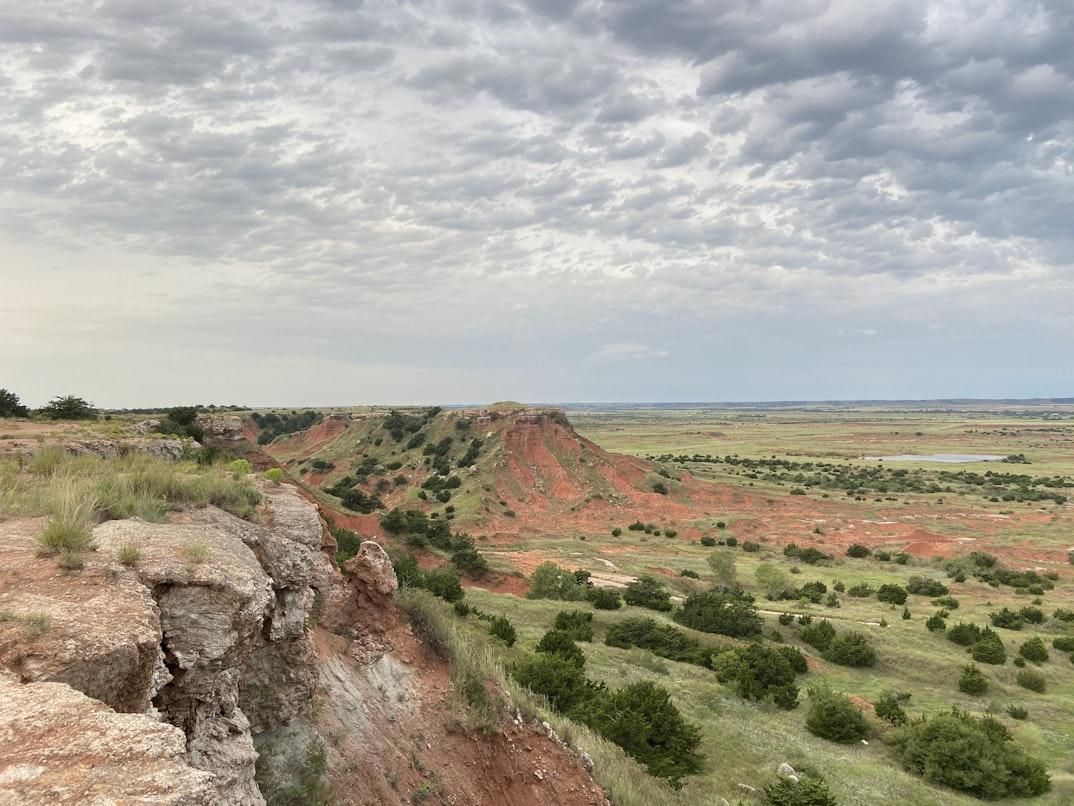
For much of the 1800s, Comanche was spoken across large areas of present-day Texas, Oklahoma, and surrounding states. It is the traditional language of the Comanche Nation, whose communities were widely distributed across the Southern Plains. They call themselves Nu-muu or Numunuu, meaning "The People" or "Our People."

Historical records show that Comanche was used in daily life, trade, and community communication. During the 20th century, English became more common in schools and public settings, and fewer children learned it at home. By the late 1900s, most fluent speakers were older adults. Today, Comanche is classified as severely endangered, and preservation efforts include language classes, recorded lessons, and educational materials designed for younger tribal members.

3

Menominee

Image: Will Roberts

This is the traditional language of the Menominee people, a Native American tribe whose homeland is in present-day Wisconsin. The name Menominee comes from an Algonquian word meaning "wild rice people," given by neighboring tribes because wild rice was a vital food source for them.

Historical sources show that Menominee was used regularly in homes and community life into the early 1900s. As English became dominant, fewer families passed the language on to children. By the late 20th century, only a small number of fluent speakers remained. Today, Menominee is classified as critically endangered, but language immersion schools, adult classes, and community-led programs are actively working to increase everyday use among younger generations.

4

Osage

Image: Noah Baughman

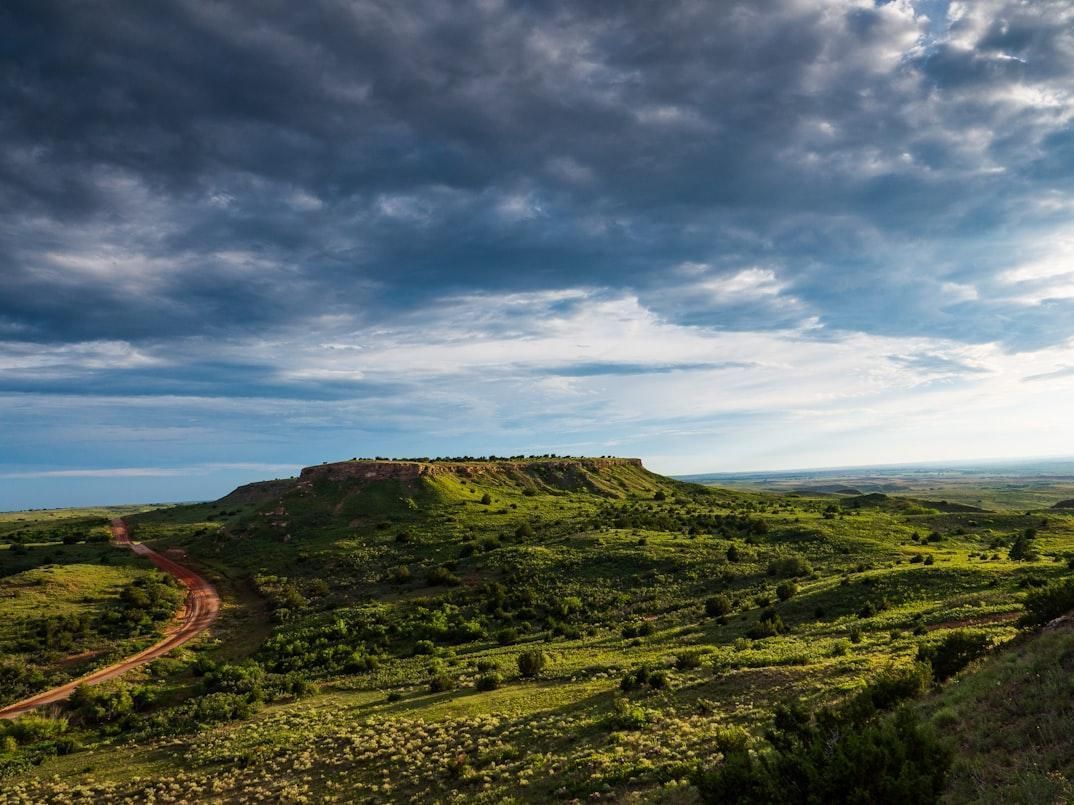
The Osage language belongs to the Osage Nation, whose people historically lived in parts of present-day Missouri and Arkansas before relocating to Oklahoma. Written and oral records indicate that Osage was commonly spoken in daily life through the early 20th century. Today, the language is often considered very vulnerable, meaning it is still spoken but at risk. Preservation efforts include a standardized writing system introduced in the 2000s, language classes, and educational programs organized by the Osage Nation to support new speakers.

5

Pawnee

Image: Ben Weber

Spoken among Pawnee communities in what is now Nebraska and later in Oklahoma, historical accounts show that this language was still in regular use in the early 1900s. The name "Pawnee" likely comes from a word like Pariki or Pani, meaning "horn," referencing the tribe's distinctive hairstyle where a scalp-lock was stiffened to stand up like a horn

By the middle of the 20th century, English had largely replaced Pawnee in homes, schools, and public settings. Today, it’s classified as critically endangered, with only a small number of fluent speakers. Audio recordings, written dictionaries, and grammar descriptions are now key resources for language classes and community-led education efforts.

6

Tolowa

Image: Simon Hurry

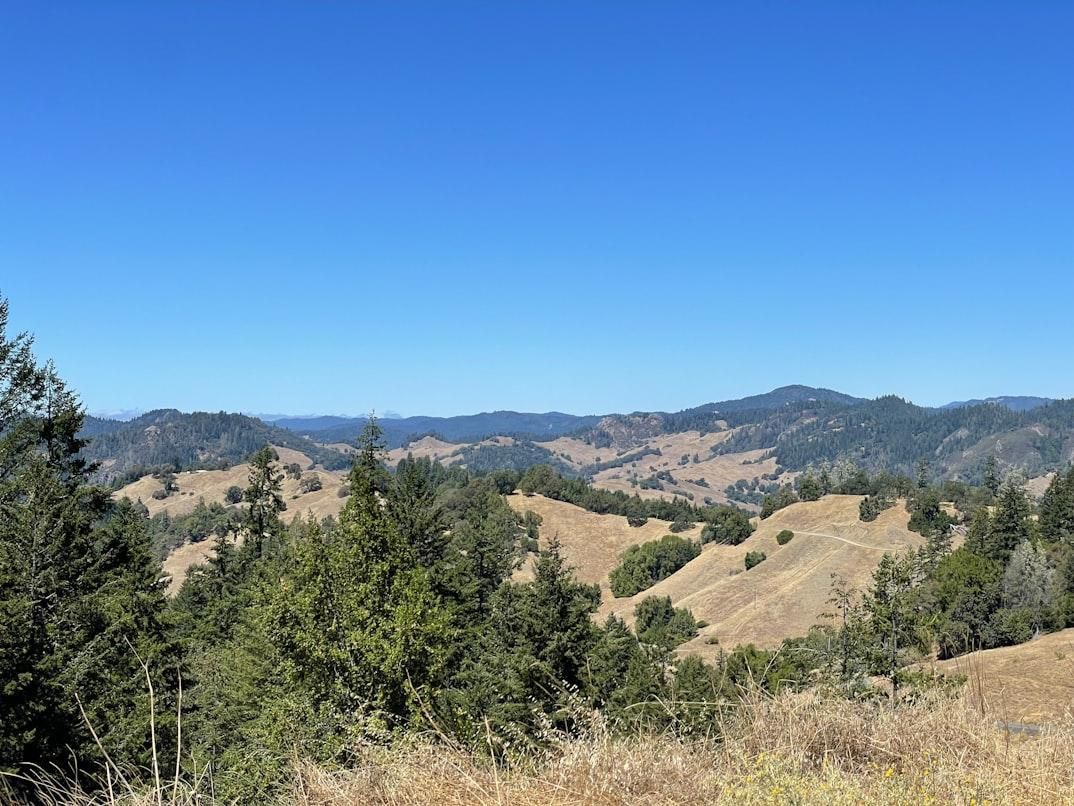
The traditional territory of the Tolowa people is northwestern California, close to the border with Oregon. The name "Tolowa" comes from a Yurok/Wiyot term, Taa-laa-welh, meaning "people of Lake Earl," referring to their ancestral lands. However, the Tolowa people's own name for themselves is Dee-ni', meaning "person" or "citizen."

Their language was used in everyday life well into the 19th century, but by the late 20th century, census data and linguistic surveys indicate that only a small number of fluent speakers remain. Today, Tolowa is classified as critically endangered, though tribal organizations have partnered with universities and language specialists to record vocabulary, oral histories, and pronunciation, creating resources that can be used in the future.

7

Washo

Image: Meritt Thomas

The Washo are the Indigenous people of the Lake Tahoe region and the surrounding Great Basin/Sierra Nevada, known for their famous basketry. Their language was commonly spoken up to the early 20th century. As formal education in English became more widespread, fewer children learned Washo at home, and daily use declined over time.

Today, Washo is classified as severely endangered. Preservation efforts include language classes, written dictionaries, and audio recordings that are used by community members to support learning and maintain use of the language.

8

Wintu

Image: Erin Larson

Wintu refers to a group of related languages traditionally spoken in northern California, mainly in areas around the Sacramento River and nearby regions. Historical accounts show that these languages were actively used by native communities throughout the 1800s. During the 20th century, however, the number of fluent speakers declined steadily, and by the late 1900s, only a few remained.

Today, Wintu languages are classified as critically endangered. Most of what is known about them comes from written documentation and audio recordings created by linguists and Wintu tribal members, which are now used for teaching.

9

Yuchi

Image: Raychel Sanner

Yuchi is unusual because it is not closely related to most other Native languages in the southeastern United States, making it linguistically distinct. It was traditionally spoken in areas that are now Georgia, Tennessee, and Alabama, and later in Oklahoma after forced relocations in the 19th century.

During the 20th century, the number of speakers declined. Today, Yuchi is classified as critically endangered, with only a small number of fluent speakers remaining. Current teaching programs aim to introduce basic vocabulary and everyday conversation to younger community members so the language can continue to be learned and used.

10

Yokuts

Image: Spencer DeMera

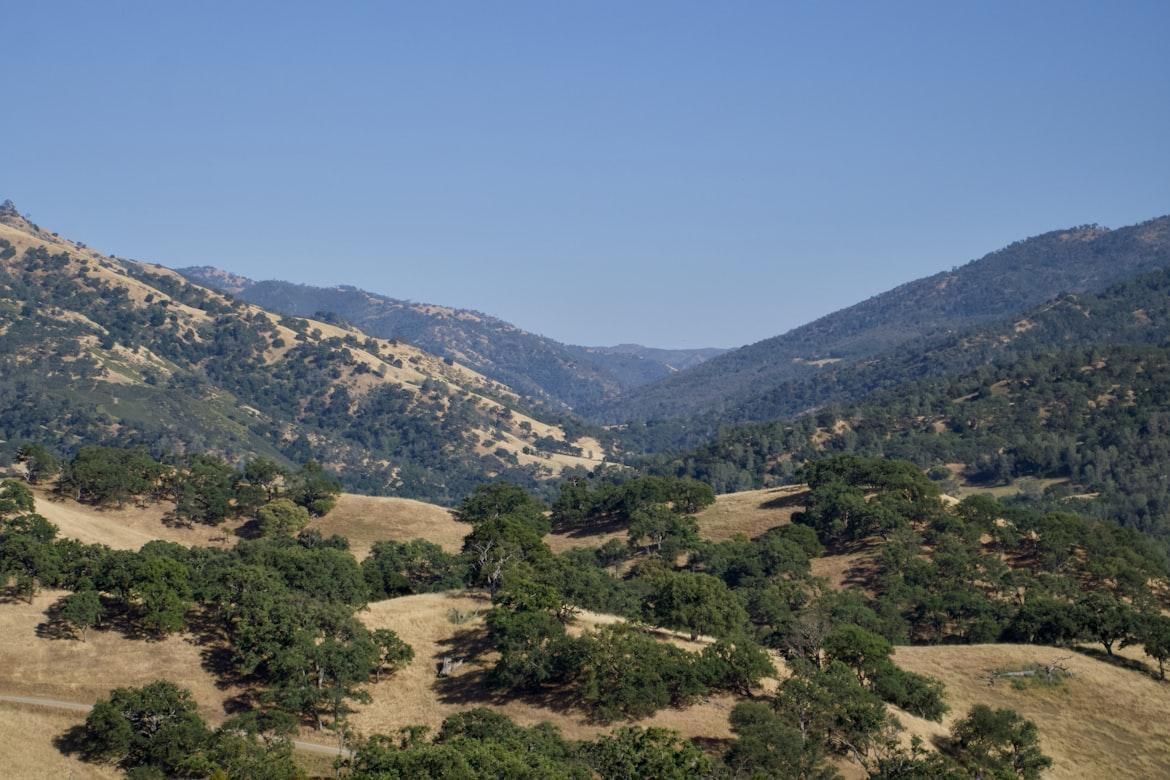
Yokuts is a family of related Indigenous languages traditionally spoken by different communities across California’s Central Valley. Each community had its own variety, which explains why Yokuts is described as a language family rather than a single language.

During the 20th century, several of these varieties stopped being spoken entirely as younger generations shifted to English. Other Yokuts varieties still exist but are spoken by only a small number of people, often older adults. For this reason, linguists classify most Yokuts languages as critically endangered. Written notes, audio recordings, and word lists collected by researchers and community members in the early and mid-1900s are now essential resources for teaching and preservation.

Looking for an extra scoop of literary fun?

Learn more with our Word of the day

machination

/ˌmækəˈneɪʃən/