Cop slang

What is a “10-50”? Learn to identify the most common police codes


Published on February 9, 2026

Image: Matt Popovich

Police codes might sound like a secret language, but many are surprisingly straightforward once you know what they mean. From the famous "10-4" to numbers you’ve probably heard in TV dramas, these codes help officers communicate quickly and clearly over the radio. Take a look at 12 common U.S. police codes and their real meanings.

1

10-8 – In service

Image: Jametlene Reskp

2

When an officer calls in "10-8," it means they’re back on duty and ready for assignments. Dispatchers know they can now be sent to handle calls.

This code is often used after completing a task, returning from a break, or becoming available again. It helps keep communication clear and efficient.

3

10-9 – Repeat last transmission

Image: Michael Förtsch

If a message is unclear or missed, the code "10-9" is used to request that it be repeated. It’s a quick way to prevent misunderstandings over the radio.

Whether the issue is static, overlapping chatter, or noise in the field, this code helps ensure that important details aren’t lost.

4

10-20 – Location

Image: Fred Moon

The phrase "What’s your 20?" comes straight from this code, meaning "What’s your location?" It’s one of the most recognizable phrases in police radio.

It’s used for officer check-ins, coordinating units, or simply finding out where someone is at any given moment.

5

10-33 – Emergency, all units stand by

Image: Martin Podsiad

6

When a "10-33" is issued, it signals an urgent situation that requires all radio traffic to stop except for emergency updates.

This clears the airwaves so vital information can get through without delay, often during critical incidents.

7

10-50 – Vehicle accident

Image: Clark Van Der Beken

8

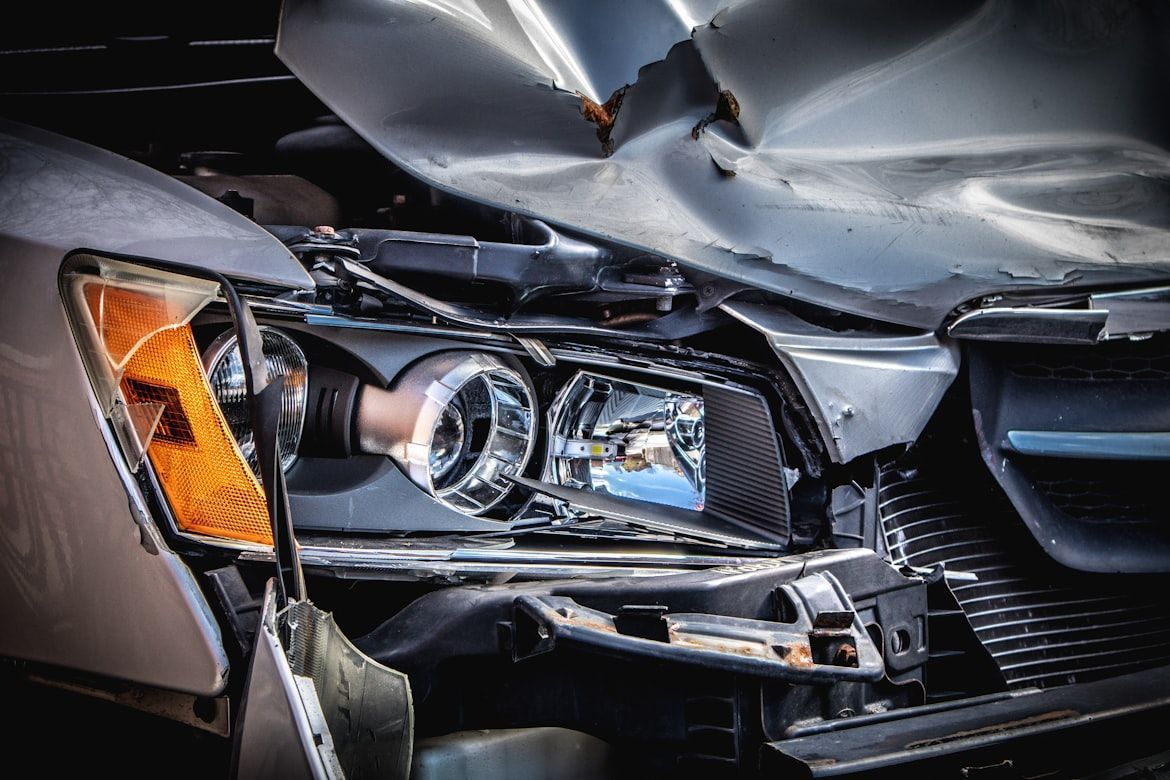
A "10-50" reports a motor vehicle accident, from minor fender benders to serious collisions. Officers use it to request backup or other resources.

Variants of the code may specify whether injuries are involved, helping dispatchers send the right assistance quickly.

9

10-51 – Wrecker needed

Image: fr0ggy5

10

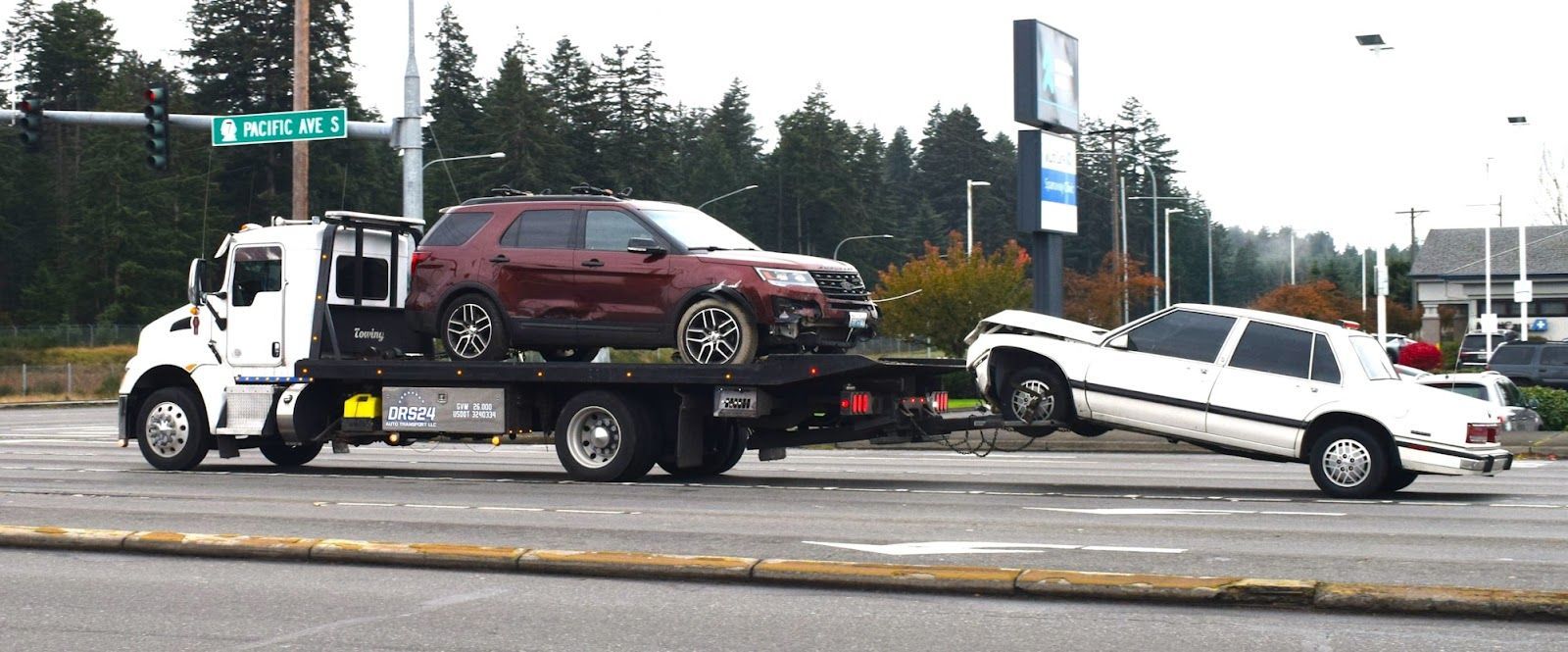
When a disabled or wrecked vehicle needs towing, officers call in a "10-51." It’s a request for a wrecker or tow truck.

This code helps keep traffic flowing safely and clears hazards from roadways after accidents or breakdowns.

11

10-76 – En route

Image: Kenny Eliason

12

"10-76" tells dispatch and other units that an officer is on the way to a location or call.

This lets everyone know that help is on the way and gives an idea of how soon assistance will arrive.

13

10-97 – Arrived at the scene

Image: Martin Podsiad

14

After an officer arrives at a location, "10-97" is called in to confirm they are on the scene.

This code is useful for keeping track of personnel and ensuring that backup knows exactly who is present.

15

187 – Homicide

Image: Jenn

16

In California’s Penal Code, "187" refers to the section defining homicide. The term has become widely known through movies, TV, and music.

Even outside California, "187" is often recognized as shorthand for murder in law enforcement slang.

17

211 – Robbery

Image: Brian Lundquist

18

"211" is another California Penal Code section, this one referring to robbery. Like "187," it has become widely recognized in popular culture.

It signals a theft involving force or fear, often triggering an urgent police response.

19

415 – Disturbing the peace

Image: Look Again Digital

20

The "415" code covers various public disturbances, such as fights, loud music, and unruly gatherings.

It’s a flexible code that can apply to anything disrupting public order, big or small.

21

502 – Driving under the influence (DUI)
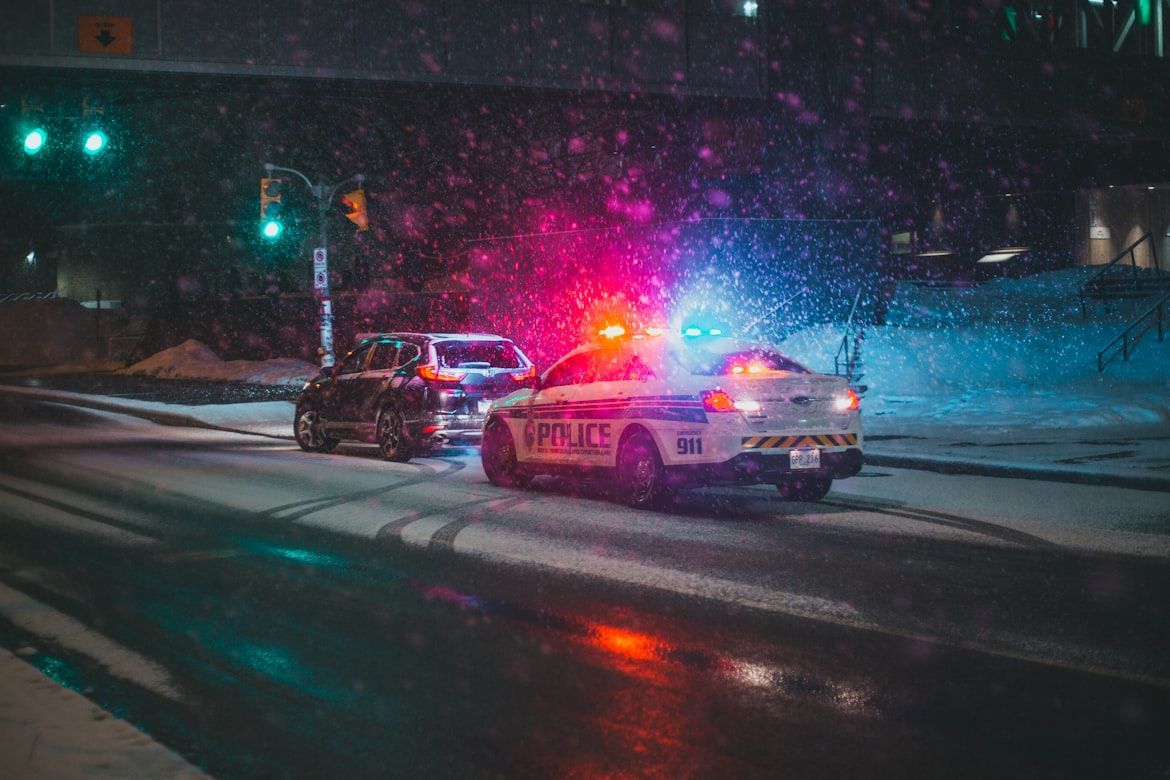
Image: Erik Mclean

22

We close our list with one of the most "popular" codes. In some states, "502" is used as shorthand for a DUI offense, meaning operating a vehicle while impaired by alcohol or drugs.

It’s a serious charge that can result in arrest, fines, and license suspension.


HAVE A CUP OF JOE AND READ ON

Did You Ever Have A Cup In One Of These Iconic Coffee Shop Chains?


Published on February 9, 2026


Image: Jonas Jacobsson

All coffee chains are equal. But some coffee chains are more equal than others. Among the infinite chains out there, some of them find a way into our preferences. Maybe you have a favorite one because you like a certain brew or treat, because you have found a cozy spot, because it is conveniently closer, or some other equally valid reason.

From behemoths like Starbucks to smaller players like Verve Coffee Roasters (that is, smaller when compared to Starbucks), every town has at least one or two examples of the specialty coffee craze that seems to have taken over America in the past 25 years. So, read on and see if your favorite Java joint made our list.

1

Starbucks

Image: Sorin Sirbu

It’s easy to dislike the giant corporations but, because of the sheer number of its locations, great cafes to hang out in, and a unique lineup of customizable and seasonal beverages, Starbucks has an infinite number of followers.

From hot lattes and mochas to frappuccinos and cold brews, there's something on the menu for everyone, everywhere.

2

Dunkin'

Image: Mikail Duran

Many people don't see Dunkin' as a gourmet coffeehouse, which is understandable since the name used to have the word "Donuts" in it. But others swear by their blends. And, truth be told, Dunkin' knows a thing or two about doughnuts and coffee since the chain has been providing both since 1948.

While doughnuts were long the focus of the chain, Dunkin' made moves in 2018 to take on Starbucks. In addition to the tasty doughnuts, more espresso-based drinks were added to the menu. While Dunkin' has yet to fully match Starbucks's dominance on the coffee side of the business, it does have a big advantage in one key category: doughnuts.

3

Tim Hortons

Image: Erik Mclean

What once seemed like a small Canadian adventure into U.S. territory has turned into a full-blown coffee invasion (in the best sense possible, that is). The iconic Canadian coffee chain is steadily taking a piece of the American coffee market.

While most of Tim Hortons' current American locations are in states that share a border with Canada, like New York, Michigan, and Ohio, the chain has eyes on Florida and Texas. As it continues its planned expansion, you just might find a shop near you soon.

4

Verve Coffee Roasters

Image: Demi DeHerrera

Hailing from California, Verve Coffee Roasters was started by a pair of surfers but it has gone worldwide since. It is known for its farm and community initiatives, such as planting 60,000 coffee seedlings in Colombia.

Its top sellers include the Sermon blend, a beverage with blueberry, cocoa, and candied pecan notes.

5

Caribou Coffee

Image: Nathan Dumlao

A consolidated brand, already into their fourth decade and with over 750 coffeehouses around the globe, Caribou Coffee has a huge menu of coffee classics, from their Campfire Mocha to a classic cold press.

Caribou Coffee founder John Puckett was a management consultant for the Boston-based firm Bain & Company, helping develop ideas and strategies for other companies, when he decided he wanted to become an entrepreneur after a trip to Denali National Park in Alaska and start a coffee company.

6

Peet's Coffee

Image: Taha

An established name in the coffee industry, Peet's Coffee has been a staple since the 1960s. This is a coffee-forward pick for all the aficionados. If you're into dark, oily coffee and hand-roasted coffee beans, Peet's Coffee may be a great choice.

The semi-national brand specializes in single-origin beans and blends, and it prides itself on having the freshest beans. Perusing its menu you'll find all the cafe classics, like lattes, cold brews, iced americanos, flat whites, and cappuccinos, plus some more unique offerings, like Frappés, Black Tie, Iced Matcha Lattes, or the Horchata Cold Brew Oat Latte.

7

Biggby Coffee

Image: Jakub Dziubak

It sounds like a British name but in fact, Biggby Coffee is pronounced "big B". It was founded in 1995 in the city of East Lansing, Michigan, by Bob Fish and Mary Roszel.

Offering a calmer experience than the one found in bigger names like Starbucks or Dunkin’, Biggby is growing through franchises all over the country.

8

Dutch Bros. Coffee

Image: Nicolas Nieves-Quiroz

Another Oregon coffee shop like Starbucks but nowhere near as big, Dutch Bros. remains in the western part of the country. And, in the same way that with its bigger cousin, you go to these places to order a latte with three or more ingredients in its name, not for a quality cup of black coffee.

The chain, known for its convenient drive-thru coffee shops, originally opened as a push cart with an espresso machine in 1992 in Grants Pass, Oregon. It now has 831 locations.

9

The Coffee Bean & Tea Leaf

Image: Cathryn Lavery

The Coffee Bean & Tea Leaf is one of the veterans on our list. It opened its first store in 1968 in Los Angeles, California when founder Herbert Hyman discovered quality coffee in Sweden. The Coffee Bean focused on selling whole beans and allowed customers to sample different varieties of coffee beans before purchasing.

This coffee shop’s most iconic drinks are the Ice Blended. These are frozen drinks that can be either coffee or tea-based, first invented in 1987 after an employee brought a blender to the store. In it, they mixed ice, coffee extract, and chocolate powder.

10

PJ's Coffee of New Orleans

Image: Nathan Dumlao

A regional chain that originated in New Orleans, PJ’s Coffee has locations throughout the South, as well as in other states. The company claims its iced coffee is brewed every day, using a unique drip process that is designed to produce less acidic drinks.

The menu offers specialty beverages ranging from hot to frozen. And, while the pastries and breakfast offerings at PJ's are good, some locations serve beignets, a New Orleans special.

Looking for an extra scoop of literary fun?

Learn more with our Word of the day

omit

/oʊˈmɪt/