Hey, hoy, let’s go!

What is Johnny Cash’s I Walk the Line all about? Learn 12 songs’ meanings


Published on December 27, 2025


Image: Luana De Marco

Song lyrics can be as simple or as complex and metaphorical as the composer wants, and examples of both can be found in almost any musical genre. Sometimes, being obscure can cripple a song’s chances to become a hit, but there are plenty of classic tracks that, if listened to carefully, have some odd or cryptic meanings, to say the least. The following 12 famous songs managed to captivate audiences despite their unusual meanings. Which ones do you like the most?

1

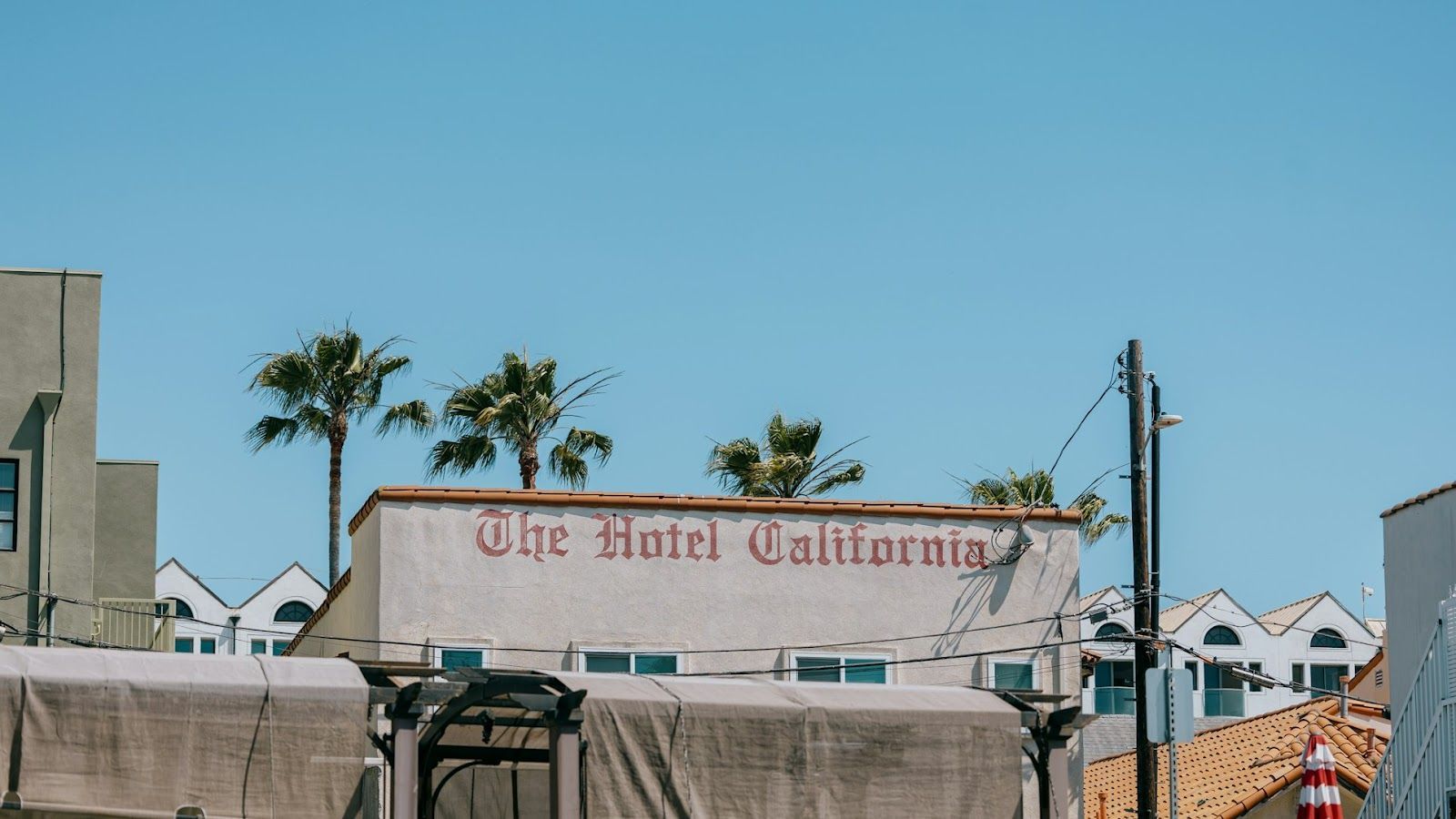
Hotel California, The Eagles

Image: Rafael Camacho Greilberger

The first item on our list is a classic 1970s hit that may sound like it is about a road trip, but it has a much deeper meaning. According to the band’s singer and songwriter, the song was written about the materialism and greed the band had experienced in the record industry, as well as the wider American culture.

2

Blackbird, The Beatles

Image: derek braithwaite

The Beatles experimented a lot, both with the sound and the lyrics of their music. And what might seem like a lovely simple song is, instead, a sharp criticism of the civil rights situation in mid-20th-century America.

Image: Debby Hudson

3

I Will Always Love You, Dolly Parton

Back in 1973, Dolly Parton’s relationship with Porter Wagoner, her mentor and on-screen duet partner, was losing steam on all fronts. Dolly wrote this song as a farewell to Porter, who wasn’t ready to let her go.
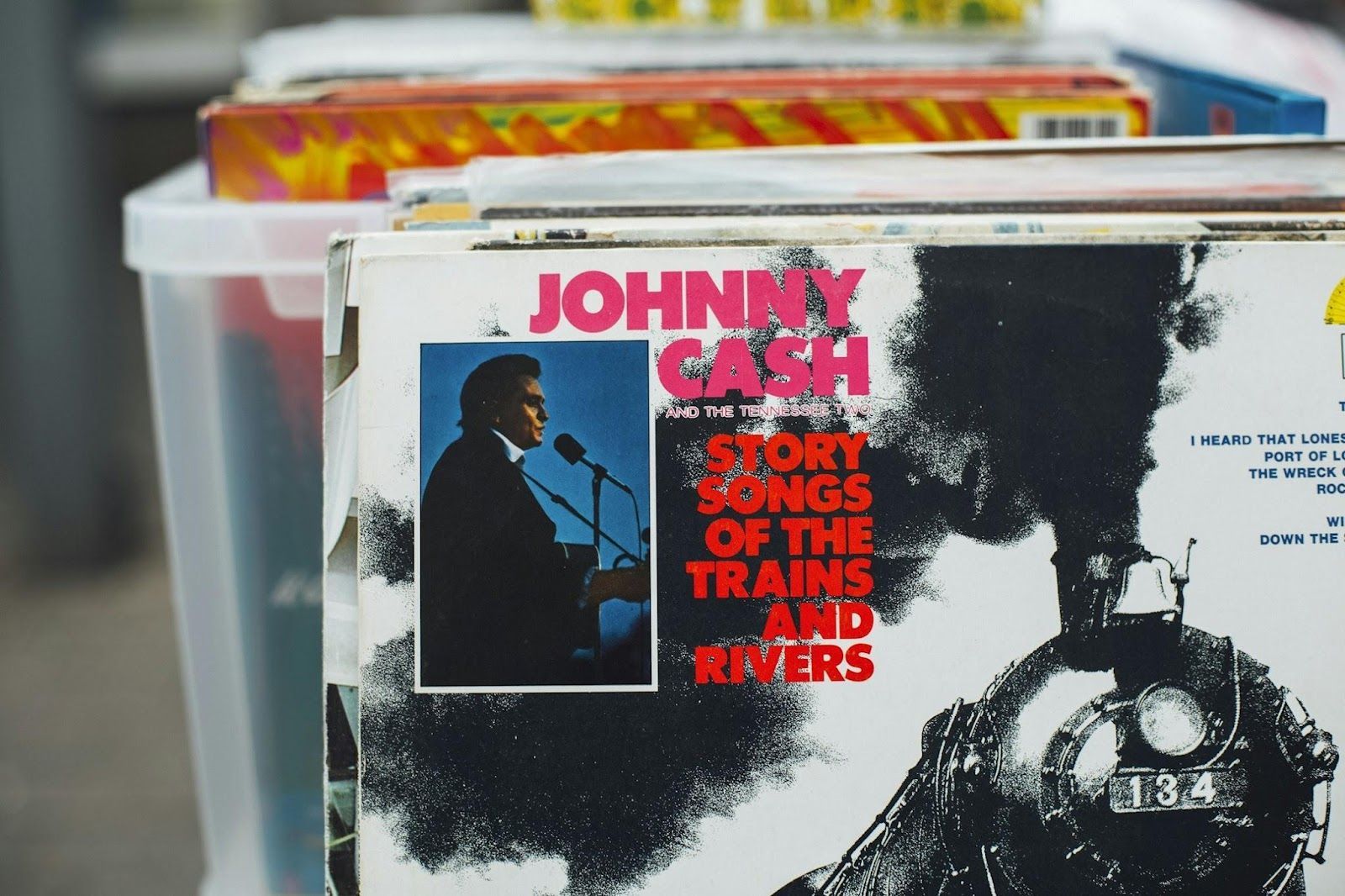
Image: Markus Spiske

4

I Walk the Line, Johnny Cash

The lyrics to one of Johnny Cash’s most iconic songs, I Walk the Line, are a declaration of fidelity to Vivian, his first wife. The idea of walking straight served the Man in Black as a motto for his behavior.
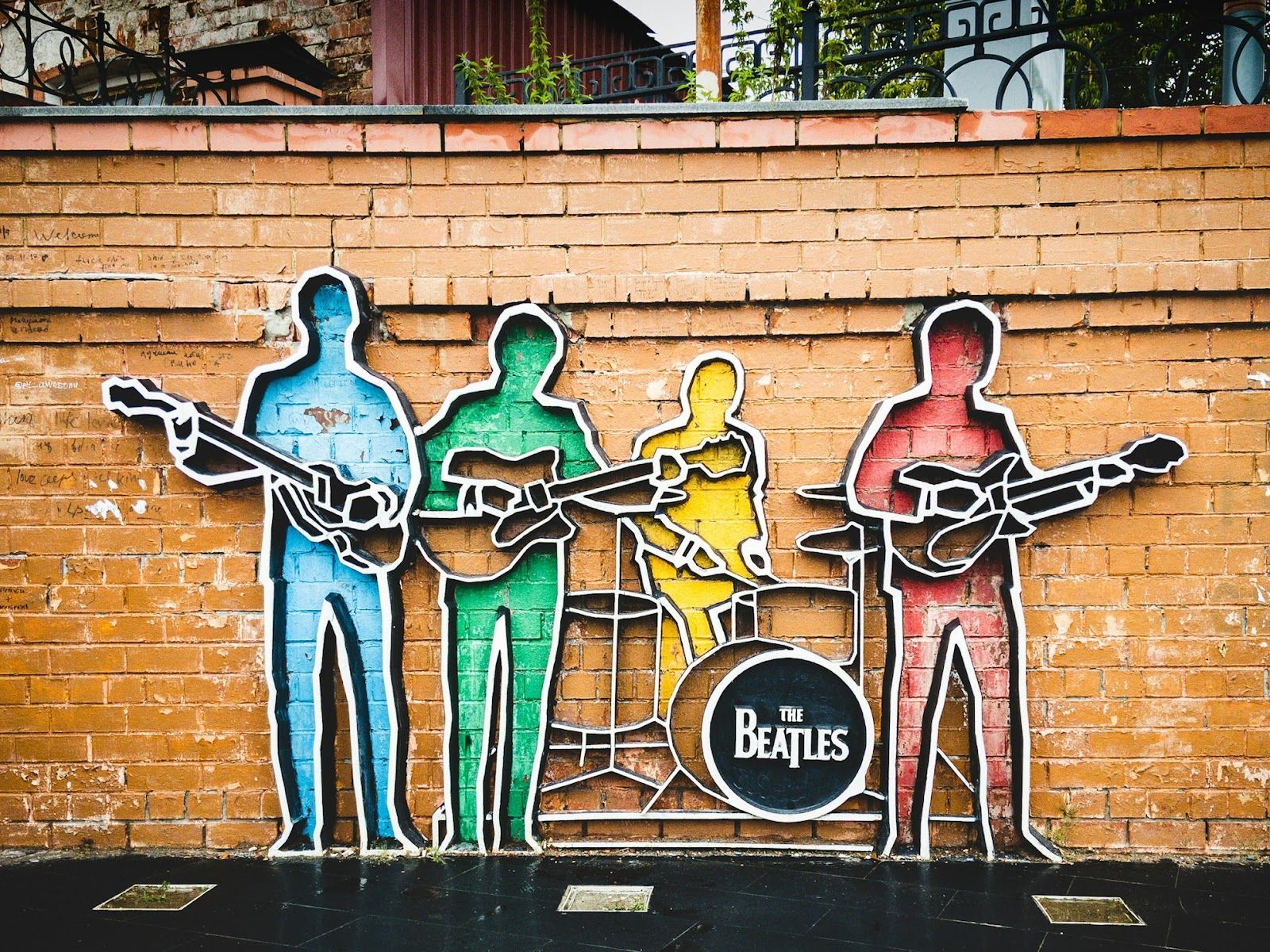
Image: Fedor

5

Something, The Beatles

The second Beatles track on our list was penned by George Harrison, and it was inspired by his then-wife, Pattie Boyd, who was married to the Beatle from 1966 to 1977.

Image: Todd Diemer

6

In the Air Tonight, Phil Collins

This Phil Collins hit was inspired by his divorce from Andrea Bertorelli in 1980, according to Phil himself, who spilled the beans during an interview with Jimmy Fallon on his talk show.

7

Every Breath You Take, The Police

Image: Mika Baumeister

What seems like a beautiful love song is, instead, the message of a stalker to his wife. Clear hints spring to the fore with lines like "Every smile you fake", but overall, the message seemed to be masked for some as they were blinded by the soft rock music.

8

5150, Van Halen

Image: Emily Rudolph

A song title that was subject to varied interpretations, 5150 refers to the building of Eddie Van Halen’s recording studio, but many attribute this number to the newfound balance and compromise within the band after the new singer, Sammy Hagar, came aboard to replace David Lee Roth.

9

Intension, Tool

Image: Kelly Sikkema

The use of reverse recordings hidden within the song has been present for quite a few decades now but, most of the time, this was done to conceal what might have been an inappropriate lyric (at least, according to some). But the members of Tool decided to hide a positive message within the song that said: ‘Work hard, stay in school, listen to your mother, your father was right’.

10

Total Eclipse Of The Heart, Bonnie Tyler

Image: Jongsun Lee

This famous 1980s ballad is, weirdly enough, about vampires. Originally written by composer Jim Steinman for the Broadway musical Nosferatu, the track was formerly titled ‘Vampires In Love’. The lyrics centre around life in eternal darkness and other standard vampire tropes.

11

Mr. Tambourine Man, Bob Dylan

Image: Antoine J.

The subject of this classic Dylan track was Bruce Langhorne, who played guitar with Bob on a few records and was remembered as owning a giant tambourine, hence the name.

12

American Pie, Don McLean

Image: Patrick Fore

The name "American Pie" refers to a quintessentially American creation that is filled with lyrical imagery for the song. One of the major inspirations behind it is thought to be the tragic plane crash that led to the demise of Buddy Holly, Ritchie Valens, and JP Richardson.



Potato, potahto

What does that mean? 10 terms unique to American English


Published on December 27, 2025


Image: Waldemar Brandt

English is the official language of more than 50 nations across the world, so it’s not surprising that English speakers from different parts of the world have developed dialectal variations with unique vocabulary. But, being English —especially American English— used as an international common language, one would think that American vocabulary would have spread to foreign English speakers. While it has in some cases, certain terms are still unique to American English. Let’s have a look at some of them!

1

Soccer

Image: Emilio Garcia

This might be the best example of a uniquely American term, though it is technically derived from the original name of the sport. Internationally known as football, soccer was originally called ‘association football’ to distinguish it from ‘Gaelic football’. With time, the popularity of the sport became associated with the term football, except in the U.S., where Gridiron or American football was more popular. So, for Americans, American football became just ‘football’, and association football became ‘soccer’.

2

Over easy

Image: Freddy G

Eggs are an integral element of American diners, where a specific vocabulary was developed to quickly explain the type of egg desired in the least amount of time. Where other English speakers would simply ask for a fried egg, Americans know that there are several ways to fry an egg: over easy is just one of them.

3

ZIP code

Image: Joanna Kosinska

Have you ever wondered why the U.S. has a Postal Service but not postal codes? It’s not that they don’t exist; they just have a different name. The ‘Zone Improvement Plan’, or ZIP, was created to make mail services more efficient, but nowadays it’s key for analyzing demographics, sales, and the types of data. While the name ‘Zone Improvement Plan’ might sound strange, it was chosen with the ZIP acronym in mind to suggest that mail would zip along using the system.

4

Condo

Image: Agustin Lara

Whether you use condo to mean an owned apartment of any kind or as a certain type of building, both are terms mainly used in America. Other English speakers would just say flat or apartment, and would use the term commonhold (UK), strata (Australia and parts of Canada), or divided co-ownership (Francophone Canada) for a building with common areas and services.

5

Bodega

Image: Robinson Greig

Let’s address the obvious first: yes, bodega is a Spanish word. However, it has a unique meaning in American English. While for Spanish speakers it means a winery, in the U.S., it refers to a specific type of convenience store or deli, traditionally owned by Hispanics.

6

Silverware

Image: Mika Baumeister

If you hear the word ‘silverware’ in the UK, it won’t mean what you think it means. Kind of. For Americans, the term ‘silverware’ encompasses all eating utensils, including forks, knives, spoons, and even chopsticks. Outside of the U.S., it is more common to say ‘cutlery’, while silverware is used for cutlery actually made from silver.

7

College

Image: Pang Yuhao

While words such as ‘university’ or ‘school’ are typical when discussing higher education, ‘college’ is the more commonly used term in the U.S., even present in the names of famous institutions. In other English variants, ‘college’ can be used to talk about trade schools, vocational training, or a university’s residential hall.

8

Period

Image: Unseen Studio

If we consider that Canadians also use the term ‘period’ for the punctuation mark, we could say that this term is uniquely North American, but it’s a term other English speakers commonly associate with the U.S. In other parts of the world, ‘full stop’ is the preferred name. What a mouthful!

9

Mailman

Image: Joel Moysuh

Again, why do we have a Postal Service but prefer the term ‘mailman’? It’s just a matter of use. Originally, ‘post’ was used for domestic letters, while ‘mail’ was used for letters sent abroad. While the term ‘postal service’ is common to all English variants, mail and its derivatives, such as mailman, are now the norm in American English, while other English dialects tend to use post.

10

Nightstand

Image: Christopher Jolly

Although Canadians might sometimes use ‘nightstand’ to talk about this piece of furniture, outside of American English, it is common to use the term ‘bedside table’. Originally, the word nightstand implied a furniture piece with built-in storage, while a bedside table was simpler, but nowadays they are equivalent terms.

Looking for an extra scoop of literary fun?

Learn more with our Word of the day

loot

/lut/