A mouthful of facts
What does the tongue say about you? 12 clues hidden in our mouth!
Published on January 25, 2026
 Image: Clem Onojeghuo
Our mouths do so much more than help us chat, chew, and chuckle. This hardworking part of the body is home to a whole host of weird, wonderful, and sometimes wacky facts. From surprising saliva stats to your teeth’s secret life, a lot is going on behind your smile. And the best part? You don’t need a medical degree to appreciate these bite-sized bits of trivia. Let’s sink our teeth into some fascinating mouth facts!
Saliva: the secret to flavor
 Image: Nick Fewings
Taste buds are important, but without saliva, your taste buds wouldn't be able to detect much of anything. Saliva helps break down food particles and dissolve the chemicals that make up flavors, sending them to your taste receptors. That’s why food tastes bland when you're dehydrated. Hydration equals better flavor!
Your mouth is a microbial metropolis
 Image: Joey Nicotra
Believe it or not, the inside of your mouth is teeming with life. Wanna hear the numbers? Around 8 billion bacteria live there! That’s roughly the population of the entire planet, all crammed into your smile.
Most of these microbes are harmless, and some are even helpful. But when they get out of balance, that’s when things like cavities and gum disease can set in. Brushing and flossing aren’t just cosmetic, they help keep the peace in this microscopic community.
Oral health and your heart go hand in hand
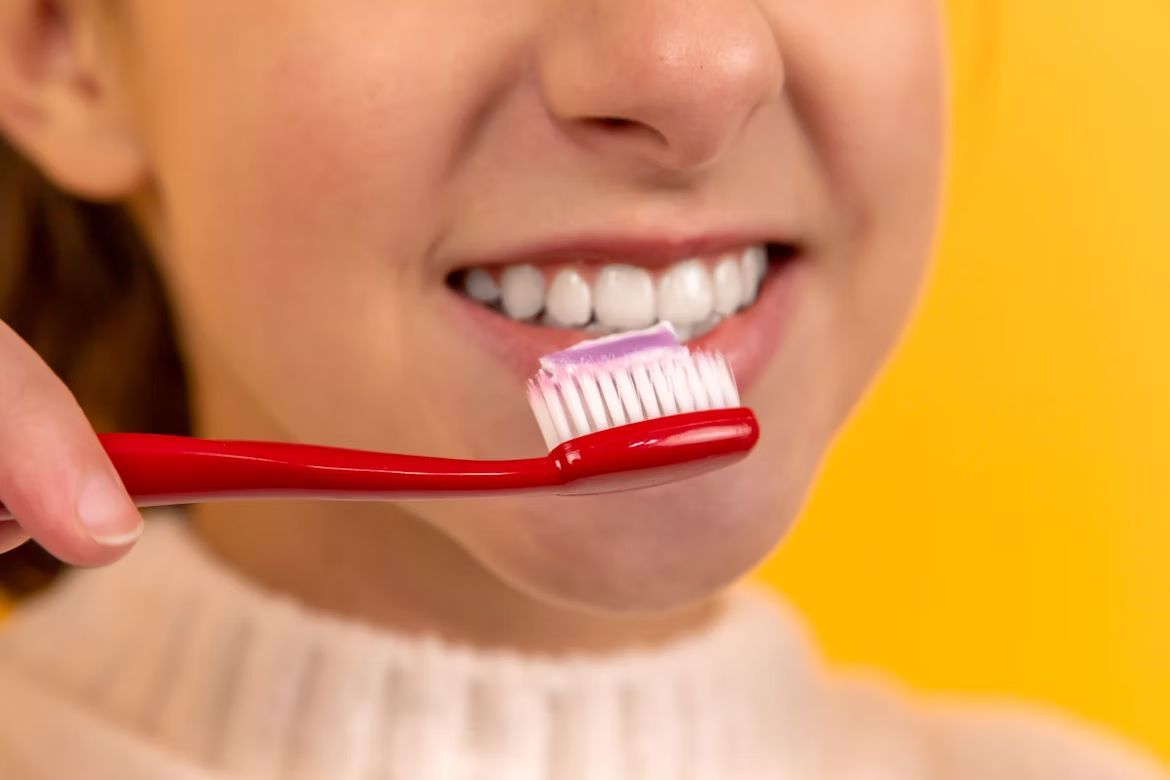 Image: Diana Polekhina
This might surprise you, but skipping floss can affect more than just your gums. Studies have shown a strong link between poor oral health and major diseases like heart disease, diabetes, and even osteoporosis.
Inflammation from gum disease may contribute to problems in other parts of your body. Your mouth is like a window into your overall health, and red flags here could signal trouble elsewhere. Keep the dental checkups going! Your whole body benefits when your mouth is in top shape.
Swimming with your mouth open? Think twice
 Image: Brian Matangelo
Taking a dip in the pool is refreshing, but make sure you keep your mouth closed. Chlorine, used to disinfect pool water, can be tough on your teeth.
Frequent exposure may weaken enamel and lead to increased tooth sensitivity. That means swimmers, especially those doing laps daily, should be extra cautious. If you’re one of them, just know rinsing with clean water after a swim can help wash away any residue.
Plaque: your mouth’s unwanted guest
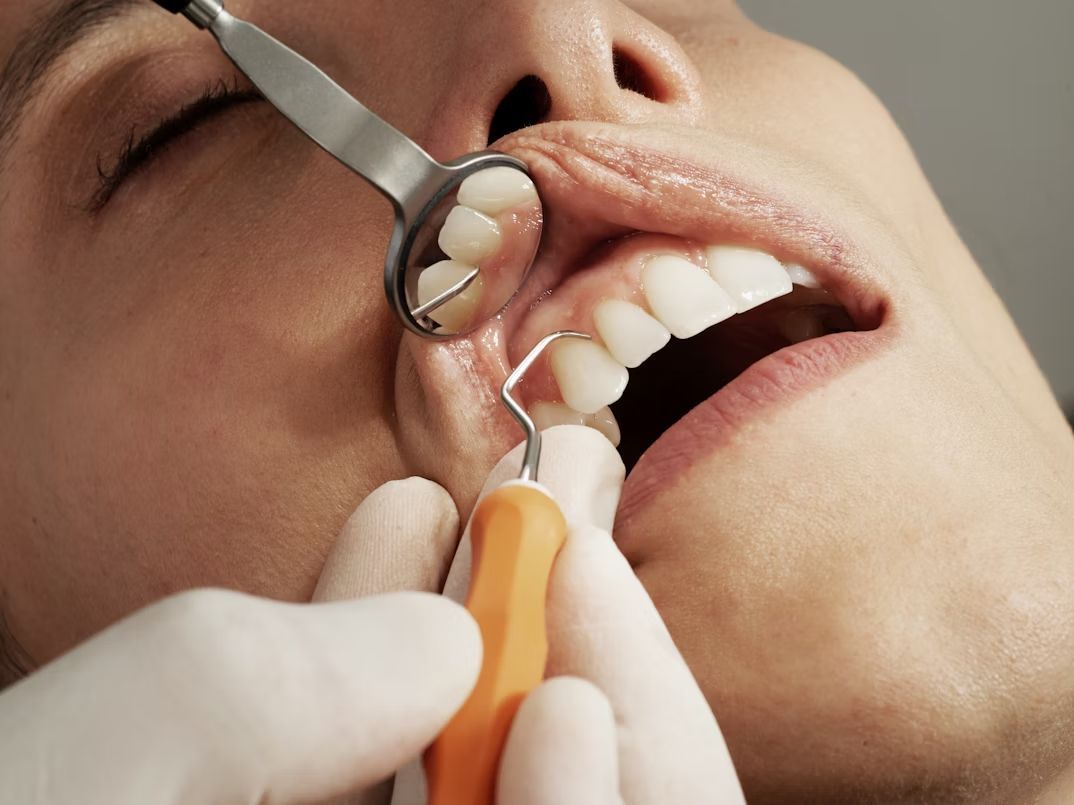 Image: Caroline LM
Plaque isn’t just a little fuzzy feeling on your teeth, it’s a mix of bacteria, food particles, and saliva. If left alone, it hardens into tartar, which only a dentist can remove.
Plaque is the main cause of gum disease and cavities. Brushing twice a day and flossing help kick it to the curb. Mouthwash can give an extra layer of protection, too.
Your tongue is truly one-of-a-kind
 Image: Fernanda Greppe
Of all the muscles in your body, the tongue is the only one that doesn’t need skeletal support to do its job. It’s a muscular marvel that helps with speaking, swallowing, and tasting. Despite its flexibility, it’s incredibly strong for its size.
Plus, no two tongues are the same; each has a unique print, just like fingerprints. Bet you didn’t know your tongue was such a multitasker!
There’s more to your teeth than meets the eye
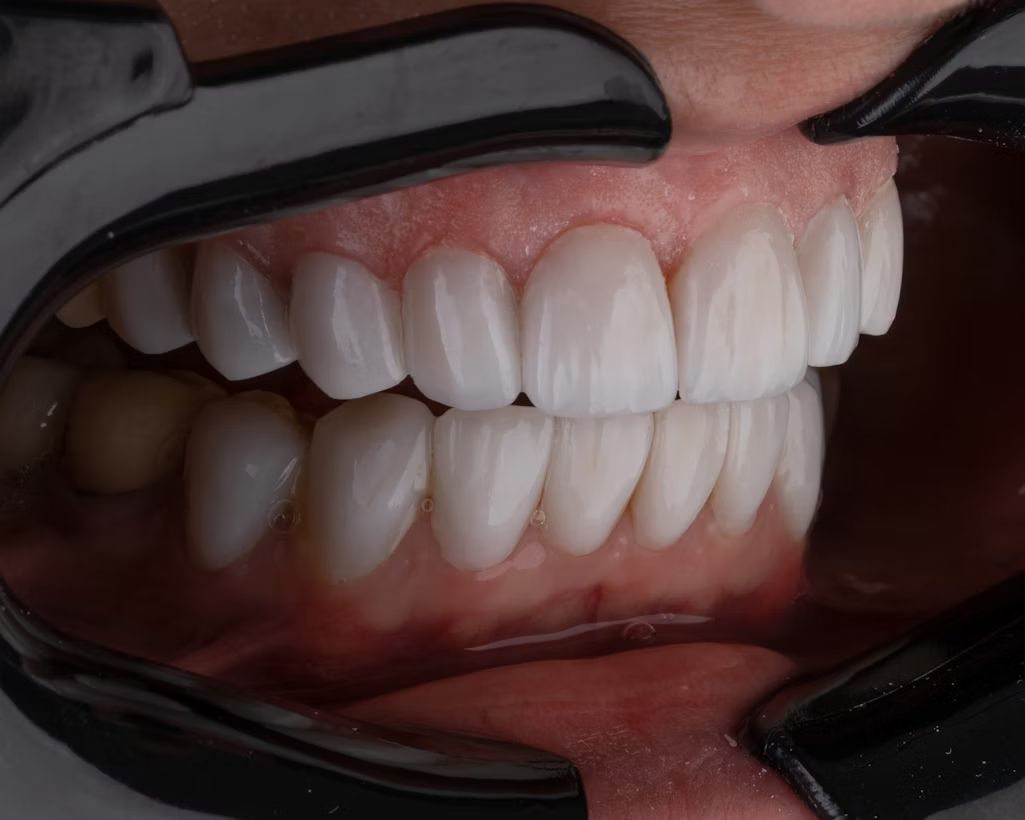 Image: Kamal Hoseinianzade
You might only see the top two-thirds of your teeth, but the rest is hiding below the gumline. That hidden portion includes the roots, which anchor your teeth in place. Healthy gums are essential for keeping this foundation strong.
Gum disease can cause that support to weaken, leading to tooth loss over time. So yes, we said it one too many times, but flossing is about way more than fresh breath. A deep clean leads to a deep-rooted smile.
Sip on this: Green tea is great for your gums
 Image: Na visky
Green tea is full of powerful antioxidants and natural antibacterial agents. These can help reduce inflammation in your gums and keep harmful bacteria at bay. Studies suggest it may even lower your risk of periodontal disease.
Unlike sugary drinks, it doesn’t feed the bacteria that cause decay. And it’s a pretty soothing way to wind down after a meal. Swap one of your daily cups of joe for green tea, and your mouth will thank you.
Your taste buds are tiny but mighty
 Image: kazuend
You’ve got about 10,000 taste buds scattered around your mouth, but most live on your tongue. They detect sweet, salty, sour, bitter, and umami flavors, working together like a culinary orchestra.
Now, here’s the fascinating fact: Taste buds regenerate every 10 to 14 days, so you’re always getting a fresh batch. However, aging, smoking, and illness can dull your sense of taste over time.
Teeth: your one-of-a-kind smile
 Image: Lesly Juarez
Just like fingerprints, no two people have the exact same set of teeth. Their size, shape, alignment, and even bite pattern are all uniquely yours. That’s why dental records are so helpful in forensics.
Your teeth are part of your identity, and once you lose them, they don’t grow back. Protecting them is a lifelong investment!
Saliva: the pool-filler you didn’t ask for
 Image: LexScope
Get ready for this one: The average person produces over 37,000 liters of saliva in a lifetime. That’s enough to fill two entire swimming pools!
Saliva plays a vital role in digestion, taste, and keeping your mouth clean. It helps neutralize acids and wash away food particles, protecting against decay. Without it, your mouth would be a desert. Yes, this fact was kind of gross, but equally helpful!
Brushing your life away—literally
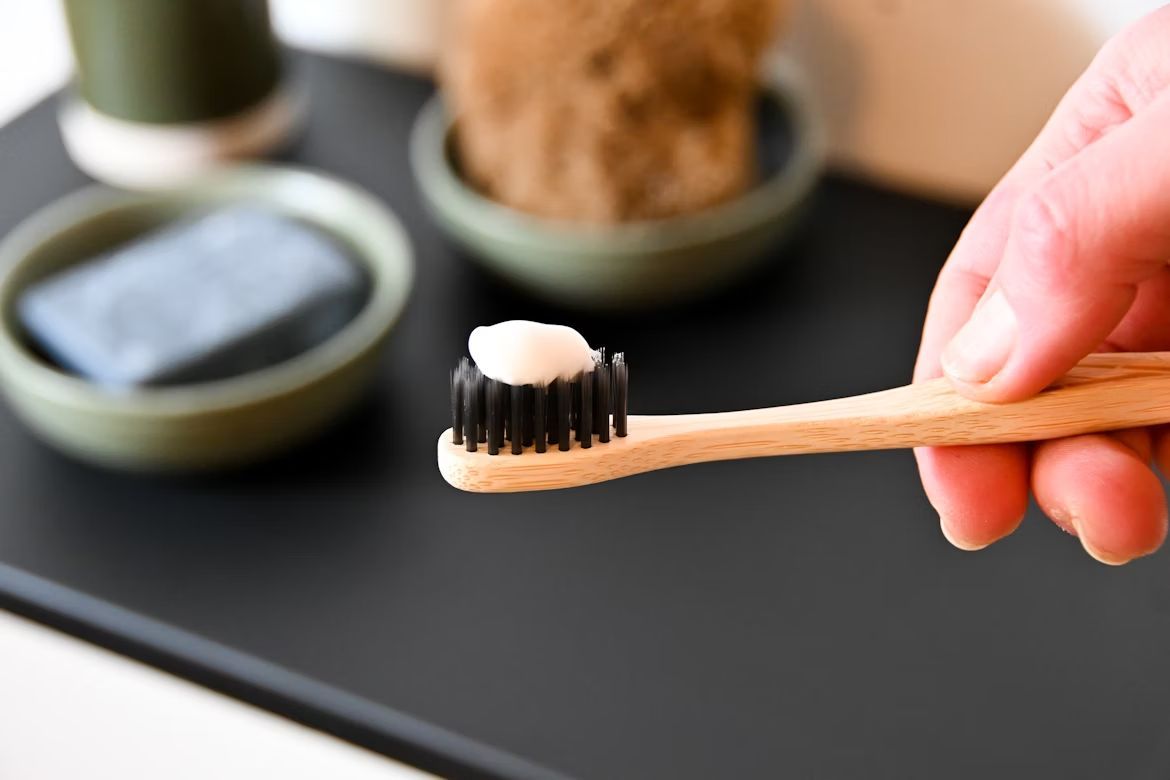 Image: Nik
Over the course of a lifetime, the average person spends 38.5 days brushing their teeth. That’s more than a month with nothing but you, your toothbrush, and the mirror.
It may sound like a lot, but your smile’s worth every second, don’t you think? Regular brushing keeps plaque away, prevents bad breath, and saves you from future dental bills. Just keep brushing, you’re doing mouth maintenance like a pro!