UNWONTED TERMS FOR UNCOMMON SITUATIONS
What does “cattywampus” mean and why you should know it: 10 odd words
Published on January 7, 2024
 Image: Patrick Tomasso
Everything that exists, even if only in our minds, can be named. Such is the beauty of words, and the English language is especially rich and ingenious in this regard. Its lexicon not only embraces the conventional but also celebrates the delightfully odd.
Within its linguistic treasure lie peculiar words like "kerfuffle," "bumfuzzle," and "collywobbles" that dance on the tongue and paint vivid portraits of unusual situations. Take a moment and read about twelve seldom-heard terms that almost seem unreal.
Kerfuffle
 Image: Hans-Peter Gauster
Have you ever heard the word "kerfuffle"? It is a delightful linguistic oddity that describes a state of mild chaos or disorder.
This peculiar term originated from Scottish dialects in the late 18th century, derived from the Gaelic cur, meaning to twist or bend, combined with fuffle, suggesting disorderly movement or commotion. As with quite a few examples on this list, the very sound of the word itself evokes its meaning.
Discombobulate
 Image: Uday Mittal
Another word that rarely gets thrown around, "discombobulate," aptly describes a state of confusion, disorientation, or bewilderment.
The prefix dis- means negation or reversal, while combobulate is an invention that might have been influenced by similar-sounding words like "discompose" or "discomfit." Together, they form a word that evokes the sensation of being mentally perplexed.
Bumfuzzle
 Image: Michele Tresemer
Another word that describes a state of confusion, "bumfuzzle," originated in the Southern United States in the mid-19th century with an uncertain etymology, possibly arising from a blend of "bamboozle" and "fuddle."
This term embodies the linguistic treasure found in regional dialects, showcasing English's ability to develop expressive terms to portray the complexity of human emotions.
Flummox
 Image: Towfiqu barbhuiya
A word that closes this trilogy of confusion terms, "flummox," also describes a state of bewilderment, perplexity, or confusion.
Making its first appearance in 19th-century England, its exact etymology remains uncertain, possibly derived from combining flummock, a word meaning to bewilder or confuse, with the suffix "-ox," adding emphasis or exaggeration.
Flibbertigibbet
 Image: Priscilla Du Preez
"Flibbertigibbet" is a term that can be used to describe someone who is frivolous or overly talkative. Its origins can be traced back to Old English, where flibbert denoted a frivolous person and gibbet referred to an inconsistent and unstable individual.
The word, as hard to pronounce as it is, serves as an apt definition for a lively yet disorganized individual. Think of someone who, when exposing his thoughts, is enthusiastic yet all over the place.
Whippersnapper
 Image: Papaioannou Kostas
We all know a "whippersnapper," even if we probably don't call them that way. The term is used to describe a young and inexperienced person, often with an air of arrogance or impudence.
The word dates back to the 17th century, blending "whip," meaning something small or insignificant, with "snapper," suggesting someone who talks back or is impertinent. It was initially used to mock young men who cracked whips while herding cattle, and it evolved into a light-hearted term teasingly aimed at youthful individuals displaying an excess of self-assurance.
Bibble
 Image: Jaritos Mexican Soda
If you’ve ever heard someone eating, sipping, slurping, or drinking noisily, then you have heard someone "bibble." As with many cases in the English language, the origin of the word is very possibly rooted in onomatopoeia: a written emulation of the very sound that it aims to describe. The word is not to be confused with "nibble," which means "to take small bites" of something.
Gobbledygook
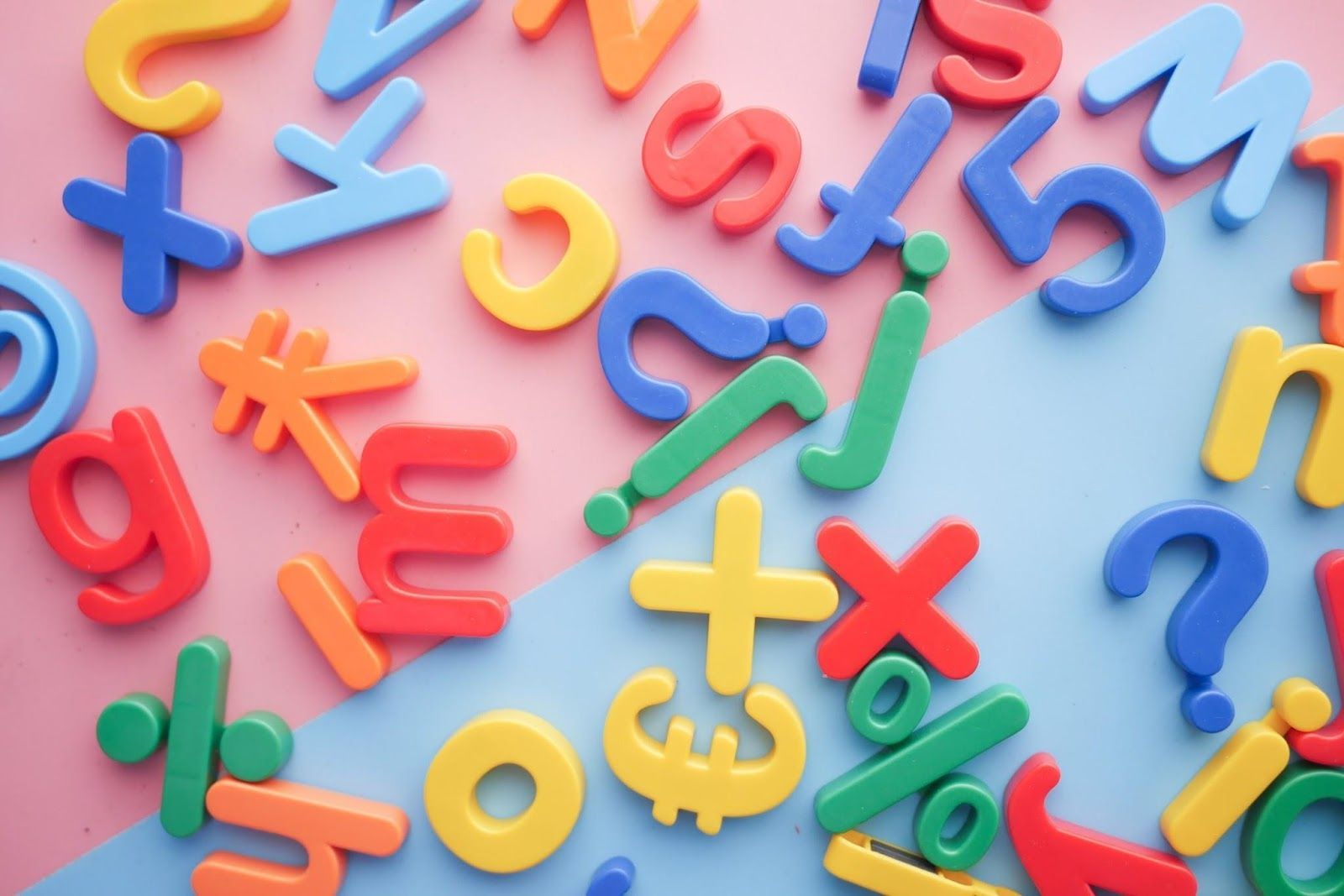 Image: Towfiqu Barbhuiya
One –even less used– cousin of the term "gibberish," "gobbledygook" is an endearing linguistic oddity used to describe incomprehensible or jumbled language, often mixed with obscure slang or meaningless words.
Coined in the 1940s by Texas Congressman Maury Maverick, this term blends "gobble," reminiscent of turkeys' sounds, with "gook," signifying muddled, unclear speech. Initially aimed at criticizing bureaucratic language, it was eventually used to describe similar discourse in every other sphere as well.
Abibliophobia
 Image: Susan Q Yin
The kind of phobia that will turn anybody’s home into a library, "abibliophobia," is a charmingly peculiar term that describes the fear of running out of reading material or being without books.
While not officially recognised in psychological dictionaries, its origins can be traced to the Greek roots a-, meaning without, biblio-, referring to books, and -phobia, denoting fear. This word defines the anxiety book lovers might experience at the thought of an empty shelf or an absence of new reading material.
Cattywampus
 Image: Balint Szabo
A regional dialect, "cattywampus," is a term that describes either something positioned diagonally or something that is going the wrong way.
In either case, the word evokes a sense of playful disorder or misalignment and is an example of the English language's knack for inventing expressions that illustrate situations that aren't quite straight or are plain wrong, but in a lighter sense.
Collywobbles
 Image: Nik Shuliahin
A funny word to describe a not-so-funny sensation, "collywobbles" refers to a feeling of nervousness, unease, or fluttering in the stomach.
Its origins trace back to the 19th century, merging "colly," an old English term for coal dust or darkness, with "wobbles," implying an unsettled or wobbly sensation. Initially describing a feeling of stomach discomfort or anxiety, it evolved to signify a broader sense of nervousness or apprehension.
Unwonted
 Image: Nick Fewings
The most fitting word on this list was left for the last. "Unwonted" is a very rarely used term that describes something uncommon, unusual, or not customary.
Coming from Old English, it combines "un-" as a prefix denoting negation or reversal and "wonted," which is derived from wont, meaning accustomed or habitual. An unwonted word in itself, this was a much more used term in the days of Charles Dickens and Henry James, when prose and spoken language were more adorned.