Tales behind goodies

What does "Doritos" mean? The naming of our favourite snacks


Published on December 18, 2025

Credit: Nelly Antoniadou

Doritos, Kit Kats, Oreos… We don’t think twice about the names of these products when we pick them up. It feels like those words have been in our vocabulary forever –and, indeed, the history of some of these brands exceeds our lifetimes! Today, we want to look into the motives and creative associations that gave birth to the names of the world’s favourite snacks.

1

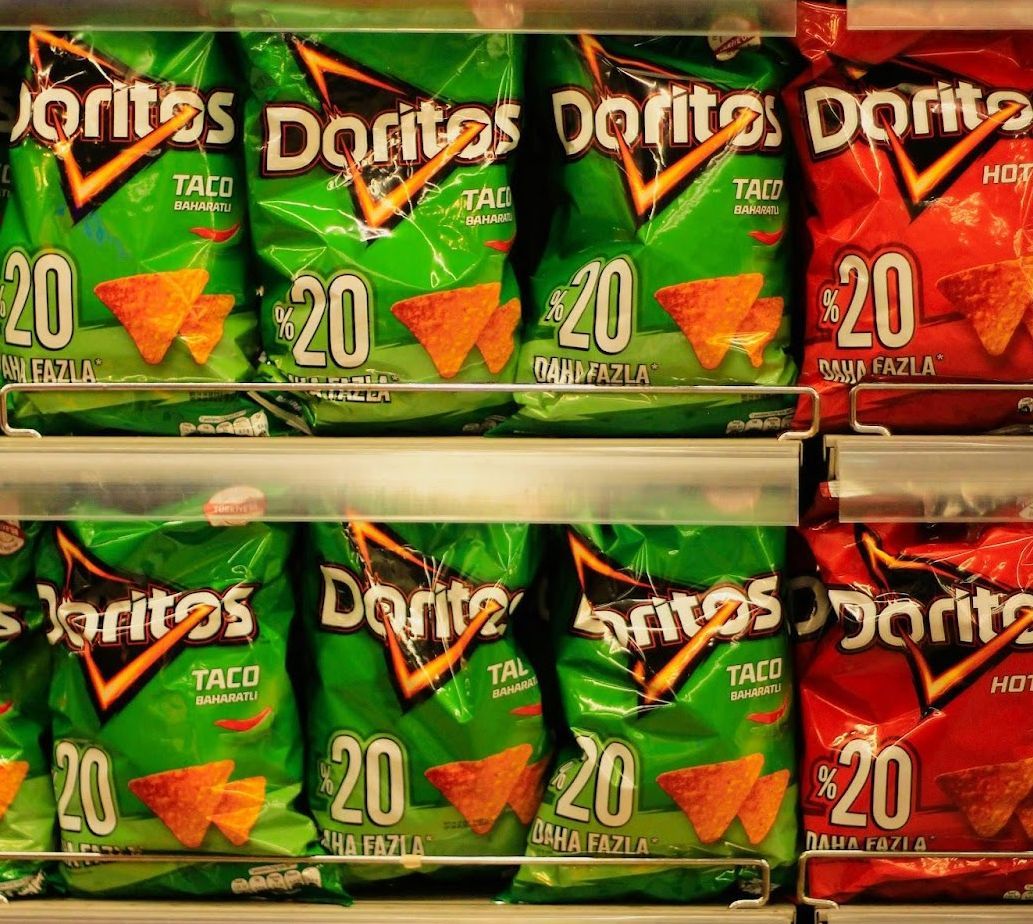
Doritos

Credit: DENİZ ÇAĞLUSU

The name Doritos is thought to come from the Spanish doradito, meaning "little golden thing". A fitting description for the bright, fried tortilla chips, don’t you think?

Their story begins in the 1960s at Disneyland, where a restaurant run by Frito-Lay began repurposing leftover tortillas by cutting and frying them instead of tossing them.

2

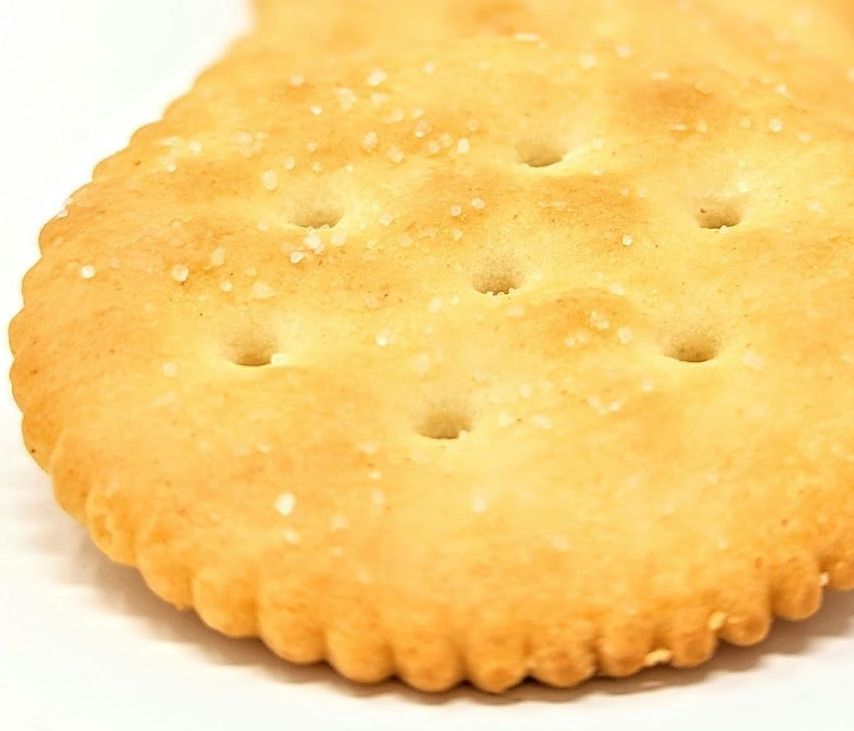
Ritz crackers

Credit: Obi

Launched by Nabisco in 1934, Ritz crackers were named to conjure an image of luxury in the middle of the Great Depression.

"Ritz" evoked the glamour of the Ritz hotels, offering people a small "bite of the good life" during hard times.

3

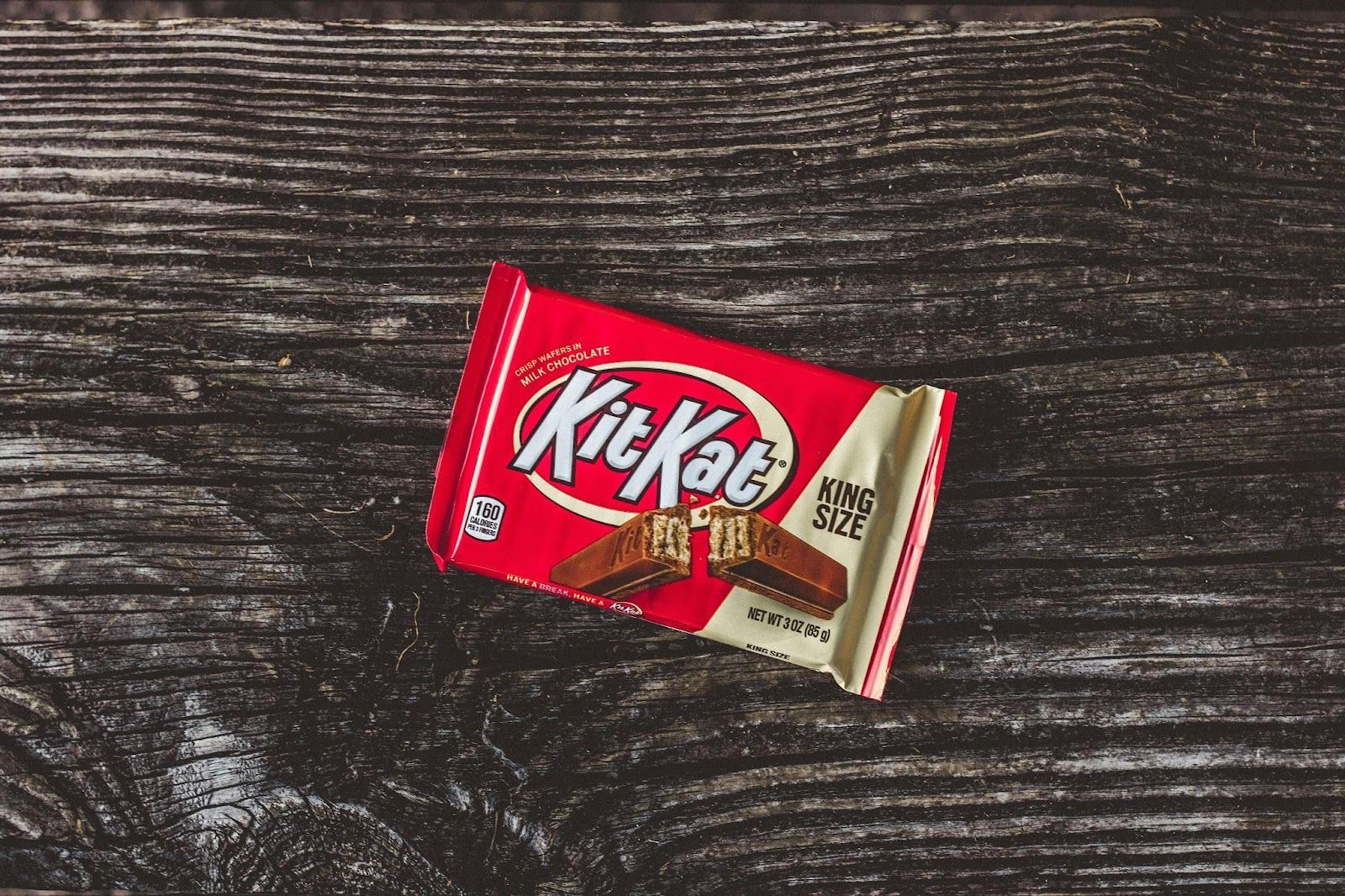
Kit Kat

Credit: Justin

Kit Kat snacks were born as "Rowntree’s Chocolate Crisp" in the UK. Not very catchy.

However, they were eventually rebranded with a name inspired by London’s 18th-century "Kit-Cat Club," a gathering spot for political and literary figures. And "Kit Kat" was certainly easier to market globally!

4

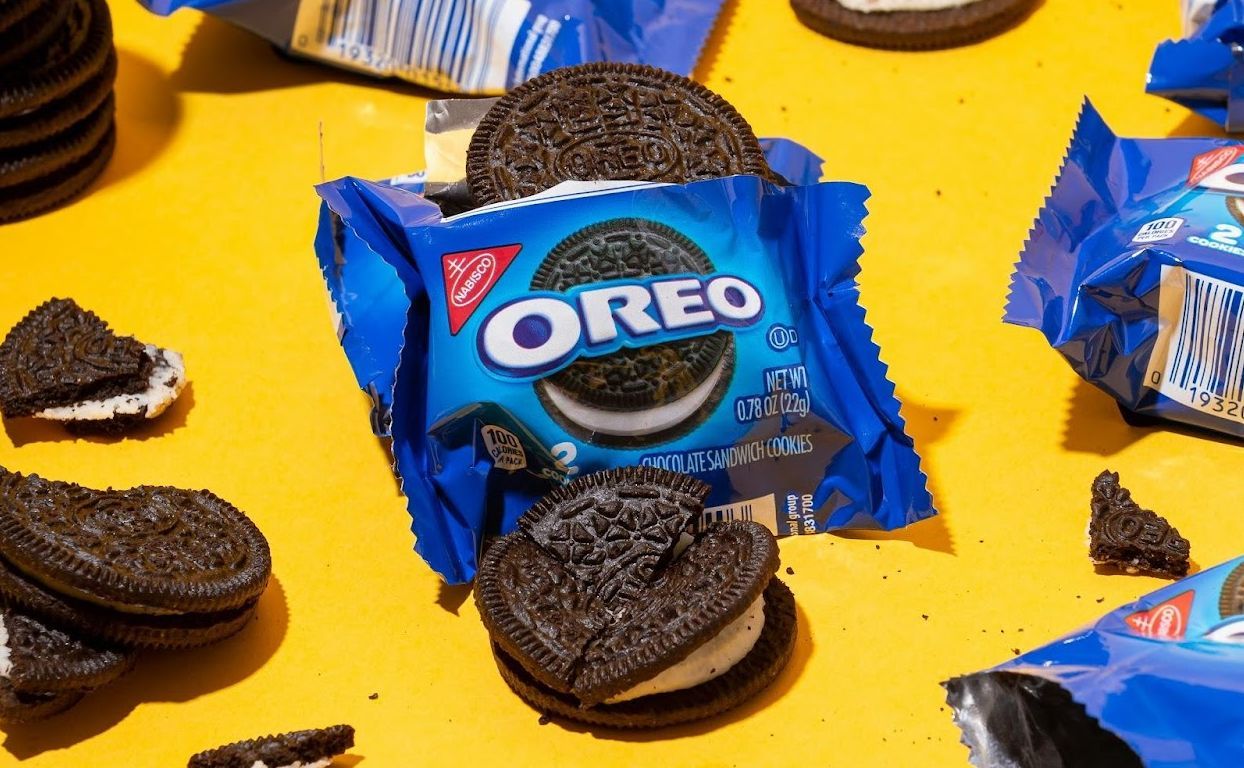
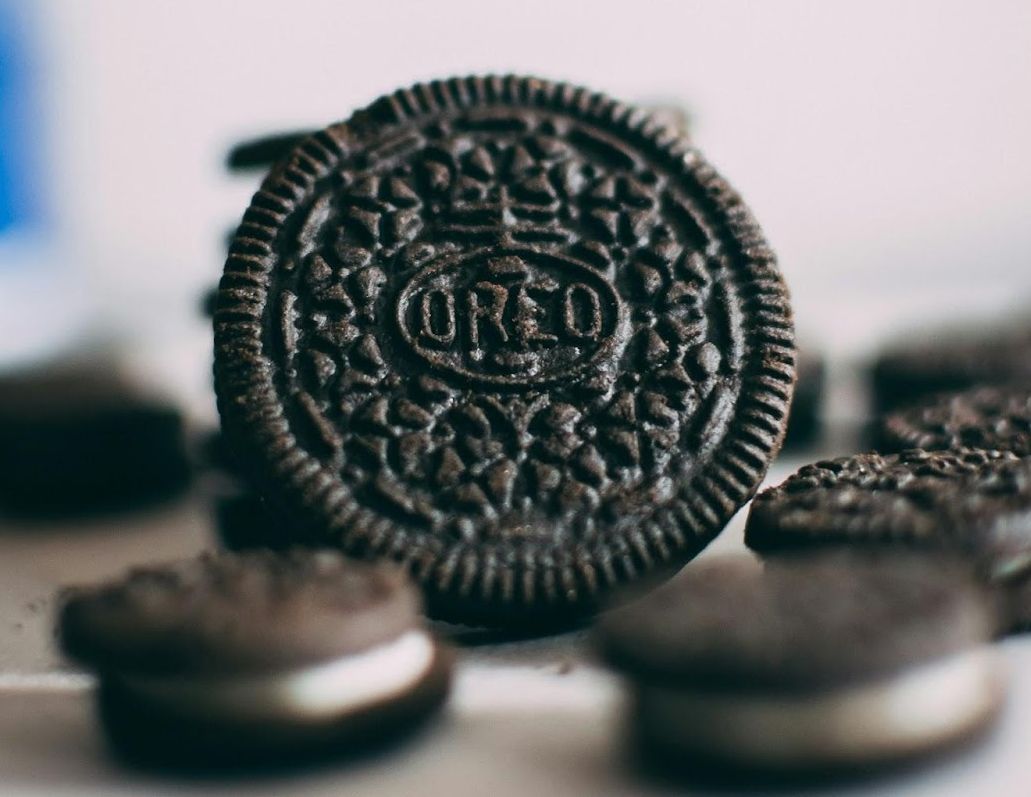
Oreo

Credit: No Revisions

Nabisco trademarked Oreo in 1912, but they never explained the true meaning of their cookie’s name. Theories abound: some say it comes from the French or ("gold"), others suggest the Greek oreo ("mountain"), or that it was simply a short, punchy word chosen to be memorable.

5

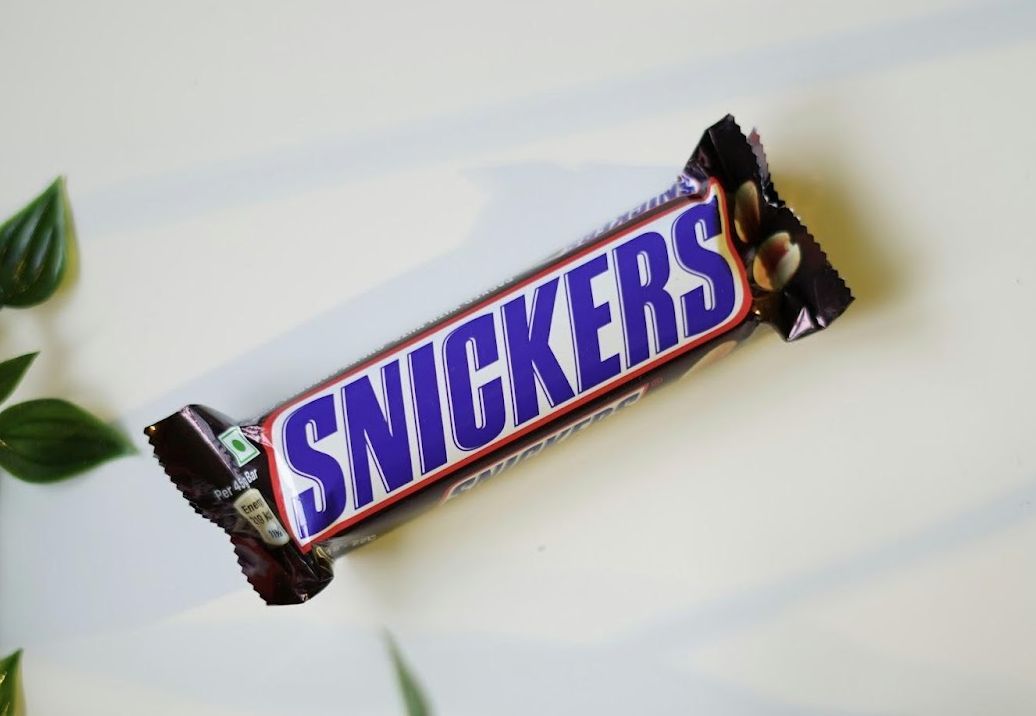
Snickers

Credit: Shyam Mishra

When Mars introduced this nougat, caramel, and peanut bar, they named it after the family’s favorite horse, Snickers.

The bar went on to become one of the best-selling candies in the world, though in the UK it was marketed for decades as "Marathon" before aligning with the global name.

6

Twix

Credit: Midas Hofstra

Another favourite treat launched in the UK! Twix got its name as a clever contraction of "twin sticks," referring to the two cookie-and-caramel bars packaged side by side.

It was important for the name to indicate the bar’s unique double format, which would set it apart from single-stick competitors like Mars or Milky Way.

7

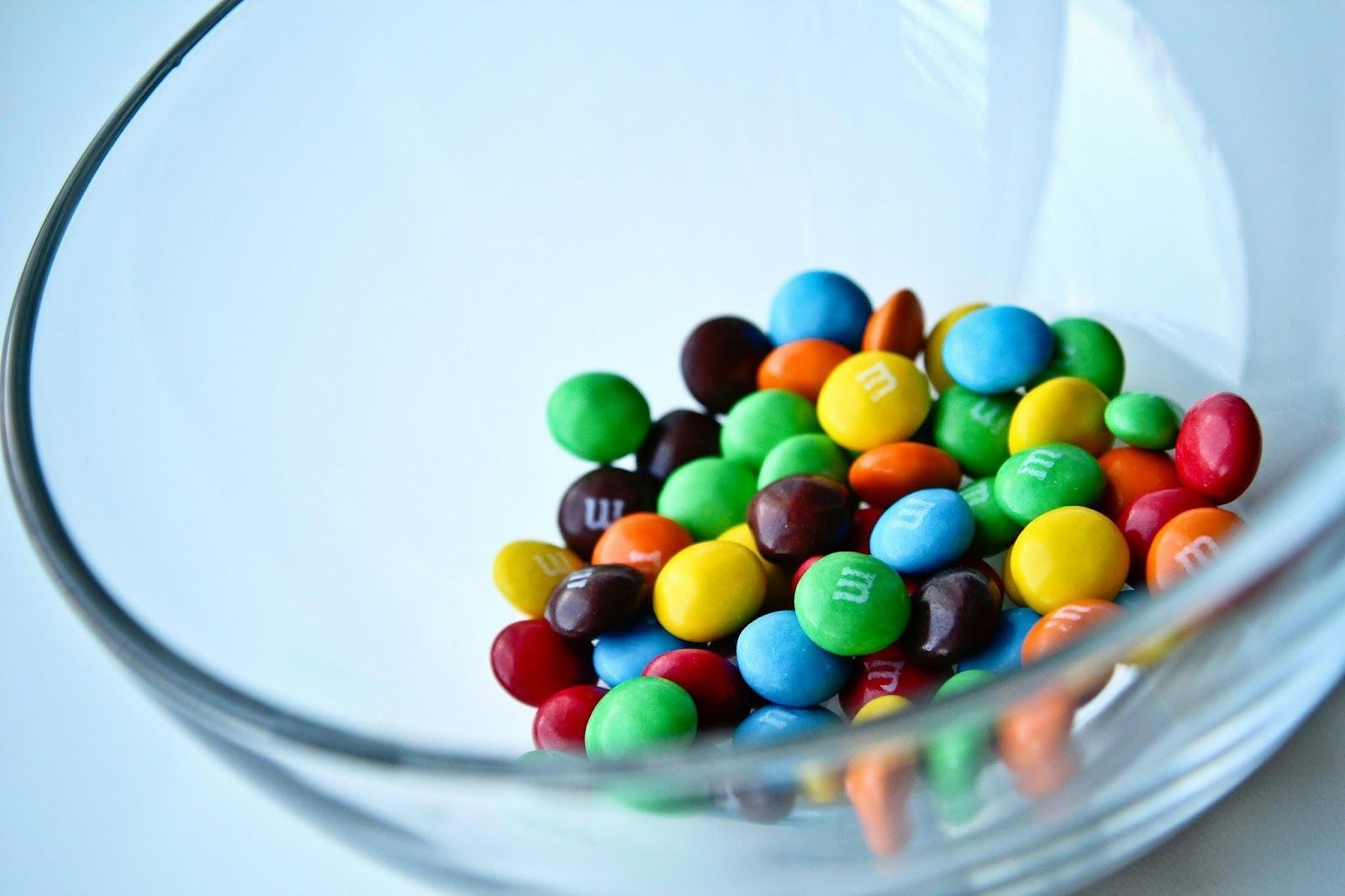
M&M’s

Credit: Oksana Zub

The two "Ms" derive from Forrest Mars and Bruce Murrie, the unlikely business partners who brought the candy.

Mars had the recipe for chocolate coated in a hard shell (inspired by similar treats eaten by Spanish soldiers), while Murrie, son of Hershey’s president, secured access to wartime chocolate supplies.

8

Cheetos

Credit: Giorgio Trovato

Originally styled as "Chee-tos," the name was meant to be playful, quirky, and easy for kids to say. And, of course, to remind them of cheese!

The brand took off nationally after partnering with Frito-Lay, and later introduced the mascot Chester Cheetah, which became a snack-world cultural icon.

9

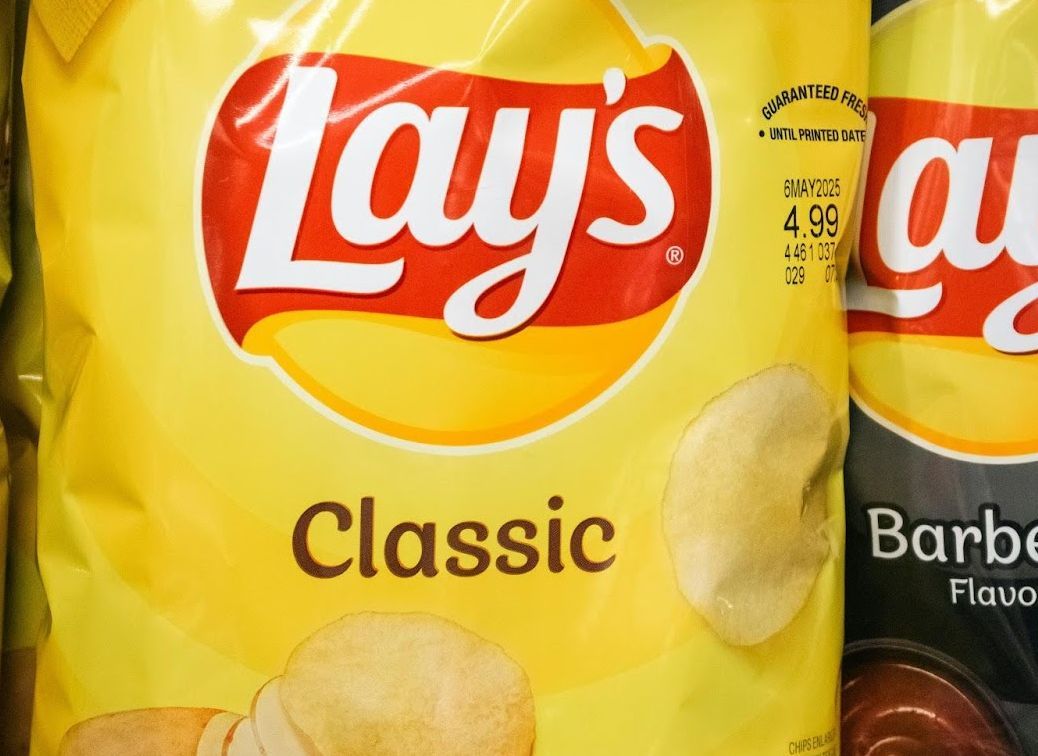
Lay’s

Credit: Zoshua Colah

Lay’s logo and bright colors are a signature aesthetic, but the origin of their name is quite straightforward: The brand was founded by Herman W. Lay.

This chip company was one of the first to successfully market packaged potato chips nationwide in the US.

10

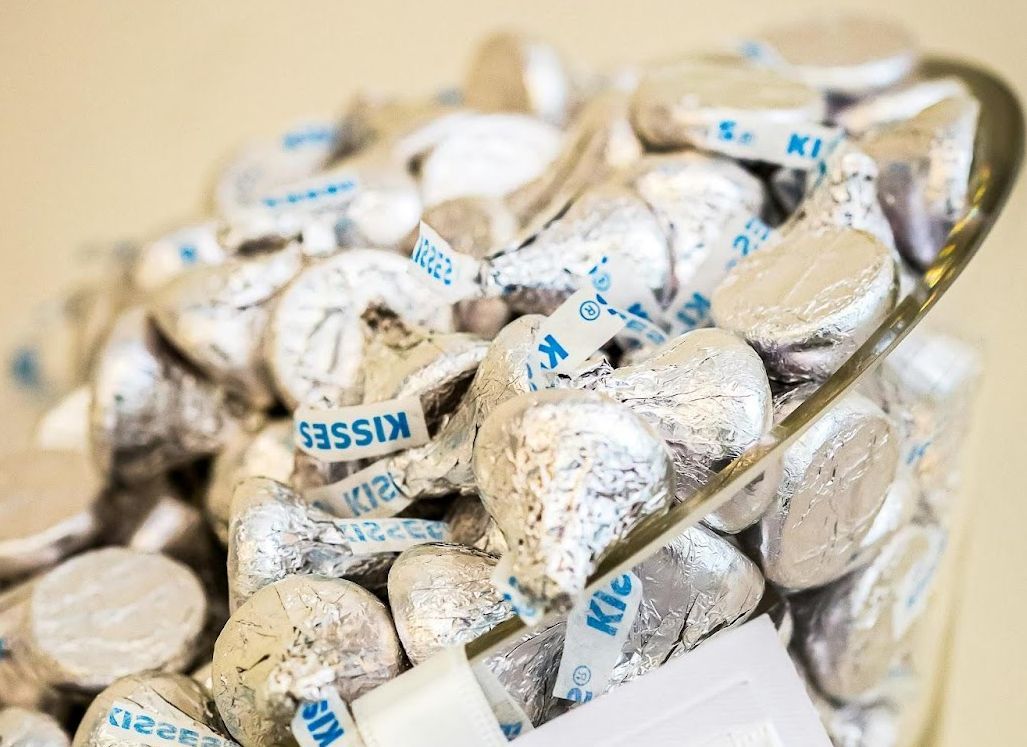
Hershey’s Kisses

Credit: Michelle Riach

The bite-sized chocolate drops earned the name "Kisses" from their smooch-like shape and possibly the gentle kissing sound made by early machines. Today, Kisses remain one of the company’s signature products.

11

Pop-Tarts

Credit: Zoshua Colah

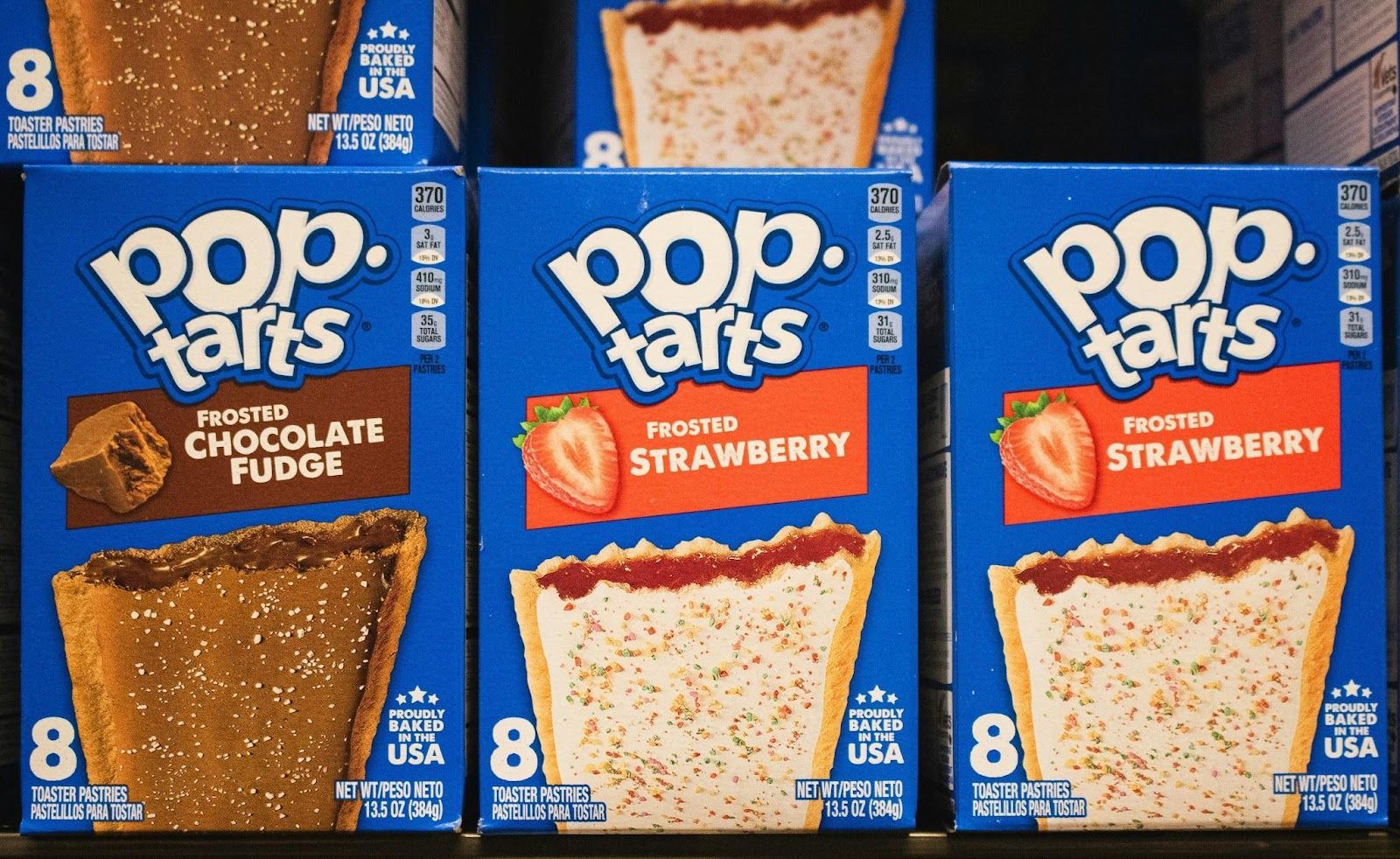
The name of Kellogg’s toaster pastry was a pun on the trendy Pop Art movement of the era, the 60s. Funnily enough, nowadays, some people might struggle to define pop art, but they can certainly describe the snack!

12

Nutella

Credit: Nikolaos Kofidis

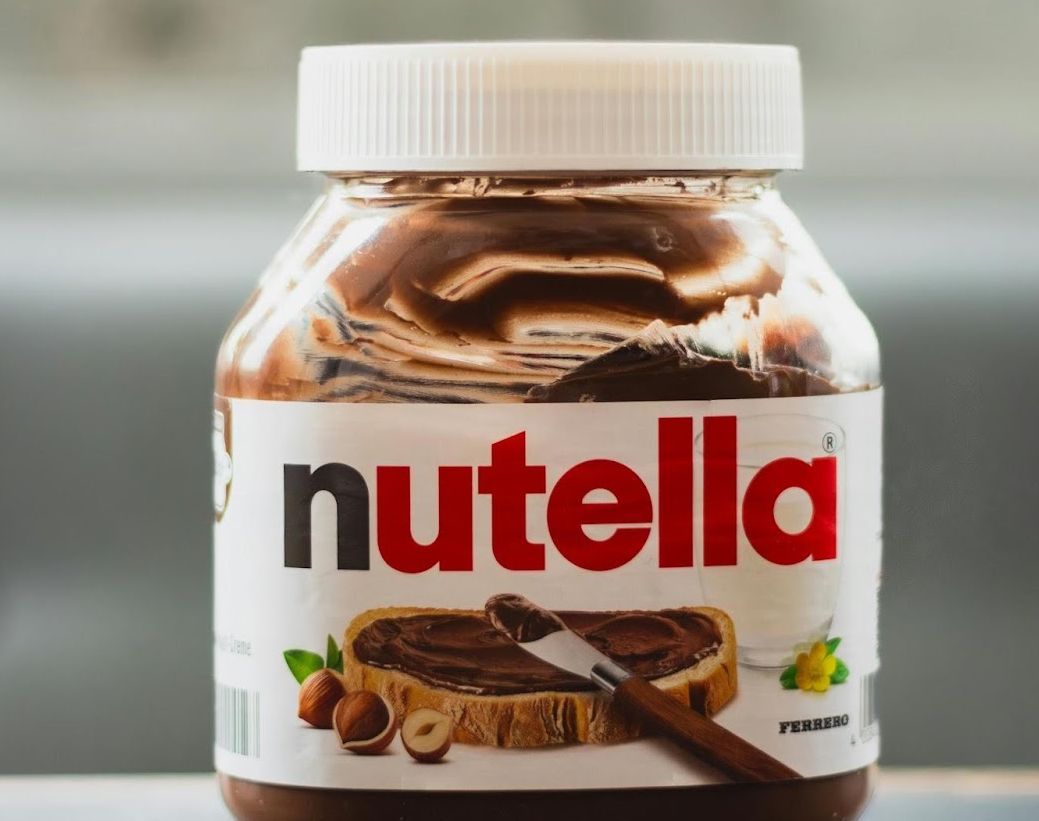
Did you know that Ferrero’s famous spread began as a wartime improvisation? Scarce cocoa was mixed with hazelnuts, and it soon became the crowd’s favourite.

It first appeared as Giandujot, then Supercrema, before Michele Ferrero rebranded it, combining the English word "nut" with the friendly Italian-sounding suffix "-ella."

13

Toblerone

Credit: Safwan C K

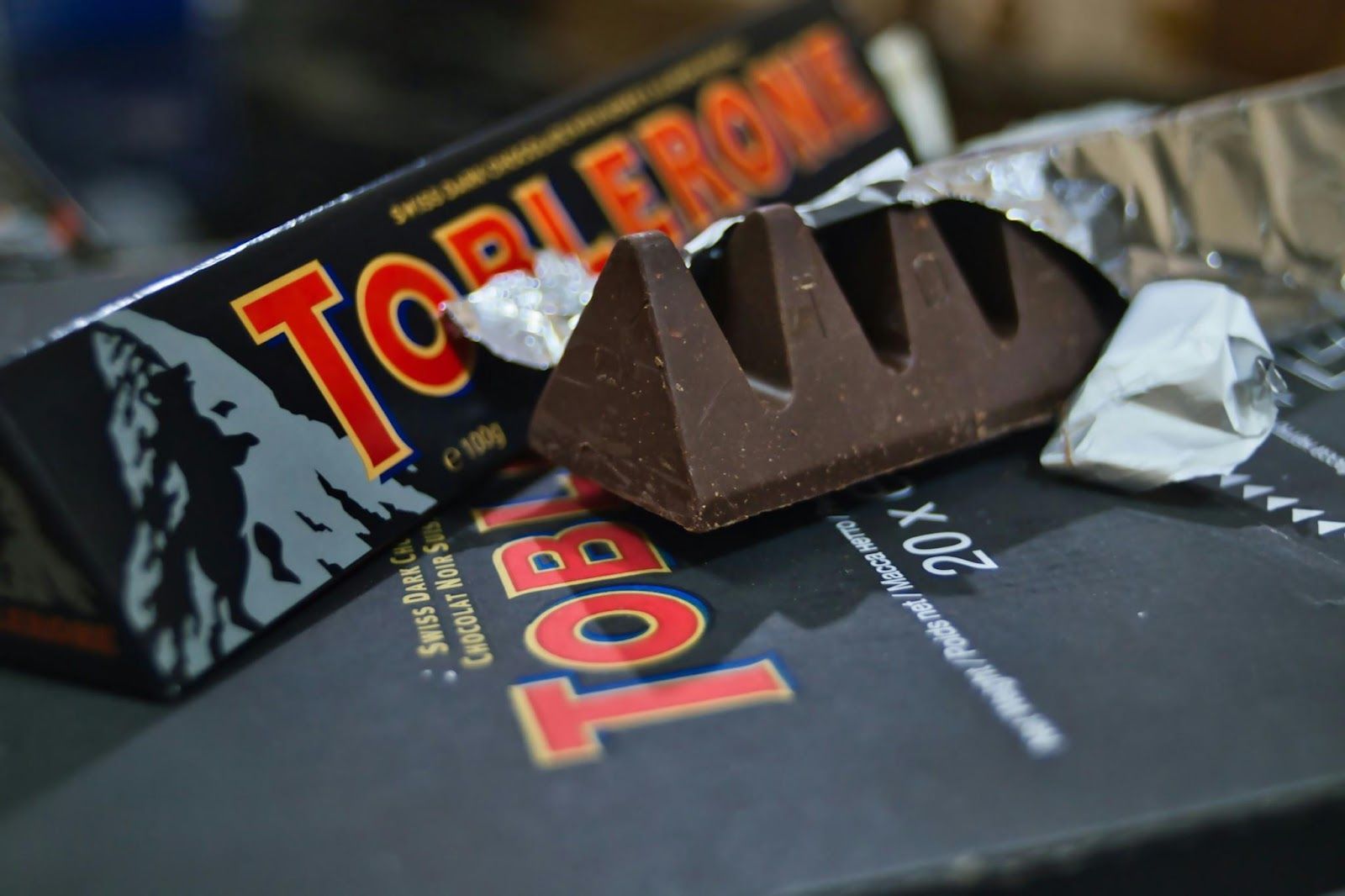
Created in Switzerland by Theodor Tobler, the bar fused his family name with torrone, the Italian word for nougat. Its triangular shape was a nod to Alpine peaks that are also a trademark of their packaging. It remains one of the most iconic Swiss exports.



No, Atlantis is not on this list

Did you ever wonder where countries get their names from? So did we!


Published on December 18, 2025


Credit: Andrew Stutesman

Some things are never questioned simply because they’ve always been that way. But even countries have origins—and so do their names. Some names are quite straightforward from the beginning: The United States of America is exactly that—a union of states in America. But others, like Brazil or India, are not quite as simple. Scroll on to learn about the origin of ten countries’ names. You might just pick up a cool little fact to share with your friends.

1

Canada

Credit: Xavier von Erlach

It might seem curious that a country so vast is named after a small settlement—but it is. The name Canada likely comes from the Huron-Iroquois word kanata, meaning "village" or "settlement." The first official use of Canada as a name came in 1791, when the Province of Quebec was divided into the colonies of Upper Canada and Lower Canada. In 1841, the two colonies were united under a single name: the Province of Canada.

Then, on July 1, 1867, the provinces of Canada, Nova Scotia, and New Brunswick joined to form "one Dominion under the name of Canada."

2

Argentina

Credit: Scottsdale Mint

This South American country’s name first appeared on a Venetian map in 1536. Argentina means "(made) of silver" or "silver-colored" in Italian, derived from the Latin argentum, meaning silver. The name was originally associated with the legend of the "Silver Mountains," which was widespread among the first European explorers of the La Plata Basin.

In 1860, a presidential decree officially established the country’s name as the Argentine Republic, and that year’s constitutional amendment recognized all names used since 1810 as legally valid.

3

Spain

Credit: Fidel Fernando

A close connection with rabbits is probably not the first thing that comes to mind when you hear the word Spain. But that connection plays a role in the origin of the country’s name. The earliest version, Hispania, is believed to have come from the Phoenician word i-spn-ya, which the Romans interpreted as "land of rabbits" or "region rich in rabbits."

Other theories suggest that Hispania may derive from a Punic word meaning "land of metals" or from an Iberian or Basque root referring to the region's geography, but rabbits is the widely popular theory.

4

Norway

Credit: Vincent Guth

Norway’s name origin makes sense—it comes from the Old English word Norþweg, first mentioned around 880, meaning "northern way" or "way leading to the north." This is how the Anglo-Saxons referred to the Atlantic coast of what is now Norway. The same idea aligns with the leading theory about the origin of the country’s name in the Norwegian language.

5

India

Credit: Nathan Anderson

The name India is derived from a corruption of the word Sindhu, the ancient name of the Indus River. Neighboring peoples, particularly the Persians, pronounced the "s" as "h" and referred to the land as Hindu. The Greeks later adapted this to Indos, which led to the Latin India.

The name India was known in Old English, but under French influence, it was sometimes replaced by Ynde or Inde. The form Indie appears in the first edition of the King James Bible and the works of William Shakespeare, both from the late phase of Early Modern English.

6

Australia

Credit: Bob Walker

Quite fittingly, the name Australia is derived from the Latin australis, meaning "southern," and specifically from the hypothetical _Terra Australis_—a "southern land" postulated in pre-modern geography.

The name was popularized by the explorer Matthew Flinders in 1804, and it has been in official use since 1817, replacing New Holland, an English translation of the Dutch name first given in 1643 to the continent.

7

Cameroon

Credit: note thanun

The name of this Central African republic comes from the name given by the Portuguese to the Wouri River, which they called Rio dos Camarões, meaning "river of shrimps" or "shrimp river," in reference to the once-abundant Cameroon ghost shrimp. Today, the country’s name in Portuguese remains Camarões.

8

Brazil

Credit: niko photos

This beautiful country takes its name from the pau-brasil tree, which was once plentiful in its coastal forests. Pau is a colloquial Portuguese word for "wood" or "tree," and brasil comes from brasa, meaning "ember"—a reference to the tree’s reddish sap, once used for dyeing cloth. Today, the wood of the pau-brasil is prized for making cello and violin bows.

9

Greenland

Credit: Jeremy Cai

Someone who has never seen a picture of Greenland could be forgiven for thinking the country is covered in green, lush pastures—after all, the name implies just that. So how did this ice-covered island come to be called Greenland? It got its name from the Norwegian adventurer Erik Thorvaldsson, better known as Erik the Red, in 985 A.D.

The popular explanation is that the name was a kind of public relations strategy to encourage settlement. However, ice core and mollusk shell data indicate that between 800 and 1300 A.D., the island’s temperatures were considerably warmer than they are today—so perhaps Erik was simply reacting to a greener landscape that has long since vanished.

10

Moldova

Credit: Ariana Prestes

Moldavia was a historic principality along the Danube River, ruled successively by the Ottomans, the Russians, and the Romanians before becoming the Moldavian Soviet Socialist Republic after World War II. After the dissolution of the Soviet Union in 1991, it adopted the name Moldova, after the Moldova River.

Local lore attributes the name to a Transylvanian prince whose favorite hunting dog, Molda, drowned in the river. While this makes for a charming origin story, the name more likely derives from a Proto-Indo-European root, melh, meaning "dark," or from the Gothic word mulda, meaning "dust."

Looking for an extra scoop of literary fun?

Learn more with our Word of the day

splurge

/splərdʒ/