Which one stole your heart?

What does Dachshund mean in German? Spoiler: It's not "wiener dog"!


Published on September 11, 2025
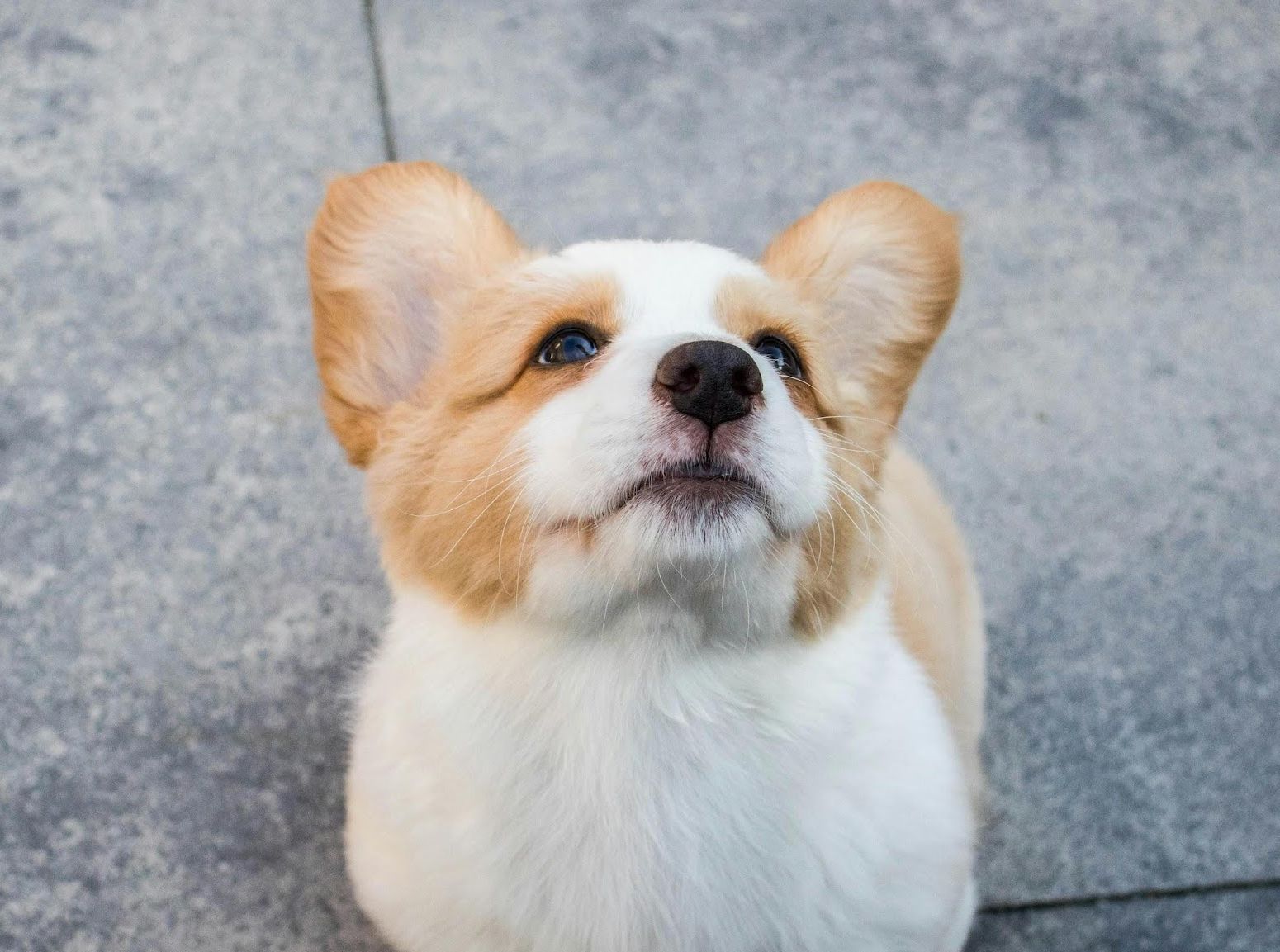

Image: Glenn

Do you love dogs? From royal companions to fearless hunters and from German badger dogs to barkless African hounds, the names of our favorite breeds often hold surprising stories. Whether you’re a fan of the stoic Mastiff, the sassy Poodle, or the majestic Husky, there’s a tale behind each name that might surprise you. Let’s dig in!

1

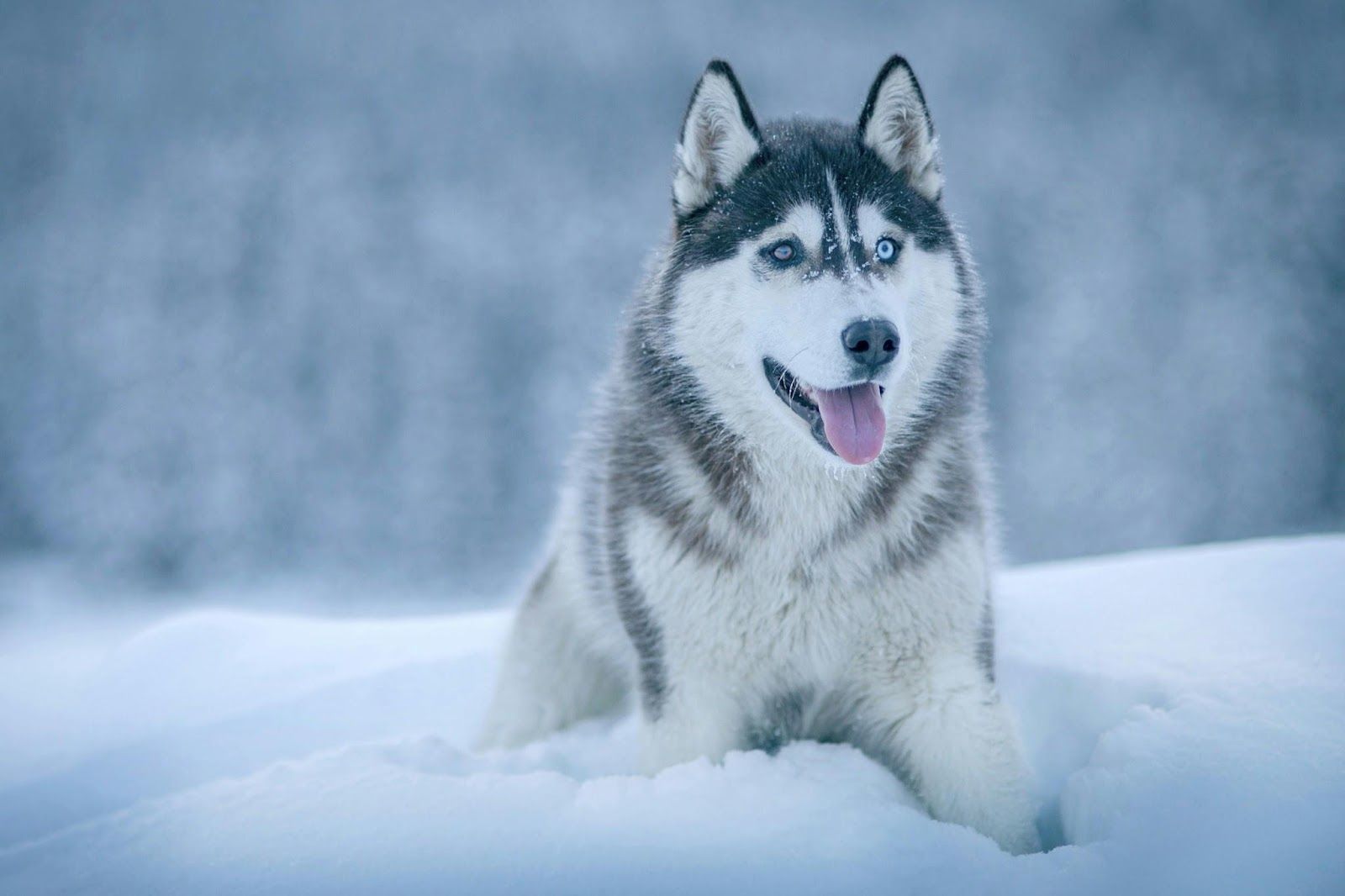
Husky

Image: photo nic

The beautiful, blue-eyed Husky is inseparable from dog-sledding lore. The breed’s name evolved from the word "Eskimo."

English sailors once slurred "Eskimo" into "Uskee" or "Huskemaw," which eventually transformed into "Husky."

2

Dachshund

Image: Alondra Pavón

What’s not to love about wiener dogs? Their original name, however, refers not to their iconic sausage shape but to the purpose for which the breed was developed.

Dachshunds were bred to hunt badgers and other burrowing animals, with their long bodies and short legs making them ideal for digging into tunnels. The name is a German compound of Dachs (badger) and Hund (dog), meaning "badger dog."

3

Schnauzer

Image: Irene

There are three beloved varieties of Schnauzer—miniature, standard, and giant—and each has had its moment in pop culture.

The breed takes its name from its distinctive "mustache" or schnauze (snout) in German, literally meaning "snouter" or "muzzle." Originally, Schnauzers were used as rat-catchers and guard dogs in Germany.

4

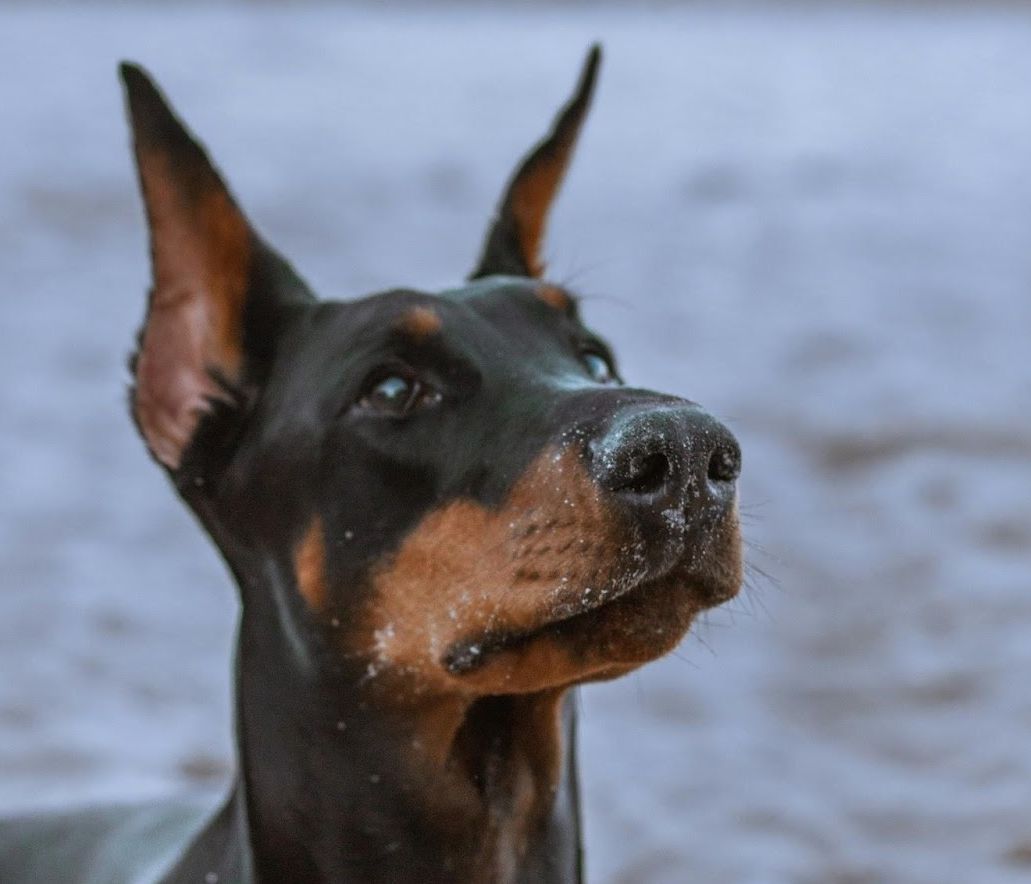
Doberman

Image: Anna Kozakova

Often portrayed as guard dogs or police K-9s in film, Dobermans were named after Karl Friedrich Louis Dobermann, a 19th-century German tax collector who developed the breed as a loyal and protective companion for his dangerous rounds.

5

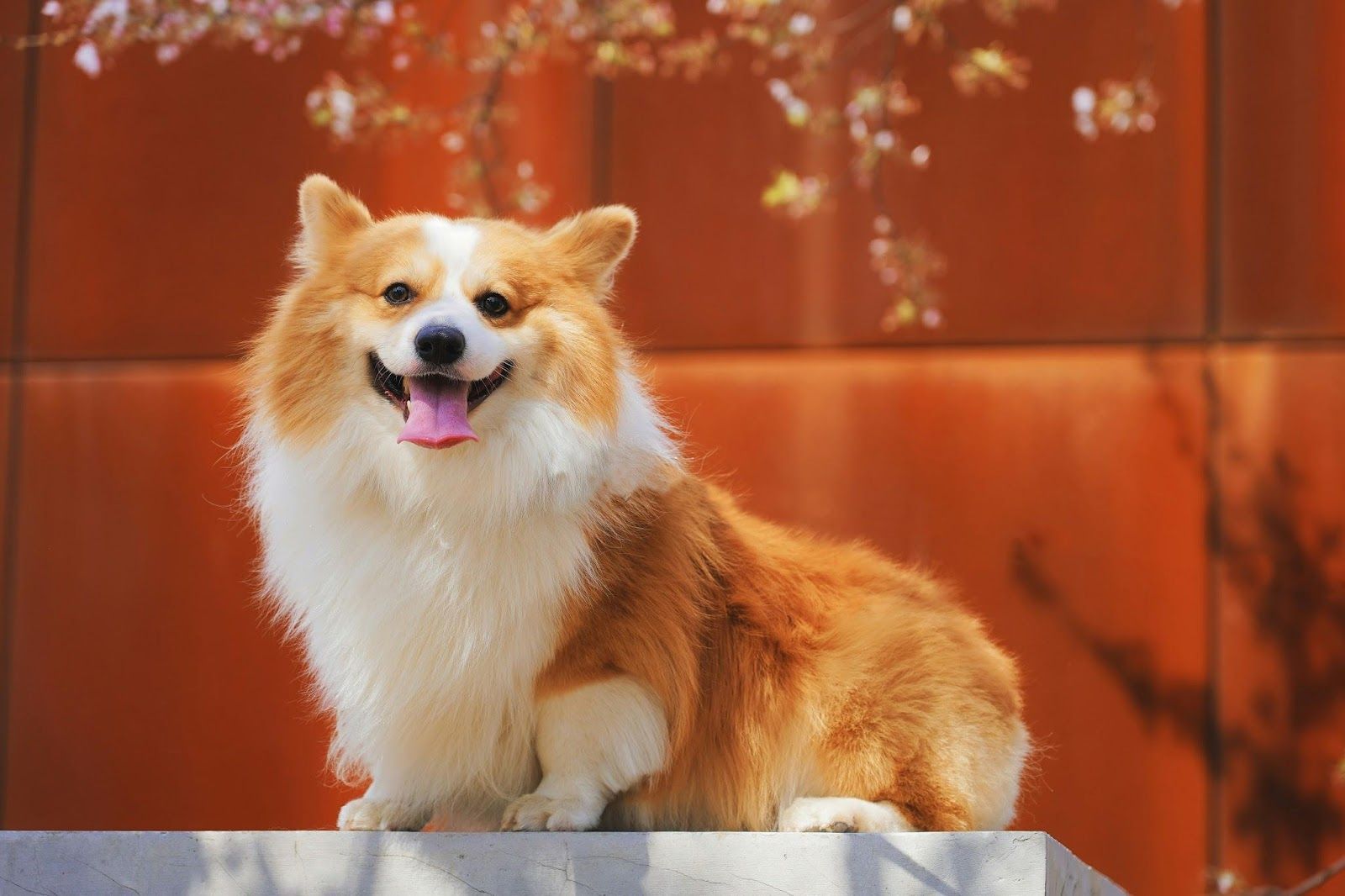
Corgi

Image: Alvan Nee

Queen Elizabeth II’s beloved Welsh Corgis made the breed internationally famous. In Welsh, cor means "dwarf" and gi (a soft mutation of ci) means "dog," so Corgi translates to "dwarf dog." Indeed, the breed originated in Wales, where it was used for herding cattle by nipping at their heels. Over time, Corgis also became a cultural symbol of British royalty.

6

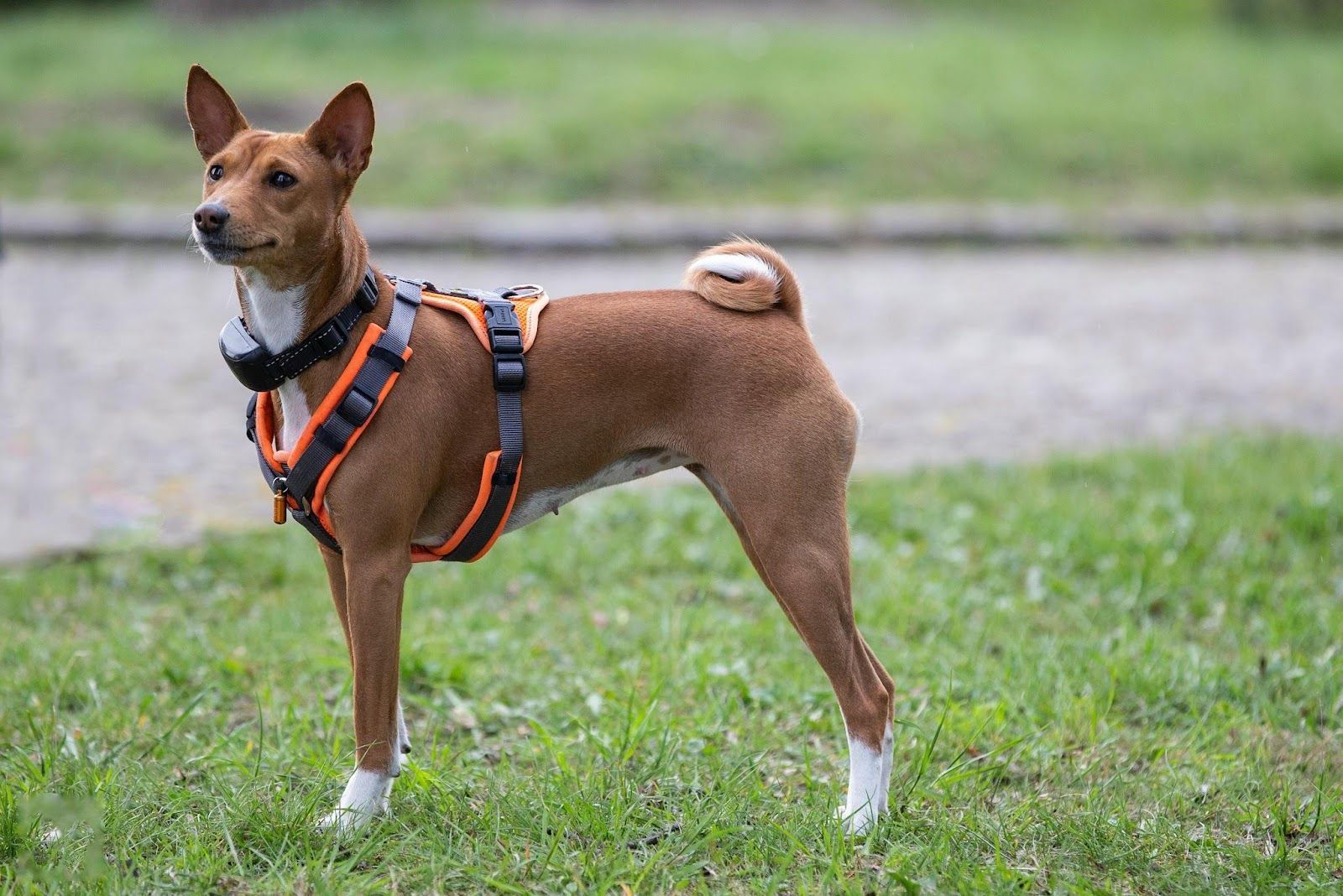
Basenji

Image: TomasHa

Known as the "barkless dog" of Central Africa—because of its unique larynx structure, which produces a yodel-like sound (baroo) instead of a bark—the name "Basenji" comes from a Bantu language and roughly translates to "village dog" or "bush thing." The breed is ancient and was used for hunting in the Congo.

7

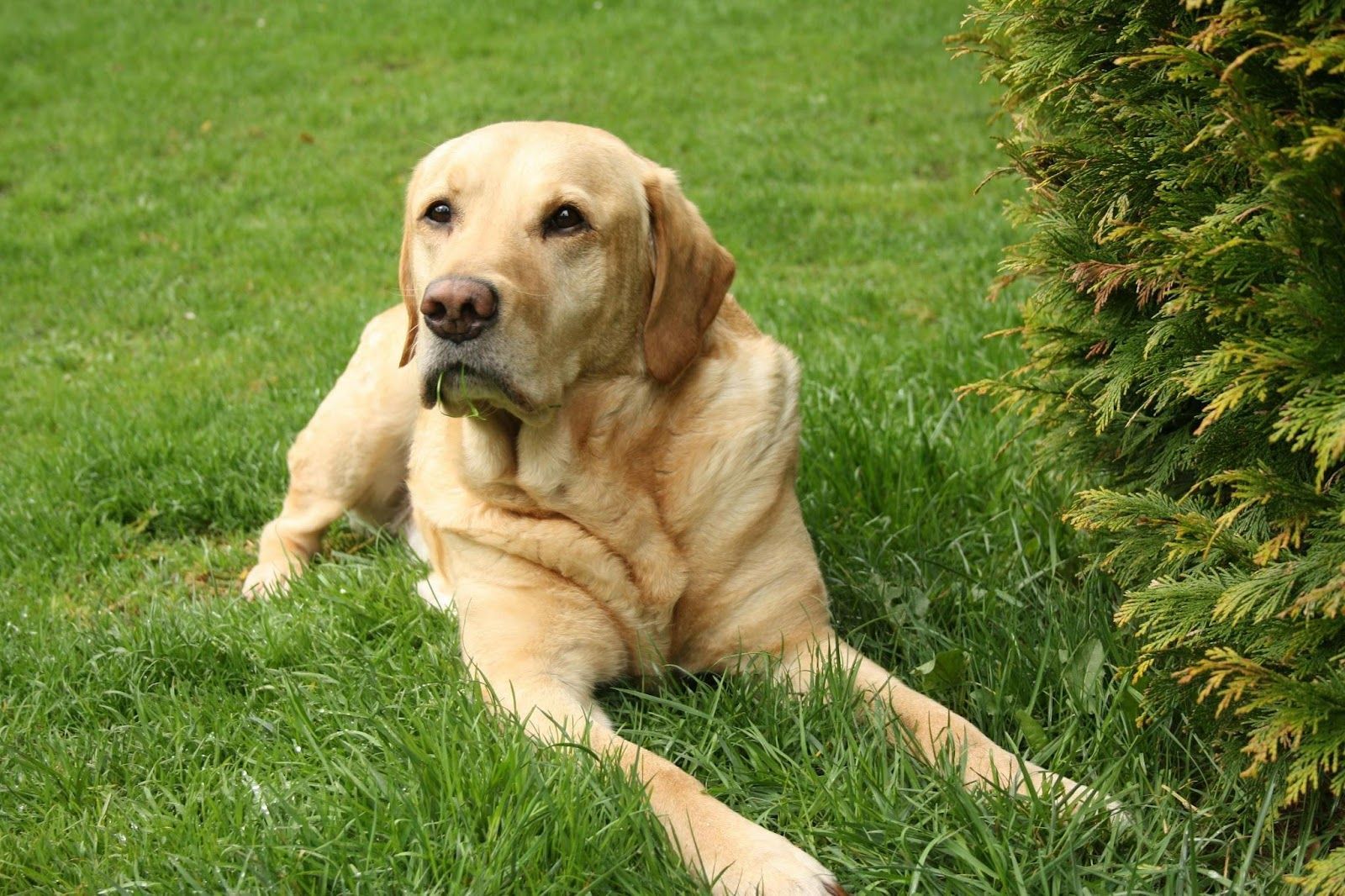
Labrador Retriever

Image: Joshua Köller

Did you know the Labrador Retriever has been America’s most popular dog breed for decades? Despite its name, the breed did not originate in Labrador but in Newfoundland.

It was called "Labrador" because British breeders associated the dogs with the Labrador Sea and the nearby region, while "Retriever" refers to the breed’s role in hunting.

8

Golden Retriever

Image: Justin Aikin

So, did Golden Retrievers retrieve gold? Short answer: no. Like Labradors, they were bred to retrieve game for hunters, but the "golden" part of their name refers to their beautiful coat.

The breed was developed in Scotland in the 19th century by crossing several breeds to create an obedient, water-loving gun dog.

9

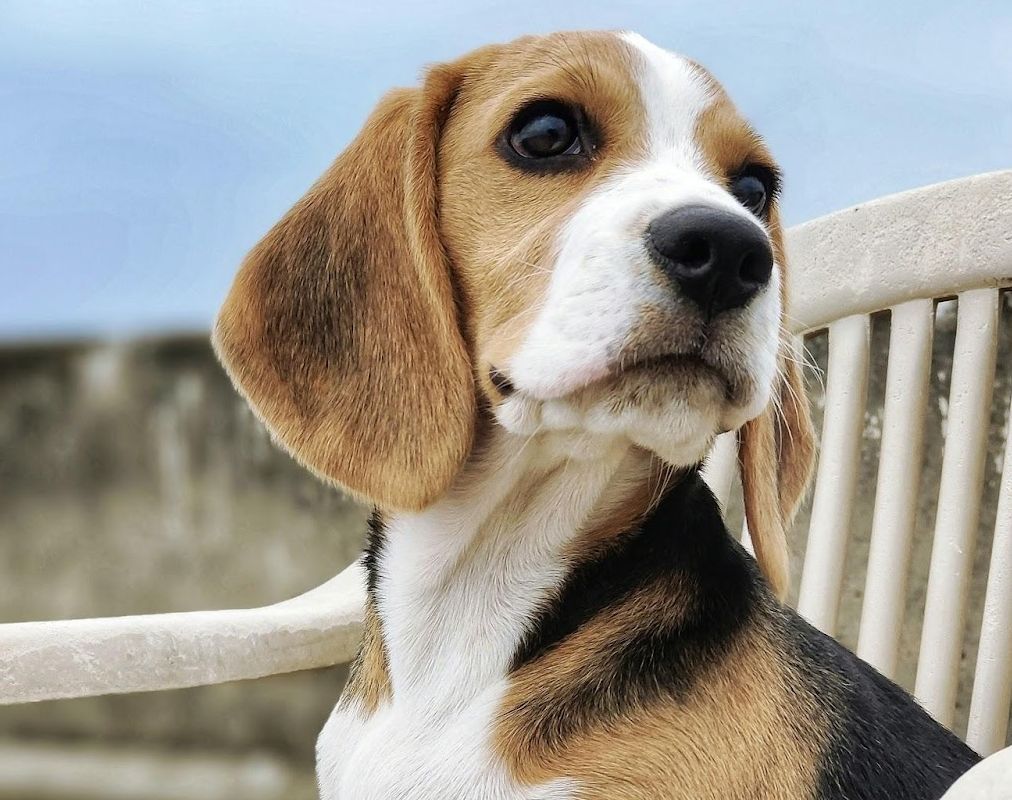
Beagle

Image: Rahul danga

Snoopy is perhaps the most famous Beagle out there, even though we only saw him in black and white.

The origin of this beloved breed’s name is debated. It may derive from the Old French begueule, meaning "open throat," a nod to their baying howls. Others trace it to Celtic or Old English words meaning "small."

10

Poodle

Image: Tra Tran

Always pampered and impeccably groomed! If the term "Poodle" has always reminded you of "puddles," you are not far off. The name comes from the German Pudel or Pudelin, meaning "to splash in water." Poodles were originally bred as water retrievers, so their name reflects this aquatic work.

11

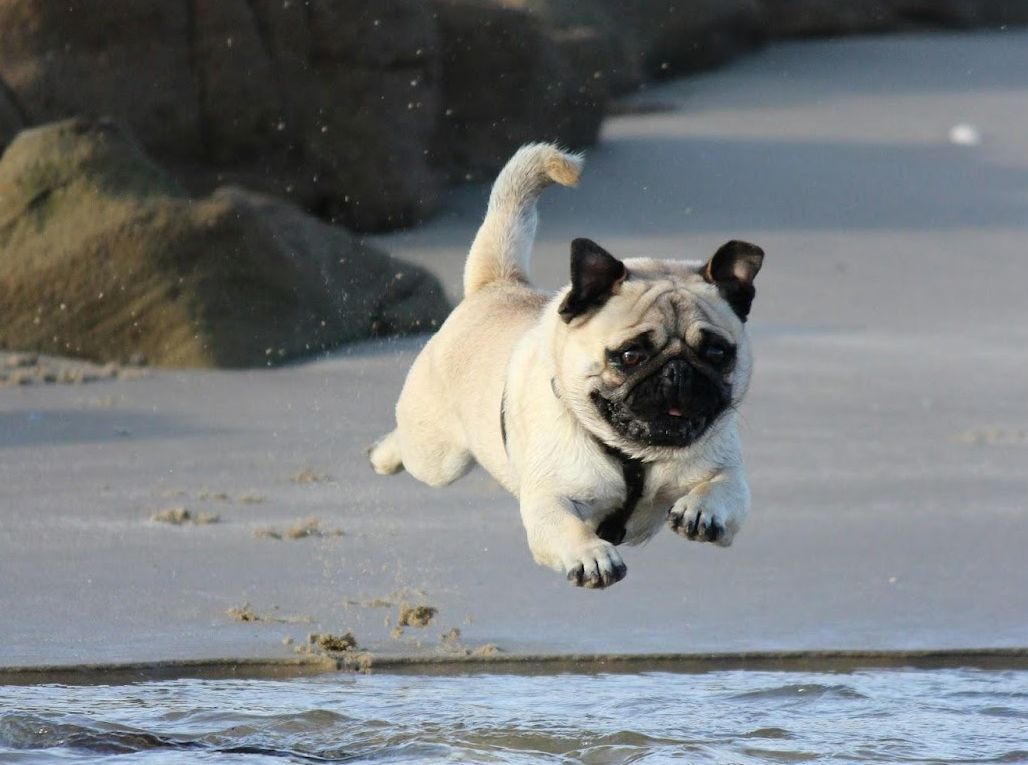
Pug

Image: Bruce Galpin

Pugs’ features and expressive faces have made them a source of comic relief in pop culture. There is no consensus about the origin of their name, however.

Some say that it derives from the Latin pugnus, meaning "fist," perhaps referencing their squished, fist-like face. Others say that in 18th-century England, "pug" was also a term of endearment for something small and compact-looking.

12

Boxer

Image: Jackson Jorvan

Athletic, energetic, and full of protective instincts, Boxers are true family guardians. But why the name?

It is thought to come from the breed’s tendency to use its front paws in play, like a boxer in the ring. Another theory links the name to the German word Boxl, a nickname for the breed in Bavaria.

13

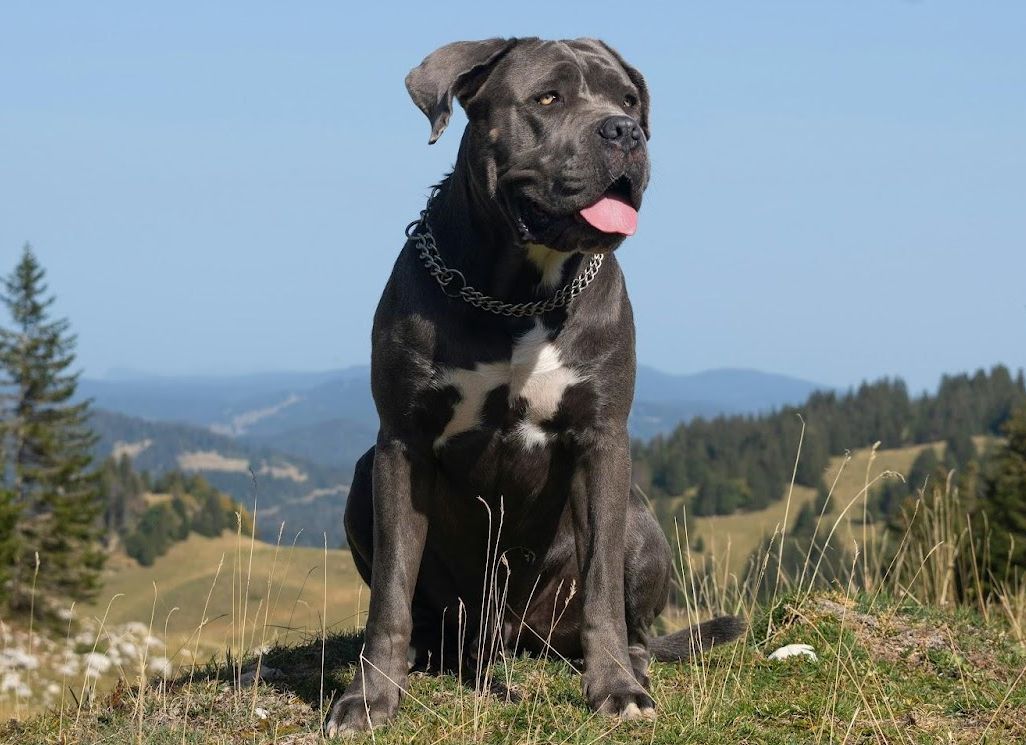
Mastiff

Image: Sophie Hollies 🇨🇭🇫🇷 🇬🇧

As calm and noble as they are huge, Mastiffs were named after the Old French mastin or the Latin mansuetus, meaning "tame" or "domesticated." Despite their imposing size, Mastiffs were bred to guard homes and estates while remaining loyal and gentle with their owners.


Prophetic hits

10 times fiction turned into fact: predictions that became reality


Published on September 11, 2025


Image: Drew Beamer

No one can know what the future holds, but there’s no harm in trying to guess! Throughout history, some people have had a knack for making predictions that, no matter how impossible they seemed at the time, turned out to be true. From robotic assistants to the tragedy of the Titanic, there’s no shortage of eerie predictions that became reality. Here, we’ve gathered 10 of the craziest for your enjoyment!

1

When Mark Twain predicted his own death

Image: Justin Wolff

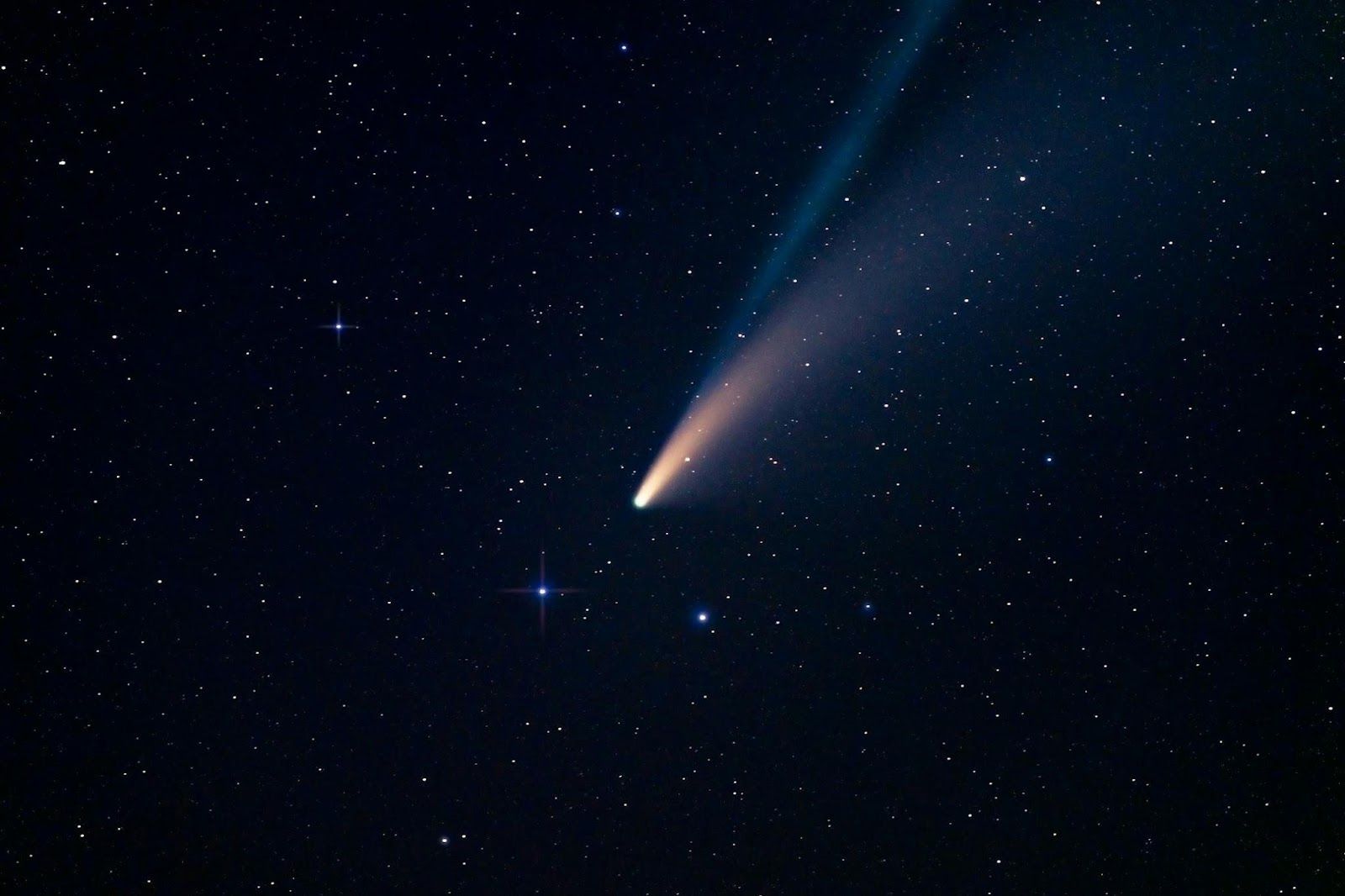
Twain famously predicted his own death. He stated that he would die with Halley’s Comet, which was visible in the sky in 1910. He said, "I came in with Halley’s Comet in 1835. It is coming again next year, and I expect to go out with it." Remarkably, Twain passed away on April 21, 1910, just one day after Halley’s Comet made its closest approach to Earth, making his death one of the most uncanny and accurate personal predictions in history.

2

When Tesla predicted smartphones

Image: Paula Lavalle

Nikola Tesla envisioned a wireless, global communication system that would allow people to transmit voice, images, and information anywhere in the world. In a 1926 interview, he speculated about the future of mobile technology, saying, "When wireless is fully applied, the Earth will be converted into a huge brain, capable of solving the problems of humanity." This prediction is strikingly close to modern smartphones, though the "huge brain" part is a bit more questionable.

3

When Nostradamus nailed the year of the Great Fire of London

Image: Chris Karidis

Nostradamus’s quatrains are often cited as predictions of major events, and one of his verses is believed to foresee the Great Fire of London in 1666. The quatrain reads: "The blood of the just will be demanded of London, burnt by fire in the year ‘66." In fact, the historically infamous Great Fire of London did break out in 1666, devastating much of the city. Though Nostradamus' cryptic style leaves much room for interpretation, this one is as accurate as predictions can get!

4

When Jules Verne predicted the Moon landing

Image: Brian McGowan

Jules Verne’s 19th-century novel From the Earth to the Moon imagined a moon landing, complete with remarkable details such as launching from Florida and returning via splashdown in the ocean. His fictional spacecraft even bore a resemblance to the Apollo command module. To make this even more impressive, in Verne’s time, the idea of actually reaching the Moon was as alien and impossible as it gets! Space travel was purely the stuff of fantasy, and no one had yet conceived of the technology needed to make it a reality.

5

When a novel foretold the sinking of the Titanic

Image: Danting Zhu

In Morgan Robertson’s 1898 novella Futility, a ship called the Titan strikes an iceberg and sinks—all of this obviously sounds eerily familiar, but surprisingly it was written 14 years before the actual Titanic disaster! The many similarities are striking: both ships were deemed "unsinkable" and carried insufficient lifeboats.

6

When H.G. Wells imagined the Atomic Bomb

Image: Dan Meyers

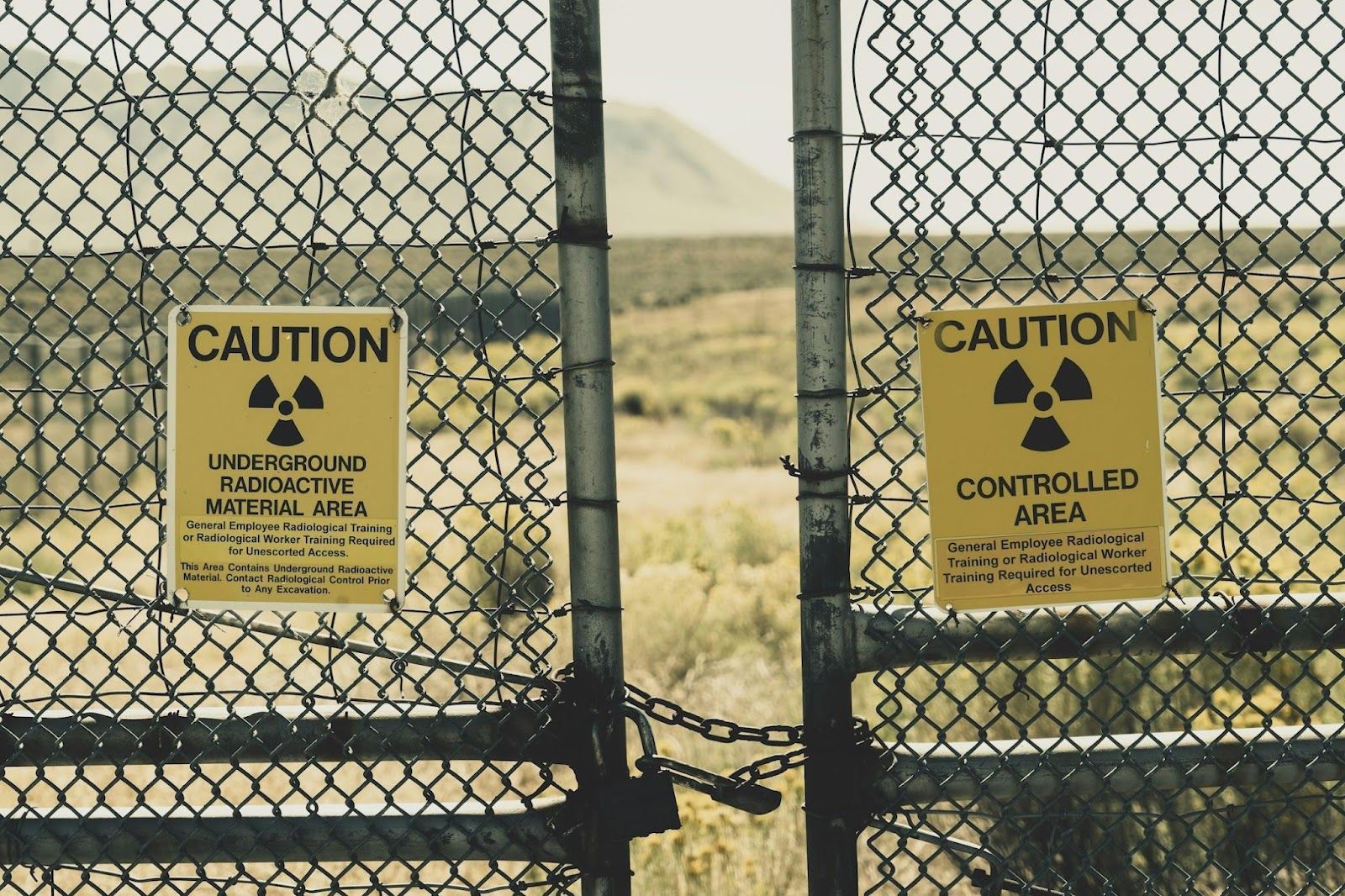
In his 1914 novel The World Set Free, H.G. Wells described a future with "atomic bombs" many decades before their invention. His fictional weapons used radioactive decay to unleash destructive power, in an eerily similar fashion to nuclear weapons. Unsurprisingly, when the first atomic bomb was detonated in 1945, physicists referenced Wells’ work, acknowledging its role in sparking public imagination about the potential and dangers of atomic energy.

7

When 19th-century sci-fi predicted credit cards

Image: Two Paddles Axe and Leatherwork

Edward Bellamy’s 1888 novel Looking Backward envisioned a utopian future in which citizens used a card to access funds from a central bank—a concept that closely resembles modern credit or debit cards, which didn’t emerge until the mid-20th century. While Bellamy’s vision was rooted in fiction, it’s clear he had a very good understanding of how emerging economic trends could shape the distant future.

8

When Mark Twain predicted the Internet

Image: Leon Seibert

Mark Twain certainly had a knack for predicting the future. Not content with foreseeing the date of his own death, he also described a global "telectroscope" network that connected people instantly across the world—a concept we now easily recognize as an early imagining of the internet.

9

When a silent film predicted video calls

Image: Chris Montgomery

The silent 1927 film Metropolis featured a video phone, many years before such technology was even considered possible. This futuristic device envisioned real-time, face-to-face communication, remarkably similar to how video calls work today. The film captured early 20th-century optimism about technological progress, highlighting how fiction can inspire real-world innovation.

10

When Asimov predicted AI

Image: Possessed Photography

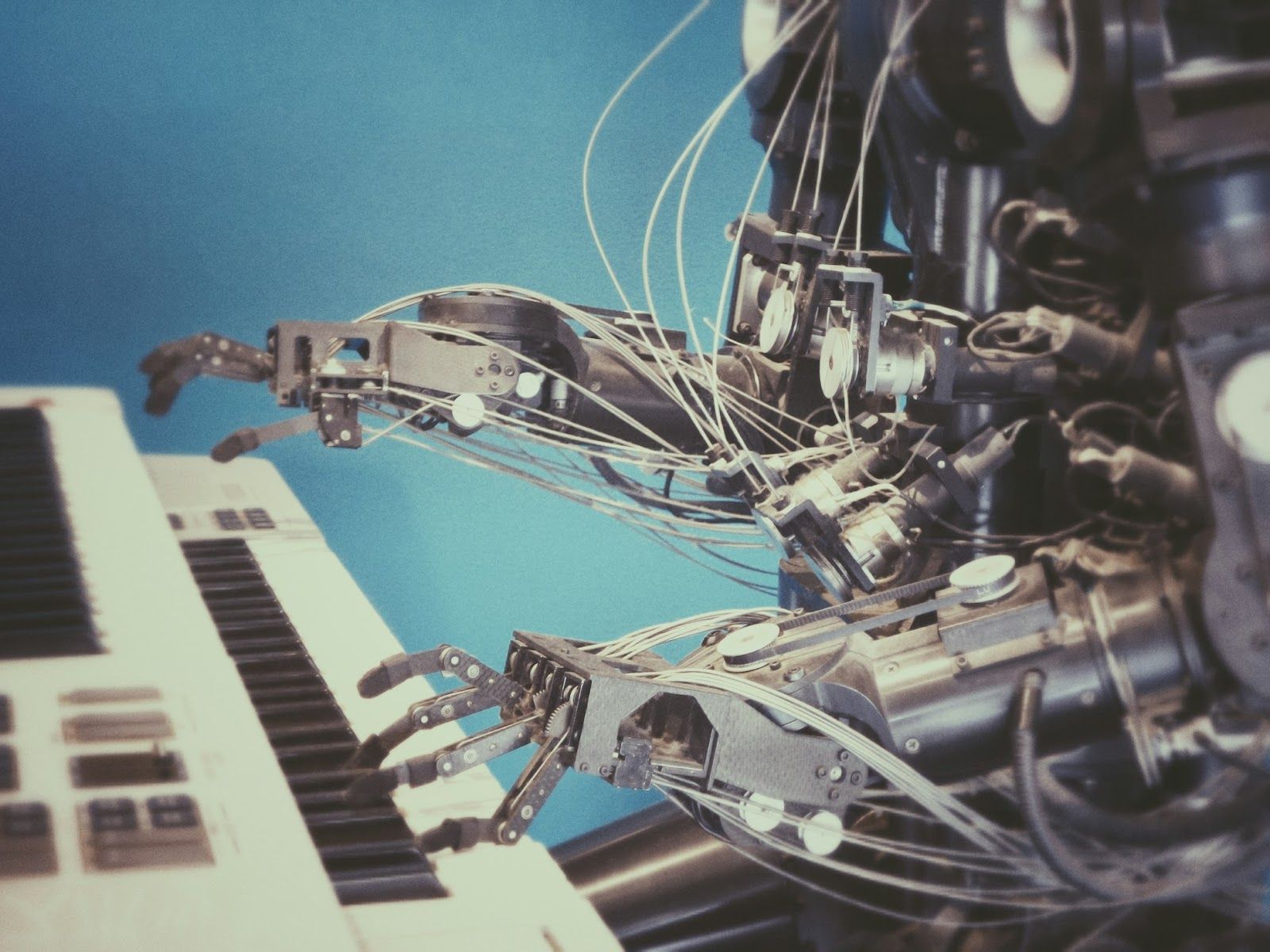
In Asimov’s I, Robot (1950), he envisioned a world where robots worked alongside humans, governed by ethical guidelines such as the famous "Three Laws of Robotics." While we aren’t quite there yet, the issues and concepts Asimov introduced continue to resonate today. His work not only anticipated the potential of artificial intelligence but also sparked ongoing ethical debates about AI development and the complexities of integrating advanced technology into society.

Looking for an extra scoop of literary fun?

Learn more with our Word of the day

dichotomy

/daɪˈkɑdəmi/