The secret language of restaurants

What happens to the uneaten restaurant food? Discover the truth


Published on November 3, 2026
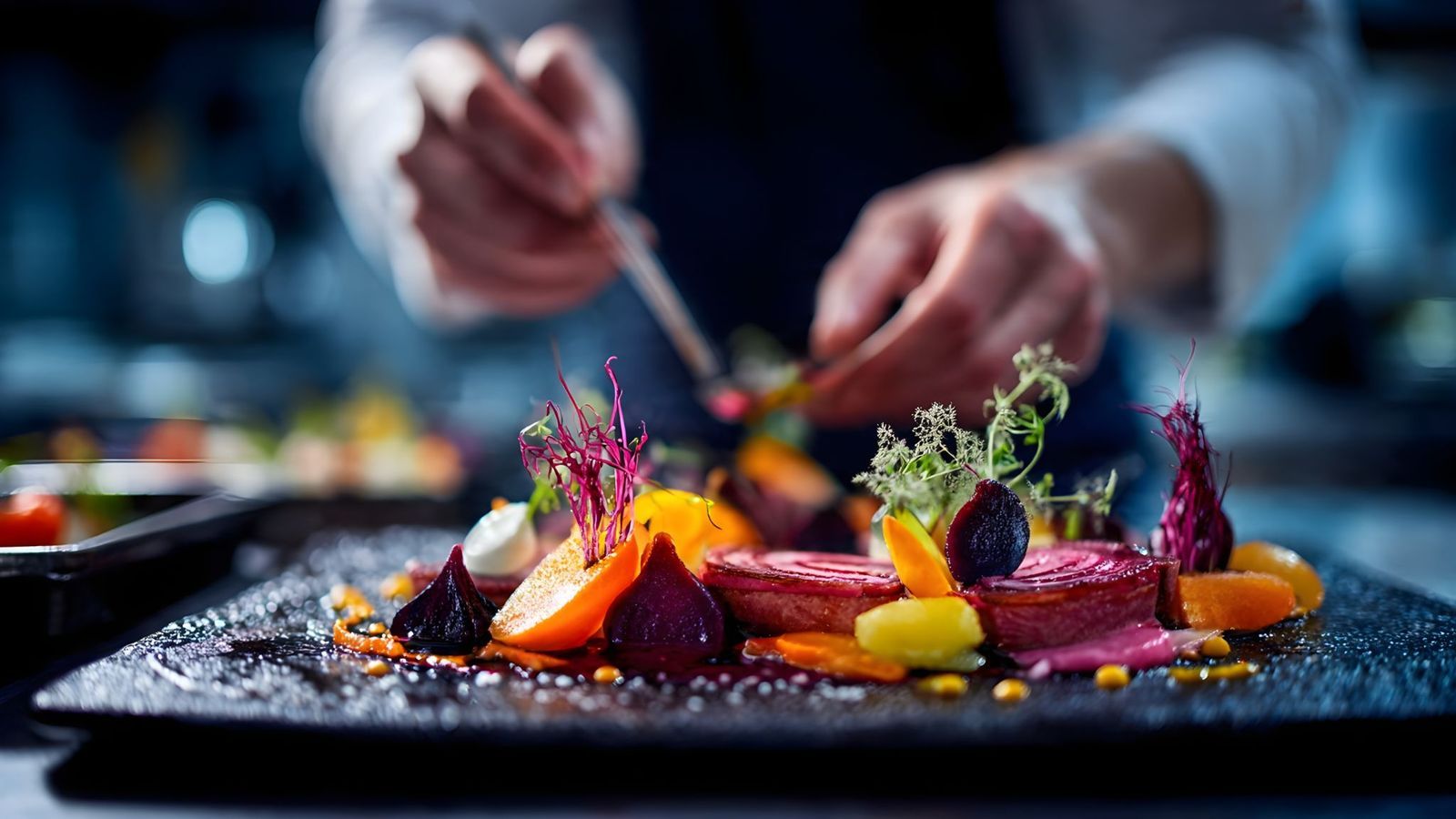

Image: Shutterstock

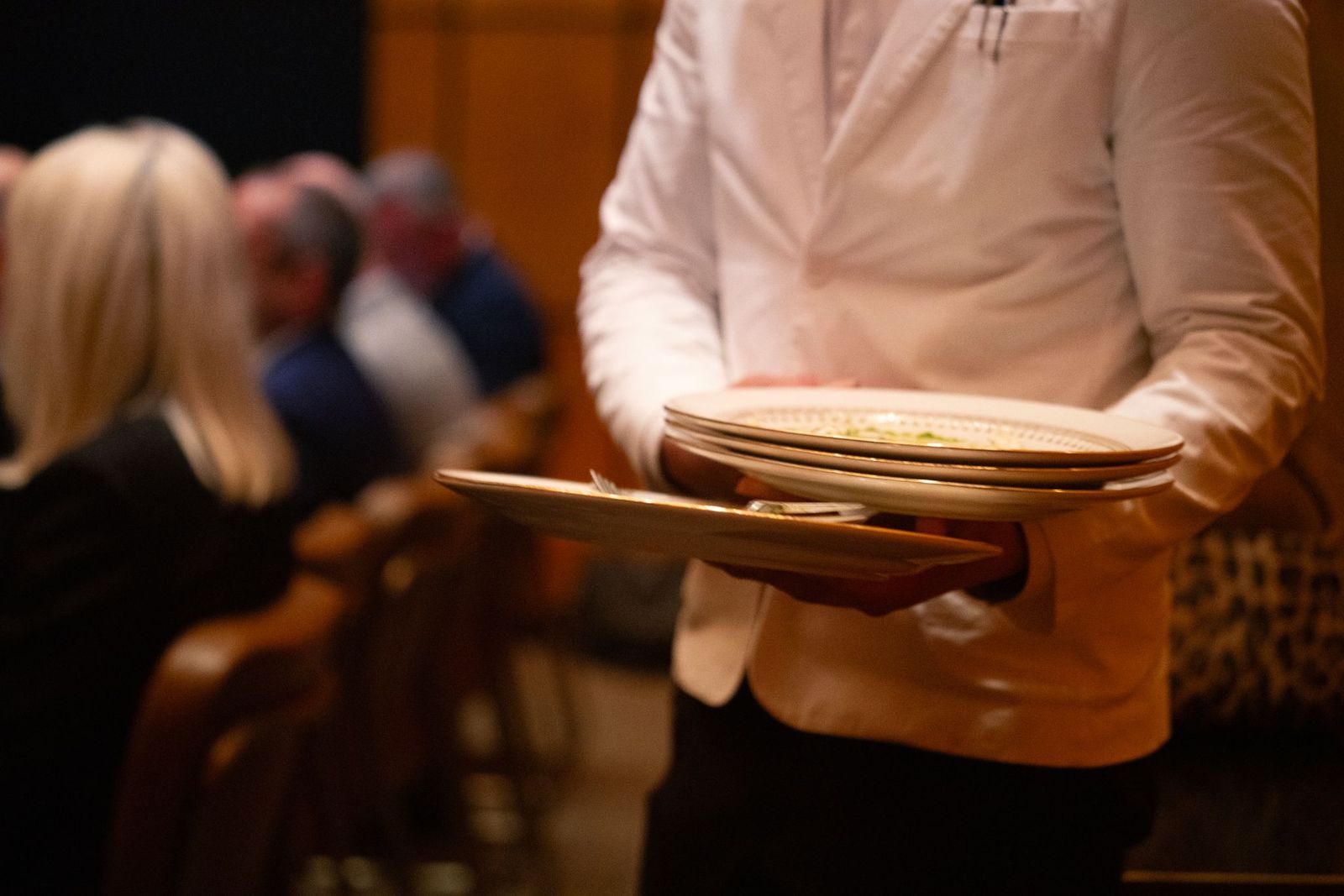
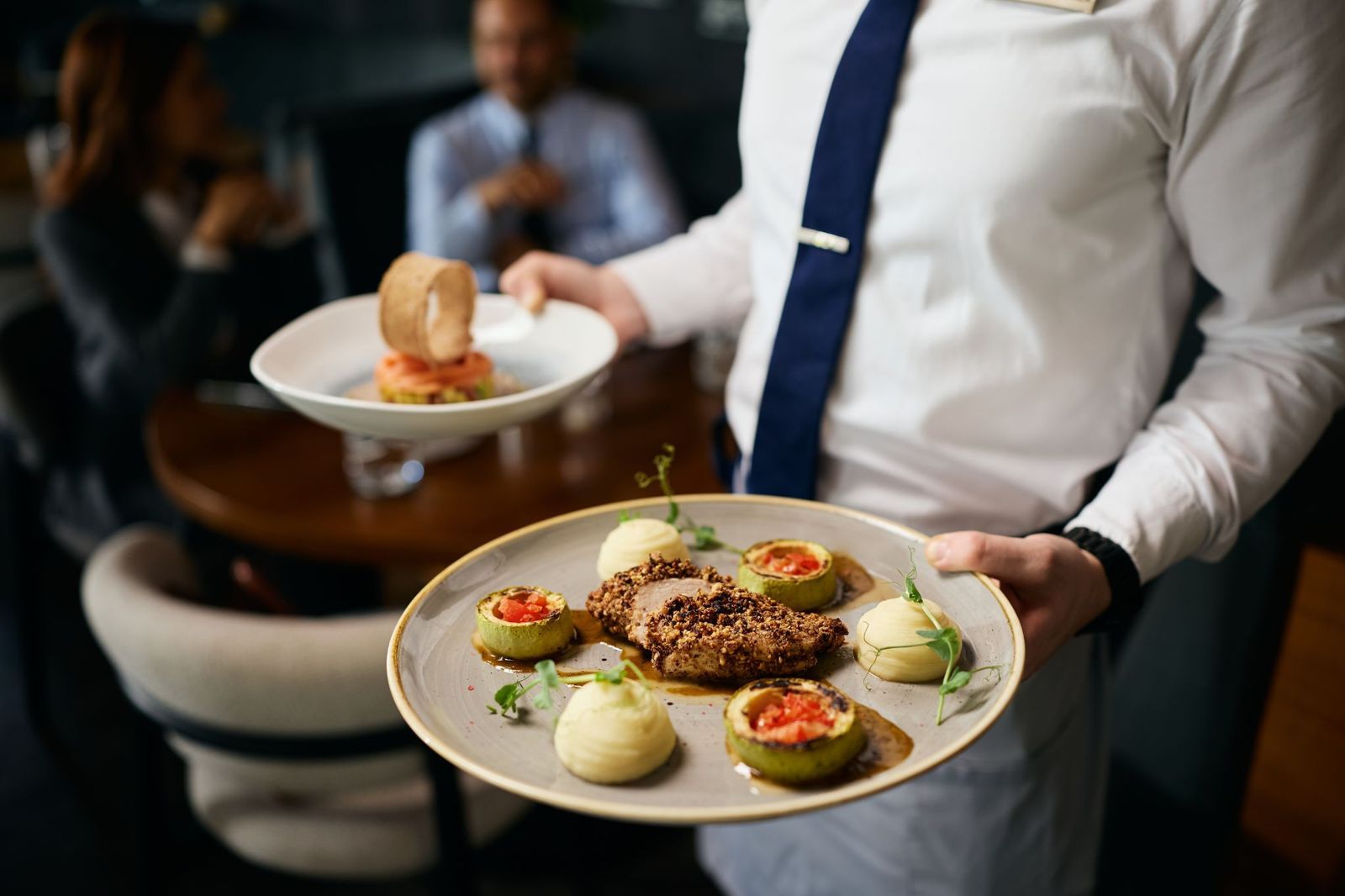
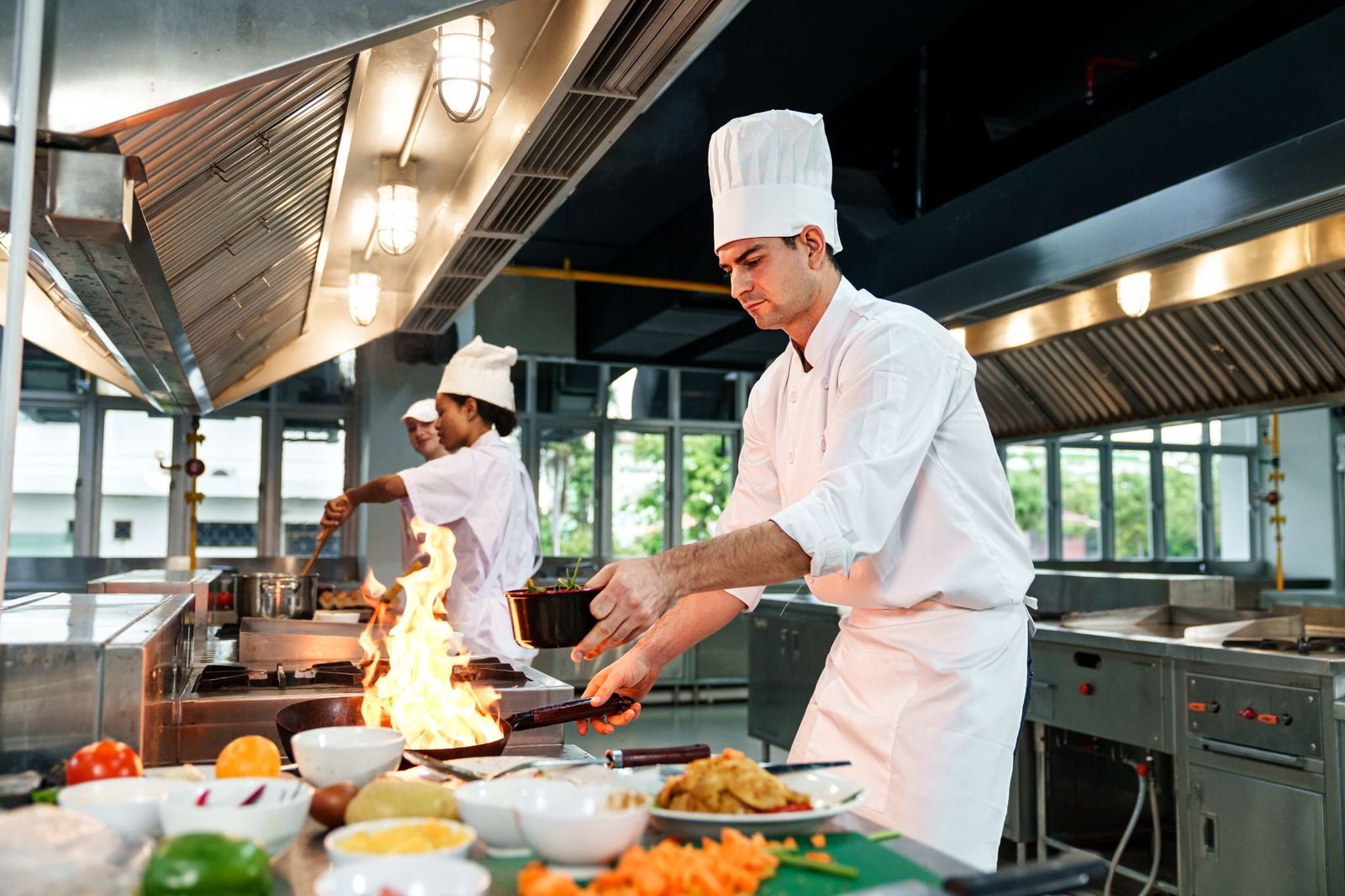
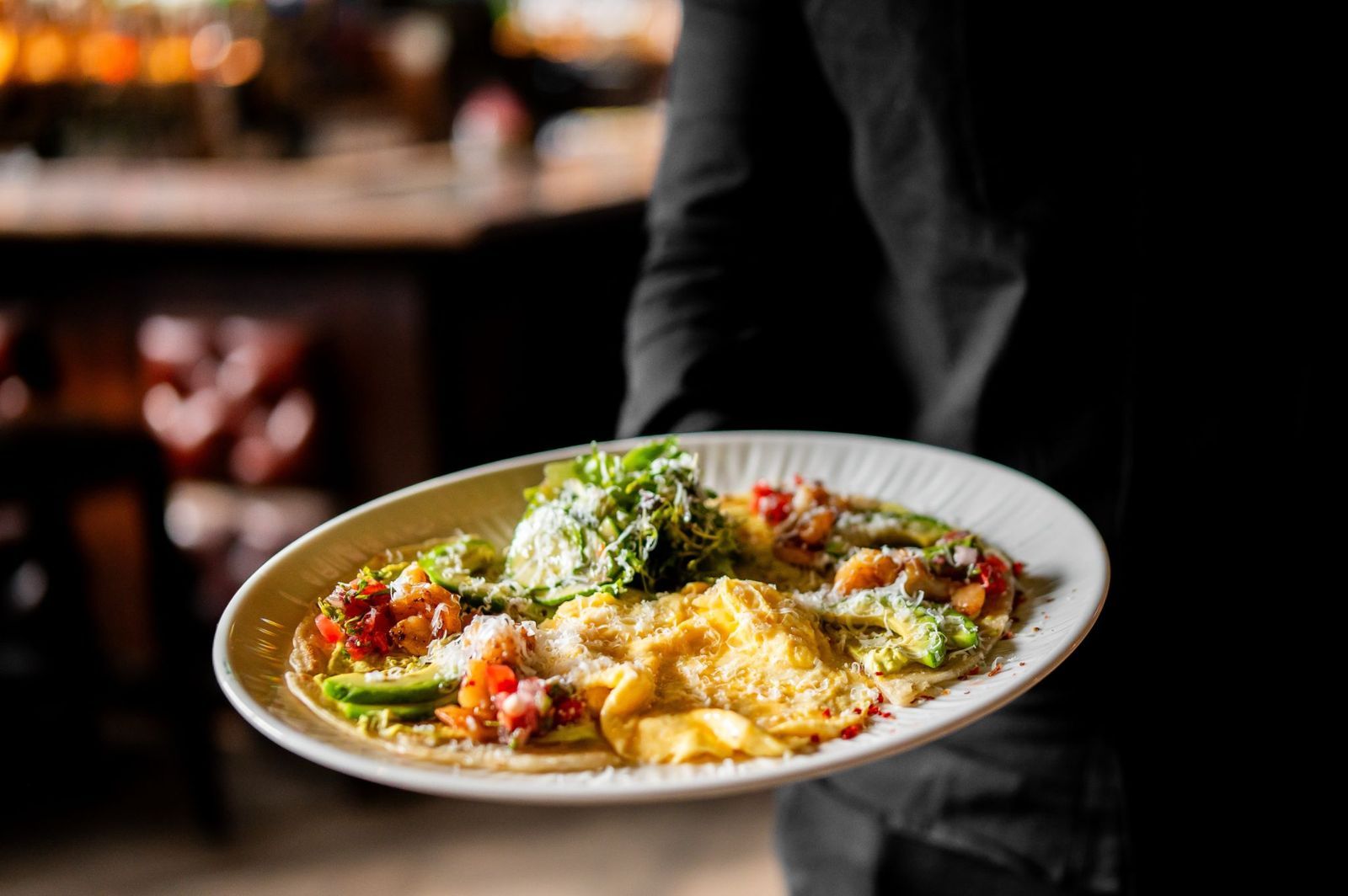
The restaurant business has developed its own slang to simplify communication between coworkers and keep customers undisturbed. But when you hear servers yelling words like "86," "kill it," or "fire it up," it's only natural to feel intrigued. Have you ever heard that a table was full of "campers"? Or that a meal was considered "dead food"? Keep reading and discover which meanings lie behind those enigmatic terms.

1

"86"

Image: Shutterstock

The term "86" sounds like a secret agent’s moniker or a code used to set a major event in motion. But when someone shouts "86" to alert the servers behind the bar, the image changes drastically. Nothing worthy of a James Bond movie will happen after the code is spoken; it simply means someone won’t get the dish they ordered. In restaurant speak, "86" means something can no longer be sold because the restaurant has run out of it.

2

"Fire"

Image: Shutterstock

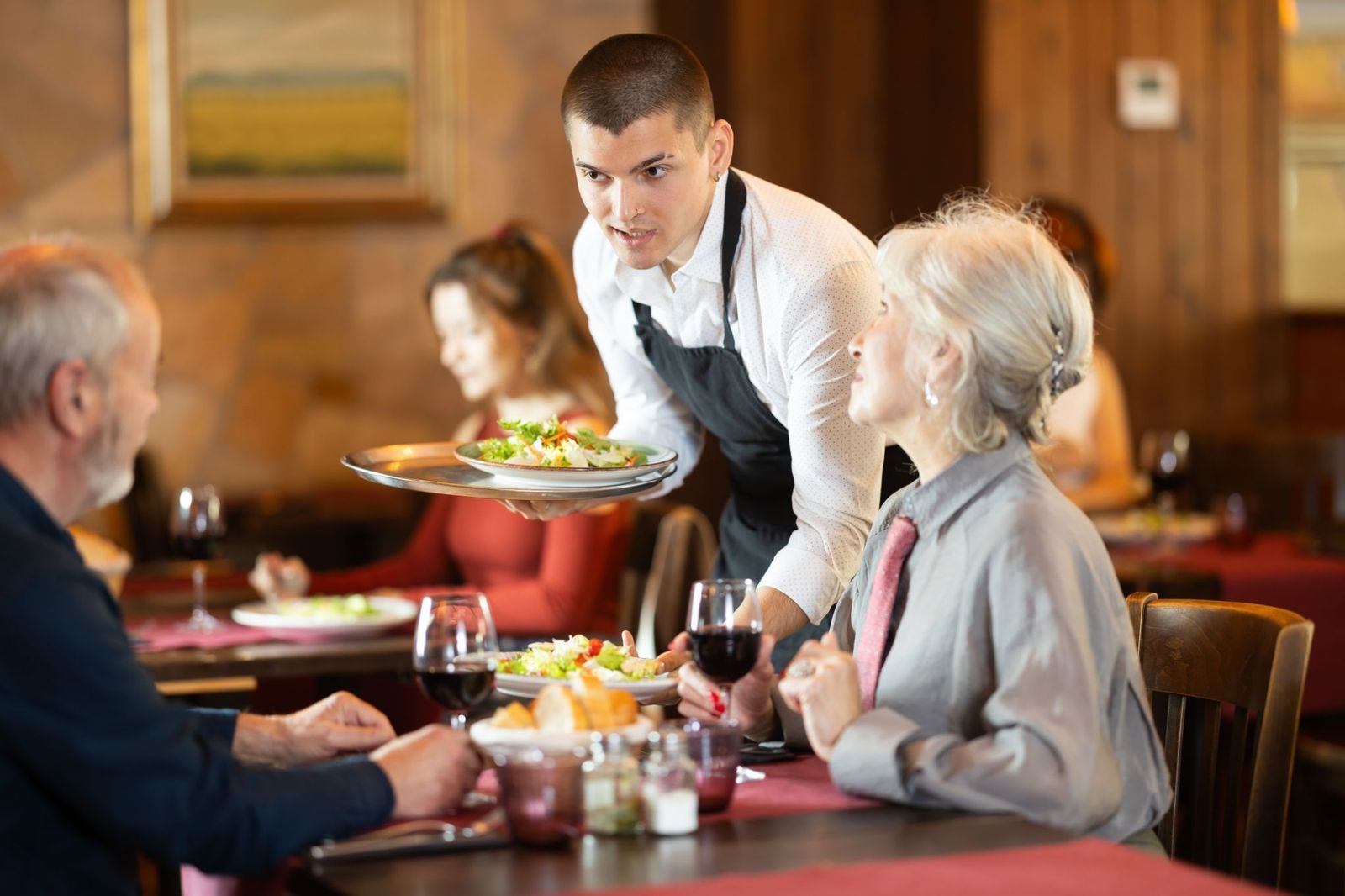
You know when you order an appetizer, a main course, and coffee all at once, but each one arrives at a different point in the meal? That happens because the server may send the entire order to the kitchen at once, but the cooks don’t start preparing each course until they are told to "fire" it. This way, the food stays fresh, and the cooks can follow an order that matches each table's pace.

3

"Kill it"

Image: Shutterstock

The kitchen is told to "kill" a meal when the customer wants it more cooked. In most cases, it refers to an extra well-done steak, but it’s also used for chicken, fish, vegetables, or anything the customer wants to dry.

4

"Campers"

Image: Shutterstock

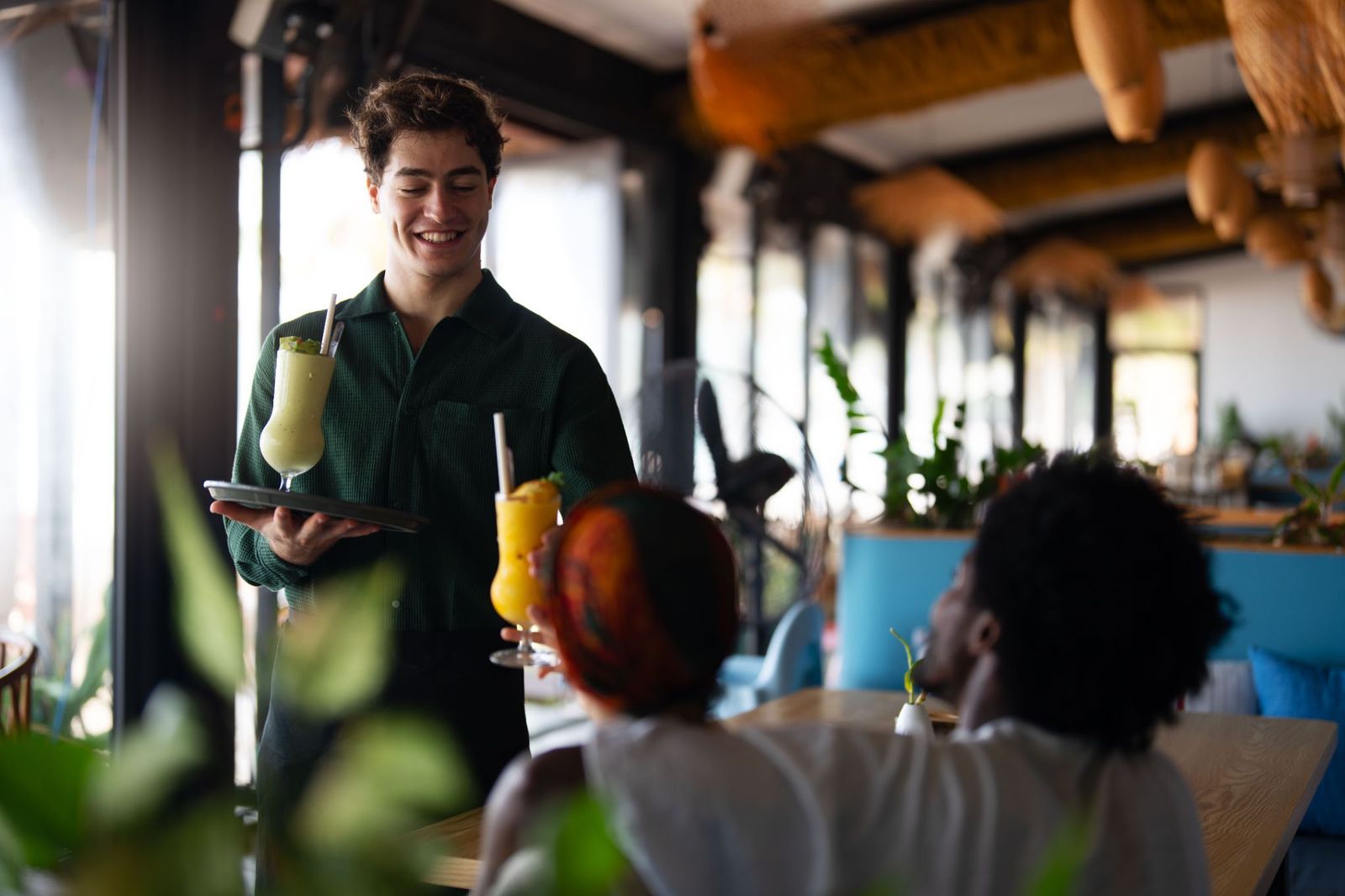
You finished dessert about 30 minutes ago, but you’re still chatting with a coworker, friend, or family member. Servers keep stopping by to ask if you would like anything else, but you keep saying you’re fine. You don’t ask for the check, either.

In these situations, staff may start thinking of customers as "campers" because they are practically camping at the table. Of course, it depends on the restaurant’s atmosphere and style, but servers still have to look after the table even when no one is ordering anything.

5

"Dead food"

Image: Shutterstock

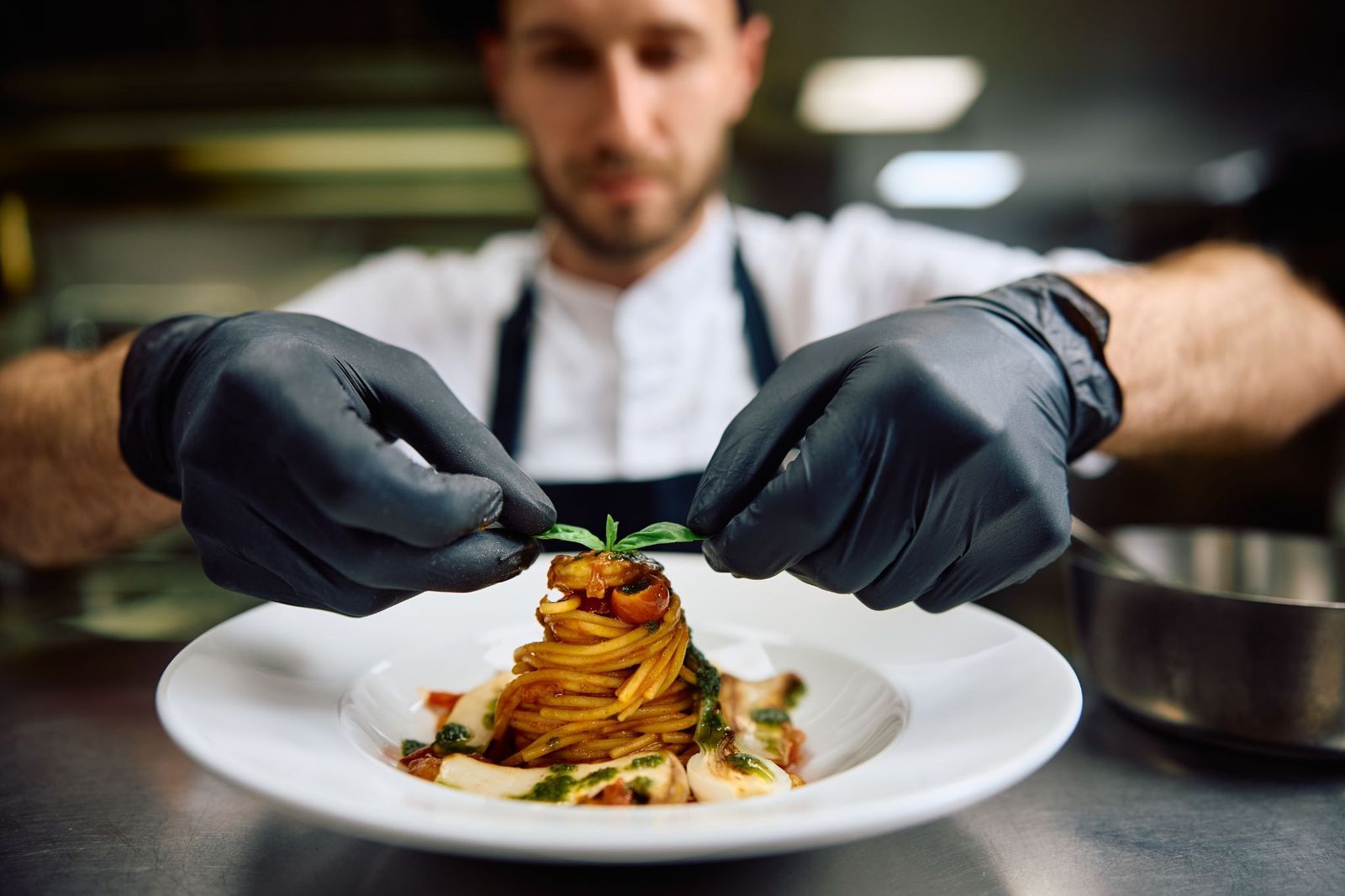
In kitchen slang, "dead food" or "dead plate" is the one that comes back to the kitchen because it was made with the wrong ingredients, cooked by mistake, or abandoned because the order changed. Since no customer will claim it and it can’t be sold either, it automatically becomes the staff’s favorite dish.

6

"Comp"

Image: Shutterstock

"Comp" refers to a complimentary meal or drink provided to a customer at no charge. It’s a common practice, and usually a strategic decision made to resolve a complaint, reward a loyal customer, or promote a menu item. The goal is to make sure the customer leaves with a positive overall experience and, in the best cases, forgets the trouble they had.

7

"In the weeds"

Image: Shutterstock

Being "in the weeds" means a restaurant worker is buried in tasks and too far behind to catch up. Employees use this phrase to communicate that they are completely overwhelmed.

This usually happens to a server or cook when the restaurant is short-staffed, there is a sudden rush of customers, or there are too many complicated orders or special requests.

8

"On the fly"

Image: Shutterstock

Picture what happens when a server forgets one order at a table. When he realizes his mistake, the meal has to be prepared twice as fast while meeting the same quality standards.

The term "on the fly" comes into play here. It usually disrupts the kitchen's order and is used when an order has been forgotten or needs last-minute changes.

9

"All day"

Image: Shutterstock

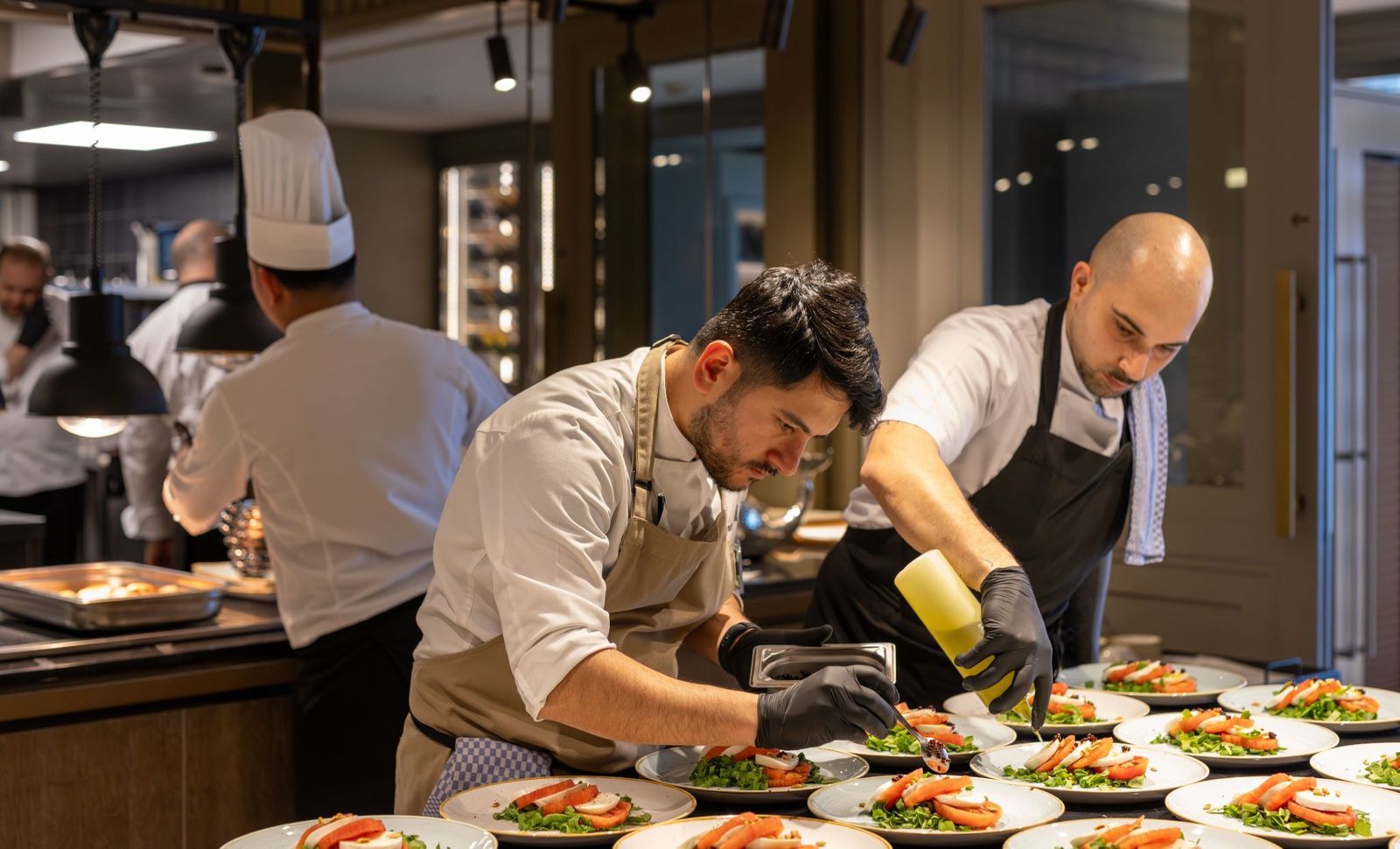
"All day" refers to the total number of a particular dish that needs to be prepared across all current orders. For example, if one table orders two burgers and another orders three, the chef may call out, "Five burgers all day." This gives the cooks a quick total without making them check every ticket. Once the dishes are prepared and sent out, they are removed from the count.

10

"Behind!"

Image: Shutterstock

This word has probably saved more lives than expected. It is a safety word used between co-workers; when someone calls "behind", it is letting the other know he’s standing or walking directly behind him. They usually yell it when they’re carrying hot pans or sharp knives, so nobody turns around or backs up too fast.
Tools of yore

You won’t believe where these 10 everyday items really came from


Published on November 3, 2026


Image: Europeana

Modern life depends on a surprising number of ancient or overlooked inventions. From common kitchen tools to office supplies, many everyday items have roots buried deep in history. Some were invented by accident, others by necessity—but most have a backstory you’ve likely never heard. Here are 10 objects you use regularly that carry a legacy most people forget.

1

Scissors

Image: Matt Artz

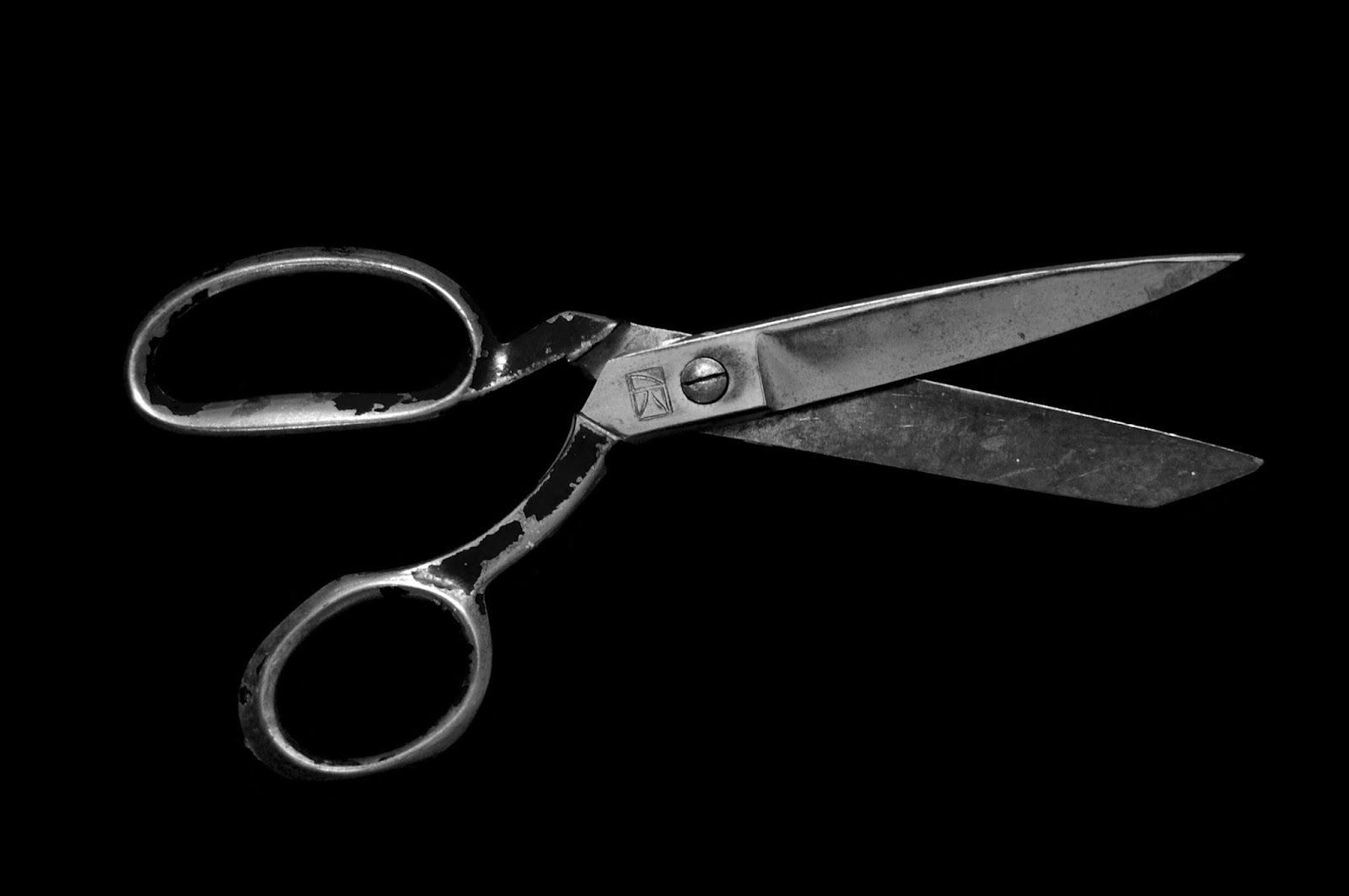
Invented in ancient Egypt around 1500 BCE, the earliest scissors were made of bronze and operated with a spring mechanism.

The modern pivoted scissors, as we know them today, appeared in Rome around 100 CE. Leonardo da Vinci even improved their design while using them for fine arts and tailoring.

2

Paperclip

Image: Patrick Ladner

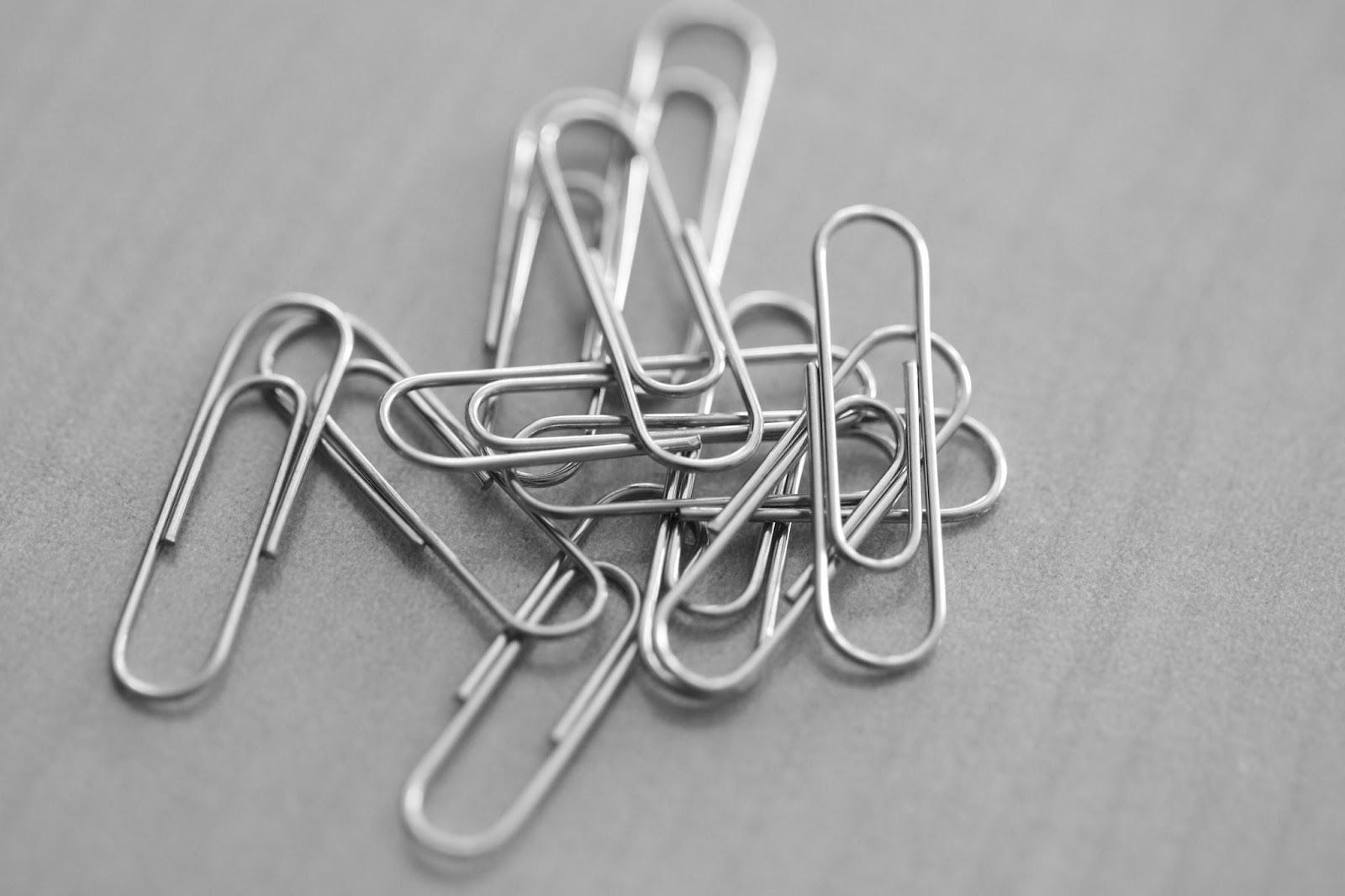
The paperclip was never patented for its most iconic shape—the Gem clip—because it was already in commercial use before its design could be protected.

Invented in the late 19th century, the paperclip's rise paralleled the spread of mass bureaucracy. During WWII, Norwegians wore them as symbols of resistance against the Nazis, defying a ban on national symbols.

3

Toothbrush

Image: Diana Polekhina

The first bristle toothbrush originated in China during the 15th century, featuring hog hair bristles set into bamboo or bone handles.

Mass production in the West didn’t happen until 1780, when Englishman William Addis created one in prison, of all places. Nylon bristles only appeared in 1938, giving us the modern version still used today.

4

Zipper

Image: Nina Cuk

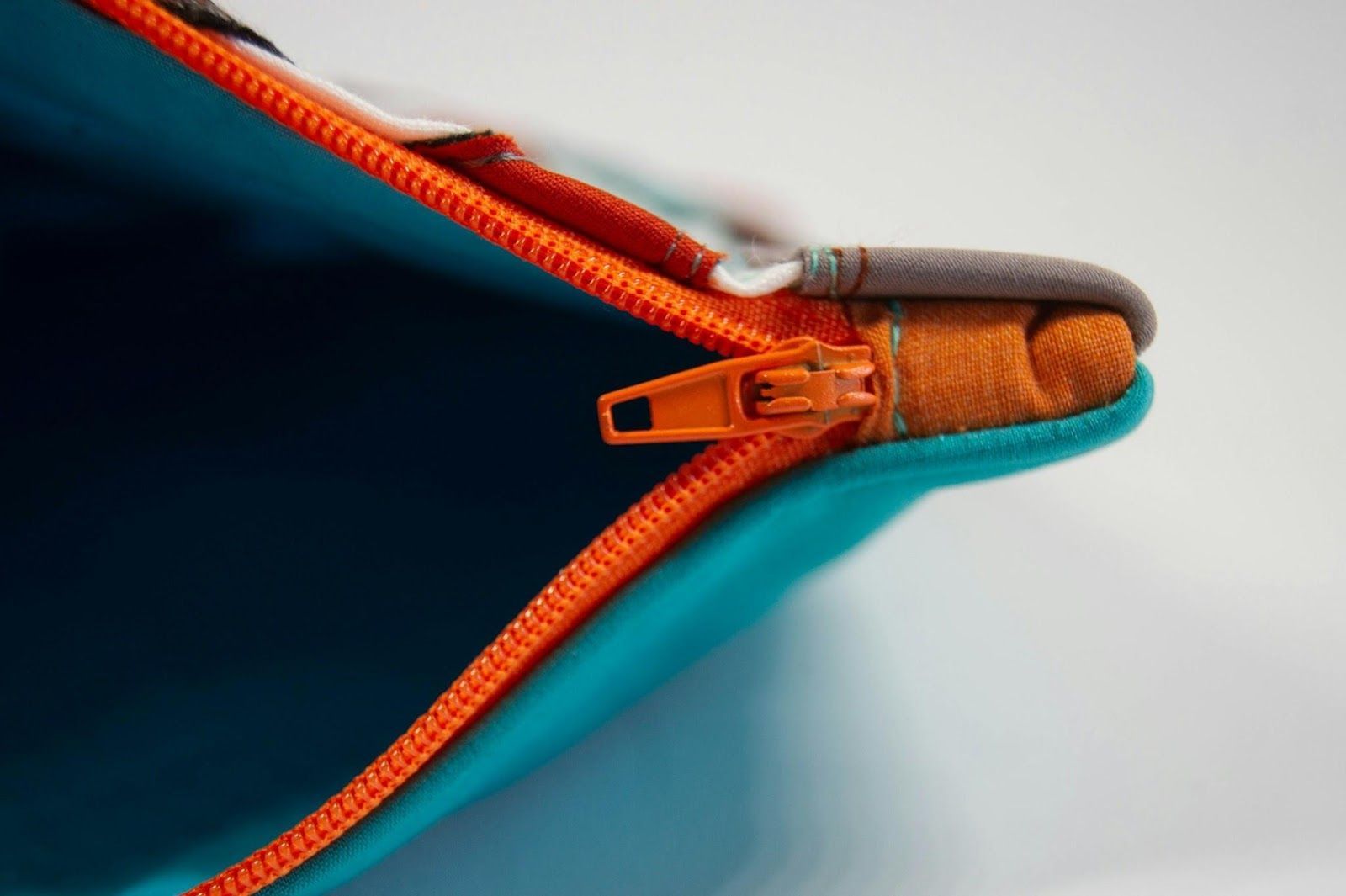
The zipper began as a "clasp locker" in 1893, designed by Whitcomb Judson to fasten shoes.

It wasn't until 1913 that Gideon Sundback refined the mechanism into what resembles the zipper we use today. It caught on after being used in military gear and was later popularized in fashion by designers like Elsa Schiaparelli.

5

Fork

Image: Prayag Tejwani

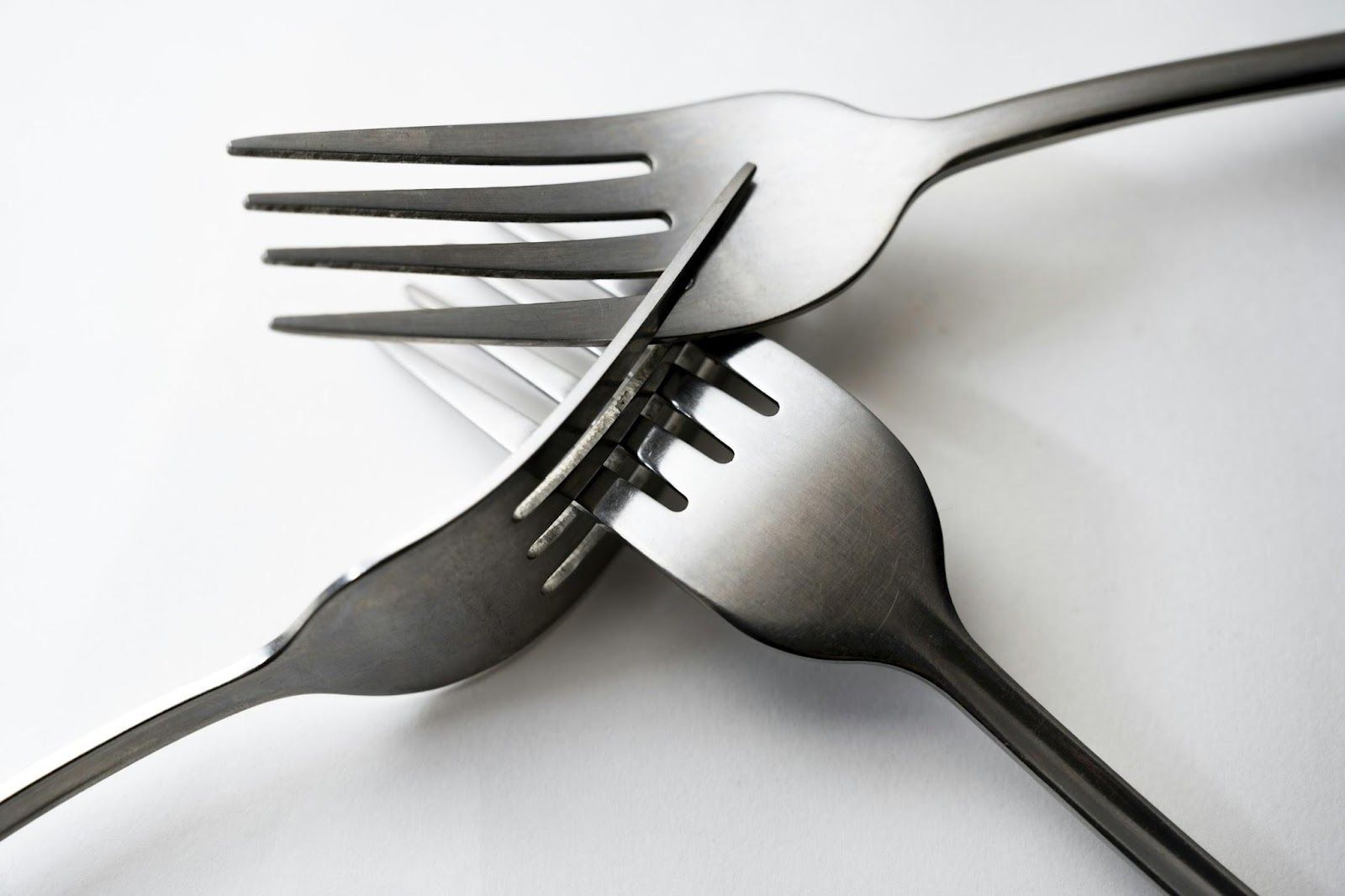
Forks were once considered scandalous. Introduced to Europe by Byzantine royalty in the 11th century, they were mocked for being "effeminate."

Consequently, their adoption was slow. By the 17th century, forks became standard at aristocratic tables in Italy and France, but didn’t become common in England or America until the 18th century.

6

Can Opener

Image: Calle Macarone

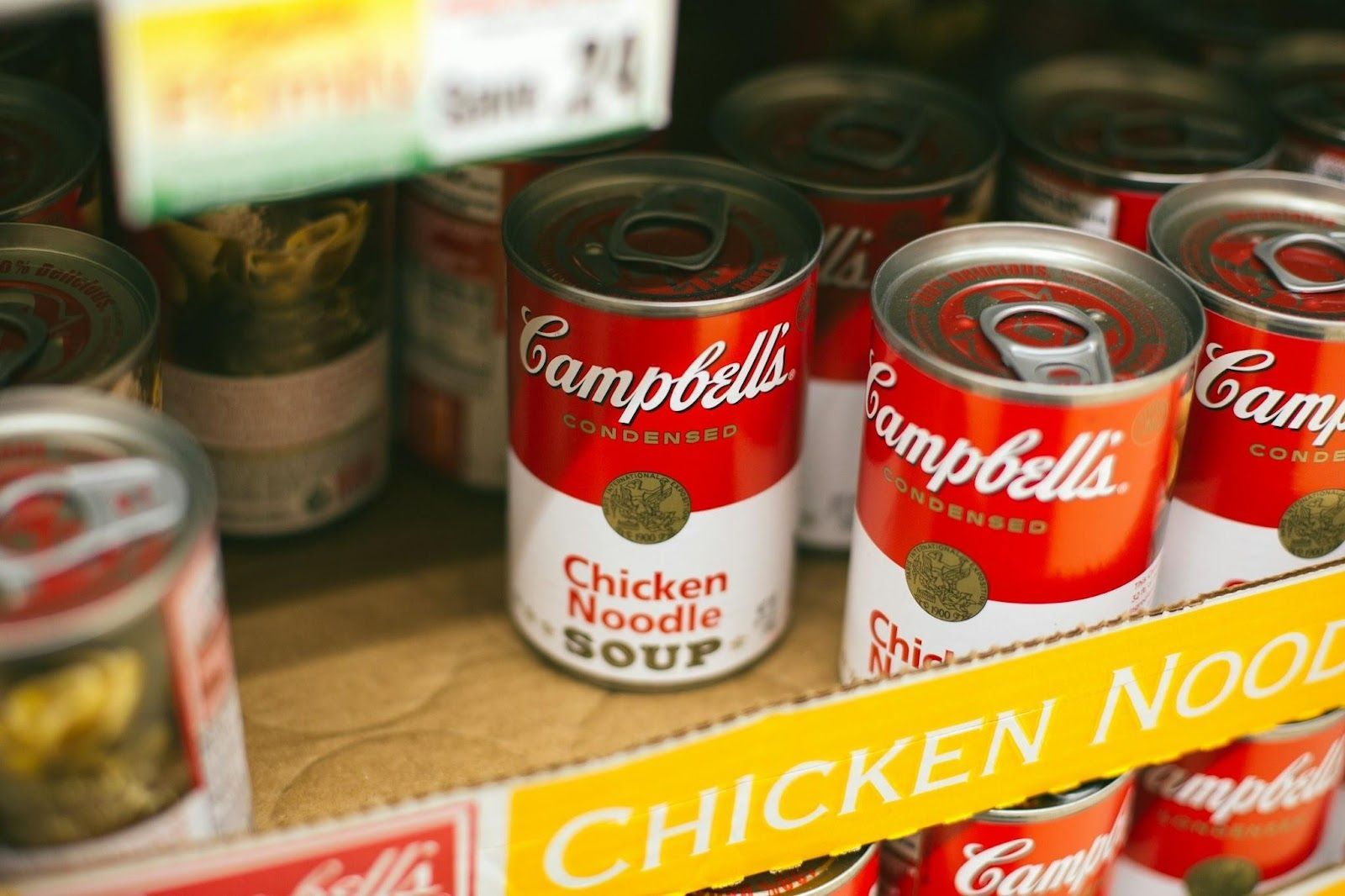
Shockingly, canned food came before the can opener—and by decades! To make matters worse, early cans were so thick they had to be opened with chisels or bayonets.

Ezra Warner patented the first can opener in 1858, and a rotating-wheel design followed in 1870. The modern safety can opener with a side-cutting wheel wasn’t patented until 1956.

7

Soap

Image: freestocks

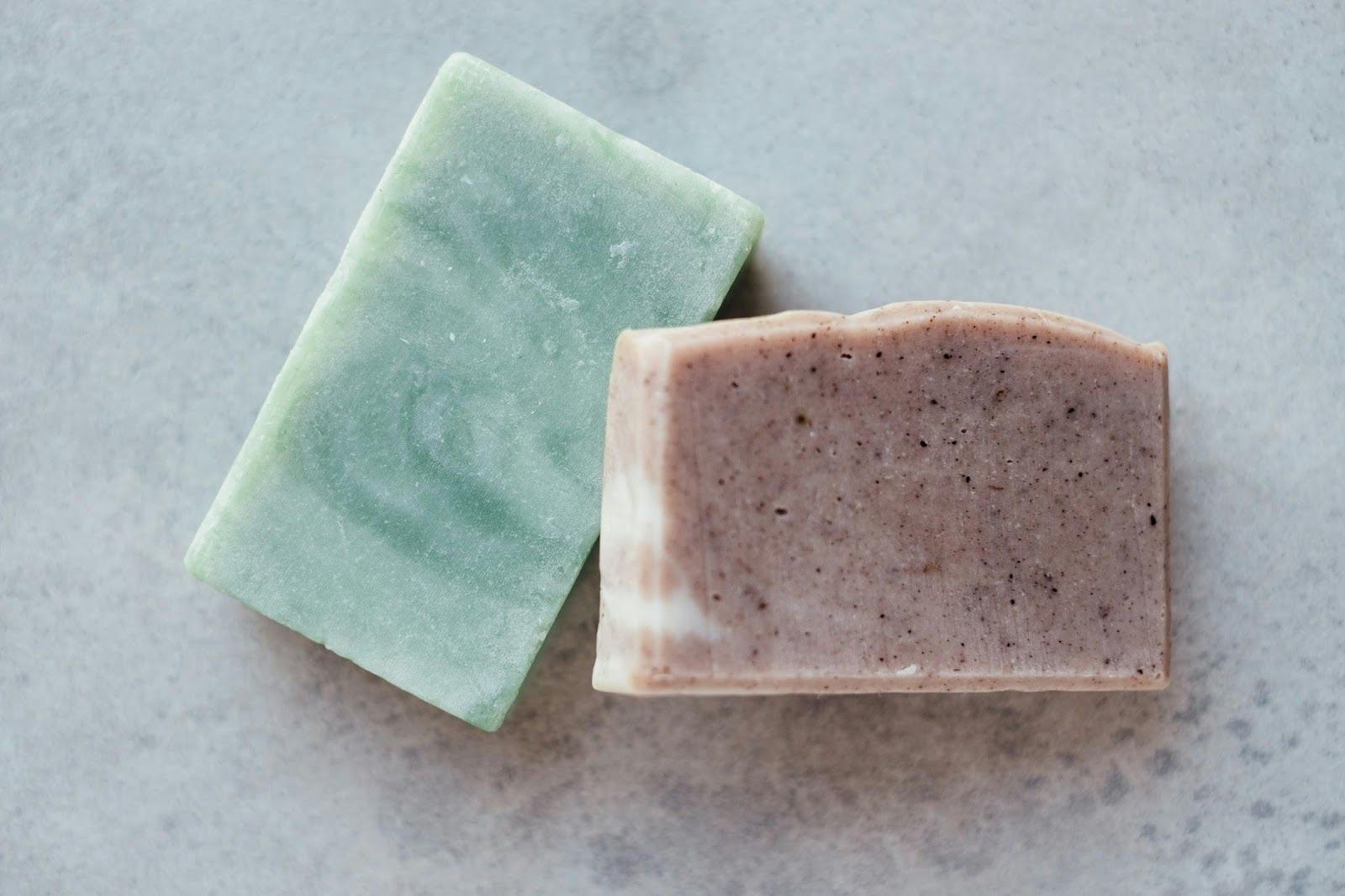
Ancient Babylonians made soap around 2800 BCE from water, alkali, and cassia oil. The word "soap" comes from Mount Sapo, where Roman legend says animal fat and ash ran into the Tiber River.

Despite its ancient origins, soap didn’t become widely used for personal hygiene until the 19th century, when cholera outbreaks underscored the need for better sanitation.

8

Post-it Notes

Image: Will H McMahan

Created by accident, the adhesive used in Post-it Notes was originally a failed attempt to make a super-strong glue.

In 1974, Art Fry used the weak adhesive to mark pages in his hymnal. Realizing its potential, 3M released the product nationwide in 1980, and it became a staple in offices and schools worldwide.

9

Velcro

Image: Ryan Stone

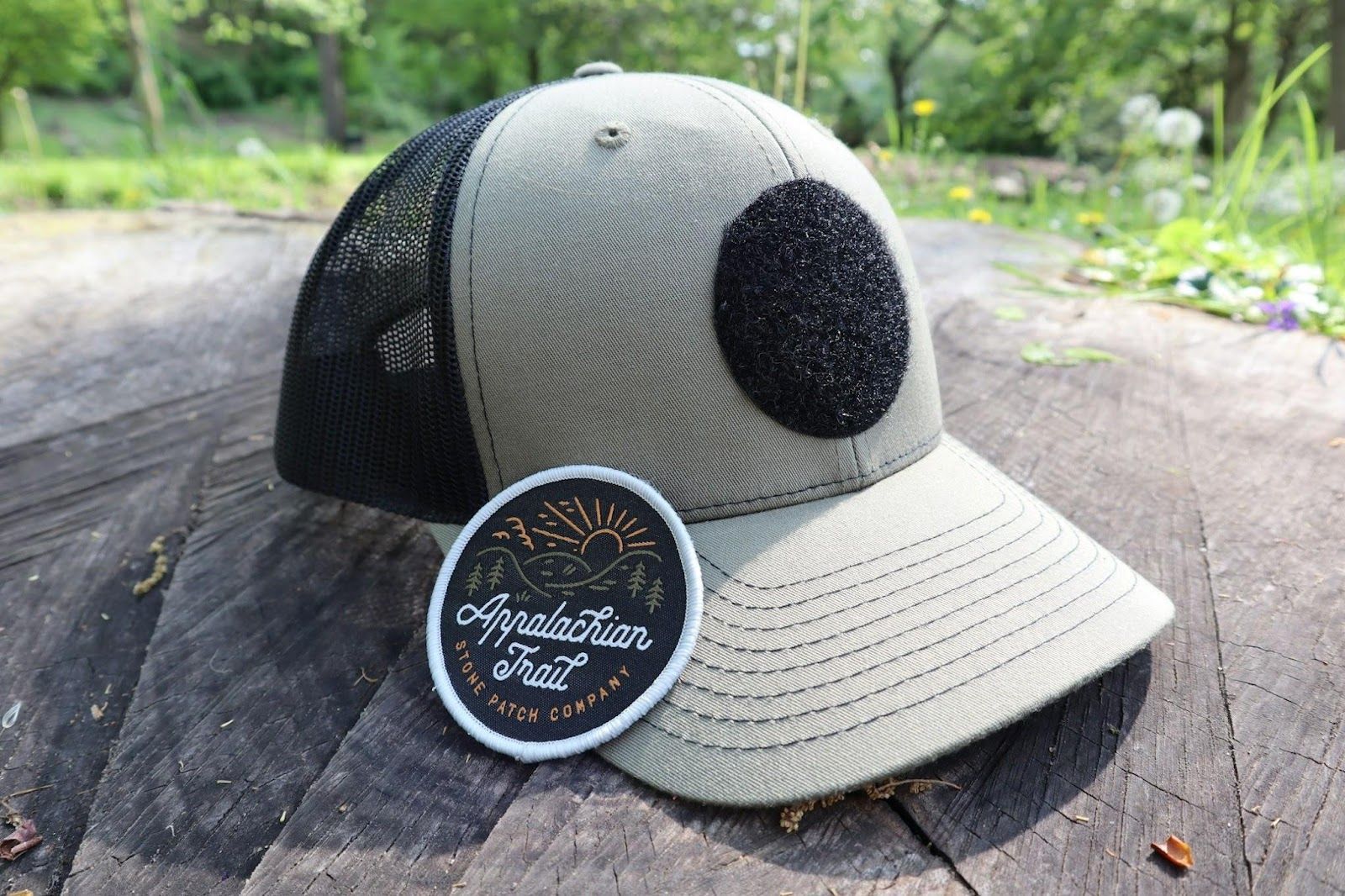
Swiss engineer George de Mestral invented Velcro in 1941 after noticing burrs sticking to his dog’s fur during a hike.

It took over a decade to perfect the manufacturing process. NASA popularized Velcro in the 1960s for use in zero-gravity environments, boosting its civilian use.

10

Shopping Cart

Image: Donald Giannatti

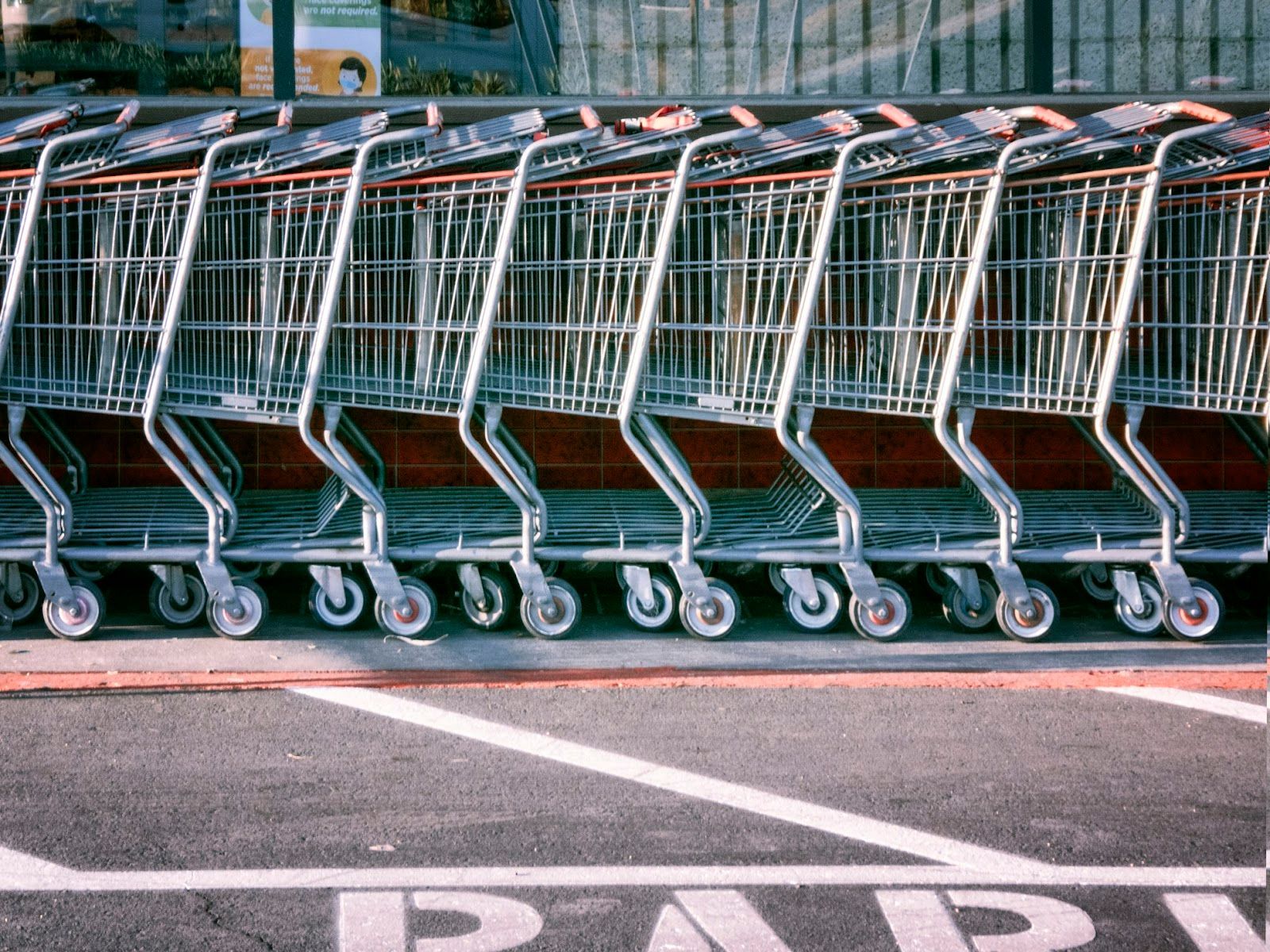
Sylvan Goldman, owner of a grocery chain, invented the shopping cart in 1937 to help customers buy more.

Customers initially resisted using them, so Goldman hired actors to push them around stores to normalize the concept. Today, over 25 million carts are used in the U.S. alone.

Looking for an extra scoop of literary fun?

Learn more with our Word of the day

herald

/ˈhɛrəld/