A group of what?

What do you call a group of ravens? 10 strange collective nouns


Published on July 4, 2026
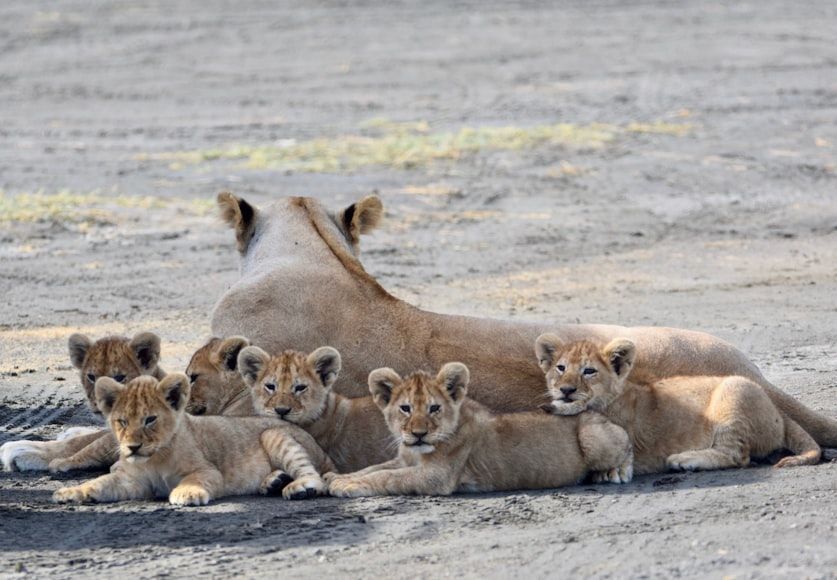

Image: Uzuri Safaris Tanzania

A shrewdness? A murder? An unkindness? None of these words even suggests that we are talking about apes, crows, or ravens, but we are. Why are animal collective nouns so strange? During the Middle Ages, English nobles developed a hunting language. These ‘terms of venery’ were not intended to be practical, but to show erudition and mastery of an elite code. Some of these names were adopted into everyday language and continue to be used nowadays.

1

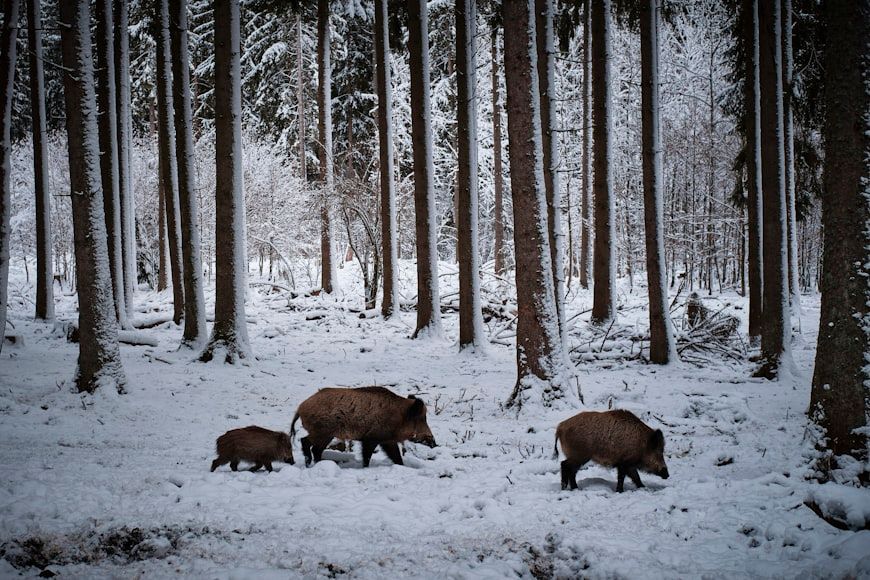
Sounder

Image: Rolf Schmidbauer

Boars are wild pigs, so why isn’t a group of boars just a herd? While ‘herd’ can be used, linguists believe that the collective noun ‘sounder’ —from the Old English sundor, meaning ‘to separate’— was used as a reference to the fact that boar herds were led by sows (the female adult), separate from the males that were solitary or formed male-only groups.

2

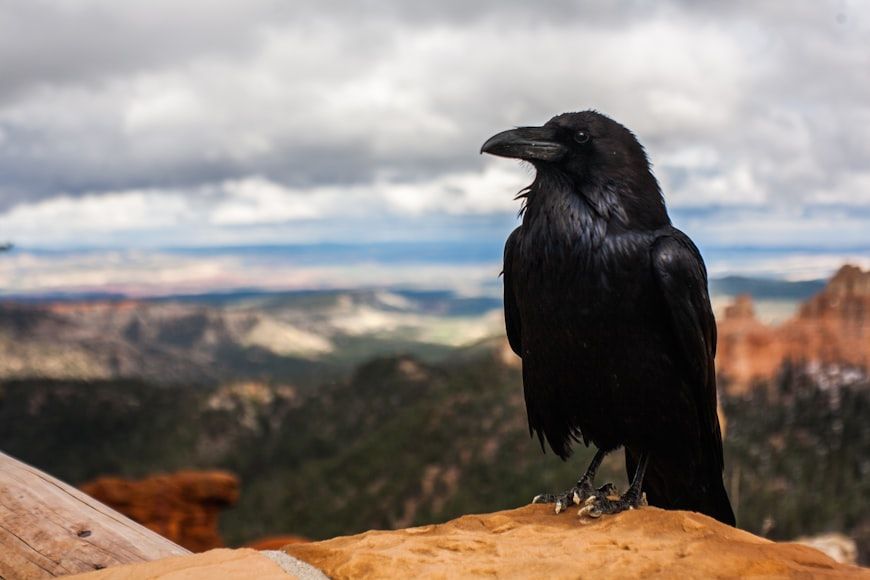
Unkindness

Image: Tyler Quiring

All across Europe, ravens bore a reputation for being tricksters and bad omens. In several folk traditions, they were seen as messengers for the Gods and bearers of prophecies, an ominous task reinforced by their black plumage. The term ‘unkindness’ to refer to a group of ravens reflected the perceived malice or cruelty of these animals.

3

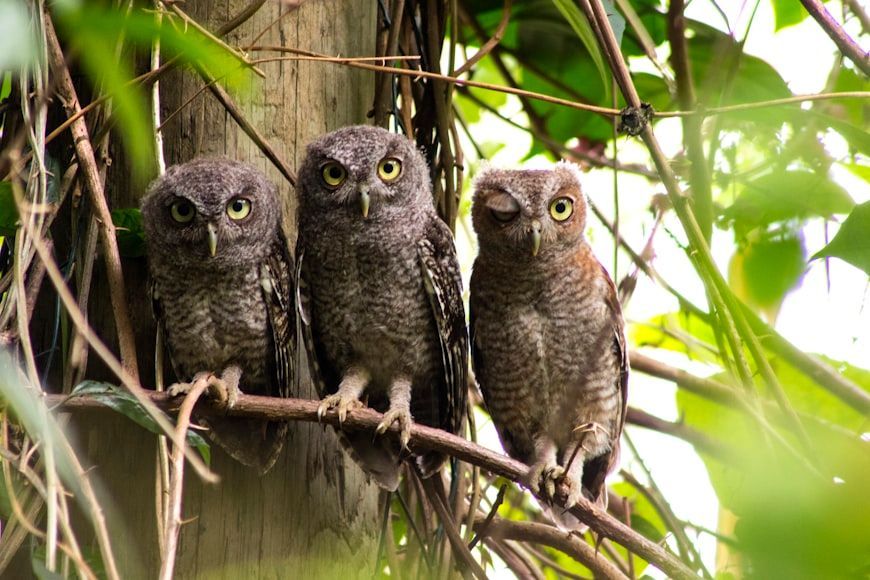
Parliament

Image: Robin Canfield

Since classical times, owls have been a symbol of wisdom and knowledge, and in the Greek tradition, these birds were the companions of Athena, goddess of wisdom. This led to the idea of a group of owls meeting for serious gatherings, such as a parliament.

4

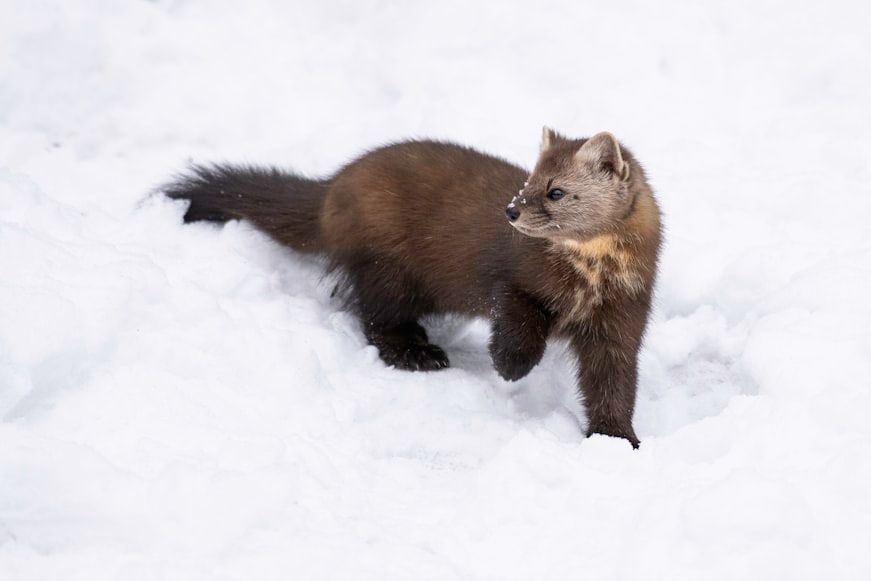
Business

Image: Jeremy Hynes

This is indeed an odd term to use as a collective noun, but it stems from a copying mistake. The 1486 Book of St. Albans, which describes several of these animal collective nouns, states that a group of ferrets is called a besynes —meaning ‘activity’— due to the scurrying habits of these animals. Over time, the word was miscopied as ‘business’, and the term stuck.

5

Siege

Image: vegonaise

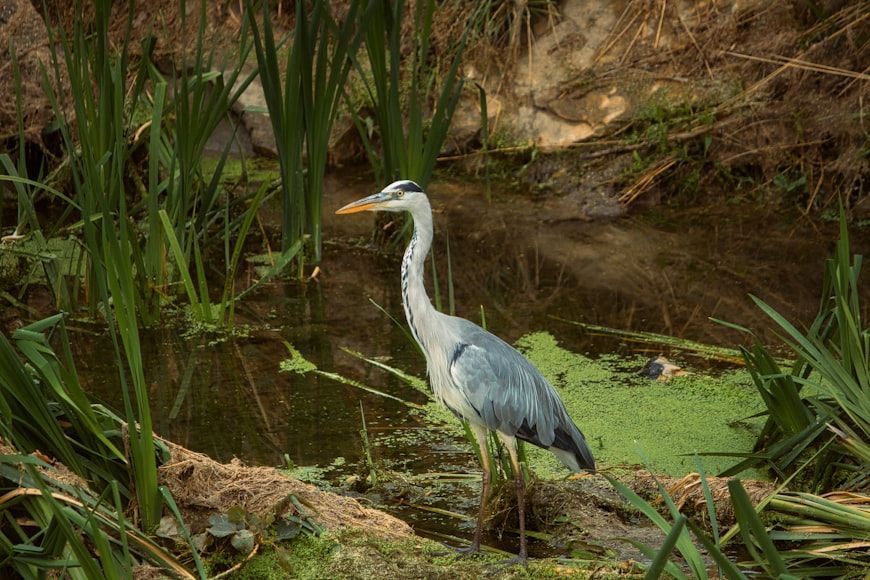
There are several theories about the reason for this particular term as a collective noun for herons. Some say that it is a reference to their patient hunting stance (siege comes from the Latin sedere, ‘to sit’). Other opinions refer to the use of ‘siege’ as a synonym for ‘plague’ or ‘vexation’, as these animals are noisy and generally unpleasant to have around.

6

Ostentation

Image: Siddhant Kumar

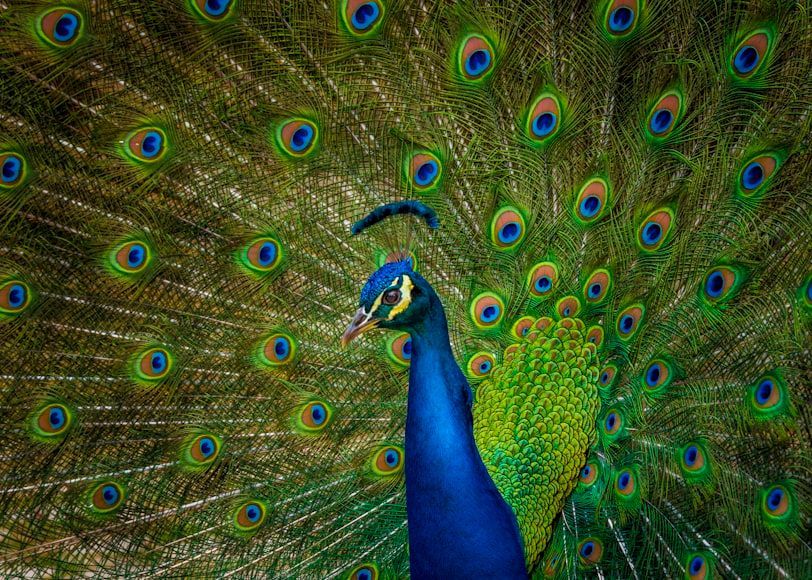
This one is quite straightforward. Male peacocks are known to parade their colorful feathers in front of the females, and have always been used as a symbol of vanity and flamboyance. Therefore, calling a group of peacocks an ‘ostentation’ seems quite fitting.

7

Bouquet

Image: Bob Brewer

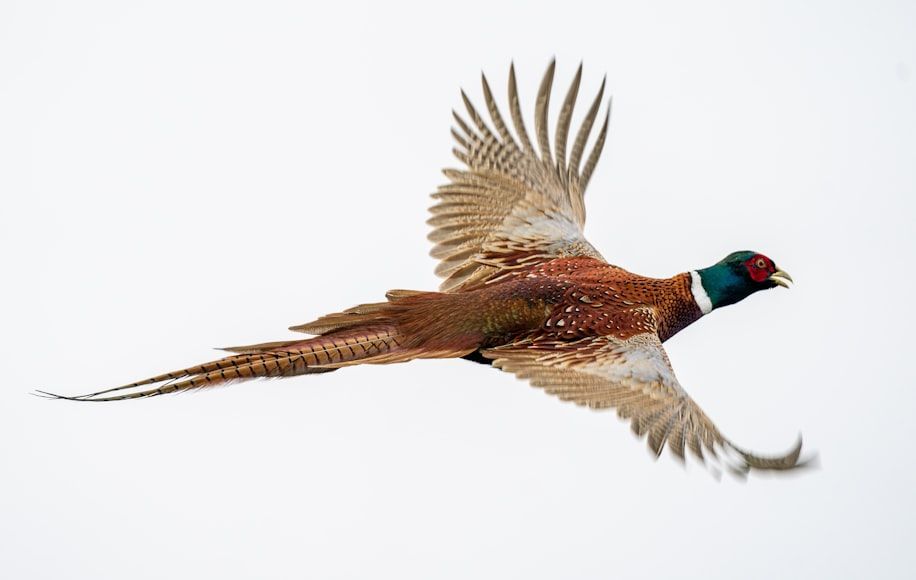
Several collective nouns can be used to describe a group of pheasants, but the term ‘bouquet’ stands out because it doesn’t just refer to the group of animals, but to flying pheasants. When hunters startled these birds, they took flight all at once in different directions, their colorful feathers looking like a ‘bouquet’ against the sky.

8

Shrewdness

Image: Vasilis Caravitis

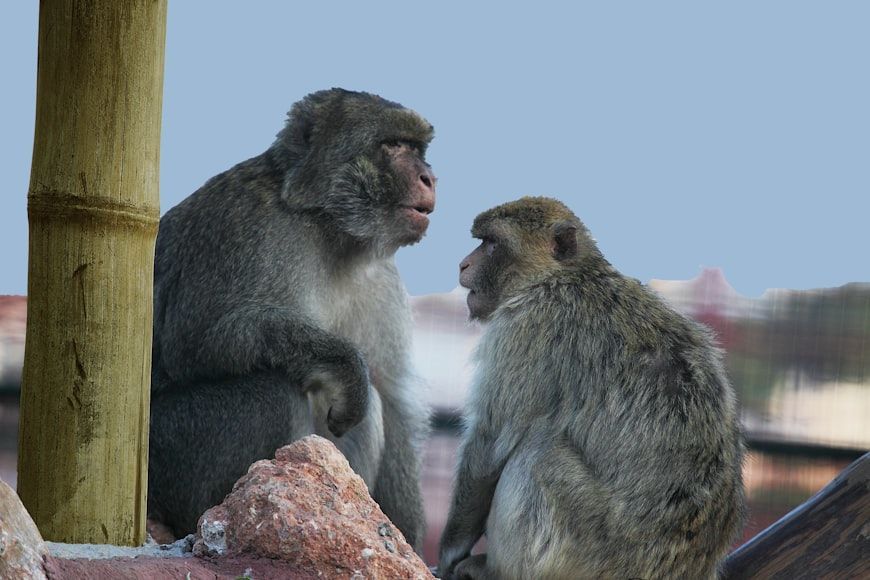
Like ravens, apes were perceived to be wicked, and this term reflected that idea. Originally, ‘shrewd’ was used to mean ‘evil, ‘mischievous, or ‘malicious’, so a group of apes was named a ‘shrewdness’. Later on, ‘shrewd’ came to mean ‘clever’ or ‘astute’, both qualities that apes do possess.

9

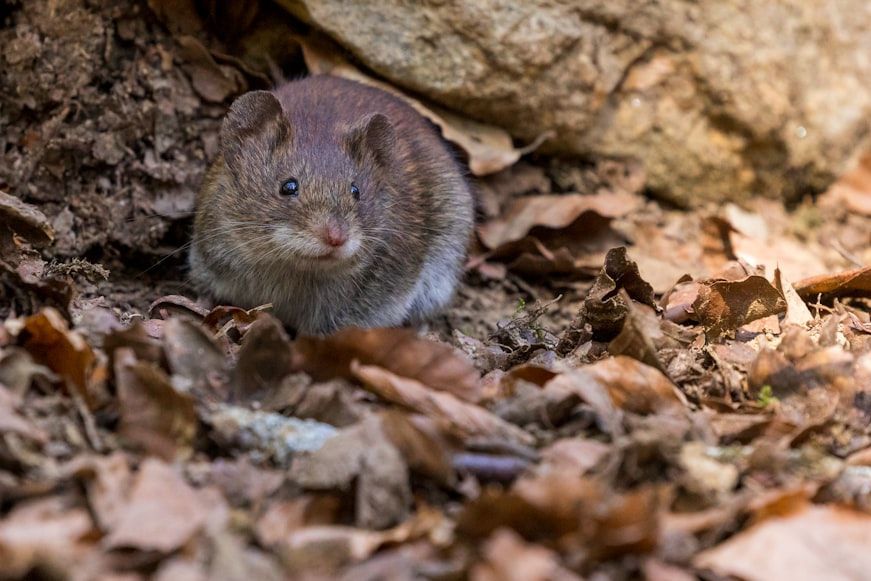
Mischief

Image: Zdeněk Macháček

Were mice thought to be mischievous? Not really. The word ‘mischief’ was originally used to mean ‘harm, trouble, or annoyance’, and mice were troublesome pests that ate stored food and caused property damage.

10

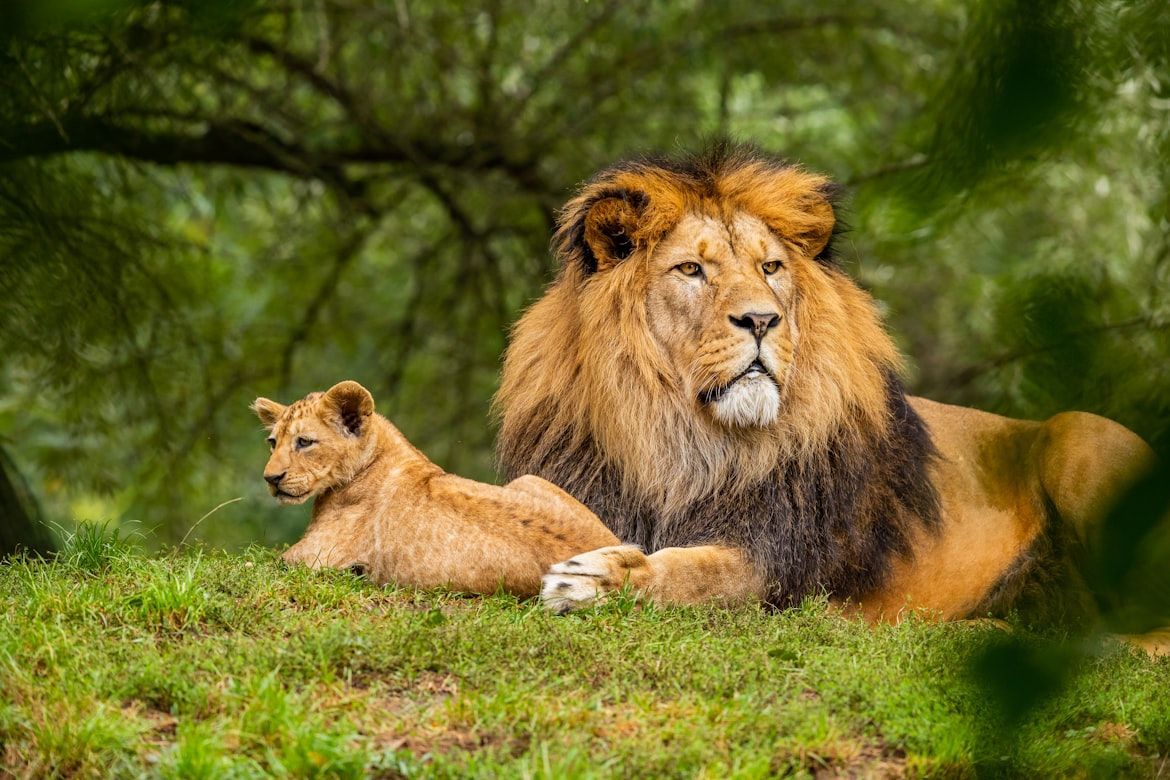
Pride

Image: Zdeněk Macháček

We are so used to the use of ‘pride’ as a collective noun that it might not sound as strange as other words in this list, but this term originated in the same way. Lions were a symbol of royalty, courage, and authority, so the word used to describe them had to reflect these qualities. While ‘pride’ can be used negatively, it also carries the positive connotation of ‘dignity’ and ‘high standing’.


Identity crisis

How Siam became Thailand and 9 other countries that chose to rebrand


Published on July 4, 2026


Image: pure julia

Countries rename themselves for many reasons—shedding colonial pasts, embracing local languages, or settling political disputes. Some changes are subtle, others dramatic, but each reflects deep historical, cultural, or geopolitical shifts. Here are 10 times a nation decided to swap out its old name for a new identity.

1

Burma to Myanmar

Image: Yves Alarie

In 1989, the ruling military junta of the country changed "Burma" to "Myanmar" to reflect what it said was a more inclusive, indigenous identity. The name "Burma" was strongly associated with British colonialism and the dominant Bamar ethnic group.

The UN and many countries recognized the change, but some, like the U.S. and UK, resisted for years as a political stance against the unelected military regime behind the change.

2

Swaziland to Eswatini

Image: S'mile Vilakati

In 2018, King Mswati III declared that Swaziland would become Eswatini, meaning "land of the Swazis" in the local language. He announced the change during the country’s 50th independence anniversary.

The king cited confusion with Switzerland and a desire to break with colonial-era names as reasons. Also, the new name had already been in unofficial use for years during local events.

3

Ceylon to Sri Lanka

Image: Hendrik Cornelissen

In 1972, the island nation officially changed its name from Ceylon to Sri Lanka after becoming a republic. "Sri Lanka" derives from Sanskrit, meaning "resplendent island."

The name "Ceylon" was tied to Portuguese, Dutch, and British colonial rule. However, some companies (like Ceylon Tea) still use the old name as a global brand.

4

Zaire to Democratic Republic of the Congo

Image: Kaysha

In 1997, after the dictatorial regime of Mobutu Sese Seko was overthrown, Zaire reverted to its pre-1971 name: the Democratic Republic of the Congo.

"Zaire" had been Mobutu’s attempt to Africanize the nation, but reverting to the original name also caused its own problems, since its neighbor is also named the Republic of the Congo, leading to some confusion for both locals and tourists.

5

Macedonia to North Macedonia

Image: Ljupco Dzambazovski

After years of dispute with Greece over the name "Macedonia," the country officially became North Macedonia in 2019. Greece claimed "Macedonia" implied a territorial claim over its northern region of the same name.

The compromise unblocked North Macedonia’s path to NATO and EU talks. Though controversial domestically, the change ended a decades-long diplomatic standoff.

6

Kampuchea to Cambodia

Image: allPhoto Bangkok

Under the Khmer Rouge regime, the country was known as Democratic Kampuchea. After the regime’s fall in 1979, the name gradually returned to "Cambodia," the anglicized form of the original name.

By 1993, with the monarchy restored and a new constitution, "Kingdom of Cambodia" became official. "Kampuchea" is still used in the Khmer language, but not internationally.

7

Upper Volta to Burkina Faso

Image: Road Ahead

In 1984, revolutionary leader Thomas Sankara renamed Upper Volta to Burkina Faso, meaning "Land of Incorruptible People" in local languages. The old name referred to river tributaries of the region.

Sankara saw the change as a break from colonial legacy and a tribute to national dignity. The people became known as Burkinabé, a new term coined to reflect unity.

8

Holland to the Netherlands

Image: Azhar J

This was more a rebranding than a true name change. "The Netherlands" has always been the country’s official name, whereas "Holland" refers only to two provinces. In 2020, the Dutch government stopped using "Holland" in international marketing to avoid confusion.

The change was part of a tourism and trade branding overhaul, with major events like Eurovision and the Olympics adopting "Netherlands" exclusively in their materials.

9

Siam to Thailand

Image: Mathew Schwartz

In 1939, and again officially after WWII in 1949, the country dropped the name Siam to become Thailand, meaning "land of the free."

The change was mainly driven by a nationalist movement that sought to unify the country under a more inclusive Thai identity. While the name "Siam" carried some specific cultural connotations, the name "Thailand" emphasized sovereignty and the ethnic majority’s rule.

10

Rhodesia to Zimbabwe

Image: Chloe Evans

In 1980, the unrecognized white minority government of Rhodesia was replaced, and the country became Zimbabwe, derived from "Great Zimbabwe," an ancient city of the region.

The old name honored British imperialist Cecil Rhodes. The new one reclaimed African history and identity after years of brutal conflict.

Looking for an extra scoop of literary fun?

Learn more with our Word of the day

ascribe

/əˈskraɪb/