Ancestral family names

Which popular surname means "Crooked Mouth"? Find out if it's yours!


Published on February 26, 2026
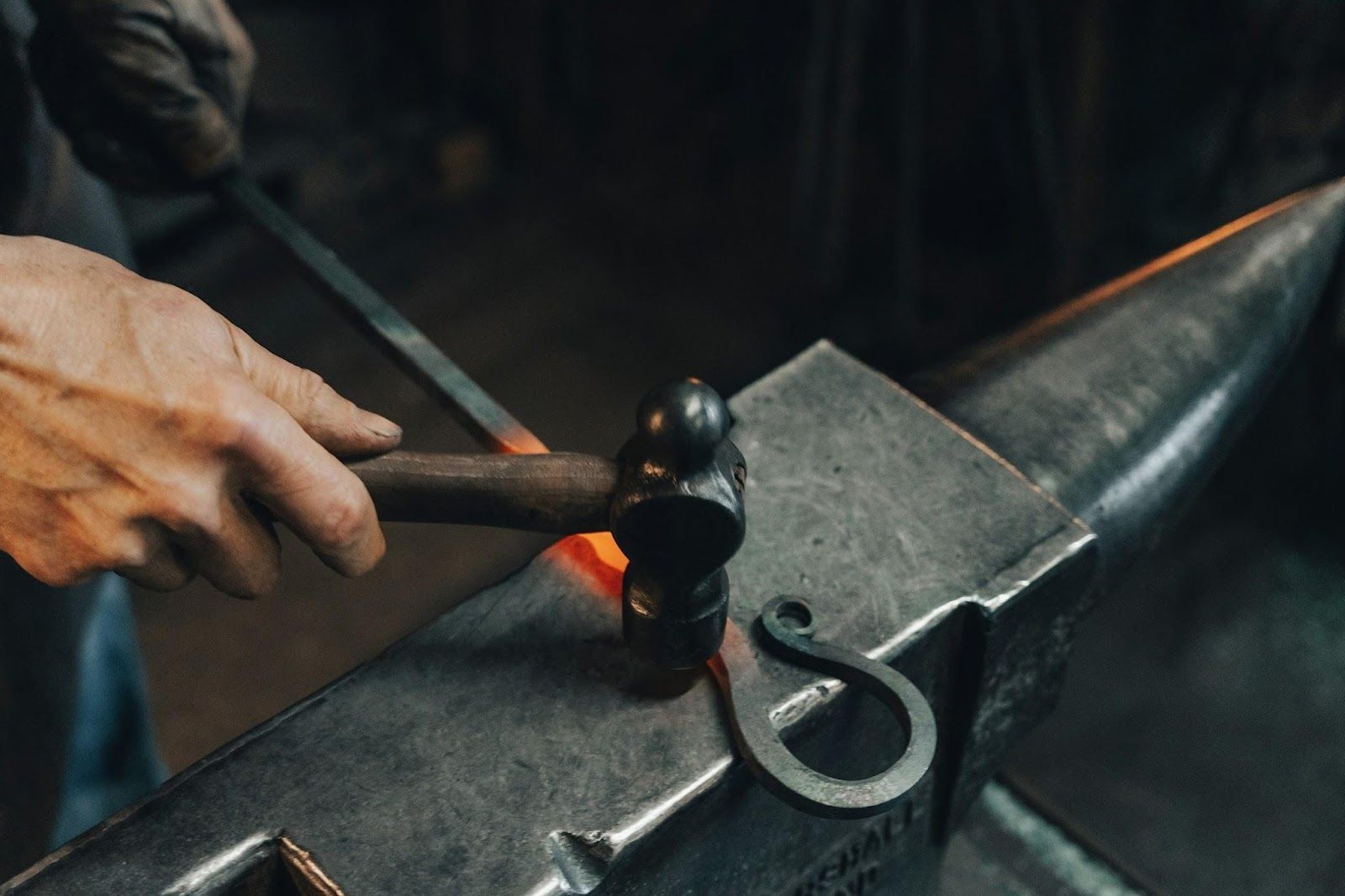

Image: Jonny Gios

Do you have a very popular surname? Have you ever looked up its meaning? Well, if you are a Smith, a Murphy, a Miller, or a Lee, you probably already know a bit of the history of your ancestors. Do you think you can guess the origin of these 12 widespread last names? Read on to go back a few generations and learn some names’ backstories!

1

Smith

Image: Chris Linnett

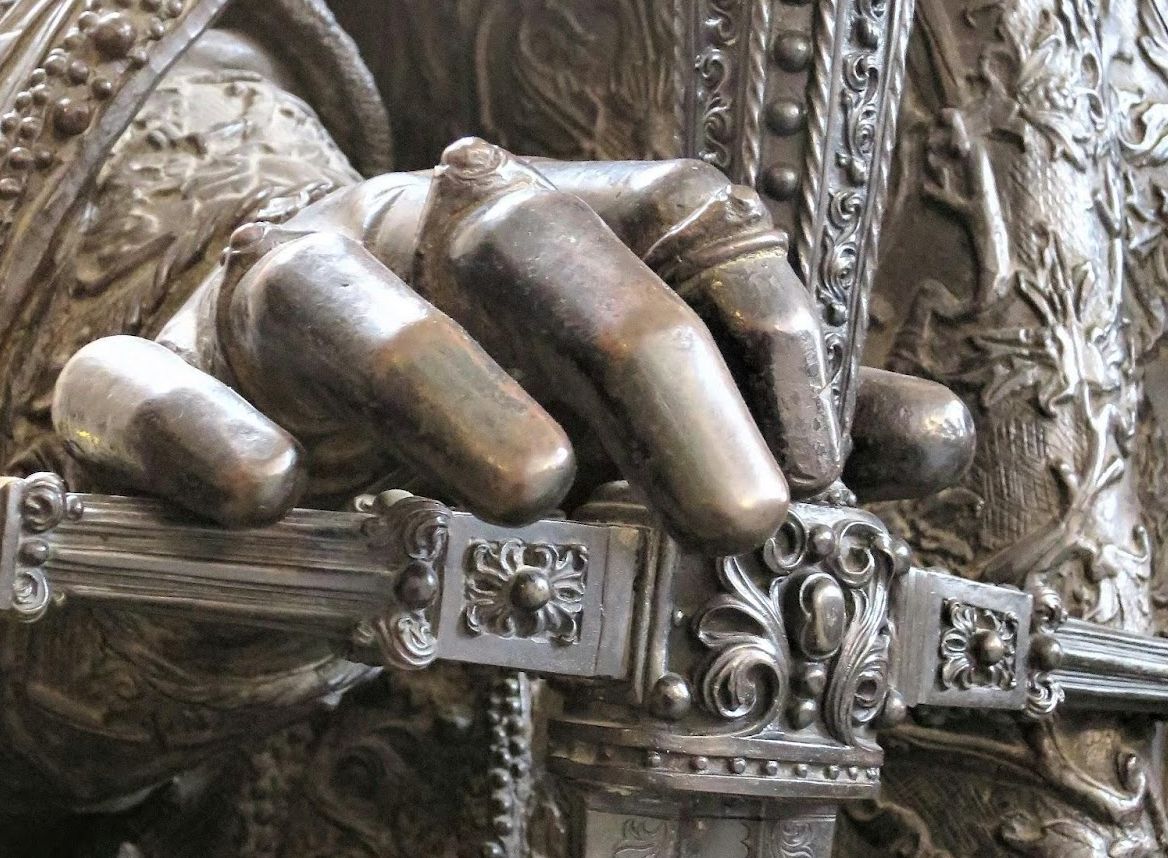
One of the most common surnames in the English-speaking world! As you may know, its origin is occupational, and it refers to "one who works with metal."

It derives from the Old English smið. Nowadays, it remains the most common surname in America. Interestingly, its synonymous versions are just as popular in other languages, like Schmidt in German and Ferraro in Italian.

2

Miller

Image: Boudewijn Huysmans

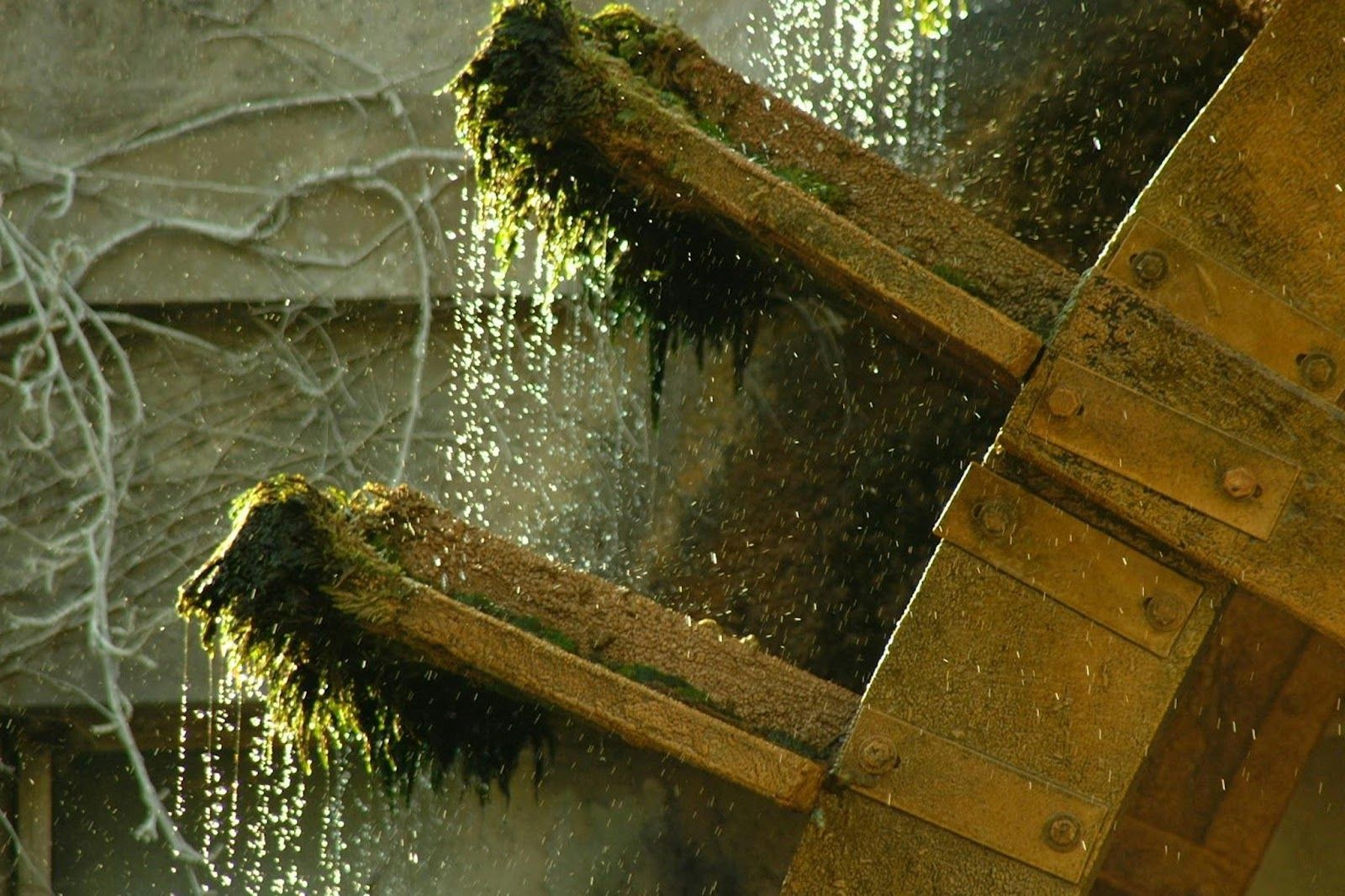
The surname "Miller" referred to someone who operated a mill; these were vital in medieval communities. The surname spread across Britain, Ireland, and later the U.S., until it became one of the most recognizable surnames.

3

Lee

Image: Kseniia Rastvorova

"Lee" is trickier because it has multiple origins, depending on the culture. In English, it comes from Old English lēah, meaning a clearing or meadow, so it was originally a toponymic surname for someone living near a grassy field.

In China, "Li" (often spelled Lee) is one of the oldest and most common surnames, meaning "plum," and is associated with ancient dynasties and scholars.

4

Clark

Image: Sergiu Vălenaș

The surname "Clark" comes from the Latin clericus, meaning "clergyman" or "scholar." In medieval England, clerks were among the few literate people, so the term broadened to describe scribes, secretaries, and record-keepers.

5

Murphy

Image: John Finkelstein

"Murphy" is the most widespread Irish surname, anglicized from the Gaelic Ó Murchadha, meaning "descendant of Murchadh."

The name Murchadh combines muir (sea) and cath (battle), so it literally means "sea warrior." With multiple unrelated Murphy families across Ireland, the name spread widely.

6

Walker

Image: Shiori Miyashita

"Walker" is an occupational surname as well. So, what did walkers do? Their job was fulling, the process of cleaning and thickening woven wool, often by literally walking on it in troughs of water. The word derives from the Old English wealcere, meaning "one who fulls cloth."

7

Allen

Image: Jahanzeb Ahsan

"Allen" is of Celtic origin, derived from the Gaelic Ailín or Breton Alan, meaning "little rock." However, very similar terms can also be interpreted as "handsome," "fair," or "beautiful." Each family will probably get to pick their preferred meaning.

8

Wright

Image: Quan-You Zhang

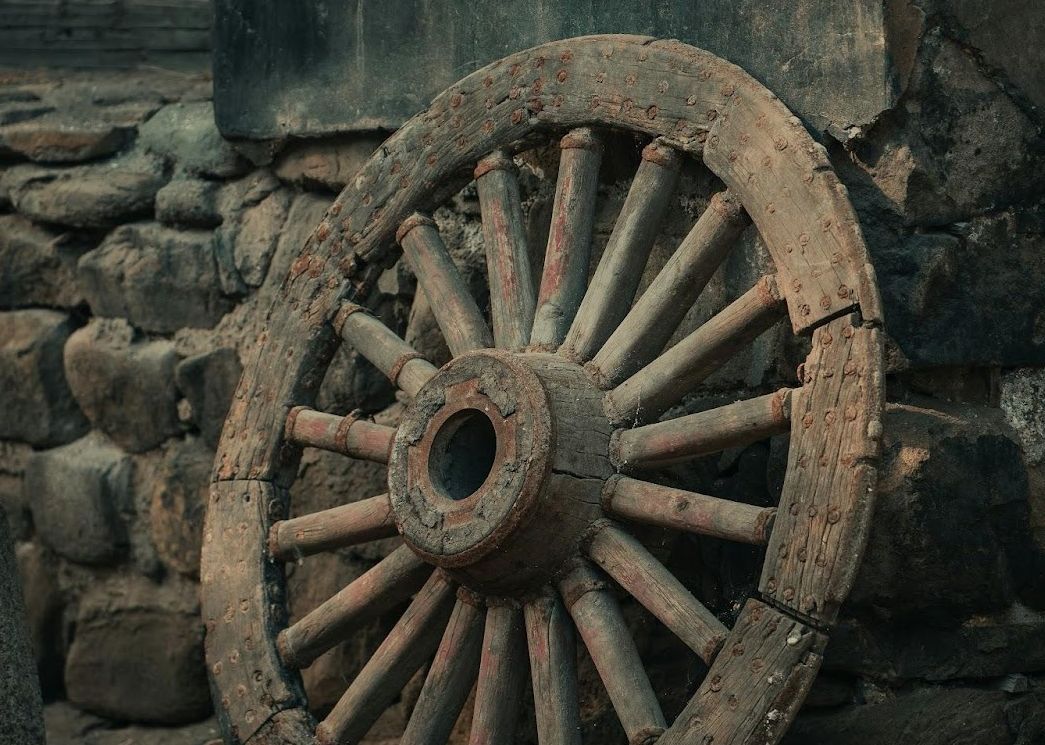
The surname "Wright" comes from the Old English word wryhta or wyrhta, meaning "worker" or "maker."

It was often used with a prefix to specify the craft, such as "wheelwright" for wheel makers or "shipwright" for shipbuilders. Over time, "Wright" stood alone as a surname for skilled tradespeople. It’s one of the oldest English occupational surnames.

9

Nguyen

Image: petr sidorov

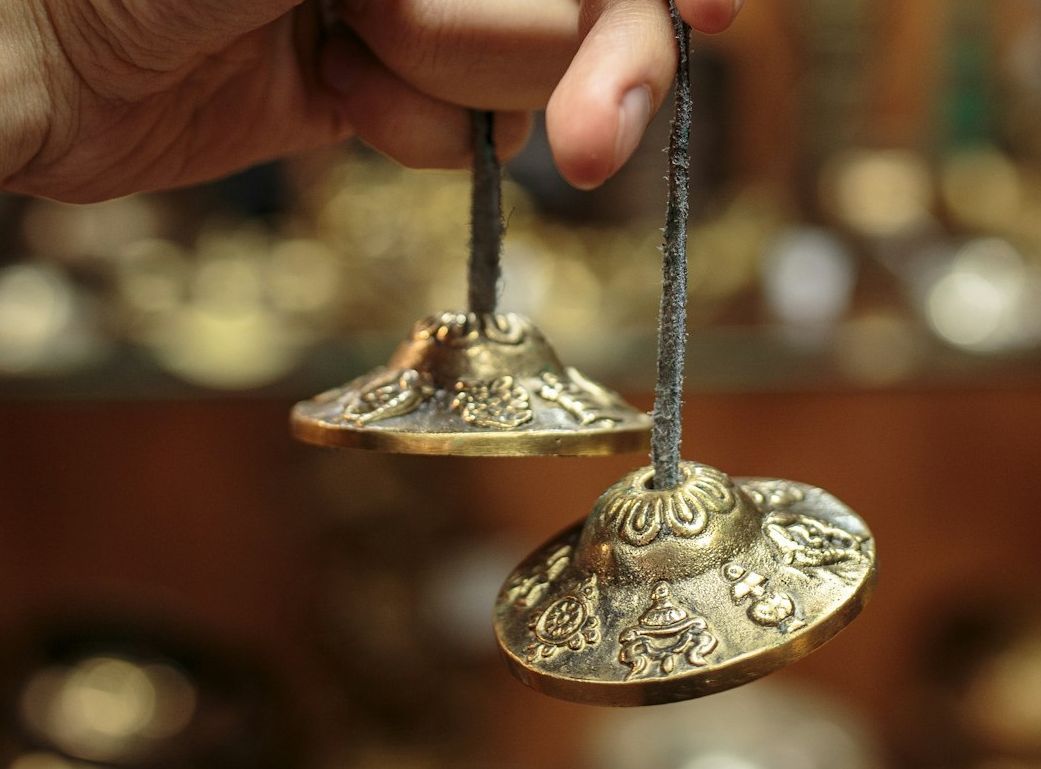
"Nguyen" (pronounced roughly "nwin" or "ngwee-en," depending on dialect) is the most common surname in Vietnam, held by around 40% of the population. It derives from the name of a Chinese musical instrument, the ruan.

10

Hill

Image: Ameya Sawant

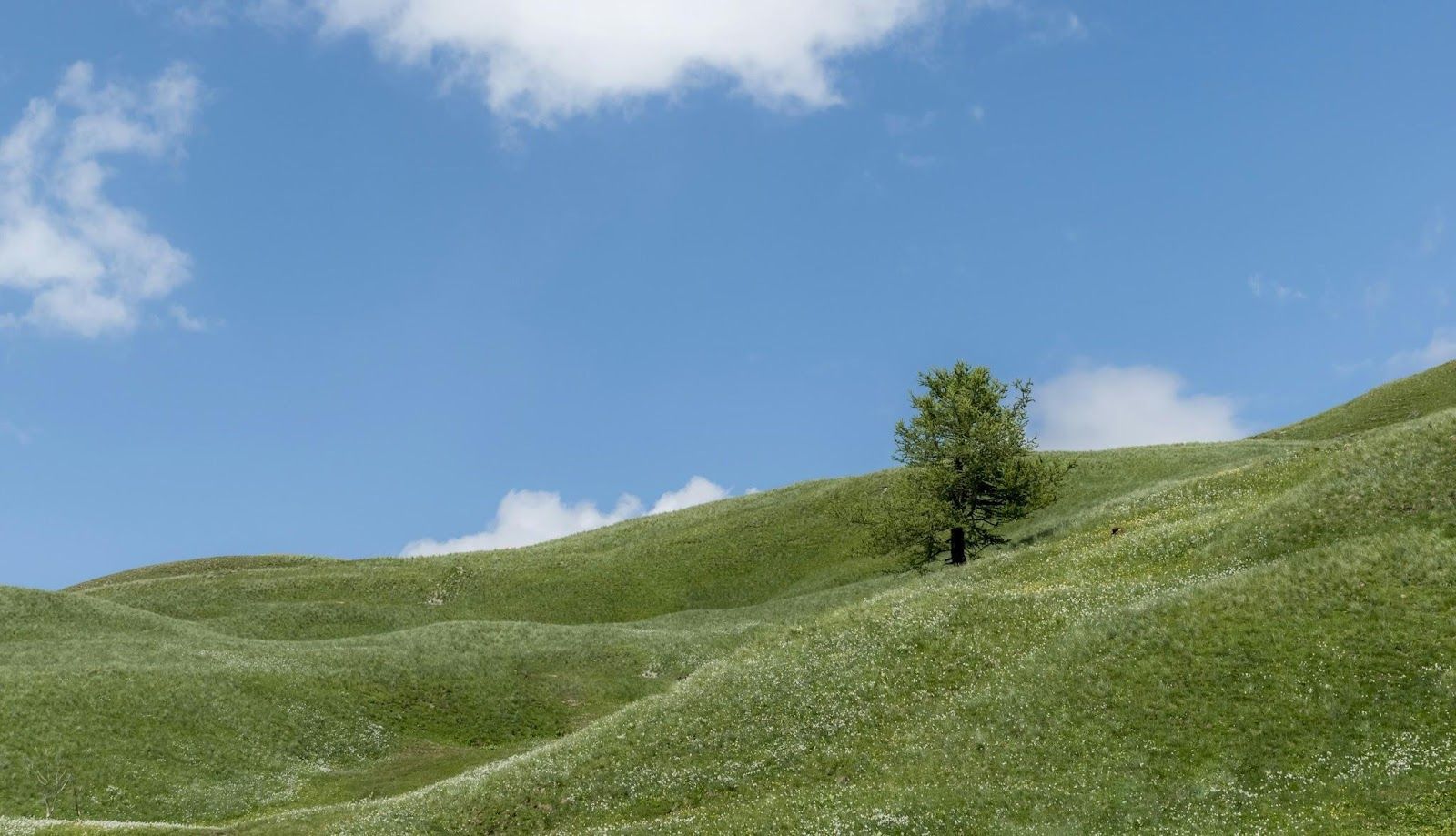
The surname "Hill" is of English and sometimes Scottish origin, derived from the Old English hyll, meaning exactly what it sounds like: someone who lived by or on a hill. Simple geographic names like this were among the earliest surnames in use, since they helped distinguish local communities.

11

Campbell

Image: Eric Prouzet

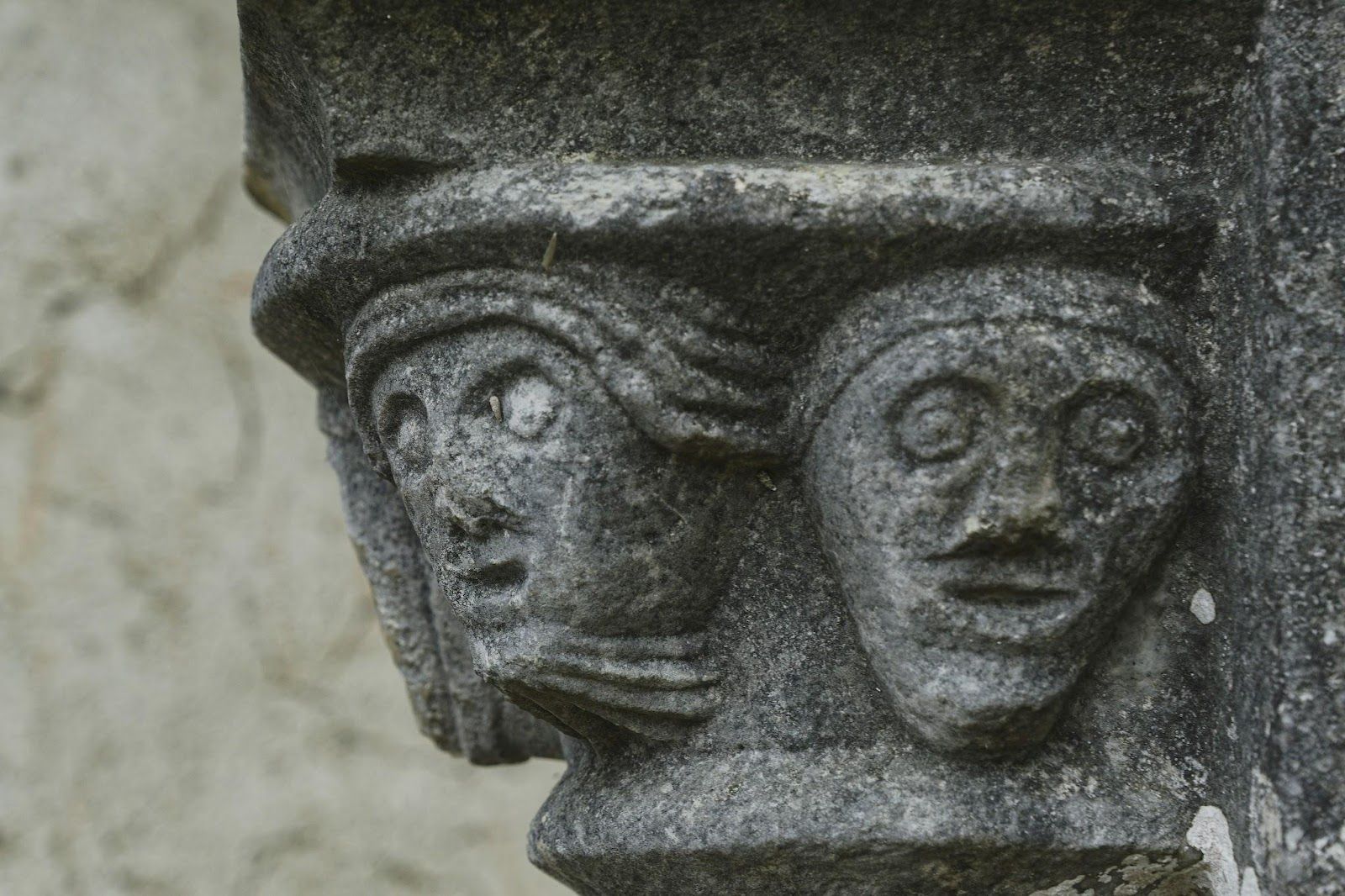
The Scottish surname "Campbell" comes from the Gaelic Caimbeul, meaning "crooked mouth" (cam = crooked, beul = mouth).

It began as a descriptive nickname, likely for someone with a distinctive facial feature. Over centuries, it became strongly associated with Clan Campbell, one of the most powerful Highland clans.

12

Reed

Image: KaLisa Veer

The surname "Reed" (also spelled Read or Reid) has several origins in England and Scotland. Most often it was descriptive, from Old English rēad, meaning "red," referring to someone with red hair or a ruddy complexion.


ICONIC FEUDS

10 Legendary Rivalries That Left Their Mark On History


Published on February 26, 2026


Image: Birmingham Museums Trust

Some people are just not made to get along together. And when circumstances pit them against each other or force them to compete, personalities clash and it can lead to bitter confrontations. From bitter rivalries in the world of art to heated conflicts between scientific minds, these feuds have fascinated and entertained generations for centuries.

Let’s delve into the story behind 10 feuds that, in one way or another, left their mark on history.

1

Hamilton and Burr

Image: Metropolitan Museum of Art

The infamous duel between Alexander Hamilton and Aaron Burr in 1804 was the culmination of one of the most recounted feuds in American history. Stemming from political disagreements and personal animosity, the confrontation ended tragically. Despite Hamilton’s intentions to avoid harming Burr, his rival showed no restraint, and he ultimately succumbed to a fatal bullet wound days later.

2

Edison and Tesla

Image: Zach Lucero

The rivalry between Thomas Edison and Nikola Tesla in the late 19th century was likely exaggerated by the press, but they certainly had their fair share of differences regarding the best type of electric current for widespread use in cities and large industries. Edison was a proponent of direct current (DC) electricity, a somewhat safer but more expensive and inefficient system due to the dissipation of energy over long distances. Tesla, on the other hand, favored alternating current, more efficient over long distances. In the end, alternating current won, but we still use direct current for some applications.

3

Van Gogh and Gauguin

Image: Alina Grubnyak

For a long time, art historians believed that genius painter Vincent Van Gogh had cut off his own ear during one of his many bouts of depression. But recent research claims that Van Gogh’s severed ear was likely the work of his fellow painter Paul Gauguin. During their brief cohabitation in Arles, France, the duo had many violent altercations, and since Gaughin was a fencing ace - and carried a sword with him - art historians speculate that he could have sliced Van Gogh’s ear during one of their arguments.

4

Ali and Frazier

Image: Nemesia Production

Legendary boxing heavyweights Muhammad Ali and Joe Frazier engaged in a fierce rivalry both inside and outside the ring. Initially on good terms with each other, their epic trilogy of matches, including the iconic "Thrilla in Manila," captivated the world and further intensified their rivalry. They called each other names and tried to humiliate each other at every opportunity. Despite Ali's attempts to bury the hatchet years later, Frazier refused to reconcile, still angry with Ali’s "cheap" tactics and unnecessary abuse.

5

Jobs and Gates

Image: Julian Hochgesang

The fierce competition between tech titans Steve Jobs and Bill Gates defined the early days of the personal computer revolution. Although they initially tried to work together, Gates didn’t think much of Job’s vision, and their relationship went south. In later years, both believed that the other was ripping off their product in one way or another and made bitter remarks about each other’s products. However, they also found opportunities to briefly reconcile and support each other’s ideas, proving that despite their differences, there was also mutual admiration.

6

Waters and Gilmour

Image: Parker Coffman

The feud between Pink Floyd bandmates Roger Waters and David Gilmour epitomized the tensions of creative collaboration and individual ambition. When Waters, who viewed himself as the main creative force behind Pink Floyd, left the group in 1984, a bitter legal battle over the use of the band’s name ensued. Despite a couple of brief collaborations, the strained ex-bandmates never reconciled, and to this day have shown no interest in working together again.

7

Parker and Cattrall

Image: Jakob Owens

The on-screen rivalry between Sarah Jessica Parker and Kim Cattrall in "Sex and the City" mirrored real-life tensions between the actresses. Behind-the-scenes conflicts and personal animosities added drama to the beloved television series and its subsequent adaptations. Apparently, most of it was caused by differences in their salaries, as Parker received a substantial raise when she was given an executive producer credit on the show. In response, Parker and other cast members shunned Cattrall, and to this day the two still refuse to speak to each other.

8

Adolf and Rudolf Dassler

Image: Christian Wiediger

Sibling rivalry reached new heights in the feud between Adolf and Rudolf Dassler, founders of Adidas and Puma, respectively. After their joint success in manufacturing the shoes of Olympic gold medalist Jesse Owens, their already fragile relationship became strained and they went separate ways. Their rivalry ended up literally dividing the small German town of Herzogenaurach, as their factories were placed on opposite sides of the Aurach river that crossed the town. Their animosity translated into rivalries between their sponsored football teams and even the employees of their respective companies.

9

Harding and Kerrigan

Image: Rod Long

The notorious feud between figure skaters Tonya Harding and Nancy Kerrigan gripped the world during the 1994 Winter Olympics. The inherent tension between the two competitors for the Olympic gold was further escalated by the press' frequent comparisons of each other’s styles. When Harding's ex-husband orchestrated an attack on Kerrigan, injuring her knee, the scandal rocked the skating world and became a sensationalized media spectacle, forever tarnishing Harding's reputation.

10

R2-D2 and C-3PO

Image: Lyman Hansel Gerona

Amusingly, the charming comic relief duo of the "Star Wars" franchise, brought to life by actors Kenny Baker and Anthony Daniels, reportedly had a strained relationship off-screen. Daniels was a classically trained actor and believed that his co-star, who came from a circus background, was not up to his standards. Meanwhile, Baker took offense to Daniels' high and mighty attitude around the set, a sentiment that was backed by many cast members.

Looking for an extra scoop of literary fun?

Learn more with our Word of the day

defiant

/dəˈfaɪənt/