Ancestral family names

What did “Walkers” do, exactly? Meanings of widespread surnames


Published on February 26, 2026
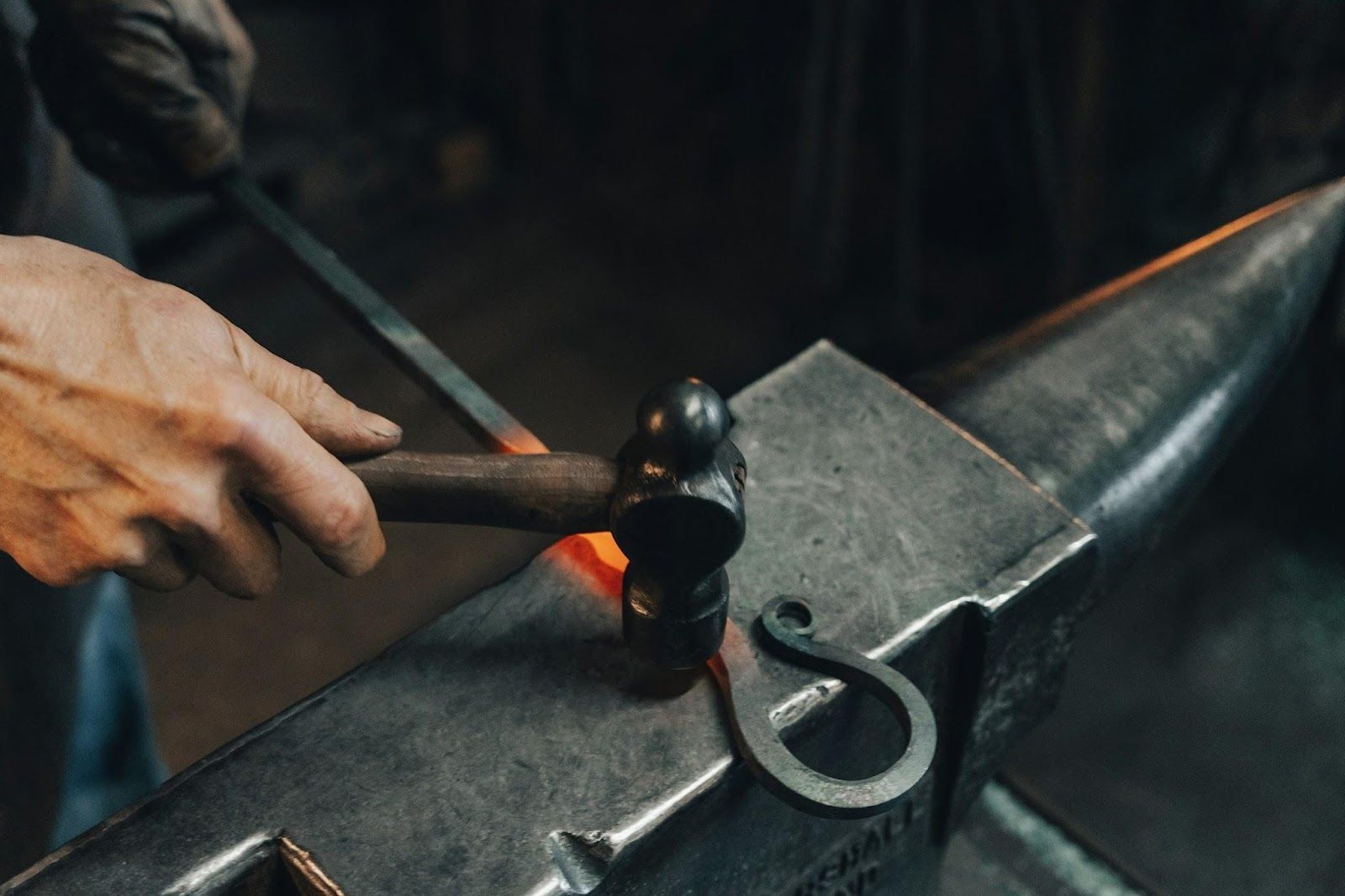

Image: Jonny Gios

Do you have a very popular surname? Have you ever looked up its meaning? Well, if you are a Smith, a Murphy, a Miller, or a Lee, you probably already know a bit of the history of your ancestors. Do you think you can guess the origin of these 12 widespread last names? Read on to go back a few generations and learn some names’ backstories!

1

Smith

Image: Chris Linnett

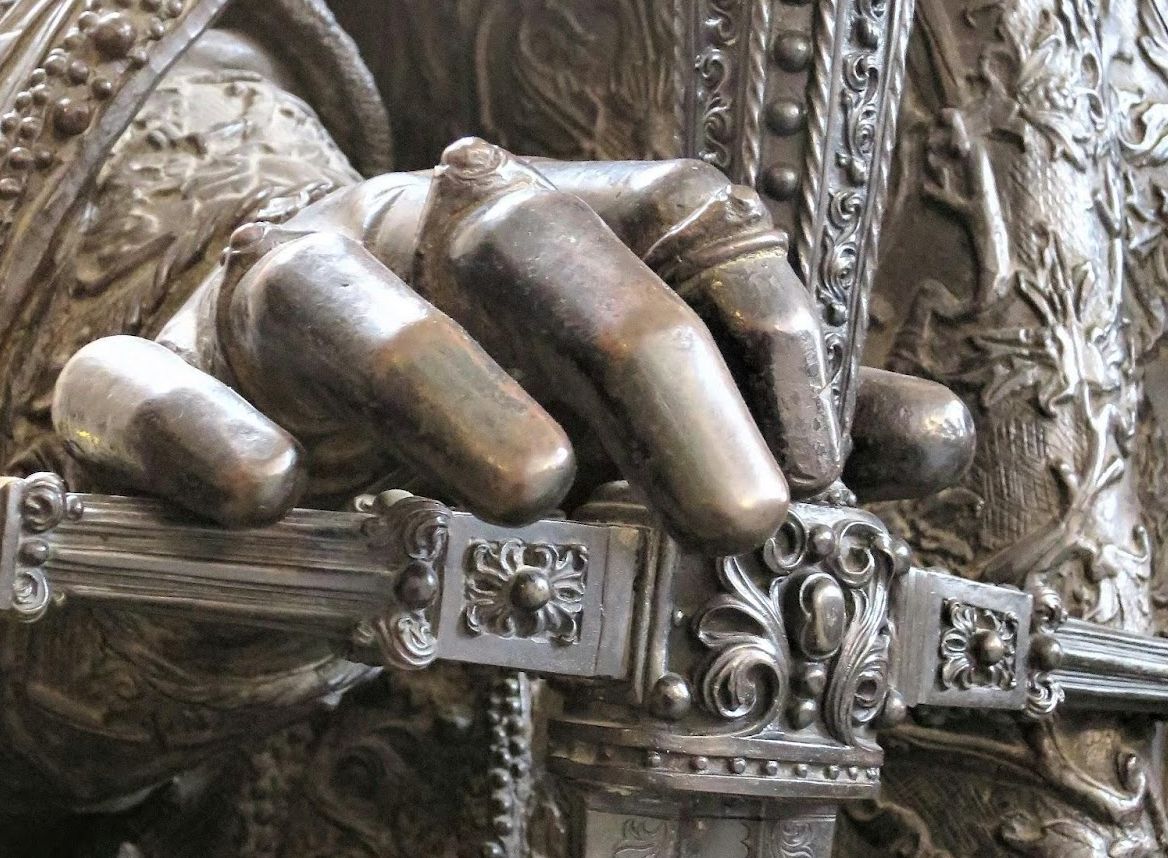
One of the most common surnames in the English-speaking world! As you may know, its origin is occupational, and it refers to "one who works with metal."

It derives from the Old English smið. Nowadays, it remains the most common surname in America. Interestingly, its synonymous versions are just as popular in other languages, like Schmidt in German and Ferraro in Italian.

2

Miller

Image: Boudewijn Huysmans

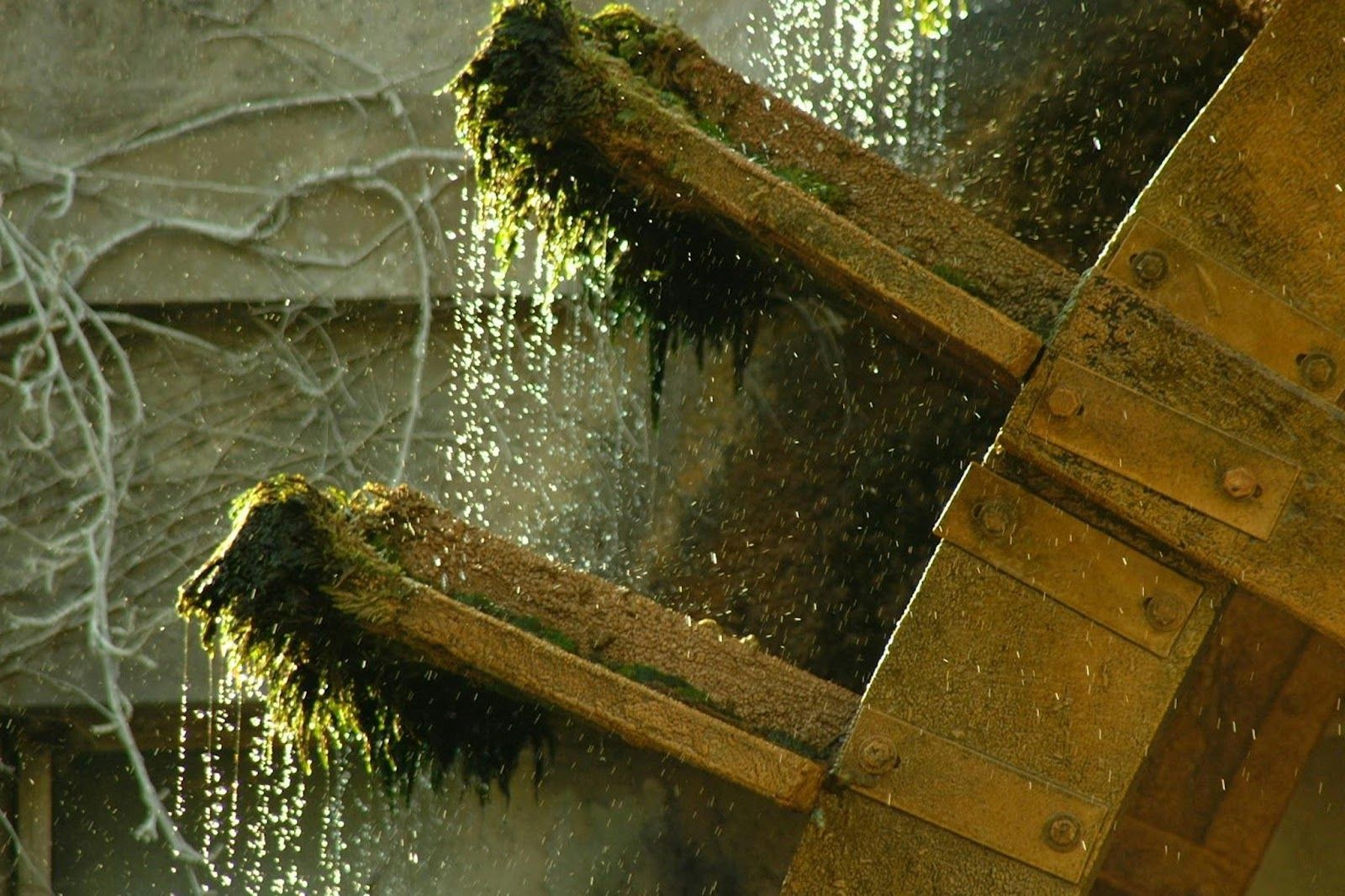
The surname "Miller" referred to someone who operated a mill; these were vital in medieval communities. The surname spread across Britain, Ireland, and later the U.S., until it became one of the most recognizable surnames.

3

Lee

Image: Kseniia Rastvorova

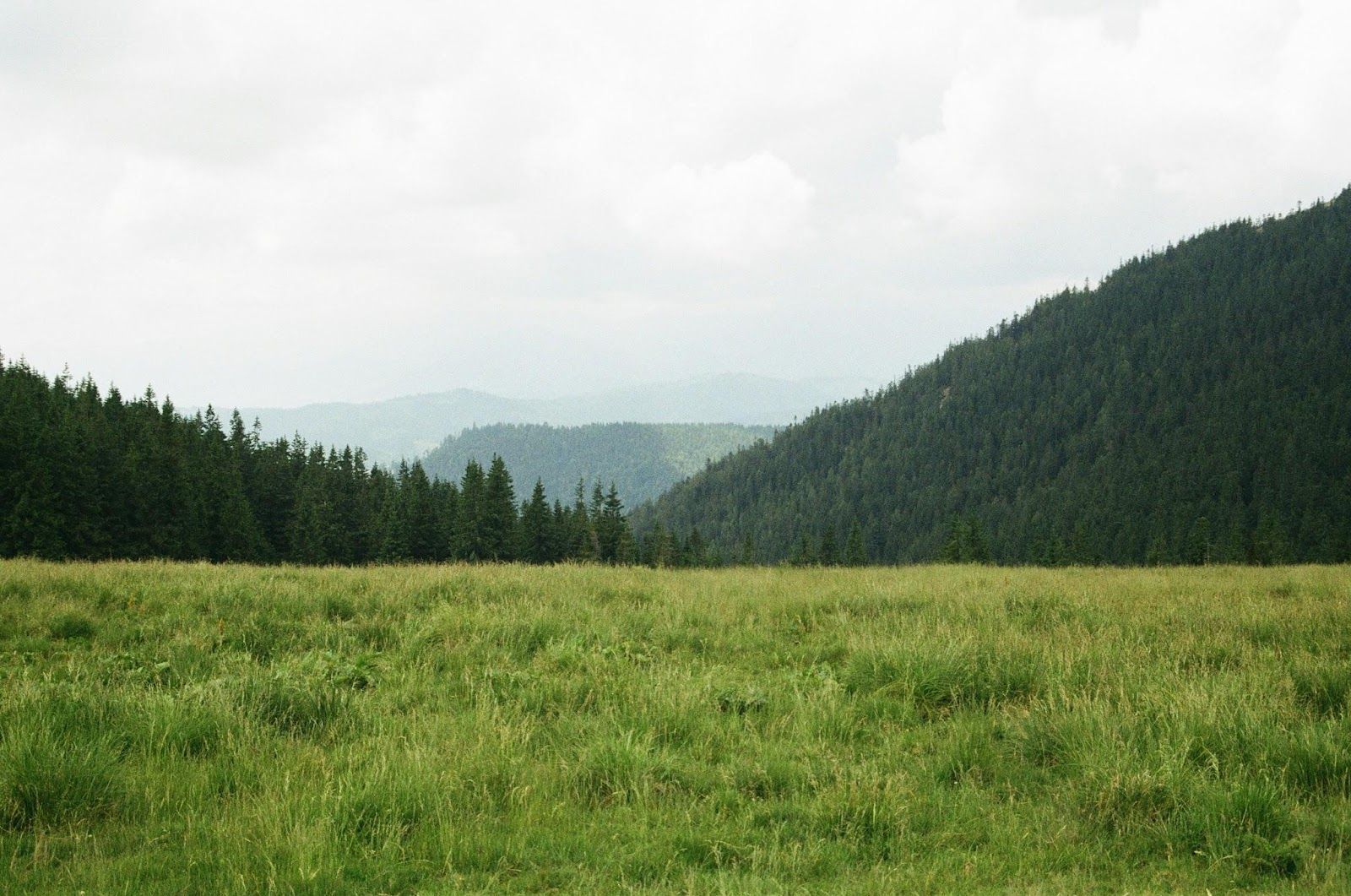
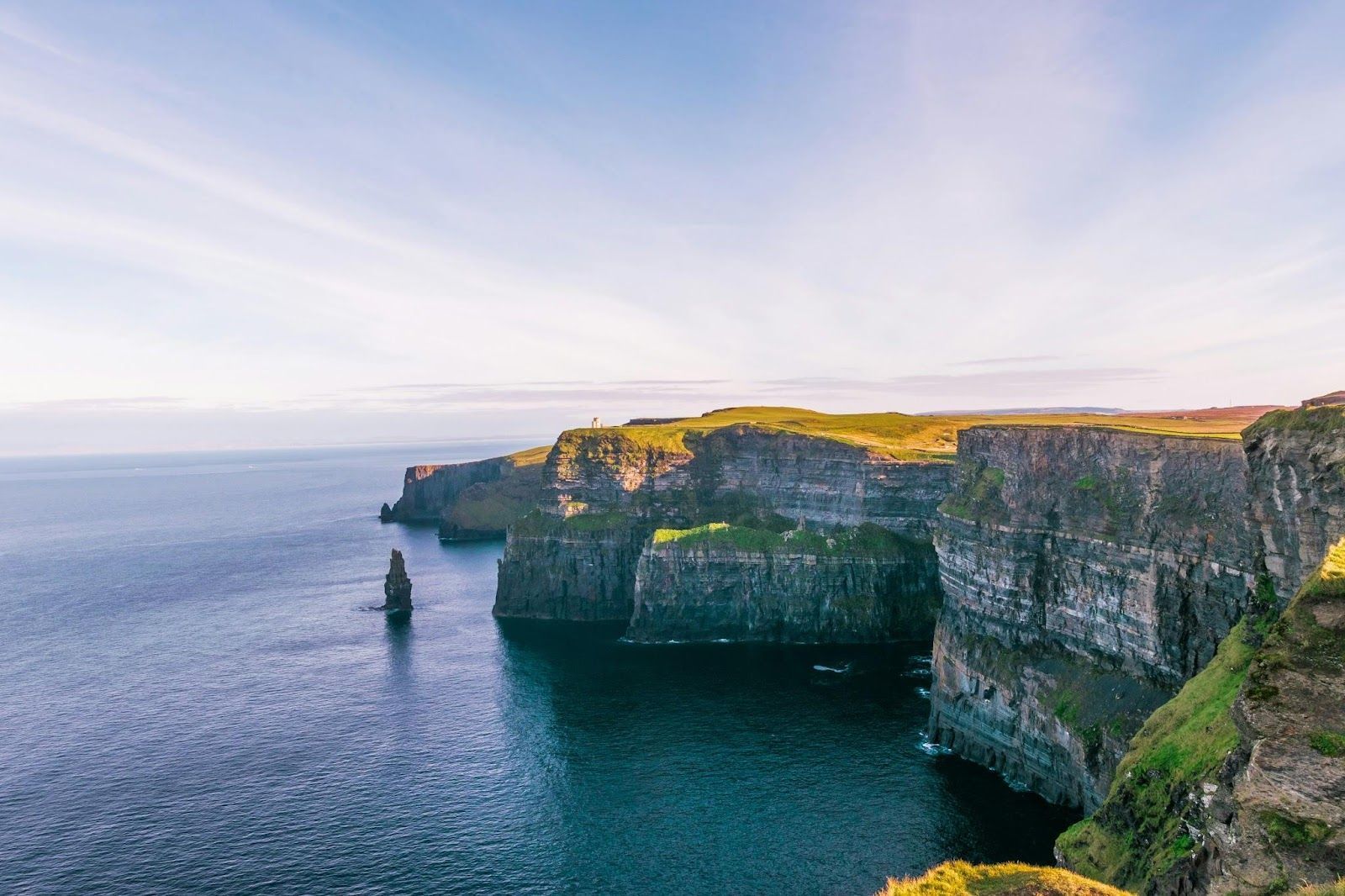
"Lee" is trickier because it has multiple origins, depending on the culture. In English, it comes from Old English lēah, meaning a clearing or meadow, so it was originally a toponymic surname for someone living near a grassy field.

In China, "Li" (often spelled Lee) is one of the oldest and most common surnames, meaning "plum," and is associated with ancient dynasties and scholars.

4

Clark

Image: Sergiu Vălenaș

The surname "Clark" comes from the Latin clericus, meaning "clergyman" or "scholar." In medieval England, clerks were among the few literate people, so the term broadened to describe scribes, secretaries, and record-keepers.

5

Murphy

Image: John Finkelstein

"Murphy" is the most widespread Irish surname, anglicized from the Gaelic Ó Murchadha, meaning "descendant of Murchadh."

The name Murchadh combines muir (sea) and cath (battle), so it literally means "sea warrior." With multiple unrelated Murphy families across Ireland, the name spread widely.

6

Walker

Image: Shiori Miyashita

"Walker" is an occupational surname as well. So, what did walkers do? Their job was fulling, the process of cleaning and thickening woven wool, often by literally walking on it in troughs of water. The word derives from the Old English wealcere, meaning "one who fulls cloth."

7

Allen

Image: Jahanzeb Ahsan

"Allen" is of Celtic origin, derived from the Gaelic Ailín or Breton Alan, meaning "little rock." However, very similar terms can also be interpreted as "handsome," "fair," or "beautiful." Each family will probably get to pick their preferred meaning.

8

Wright

Image: Quan-You Zhang

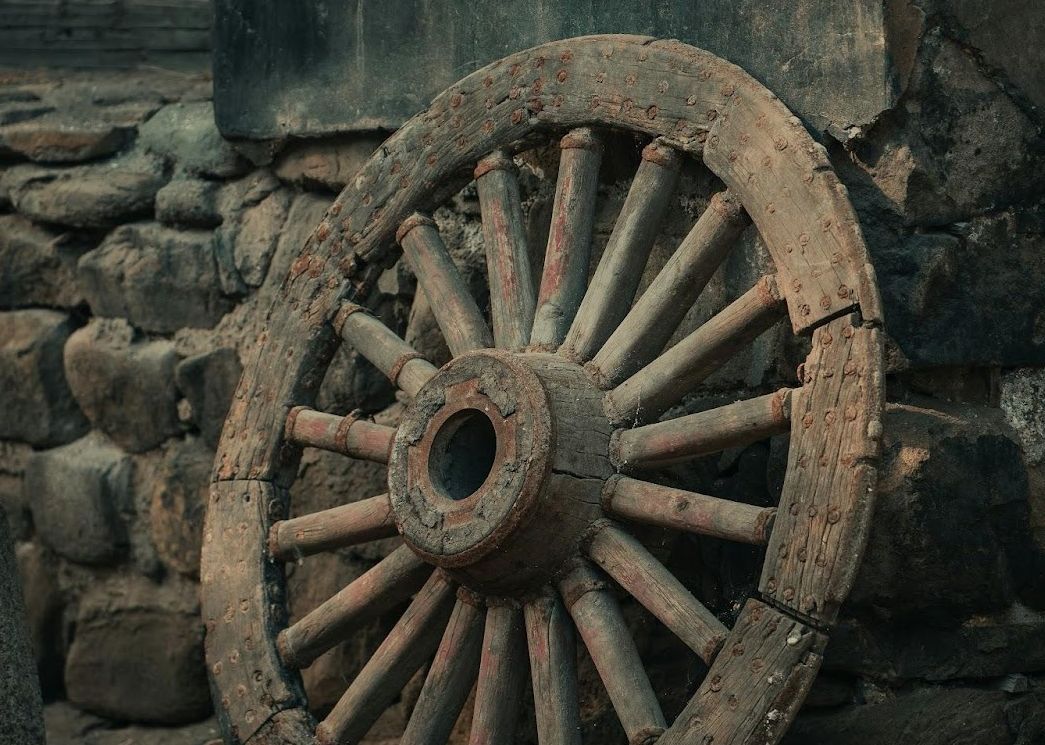
The surname "Wright" comes from the Old English word wryhta or wyrhta, meaning "worker" or "maker."

It was often used with a prefix to specify the craft, such as "wheelwright" for wheel makers or "shipwright" for shipbuilders. Over time, "Wright" stood alone as a surname for skilled tradespeople. It’s one of the oldest English occupational surnames.

9

Nguyen

Image: petr sidorov

"Nguyen" (pronounced roughly "nwin" or "ngwee-en," depending on dialect) is the most common surname in Vietnam, held by around 40% of the population. It derives from the name of a Chinese musical instrument, the ruan.

10

Hill

Image: Ameya Sawant

The surname "Hill" is of English and sometimes Scottish origin, derived from the Old English hyll, meaning exactly what it sounds like: someone who lived by or on a hill. Simple geographic names like this were among the earliest surnames in use, since they helped distinguish local communities.

11

Campbell

Image: Eric Prouzet

The Scottish surname "Campbell" comes from the Gaelic Caimbeul, meaning "crooked mouth" (cam = crooked, beul = mouth).

It began as a descriptive nickname, likely for someone with a distinctive facial feature. Over centuries, it became strongly associated with Clan Campbell, one of the most powerful Highland clans.

12

Reed

Image: KaLisa Veer

The surname "Reed" (also spelled Read or Reid) has several origins in England and Scotland. Most often it was descriptive, from Old English rēad, meaning "red," referring to someone with red hair or a ruddy complexion.


FORGOTTEN JOBS

10 Professions That Vanished From The Pages of History


Published on February 26, 2026


Image: Museums Victoria

Throughout history, the problems and necessities of society have changed again and again. And with these, the realm of work has also transformed, adapting to meet evolving demands. Some jobs simply faded away, becoming strange - or even amusing - relics of bygone eras.

Let's take a nostalgic journey through time and explore 10 jobs that no longer exist.

1

Lamplighter

Image: Matt Antonioli

Once essential for lighting up the streets before electricity became widespread, lamplighters would manually ignite and extinguish gas lamps each evening and morning. With the advent of electric street lighting, the need for these nocturnal workers dwindled into darkness. However, not everything is lost! A small team of professional lamplighters are employed in London, England to turn on the gas lights that have been preserved as part of the historical heritage of the city.

2

Switchboard Operator

Image: Museums Victoria

In the age before automated telephone systems, switchboard operators served as a vital link between callers. They manually routed calls by plugging cables into switchboards, a complex task requiring quick decision-making, good memory for names, and multitasking skills. With the rise of digital telecommunications, these operators became obsolete, but they still play a role in specific fields, such as emergency services or customer support centers.

3

Ice Cutter

Image: Scott Rodgerson

Before refrigeration, ice cutters braved freezing temperatures to harvest ice from lakes and rivers during winter. Their labor provided a precious commodity for preserving food and cooling drinks in the sweltering summer months. Surprisingly, well-insulated ice reserves could last all summer long. Eventually, the widespread adoption of electrical refrigeration systems rendered the services of ice cutters unnecessary.

4

Knocker-upper

Image: bruce mars

Before the era of alarm clocks, knocker-uppers provided a crucial service for workers and city residents. Armed with long poles or even pebbles, these early risers would tap on windows or doors at designated times to wake up their slumbering clients. This personalized wake-up service ensured punctuality for those with early morning obligations, such as factory workers or store owners. However, with the invention of affordable alarm clocks and the widespread availability of electricity, the need for knocker-uppers faded into oblivion.

5

Rat Catcher

Image: Joshua J. Cotten

From medieval times through the Victorian era, rat catchers were individuals employed to control vermin populations in cities plagued by infestations. Armed with traps, ferrets, and other tools of the trade, they ventured into sewers and alleys to rid urban areas of these disease-carrying pests. However, some rat catchers were accused of secretly breeding rats and releasing them to ensure their long-term employment in a given area.

6

Human Computer

Image: Jeswin Thomas

Long before electronic calculators and digital computers, human computers performed complex mathematical calculations manually. These skilled individuals, often women, were employed in various fields such as astronomy, engineering, and finance to perform computations essential for research, design, and financial analysis. In fact, the trajectory calculations for the first satellite launched by the United States - the Explorer 1- were done by hand by a group of human computers.

7

Bematist

Image: Valerie V

In ancient Greece, bematists were skilled land surveyors responsible for measuring distances and demarcating land boundaries using simple tools and techniques such as measuring rods, compasses, and counting their steps. These early surveyors were remarkably accurate, so much so that some modern researchers speculate that they must have used some sort of odometer.

8

Herb Strewer

Image: Alexander Schimmeck

Dating back to 17th century England, herb strewers played a vital role in combating unpleasant odors in the royal apartments. These individuals scattered fragrant herbs, flowers, and other aromatic substances on rooms and hallways, in an effort to deter pests and bad smells. But this wasn’t necessarily because of unhygienic living conditions. In cities like London, before the construction of a proper network of sewers, the smell of the untreated waste that flowed into the river Thames could be overwhelming, to the point where drapes were sometimes drenched in bleach to try and stop the putrid stench.

9

Toad Doctor

Image: Byron Burns

In late 19th century Europe, toad doctors were practitioners of a branch of folk medicine that claimed the ability to cure various ailments through the use of living toads and other natural substances. In particular, toad doctors specialized in the treatment of "King’s Evil," a frequent skin disease at the time, now called "scrofula." Usually, this treatment consisted of placing a live toad inside a bag and hanging it from the sick person’s neck.

10

Groom of the Stool

Image: Giorgio Trovato

The Groom of the Stool served as the personal attendant to monarchs during their most private moments in the lavatory. This role involved assisting the monarch with all its toileting needs, and yes… all of them. While we can be thankful that this job has disappeared in modern times, at the time it was an extremely privileged position of intimate trust in royal courts. Whoever was Groom of the Stool was often feared and envied within the court, as these intimate helpers were often rewarded with both riches and political power.

Looking for an extra scoop of literary fun?

Learn more with our Word of the day

loot

/lut/