Timeless wisdom shared

What did Eleanor Roosevelt mean by that? Famous phrases explained


Published on July 24, 2026

Image: neftali

"The future belongs to those who believe in the beauty of their dreams": iconic quotes like this inspire us, and "Well done is better than well said" captures an important life lesson. If we keep these words in mind more often, life might be a little easier. Here are 10 famous phrases by remarkable people and what they really mean.

1

"That’s one small step for man, one giant leap for mankind." – Neil Armstrong
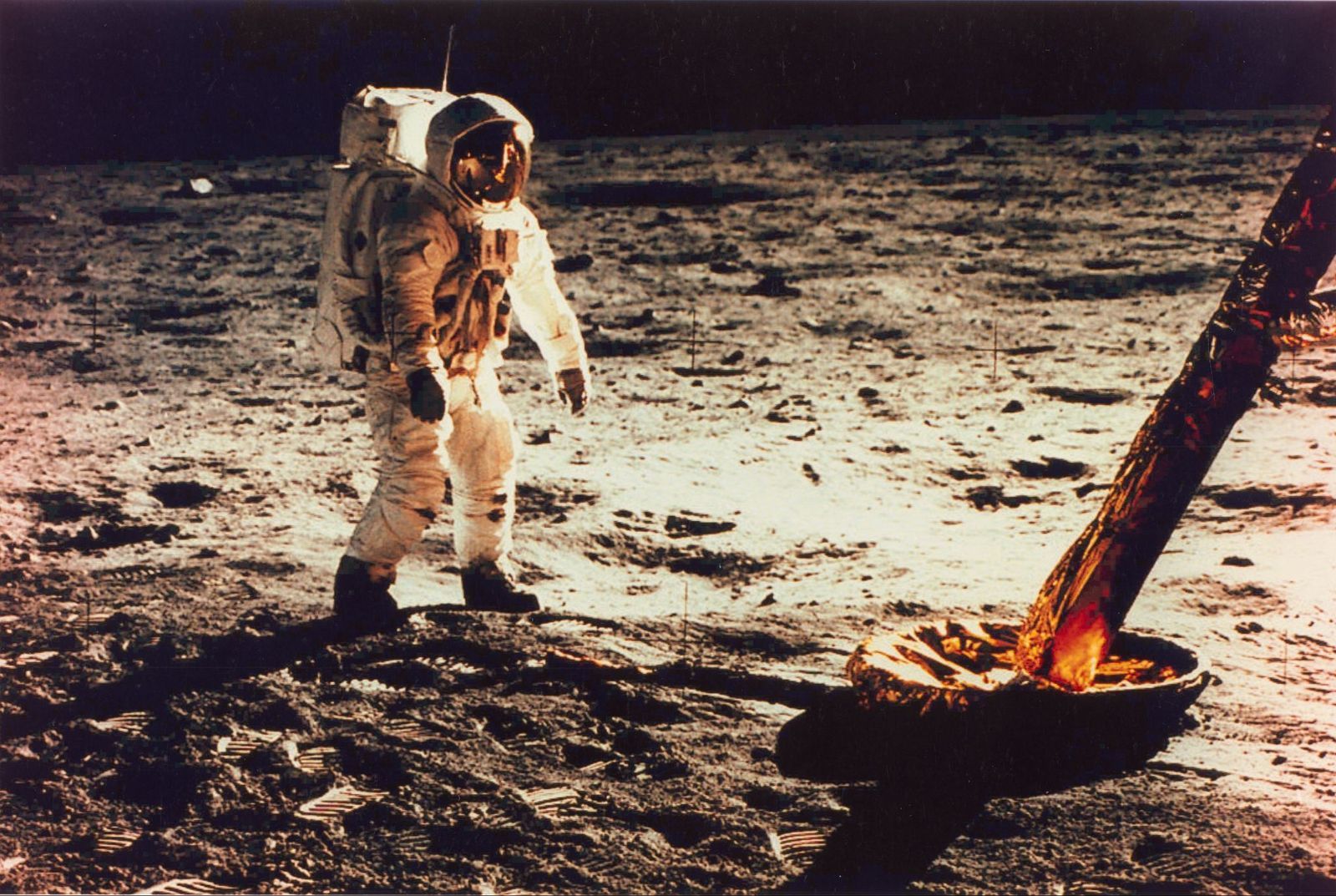
Image: Rawpixel.com

Chores and work pile up for everyone, and the beginning is often the hardest part. But once you do, even with just one tiny task, that’s enough to get you going. Neil Armstrong (1930-2012) was an aeronautical engineer, astronaut, and the first human to set foot on the moon as commander of the Apollo 11 mission.

Spoken on July 20, 1969, these words marked the crowning moment of the U.S. space program during the Cold War. The phrase contrasts the literal step Armstrong was taking with the broader achievement it represented for humanity.

2

"Stay hungry, stay foolish." – Steve Jobs

Image: Grey82

Sometimes we want to motivate others and even ourselves to "think different", as Apple once said, and no one embodied that better than Steven Paul Jobs, more popularly known as Steve Jobs (1955-2011).

He was an influential entrepreneur, industrial designer, and media mogul who co-founded and was the CEO of Apple. Jobs delivered this iconic line during Stanford University’s commencement speech in 2005. Essentially, it is a call to maintain an insatiable curiosity and desire to learn ("stay hungry") and an openness to risks and unconventional ideas without focusing on the possibility of failure ("stay foolish").

3

"You may encounter many defeats, but you must not be defeated." – Maya Angelou
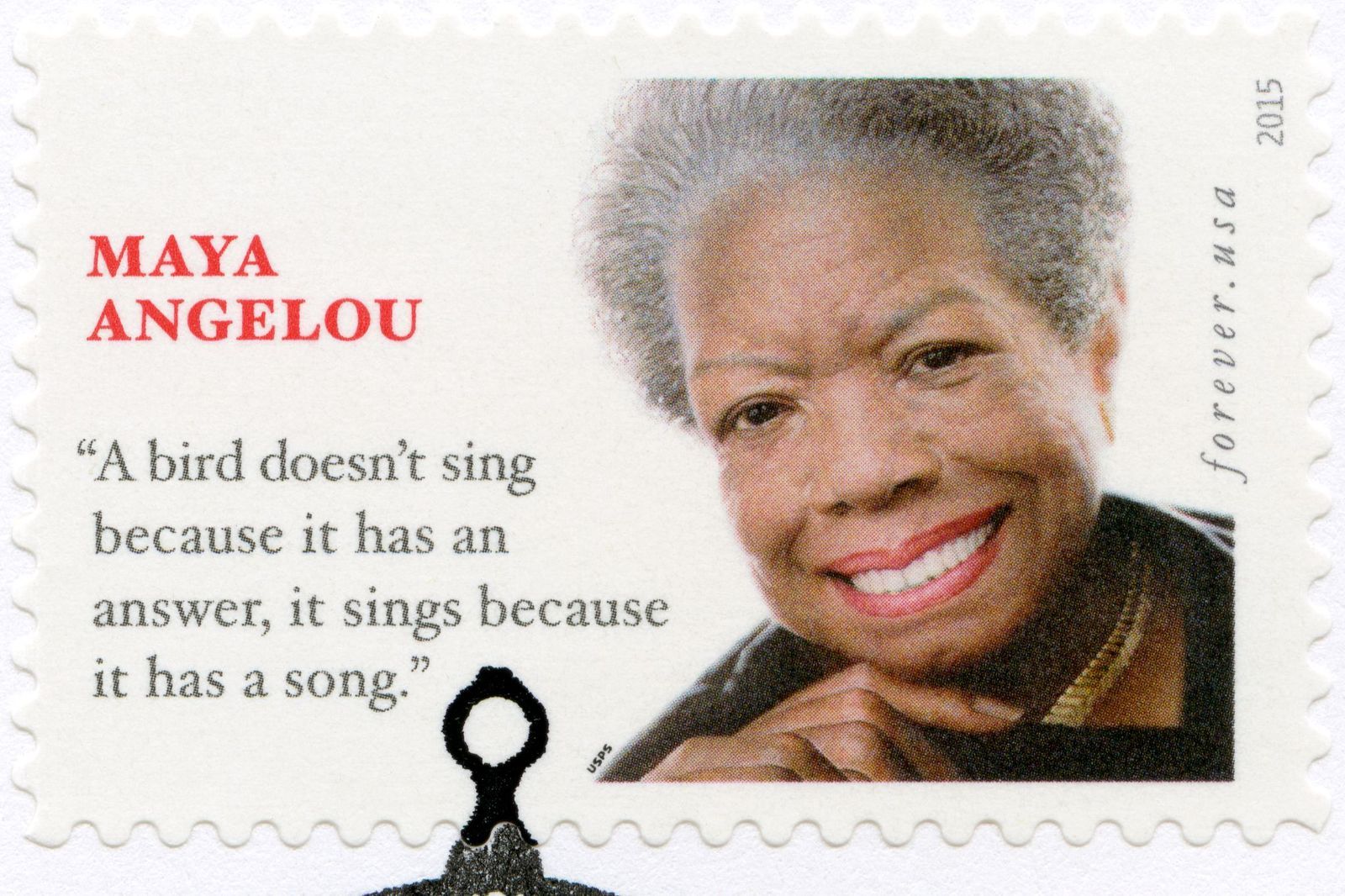
Image: Olga Popova

How many times have you had a rough day or been through something that made you feel like giving up? This famous quote by Dr. Marguerite Annie Johnson, better known as Maya Angelou (1928-2014), reminds us that true defeat comes when we give up and that resilience helps us get up after every fall. In other words, success isn’t about avoiding failure but about refusing to let it break you.

She was an internationally acclaimed writer, poet, singer, and civil rights activist. She published seven memoirs, including I Know Why the Caged Bird Sings (1969), three books of essays, and several collections of poetry.

4

"Float like a butterfly, sting like a bee." – Muhammad Ali
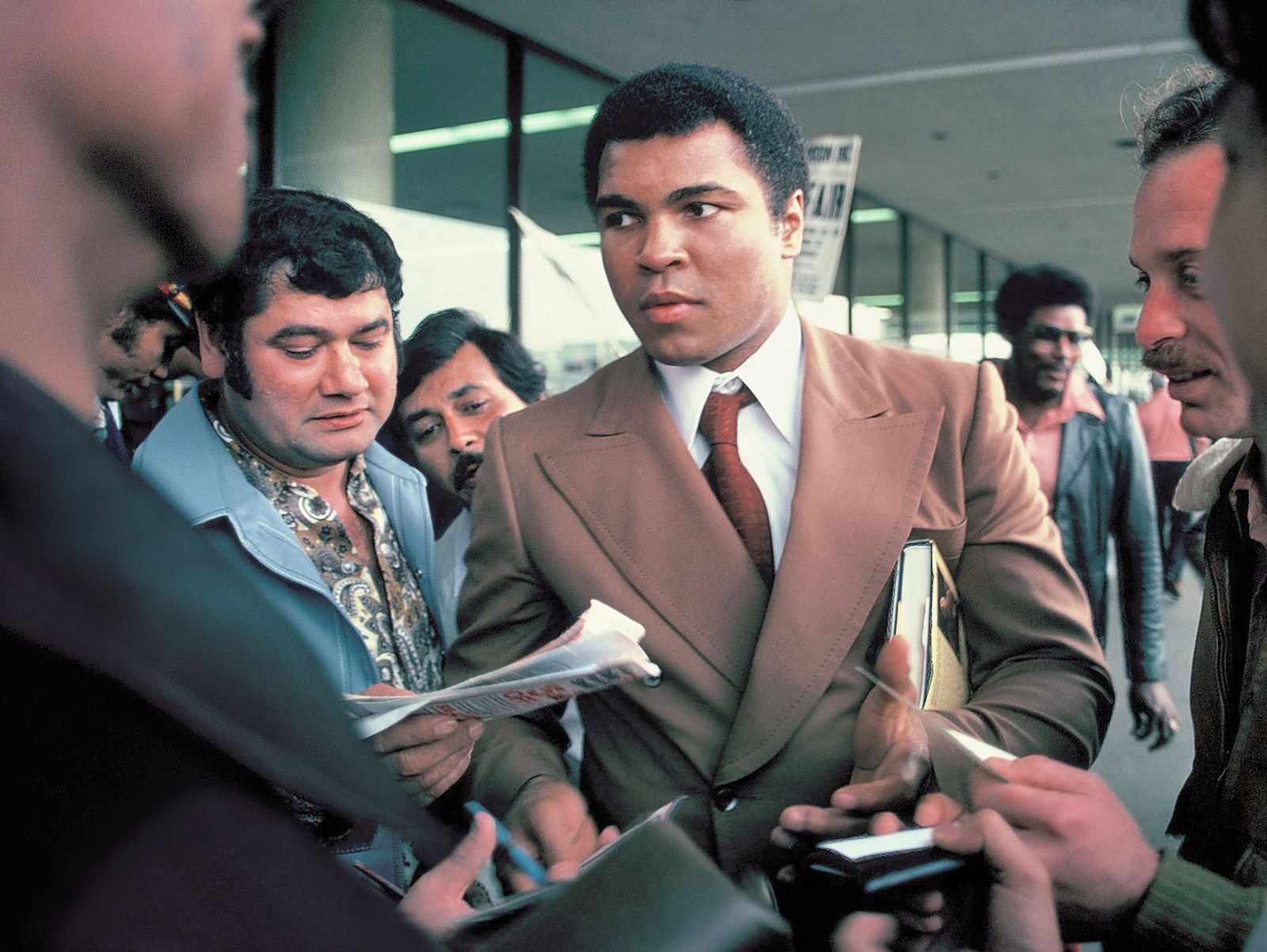
Image: Scott Woodham Photography

Just when we can feel like we are a walking paradox, words have the unique ability to connect opposites. Muhammad Ali (1942-2016) was an American boxer, activist, and one of the most influential sportsmen of the 20th century. He is widely regarded as the greatest heavyweight boxer of all time and was also known for his poetic flair.

This famous quote brings together his love for language and legendary fighting style. It describes how he moved effortlessly around the ring before delivering his sharp knockout blows.

5

"The future belongs to those who believe in the beauty of their dreams." – Eleanor Roosevelt
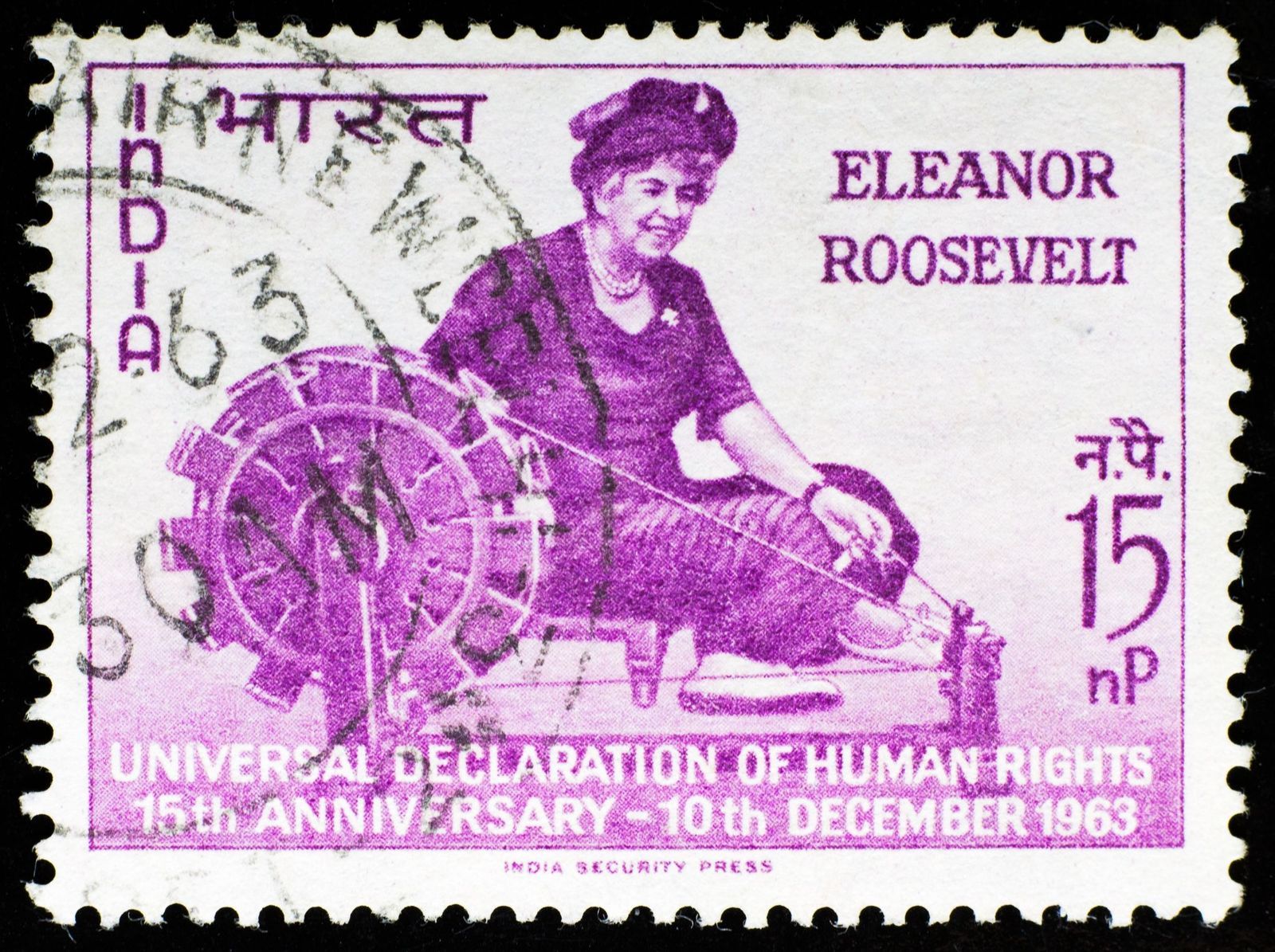
Image: Manuel Esteban

You’ve probably faced moments of doubt in your life, a trip that seemed impossible to take, or a job that felt out of reach. But there comes a point when we must remember the things we dare to imagine are the blueprints for where we are headed.

That’s exactly what Eleanor Roosevelt (1884-1962) meant by this phrase. The former U.S. First Lady, tireless civil rights advocate, and U.S. delegate to the United Nations was one of the most influential figures of the 20th century. She didn’t just write these words; she lived by them. This quote reflects her belief that ordinary people can make a difference if they dare to dream and have the perseverance to act.

6

"Well done is better than well said." –Benjamin Franklin
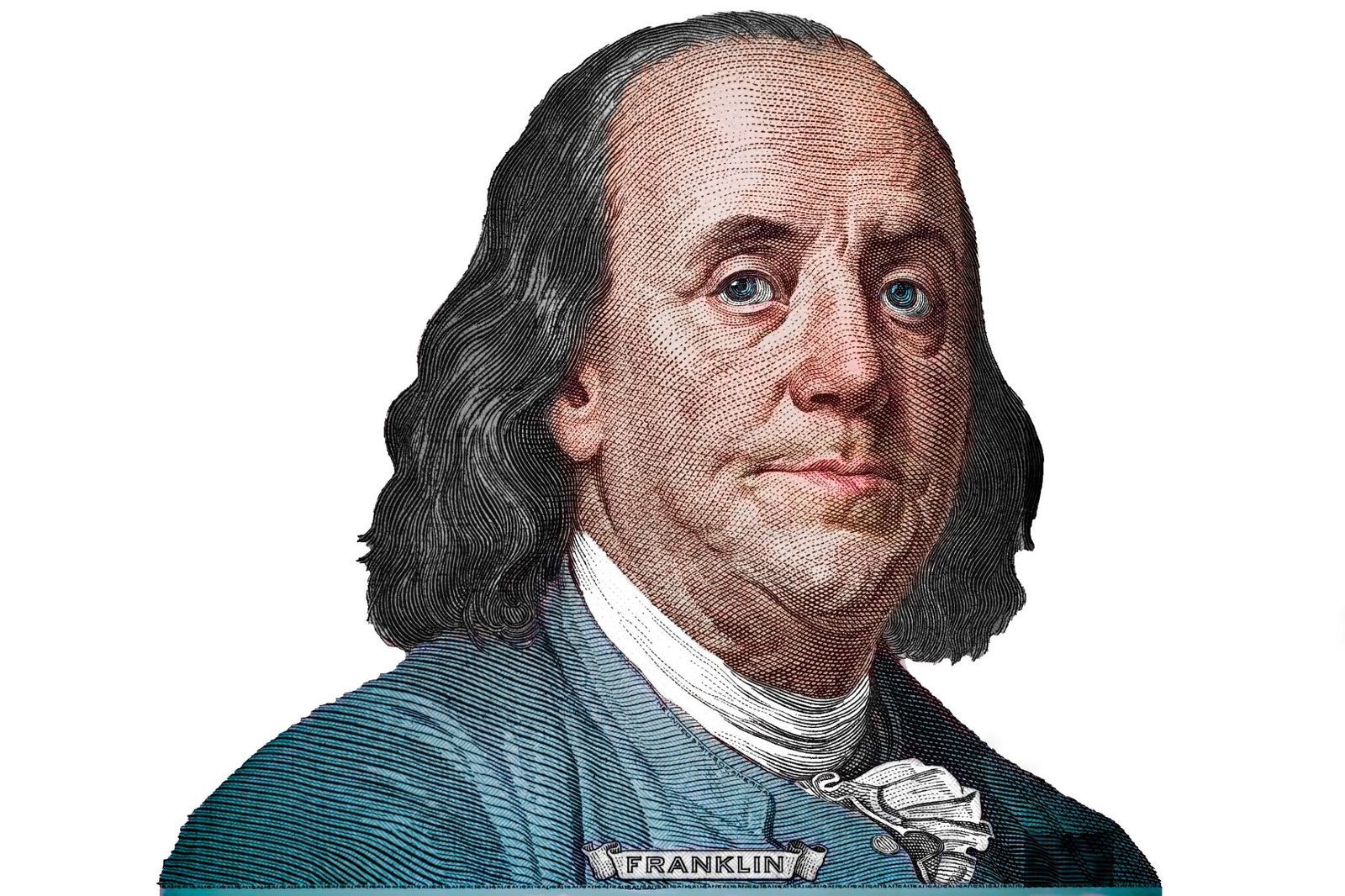
Image: Ruslan Lytvyn

Sometimes the most important ideas sound the simplest, but they were once said by people who were so different from the rest that they made difficult ideas seem easy. Benjamin Franklin (1706-1790) was one of these people. He was one of the Founding Fathers of the United States, as well as a politician, scientist, and American inventor.

Franklin’s maxim, published in his Poor Richard’s Almanack (1737), means that taking action and achieving concrete results is much more important than merely talking about things without getting anywhere. Ultimately, it is the 18th-century equivalent of "Actions speak louder than words."

7

"Speak softly and carry a big stick." – Theodore Roosevelt
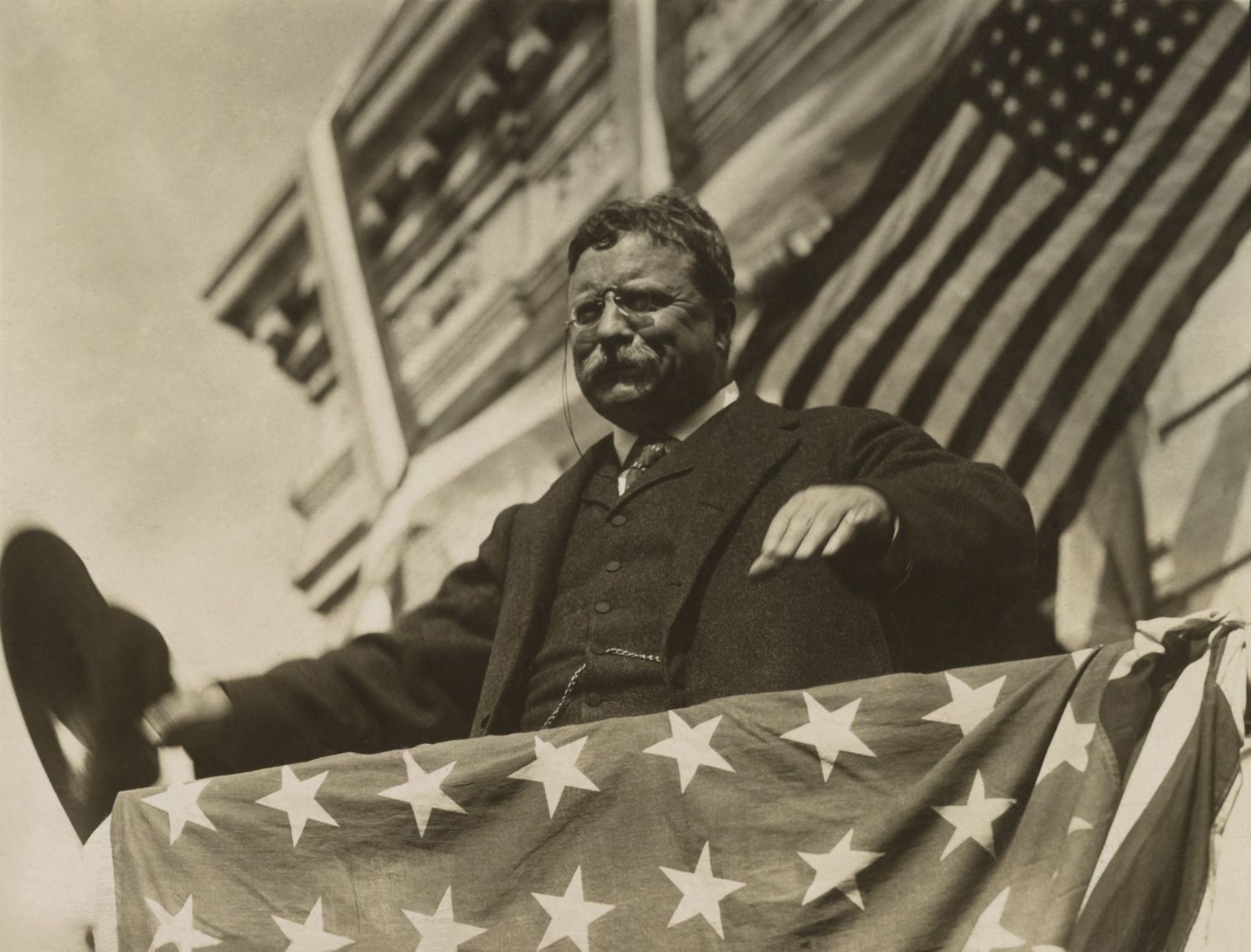
Image: Everett Collection

Topics such as foreign policy can seem distant and complex, but Theodore Roosevelt (1858-1919), an American politician who served as the 26th President of the United States from 1901 to 1909, and vice president in the preceding term, made the idea easier to understand and applicable to everyday life.

This phrase, often cited as a proverb, was popularized by Roosevelt in reference to foreign policy. It means that one should negotiate peacefully and respectfully ("speak softly"), while sustaining a constant and credible threat of power in reserve ("carry a big stick") to back up one’s words.

8

"The most difficult thing is the decision to act, the rest is merely tenacity." – Amelia Earhart

Image: Rawpixel.com

How often are we afraid to go after what we want? And when we finally do, how many of us are strong enough to keep going and face the challenges ahead? Amelia Earhart (born in 1897, missing since 1937, and declared dead in 1939) was a pioneer in American aviation, having been the first woman to cross the Atlantic nonstop and alone, and the person who said these words.

They remind us that the mental hurdle of starting something new and facing one's fears is often the hardest step. Once you commit, however, overcoming the obstacles that will arise requires determination and endurance.

9

"Women's rights are human rights." – Hillary Clinton
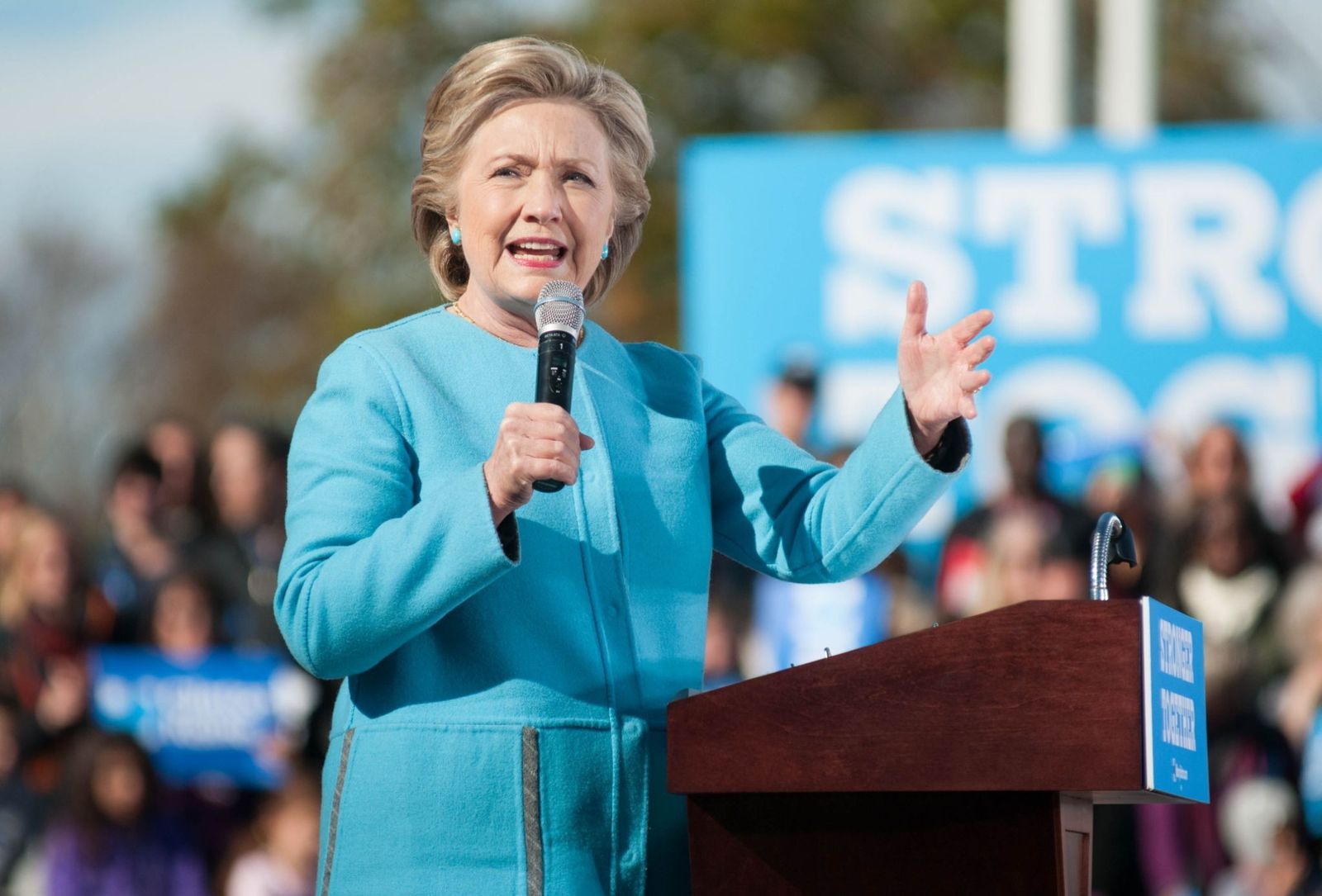
Image: Andrew Cline

At times, the most obvious truths are the hardest to explain, but not for Hillary Clinton (born in 1947). She has had an internationally acclaimed career spanning roles as a politician, diplomat, lawyer, and philanthropist. She was the 67th United States Secretary of State, served in the United States Senate, and ran for president in 2008 and 2016.

Her quote was delivered in 1995, when she was First Lady, at the United Nations Fourth World Conference on Women, in Beijing, China. This iconic statement dismantles the excuse that women’s issues are either cultural or secondary, and instead establishes that protecting women is an essential component of universal human rights.

10

"Government of the people, by the people, for the people, shall not perish from the Earth." – Abraham Lincoln
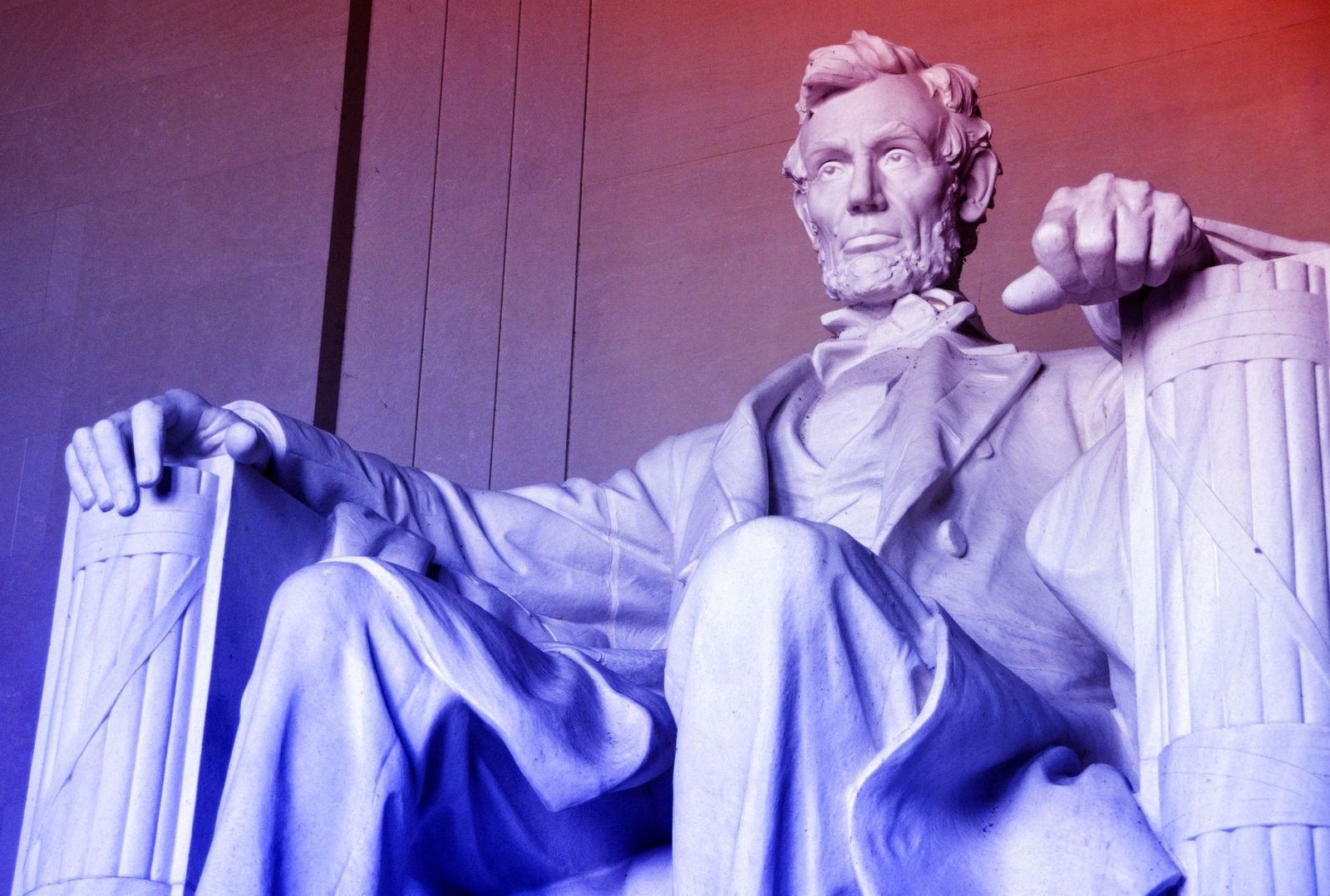
Image: Stacey Newman

Another issue that often appears to be complex is the structure of government, but another great American politician, Abraham Lincoln (1809-1865), who was a lawyer and served as the 16th president of the United States from 1861 until his assassination in 1865, helped us understand it better.

Lincoln spoke these words in 1863 during the Gettysburg Address, which is considered one of the clearest definitions of American democracy: power derives from the consent of the governed (the people); it is exercised by their representatives (by the people); and it exists there to serve the public welfare (for the people).


Roll the dice!

Relive the countless hours of fun these 10 board games gave us!


Published on July 24, 2026


Image: Aakash Dhage

If there’s one thing these 10 entertaining board games have taught us, it’s that even rainy days can be fun! We can almost picture the countless hours of enjoyment these games have provided, whether we were hanging out with friends or spending quality time with family. With that in mind, consider this article a small yet heartfelt tribute to these 10 masterpieces of entertainment—games so good they make us want to grab the dice and set up the game board for a cozy night in. Enjoy!

1

Monopoly

Image: Joshua Hoehne

We’ll start with a modern classic. Can you think of a single person who hasn’t played at least one round of Monopoly? After all, this game has been around since 1935—nearly 90 years as a beloved favorite.

As you probably know, the objective of the game is admittedly a bit ruthless: your main mission is to financially outlast your opponents by buying properties and raising their value through development. But don’t let that scare you off—Monopoly offers hours of incomparable fun for players of all ages.

2

The Game of Life

Image: Randy Fath

Whoever told you to take life more seriously clearly never played this game. The Game of Life is one of the oldest modern board games, originally created in 1860 by none other than Milton Bradley himself. However, that early version was vastly different from the one we know and love today, which was released in 1960.

The Game of Life places each player in a tiny plastic car, which they guide along a winding board filled with diverging paths and life-altering decisions. Every choice the player makes helps shape their ideal life: they might get married, start a family, or even land the job of their dreams.

3

Clue (or Cluedo)

Image: Alexander Lyashkov

Who knew that solving a murder could be this fun? Created in the land of Sherlock Holmes himself, this British game pits players against one another in a race to solve the mysterious murder of a certain Mr. Boddy. While the game is known to North American audiences as Clue, the original name, Cluedo, is a blend of "Clue" and "Ludo," the latter being Latin for "I play" and also the name of another classic board game—emphasizing its nature as a game of strategy and deduction.

What’s perhaps most memorable about Clue is its colorful cast of characters. For instance, any player who chose the yellow token was playing as Colonel Mustard.

4

Scrabble

Image: Melinda Gimpel

If only our grammar teachers could see us having so much fun spelling words! Created in 1948, Scrabble is a game in which players form words by placing letter tiles onto a board made up of small, square spaces. Each word earns a certain number of points, which can be doubled or even tripled if placed on special tiles.

What’s perhaps most fun about Scrabble is how it makes us rack our brains trying to come up with long or unexpected words. If there’s ever a good time to remember that "krill" is a small crustacean eaten by whales—and worth a nifty 13 points—it’s during a particularly heated game of Scrabble.

5

Jenga

Image: Michał Parzuchowski

Did you know that Jenga comes from the Swahili word kujenga, which means "to build or construct"? While the name might seem ironic—after all, the goal is to force your opponents to bring the tower crashing down—each game of Jenga creates a brand-new structure that likely has never existed before.

Created in Britain in 1983, Jenga challenges players to take turns removing one wooden block at a time from a tower built from 54 blocks. After removing a block, players must carefully place it on top of the tower. With every piece taken, the tower becomes increasingly unstable, and the game ends when a block is removed that causes the entire structure to collapse.

6

Checkers

Image: Gabriel Meinert

Remember how we said that The Game of Life was one of the oldest modern games around? Well, Life can’t hold a candle to the more than 5,000 years of history behind checkers. The British Museum in London houses checkerboards that date back to ancient Egypt, discovered in several burial chambers.

The modern English name comes from the checkered pattern on the board. Players place their pieces on the dark squares and try to capture their opponent’s pieces by "jumping" over them.

7

Ludo

Image: VD Photography

While the modern version of the game, known as Ludo, dates back to the late 19th century, its origins go much further. It is based on the ancient Indian game Pachisi, which can be traced back to the 6th century. Regardless of the name, this classic game has brought joy to people around the world for centuries.

A game of Ludo begins with up to four players choosing a colored set of four pieces, which they place in their respective starting areas. The objective is to move all four pieces to the "home" area at the center of the board. However, this task is easier said than done: players must roll the exact number needed to reach home, and their pieces can be sent back to the starting area if another player lands on the same space. Interestingly, this frustrating element of the game inspired the German name for Ludo: Mensch ärgere Dich nicht, which translates to "Man, don’t get annoyed."

8

Risk

Image: Dave Photoz

Like Clue, the board game Risk takes an unpleasant subject—war—and turns it into an entertaining (albeit sometimes tense) experience. Risk places up to six players in the role of generals, challenging them to strategize and deploy their troops across a world map.

A game of Risk involves attacking, defending, and maneuvering troops through 42 different territories. Alliances may be formed—and just as easily broken—with some versions even introducing secret objectives that lead to unexpected betrayals.

9

Settlers of Catan

Image: Galen Crout

While Settlers of Catan (or simply Catan) is the newest game on this list, that doesn’t make it any less of a classic. Created in 1995 by German game designer Klaus Teuber, Catan casts players as settlers arriving on a newly discovered island, which they must develop and expand.

Throughout the game, players use the island’s natural resources to build roads, settlements, and cities. A major part of the gameplay involves trading and negotiation: players must frequently engage with one another in diplomacy, exchanging resources that will help grow their respective civilizations.

10

Chess

Image: Randy Fath

We’ll end this article with the only board game on this list that has transcended its status as a game to become a recognized mind sport. The game of chess has remained largely unchanged since the 15th century, but what’s even more fascinating is that its origins can be traced back at least 900 years before that time.

Despite its seemingly simple rules, chess has inspired an incredibly detailed body of theory, touching on fields such as mathematics, psychology, and computer science. Chess has even surpassed human limits: after the computer Deep Blue defeated world champion Garry Kasparov in 1997, artificial intelligence has continued to outmatch the best players worldwide.

Looking for an extra scoop of literary fun?

Learn more with our Word of the day

contemplate

/ˈkɑn(t)əmˌpleɪt/