Clever illusions

What casinos, supermarkets, and subways don’t want you to know


Published on February 27, 2026


Image: Bret Kavanaugh

Ever had the feeling that something about everyday life was just a little off? That’s because in many cases, it is. From grocery store layouts to casino carpets, clever minds are shaping what we see, smell, and even how we move without us realizing it. Let’s pull back the curtain and peek at the hidden tricks tucked into the ordinary places we all know.

1

Shopping malls are indeed mazes

Image: Dieter de Vroomen

Shopping malls weren’t built like mazes by accident. Have you ever heard of the "Gruen Transfer"? It’s the moment you forget what you came in for and start browsing aimlessly. Architects design confusing layouts and winding paths to trigger it. The longer you wander, the more likely you are to grab things you didn’t plan on buying. If you’ve ever left a store with three extra bags and no memory of why, you’ve been "Gruened."

2

Supermarkets play hide and seek with your milk
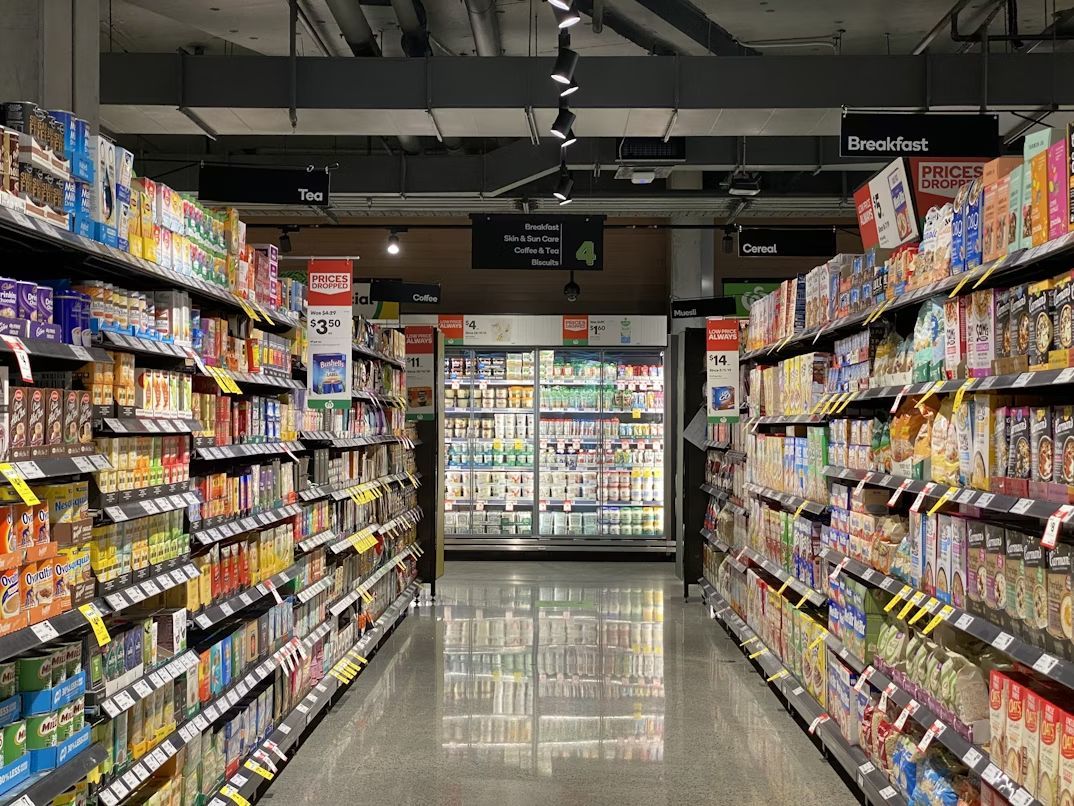
Image: Franki Chamaki

Why is milk always at the back of the store? It’s not poor planning, it’s strategy. By placing essentials far away, supermarkets force you to stroll past shelves of tempting snacks, fresh flowers, and discounted items. Every extra step raises the odds that something unplanned lands in your cart. So while you may only need a gallon of milk, the store is betting you’ll walk out with chips, cookies, and maybe even a magazine.

3

Fast food chains know how to lure your nose
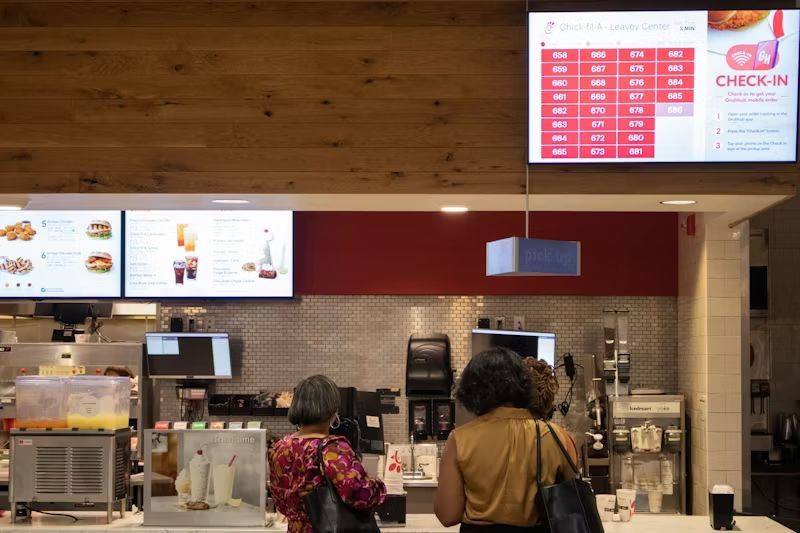
Image: Zoshua Colah

Ever wondered why the smell of French fries can make you turn your head? That’s no happy accident. Many fast-food joints pump cooking aromas right onto the street. Since smell is the strongest trigger for cravings, it’s an irresistible lure. The scent hits your brain before your stomach has a chance to argue, and suddenly a quick errand turns into a burger run.

4

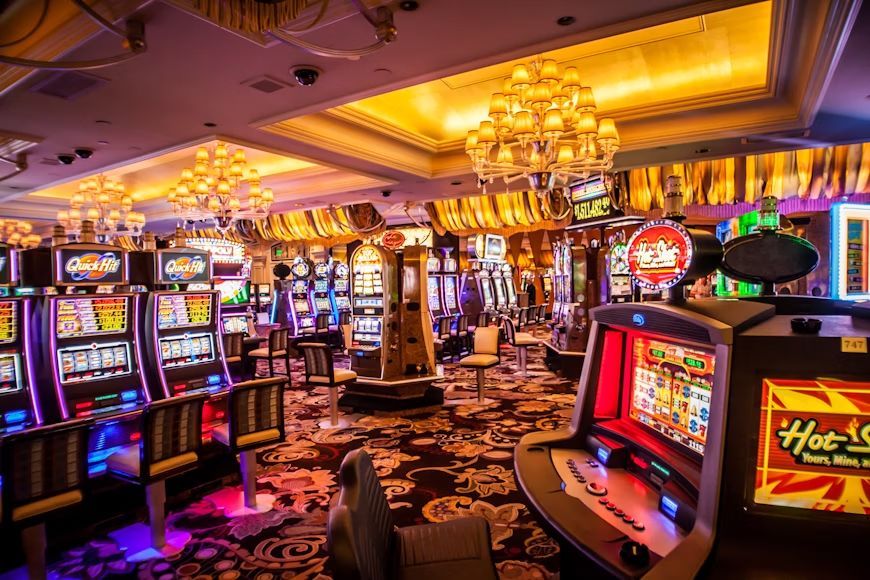
Casino carpets are ugly on purpose

Image: Kvnga

If you’ve ever thought casino carpets looked like something out of a wild kaleidoscope, you’re not wrong. Those clashing patterns aren’t just bad taste; they’re intentional. Distracting floors keep your eyes up, fixed on the machines and tables where the real money is made. The chaos underfoot is a subtle trick to keep you focused on spinning reels instead of finding the exit.

5

That "new car smell" is bottled luxury

Image: Swansway Motor Group

Nothing feels quite like sliding into a car with that signature "new car smell." But here’s the secret: it’s manufactured. Car makers blend chemical scents to create the feeling of freshness and quality. Some companies even trademark their formula so rivals cannot copy it. That rich scent that says "success"? It’s as carefully crafted as the leather seats.

6

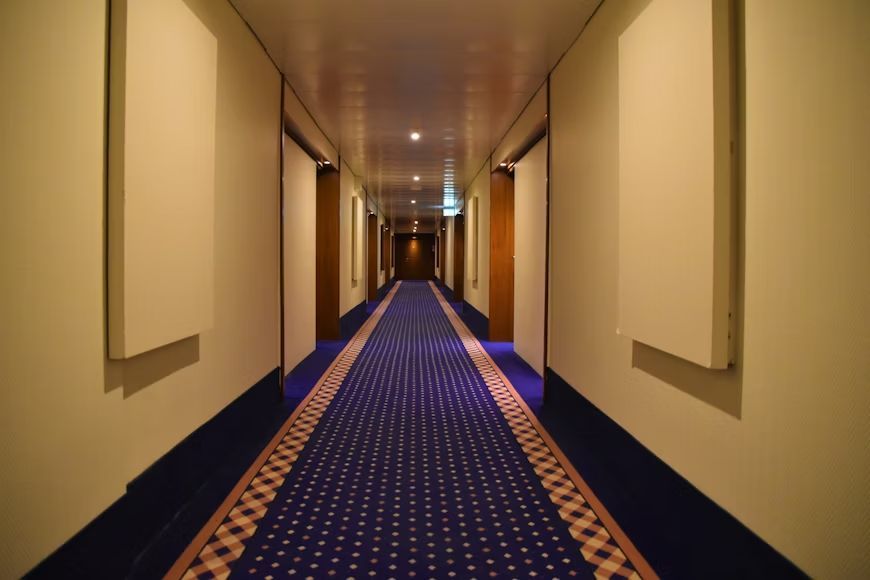
Hotel hallways stretch your patience

Image: Waldemar

Ever notice how long hotel hallways seem? Designers use repeating patterns, lighting tricks, and color schemes that subtly slow your walk. The effect isn’t just decorative; it gives you more time to notice vending machines or signage and even makes you feel less rushed. So when it feels like you’ve walked half a mile to your room, part of that marathon is design.

7

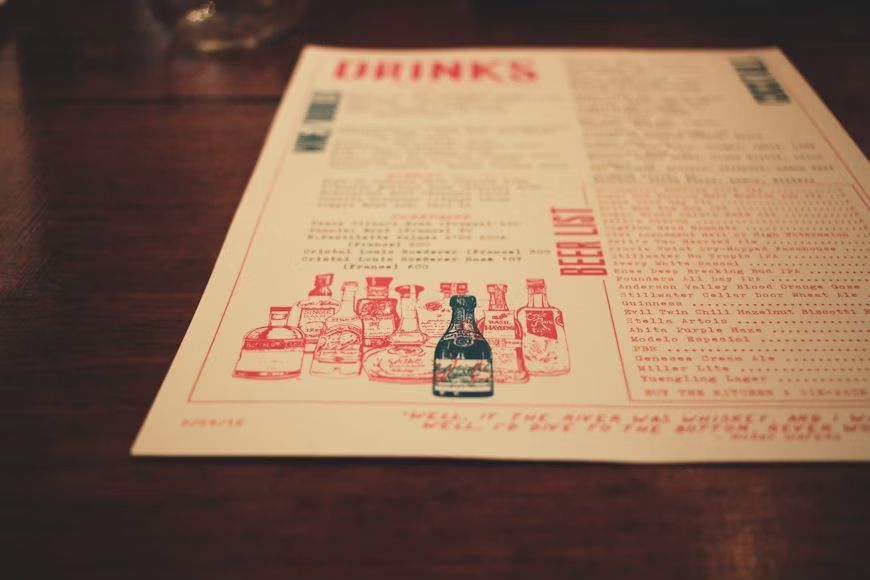
Restaurant menus play mind games

Image: Karen Z

When you see a shockingly overpriced steak at the top of a menu, it’s not really meant to sell. It’s a decoy. By comparison, the "mid-range" dishes seem like a deal, nudging you to spend more than you planned. This pricing trick has been around for decades, and chances are you’ve fallen for it without realizing.

8

Trash cans at Disney Parks aren’t random
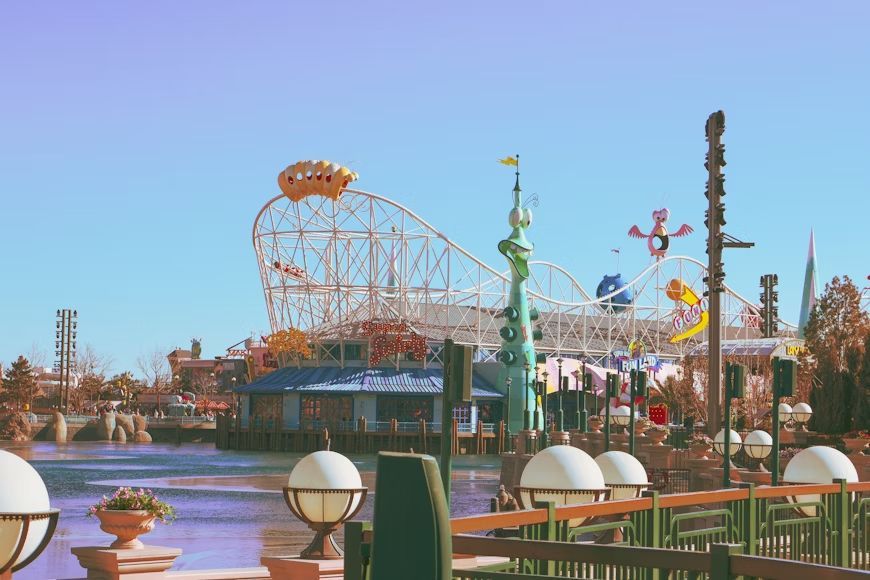
Image: Psycho Kev

Walt Disney once tested how far people would carry trash before dropping it. The answer was about 30 steps. That’s why bins at Disney parks are never far apart, and why other parks adopted the rule. It keeps the grounds clean and makes guests feel comfortable without ever thinking about litter.

9

Subway music isn’t always for your enjoyment
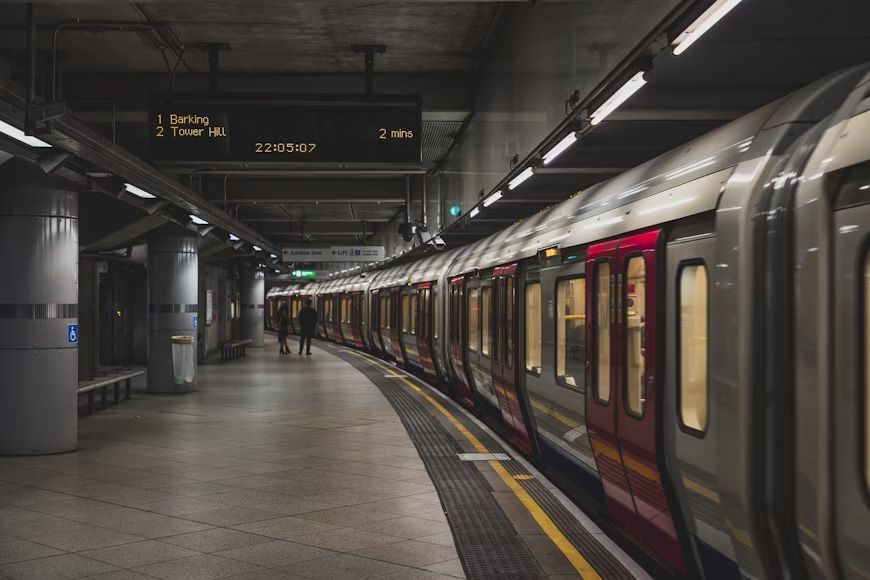
Image: Joël de Vriend

Sometimes that classical music echoing through subway speakers isn’t for ambience. Cities have discovered that playing opera or symphonies discourages loitering and can even reduce crime. Apparently, Mozart is less appealing background noise for troublemakers than for commuters just trying to get home.

10

Fresh bread smells that don’t come from bread
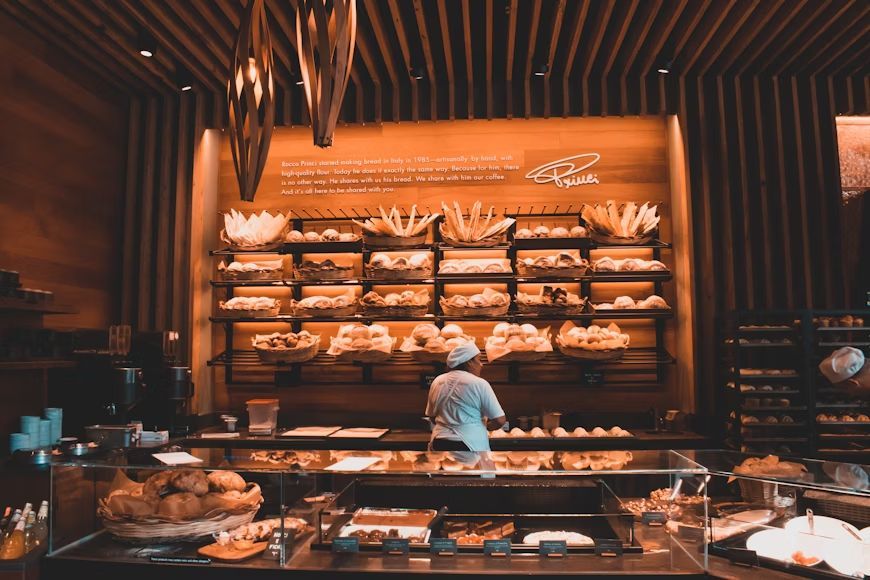
Image: Andy Li

That warm bakery smell in the grocery store might be a phantom. Some stores use scent machines to pump out the smell of baking bread, even if the ovens are cold. The aroma stirs up hunger, making shoppers more likely to toss in pastries, rolls, or cookies. Next time you catch that scent, check if there’s actually something in the oven or if it’s just clever marketing in the air.
words origins and their changes

Born by accident: 10 English words that started as mistakes


Published on February 27, 2026


Image: George Kourounis

There are many words we use today that actually came from small "mistakes," like "shamefaced", "penthouse", or the verb "edit." Back then, as words moved between languages and writing wasn’t as common, changes in spelling, pronunciation, or transcription were usual. Sometimes these shifts were unintentional, and other times they were adjusted to sound more familiar with what people thought the word meant. Let’s see these 10 words you probably didn’t know were born as accidents.

1

Shamefaced

Image: Caleb Woods

The word "shamefaced" looks like it's referring to your face turning red with embarrassment, but that's not actually its first meaning. The original word was shamefast, and that second part, fast, used to mean "held firmly in place." So it wasn't about your face showing how ashamed you were; it was about being held back, or frozen, by shame. Around the 16th and 17th centuries, English people stopped recognizing the old meaning of "fast" and replaced it with "face," which sounded more accurate, but the meaning remained the same.

2

Penthouse

Image: alice kang

It may be hard to believe, but the meaning of "penthouse" was originally associated with a small attached structure rather than with luxury apartments. It comes from the French apentis, which referred to a simple construction against a wall, usually with a sloped roof. In the Middle Ages, it was adopted by the English and appeared in forms such as pentis or pentice, already altered in sound.

Time went through, and speakers reshaped it into "penthouse," connecting it to the familiar word "house," even though that link wasn’t originally there. As the form changed, the meaning shifted too. Instead of a modest attached structure, it came to describe a top-floor space, and eventually a high-end apartment at the top of a building.

3

To edit

Image: Glenn Carstens-Peters

The verb "edit" didn’t exist as it does now. English already had the noun editor, which came from Latin and meant someone who prepares text for publication. By the late 1700s and early 1800s, English speakers began assuming that if there was an "editor," there should also be a verb "to edit". So they removed what they thought was the "-or" ending and formed a new verb: edit. This is an example of back-formation, where a shorter word is created from a longer one by mistake. Even though "edit" wasn’t the original form, it quickly became standard, and we actually use it more frequently than its original noun.

4

Adder

Image: S N Pattenden

The Old English word for the snake was nædre. People would say it with the article, like "a nædre." At some point, listeners got confused about where the word actually began and started hearing it as "an adder." So the "n" shifted from the noun to the article, and eventually disappeared from the word itself.

So, it went from "a nædre" to "an adder," and finally to just "adder." This happened in past centuries when language was heard more than written, and people naturally reinterpreted where one word ended, and the next began.

5

Biceps

Image: Gordon Cowie

A singular–plural mistake happened with the word "biceps." From Latin, where bi- means "two" and -ceps means "headed". The word is already singular, referring to a muscle with two points of attachment. When it was adopted into English, however, "biceps" was mistaken for a plural form, and "bicep" emerged as a new singular. This is another example of back-formation, when a shorter form is created by removing what people think is a plural ending.

6

Orange

Image: Sheraz Shaikh

This is a case of misdivision. The fruit has its roots in Asia, and its name travels from Sanskrit, to Persian, to the Arabic naranj. In Spanish, it stayed almost the same; it is called naranja. But in French, naranj came to be norange, and people often said it with the article "une norange". Time passed, and people started to say une orange. When English borrowed the word from French, it adopted this "mistaken version" and has remained orange until today.

7

Cherry

Image: Joanna Kosinska

After the Norman conquest of 1066, when William the Conqueror of Normandy invaded England and brought French influence to the English language, the English adopted the word cherise from the French (a variant of what today is called in French cerise). As it sounded like the word ended in "s", English thought it was plural and invented the "cherry" as its singular form.

8

Island

Image: Tom Winckels

The word "island" didn’t always have an "s" in it. In Old English, it was written as igland or yland, meaning "land surrounded by water." By the 1500s, the spelling started to change. Writers added an "s" because they thought the word was related to "isle," from the word "insula" in French. The "land" part was also kept to make the meaning clearer and avoid confusion with other similar words for water. With time, the spelling "island" became standard. Even though the "s" was added by mistake, it stayed in the word; that’s why we still write it, but never pronounce it.

9

Sneeze

Image: mohammad hosein safaei

In early English, sneeze was written as fnese, along with forms like fneosung (sneezing) and fnora (a sneeze). So what happened? In medieval handwriting, there was a long "s" that looked a lot like the letter "f." Because of that, people often misread the word and begin writing it with an "s" instead. That reading mistake stuck and became the standard spelling. Even though the word echoes the sound of a sneeze, its modern form actually comes from writing confusion.

10

Gravy

Image: victoria.

Gravy comes from a French word, grané, which means "spiced". This word was also misread due to medieval handwriting and the similarities between the letters"n" and "u". So, the word came to be misspelled as graue. Today, we use either "u" or "v" depending on the sound they represent, although in medieval times these letters varied according to their position in the whole word. If it was at the beginning of it, the "v" was used, and the "u" if it was in the middle of it. It didn’t matter how it sounded. Because of these changes, grané evolved into gravy as we know it today.

Looking for an extra scoop of literary fun?

Learn more with our Word of the day

alter

/ˈɔltər/