Clever illusions

What casinos, supermarkets, and subways don’t want you to know


Published on February 27, 2026


Image: Bret Kavanaugh

Ever had the feeling that something about everyday life was just a little off? That’s because in many cases, it is. From grocery store layouts to casino carpets, clever minds are shaping what we see, smell, and even how we move without us realizing it. Let’s pull back the curtain and peek at the hidden tricks tucked into the ordinary places we all know.

1

Shopping malls are indeed mazes

Image: Dieter de Vroomen

Shopping malls weren’t built like mazes by accident. Have you ever heard of the "Gruen Transfer"? It’s the moment you forget what you came in for and start browsing aimlessly. Architects design confusing layouts and winding paths to trigger it. The longer you wander, the more likely you are to grab things you didn’t plan on buying. If you’ve ever left a store with three extra bags and no memory of why, you’ve been "Gruened."

2

Supermarkets play hide and seek with your milk
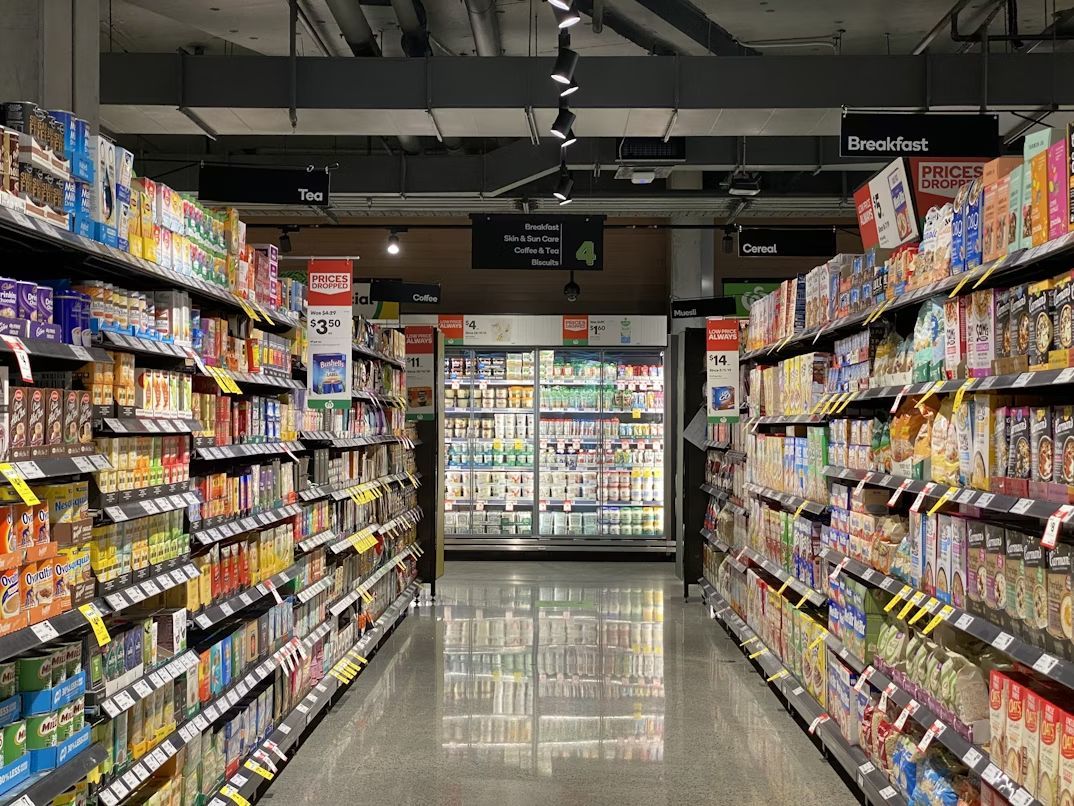
Image: Franki Chamaki

Why is milk always at the back of the store? It’s not poor planning, it’s strategy. By placing essentials far away, supermarkets force you to stroll past shelves of tempting snacks, fresh flowers, and discounted items. Every extra step raises the odds that something unplanned lands in your cart. So while you may only need a gallon of milk, the store is betting you’ll walk out with chips, cookies, and maybe even a magazine.

3

Fast food chains know how to lure your nose
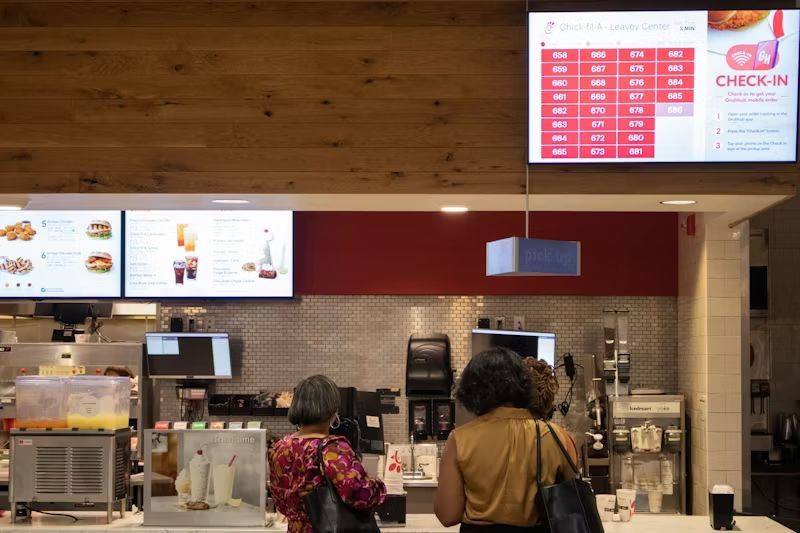
Image: Zoshua Colah

Ever wondered why the smell of French fries can make you turn your head? That’s no happy accident. Many fast-food joints pump cooking aromas right onto the street. Since smell is the strongest trigger for cravings, it’s an irresistible lure. The scent hits your brain before your stomach has a chance to argue, and suddenly a quick errand turns into a burger run.

4

Casino carpets are ugly on purpose

Image: Kvnga

If you’ve ever thought casino carpets looked like something out of a wild kaleidoscope, you’re not wrong. Those clashing patterns aren’t just bad taste; they’re intentional. Distracting floors keep your eyes up, fixed on the machines and tables where the real money is made. The chaos underfoot is a subtle trick to keep you focused on spinning reels instead of finding the exit.

5

That "new car smell" is bottled luxury

Image: Swansway Motor Group

Nothing feels quite like sliding into a car with that signature "new car smell." But here’s the secret: it’s manufactured. Car makers blend chemical scents to create the feeling of freshness and quality. Some companies even trademark their formula so rivals cannot copy it. That rich scent that says "success"? It’s as carefully crafted as the leather seats.

6

Hotel hallways stretch your patience

Image: Waldemar

Ever notice how long hotel hallways seem? Designers use repeating patterns, lighting tricks, and color schemes that subtly slow your walk. The effect isn’t just decorative; it gives you more time to notice vending machines or signage and even makes you feel less rushed. So when it feels like you’ve walked half a mile to your room, part of that marathon is design.

7

Restaurant menus play mind games

Image: Karen Z

When you see a shockingly overpriced steak at the top of a menu, it’s not really meant to sell. It’s a decoy. By comparison, the "mid-range" dishes seem like a deal, nudging you to spend more than you planned. This pricing trick has been around for decades, and chances are you’ve fallen for it without realizing.

8

Trash cans at Disney Parks aren’t random

Image: Psycho Kev

Walt Disney once tested how far people would carry trash before dropping it. The answer was about 30 steps. That’s why bins at Disney parks are never far apart, and why other parks adopted the rule. It keeps the grounds clean and makes guests feel comfortable without ever thinking about litter.

9

Subway music isn’t always for your enjoyment
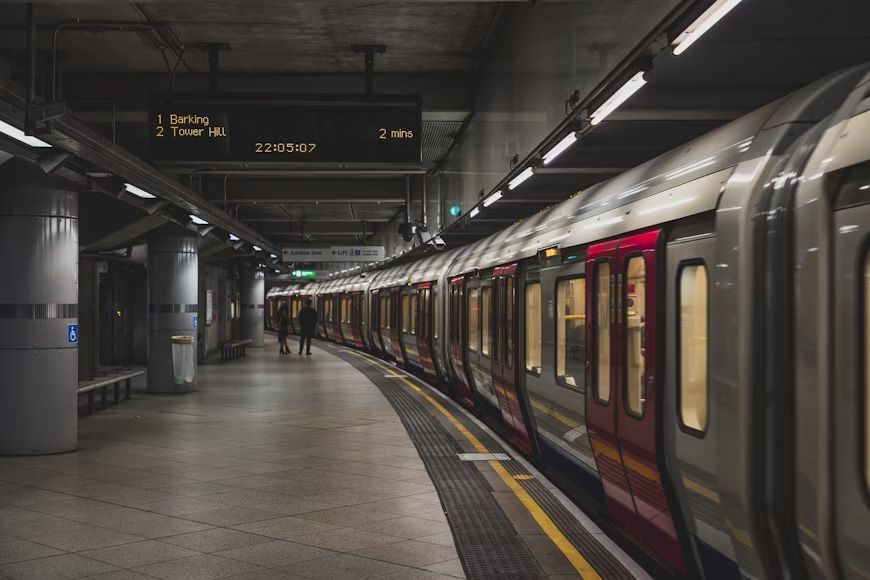
Image: Joël de Vriend

Sometimes that classical music echoing through subway speakers isn’t for ambience. Cities have discovered that playing opera or symphonies discourages loitering and can even reduce crime. Apparently, Mozart is less appealing background noise for troublemakers than for commuters just trying to get home.

10

Fresh bread smells that don’t come from bread
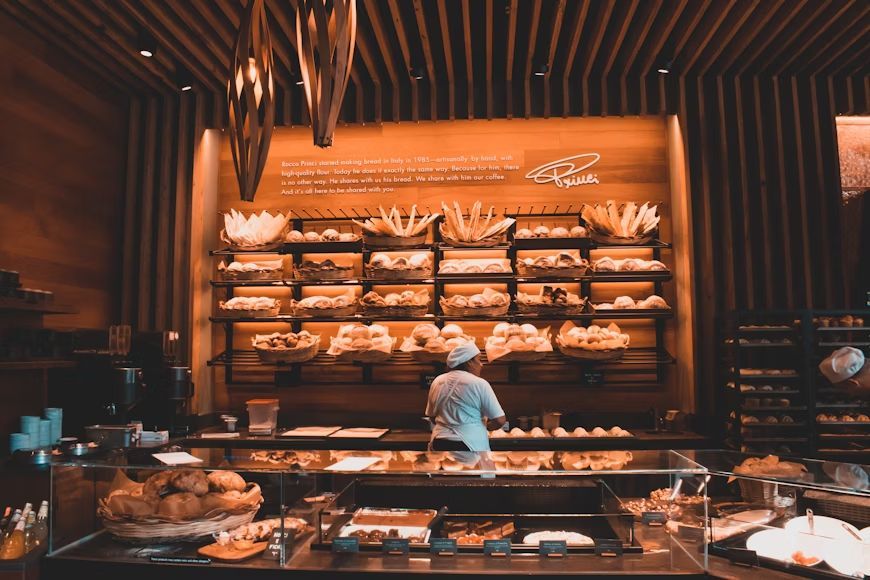
Image: Andy Li

That warm bakery smell in the grocery store might be a phantom. Some stores use scent machines to pump out the smell of baking bread, even if the ovens are cold. The aroma stirs up hunger, making shoppers more likely to toss in pastries, rolls, or cookies. Next time you catch that scent, check if there’s actually something in the oven or if it’s just clever marketing in the air.
Money does talk

10 Idioms about money and what they really mean


Published on February 27, 2026


Image: Fabian Blank

In this day and age, money is one of the central aspects of our lives. But not only does it shape the way we live: sometimes, it can shape the way we talk. Our daily language is stuffed with colorful expressions about cash. From the most silly to the utterly serious, they all carry a story, often stranger than the phrase itself. Let's break down some popular idioms about money that prove how creative we can get!

1

Money doesn't grow on trees

Image: micheile henderson

It sounds quite obvious, but this idiom is still the go-to phrase for parents trying to rein in their children's over-eager spending. Rising to popularity during the early 20th century, this phrase underscores the finite nature of money while highlighting the value of hard work and careful spending.

Ironically, some people say that paper money does, in a sense, come from trees, but this isn't true in the United States. US dollars are made of cotton fiber, not of wood fiber.

2

Break the bank

Image: Andre Taissin

Today, this phrase conjures images of crashed piggy banks; we use it when we spend what seems like a fortune on a luxury car or some hard-earned vacations. However, the origins of this idiom stretch back to 19th-century casinos. If a gambler, by luck or cunning, won more than the house could cover, they quite literally broke the bank, and the casino had to shut down the table.

3

The Cash Cow

Image: Erik Mclean

This one is pretty straightforward: it actually comes from the farmyard. Dairy cows, requiring little beyond feed and care, produce milk steadily for many years. In the 20th century, businesspeople borrowed the metaphor: a cash cow is any product that brings consistent profit with minimal effort on the company's part. Think of razor blades, sodas, or charging cords: humble items that, while unassuming, keep the cash flowing steadily.

4

Pay through the nose

Image: Jp Valery

Sounds painful when you think about it, right? Some historians trace this phrase back to 9th-century Ireland, when it referred to the pain of paying heavy taxes levied by the Norse invaders. Legend has it that, if you didn't pay on time, collectors would slit your nose in punishment.

While this grisly tale is debated, the idiom stuck, and today it simply means to pay for something more than what it's actually worth. Thankfully, we get to keep our noses.

5

Nest egg

Image: Sasun Bughdaryan

Another idiom that comes straight from the farmyard. The story goes that farmers once kept an egg (sometimes real, sometimes carved out of wood or made of porcelain) in a chicken's nest to encourage hens to come back and lay more eggs in the same place. By the 1600s, this practice gave rise to the figurative nest egg: money set aside to grow over time.

6

Born with a silver spoon

Image: Siora Photography

In 18th-century England, wealthy families often gifted silverware at birthdays or baptisms, a symbol of prosperity and high status. To the common folk, pointing out that someone was "born with a silver spoon" meant that they started life with privilege, without the need to make their own fortune. The phrase stood the test of time, though kids today would probably say that people "born with a silver spoon" are "playing life on easy mode."

7

Tighten your belt

Image: seeetz

Today, this is a common phrase used when someone has to cut their expenditures. However, this one has very dark origins rooted in real hardship. In times of famine or economic downturn, people literally have less to eat and lose weight, having to pull their belts tighter. In the US, this phrase rose to prominence during the Great Depression, when cutting expenses and making do with less became commonplace.

8

Bring home the bacon

Image: Wright Brand Bacon

This fun idiom about providing for the family might have much more bizarre roots than we imagined. A possible origin for this phrase traces it back to 12th-century England, where the town of Dunmow promised a slab of bacon to any married couple who could swear before god that they hadn't quarreled for a year and a day. Lighthearted recreations of this tradition still survive in Great Dunmow, Essex.

9

A fool and his money are soon parted

Image: Kateryna Kamenieva

This one sounds like a cautionary tale about shady investment opportunities and online deals that are too good to be true, but its origins can be traced back to the writings of a 1573 English clergyman. The message is clear: careless spending will lead to dire consequences. The phrase has remained popular because, unfortunately, it's timeless. Times have changed, but fools still part with their money; only the scams have changed.

10

Money talks

Image: Patrick Weissenberger

Short, blunt, and cynical, this enduring phrase is a testament to the power that money represents. It expresses the idea that, sometimes, wealth can influence decisions faster than persuasion or logic. This phrase dates to at least the 1600s: it appears in literature from that time, and it hasn't changed a bit since.

Looking for an extra scoop of literary fun?

Learn more with our Word of the day

parity

/ˈpɛrədi/