Hidden worries

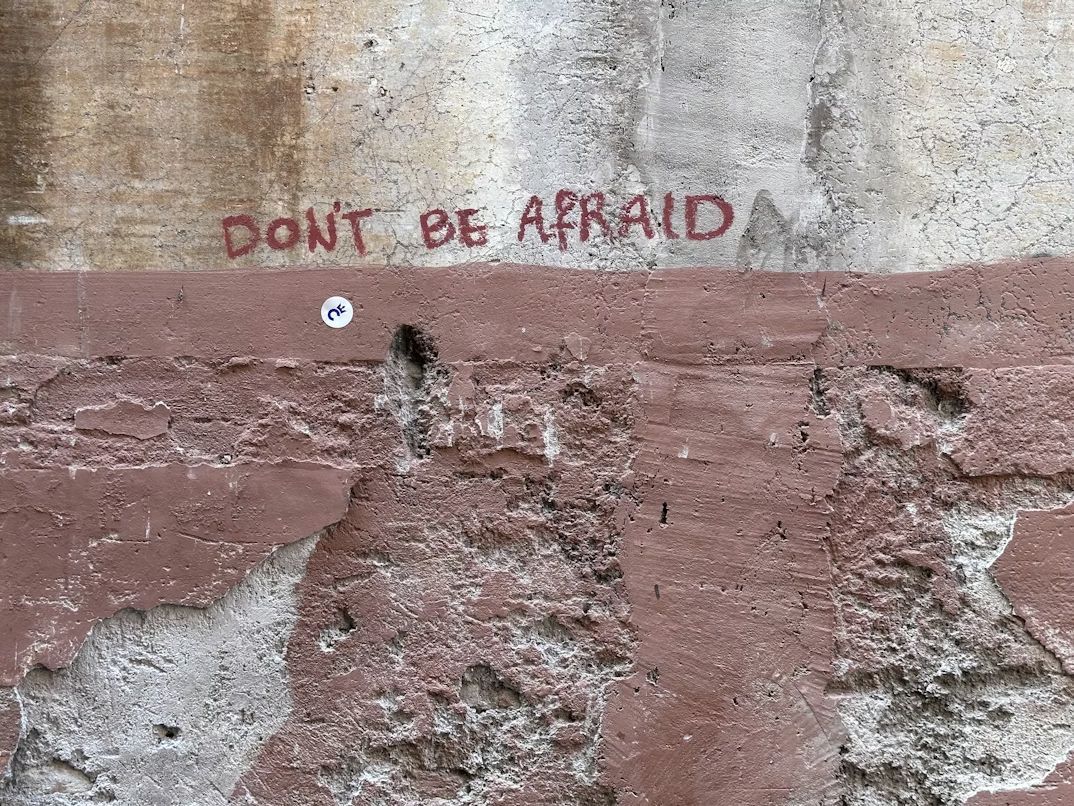
What are you afraid of? These peculiar phobias might surprise you!


Published on February 2, 2026

Credit: John Cameron

Most of us have run into the usual fears, like snakes or small spaces, but some phobias hide behind everyday situations. They can quietly shape habits without anyone noticing. Today, we’re playing a little game: we’ll give you some clues and the scientific name of the phobia. You’ll get the clues first, then the reveal, and maybe you’ll pick up a fun fact to share at your next coffee chat.

1

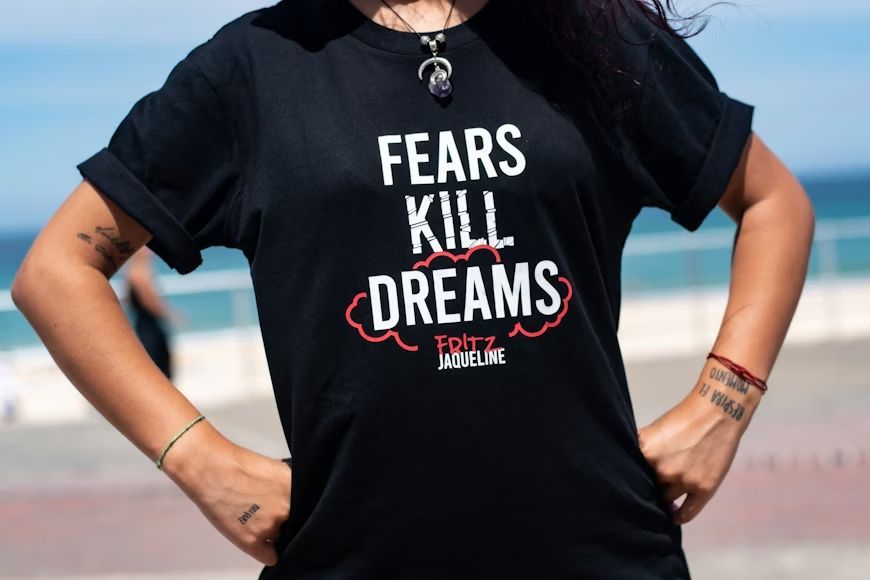
Plutophobia

Credit: Jaqueline Fritz

This name hints at something "plutus," which once referred to wealth in old Greek stories. It is related to the world of finance, and people who are afraid of this thing don’t really like extra income. Can you guess why that is?

2

Xanthophobia

Credit: Annie Spratt

What can we say about this one? Here’s a hint: this fear shows up in everyday life more often than you’d expect. Think of someone who avoids certain flowers, clothing, or even kitchen items because the shade makes their skin crawl. What color are they afraid of?

3

Ablutophobia

Credit: Caleb Woods

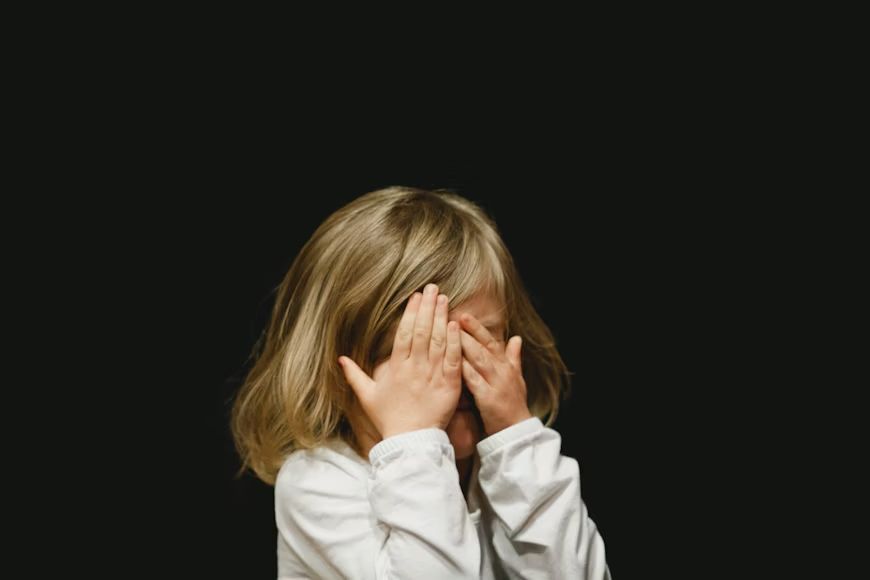
This fear tends to start young, and while most kids outgrow it, some do not. Why? Maybe trauma, maybe because of how uncomfortable this activity is for most kids. What do they hate more than eating their greens? Think about that, and you’ll get your answer.

4

Globophobia

Credit: Jon Tyson

Speaking of kids and things they like… or don’t! You can probably guess the shape hinted at in this name. Picture someone who avoids birthday parties or steers clear of anything that might suddenly pop. Even seeing the object on TV can set them on edge if the fear runs deep.

5

Ergophobia

Credit: Yohann LIBOT

To guess this one, you’ll have to think of someone whose heart races at the idea of an interview or someone who gets overwhelmed by the idea of showing up to do this at all. It can be tied to burnout or rough experiences. What are these people afraid of, specifically? Keep reading and find all the answers!

6

Fear of money

Credit: Alexander Mils

Plutophobia is the fear of money or wealth. The idea of financial responsibility or becoming a target for theft can spark strong anxiety. The name connects to Plutus, the Greek god associated with riches. Believe it or not, this is a real thing!

7

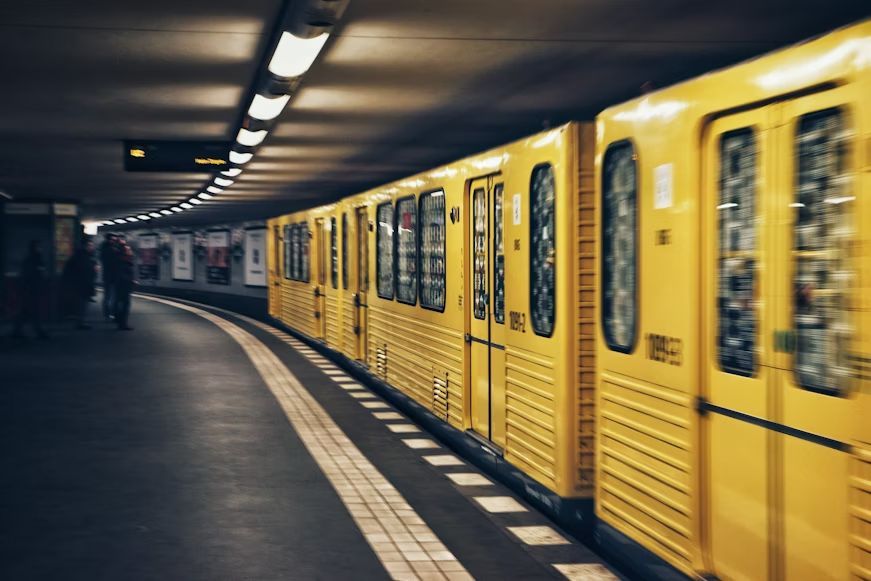
Fear of the color yellow

Credit: Soroush Karimi

Xanthophobia is the fear of yellow and anything that carries this color. The term traces back to the Greek word "xanthos," meaning yellow. Because the color is everywhere, daily life can become tricky for someone dealing with this phobia.

8

Fear of bathing

Credit: Vincent van Zalinge

Ablutophobia is the fear of bathing or washing. The term comes from the Latin root "abluto," which is tied to cleaning. Past trauma or anxiety about water often plays a role, making simple daily routines feel overwhelming.

9

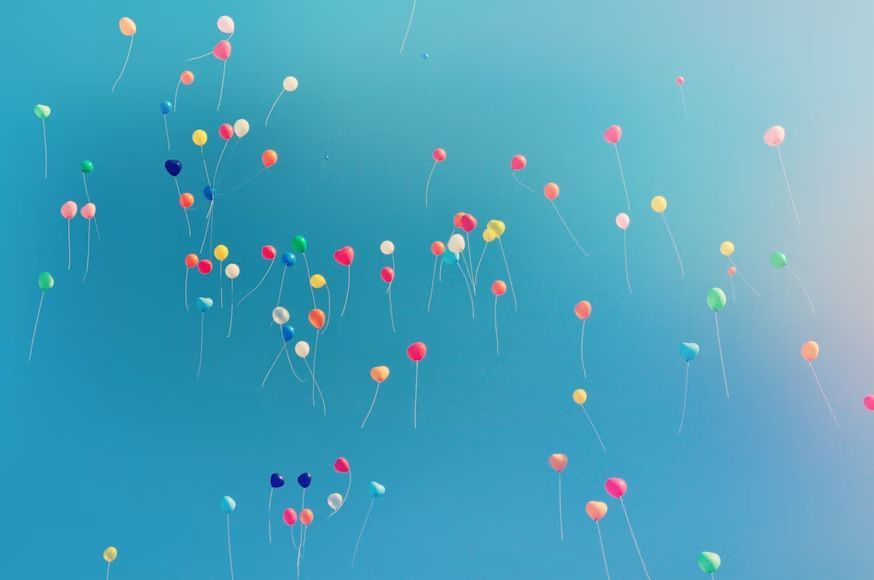
Fear of balloons

Credit: Al Soot

Globophobia is the fear of balloons. The word fits its round shape and often stems from a bad memory involving a loud pop. It sometimes appears alongside a fear of clowns because the two tend to show up together at events.

10

Fear of work

Credit: charlesdeluvio

Ergophobia is the fear of work or workplaces. The name comes from the Greek word "ergon," meaning work. It can grow from burnout, tough job experiences, or other fears that cluster around employment. Have you ever experienced it?


Slang that changed with the times

You spoke of ‘giggle water’ before you knew what ‘tea’ was


Published on February 2, 2026


Credit: Nick Fewings

Every decade had its own way of talking. From flappers sipping "giggle water" to Gen Z spilling the "tea," slang has always captured the mood of the moment. Some phrases faded, others stuck around, and a few might just make a comeback. So let’s take a stroll through time and revisit the lingo that defined each generation. Who knows? You might find yourself saying "cowabunga" again by the end!

1

The 1920s: Giggle water and the heebie-jeebies

Credit: Boston Public Library

The Roaring Twenties weren’t just about jazz and flappers, they were a goldmine for slang. With the prohibition, people needed new ways to call the everyday things.

For example, when someone needed a drink, they'd grab some "giggle water" (aka booze). And if something gave them the creeps? That was the "heebie-jeebies." With Prohibition in full swing, nightlife went underground and the language got wildly creative..

2

The 1930s: Ritzy cats and radio sass

Credit: Brett Jordan

The Great Depression may have hit hard, but Americans still found ways to have their fun and talk the talk.

Back then, a "cat" wasn’t your house pet; it was a cool, swing-loving person. Something elegant or flashy? That was "ritzy." Despite the tough times, slang added a touch of glamour to everyday life.

3

The 1940s: Bombshells and slick moves

Credit: The New York Public Library

World War II shaped everything in the ’40s, from fashion to film and yes, slang too. For example, a stunning woman was a "bombshell" (remember pin-up posters?), and if someone had charm or finesse, they were "slick."

This was a decade of heroes, hustle, and Hollywood glamour, where talk was tough but stylish. Slang from this time still turns heads, and honestly? Some of these words are still in use today.

4

The 1950s: Ankle-biters in Dullsville

Credit: Brett Jordan

The postwar boom brought shiny cars, drive-ins, and a new breed of teenager. If the kids were underfoot, you might call them "ankle-biters." And if the party was a snooze? Total "Dullsville."

The 1950s language reflected the optimism and suburban sprawl of the era, with just enough rebellion to keep things interesting. It was all milkshakes, jukeboxes, and just a little teen angst.

5

The 1960s: Hang loose and lay it on me

Credit: Annie Spratt

The '60s were a whirlwind of change, civil rights, Vietnam, Woodstock… And the language was just as bold. If you wanted someone to relax, you could tell them to "hang loose." If you wanted to hear all about the juicy gossip, you said, "lay it on me."

Slang became a badge of youth culture and counterculture. Whether you were protesting or partying, the right phrase could say it all without saying too much.

6

The 1970s: Decked out and flipping sides

Credit: Eric Ward

Welcome to the land of disco balls and bell-bottoms. In the ’70s, if you looked sharp, you were "decked out." And if you were saying goodbye? "Catch you on the flip side."

This was a groovy era with laid-back vibes and just enough glitter to keep it funky. These are just a few examples!

7

The 1980s: Chill pills and cowabunga

Credit: Brian Kostiuk

Neon colors, arcade games, and Valley Girls? Yep, we’ve made it to the ’80s. If someone was getting too worked up, you told them to "take a chill pill." And if things were awesome? "Cowabunga!" (Ninja Turtles vibes, right?)

Slang from this era was so fun… The wave of pop culture, MTV, and outrageous fashion. Admit it: You still hear "like, totally" in your head sometimes.

8

The 1990s: My bad and da bomb

Credit: Bernd 📷 Dittrich

The ’90s were a mix of dial-up tones and grunge rock, and the slang was laid-back with attitude. Messed up? Just say "my bad." Found something great? It was "da bomb."

This was the golden age of sitcoms, slap bracelets, and the first steps onto the internet. The lingo was casual, a little goofy, and perfect for a generation that loved irony with their flannel.

9

The 2000s: BFFs and chillaxing

Credit: Nik

Ah, the early 2000s… Back when phones flipped and everyone was choosing their "Top 8" on MySpace. Your "BFF" (best friend forever) was a must, and to wind down, you’d "chillax" (a combination of "chill" and "relax"). It was a mash-up era, and the slang followed suit. Y2K didn’t end the world, but it definitely changed how we talked.

10

The 2010s: Throwing shade and catching moods

Credit: freebie

With the rise of social media, everyone became fluent in internet speak. "Throw shade" meant giving someone a subtle (or not-so-subtle) dig, and "mood" was shorthand for anything you could relate to.

Emojis weren’t just extras, they were also part of the language. The 2010s gave us the meme culture, and with it, a whole new way of expressing ourselves in fewer words than ever.

11

The 2020s: Spilling tea and going extra

Credit: Kelly Sikkema

We may only be partway through the 2020s, but Gen Z has already left its linguistic mark. If someone’s being dramatic, they’re "extra." And if there’s gossip to share? Time to "spill the tea."

The lingo is fast-moving, TikTok-powered, and always evolving. You don’t have to use it, but understanding it earns serious cool points with the grandkids.

Looking for an extra scoop of literary fun?

Learn more with our Word of the day

salutary

/ˈsæljəˌtɛri/