What are you actually eating? 10 foods with deeply deceptive titles


Published on August 1, 2026


Image: New Africa

If you’ve ever ordered a dish expecting a sweet pastry and received a plate of organ meat instead, you have experienced the confusing world of culinary misnomers. Food names are rarely literal. Often, they are shaped by historical slang, ironic jokes, changing definitions, or creative marketing to make a strange dish sound more appetizing. Here are ten of the most famously misleading food names out there.

1

Welsh rabbit

Image: kokofoundit

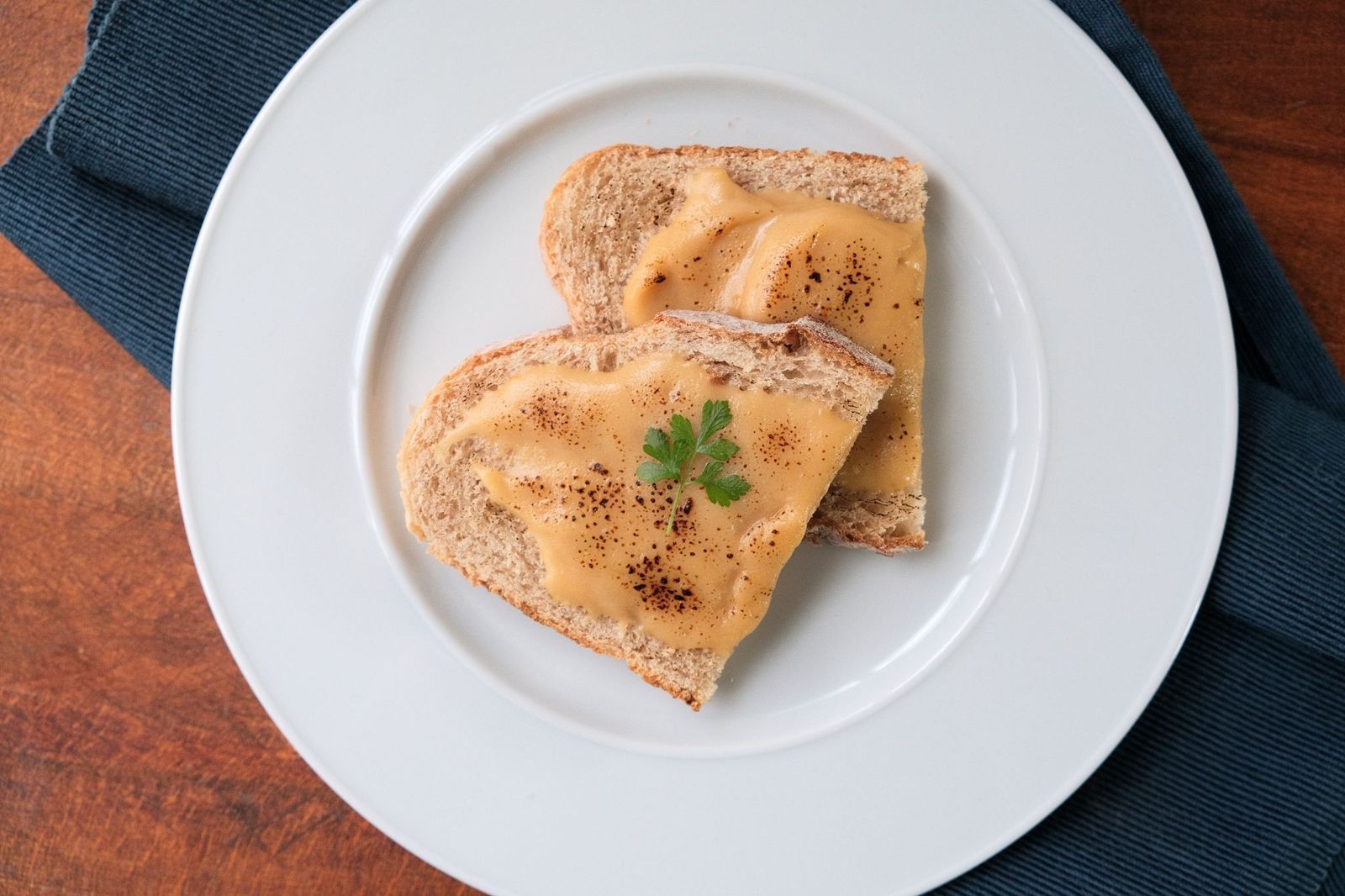
If you order Welsh rabbit expecting a plate of meat, you will be disappointed. Welsh rabbit contains absolutely zero poultry. Instead, it’s a savory comfort dish featuring a melted cheese sauce seasoned with ale, mustard, and Worcestershire sauce, poured hot over toasted bread.

The name originated in 18th-century Britain as a joke. At the time, the Welsh were stereotyped as being particularly fond of cheese, and the name was likely a mocking way to imply that they either couldn’t afford real meat or lacked the hunting skills to catch a rabbit.

2

Sweetbreads

Image: Pozhar_S

This item is neither sweet nor is it a baked bread. Sweetbreads are a type of offal—the culinary term for organ meats—specifically referring to the thymus gland or pancreas of a calf or a lamb.

The origin of this deceptive name has two linguistic origins. The "sweet" part likely refers to the meat’s delicate and slightly sweet flavor compared to other meats like liver or kidney. The "bread" part comes from the Old English word bræd, which meant flesh or meat. Over the centuries, the spelling shifted to look like a bakery item, leading to modern confusion.

3

Rocky Mountain oysters

Image: Sham Clicks

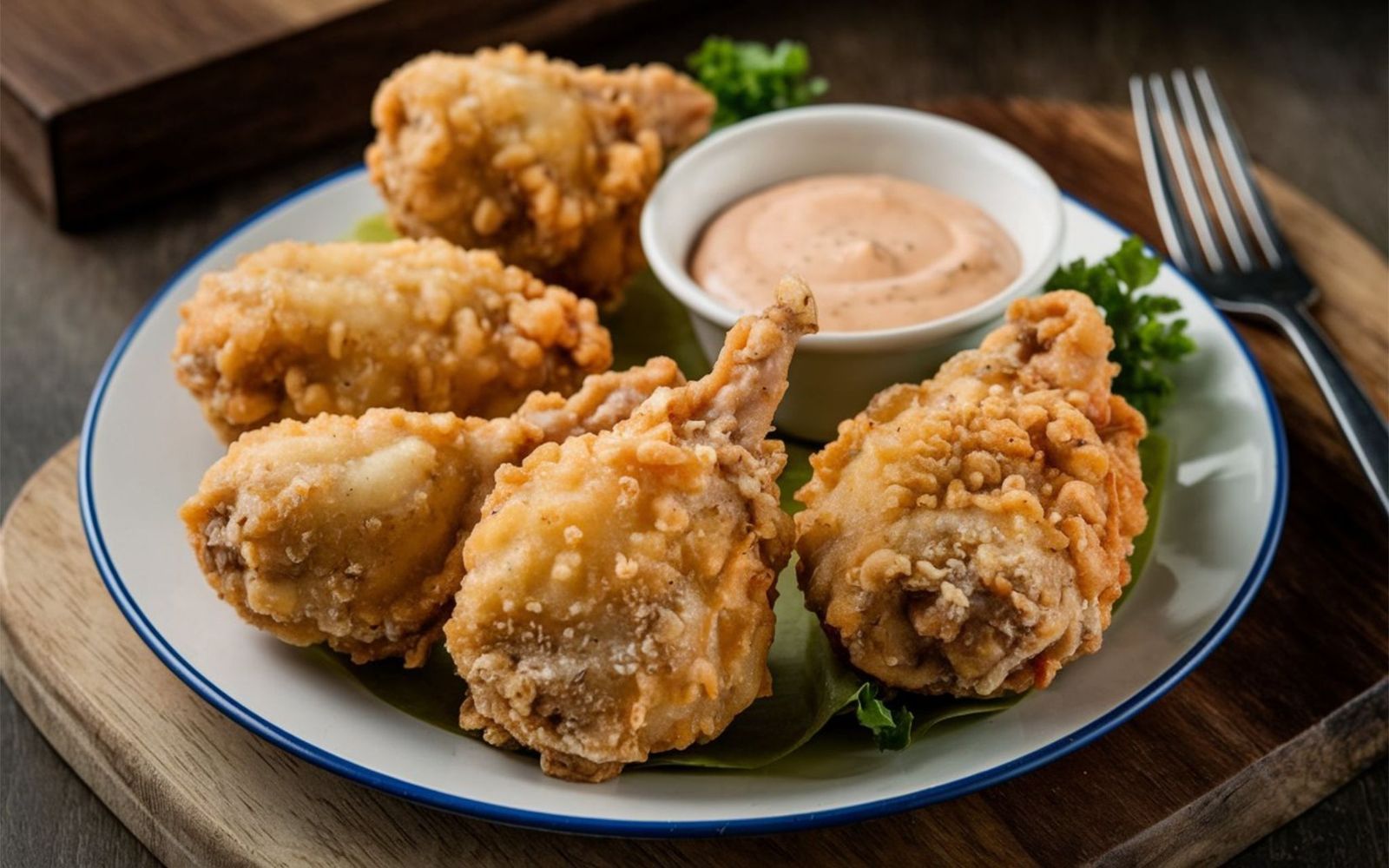
Found mainly on menus across the American West and the Canadian prairies, this dish has nothing to do with oysters. You won’t find any pearls here: Rocky Mountain oysters are bull, pig, or sheep testicles. They are typically peeled, coated in a seasoned flour batter, and finally deep-fried.

The name is a euphemism. When cattle ranchers separated young bulls from the herd, they minimized waste by turning every part of the animal into food. To make the dish sound more attractive, they dubbed them "oysters" for the similar slippery texture of the raw seafood counterparts.

4

Headcheese

Image: Natalia Hanin

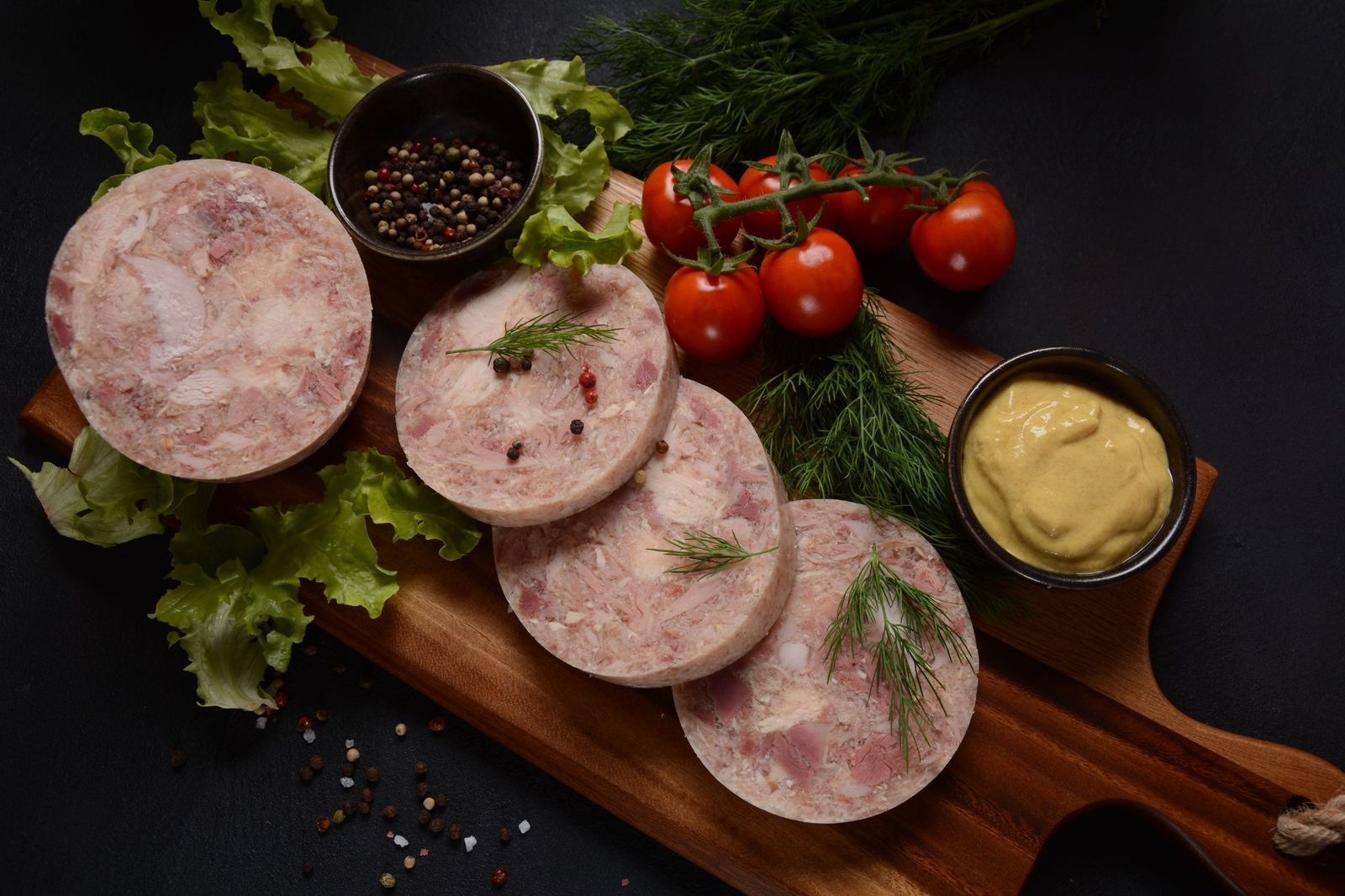
Despite what the name implies, headcheese is a cold cut, specifically a meat jelly or terrine made from the flesh of a pig or calf’s head. The meat is simmered with spices, chopped up, and cooled inside its own natural gelatinous broth until it sets into a sliceable loaf.

The confusion lies in how the word "cheese" used to be used. Historically, "cheese" could refer to any food item that was pressed, molded, and shaped into a solid block or loaf.

5

Marrowfat

Image: James McDowall

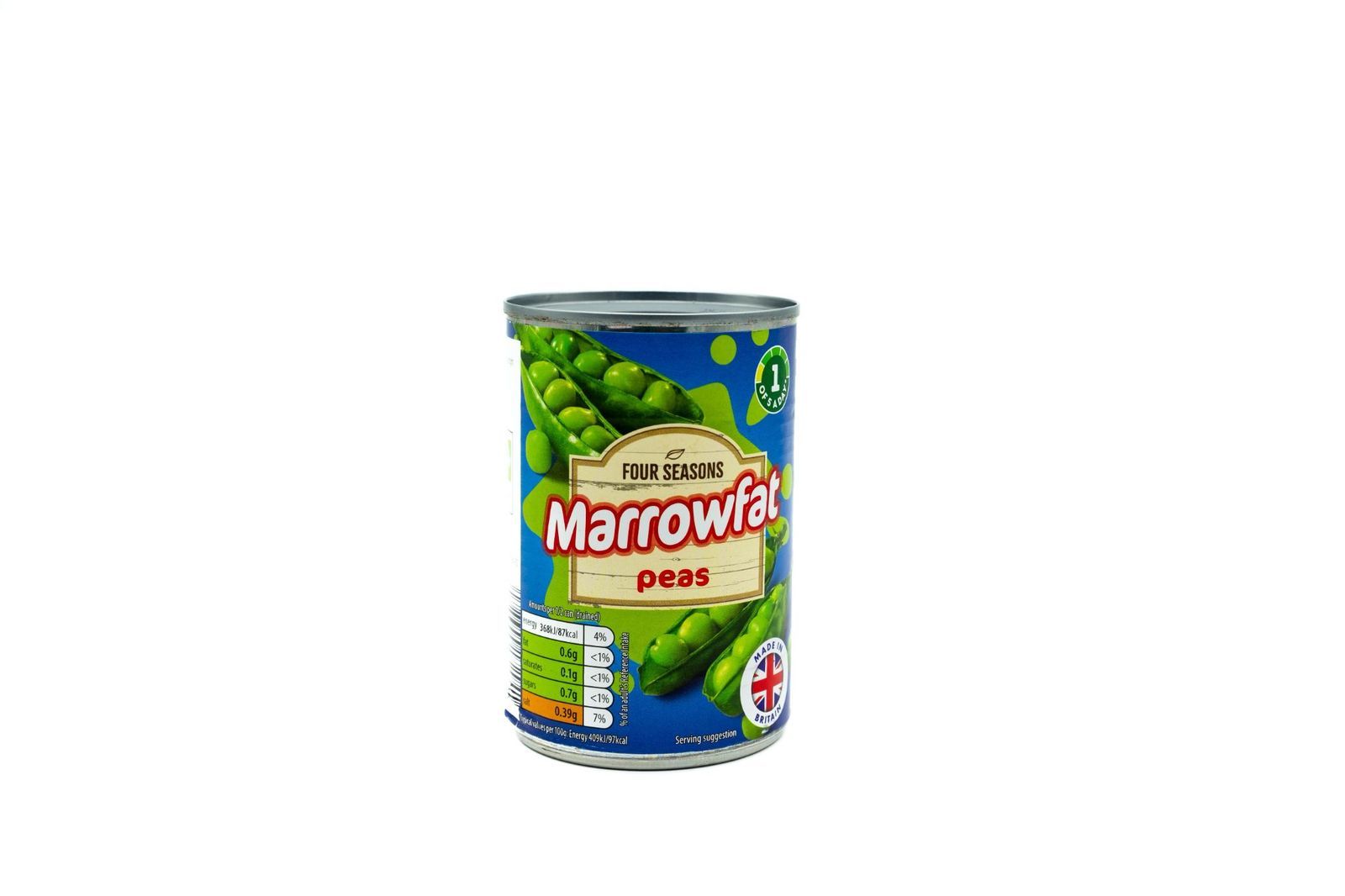
The name marrowfat evokes images of savory animal fat. In reality, marrowfat is 100% plant-based. Marrowfat peas are a specific variety of large green peas that are left to dry naturally in the field before harvesting.

Linguistically, the name combines two older adjectives. "Marrow" was used to describe something plump, soft, and thick-textured, while "fat" was used to describe any crop or soil that was unusually rich or abundant.

6

Ladyfingers

Image: WS-Studio

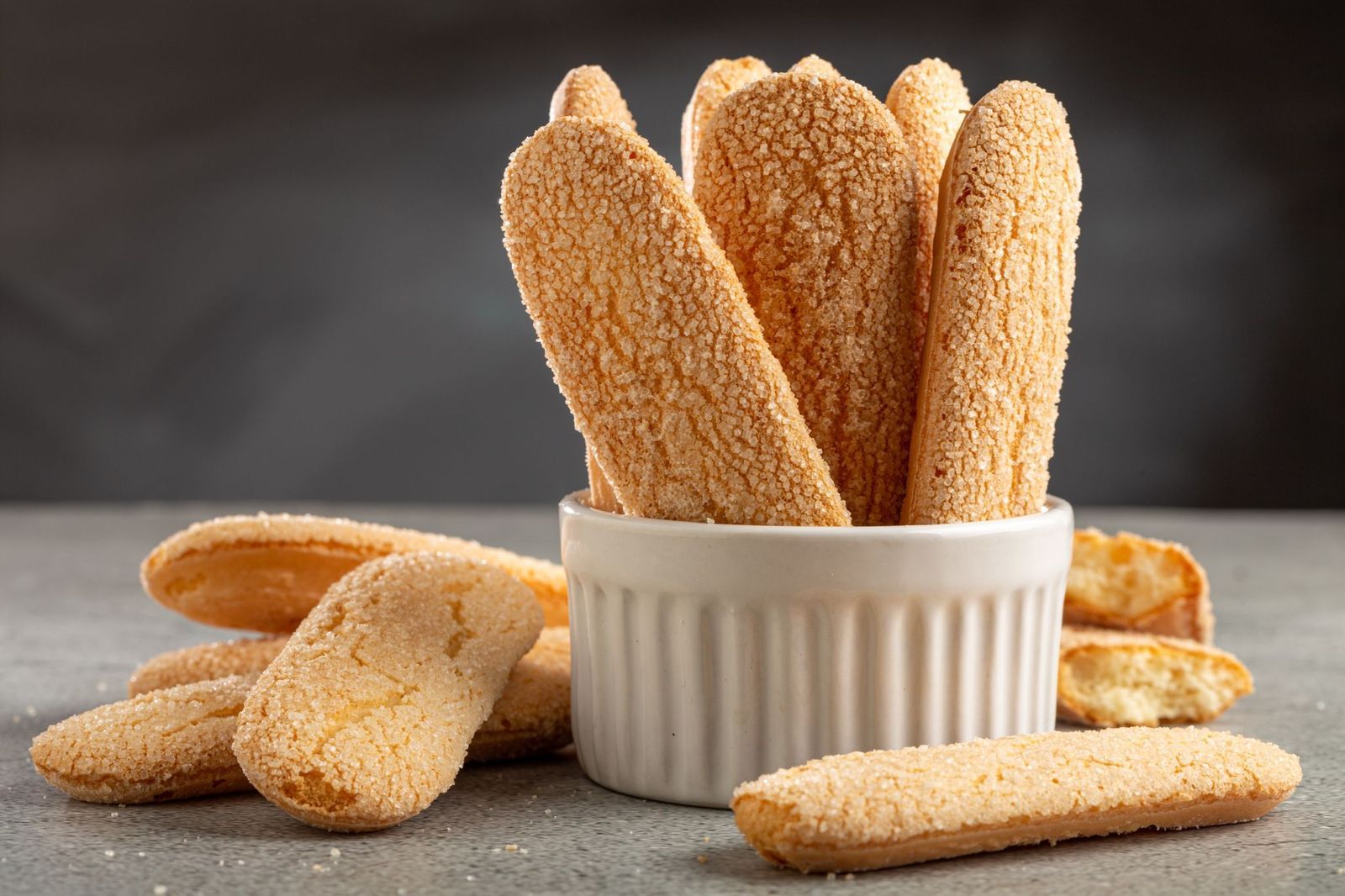
Although the name sounds like an ingredient from a fairy tale, ladyfingers are actually sweet sponge biscuits. They are used as the base for several desserts, such as Italian tiramisu and British trifles.

Ladyfingers are said to have originated in the 14th century at the court of the County of Savoy, to mark a visit by the King of France. Their long shape and their resemblance to slender fingers earned them their name.

7

Egg cream

Image: Brent Hofacker

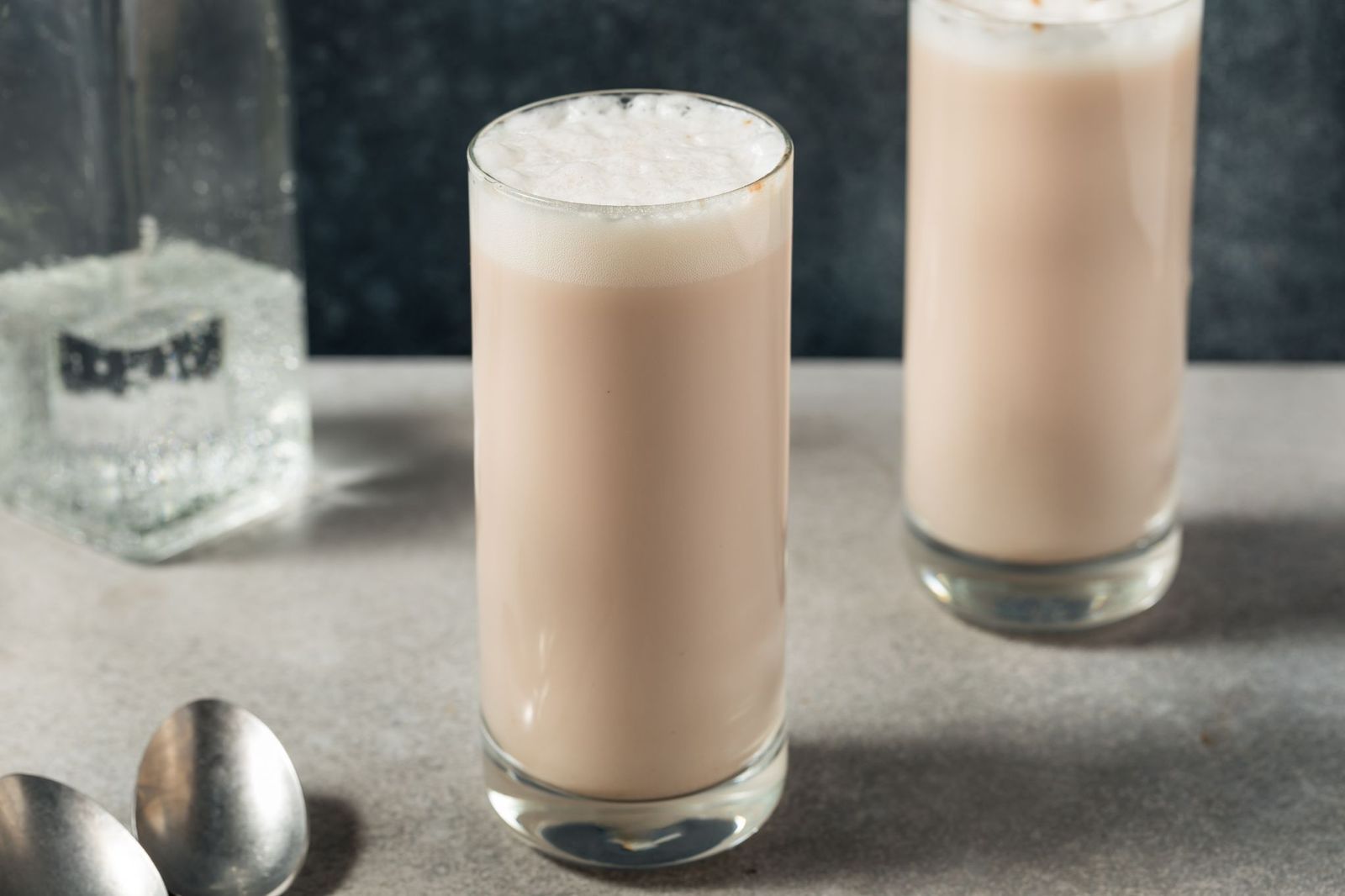
Order an egg cream at an old-school New York City soda fountain, and you’ll get a frothy drink with no eggs and no cream. A traditional egg cream consists of just three ingredients: whole milk, seltzer water, and chocolate syrup.

How did a drink with no eggs or cream inherit such a name? The most popular theory points to a linguistic mix-up. Brooklyn soda fountain owners in the early 20th century may have used the Yiddish word echt, which means "genuine" or "real." Customers likely misheard echt cream as "egg cream," and the catchier name stuck.

8

Sweetmeat

Image: Samosudov

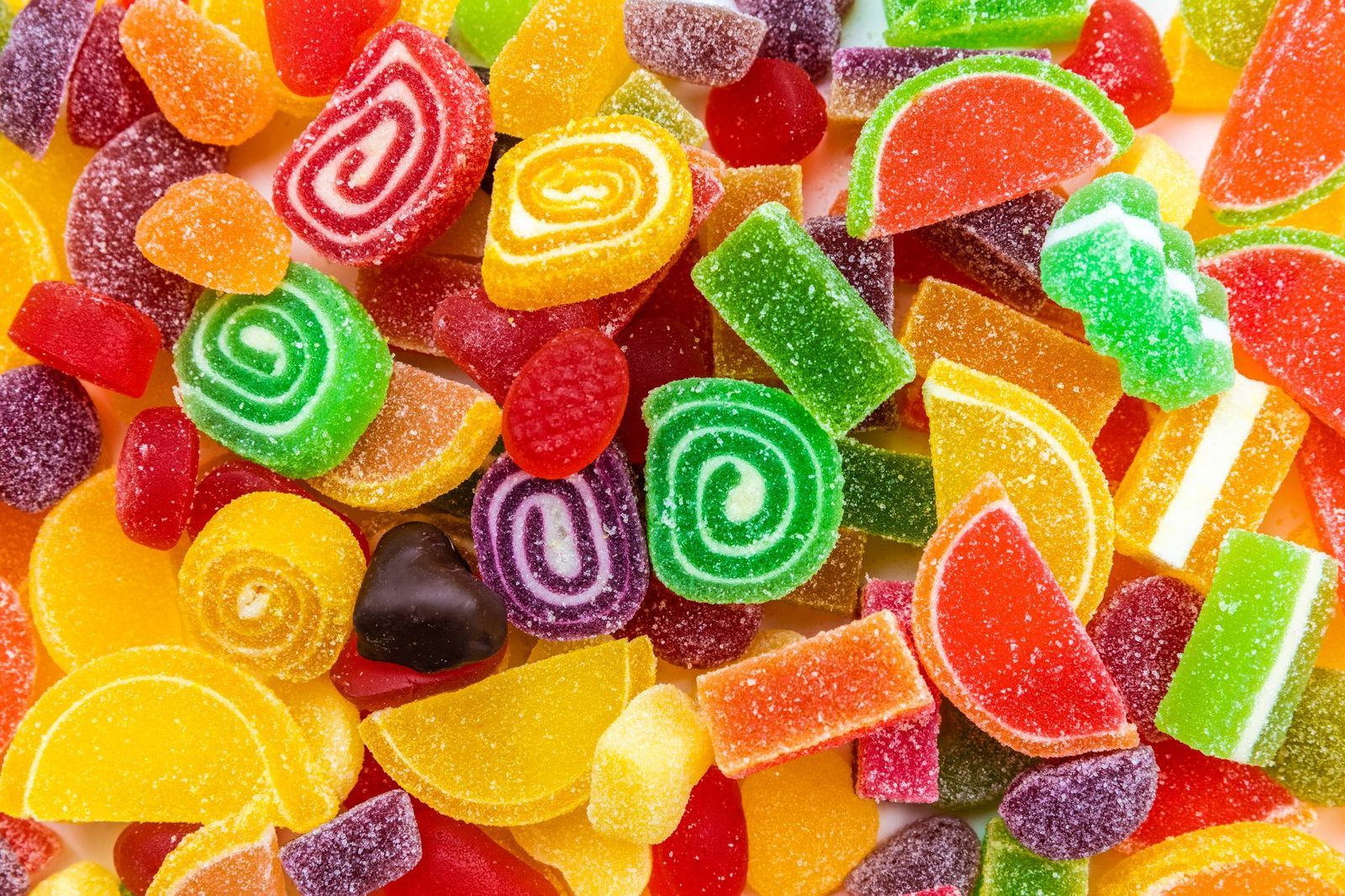
To a modern reader, "sweetmeat" might sound like glazed ham or candied bacon. However, it’s an old-fashioned word for simple candy, candied fruits, or sugar confections.

In Old English, mete didn't mean animal flesh; it was a generic term for any solid food or sustenance. Therefore, a "sweet-meat" was merely a "sweet food item." As the definition of meat narrowed exclusively to animal muscle, the candy word stayed current.

9

Cold duck

Image: Natalia Carbajal

If you see Cold Duck on the menu, don’t expect a savory poultry dish. Cold Duck is a sweet cocktail made by blending sparkling red wine with champagne.

The name is actually a translation error originating in Germany. Invented in the 19th century, the drink was originally called Kalte Ende (meaning "cold end"), because it was made by mixing all the leftover, opened bottles of wine together. Over time, the German word Ende (end) was accidentally mispronounced as Ente (duck). When the recipe traveled across the Atlantic, it was translated literally into English as "Cold Duck."

10

Spotted dick

Image: Foodgraphy39

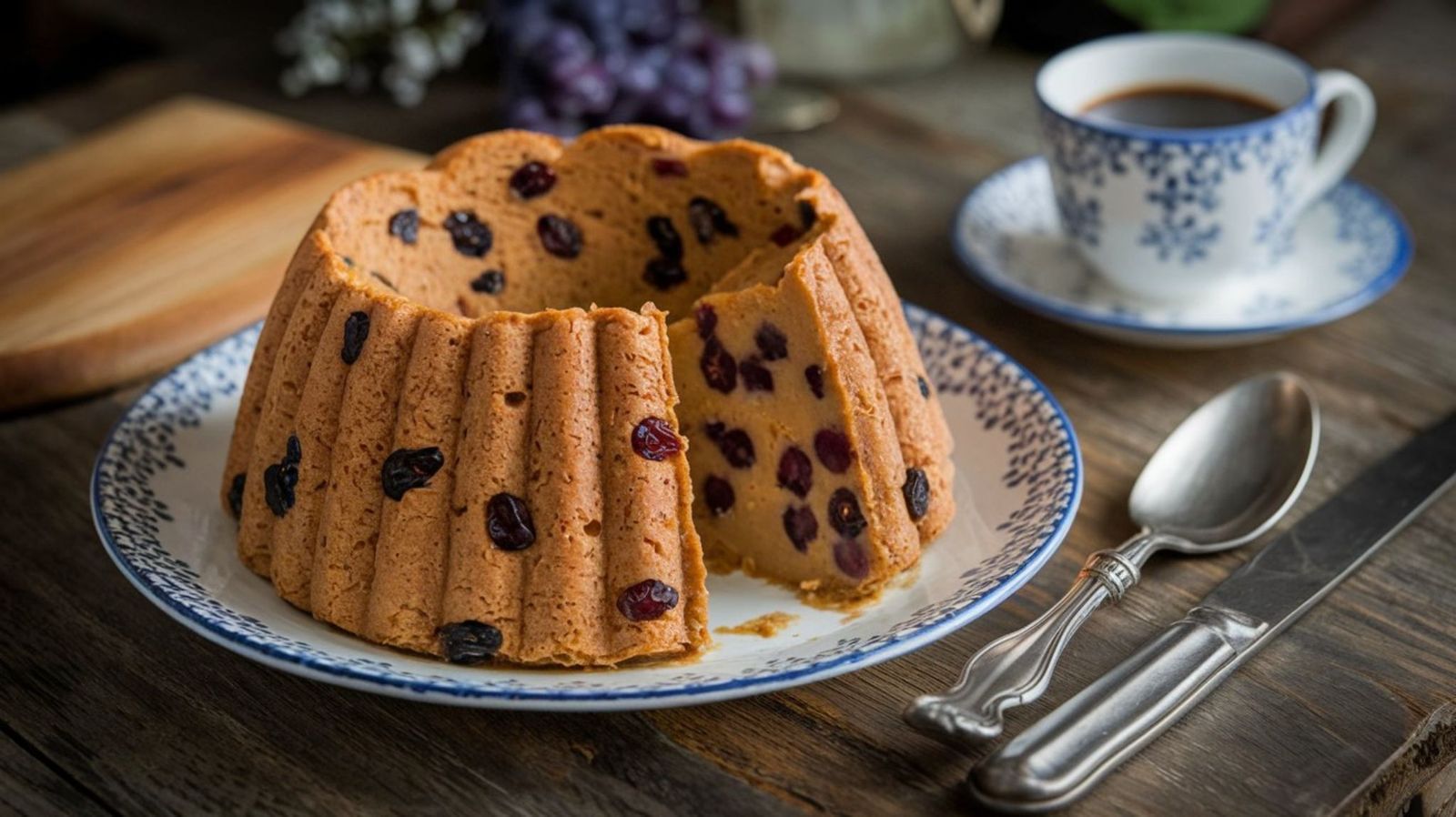
Despite its name, Spotted Dick is a completely innocent dessert. It’s a traditional British steamed pudding packed with dried fruits like raisins and currants, usually served on top of warm vanilla custard.

The confusion lies in old regional dialects. The "spotted" part describes the dark raisins peeking out of the dough. "Dick," on the other hand, was a 19th-century dialectal corruption of the words pudding or dough (likely evolving from dough to dook to dick).


NATURE'S SURPRISES

10 Amazing Wildlife Facts That You Won't Believe!


Published on August 1, 2026


Image: Nandhu Kumar

Although humans have been studying wildlife for centuries, its wonders continue to surprise us. Whether with the discovery of new species or with new details about the familiar ones, nature always catches our curiosity. Our planet is full of incredible creatures with abilities you never imagined. If you want to feel like an expert in your next science conversation, read on. Today, we'll tell you these 10 amazing wildlife facts that'll totally blow your mind!

1

Hummingbirds can fly backward

Image: James Wainscoat

Have you ever seen a bird flying backward? Chances are you said no, and there's a reason for that: While some other birds can make small backward movements, hummingbirds are the only birds with the superpower of sustaining flight in that direction.

This ability is due to the structure of their wings. Equipped with a rotator cuff, hummingbirds enjoy the freedom to move in all directions. In addition, their wings can perform an 8-shaped movement that, combined with their flapping speed, allows them to hover in a fixed spot.

2

Salamanders can regenerate body parts

Image: Pedro J Conesa

Can you imagine being able to regenerate parts of your body? (Actually, you can, but only the liver). If, unfortunately, you severely injure your toe, you won't be able to replace it with a new one naturally. Surprisingly, some animals can.

The salamander is one of them. This cute amphibian has the amazing ability to regenerate body tissue and limbs. In some extraordinary cases, certain species can even regrow organs. The X-men should consider recruiting these incredible creatures!

3

A cockroach can live without its head

Image: JESHOOTS.COM

Pests in the house can be a headache. Some insects are a real challenge in terms of control, and among them, cockroaches stand out as one of the more problematic enemies.

These little critters have survived and evolved for more than 300 million years. What's more, they have a creepy talent straight out of a horror movie: they can live headless for weeks. Believe it or not, a cockroach can do that mainly because it doesn't breathe through its head but through tiny holes in its body.

Bonus fact: even after being detached, the head lives for a while, too!

4

Owls have tube-shaped eyes

Image: Michael Chambers

Ever find yourself rolling your eyes when something's just too much? It's like a reflex, right? Unfortunately, poor owls can't make this move.

With their huge eyes, these birds don't have eyeballs like us. Instead, theirs are tube-shaped. This tubular design improves their vision to make them incredible hunters. But this also has a small drawback: They can't rotate their eyes in different directions.

However, these wise birds compensate for this disadvantage with the impressive ability to rotate their necks 270 degrees!

5

Baby elephants suck their trunks

Image: Julie Wolpers

Is there anything more adorable than a baby sucking its thumb? Maybe there is: a baby elephant sucking its trunk!

These nice giants have many things in common with humans. Like us, they're also mammals, and their babies are born with a sucking reflex to feed on their mother's milk. Surprisingly, they suck their trunks for the same reasons human babies do, to feel relief and comfort.

Their trunks are like our hands since they function as their main tool for eating, drinking, socializing, and, as we just saw, being really cute.

6

Dogs have 3 "eyelids"

Image: Jamie Street

Not everything here is about wild or exotic animals. Your pet also has some features to impress you.

While we humans have only two eyelids - cause, you know, we don't need more - dogs have three. In addition to the upper and lower eyelids, they have a third one that we can't see. It's located in the inner corner of your pup's eye, producing tears and adding extra protection against scratches and threats. It's called a nictitating membrane and is actually present in most animals.

We bet the next time you see a dog, you won't look at it with the same eyes.

7

Butterflies taste with their feet

Image: __ drz __

What is your favorite dish? Ah, just imagining it makes your mouth water, doesn't it? Well, butterflies can't say the same.

These colorful little insects taste with their feet. That's where their "taste buds" are located, which are like sugar sensors.

Just like butterflies, other insects do this, too. Remember that gesture flies make when they rub their feet? It may look like they're hatching an evil plan, but they're actually just testing their meal.

8

Mosquitoes are the world's deadliest insects

Image: Cameron Webb

When you think of the most dangerous animals, terrifying beasts such as crocodiles, lions, or snakes might come to mind. However, in this case, the threat comes in a very small package.

Don't let its tiny size fool you! The mosquito may be small, but it is the most dangerous creature for humans.

Beyond being annoying, these insects can spread potentially lethal diseases with a simple bite. But don't worry, you just need a good insect repellent to face this little villain.

9

Crocodiles can't stick their tongues out

Image: Sebastien Varin

It's not all about super abilities here. There are some distinctive features that, at first glance, may seem like disadvantages. Take the crocodile's tongue, for instance.

These scary animals, with their imposing size, have something special: they can't stick out their tongues. That's right, crocodiles have their tongues fixed in place, unlike other reptiles.

While it might appear to be a drawback, this peculiarity serves a purpose. It keeps the crocodile's tongue safe when it rapidly opens and closes its jaw during hunting.

10

Howler monkeys are the world's loudest land animals

Image: Christina Victoria Craft

At times, your day is disrupted by irritating noises. Loud music when you're trying to sleep, a construction site soundtrack while you're working, or the repetitive barking of a neighbor's dog can be good examples.

But here's a noise-maker you might not be familiar with: the howler monkey, considered the world's loudest land animal. According to the Smithsonian's National Zoo, the howler monkey's vocalizations can be heard from 3 miles away!

While its appearance may be cute, the howler monkey's grunts are far from friendly.

Looking for an extra scoop of literary fun?

Learn more with our Word of the day

gloomy

/ˈɡlumi/