Calendar mysteries

Were you born on this rare date? Only 1 in 1,461 people were


Published on August 17, 2026


Image: Towfiqu barbhuiya

Most of us think we know the calendar pretty well, and if we don’t, our phones are there to remind us of dates and events. But the way humans measure the passage of time hasn’t always been the same. From the origins of month names to the truth behind leap years, today we’re going to share 10 surprising facts you probably didn’t know about the calendar.

1

Leaplings

Image: Glen Carrie

The probability of being born on February 29 is 1 in 1,461. Although birthdays on this date are rare, people born on it even have a name: leaplings. Leaplings officially get to celebrate their birthday on February 29 only once every four years, but what happens in the other years? While some people prefer not to jump to another month, March 1st is considered more astronomically accurate, as it comes directly after February 28.

2

The Earth trip

Image: NASA

The Earth’s orbit is elliptical, which means there are times when we are closer to the Sun and other times when we are farther away. In January, Earth is at its closest point to the Sun, known as "perihelion." You might wonder how we can be closer to the Sun during winter, but the seasons are caused by Earth’s tilt, not by our distance from the Sun. On the other hand, the month when we are farthest from the Sun is July, and this point in the orbit is called "aphelion."

3

February’s exception

Image: Andrew Hughes

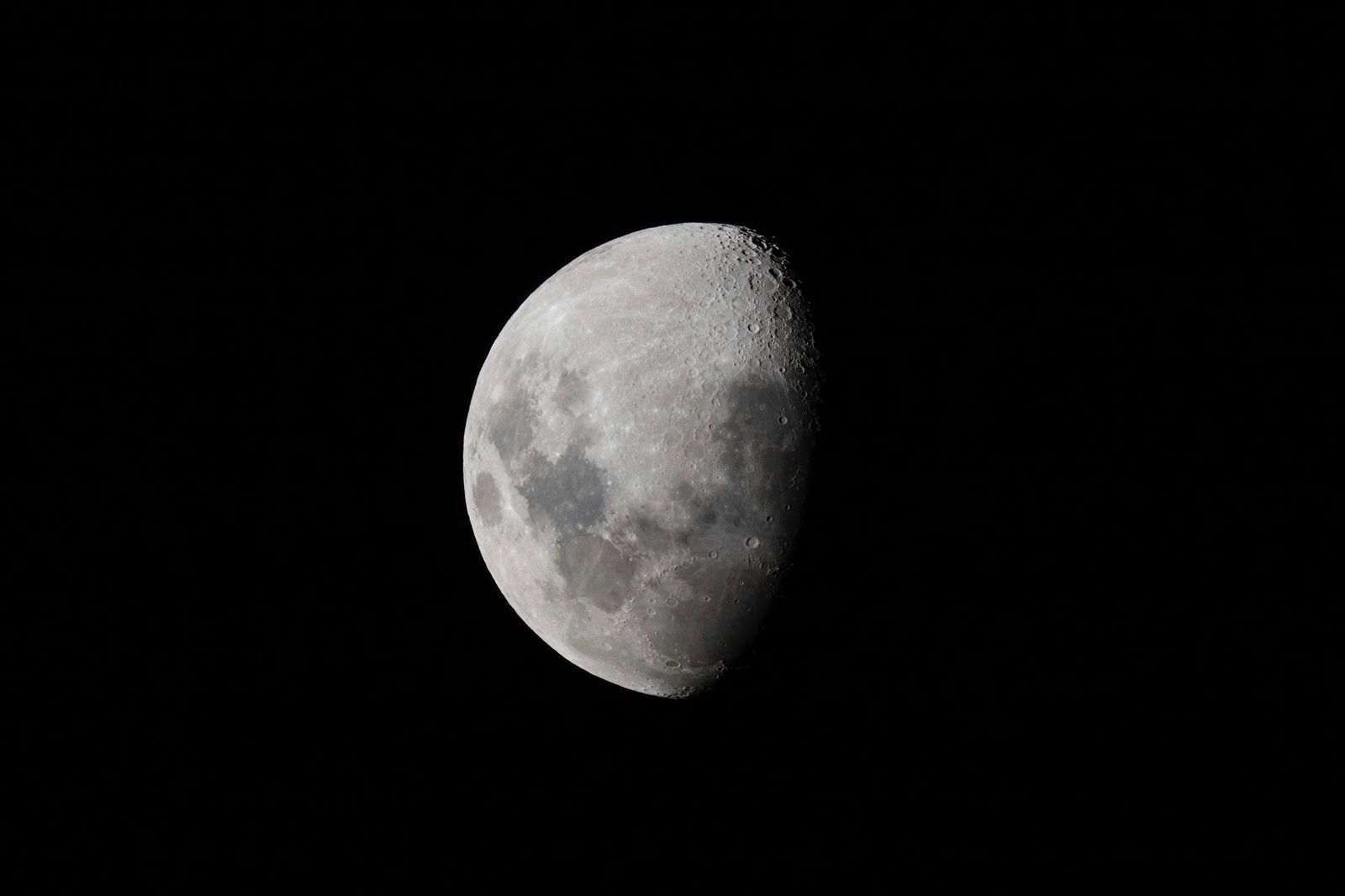
Due to its particularly short duration, February is the only month that can lack a full moon. Lunar cycles are 29.5 days long, which means that, approximately every 19 years, February has all the lunar phases except the full moon. When this happens, both January and March have two full moons, with the second one being called a "Blue Moon"; and that's why, when we say "once in a blue moon," we're talking about something that happens very rarely. The next time this will happen will be in the year 2037.

4

The Gregorian calendar

Image: Leandro Silva

Did you know that our calendar has a name? That’s right; most of the world uses the Gregorian calendar, named after Pope Gregory XIII, who introduced it in 1582 as a reform of the older system.

The main difference lies in how leap years are handled. The previous system, known as the Julian calendar, added a leap year every four years, assuming a year lasted exactly 365.25 days. However, a real solar year is slightly shorter. To fix this, the Gregorian calendar keeps leap years every four years with one exception: century years (like 1900) are not leap years unless they are divisible by 400 (such as 2000).

5

Only 10 months

Image: Massimo Virgilio

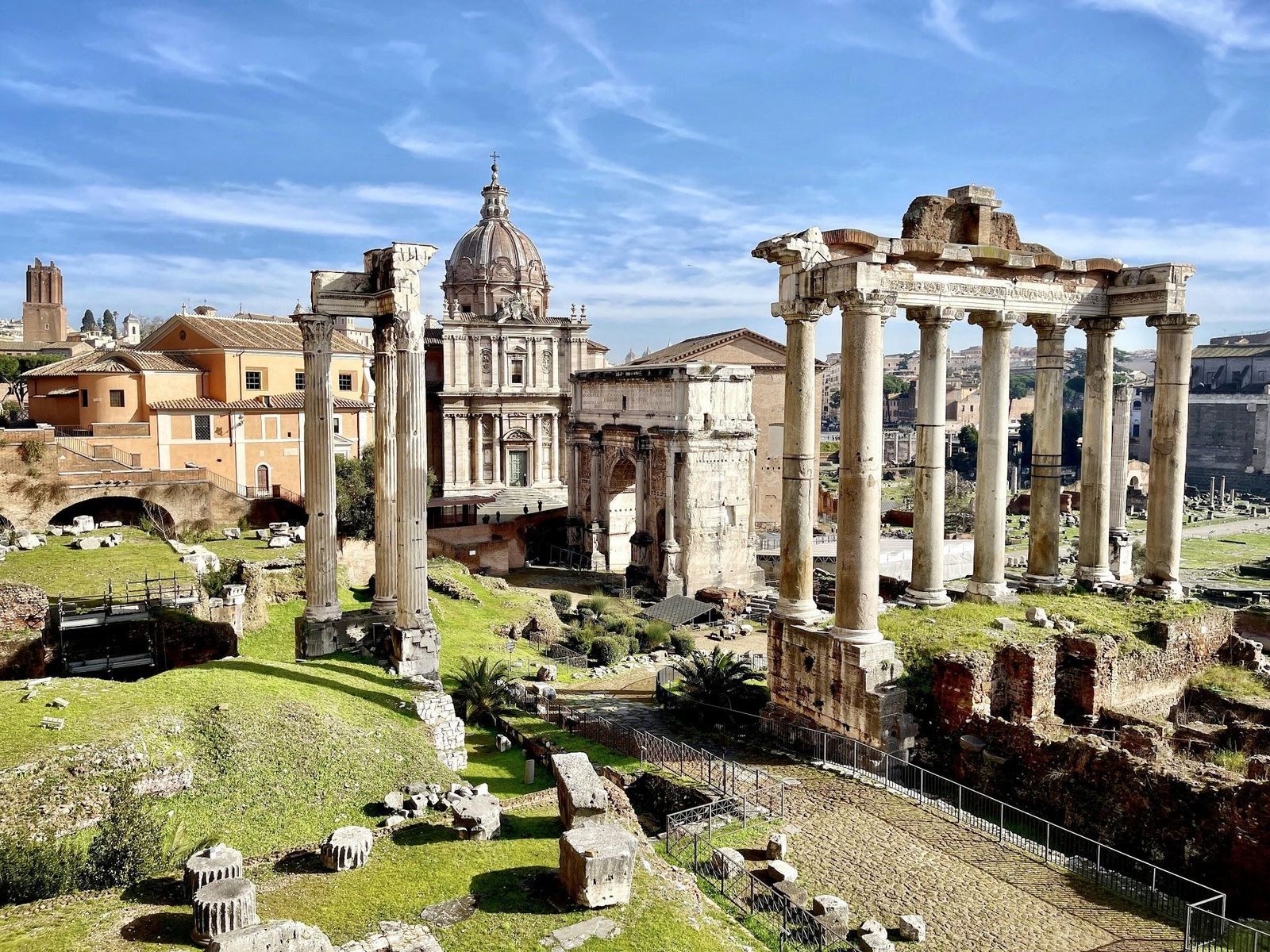
But before the Julian calendar, ancient Rome used an even older system with one key difference: it had only 10 months. This calendar began in March and ended in December, totaling just 304 days. What about the remaining days? They were considered a winter gap and simply weren’t counted. Around 700 BC, January and February were added to fill that gap, and these changes were later standardized under Julius Caesar’s reform in 45 BC, when he introduced the Julian calendar.

6

Our month names

Image: Casey Lovegrove

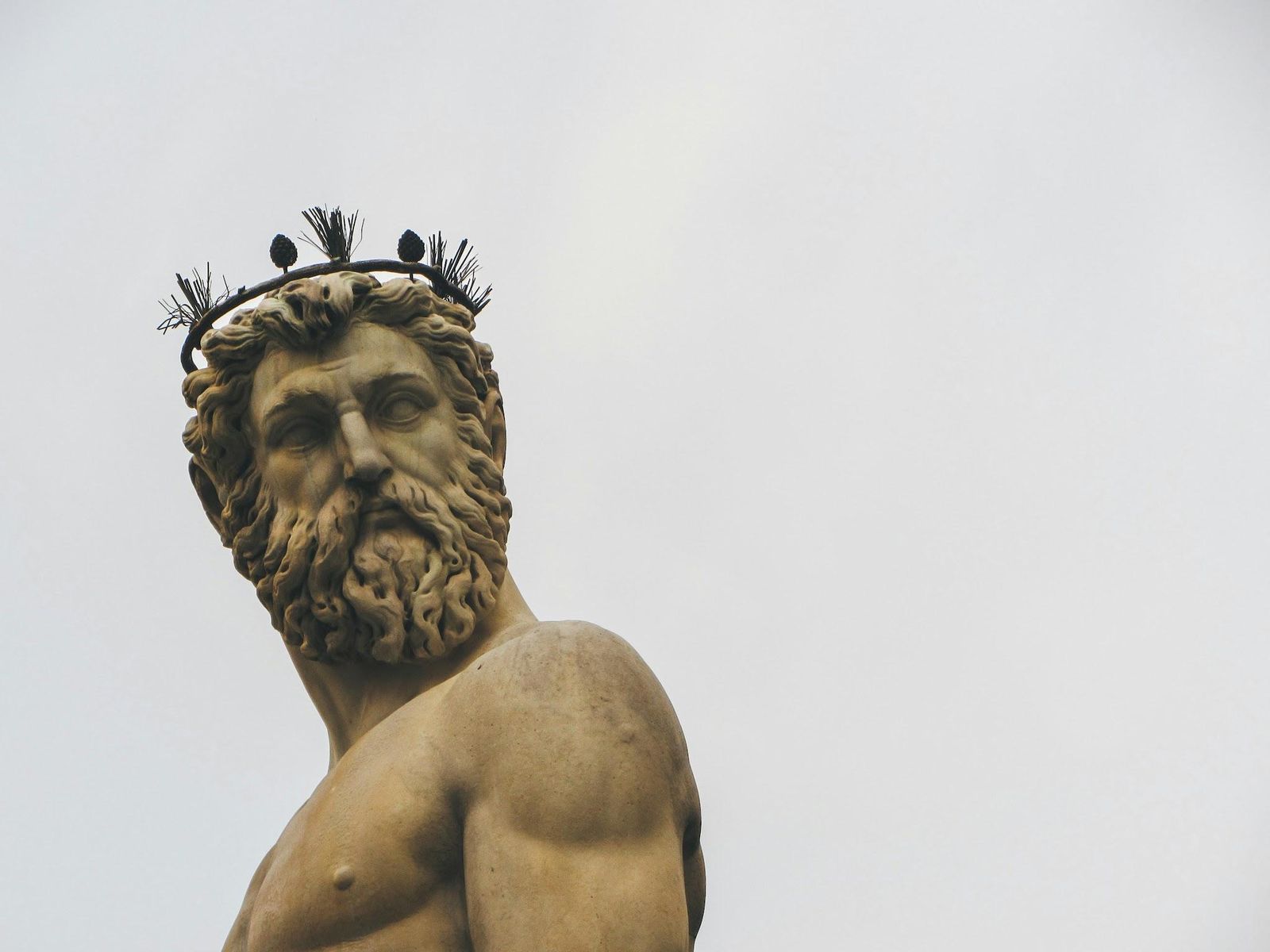
The names also come directly from life in ancient Rome, where months were named in honor of deities and important festivities. For example, March was named Martius after Mars, the god of war, because it marked the start of the military campaigning season. Aprilis, the Roman name for April, comes from the Latin verb aperire, meaning "to open," in reference to the arrival of spring. May was named Maius after Maia, the goddess of fertility and growth, and June was named Iunius in honor of Juno, the Roman goddess of marriage.

7

The numbered months

Image: Clemens van Lay

What about the rest of the months? From July through December, they were originally named after their position in the year. Since March was considered the first month, July was called Quintilis ("the fifth"), August was Sextilis ("the sixth"), September comes from septem, meaning "seven" in Latin, October from octo ("eight"), November from novem ("nine"), and December from decem ("ten").

Most of these names remained similar, with two exceptions: Quintilis was renamed Iulius to honor Julius Caesar after his death, and Sextilis became Augustus, in honor of Augustus Caesar, the first Roman emperor.

8

The days of the week

Image: Jan Ledermann

The days of the week are no exception to Roman tradition. Sunday was named dies Solis ("day of the Sun"), Monday was dies Lunae ("day of the Moon"), Tuesday was called dies Martis (day of Mars), Wednesday dies Mercurii (day of Mercury), Thursday dies Iovis (day of Jupiter), Friday dies Veneris (day of Venus), and finally, Saturday was dies Saturni (day of Saturn).

9

The Nordic influence

Image: Steinar Engeland

As you may have noticed, only Saturday retained its Roman root, while Sunday and Monday kept their meaning but were translated. What happened to the rest? They were influenced by Norse mythology, resulting in Tuesday being named for Tyr, a Norse god of war; Wednesday after Woden (Odin), the Norse interpretation of Mercury; Thursday from Thor, the god of thunder, replacing Jupiter; and Friday from Freya, a Norse goddess linked to the Roman Venus.

10

A global variation

Image: Kelly Sikkema

In the United States, Sunday is considered the start of the week. This tradition has religious and cultural roots, and it’s shared by many parts of the world, but not all of them. In fact, several other English-speaking countries do it differently: places like England, Australia, and parts of Canada consider Monday the first day of the week, with Sunday closing it out.


Unique ceremonies

Discover 10 of the weirdest traditions from around the world!


Published on August 17, 2026


Image: Dan Parlante

When you think about it, traditions are a truly unique breed, aren’t they? After all, they come in all shapes and sizes, from a small family tradition involving a special breakfast treat to an annual activity shared by an entire community. In that sense, some traditions around the world may seem downright strange to a keen observer. That’s why we’ve decided to highlight 10 of the weirdest traditions from all over the world for your enjoyment. Keep reading and have fun!

1

Frozen Hair Festival in Yukon, Canada

Image: Vantha Thang

It’s no secret that Canada is a cold country, and Yukon is definitely one of the coldest regions, with temperatures reaching -81°F in winter. While these harsh temperatures can certainly be challenging, that doesn’t mean residents can’t find fun things to do in the cold. Locals have a unique tradition that involves dipping their heads into the waters of hot springs and waiting for the cold air to freeze them in place, leaving behind some fun icicles in the process.

2

Cheese-rolling race in Gloucester, England

Image: Katrin Leinfellner

You might have some fond childhood memories of rolling down a hill, surely in a safe and controlled environment. However, "Cooper's Hill Cheese-Rolling and Wake," an event held in Gloucester, England, is nothing like those childhood tumbles. For starters, there’s a concrete reward for whoever reaches the bottom of the 200-yard-long hill first: a wheel of Double Gloucester cheese, which is rolled downhill in front of all participants who chase after it. This beloved tradition has been held in Gloucester since at least the 19th century.

3

Monkey Buffet Festival in Lopburi, Thailand

Image: Jonathan Gensicke

Every year, the city of Lopburi, Thailand, organizes a thank-you banquet for some of its most unique residents: the thousands of monkeys that dwell there. Lopburi is famous for its monkey population, which has adapted to city life and is regularly fed by the locals. However, once a year, during an event known as the Monkey Buffet Festival, people offer fruits and vegetables to the city’s monkeys.

4

Polterabend in Germany

Image: CHUTTERSNAP

When you think about it, weddings involve a fair share of weird traditions: from wearing something blue to tossing a bouquet to an excited crowd, newlyweds have to go through an extremely unique checklist. In that sense, the German tradition of Polterabend, while definitely unique, doesn’t seem all that out of place. In this tradition, wedding guests break porcelain to bring the new couple good luck in their marriage. Polterabend is based on an old German adage, "Scherben bringen Glück," which translates to "Shards bring luck."

5

"The Night of the Turnips" in Oaxaca, Mexico

Image: philippe collard

All Americans have fond memories of carving a Jack-O-Lantern for Halloween: after all, this holiday is characterized by the scary, creepy, or even goofy faces we carve on our pumpkins. In that sense, the city of Oaxaca, Mexico, holds an annual event every December 23rd known as Noche de Rábanos, which is Spanish for "Night of the Turnips." On this holiday, thousands of people carve intricate and detailed scenes into overgrown turnips, with the most creative carvings competing for several prizes.

6

"Festival of Scrambled Eggs" in Zenica, Bosnia

Image: Imad 786

Scrambled eggs are a fun, nutritious, and delicious way to start your day, and in the lovely Bosnian town of Zenica, they have a special significance. On the celebration known as Cimburijada, which loosely translates to "Festival of Scrambled Eggs," residents of Zenica gather to enjoy a communal meal of, of course, scrambled eggs. This celebration is held on the first day of spring, making it a wonderful way to welcome the warm season.

7

Spice pelting in Denmark

Image: Pixabay

As we mentioned before, weddings often involve some rather quirky traditions, but Denmark takes it a step further. If you’re Danish and happen to be unmarried by the time you turn 25, be prepared for your friends and family to throw cinnamon at you. Not only that, if you turn 30 and are still unmarried, you might find yourself covered in another type of spice: black pepper.

8

Food fight!

Image: Immo Wegmann

Let’s take a quick break to pay homage to a staple of '80s TV shows and movies: the food fight. We could mention countless examples of iconic scenes in which unidentified scoops of food go flying into the faces of joyous teenagers, while someone excitedly yells, "Food fight!" to the crowd. With that in mind, we’d like to highlight some massive, real-life food fights that happen all around the world. For starters, we have La Tomatina, a festival held in Buñol, Spain, where attendees hurl tomatoes at each other. Another example takes place in Ivrea, Italy, during Carnival, where thousands of people enjoy hurling oranges at anyone in sight.

9

Presidential turkey pardons

Image: Tyler Donaghy

Up until now, we’ve been focusing on weird customs from abroad, but the truth is that we Americans have our fair share of quirky traditions. One of them is even broadcast from the steps of the White House. The Presidential Turkey Pardon has been a staple of every administration since George H. W. Bush issued the first ceremonial "pardon" in 1989. The pardoned turkeys are then sent to live out their remaining years on a farm or at a petting zoo.

10

Groundhog Day

Image: Steve Wrzeszczynski

We’ll end this article with what is probably the weirdest tradition we could find. Groundhog Day is a truly unique celebration that takes place in the United States and Canada on February 2nd, a tradition that dates back to the first European settlers in both countries. The basis of this tradition is an old superstition that states if a groundhog emerges from its burrow on this day and sees its shadow, winter will last for six more weeks. The most famous Groundhog Day celebration in America is held in Punxsutawney, a borough in western Pennsylvania, and revolves around a famous groundhog known as "Punxsutawney Phil."

Looking for an extra scoop of literary fun?

Learn more with our Word of the day

unyielding

/ˌənˈjildɪŋ/