BE PREPARED!

Were The Boy Scouts Inspired By A Book? 10 Incredible Scout Facts


Published on November 3, 2024


Image: Mochammad Hafidz

Being a Girl or a Boy Scout is a commitment that forges one's character and discipline for life. It involves embracing a series of rules that will instill a sense of responsibility, moral duty, and practicality.

Over the years, Scouts have participated in numerous historical events, and the very core of the organization has adapted and thrived to remain as relevant and meaningful as ever. Take a look at ten of these events, famous members that graced its ranks, and the things that have changed in the heart of the organization.

1

Bestseller

Image: Jonas Jacobsson

Scouting for Boys, Baden-Powell’s book has sold 150 million copies since 1908. That makes it the fourth bestselling book of all time after The Bible, The Koran, and Chairman Mao’s Little Red Book.

These numbers place it among the top 10 bestselling books in history, surpassing popular novels like Harry Potter and Alice in Wonderland.

2

Rolling Scouts

Image: Dominik Scythe

Many famous individuals have been a part of the organization throughout its history. Keith Richards, the legendary axeman from the Rolling Stones was one of them and he credits the Scouts with nurturing his music career.

As he said in his autobiography, ‘I got to be patrol leader within six weeks – I just shot to the top. Once I had a bunch of guys together, it doesn’t matter if it was the Scouts or a band, I could see my way clear to pull all their various talents together.’

3

All The Way To The Moon

Image: NASA

Scouts have been everywhere. Neil Armstrong, the first man to ever set foot on the moon, holds another impressive title: he was an Eagle Scout.

His famous words, "The Eagle has landed," weren’t only referring to his spacecraft, but also symbolized his status as a Scout. In 1969, Armstrong achieved another notable milestone by becoming the first Eagle Scout to be featured on a U.S. postage stamp, aptly named, "The Man on the Moon."

4

Conservation Is Everything

Image: James Fitzgerald

It’s no secret that a huge part of being a Scout involves a healthy dose of respect for nature. And keeping natural areas of America as pristine and untouched as possible for future generations has always been one of the organization’s paramount goals.

Back in the early 1900s, the Boy Scouts of America played a role in promoting conservation, with President Theodore Roosevelt serving as the organization’s honorary president from 1910 to 1915.

5

Kindness Goes A Long Way

Image: Astrid Schaffner

Newspaper publisher William D. Boyce founded the Boy Scouts of America in 1910. If legend is to be believed, Boyce was lost in the dense London fog and a Boy Scout helped guide him to his destination, refusing a tip afterward.

This random act of kindness, which comes naturally to Scouts, inspired Boyce to start a similar organization in his own country. It goes to show how far good deeds can go.

6

9/11

Image: Nejc Soklič

9/11 was a moment for the whole world to unite and come together and the Scouts were no exception. In the aftermath of the situation, Scouts hailing from New Jersey and New York worked together to gather more than 150,000 water bottles destined for the rescue workers at Ground Zero.

This was not an isolated incident in the history of the Scouts, as there have been many instances throughout its history when different chapters united for common causes all over the world.

7

Be brave, clean, and reverent

Image: Joyce Hankins

The original Scout law, written by Robert Baden-Powell himself, had only nine points, designed to guide the principles of scouts and to make sure that their actions were grounded by common sense and morality.

However, the Boy Scouts of America added three more points to our Scout Law. Those points act as an extra corollary to the original nine and are, as follows: a Scout is brave, clean, and reverent.

8

Merit badges are no small feat

Image: Giorgio Trovato

There are many different merit badges a Scout can obtain depending on their personal abilities. Over the years, new ones have appeared and some others have changed.

Merit badges are an integral part of the scouting experience, encouraging scouts to explore diverse subjects and develop a well-rounded skill set. The original Invention merit badge required a Scout to file for and obtain an actual patent for their invention. That is no small feat for anyone, Scout or not!

9

The Jungle Book

Image: Masjid Pogung Dalangan

The junior section of the Boy Scouts was announced in 1914, for kids aged 8 to 10. At that time, Baden-Powell asked his friend, author Rudyard Kipling, if they could adopt part and ideas of his 1894 classic, The Jungle Book. And, as history goes, Kipling said yes.

That’s why the Cub Scouts meet in "dens" or "packs", where the den leader is sometimes called "Akela," after the head wolf from the novel. Even some Cub Scout traditions—like the "Grand Howl" and "Council Rock" meetings— clearly reference events in The Jungle Book.

10

Green Eggs and Scouts

Image: JOSHUA COLEMAN

Back in 1918, one of the Boy Scout war bond salesmen was none other than Dr. Seuss himself, Theodor Seuss Geisel. His grandfather bought $1,000 worth of bonds, catapulting Geisel to one of the top ten Boy Scout bond salesmen spots in his hometown of Springfield, Massachusetts.

During a subsequent award ceremony where former President Theodore Roosevelt presided, honoring their accomplishments, he reportedly demanded—with all his characteristic tenderness—"What’s this little boy doing here?" when faced with Geisel. The incident left Dr. Seuss with a lifelong fear of public appearances.


Superstitions that still make us knock on wood

Ten common superstitions and their surprising origins


Published on November 3, 2024


We're rational adults living in the 21st century. We have smartphones, streaming services, and GPS navigation. Yet somehow, when a black cat crosses our path, we still feel that little twinge of "uh oh." Let's explore ten classic superstitions that continue to haunt (and amuse) us today.

1

Breaking a Mirror Brings Seven Years of Bad Luck

Image: Savannah B.

Drop a mirror and watch it shatter? Congratulations, you've just signed yourself up for seven years of misfortune—or so the superstition claims. This belief dates back to ancient times when mirrors were rare, expensive, and thought to reflect your soul. Breaking one meant damaging your very essence, which would take seven years to "regenerate." That's quite the warranty period for your spiritual well-being.

2

Walking Under a Ladder Is Asking for Trouble

Image: Jilbert Ebrahimi

See a ladder propped against a building? Better walk around it unless you want bad luck following you home. This superstition actually has some practical roots—walking under a ladder is genuinely dangerous since paint cans, tools, or clumsy workers could fall on your head. But the mystical explanation is even more interesting: a ladder against a wall forms a triangle, which represents the Holy Trinity, and walking through it was considered a sign of disrespect to the divine.

3

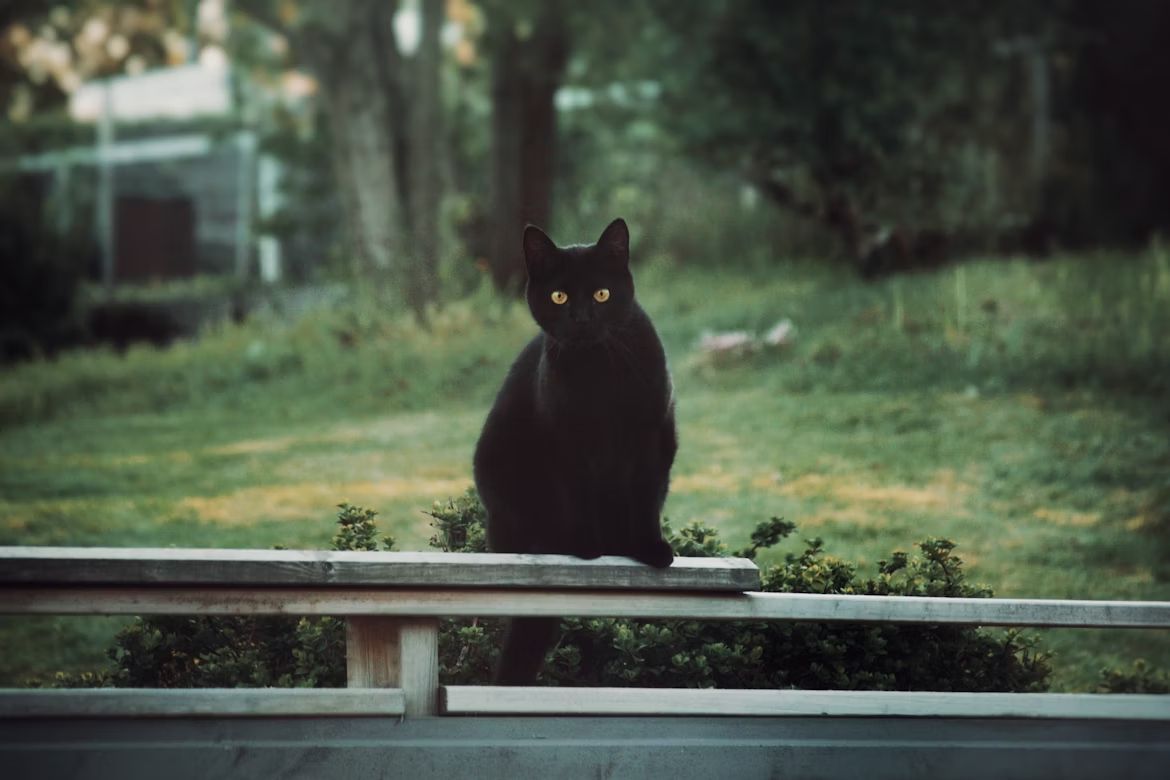
Black Cats Crossing Your Path Mean Bad News

Image: Kristin O Karlsen

In medieval Europe, these sleek felines were associated with witches and dark magic, making them the least popular pet choice for the superstitious. Cross paths with one, and you were supposedly inviting misfortune into your life. Never mind that black cats are just regular cats with darker fur—superstition doesn’t care about logic.

Ironically, in some cultures, black cats are considered good luck, which must be very confusing for the cats themselves. Are they harbingers of doom or furry little fortune cookies? It all depends on which side of the ocean you're standing on.

4

Opening an Umbrella Indoors Invites Disaster

Image: Ryoji Iwata

Popping open an umbrella inside the house is a big no-no in the superstition handbook. The origins of this belief are a bit murky, but one theory suggests it offended the sun god to use a shade-providing device indoors, where the sun doesn't shine anyway. Another explanation is more practical: early umbrellas had stiff springs and metal spokes that could genuinely hurt someone or knock over valuables when opened in tight spaces.

5

Knocking on Wood Keeps Bad Luck Away

Image: K Adams

Say something good about yourself—"I haven't been sick all year"—and watch yourself immediately reach for the nearest wooden surface. The ritual supposedly prevents your boastful words from jinxing you and attracting bad luck's attention. Its origins trace back to ancient tree-worshipping cultures that believed spirits lived in wood and could offer protection if properly acknowledged.

The best part about this superstition is how flexible it is. Can't find real wood? Knock on your head (insert your own joke here). Some people tap twice, others three times—there's no official protocol, which is refreshing in the otherwise rigid world of superstitions.

6

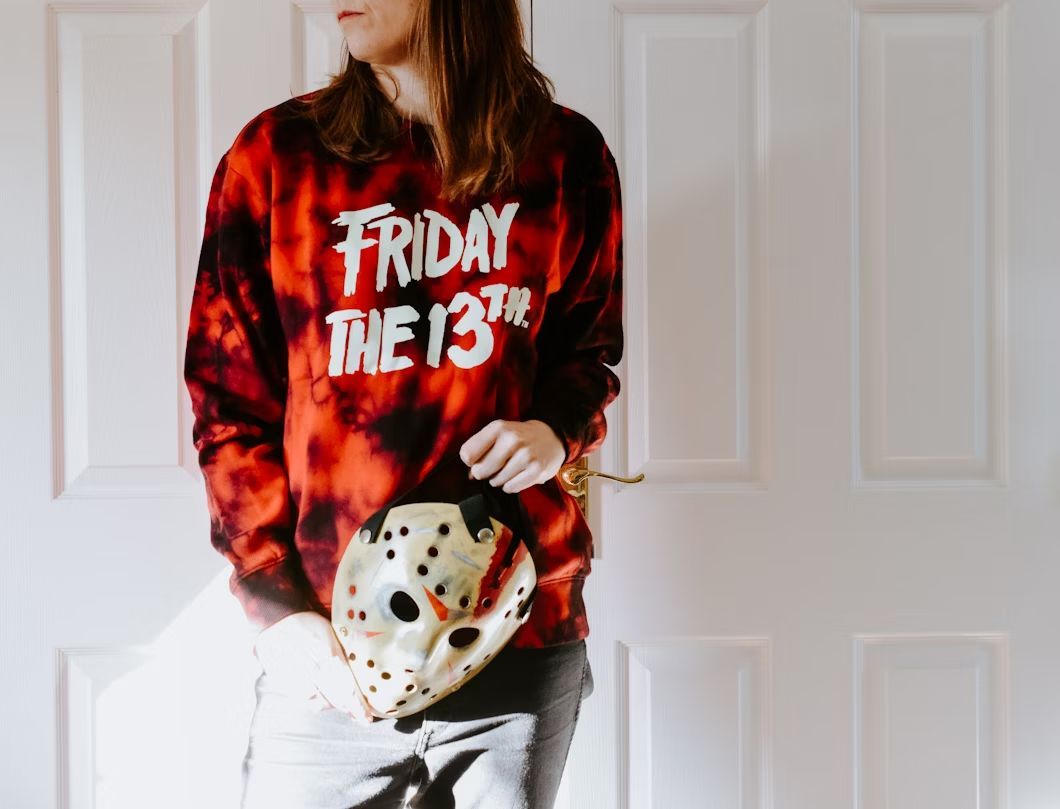
Friday the 13th Is the Unluckiest Day

Image: Nik

This superstition combines two separate fears: Friday was considered unlucky because it was the day of Jesus’s crucifixion, and the number 13 has been deemed unlucky for various reasons, including being one more than the "perfect" dozen. Put them together, and you’ve got a day so notorious it inspired an entire horror movie franchise.

The funny thing is, there’s no statistical evidence that more bad things happen on Friday the 13th than on any other day. Yet hotels often skip the 13th floor (jumping from 12 to 14), and some airlines avoid having a 13th row.

7

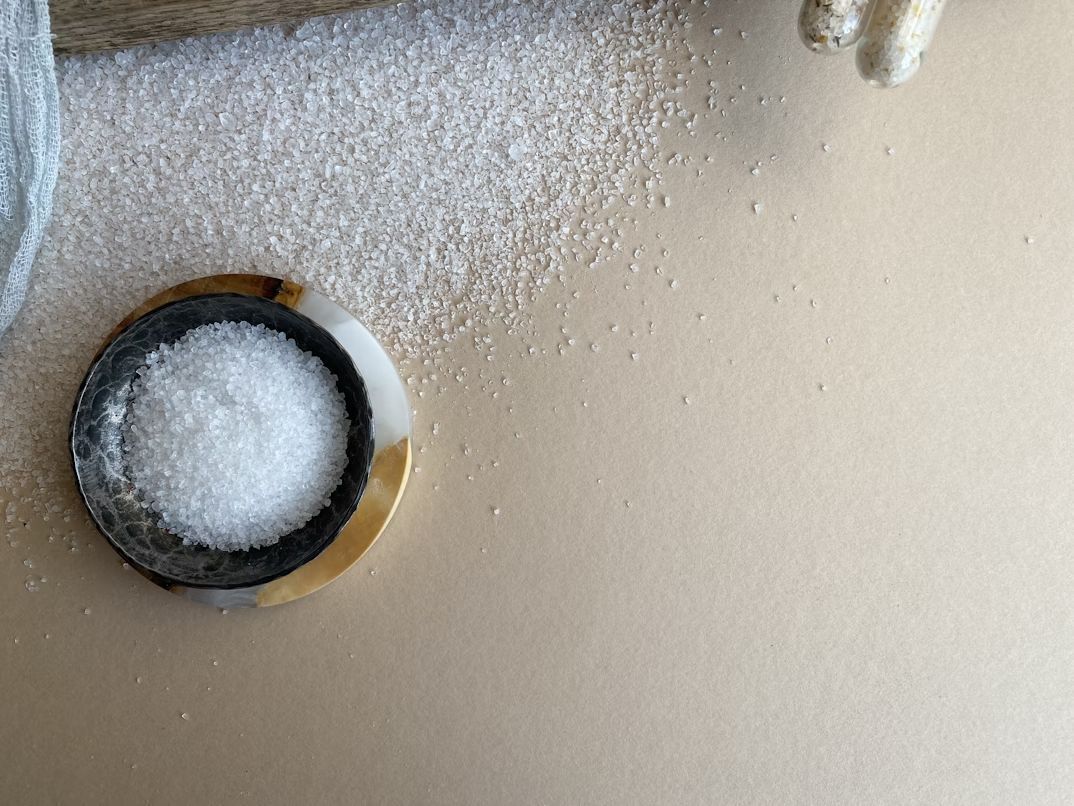
Spilling Salt Requires an Over-the-Shoulder Toss

Image: ekaterina shishina

Knock over the salt shaker at dinner, and tradition demands that you immediately toss a pinch over your left shoulder. Why? Because the devil was supposedly lurking behind your left shoulder, waiting to cause mischief, and throwing salt in his eyes would temporarily blind him. Salt was once incredibly valuable—Roman soldiers were even paid in salt, giving us the word "salary"—so spilling it was genuinely wasteful and considered an invitation for bad luck.

8

Finding a Penny Brings Good Fortune (If It's Heads Up)

Image: Roman Manshin

"Find a penny, pick it up, and all day long you'll have good luck"—but only if it's heads up. If it's tails up, some versions say you should flip it over for the next person or leave it alone entirely. This is one of the more optimistic superstitions, suggesting the universe occasionally scatters small fortunes in our path. Given that a penny is worth one cent, the universe isn't exactly being generous, but it's the thought that counts.

9

Saying "Bless You" After a Sneeze Protects the Soul

Image: Towfiqu barbhuiya

When someone sneezes, we automatically say "bless you" or "gesundheit" without really thinking about why. The tradition supposedly started because people believed your soul could escape through your nose during a sneeze, or that the sneeze temporarily stopped your heart, leaving you vulnerable to evil spirits. By blessing the person who sneezed, you were offering spiritual protection during this brief moment of weakness. It's surprisingly dramatic for such a common bodily function.

10

Beginner's Luck Is Real (and Slightly Annoying)

Image: Toni Reed

Ever notice how someone playing poker, bowling, or trying any new activity for the first time often experiences unexplainable success? That's beginner's luck, the superstition that newcomers are temporarily blessed with good fortune, perhaps because fate wants to encourage them to keep trying. It's a convenient explanation for why your friend, who's never bowled before, just rolled a strike while you, the experienced bowler, keep hitting the gutter.

Of course, there are practical explanations: beginners aren't overthinking their moves, aren't burdened by bad habits, and aren't feeling pressure to perform. But where's the fun in that? It's much more entertaining to blame supernatural forces for our defeats.

Looking for an extra scoop of literary fun?

Learn more with our Word of the day

tame

/teɪm/