Lost futures
We were promised jetpacks: 10 futures that never arrived
Published on April 2, 2026
 Image: isaac.
From jetpacks to robot servants, past generations had big dreams for the 21st century. Magazines, sci-fi writers, and even scientists once imagined a future far flashier than today’s reality. But many of these predictions never came true—or at least not in the ways they expected. Here's a roundup of 10 things we were supposed to have mastered by now… but haven’t.
Jetpacks for everyone
 Image: SpaceX
In the 1960s, Bell Aerosystems developed a working jetpack prototype, and the media rushed to predict that personal flight would soon be common.
The Bell Rocket Belt was even showcased at the 1964 World’s Fair, but its 21-second flight limit and high fuel consumption prevented it from achieving mass adoption. Modern versions exist but are expensive and impractical for daily use.
Flying cars in every garage
 Image: MeSSrro
Popular Mechanics and other similar magazines predicted that flying cars would fill the skies by the turn of the millennium.
Despite prototypes like the quirky Aerocar of the 1950s and today’s advances in vertical takeoff and electric aviation, flying cars remain more dream than reality.
Moon colonies
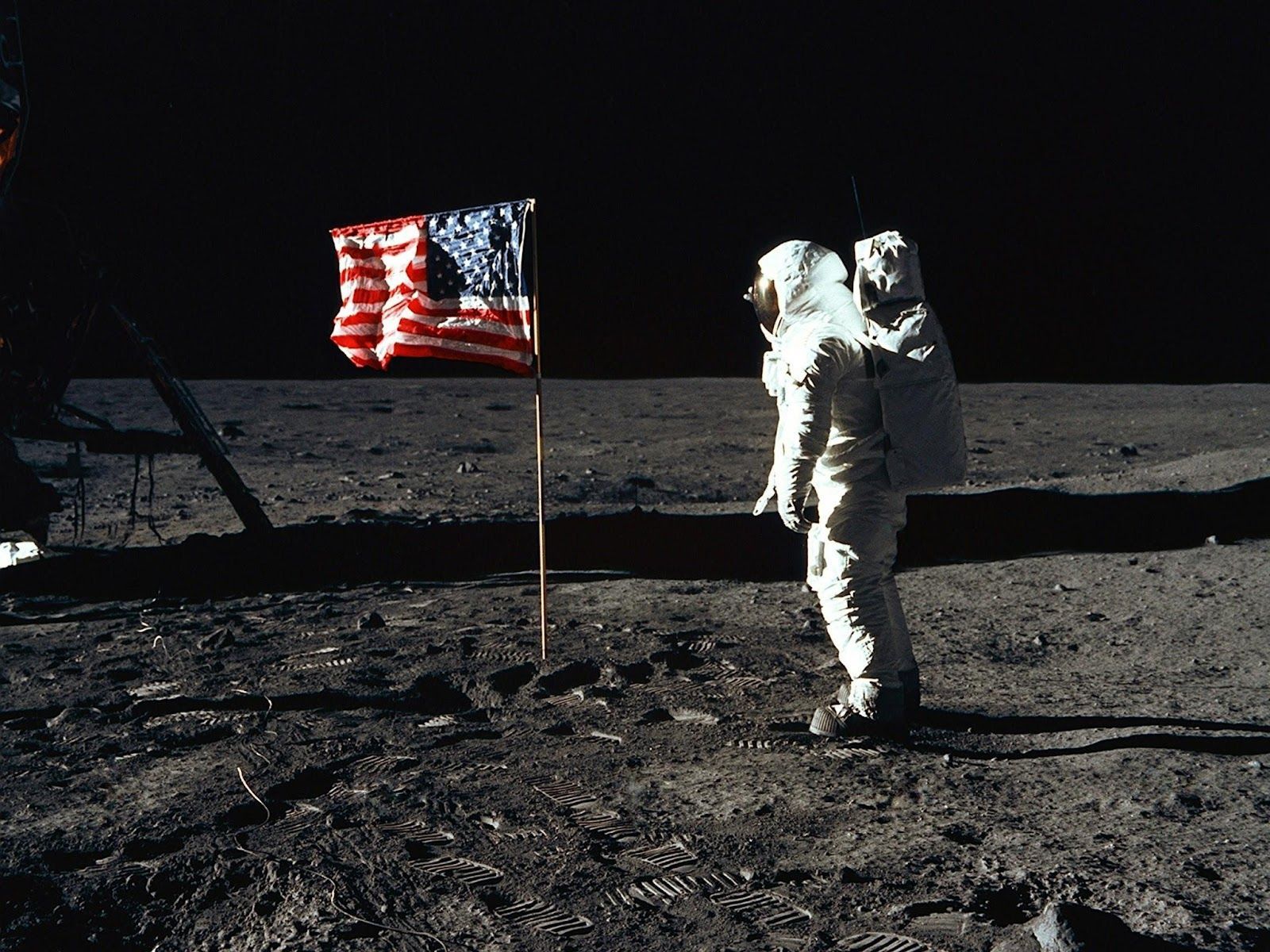 Image: NASA
Another 20th-century dream cut short: after the 1969 moon landing, many experts expected permanent lunar bases by the year 2000.
However, while NASA and many other space agencies proposed moon settlements, political and financial cuts halted long-term plans. Only robotic missions have visited our cosmic companion since 1972.
Weather control machines
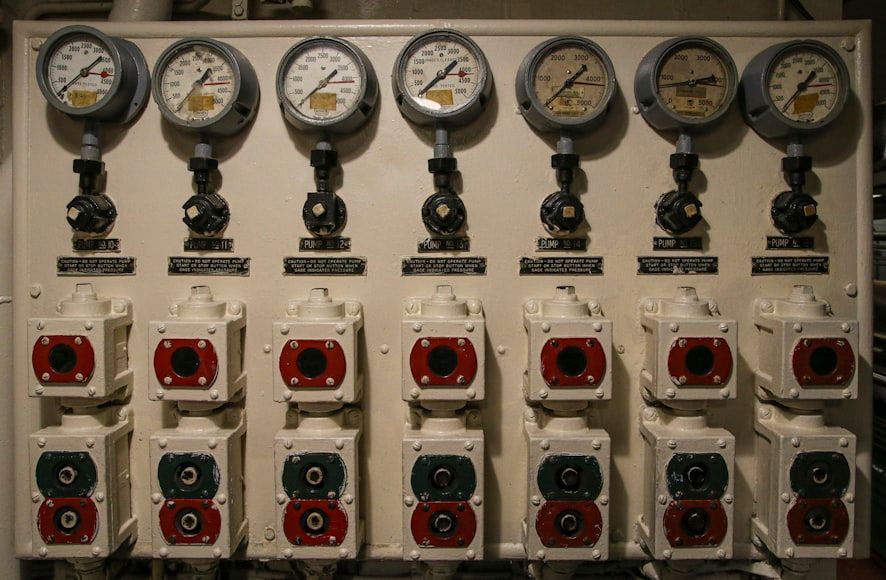 Image: Mick Haupt
Post-WWII futurists believed that humanity would eventually engineer the weather using satellites or ground tech. Projects like "Project Stormfury" attempted hurricane modification, but the results were inconclusive.
Cloud seeding exists, but its effectiveness is debated, and large-scale weather control remains out of reach.
Robot maids
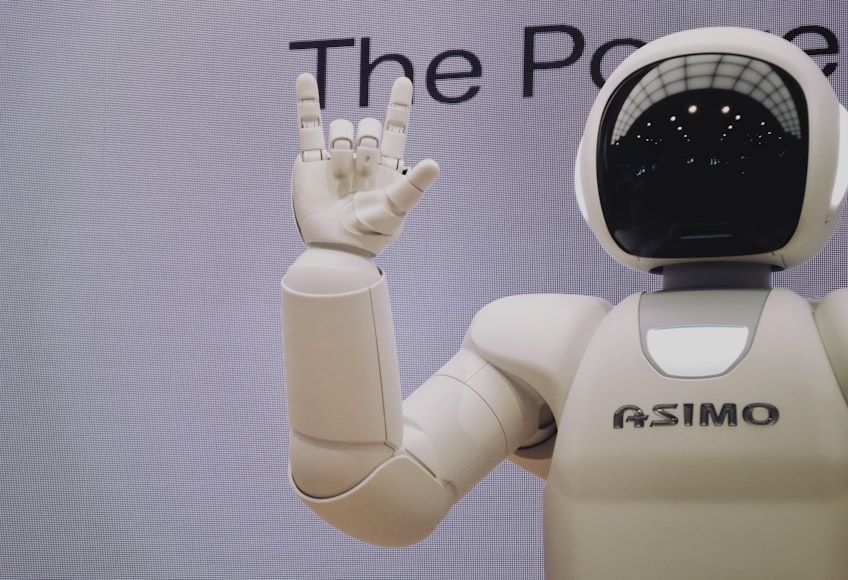 Image: Possessed Photography
Since the 1950s, popular media such as The Jetsons have promised human-like domestic robots. While Roombas and virtual assistants like Alexa exist, most prototypes of humanoid home robots still struggle with dexterity, reliability, and cost.
Unfortunately, for now, the bulk of household cleaning still falls to humans rather than their long-imagined robotic helpers.
Cities under the sea
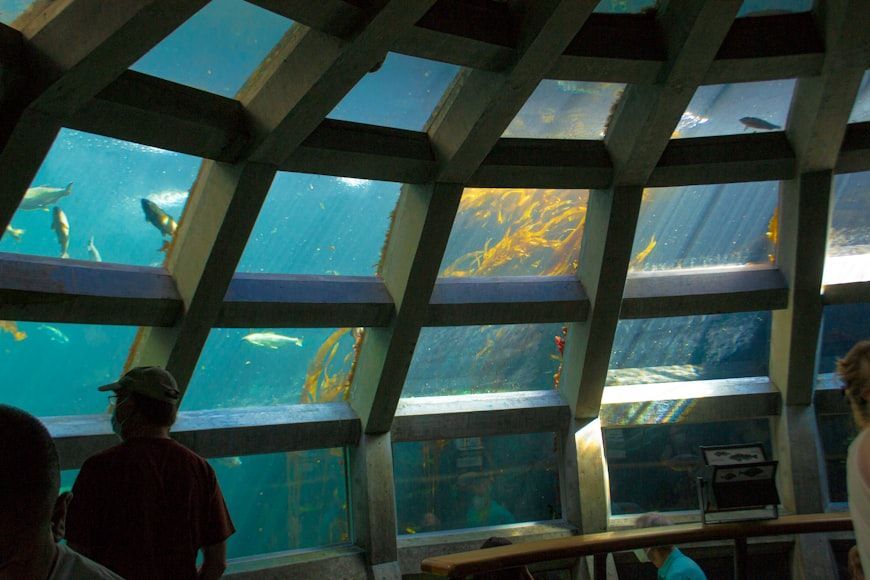 Image: Jerrick Castillo
Visionaries like Jacques Cousteau imagined thriving oceanic cities by the 21st century.
Though experimental habitats like Conshelf and SeaLab were tested, persistent challenges such as pressure and high costs of building make long-term underwater living largely unrealistic.
Instant learning
 Image: Riku Lu
Sci-fi from the 1980s often portrayed people learning languages or skills in seconds with the aid of advanced technology.
Brain–computer interfaces do exist, but they remain in early developmental stages, and the idea of "downloading" information directly into the human brain is far beyond the capabilities of current neuroscience.
Teleportation booths
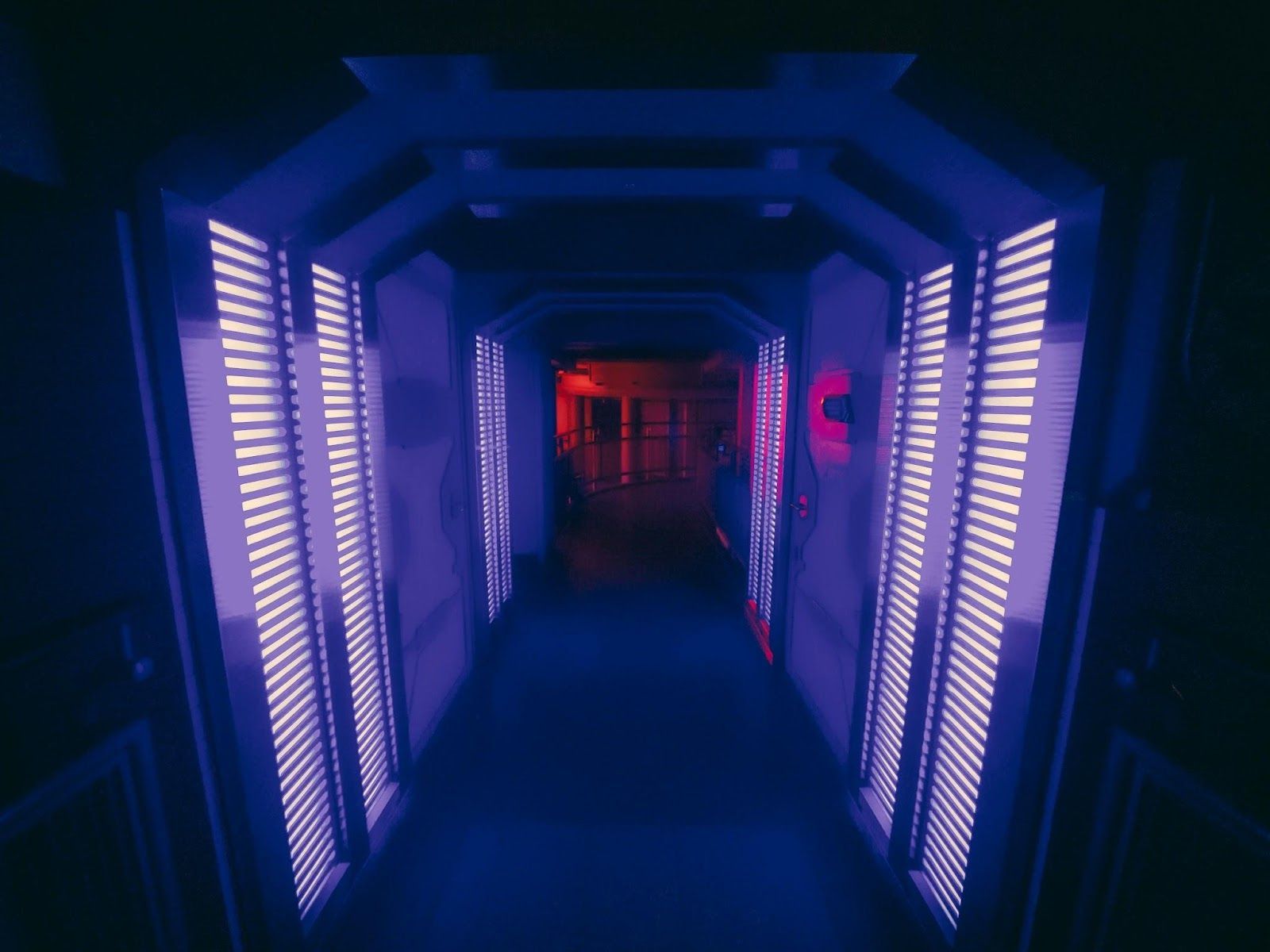 Image: Michael Pointner
Inspired by shows like Star Trek, people thought teleportation might be real by now.
Quantum teleportation has been achieved at the particle level, but it doesn’t move matter—only quantum states. For now, human teleportation remains firmly in the realm of fiction.
Time machines
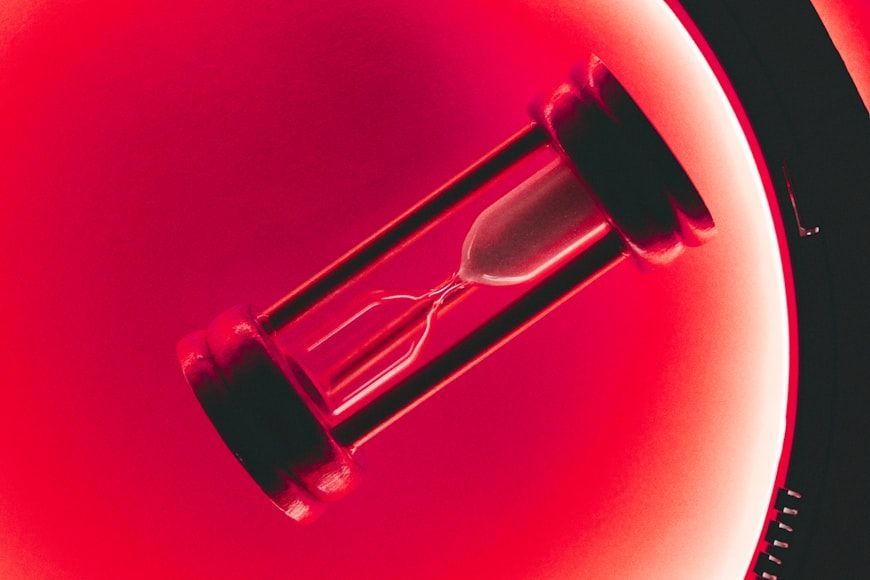 Image: Daniele Franchi
Einstein’s theories sparked dreams of real-life time travel by manipulating relativity.
While time dilation is a real phenomenon observed at extreme speeds and in strong gravitational fields, constructing a machine capable of traveling into the past remains impossible under our current understanding of physics.
Meals in pill form
 Image: Ksenia Yakovleva
Mid-century futurists expected food to eventually be replaced with efficient tablets.
While nutrient pills and protein bars exist, actual meals still require bulk calories and texture, something a pill just can’t provide. Even in specialized environments—like astronauts aboard space stations—the idea remains highly impractical for real diets.


