Lost futures

We were promised jetpacks: 10 futures that never arrived


Published on April 2, 2026


Image: isaac.

From jetpacks to robot servants, past generations had big dreams for the 21st century. Magazines, sci-fi writers, and even scientists once imagined a future far flashier than today’s reality. But many of these predictions never came true—or at least not in the ways they expected. Here's a roundup of 10 things we were supposed to have mastered by now… but haven’t.

1

Jetpacks for everyone

Image: SpaceX

In the 1960s, Bell Aerosystems developed a working jetpack prototype, and the media rushed to predict that personal flight would soon be common.

The Bell Rocket Belt was even showcased at the 1964 World’s Fair, but its 21-second flight limit and high fuel consumption prevented it from achieving mass adoption. Modern versions exist but are expensive and impractical for daily use.

2

Flying cars in every garage

Image: MeSSrro

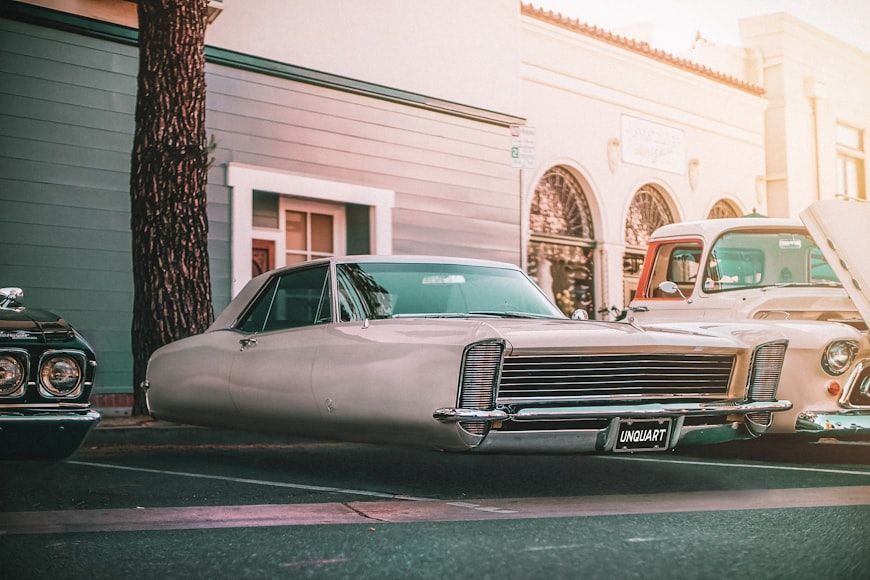
Popular Mechanics and other similar magazines predicted that flying cars would fill the skies by the turn of the millennium.

Despite prototypes like the quirky Aerocar of the 1950s and today’s advances in vertical takeoff and electric aviation, flying cars remain more dream than reality.

3

Moon colonies

Image: NASA

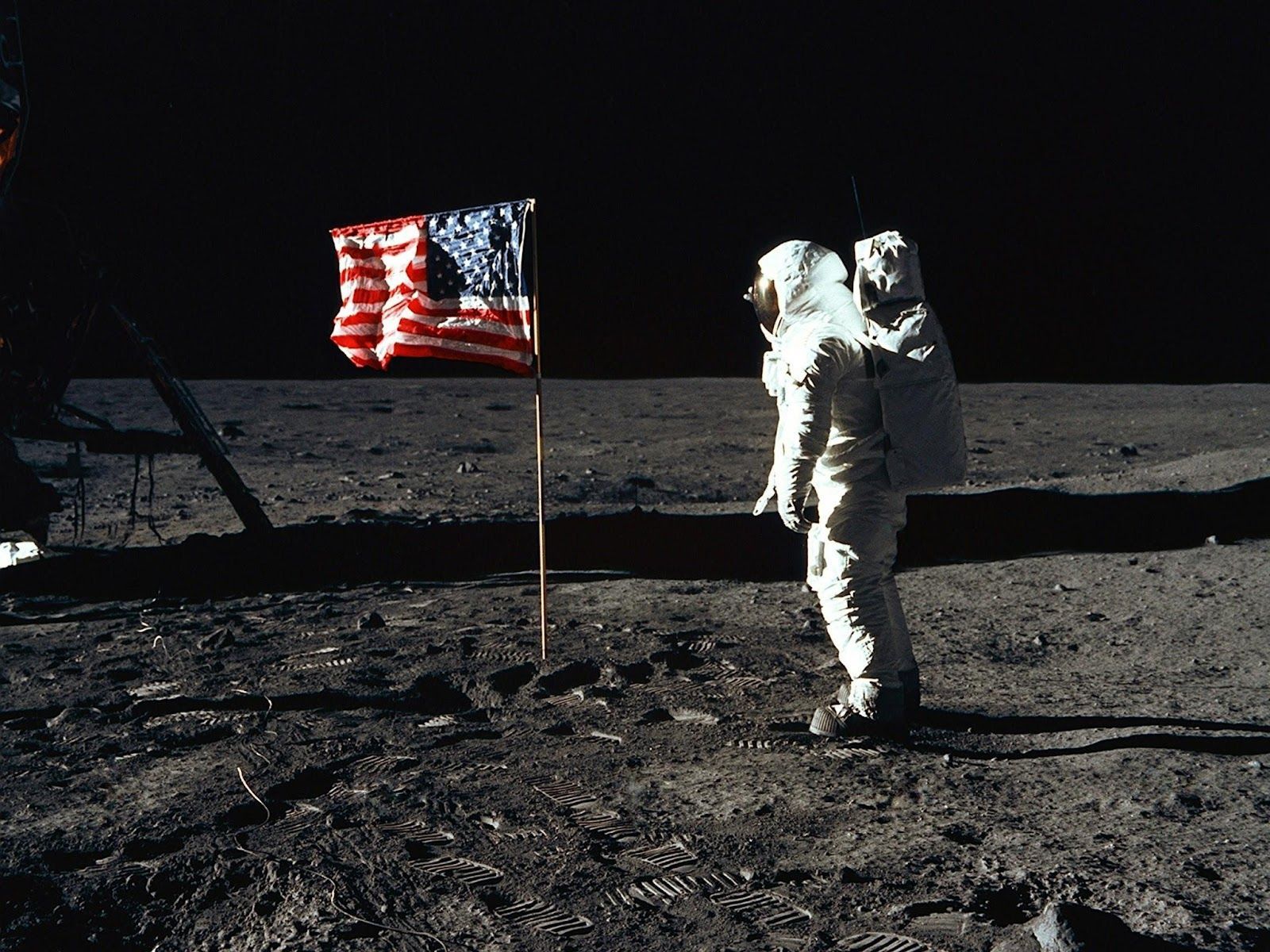
Another 20th-century dream cut short: after the 1969 moon landing, many experts expected permanent lunar bases by the year 2000.

However, while NASA and many other space agencies proposed moon settlements, political and financial cuts halted long-term plans. Only robotic missions have visited our cosmic companion since 1972.

4

Weather control machines

Image: Mick Haupt

Post-WWII futurists believed that humanity would eventually engineer the weather using satellites or ground tech. Projects like "Project Stormfury" attempted hurricane modification, but the results were inconclusive.

Cloud seeding exists, but its effectiveness is debated, and large-scale weather control remains out of reach.

5

Robot maids

Image: Possessed Photography

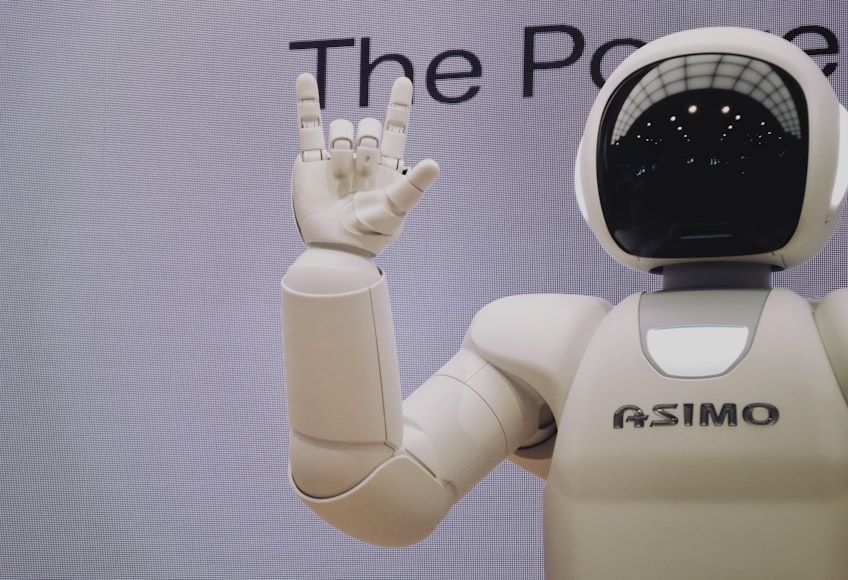
Since the 1950s, popular media such as The Jetsons have promised human-like domestic robots. While Roombas and virtual assistants like Alexa exist, most prototypes of humanoid home robots still struggle with dexterity, reliability, and cost.

Unfortunately, for now, the bulk of household cleaning still falls to humans rather than their long-imagined robotic helpers.

6

Cities under the sea

Image: Jerrick Castillo

Visionaries like Jacques Cousteau imagined thriving oceanic cities by the 21st century.

Though experimental habitats like Conshelf and SeaLab were tested, persistent challenges such as pressure and high costs of building make long-term underwater living largely unrealistic.

7

Instant learning

Image: Riku Lu

Sci-fi from the 1980s often portrayed people learning languages or skills in seconds with the aid of advanced technology.

Brain–computer interfaces do exist, but they remain in early developmental stages, and the idea of "downloading" information directly into the human brain is far beyond the capabilities of current neuroscience.

8

Teleportation booths

Image: Michael Pointner

Inspired by shows like Star Trek, people thought teleportation might be real by now.

Quantum teleportation has been achieved at the particle level, but it doesn’t move matter—only quantum states. For now, human teleportation remains firmly in the realm of fiction.

9

Time machines

Image: Daniele Franchi

Einstein’s theories sparked dreams of real-life time travel by manipulating relativity.

While time dilation is a real phenomenon observed at extreme speeds and in strong gravitational fields, constructing a machine capable of traveling into the past remains impossible under our current understanding of physics.

10

Meals in pill form

Image: Ksenia Yakovleva

Mid-century futurists expected food to eventually be replaced with efficient tablets.

While nutrient pills and protein bars exist, actual meals still require bulk calories and texture, something a pill just can’t provide. Even in specialized environments—like astronauts aboard space stations—the idea remains highly impractical for real diets.


GET YOUR HEAD IN THE GAME!

Touchdown! Do You Know These Ten Idioms From The World Of Sports?


Published on April 2, 2026


Image: Riley McCullough

It is said that baseball is America’s favorite pastime, but we would like to argue that several other sports are heavy contenders for the title. Or perhaps it would be more suitable to consider that the thrill of sports themselves fuel millions of Americans every day. From the excitement of a "Hail Mary" pass being completed, to an indomitable boxer getting up for one more round, sports are undeniably an essential part of American culture.

We might sometimes fail to realize how many of our everyday expressions come from the world of sports. With that in mind, we have gathered ten of our favorite sports idioms for your enjoyment. Some you know, and some might be a bit of a surprise. Who knows? You might end up with a new catchphrase for the next game you watch with your friends.

1

The ball is in your court

Image: Samuel-Elias Nadler

We’ll begin this list with one of the most popular sports idioms out there. Whenever you hear someone say "The ball is in your court now", you might suddenly feel burdened with the responsibility of taking action. And while this is its most common use, this idiom might also mean an opportunity to make amazing things happen.

The origins of this idiom most likely come from the world of tennis, since a player might only take action whenever the ball is on their side of the court. While this phrase was most popular during the 1970s, it can be traced back to the 19th century.

2

Hail Mary

Image: Riley McCullough

3

A "Hail Mary" is a last-minute, long-distance pass, usually made in a last-ditch attempt to score. While other popular sports like basketball had some incredible "Hail Mary" moments, this move is mostly associated with football. The perhaps most iconic Hail Mary pass happened in a 1984 game between the Miami Hurricanes and the Boston College Eagles when Boston quarterback Doug Flutie made a 63-yard successful pass that resulted in a touchdown. This iconic game is now known as "the Hail Flutie", and a statue of Flutie commemorating the pass was unveiled in Boston College in 2008.

The origins of this idiom come from Christianity, most accurately from the "Hail Mary" prayer. Considering the difficult odds of completing this pass, the play references a prayer for help and success.

4

Out of left field

Image: Keith Johnston

5

This one is a bit of a mystery. The idiom "Out of left field", which means something that is very surprising or completely unexpected, comes from baseball. What’s not completely clear is why baseballs thrown from the left field are considered odd or unexpected, since most batters are right-handed and would tend to hit the ball onto the left field. Some people believe that, because left fielders tend to be the most far out, a fast throw from the left field would be an unexpected surprise.

According to music historian Arnold Shaw, this idiom was first used by the music industry to refer to songs that unexpectedly performed well. In the 1940s, "Out of left field" hits were heavily promoted by song pluggers as songs that were easily sold.

6

On the ropes

Image: Nemesia Production

Allow us to describe this idiom with a timeless cinematic scene. In the first "Rocky" movie, after the up-and-coming new boxer knocks Apollo Creed for the first time, the enraged heavyweight champion launches a flurry of punches at Rocky. The Italian Stallion can only protect himself, and finds himself restricted to the corner of the ring. This image is a perfect example of being on the ropes: to be in an extremely desperate situation, from which it's very difficult to recover.

7

8

Down for the count

Image: Johann Walter Bantz

9

Another staple of boxing films is the iconic countdown when the underdog hits the canvas after what seems to be a defeating punch. What follows is an excruciating count, on which our hero pulls out his last hurrah and stands right before a referee in slow motion as it reaches ten.

While its origins obviously come from boxing, this idiom is extremely popular and regularly used in American slang. Its connotation is usually of being completely defeated, and unable to recover from a spectacular beatdown.

10

Throw a curveball

Image: Jose Francisco Morales

A tricky question on an exam or an awkward dinner with the in-laws are some of the curveballs that life usually throws at us. This idiom is used to describe an unexpected and tough situation or problem, and it of course comes from baseball.

There is actually some debate on who threw the first curveball, but what we do know is that it was in the 19th century. Fred Goldsmith, one of the players who claims to have thrown the first curveball, would set poles on a baseball field and amaze fans by throwing a curve between them.

11

Drop the ball

Image: Ryan Reinoso

12

We have all dropped the ball at some point in our lives. Maybe we said the wrong thing on a first date or forgot to pick up the dry cleaning before they closed for the weekend. To "drop the ball" is an expression used for making a mistake, or for forgetting something important.

This idiom comes from football, in which a pass has to be caught in order to be completed. Dropping the ball would result in an incomplete pass or, worse, on the opposing team gaining possession.

13

Go the distance

Image: Attentie Attentie

14

It seems that the world of boxing is ripe with idioms, as a third expression originated in "the sweet science" makes it to this list. To go the distance means to fully commit to a challenge, and it references when a fighter would last the entire length of a fight instead of being knocked down early.

Nowadays, the idiom is used to highlight the endurance and resilience of someone facing an adverse or challenging situation, and their willingness to see it through.

15

Run interference

Image: Keith Johnston

This idiom sounds way more negative than it actually is. If you heard that someone is "running interference" on you, you might be suspicious and think that this ill-intentioned stranger is trying to sabotage your life in any way. However, it might surprise you to know that this idiom means the opposite: If you are running interference on someone, you are in fact trying to deal with someone’s problems as soon as they happen. This idiom comes from the way football players protect the player who has the ball by physically blocking the opposing team.

16

Thrown in at the deep end

Image: Clark Tai

Some parents believe that the best way to teach a kid to swim is to throw them into the deep end of a swimming pool, in order for their survival instincts to kick in. While we definitively don’t approve of this method, a situation like this was more than likely the origin of this idiom.

To be "thrown in at the deep end" means to make someone begin a difficult challenge (like a new job) without preparing them for it. As we mentioned before, this idiom comes from the different ends of a swimming pool, of which one is shallow for beginners while the other is deeper and more suitable for experts.

Looking for an extra scoop of literary fun?

Learn more with our Word of the day

incongruous

/ɪnˈkɑŋɡrəwəs/