Broadcasting terms

We still use "crooner" and 9 other expressions the radio gave us


Published on November 1, 2026
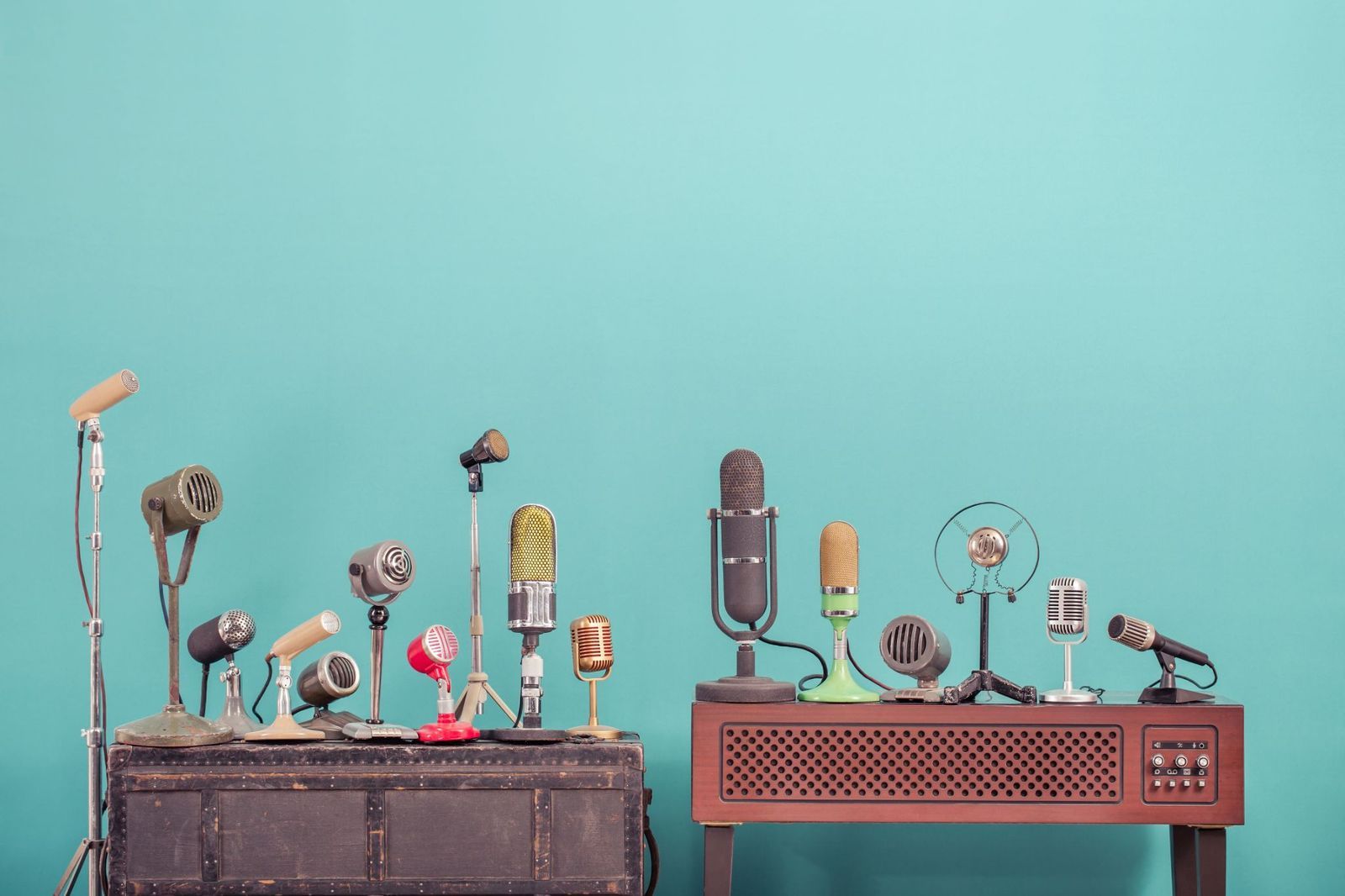

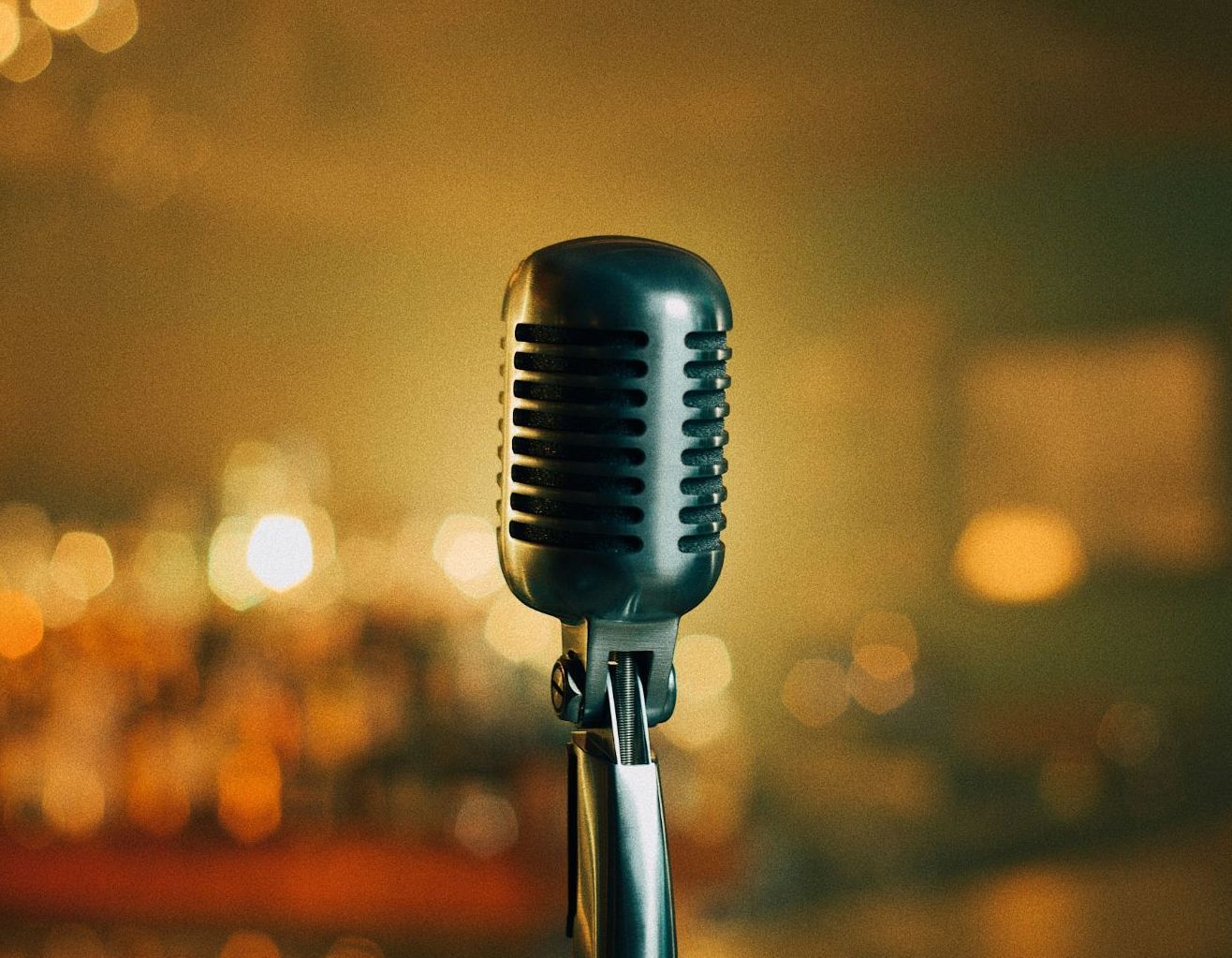
Image: BrAt82

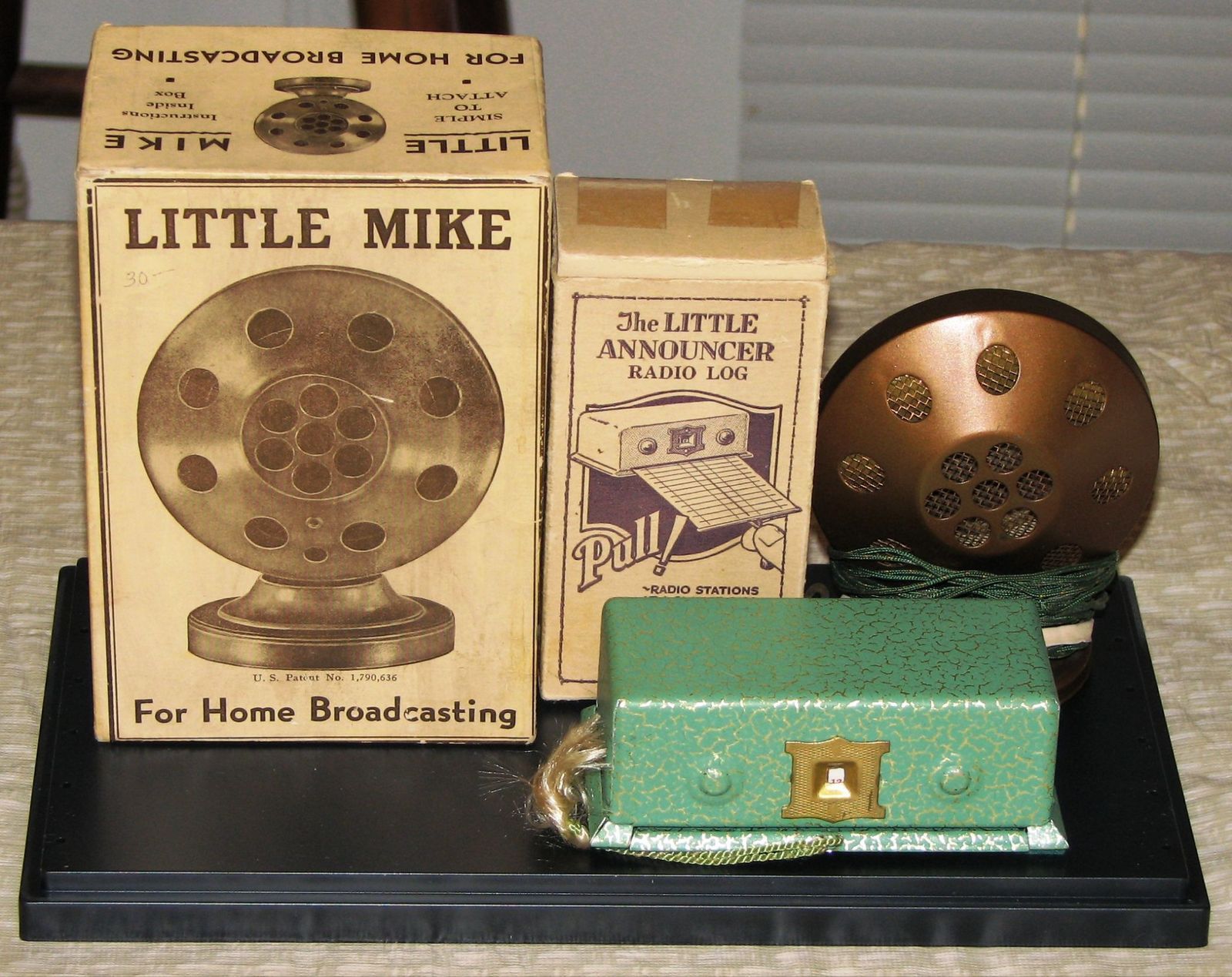
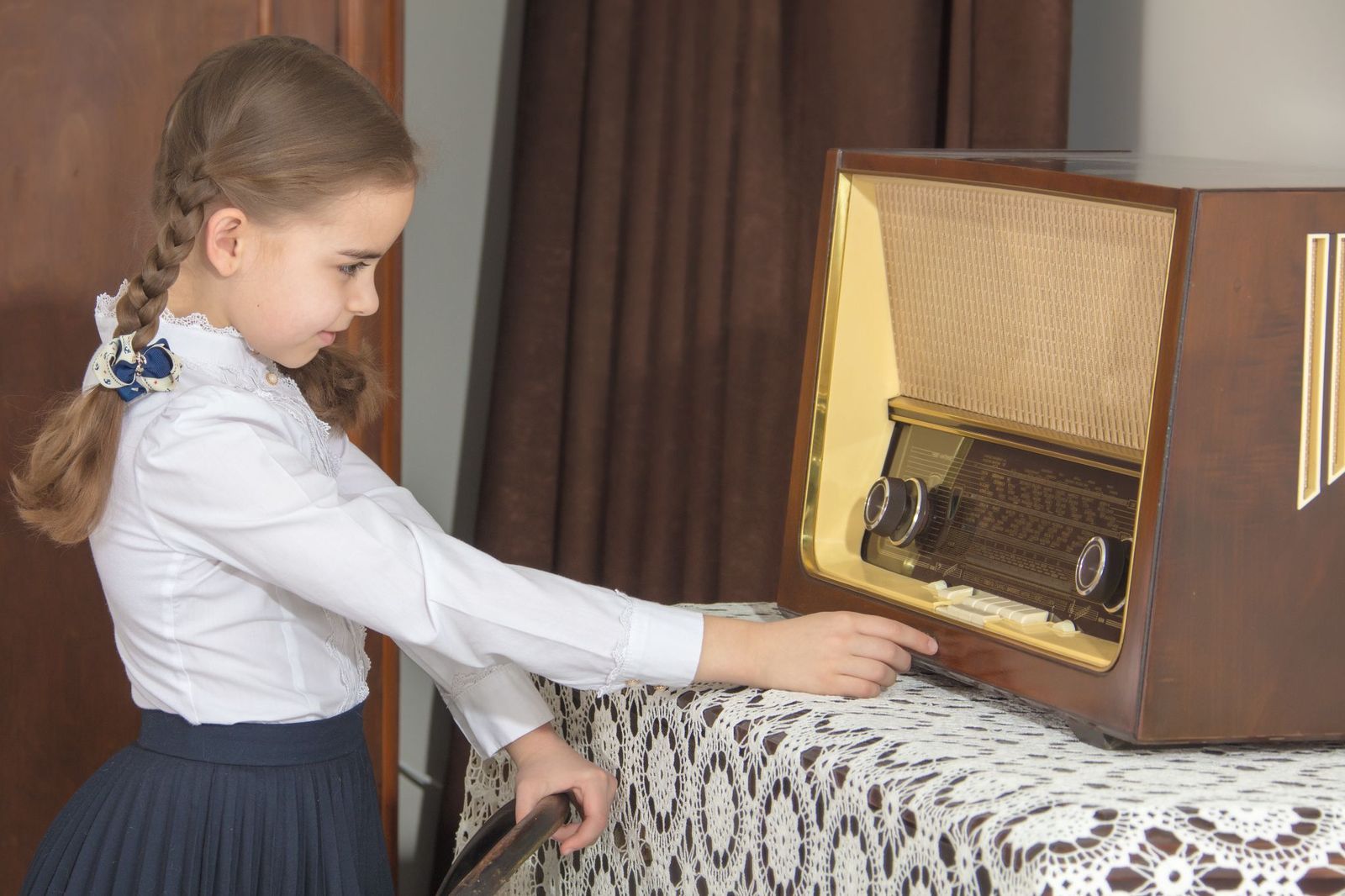
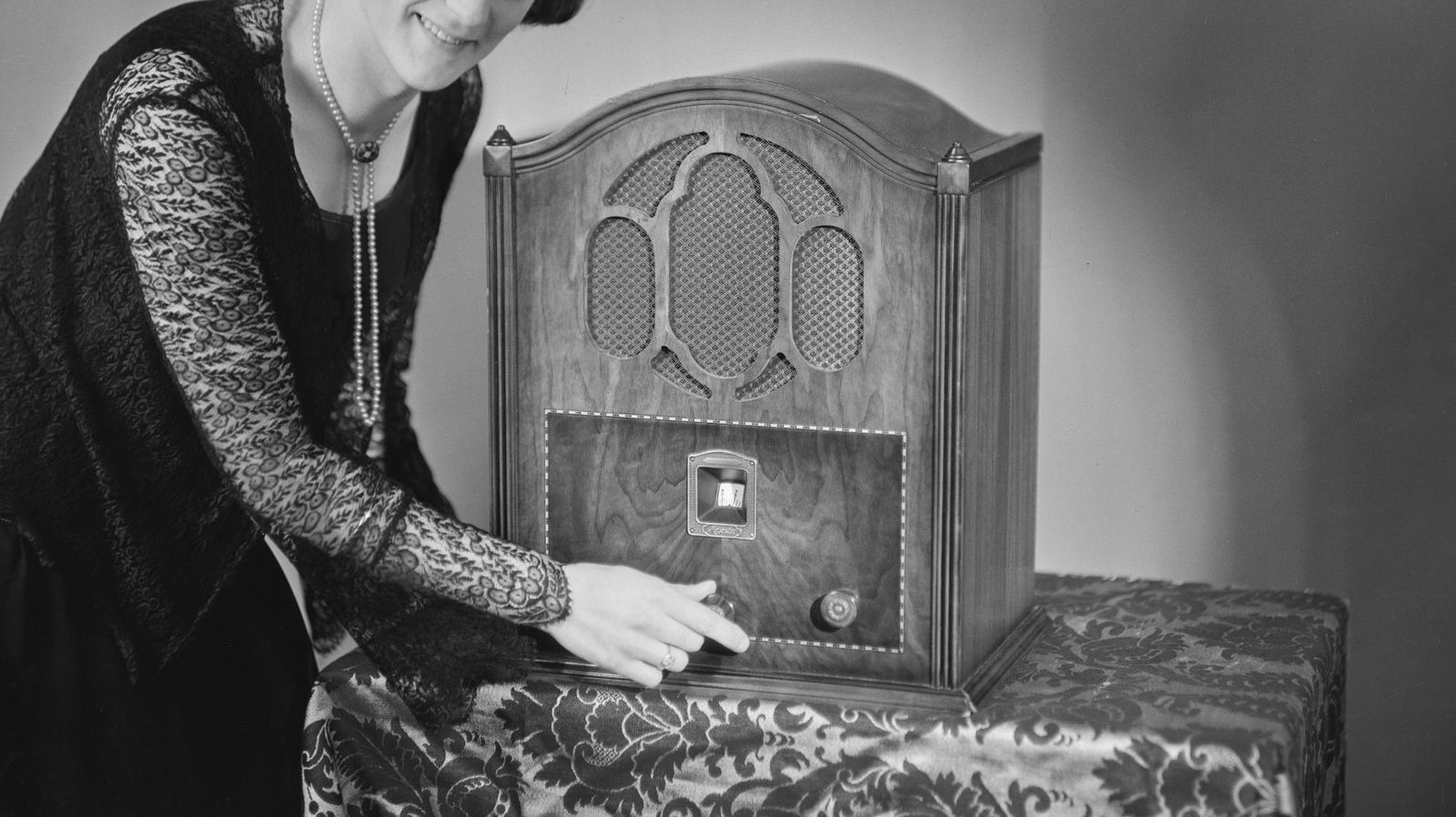
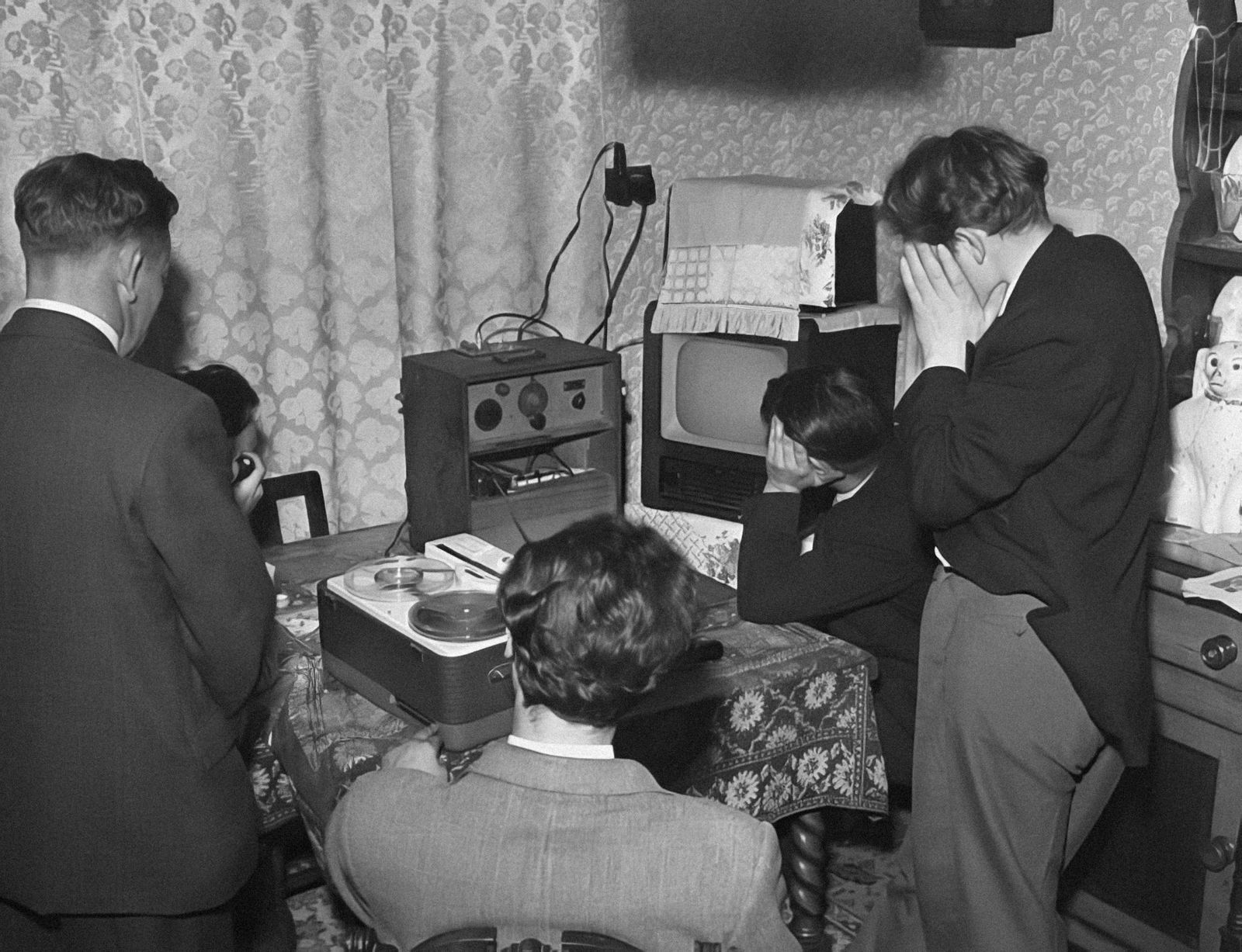
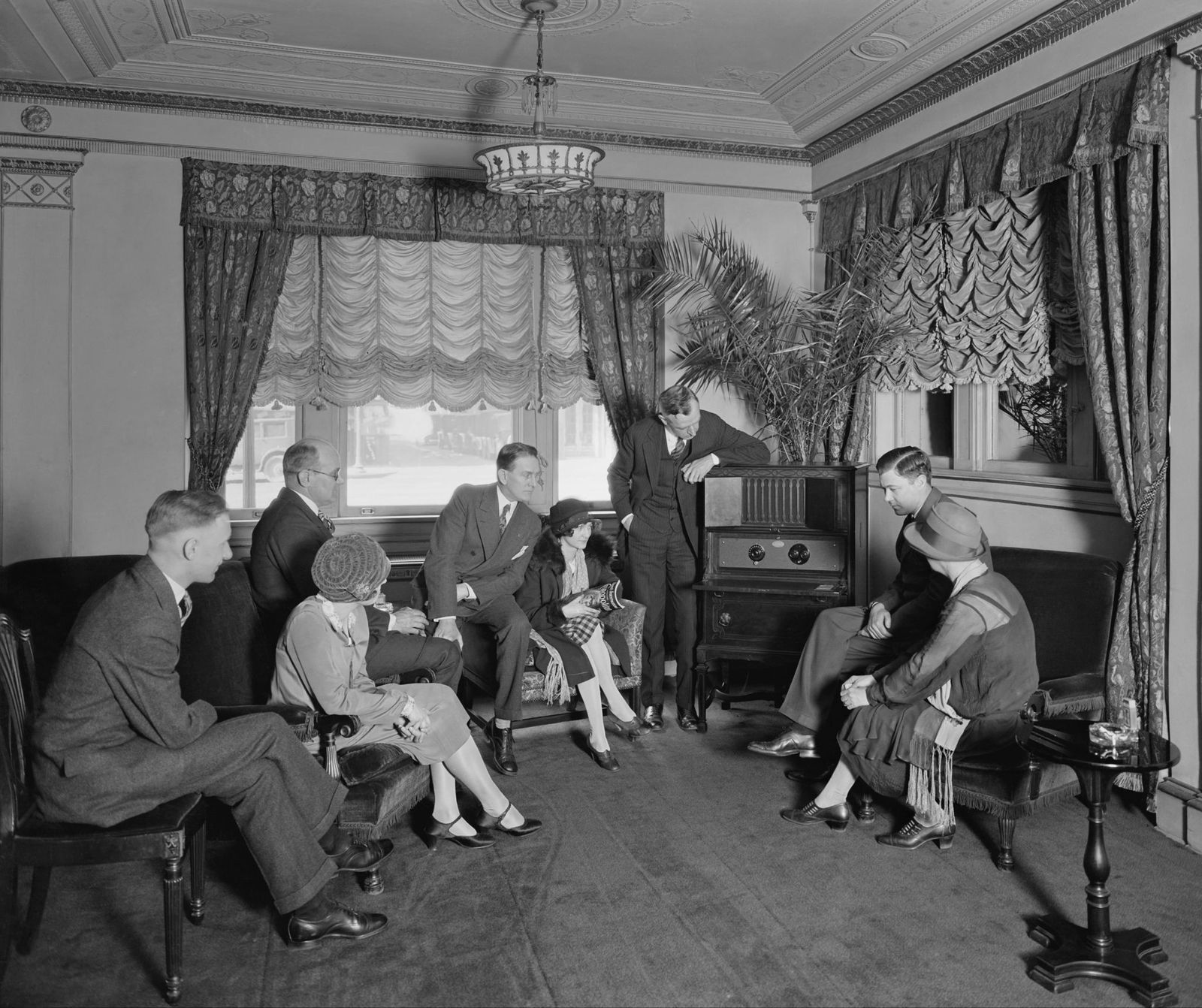
Once, families gathered around the radio, not a television set. Broadcasting the news, music, and comedy, radio shows changed how people spent their evenings, but also how they talked. Terms like "crooner," "jingle," "payola," or even whole concepts like "the $64,000 question" all originated in radio stations. Here are 10 stories of words born during the last 100 years.

1

"Broadcast" came from farming

Image: Joe Haupt from USA, CC BY 2.0, via Wikimedia Commons

Long before anyone owned a radio, farmers were already broadcasting. The word meant "sowing seed by hand." It referred to walking across a plowed field and flinging grain in wide arcs so that it landed everywhere at once. The term first appears in print in 1767, and it’s a good metaphor for what the radio technology ended up doing.

The first documented use of the word to refer to the technology occurred in 1921; the following year, the BBC was born, incorporating it in its name, British Broadcasting Company.

2

"Soap operas"

Image: Sergei Kolesnikov

Why would a melodrama about love, betrayal, and amnesia be named after laundry soap? It has to do with the sponsors. In the early 1930s, radio filled its daytime hours with 15-minute serial dramas aimed at women doing housework, and companies like Procter & Gamble, Colgate-Palmolive, and Lever Brothers paid for them and often produced them.

The "opera" part was a joke borrowed from "horse opera," slang for cheap Westerns. The genre is generally traced to Painted Dreams, which premiered on Chicago’s WGN in 1930. Its creator, Irna Phillips, pioneered the cliffhanger ending and the mood-setting organ music. She went on to create other shows like The Guiding Light (1937), which, along with the term, moved on to television.

3

"Disc jockey"

Image: ALLURE PRODUCTIONS

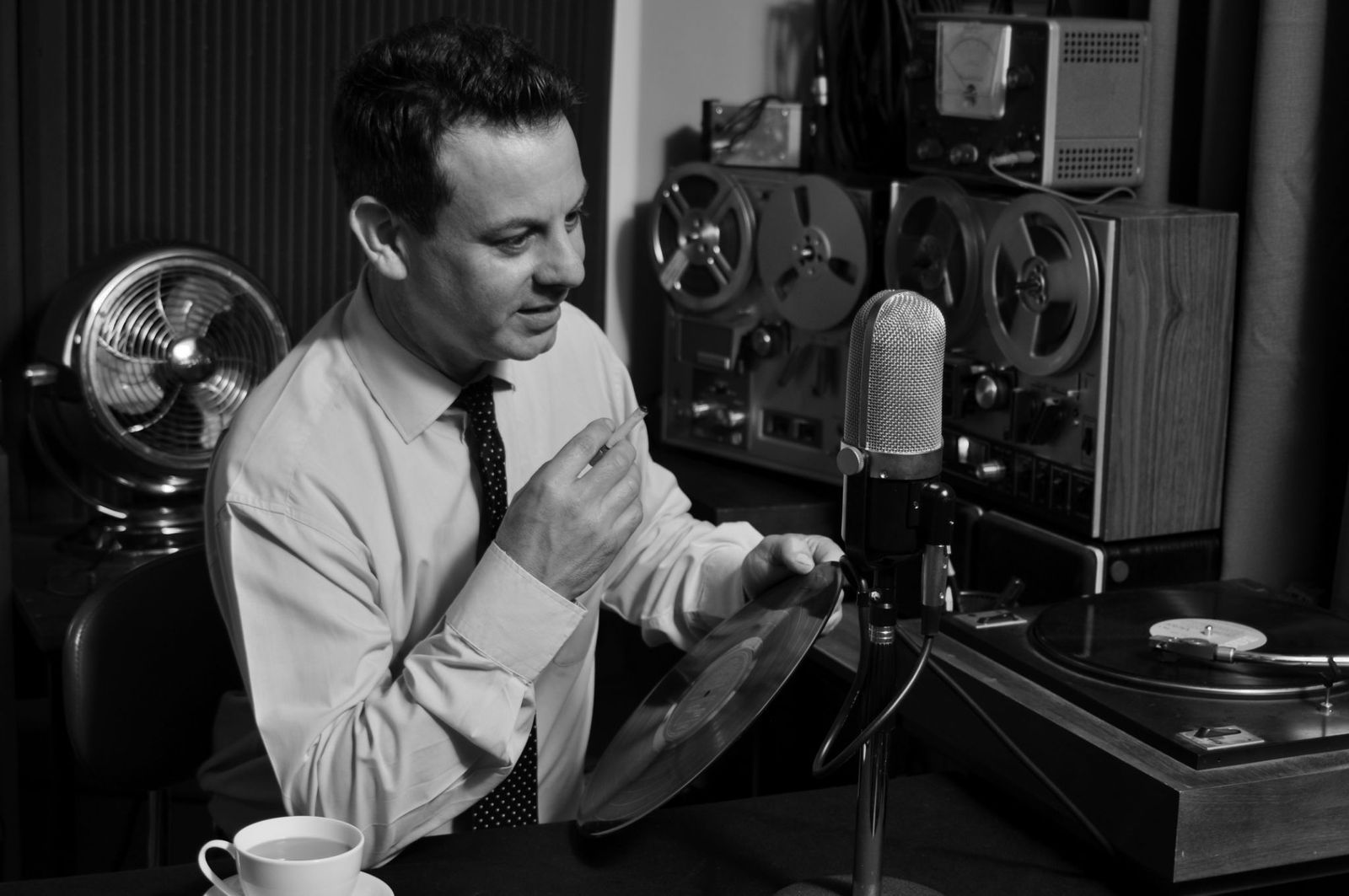
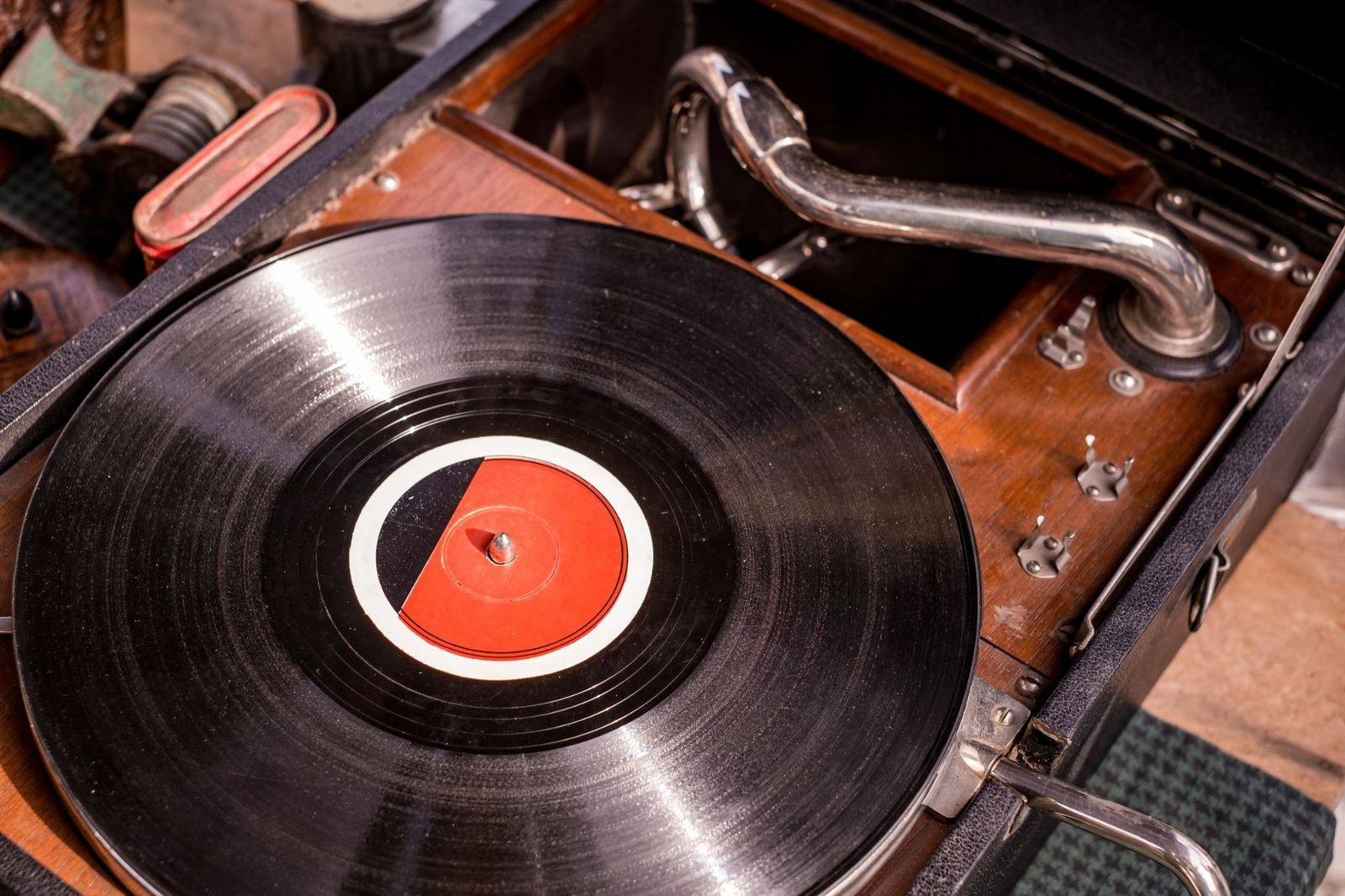
Long before we came up with the term "DJ," a disc jockey was the person who picked and played records on the air. It’s important to understand that, in radio’s early years, recordings were considered second-rate; in 1929, NBC proudly declared live broadcasts superior to anything recorded.

Then, in the 1930s, while sharing live news and waiting for relevant updates, announcers decided to play music to fill the long gaps between bulletins. In 1935, announcer Martin Block did just that, and columnist Walter Winchell allegedly joked that he was a "disc jockey": the disc was the record, the jockey the man riding it. Within a decade, every station needed someone playing the discs.

4

"The $64 question"

Image: aprouv

Most people remember The $64,000 Question as the 1950s TV quiz show sponsored by Revlon. But the phrase was born on radio. In April 1940, CBS launched Take It or Leave It, a show where contestants faced seven questions: the first was worth $1, and the prize doubled each time, so the last one was worth $64.

After every answer, they could pocket the money or risk it, while the studio audience shouted, "You’ll be sorry!" Garry Moore, Eddie Cantor, and Jack Paar all took turns as host. "That’s the $64 question" quickly became slang for any tough problem. Inflation eventually caught up with a more substantial prize, and it ended up as the name of the TV show.

5

"Stay tuned, sign off"

Image: Museum of New Zealand Te Papa Tongarewa

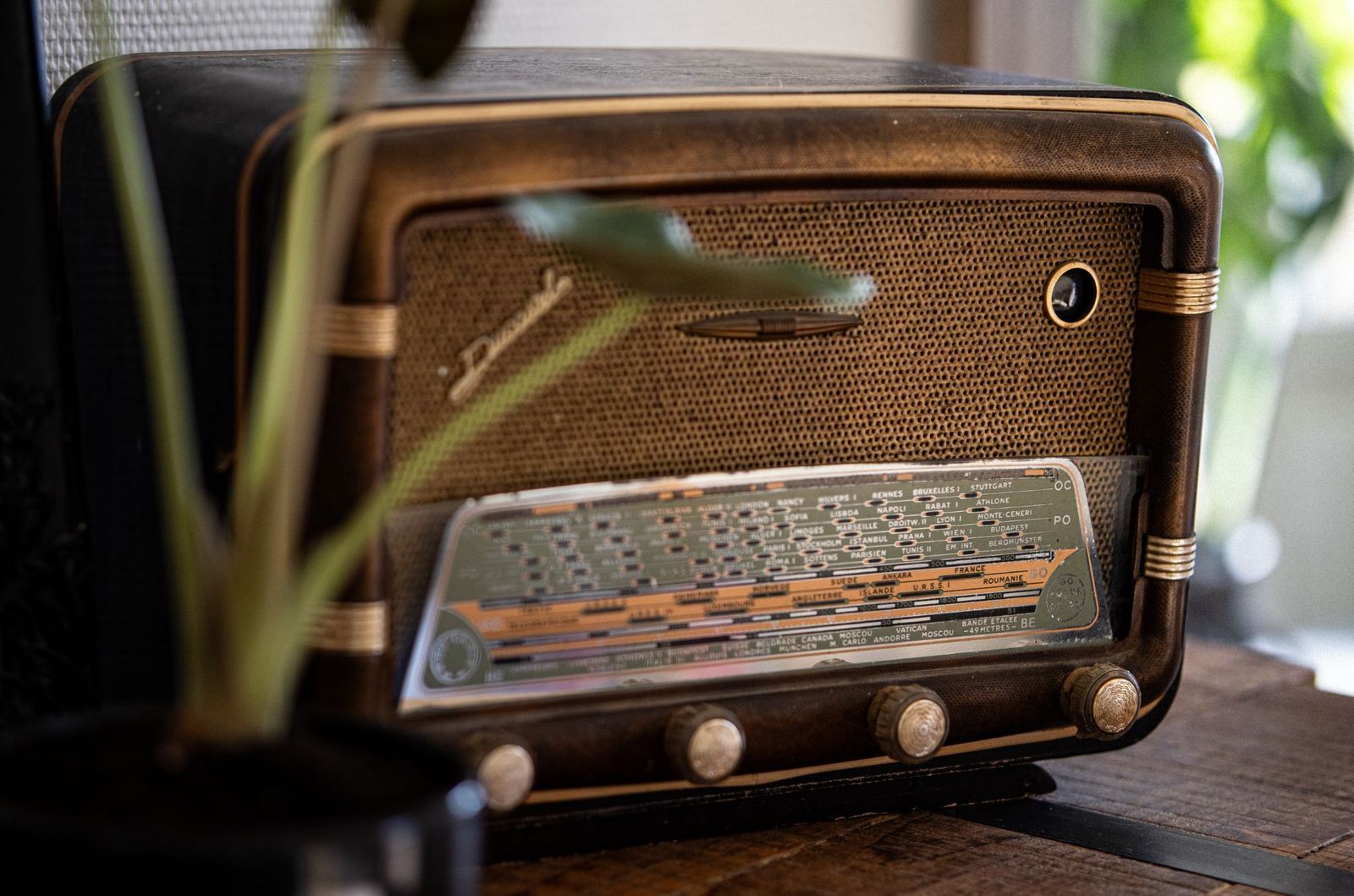
In the early 1920s, finding a station took patience and both hands. Many sets had two or three large dials, and every one had to be turned in unison to bring in a signal. No wonder announcers urged audiences to "stay tuned": if they lost the station, the fiddling had to start all over again. Single-knob tuning only became common late in the decade. "Sign off" was already around, meaning simply to stop doing something, but by 1923 radio had made it the station’s nightly goodbye.

6

"Jingle"

Image: Llyfrgell Genedlaethol Cymru / The National Library of Wales

The term "jingle" itself dates to the 1300s, referring to the tinkle of small bells. Over time, the word evolved to describe short, catchy verses with repetitive rhythms and rhyming lines, like children's nursery rhymes. When catchy musical slogans hit the airwaves in the 1920s, advertisers borrowed the word.

The first jingle ever was played on Christmas Eve, 1926. In Minneapolis, four men stepped up to a microphone: a court bailiff, a grain company worker, a printer, and an undertaker. They sang a soon-to-be-famous little song that asked, "Have you tried Wheaties?" The station that played it was Washburn Crosby Company (WCCO), later General Mills. The jingle measurably increased sales in Twin Cities, where it was airing, so the company bought national airtime and hired quartets across the country to sing it. It wasn’t long before the advertising world caught on to the strategy.

7

"Payola"

Image: Roberto Sorin

Payola is a secret payment to get a song on the air. Variety coined the term in 1938, attaching "pay" to the jaunty ending of brand names like Victrola and Pianola. When television had taken over radio’s dramas and stations had hours to fill with music, cheap singles were flooding the market. A handful of superstar disc jockeys suddenly held the power to turn an obscure track into a hit overnight.

Record labels began bribing DJs with cash, co-writing credits, and luxury gifts to guarantee airplay. Ethically, critics viewed payola as a form of consumer fraud. In November 1959, Alan Freed, the most popular DJ in the country and the man credited with popularizing "rock ’n’ roll," was fired from WABC after refusing to sign a statement that he’d never taken payola. In 1960, the US Congress made it a federal crime to accept undisclosed payola.

8

"Fireside chat"

Image: Everett Collection

When Franklin D. Roosevelt spoke to the nation by radio, he sat at a White House desk crowded with microphones, but found a direct way into people’s living rooms. His first talk came on March 12, 1933, eight days after his inauguration and in the middle of a banking panic. He opened with "My friends" and explained, in plain language, how the banking system worked.

Before his next address, that May, CBS’s Harry Butcher called it a "fireside chat" in a press release, and the cozy name stuck. Roosevelt gave about 30 of them through 1944, speaking very slowly. Families gathered around to listen: by 1940, more than 80% of American homes owned a radio.

9

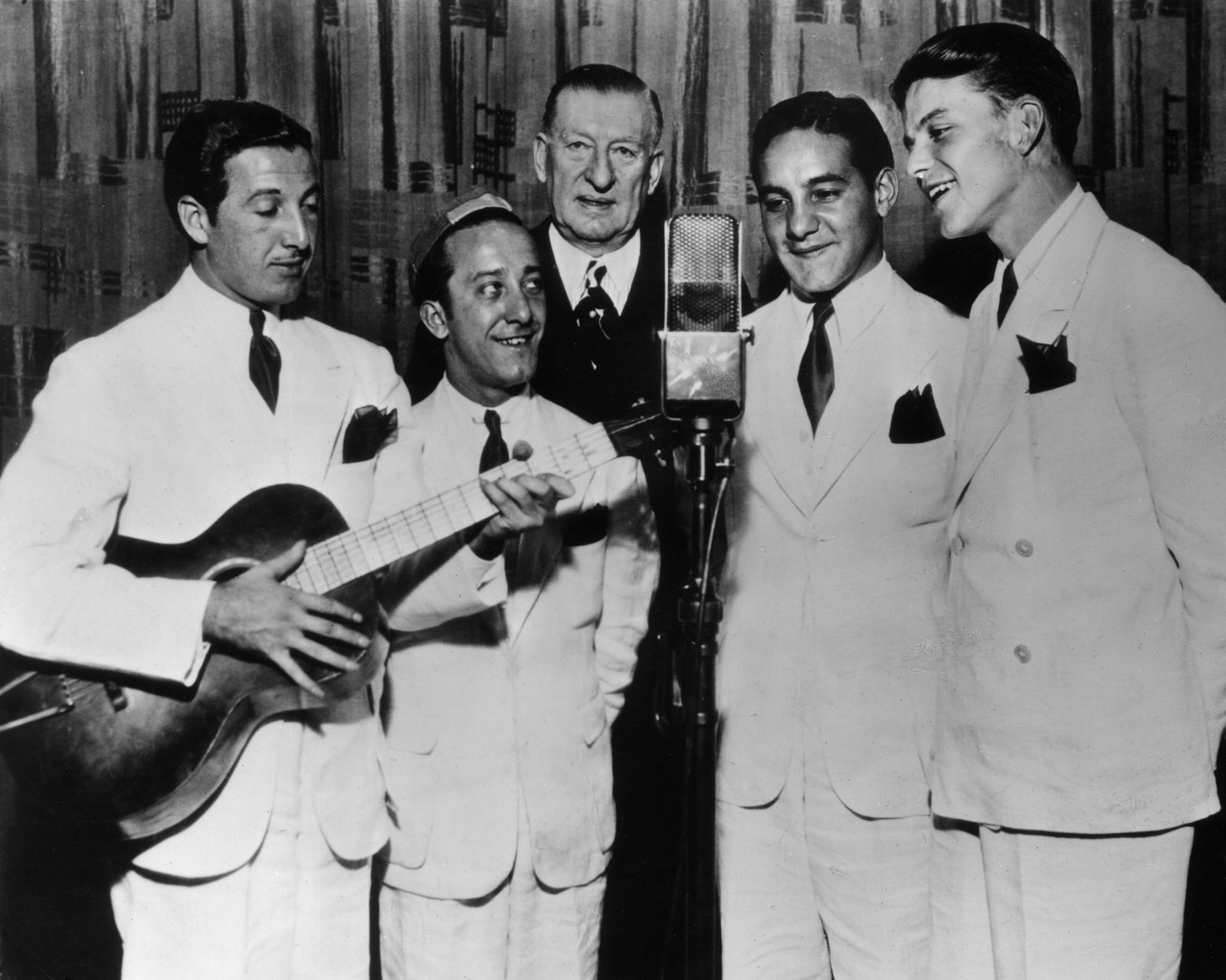
"Crooner"

Image: Yoel J Gonzalez

We might associate the term with velvety voices and dark suits, but "crooner" began as an insult. The old Scottish verb "croon" once meant to lament, or even to bellow like a bull. By the late 1920s, it described a soft, intimate style of singing.

This style was only made possible by the invention of the electric microphone. Before it, singers had to project their voices to the back of the theater. Rudy Vallée first crooned through a megaphone around 1930, and he is believed to have become the first major star to sing into a microphone in a ballroom. In January 1932, Boston’s Cardinal O’Connell called crooning "a degenerate form of singing," and The New York Times predicted it would vanish soon. Time proved them wrong.

10

"Amateur hour"

Image: CBS Television, Public domain, via Wikimedia Commons

Today, calling something "amateur hour" is an insult: it mocks sloppy, unprofessional work. In the 1930s, it was the most exciting hour on the radio. Major Edward Bowes launched his talent show on New York’s WHN in 1934, in the depths of the Depression, and took it national on NBC the next year. Each episode began with Bowes spinning a "wheel of fortune" and intoning, "Round and round she goes, and where she stops nobody knows." But the show’s production team pre-screened thousands of applicants and carefully lined up the performers.

On September 8, 1935, a 19-year-old from New Jersey sang tenor in a quartet called the Hoboken Four. His name was Frank Sinatra, then still an amateur.
Discovering the origins

Good old days: The hidden stories behind 10 phrases we still use today


Published on November 1, 2026


Image: Sincerely Media

"Call it a day," "Rome wasn’t built in a day," or "save it for a rainy day" are just some of the phrases you've used your whole life. But where did they actually come from? And what did they mean at the beginning? These everyday sayings may sound simple or ordinary, but each one carries a surprisingly rich history. For centuries, people have used the idea of a "day" to talk about work, time, patience, and life itself, long before any of us ever said them at the office or at the family dinner. Here, we explore the true origins and meanings behind 10 of the most familiar "day" idioms you still hear and say today.

1

Call it a day

Image: Museum of New Zealand Te Papa Tongarewa

You woke up on a Saturday, got things done around the house, worked out, went grocery shopping, cooked a nice meal, and finally sat down to watch your show. That’s when you can finally "call it a day." Today, it’s a simple way to say you’re done, but the phrase was a bit different in the 19th century.

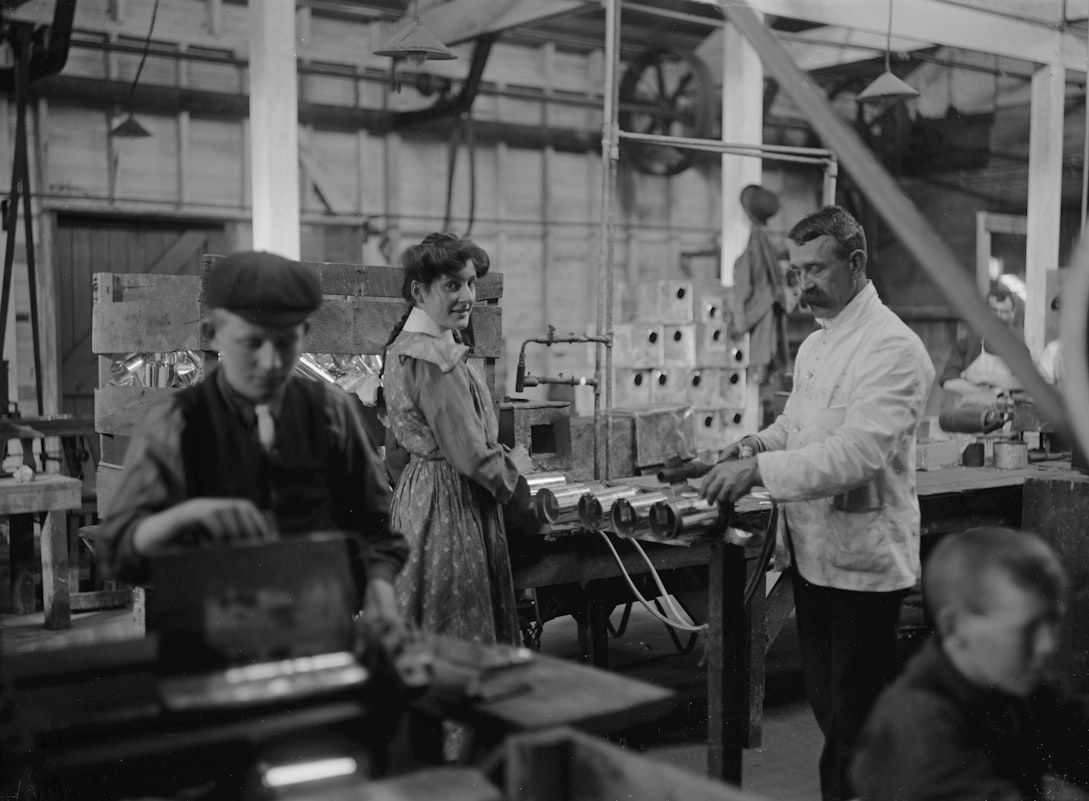
In 1838, American author Joseph C. Neal wrote his Charcoal Sketches: Or, Scenes in a Metropolis, where a character says, "I’ve a great mind to knock off and call it half a day." Back then, when work shifts could last 12 to 16 hours, the line was taken quite literally. Over time, the "half" disappeared, and the phrase expanded beyond factories and long workdays. By the early 1900s, and appearing in newspapers by around 1920 in both the US and UK, it had become the everyday expression we use today.

2

The good old days

Image: Priscilla Du Preez 🇨🇦

Do you ever feel like the past was better? You’re not alone; people have always tended to idealize earlier times.

A clear example is the phrase "the good old days," which actually traces back to the Bible, in Ecclesiastes 7:10: "Do not say, ‘Why were the old days better than these?’" Much later, in 1727, Daniel Defoe, author of Robinson Crusoe (1719), used a form much closer to what we say today in The Complete English Tradesman, contrasting the steady work habits of earlier generations with the faster-paced life of his time.

3

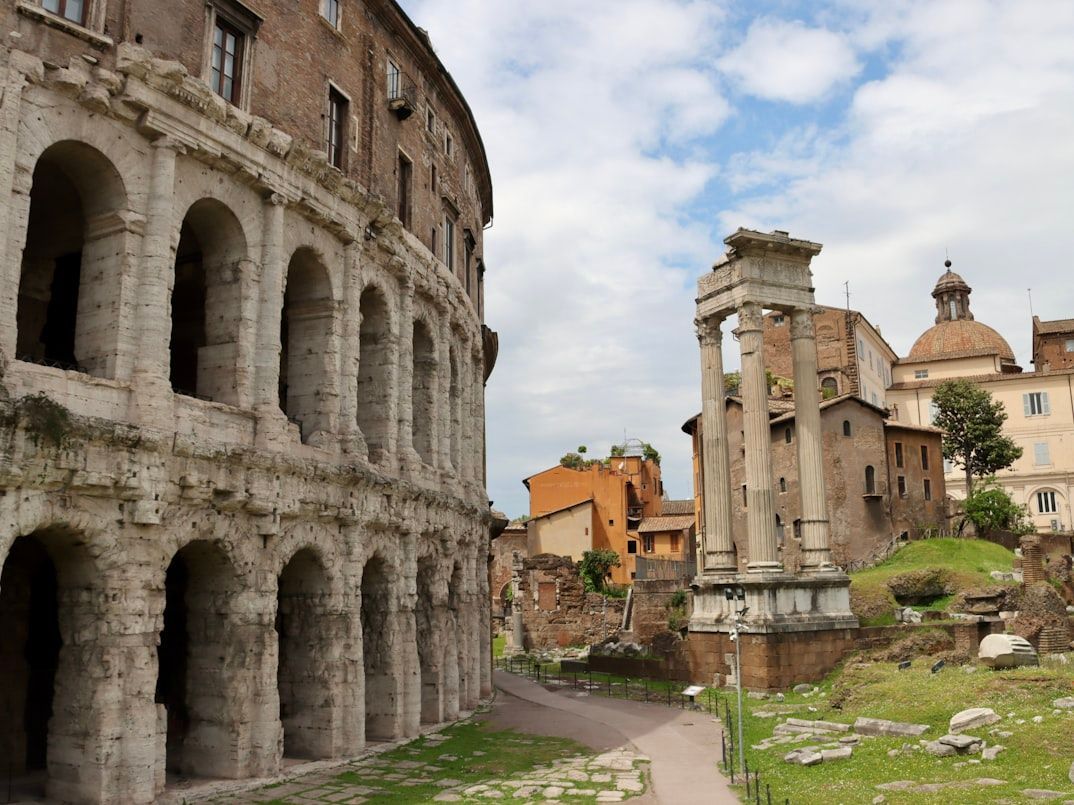
Rome wasn't built in a day

Image: Hongbin

Whenever you feel impatient and want to get everything done in a single afternoon, there’s always someone ready to remind you: "Rome wasn’t built in a day." It’s useful advice today, but it actually goes back to medieval times.

Its earliest known written record dates to 1190, in the French collection of poems Li Proverbe au Vilain (The Proverbs of the Common Man) by an anonymous cleric, where it appears as Rome ne fu[t] pas faite toute en un jour ("Rome was not made all in one day"). Back then, many of Ancient Rome’s walls, aqueducts, and monuments were still standing, so the city’s greatness was something people could still see and admire. No wonder the phrase stuck; it was a strong reminder that good, lasting things take time.

4

Save it for a rainy day

Image: National Gallery of Art

Your parents probably said it to you when talking about money: "Save it for a rainy day." Today, we use it as simple advice for saving and being financially responsible, no matter the weather. But back then, it had a much more literal meaning.

In mid-16th-century Britain, where farming was the main source of work and food, weather could make or break daily life. A little rain helped crops grow, but too much could stop work entirely and ruin harvests. It’s in this context that the phrase emerged. One of its earliest recorded uses appears around 1561 in The Bugbears (a translation of the Italian work La Spirita): "Would he have me keep nothing for a rainy day?"

5

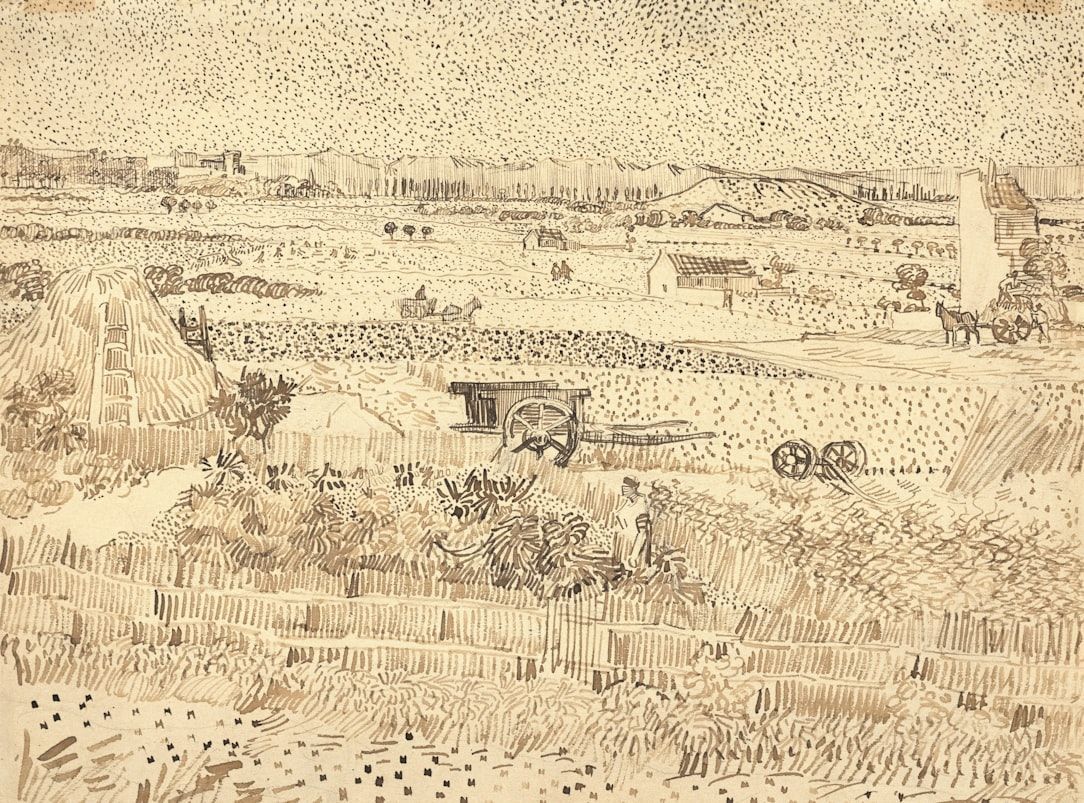
Day in and day out

Image: The Cleveland Museum of Art

Many people today would say they’ve worked "day in and day out" to support their families. It’s such a familiar phrase that we rarely stop to think that someone said it for the first time once.

The expression developed from 16th–17th century British English, where writers often used repeated patterns like "night and day" or "again and again" to emphasize constant, daily actions. "Day in and day out" grew out of this same style, meaning something happening every single day without a break. It was later recorded and described as a colloquial expression in the early 19th century, in William Carr’s linguistic study The Dialect of Craven (1824, 1828).

6

Every dog has its day

Image: Taha

Maybe your favorite team went through a long losing streak, but after weeks or seasons of frustration, the win finally arrived. That’s when people say, "Every dog has its day." Everyone, no matter their situation, eventually gets a moment of success.

The phrase is often linked to Renaissance scholar Desiderius Erasmus, who included collections of ancient proverbs in his Adagia (1500). One story traces the idea back to 406 BCE, when the playwright Euripides, visiting Macedonia, was attacked by dogs and unable to defend himself. In that early context, the phrase carried a darker tone, closer to inevitable downfall or vulnerability than success. By the early 1600s, William Shakespeare helped popularize it in Hamlet, already close to today’s sense: "The cat will mew, and dog will have his day," meaning even the overlooked eventually get their turn.

7

Clear as a day

Image: Tolu Olarewaju

When something is so obvious that it can’t be denied or twisted, we say it’s "clear as day." But do you know where this idiom comes from?

Although there’s no exact date or single author to trace it back to, the phrase likely began as a literal comparison. According to historical sources, this expression was already in use in spoken English by the 14th century, when visibility depended heavily on natural light; a clear day meant everything could be seen plainly and without doubt. By the 16th and 17th centuries, it appears in writing in similar forms such as "as clear as the sun" or "as plain as daylight."

8

Days are numbered

Image: Claudio Schwarz

If your car starts making strange noises, breaking down more often, or leaving you stranded, you might say "its days are numbered."

Today, we use that phrase to mean something is nearing its end, but its roots go back much further. It appears in the Bible, most notably in Daniel 5:26: "God hath numbered thy kingdom and finished it." While the idea is ancient, the expression didn’t take on its modern, everyday use until the 17th century. Over time, many religious phrases gradually became part of daily speech, often losing their original context. According to Merriam-Webster, "days are numbered" became widely used in its current sense by the late 1800s.

9

Day in the sun

Image: Melissa van Niekerk

When a coworker finally gets the credit deserved after years of hard work, you might say he or she finally had a "day in the sun."

Today, the phrase means a moment of glory or recognition, and it traces back to the Latin dies solis ("day of the sun"), which referred to Sunday, the day on which the sun god was revered. In Old English, this became Sunnandæg, associated with periods or moments of light and warmth. Over time, that sense of brightness and visibility took on a more figurative meaning, coming to represent a person’s moment in the spotlight, a brief time of success.

10

Red-letter day

Image: Towfiqu barbhuiya

Most of us have had one: a graduation, a wedding, the first day of a dream job. Moments like these are what we call a "red-letter day." But why?

The expression goes back to the 1400s, when churches marked important holy days in red ink on their calendars. What began by hand later appeared in early printed calendars, and was firmly established with the Book of Common Prayer in 1549, where special dates were printed in red. Over time, the idea moved beyond religion. A "red-letter day" came to mean any date worth remembering; bright, important moments that stand out.

Looking for an extra scoop of literary fun?

Learn more with our Word of the day

incorrigible

/ɪnˈkɔrədʒəb(ə)l/