If it rhymes, it must be true

We made a list of the 10 best replies in the history of Mankind. Agree?


Published on August 29, 2026


Image: Daniel Prudek

History is full of memorable questions, but every so often, someone answers in a way that outlives the question itself. Whether spoken on a mountain, a battlefield, in a prison, or in the halls of government, these replies became famous because they condensed courage, wit, conviction, or wisdom into just a few unforgettable words. Discover 10 real exchanges in which a simple answer became part of history because of the beautiful way in which it was expressed.

1

"Because it's there." — George Mallory

Image: MBS ID

British mountaineer George Mallory offered this famously concise reply during a 1923 interview before another attempt on Mount Everest, then the only major summit that had never been conquered, to the question "Why do you want to climb Mount Everest?" His three words expressed the human desire to explore simply because something remains unexplored.

Mallory disappeared on Everest with fellow climber Andrew "Sandy" Irvine in June 1924, and historians still debate whether they reached the summit before dying. His answer became one of the defining quotations of exploration and later inspired John F. Kennedy's case for going to the Moon.

2

"The report of my death was an exaggeration." — Mark Twain
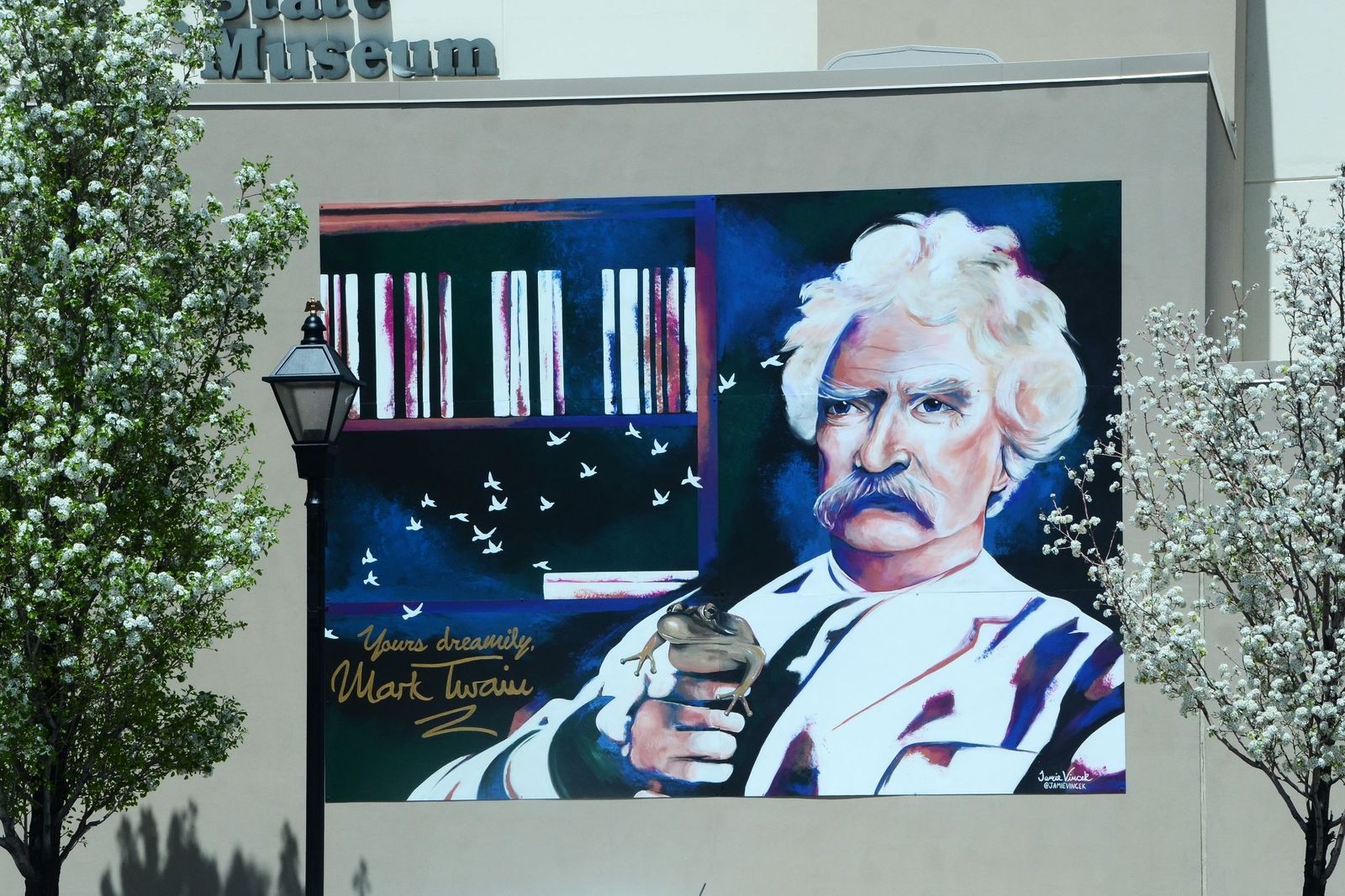
Image: Daniel L. Locke

In 1897, newspapers mistakenly reported that Mark Twain had died while he was living in London. When a reporter contacted him to verify the rumor, the celebrated author responded with the dry wit that had made him America's best-known humorist.

Although the exact wording varies slightly among contemporary accounts, the sentence quickly became one of the most quoted lines in English. More than a century later, it remains the perfect comeback whenever rumors spread faster than the truth.

3

"Not because they are easy, but because they are hard." — John F. Kennedy
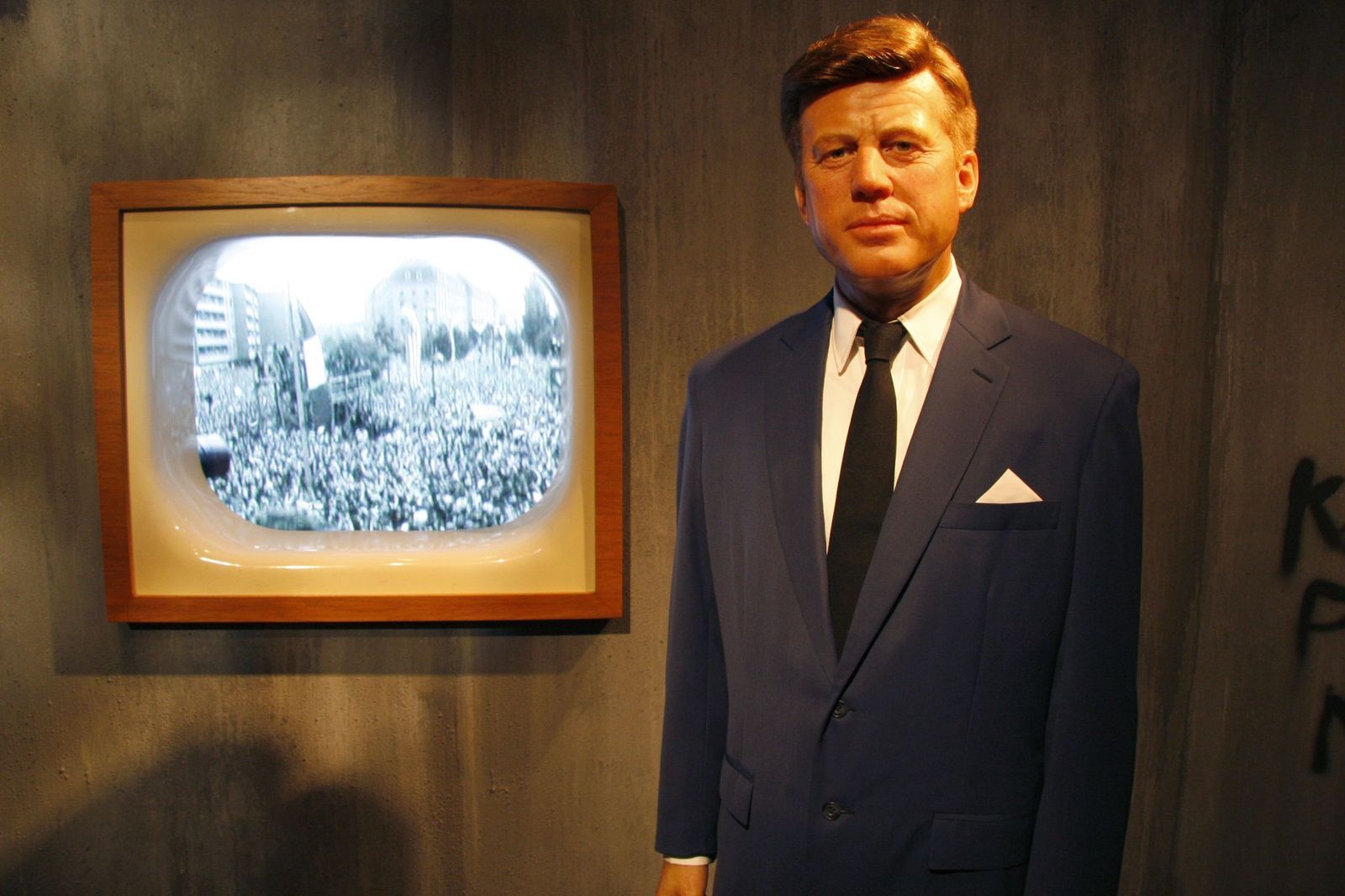
Image: 360b

President John F. Kennedy answered the question "Why go to the Moon?" during his celebrated speech at Rice University in Houston on September 12, 1962. Rather than emphasizing technology or national prestige, he argued that difficult goals reveal the best qualities of a nation.

In the same address, Kennedy even referenced George Mallory's explanation for climbing Everest, linking mountaineering with space exploration. Seven years later, Apollo 11 fulfilled the challenge by landing the first humans on the Moon.

4

"Am I not destroying my enemies when I make friends of them?" — Abraham Lincoln
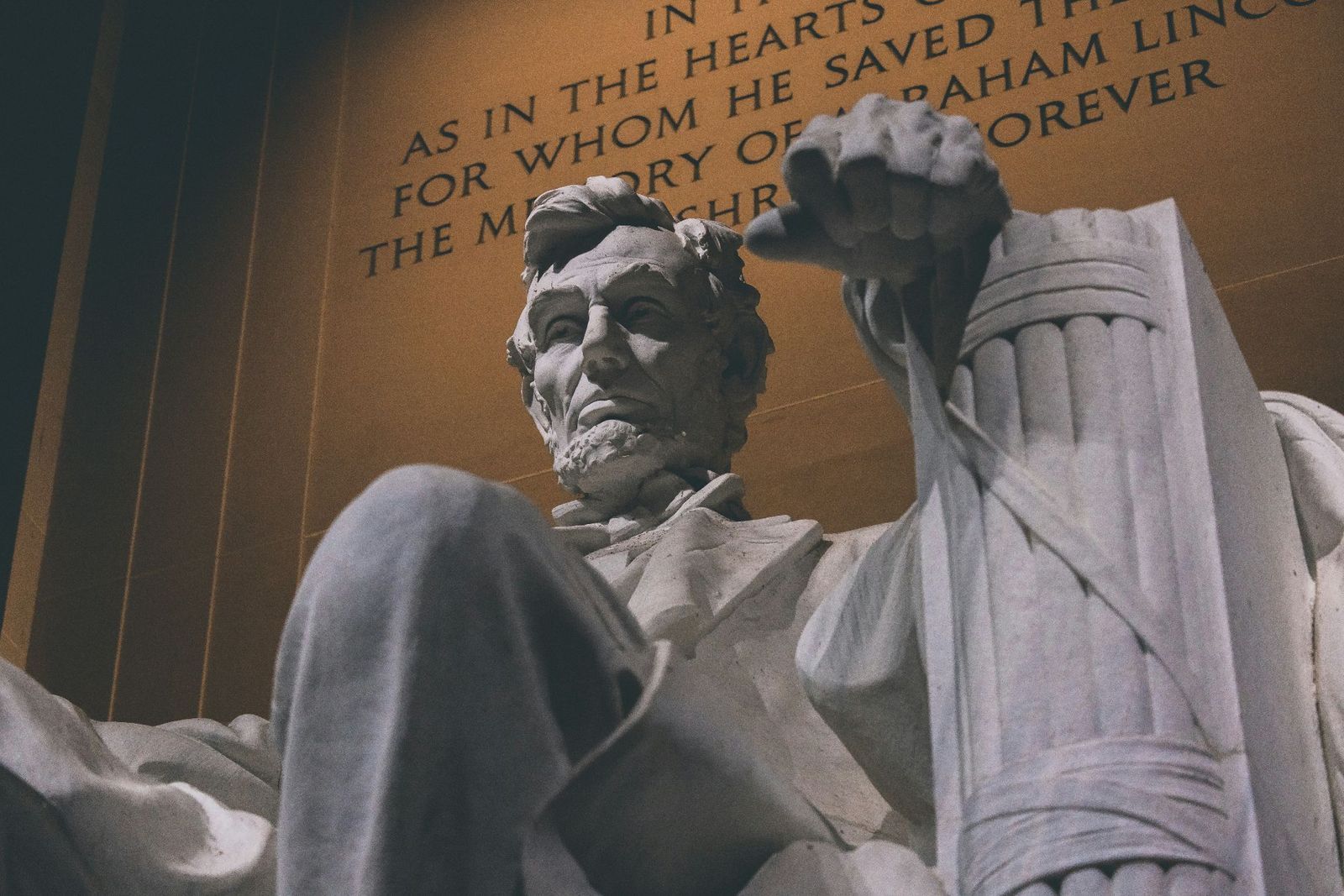
Image: Caleb Fisher

Abraham Lincoln was frequently criticized during the Civil War for showing compassion toward former enemies instead of seeking revenge. Rather than defending himself with a lengthy argument, he replied with a rhetorical question that completely reframed the criticism.

The answer reflected Lincoln's belief that reconciliation could achieve what military victory alone never could. It has endured as one of history's most elegant expressions of forgiveness, leadership, and political wisdom.

5

"What else should one do?" — Sir Edmund Hillary
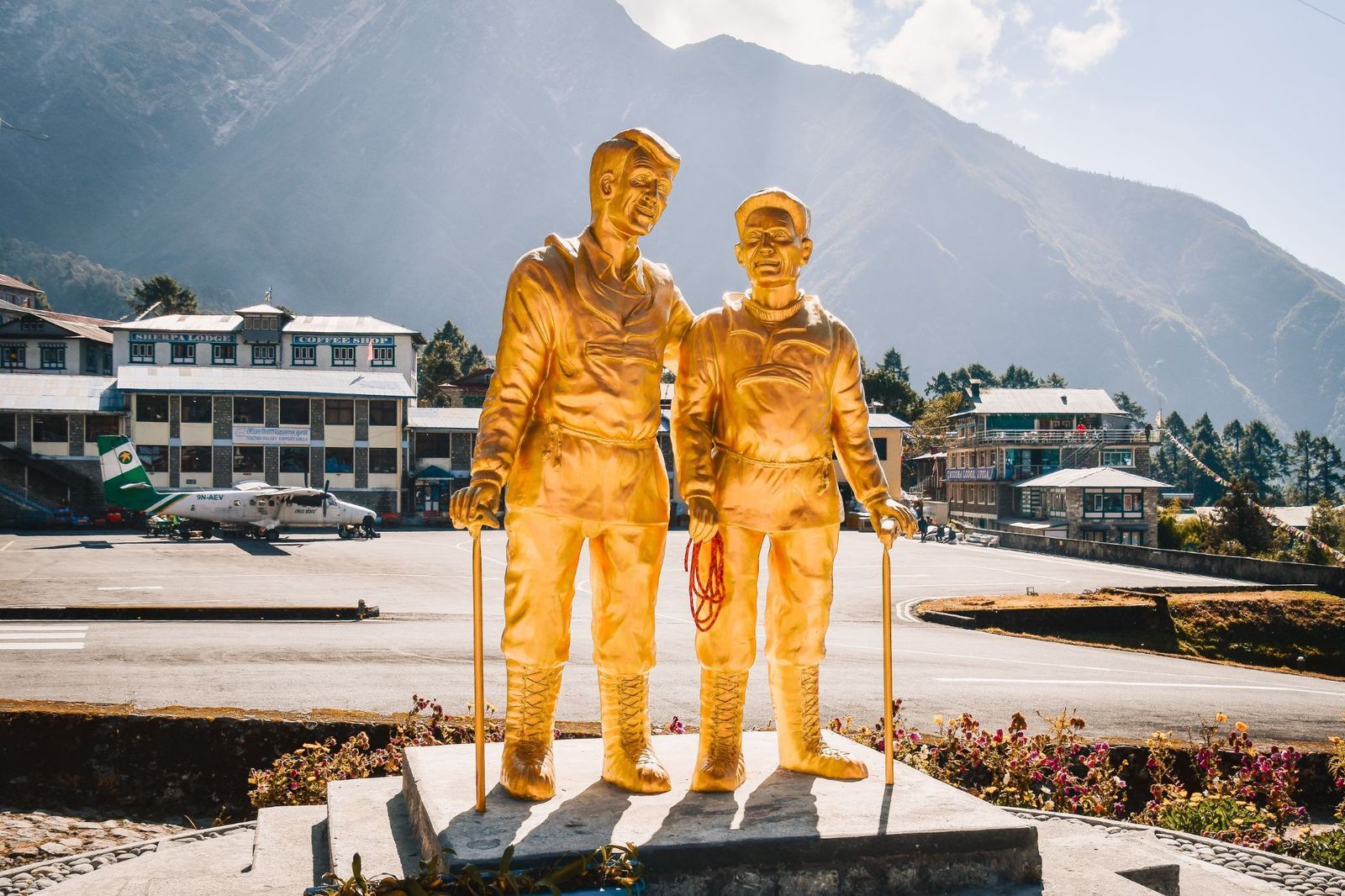
Image: EvaL Miko

After becoming, with Tenzing Norgay, the first confirmed climber to reach the summit of Mount Everest in 1953, Edmund Hillary continued exploring some of the world's most remote places. His curiosity never disappeared simply because one great goal had been achieved.

When asked why he kept climbing, Hillary's understated reply reflected the modest personality that made him admired far beyond mountaineering. Like George Mallory before him, he suggested that true explorers climb because exploration itself is the reward.

6

"I have not yet begun to fight!" — Captain John Paul Jones
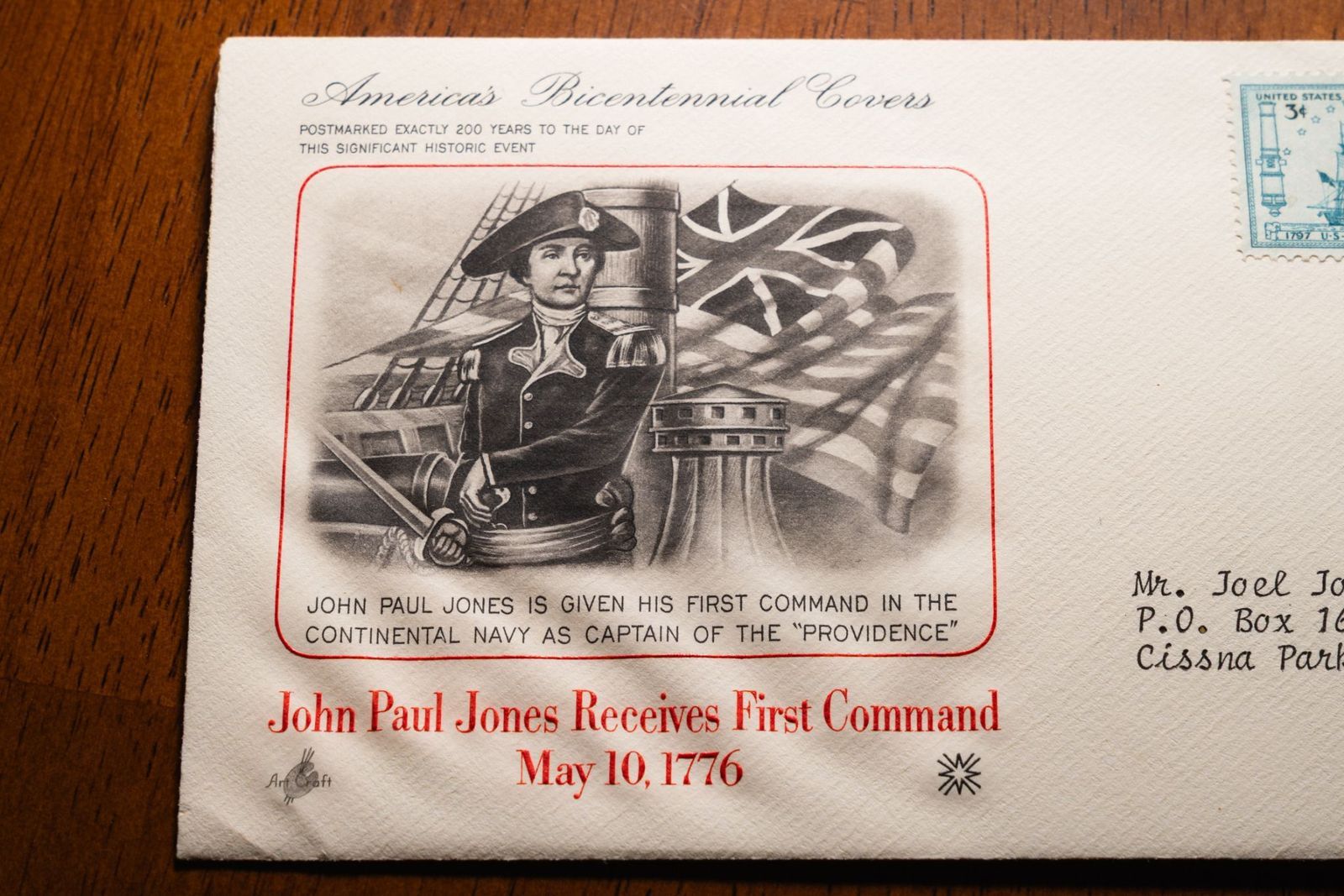
Image: Logan Bush

During the Battle of Flamborough Head in 1779, Captain John Paul Jones commanded the badly damaged Bonhomme Richard against the British warship Serapis. With his vessel burning and close to sinking, the British demanded that he surrender.

Jones's refusal instantly rallied his crew, who fought on and eventually captured the enemy ship. Whether recorded word for word or slightly embellished over time, the reply became one of the most celebrated declarations of courage in naval history.

7

"Yes. Stand out of my sunlight." — Diogenes of Sinope
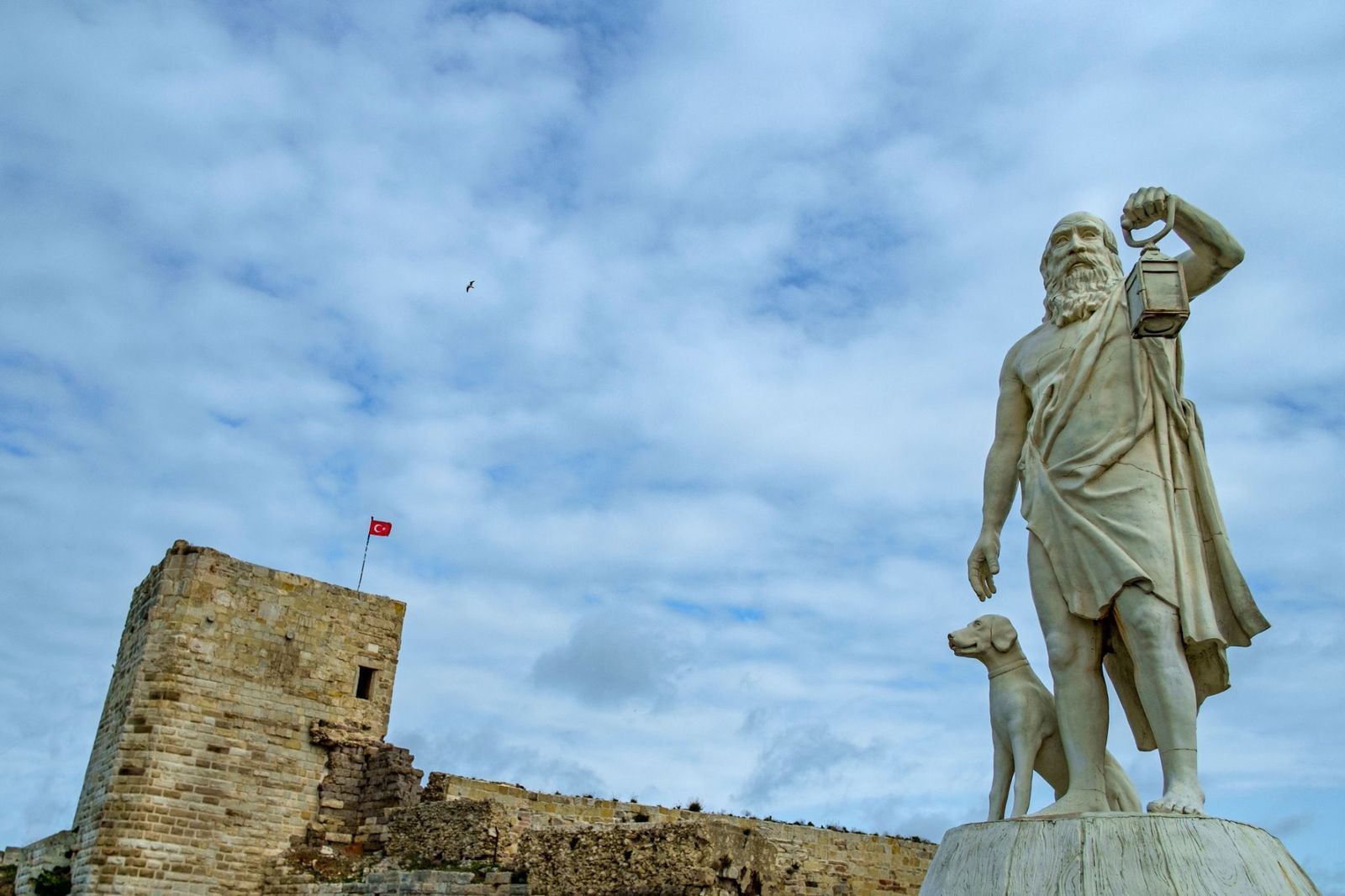
Image: huseyinturk_photograph

Ancient writers tell that Alexander the Great visited the philosopher Diogenes in Corinth and generously offered to grant him any wish. Instead of requesting wealth, power, or honors, Diogenes simply asked the conqueror to stop blocking the sunshine.

The exchange became one of antiquity's most enduring philosophical anecdotes. In a single sentence, Diogenes demonstrated that a person who desires almost nothing cannot easily be controlled, even by the most powerful ruler on Earth.

8

"To the strongest." — Alexander the Great
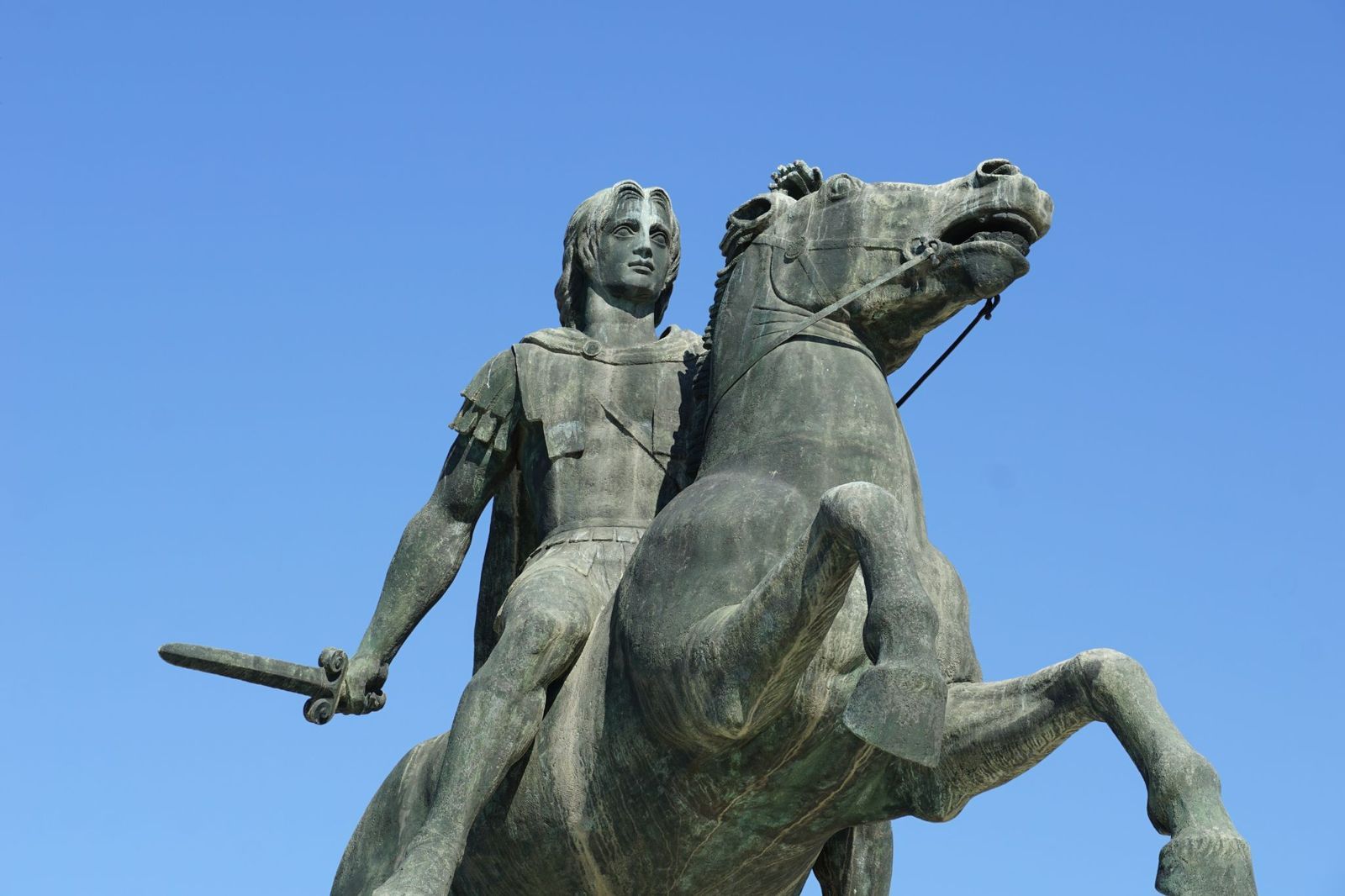
Image: Happy window

According to one ancient tradition, Alexander the Great was asked the question "To whom do you leave your kingdom?" as he lay dying in Babylon in 323 BC. Rather than naming a specific heir, he reportedly answered with two words that left the future of his empire completely uncertain.

Whether historically exact or not, the reply became inseparable from Alexander's legend. Without an undisputed successor, his generals fought for decades in the Wars of the Diadochi, dividing one of history's greatest empires into rival kingdoms.

9

"I am the master of my fate, I am the captain of my soul." — Nelson Mandela, quoting Invictus
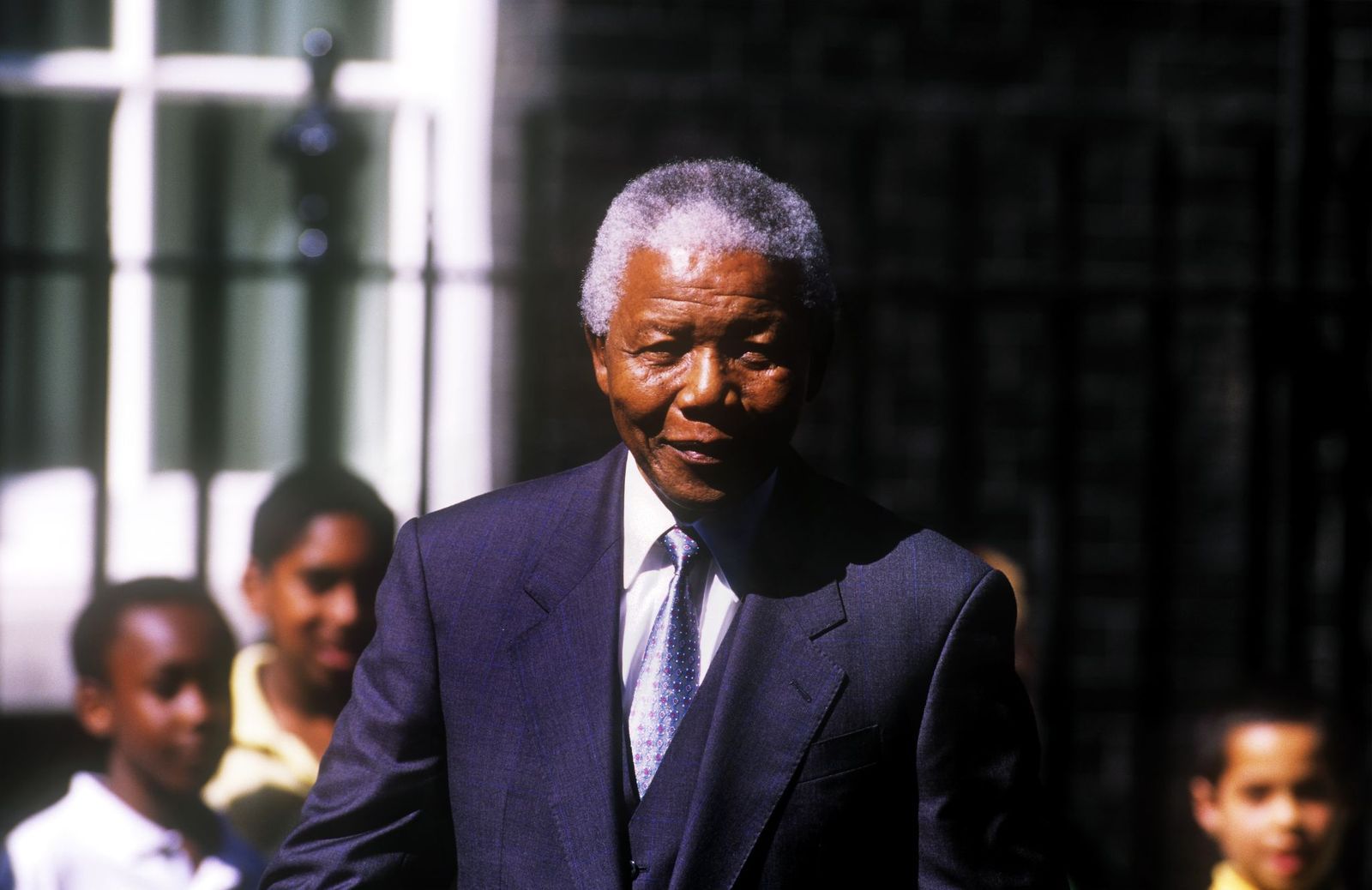
Image: Sean Aidan Calderbank

These words close Invictus, the 1875 poem by English writer William Ernest Henley. Nelson Mandela often drew strength from the poem during his imprisonment under South Africa's apartheid regime, where he spent 27 years behind bars, and used it to reply to a reporter who asked: "How do you survive 27 years in prison without losing your dignity?"

By embracing Henley's verse, Mandela transformed it into a universal symbol of resilience and inner freedom. The quotation came to embody his belief that while others may control your circumstances, they cannot govern your spirit.

10

"If you have to ask, you'll never know." — Louis Armstrong
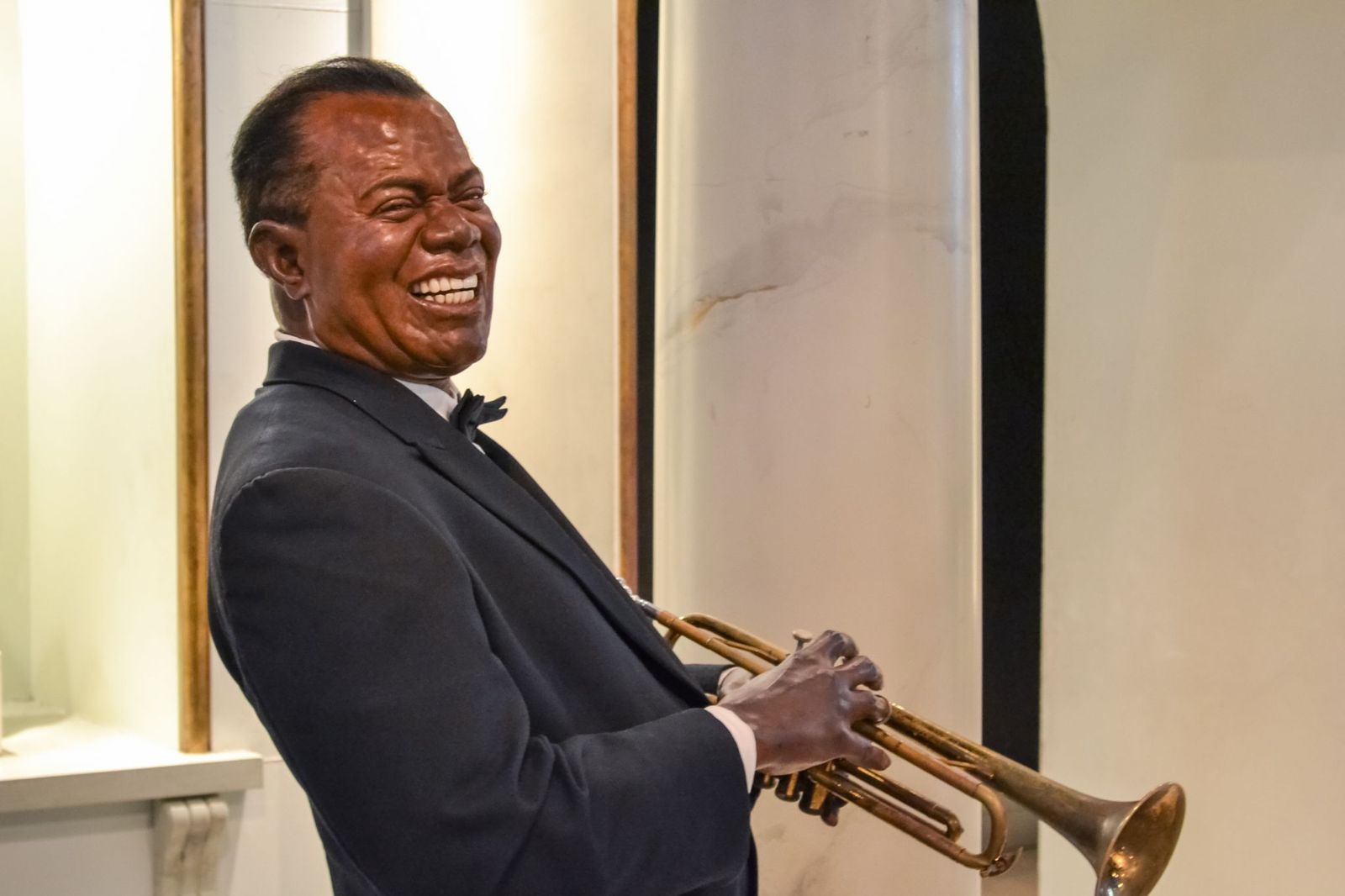
Image: Alina Zamogilnykh

Louis Armstrong was asked countless times by journalists to explain jazz, a genre that transformed American music during the twentieth century. Rather than describing technical aspects or blues traditions, he dismissed the very idea that jazz could be reduced to a definition.

His poetic and somewhat annoyed answer suggests that some experiences can only be understood by living them. More than a clever reply, it became one of the most quoted observations in music history.


Western words

Saddle up, partner, and learn some cowboy jargon!


Published on August 29, 2026


Image: Ahmet Çığşar

Tarnation! I better get to the jaw cracker before I end up in the bone orchard! If you don’t know what this all means, don’t worry—we’re here to help! Cowboys in the Old West not only tamed the inhospitable land, but they also forged their own language. They created unrefined similes and metaphors, broke the rules of grammar, flooded figures of speech with humor, and made a verb out of anything. In this article, we review 12 expressions we inherited from the men and women who populated the American frontier—many of which we still use today. Giddyup!

1

Yeehaw

Image: Mehmet Turgut Kirkgoz

Yeehaw! Welcome to the rodeo! You probably know this one: "Yeehaw" is one of the most famous words in cowboy lingo. It’s an expression of excitement and celebration, usually pronounced by slurring the vowels in a loud shout of triumph. Have you ever used it?

"Yeehaw" is a combination of gee and haw, two words used to direct a horse to move. The term is believed to have originated in the southern United States and was later popularized by Western movies and television shows.

2

Saloon

Image: paulclee

Also thanks to Western movies, we all know what a saloon is. But where does the word come from? Saloons were the bars of the Old West, where cowboys, outlaws, gamblers, and miners went to have a drink, get a free lunch, catch some entertainment, and engage in a fight or two.

The word saloon appeared in America in the 1840s and derives from the French term salon, which in turn comes from the Italian salone, meaning "a large hall in a public place for entertainment or amusement."

3

Bellyaching

Image: Anya Juárez Tenorio

In its literal sense, the term _bellyache_—which has been in use in the English language since at least the mid-1500s—refers to a pain in the stomach. However, beginning in the 1880s, Americans gave it a figurative meaning.

As a slang word, bellyaching is used to describe someone who complains too often in an irrational or unjustified way to avoid responsibility. For instance, "Quit your bellyaching and take care of the horses once and for all" is a good example of how a cowboy might have used this term.

4

All hat and no cattle

Image: Josh Withers

This idiom is a Western variation of the popular expression "all bark and no bite." All hat and no cattle is used to describe a phony, pretentious person who talks a lot but does little. It can also refer to someone who has a way with words but can't deliver on their promises.

Its origin is probably related to people who wore cowboy hats as fashion, but who didn’t herd and tend cattle on a ranch for a living.

5

Howdy

Image: Matthew Pablico

Howdy is the quintessential cowboy greeting. Although it’s an expression characteristic of the Southern United States, howdy actually originated in late 16th-century England. It is a contraction of the phrase "How do ye?", which was commonly used to ask about someone’s health.

Today, howdy is used in many rural Southern and Western states—especially Texas—in casual contexts as a standard greeting instead of "hello."

6

Jawing

Image: Bailey Alexander

Do you have a friend or family member who talks and gossips non-stop? In the Wild Wild West, they would have said they are jawing.

The origin of this slang term is unclear, but since you need to open and close your jaw to speak, it makes sense that it became a verb used to describe someone who talks excessively. Have you ever used this term?

7

Jaw cracker

Image: Spring Fed Images

And speaking of mouths—do you know what they used to call a dentist who traveled from place to place to relieve cowboys of their pain? Yeap, a jaw cracker!

We don’t know the exact origin of this slang term, but it’s pretty self-explanatory. It might sound a bit rowdy, but we can only imagine that Old West dentistry wasn’t for the faint of heart—especially since blacksmiths or barbers were often the ones tasked with pulling out a decaying tooth. No wonder frontier dentist Doc Holliday became a gunslinger!

8

Tarnation

Image: ArtHouse Studio

American slang is full of colorful phrases that help us express strong emotions without crossing the line into blasphemy. Heck, darn, gosh, and gee-whiz are just a few examples. Tarnation is another of these euphemistic expressions used to convey surprise or anger.

The term was coined in the late 18th century in America as a softened version of damnation, which was considered impolite at the time. Tarnation is a mix of darnation and tarnal, a shortened form of the word eternal.

9

Tenderfoot

Image: JosephHershMedia

According to the Merriam-Webster Dictionary, a tenderfoot is "an inexperienced beginner, a novice." Today, we use this term to describe someone who’s raw and unaccustomed to outdoor living or hard work. For example, a rookie starting a new job or a young football player might be called a tenderfoot.

Originally, a tenderfoot was an immigrant or newcomer who wasn’t used to the rugged pioneer lifestyle—especially the grueling labor of ranching and mining. It came into use in mid-19th century America as a pejorative way to describe newcomers to the West. Other colorful synonyms from the same period include pilgrim, Johnny-come-lately, mail-order cowboy, stringin’ a greener, and skim-milk cowboy, among others.

10

Desert canary

Image: jackmac34

In the Old West, desert canary was a slang term for a burro. But what exactly is a burro? A burro is a wild or feral donkey, valued for its sturdiness and reliability. These hardy animals were extensively used by miners and prospectors as pack animals, and by cowboys to guard livestock.

Burros played a vital role in frontier life, so why did they call them desert canaries? Simple, they are affectionately called this way because of their characteristic braying that could be heard all across the desert.

11

Giddyup

Image: yavuz pancareken

The first thing most folks picture when they hear giddyup is a cowboy riding off into the sunset—and they wouldn’t be wrong. Giddyup originated in the Wild West during the 19th century as a command to instruct a horse to get going.

The term is likely a playful alteration of "get up," and it’s still used today in casual conversation to mean "let’s go" or "hurry up." Whether you're wrangling cattle or racing to catch a bus, giddyup gets the job done!

12

Bone orchard

Image: Simon Alibert

Can you imagine what life was like in those lawless frontier towns? The Old West was surely a dangerous place where people experienced more than one way to die or get killed. So it’s no surprise that they had many colloquial ways of referring to the cemeteries.

Bone yard, boot hill, and grave patch were just a few of the grim nicknames for "cemetery" at that time. But our favorite is undoubtedly bone orchard. Pretty poetic for such a rough and hostile era, don't you think?

Looking for an extra scoop of literary fun?

Learn more with our Word of the day

unyielding

/ˌənˈjildɪŋ/