Emotions decoded

We have a negative bias: 10 scientific facts about human emotions


Published on December 11, 2025
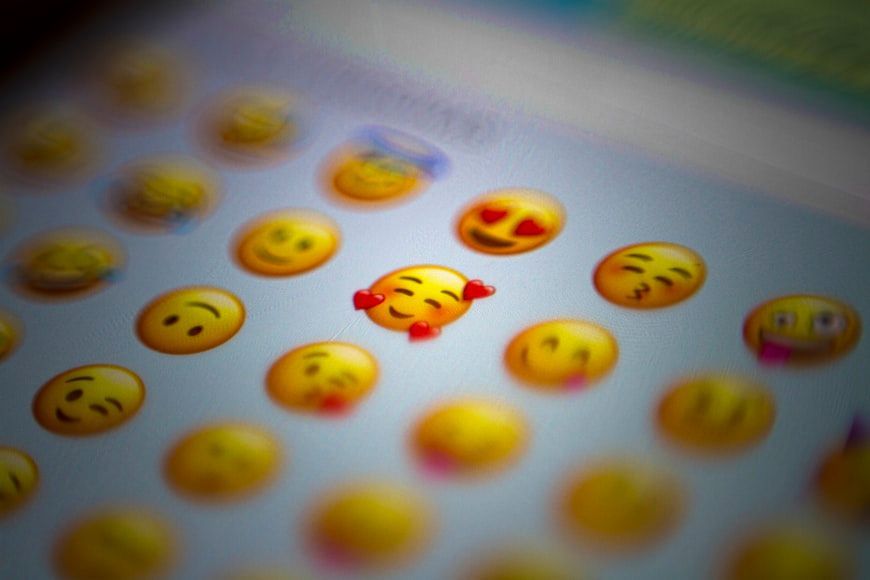

Image: Domingo Alvarez E

For most people, recognizing and managing their emotions isn’t easy. And even if we think we know ourselves well, human emotions are a whole world waiting to be explored. From how long they typically last to how they show up in our interactions with others, science has given us fascinating insights. Join us to discover 10 surprising facts about your emotions that you probably didn’t know.

1

Emotions, not words

Image: Laura Fuhrman

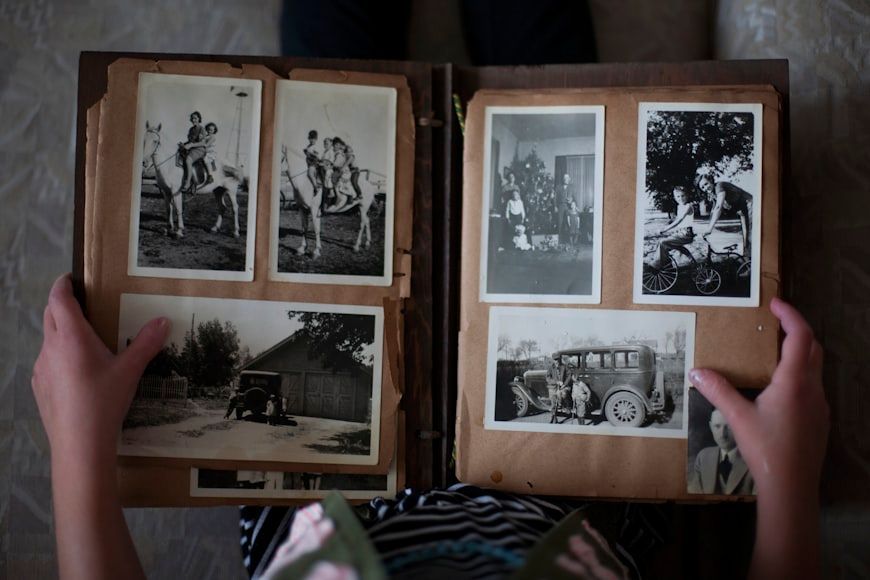
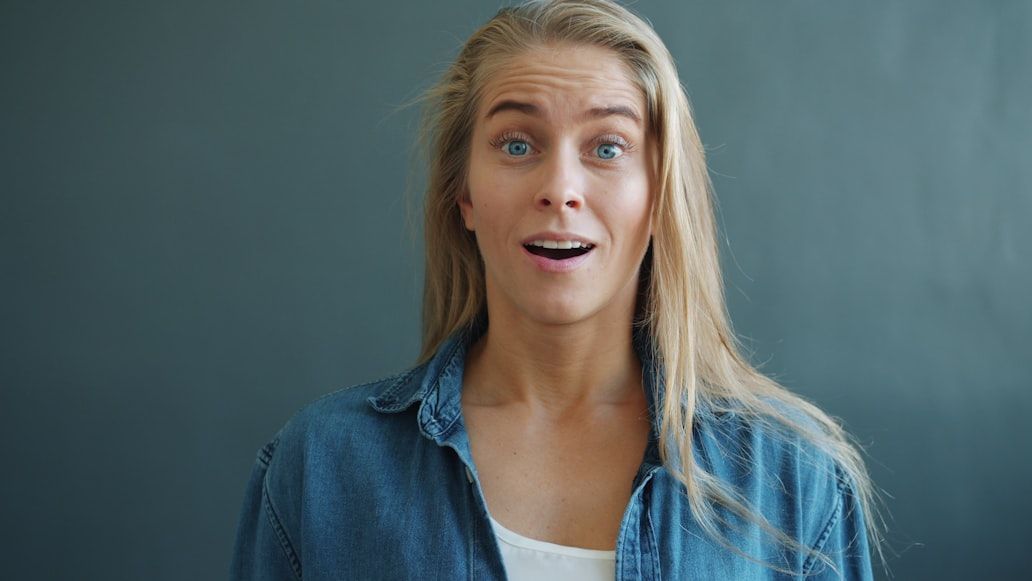
Memory is closely tied to our emotions. That’s why a perfume can make you feel something even before your conscious mind knows why. Studies show that people usually remember how they felt more than the exact words they heard or the movie they watched: The emotion lingers longer than the content itself.

2

They only last a minute and a half

Image: Agê Barros

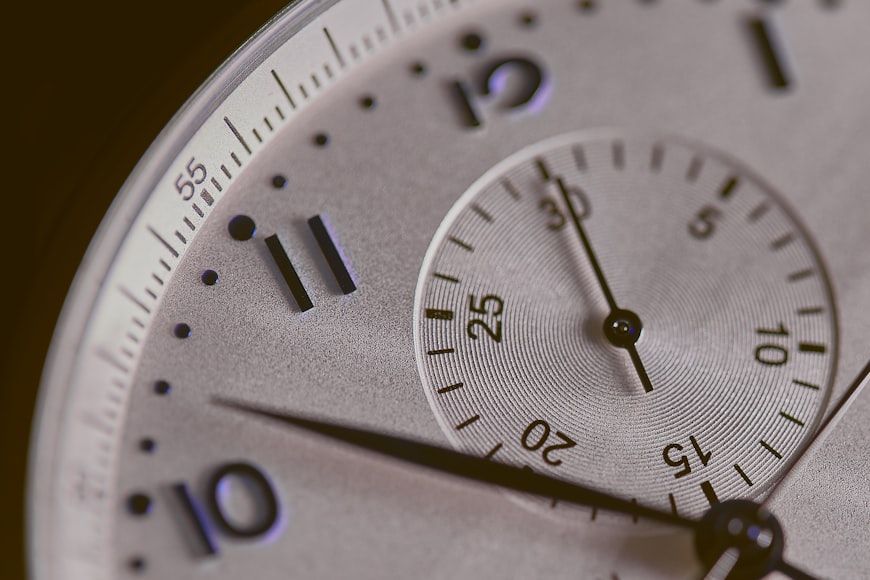
Although emotions can feel like they last days, months, or even years, they actually only last about a minute and a half. That’s right! Anger, laughter, or distress typically fade after 90 seconds, unless your brain revisits the situation or memory that triggered them.

3

Positive and popular

Image: Bharathi Kannan

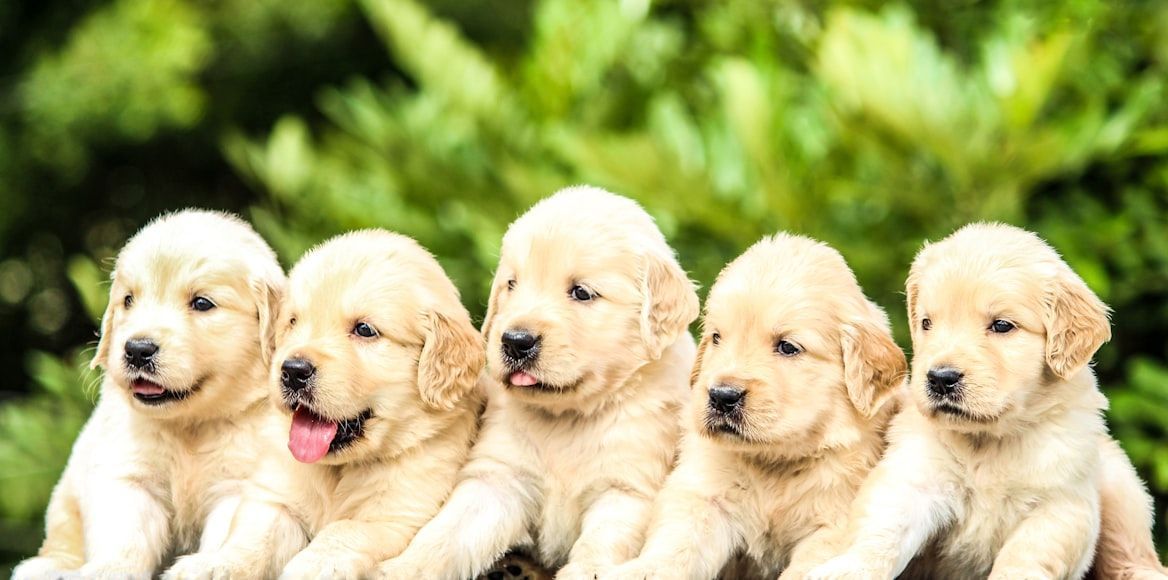
Social media gets a lot of criticism, but there’s one reassuring fact: positive emotions actually spread the fastest online. While it may sometimes feel like "hate" dominates the internet, it’s often videos showing heartwarming human connections or adorable pets that get the most likes and shares.

4

Negative bias

Image: Vitaly Gariev

We often remember hurtful comments more vividly than kind words. This is often attributed to our ancestors’ need to stay alert to danger, which gave humans a natural negative emotional bias. In other words, when it comes to our own experiences, the brain tends to focus more on the negative than the positive.

5

Wired to your body

Image: Caleb Woods

Emotions are literally tied to physical sensations. Each emotion triggers an instant bodily response (which some people hide better than others). From warmth in your cheeks with embarrassment to a racing heartbeat when nervous or afraid, your body is constantly trying to tell you about how you feel.

6

Universal but not the same

Image: Vitaly Gariev

Of course, all humans experience the same basic emotions, no matter where we live. But the facial expressions we use to show them can vary more than we realize. Anthropological studies reveal that while expressions for core emotions like joy, sadness, anger, or fear are easily recognized by everyone, subtler emotions such as surprise or disgust can look quite different across distant cultures.

7

Emotions can be "contagious"

Image: Priscilla Du Preez 🇨🇦

Witnessing distressing events or even stressful scenes on TV can make you feel the same way. This isn’t mystical; it’s psychological. Why? The answer is that our brains tend to absorb and mimic the emotions of those around us.

8

The icebreaker

Image: Surface

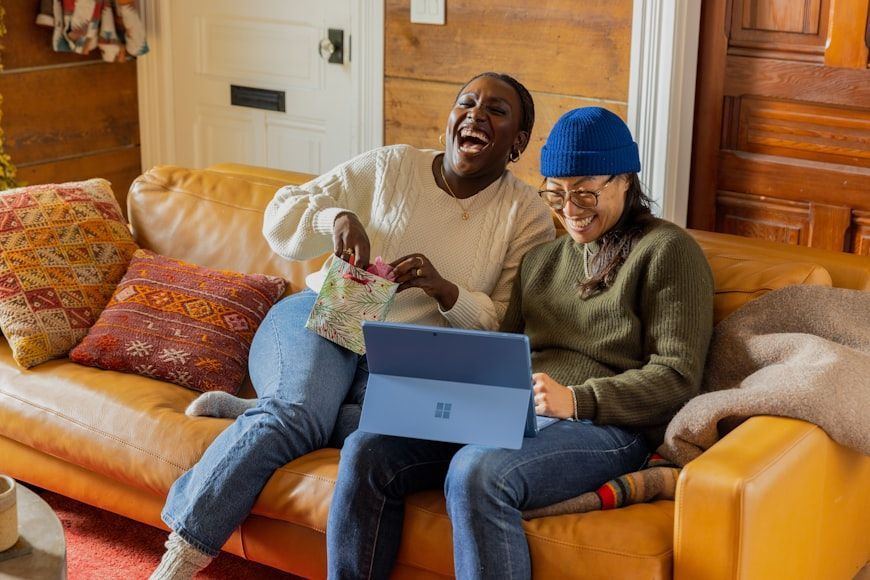
Some say laughter is the best medicine, and we have to admit, they’re not wrong. Laughter really is one of the best remedies for tension. Whether in a movie, a series, a book, or real life, a good laugh helps relax the mind and melt away negative emotions.

9

Multiple emotions

Image: Олег Мороз

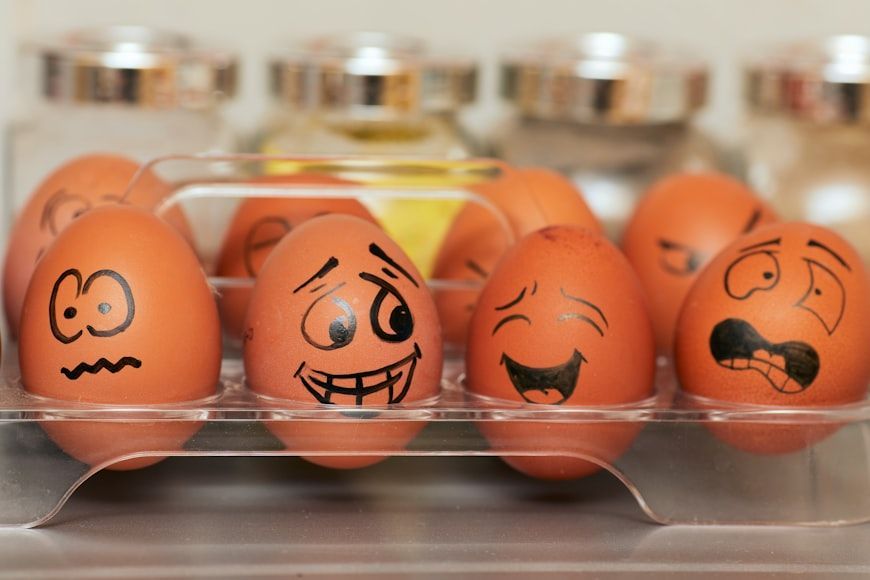
We don’t always experience just one emotion at a time. In fact, it’s usually the opposite. This mix of emotions can make them tricky to recognize, but analyzing and understanding them can help us respond in the best way.

10

They’re not directives

Image: Priscilla Du Preez 🇨🇦

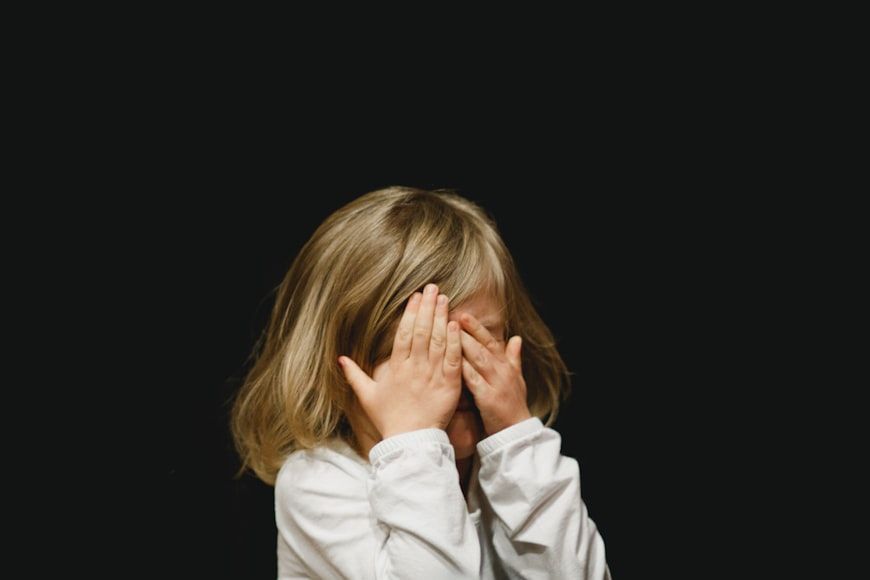
Recognizing emotions means understanding that they are signals from your brain about how you perceive a situation, not instructions on how to act. It’s always wiser to pause, reflect, and choose the best course of action, rather than reacting solely to the emotions that hit you in the moment.
What nicknames are for

Very long real names that you could probably never learn


Published on December 11, 2025


Image: Martina Jorden

It’s a good thing Picasso signed his works with just his surname. His real name is so long that very few people have taken the trouble of learning it. And let’s not even get started on the full name of Bangkok –nor that of L.A.! You’d be surprised how many famous people, places, and mascots hide hilariously long titles. Get ready for a list of names that –thank goodness– got trimmed down!

1

Pablo Diego José Francisco de Paula…

Image: Lenny21

It goes on. The name is Pablo Diego José Francisco de Paula Juan Nepomuceno María de los Remedios Cipriano de la Santísima Trinidad Ruiz y Picasso. We know him as Pablo Picasso, the Spanish genius painter. He was named after a string of saints and relatives, a tradition in Spanish Catholic families.

2

El Pueblo de Nuestra Señora la Reina de los Ángeles de Porciúncula

Image: Roberto Nickson

Today, we just call it L.A. But back in 1781, when the Spanish founded this California settlement, they went with the full poetic flair: "The Town of Our Lady the Queen of Angels of Porciúncula." That mouthful of a title honored a tiny church in Italy connected to St. Francis of Assisi.

3

Bartholomew Richard Fitzgerald-Smythe

Image: Pixabay

He’s better known as Mr. Peanut, the mascot of Planters. The top hat, cane, monocle… You know him. Even though the brand has existed since 1906, it was rather recently, via Twitter, that they revealed his fitting, over-the-top name: "Bartholomew Richard Fitzgerald-Smythe".

4

Salvador Domingo Felipe Jacinto Dalí i Domènech, 1st Marquess of Dalí de Púbol

Image: WikiImages

We call him Salvador Dalí, the surrealist artist who painted melted clocks and sky-high elephants. His full name, like his art, was brimming with Spanish heritage. Much like Picasso, he had to pick a nickname to sign his works without taking up half of the canvas.

5

Lisa Gherardini del Giocondo

Image: Alina Grubnyak

You know her as Mona Lisa, but the woman in Leonardo da Vinci’s portrait was likely Lisa Gherardini, the wife of Florentine merchant Francesco del Giocondo. The nickname "Mona" is a contraction of "Madonna," meaning "my lady," and "Gioconda" tied her to her husband.

6

Barbara Millicent Roberts

Image: Julee Juu

To her millions of fans, she’s just Barbie. But the famous doll introduced by Mattel in 1959 actually has a full name: Barbara Millicent Roberts. Ruth Handler, her creator, gave her the first name after her daughter, and added a second name and surname along with a fictional backstory for the popular, multipotential woman.

7

Ingvar Kamprad Elmtaryd Agunnaryd

Image: Zheka Kapusta

Trust us, you would never call it the full Swedish name. The founders knew that, so they went for the acronym "IKEA." The furniture giant’s name comprises Ingvar Kamprad’s (the founder), Elmtaryd (the name of the family farm), and Agunnaryd (his hometown).

8

Krung Thep Mahanakhon Amon… etc

Image: Alex P

The real name is so long that you would probably scroll past it. But here it is: Krung Thep Mahanakhon Amon Rattanakosin Mahinthara Ayuthaya Mahadilok Phop Noppharat Ratchathani Burirom Udomratchaniwet Mahasathan Amon Piman Awatan Sathit Sakkathattiya Witsanukam Prasit.

Did you read it? That’s the full name of Bangkok, Thailand’s capital. It roughly means "City of angels, great city of immortals, magnificent city of the nine gems, seat of the king, city of royal palaces, home of gods incarnate, erected by Vishvakarman at Indra's behest".

9

The President and Fellows of Harvard College

Image: Manu Ros

Legally, the university goes by "The President and Fellows of Harvard College." This colonial-era phrasing reflected the school's governance structure and its roots in British academic tradition. Over time, though, branding won. "Harvard" was shorter and much easier to print on sweatshirts.

10

Cherilyn Sarkisian LaPierre

Image: Аида Тикиева

You know her simply as Cher, but she was born Cherilyn Sarkisian. She then added her stepfather’s last name, LaPierre. As her star rose in the ’60s, first with Sonny and then solo, she dropped the frills and decided to go for the dazzling, memorable "Cher."

11

Horatio Magellan Crunch

Image: Matt Artz

He’s the cartoon sea captain who made breakfast sugary and loud. But "Cap’n Crunch" actually has a full naval name: Horatio Magellan Crunch. It’s a mix of explorer references to give the goofy character some funny gravitas.

12

The United Kingdom of Great Britain and Northern Ireland

Image: Chris Boland

It’s officially quite a mouthful, but most people simply say "Great Britain," or even just "the UK." The full name dates to 1927, after the Irish Free State split from the union. The name had to include all constituent nations.

Looking for an extra scoop of literary fun?

Learn more with our Word of the day

loot

/lut/