Skol!

We are using Viking words daily and didn’t even know it: 12 examples


Published on February 15, 2026
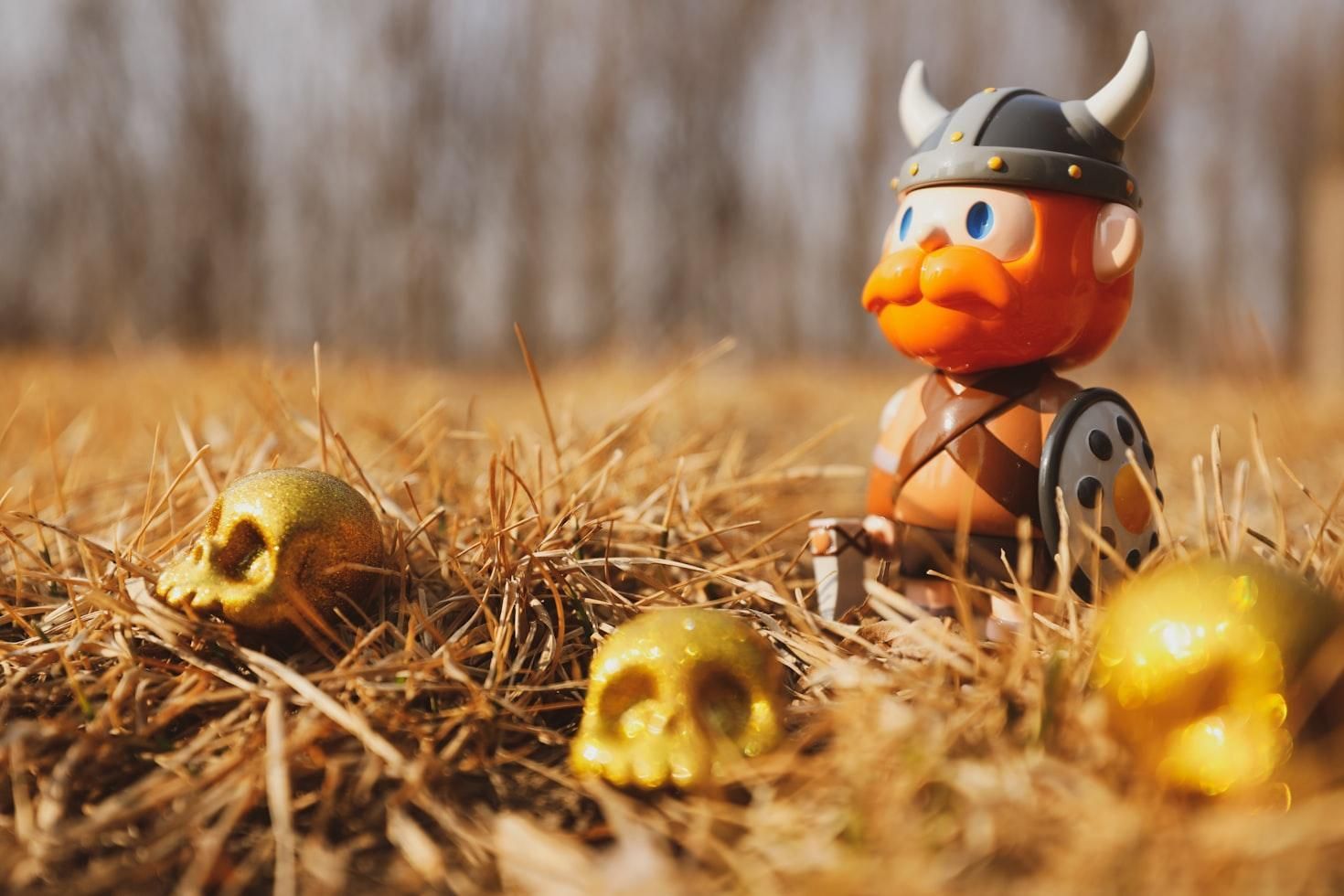

Image: hao qin

The English language has adopted words from multiple other languages into its daily lexicon, and Norse is not an exception. Many terms that we use every day come from very similar-sounding counterparts from our Scandinavian friends. The following 12 examples range from the obvious to the surprising ones. Which ones did you already know about?

1

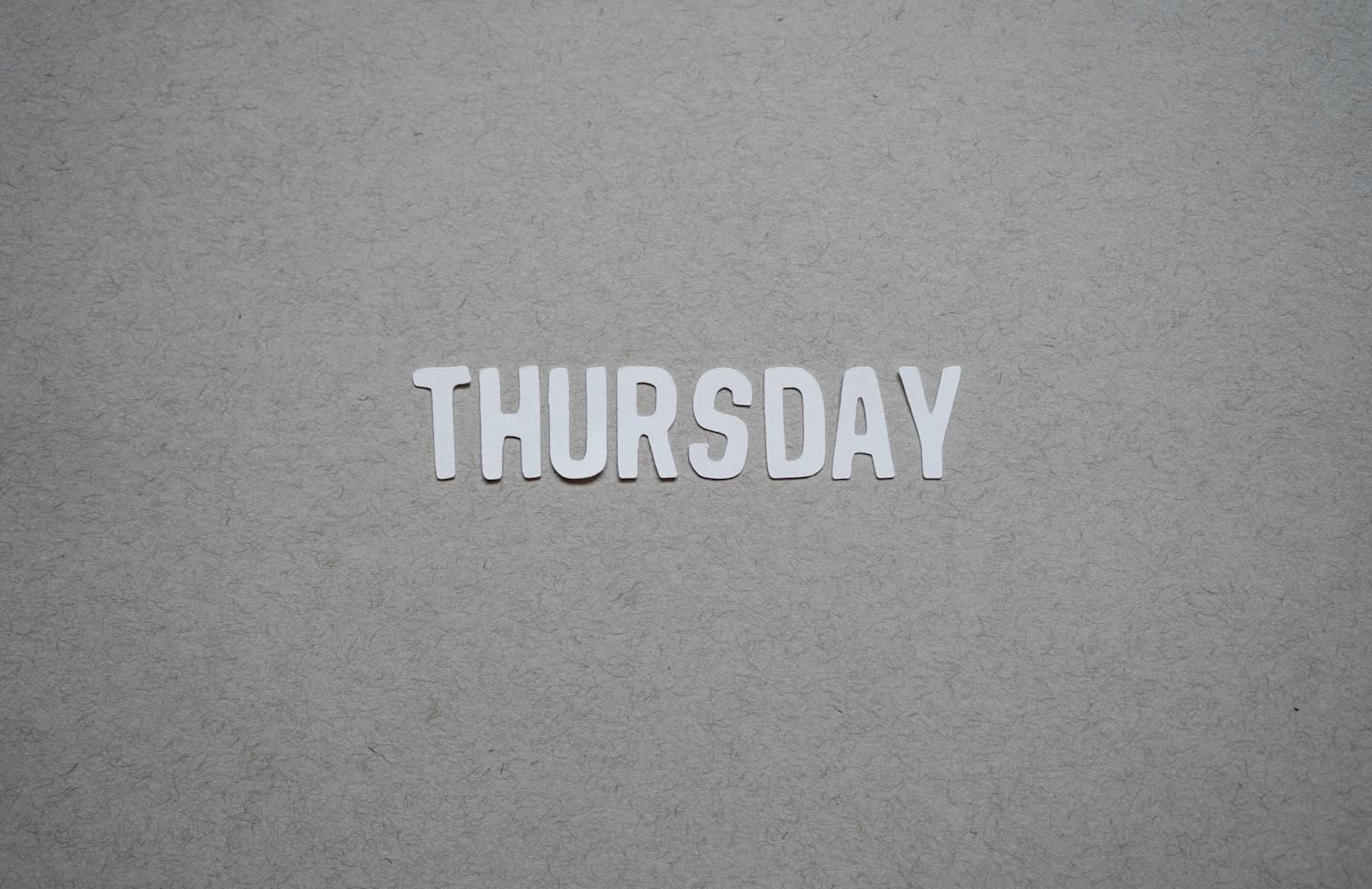
Thursday

Image: Kelly Sikkema

Once you see this one, it becomes almost impossible to unsee it: the word used to define the fourth day of the work week, Thursday, has a Norse origin, meaning "Thor’s day."

2

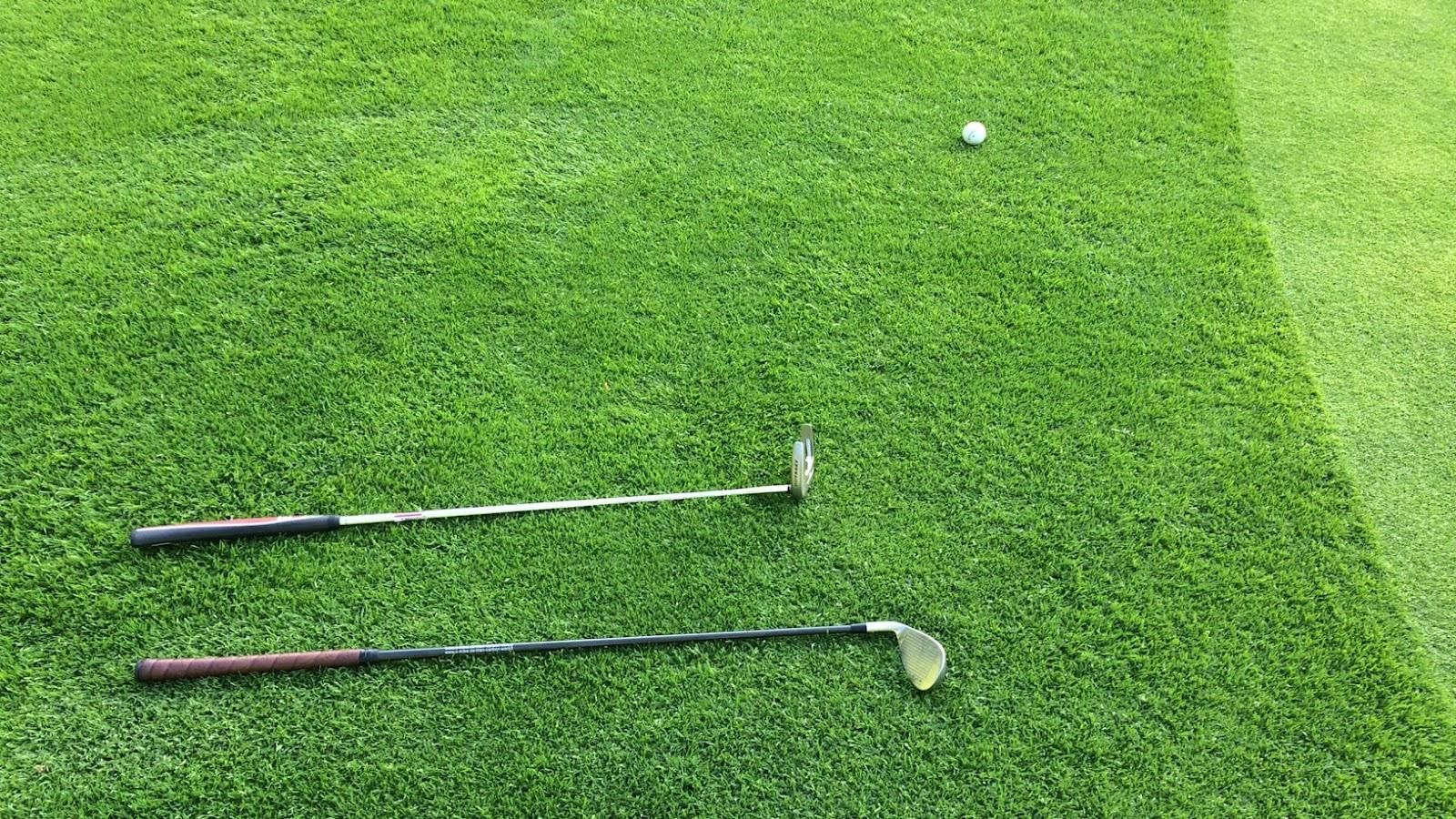
Club

Image: REGINE THOLEN

In today's world, we usually associate the word "club" with more civilized instruments, like a golf club. But in its origin, the word was associated with heavy things used as beating weapons, a Viking specialty. The word club came from the Old Norse word of the same meaning, "klubba".

3

Ransack

Image: Allef Vinicius

Unsurprisingly, another word that the Vikings gave us is the one used to describe the action of going through a place, stealing things, and causing damage: ransack. This word originates from the Old Norse term "rannsaka".

4

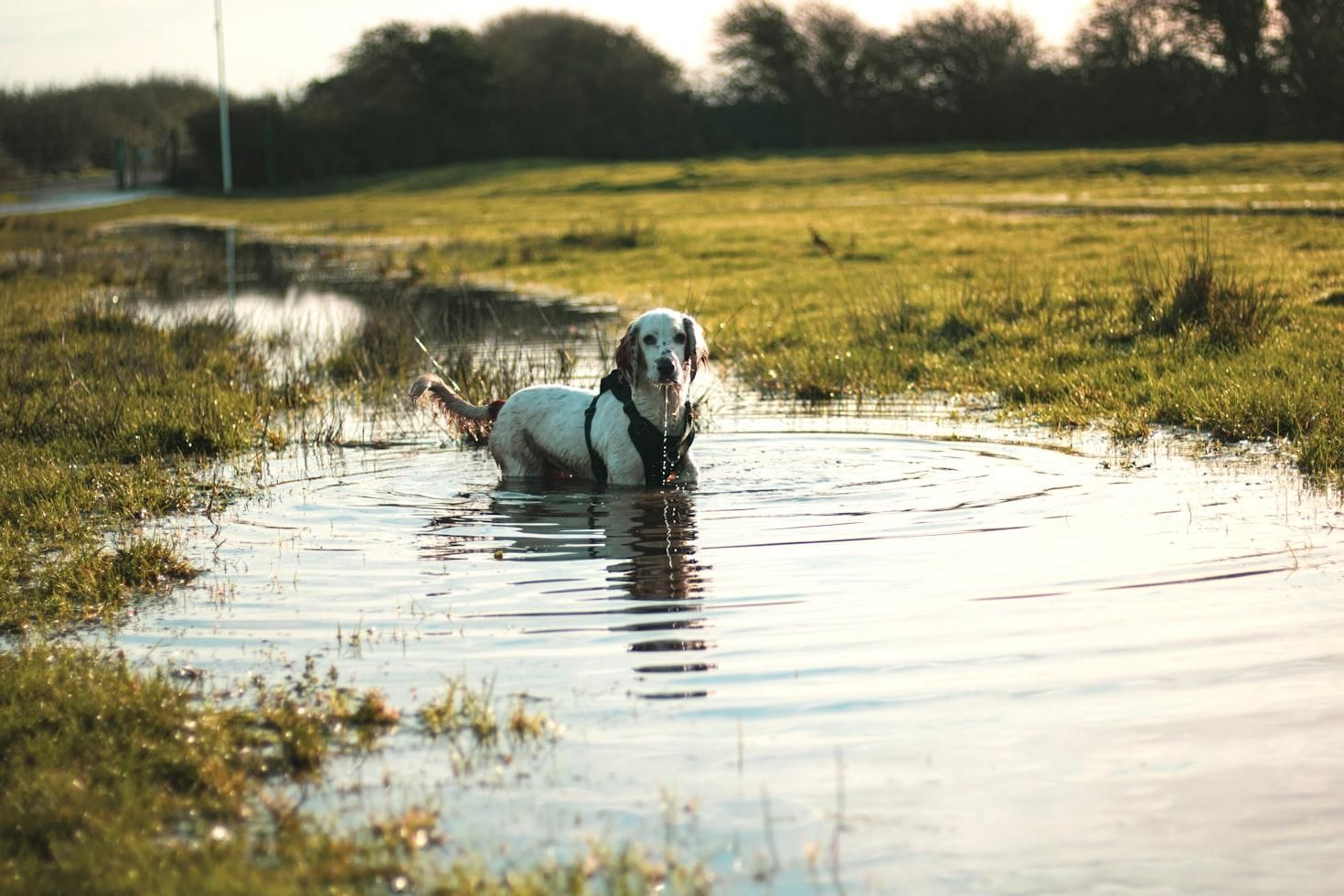
Mire

Image: Luke Jones

A common geographical landscape in England and Scandinavian countries is that shallow water bog with vegetation on its shores. The English word for mire comes from the Old Norse word "myrr".

5

Cast

Image: Knut Troim

The action of throwing an object into the distance is as old as mankind, but the word that the English language uses to describe it stems from the Old Norse word "kasta".

6

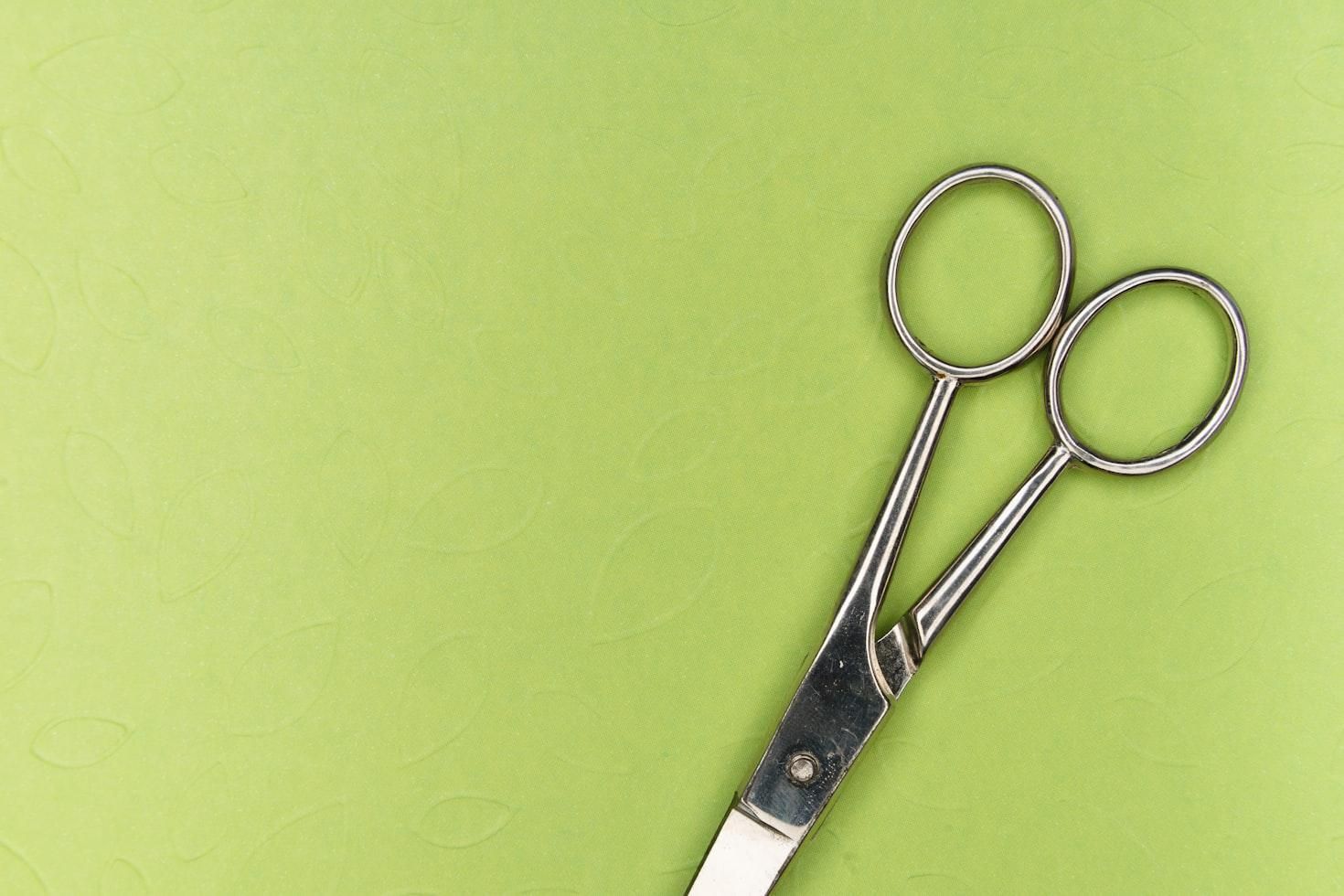
Clip

Image: Markus Winkler

The word used to describe the action of clipping something, usually with scissors, also has a Norse origin in the word "klippa".

7

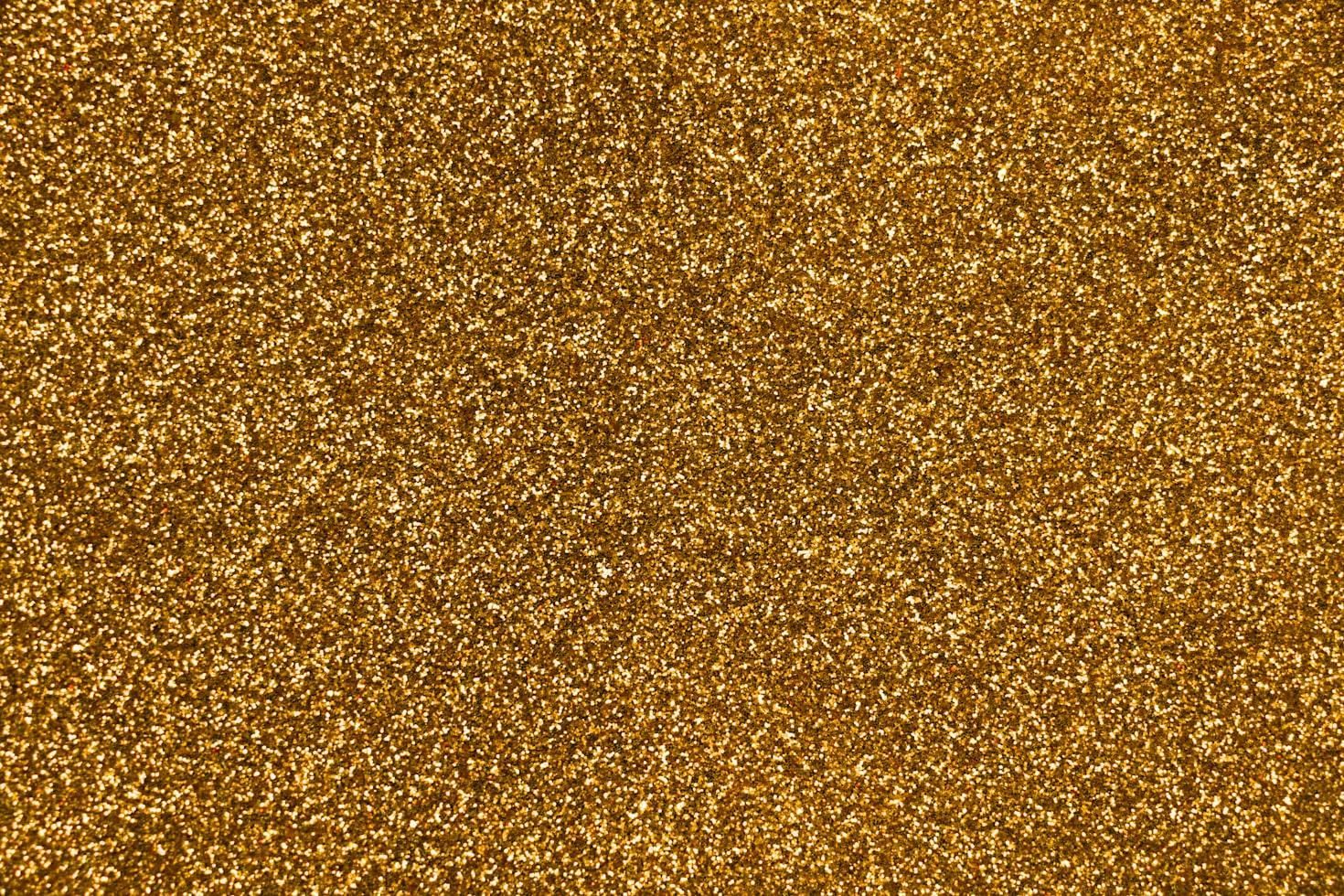
Glitter

Image: Pierre Bamin

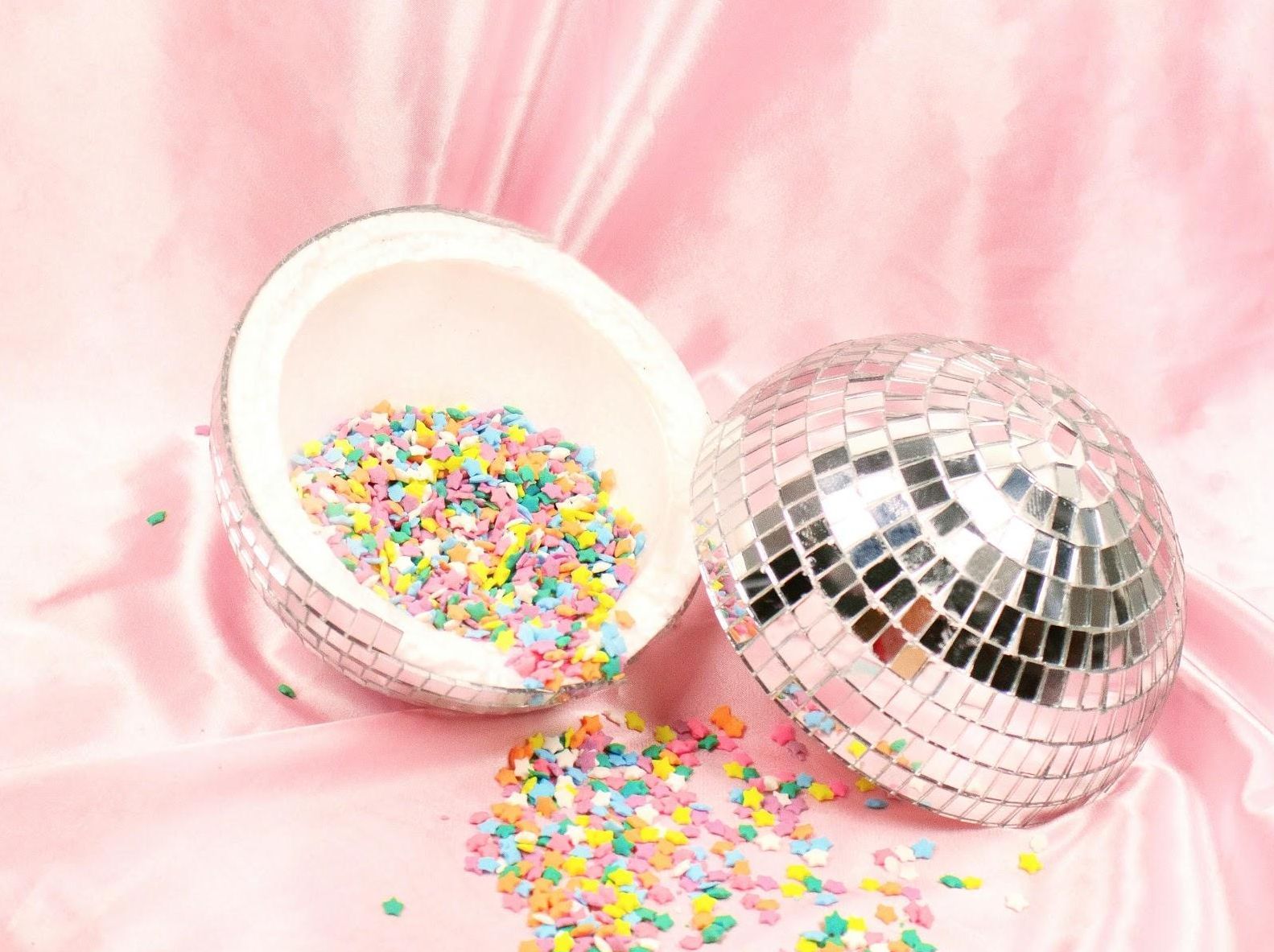
Violent words are not the only word legacy from the Vikings: the word glitter, used to describe those shiny particles ubiquitous at parties everywhere, comes from the old Norse word "glitra".

8

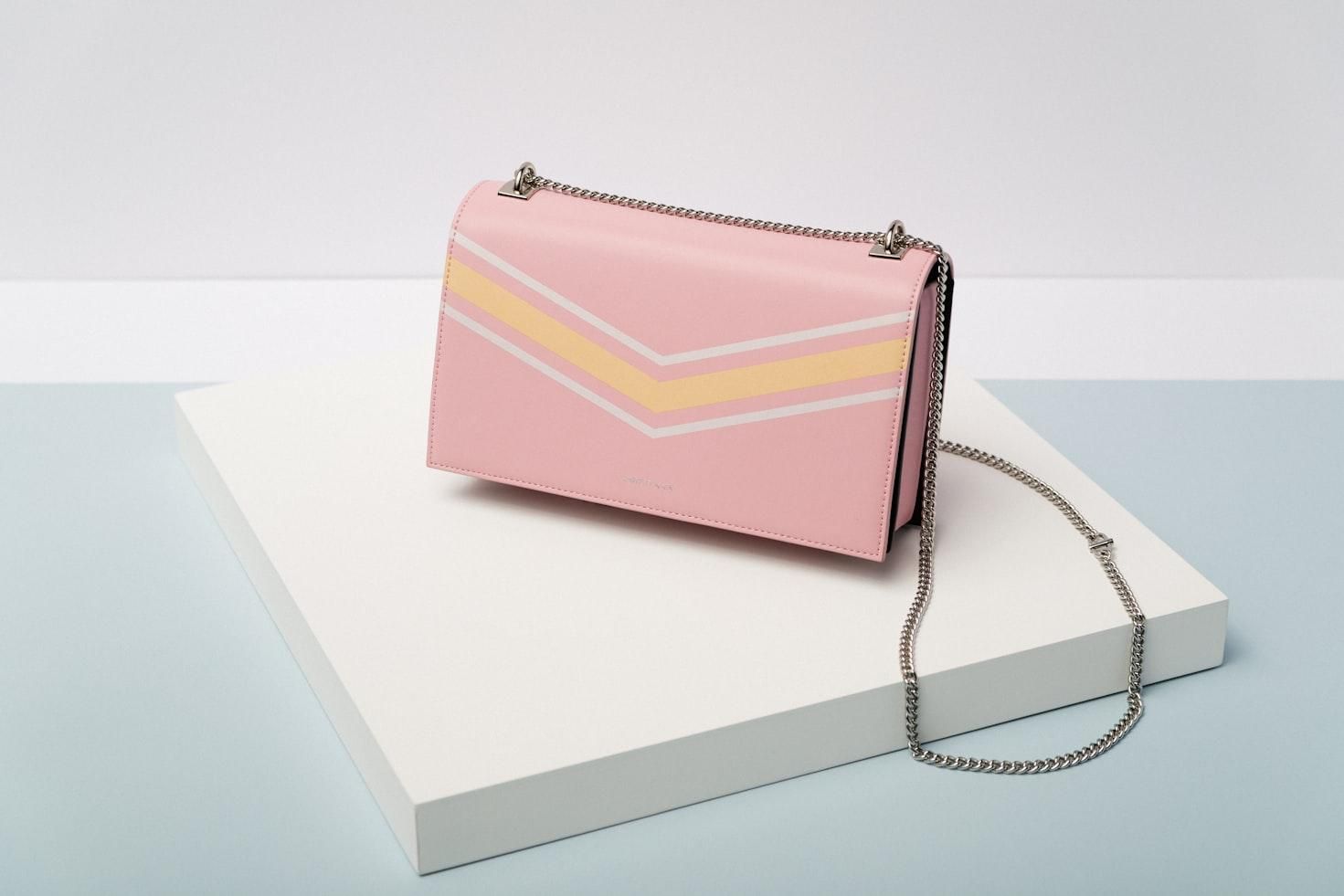
Bag

Image: Creative Headline

Bags have been around for quite a long time now, but still, the word that the English language has settled on comes from the Old Norse word "baggin".

9

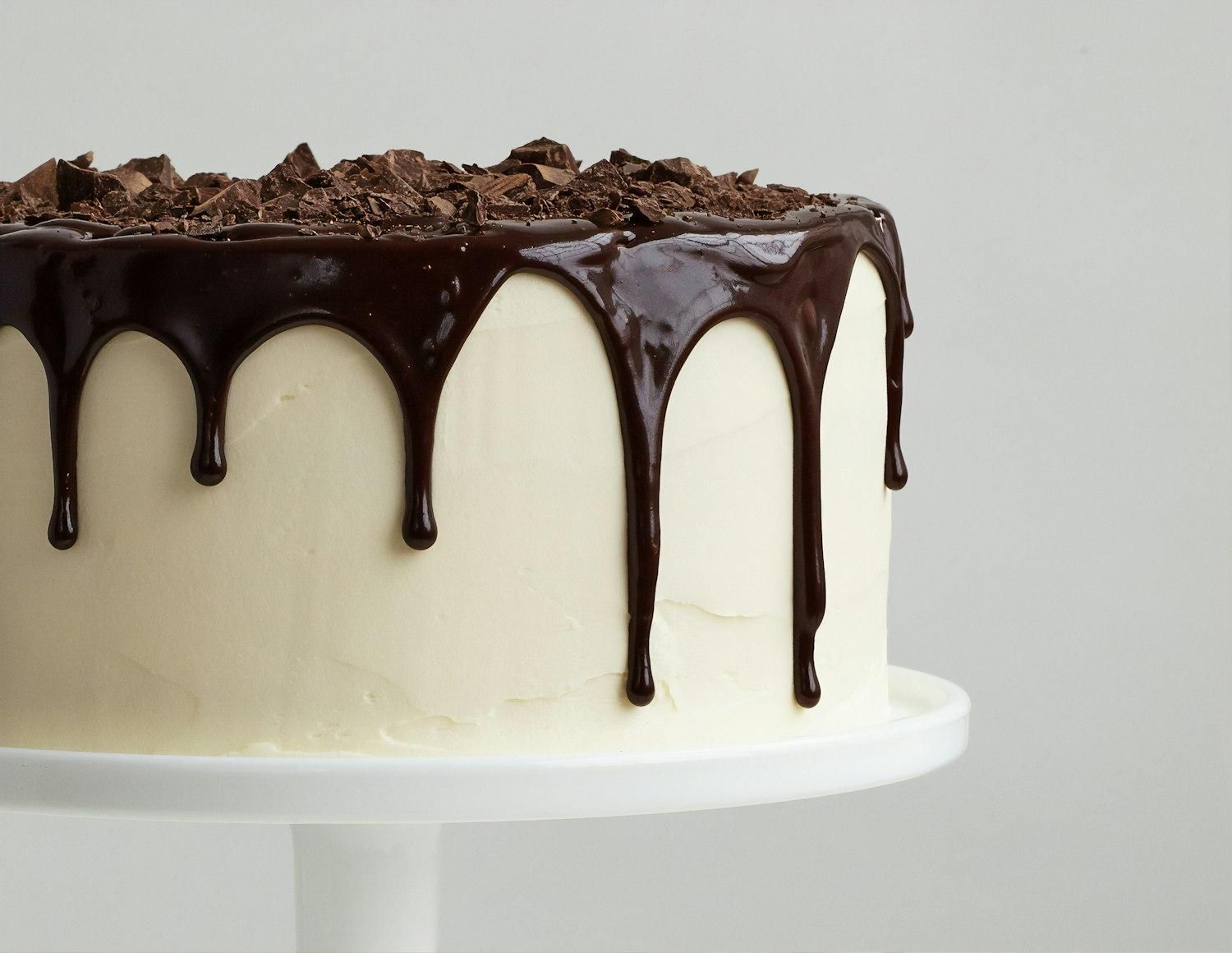
Cake

Image: American Heritage Chocolate

While the cakes from centuries past were probably not as decadent and spectacular as their modern equivalents, they still existed. The English word cake originated from the Old Norse word of the same meaning, "kaka".

10

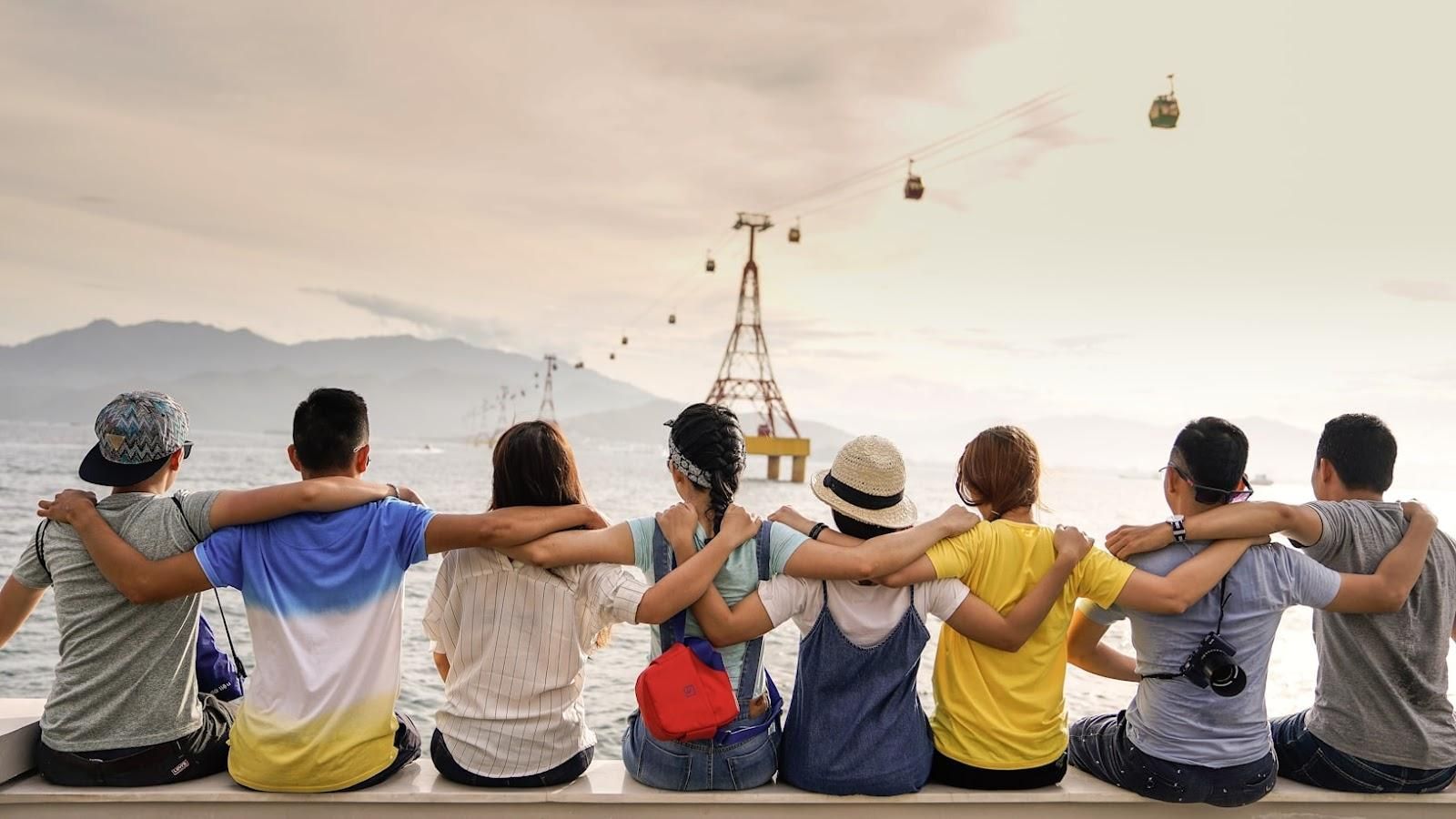
Fellow

Image: Duy Pham

A fellow is a person in the same position, involved in the same activity, or otherwise associated with another individual. This household word comes from the Old Norse word "felagi".

11

Anger

Image: engin akyurt

Whether it is justified or not, anger is a feeling that is easy to associate with Vikings, especially because of their cultural depictions and stereotypes. The word anger itself can be traced to the Old Norse word "angr".

12

Husband

Image: Thomas Curryer

The last entry on our list is the one that describes a married man considered in relation to his spouse. This word originated in a very similar-sounding Norse word: "husbondi".


Ancestral family names

What did "Walkers" do, exactly? Very popular surnames, explained


Published on February 15, 2026


Image: Jonny Gios

Do you have a very popular surname? Have you ever looked up its meaning? Well, if you are a Smith, a Murphy, a Miller, or a Lee, you probably already know a bit of the history of your ancestors. Do you think you can guess the origin of these 12 widespread last names? Read on to go back a few generations and learn some names’ backstories!

1

Smith

Image: Chris Linnett

One of the most common surnames in the English-speaking world! As you may know, its origin is occupational, and it refers to "one who works with metal."

It derives from the Old English smið. Nowadays, it remains the most common surname in America. Interestingly, its synonymous versions are just as popular in other languages, like Schmidt in German and Ferraro in Italian.

2

Miller

Image: Boudewijn Huysmans

The surname "Miller" referred to someone who operated a mill; these were vital in medieval communities. The surname spread across Britain, Ireland, and later the U.S., until it became one of the most recognizable surnames.

3

Lee

Image: Kseniia Rastvorova

"Lee" is trickier because it has multiple origins, depending on the culture. In English, it comes from Old English lēah, meaning a clearing or meadow, so it was originally a toponymic surname for someone living near a grassy field.

In China, "Li" (often spelled Lee) is one of the oldest and most common surnames, meaning "plum," and is associated with ancient dynasties and scholars.

4

Clark

Image: Sergiu Vălenaș

The surname "Clark" comes from the Latin clericus, meaning "clergyman" or "scholar." In medieval England, clerks were among the few literate people, so the term broadened to describe scribes, secretaries, and record-keepers.

5

Murphy

Image: John Finkelstein

"Murphy" is the most widespread Irish surname, anglicized from the Gaelic Ó Murchadha, meaning "descendant of Murchadh."

The name Murchadh combines muir (sea) and cath (battle), so it literally means "sea warrior." With multiple unrelated Murphy families across Ireland, the name spread widely.

6

Walker

Image: Shiori Miyashita

"Walker" is an occupational surname as well. So, what did walkers do? Their job was fulling, the process of cleaning and thickening woven wool, often by literally walking on it in troughs of water. The word derives from the Old English wealcere, meaning "one who fulls cloth."

7

Allen

Image: Jahanzeb Ahsan

"Allen" is of Celtic origin, derived from the Gaelic Ailín or Breton Alan, meaning "little rock." However, very similar terms can also be interpreted as "handsome," "fair," or "beautiful." Each family will probably get to pick their preferred meaning.

8

Wright

Image: Quan-You Zhang

The surname "Wright" comes from the Old English word wryhta or wyrhta, meaning "worker" or "maker."

It was often used with a prefix to specify the craft, such as "wheelwright" for wheel makers or "shipwright" for shipbuilders. Over time, "Wright" stood alone as a surname for skilled tradespeople. It’s one of the oldest English occupational surnames.

9

Nguyen

Image: petr sidorov

"Nguyen" (pronounced roughly "nwin" or "ngwee-en," depending on dialect) is the most common surname in Vietnam, held by around 40% of the population. It derives from the name of a Chinese musical instrument, the ruan.

10

Hill

Image: Ameya Sawant

The surname "Hill" is of English and sometimes Scottish origin, derived from the Old English hyll, meaning exactly what it sounds like: someone who lived by or on a hill. Simple geographic names like this were among the earliest surnames in use, since they helped distinguish local communities.

11

Campbell

Image: Eric Prouzet

The Scottish surname "Campbell" comes from the Gaelic Caimbeul, meaning "crooked mouth" (cam = crooked, beul = mouth).

It began as a descriptive nickname, likely for someone with a distinctive facial feature. Over centuries, it became strongly associated with Clan Campbell, one of the most powerful Highland clans.

12

Reed

Image: KaLisa Veer

The surname "Reed" (also spelled Read or Reid) has several origins in England and Scotland. Most often it was descriptive, from Old English rēad, meaning "red," referring to someone with red hair or a ruddy complexion.

Looking for an extra scoop of literary fun?

Learn more with our Word of the day

loot

/lut/