Strangely accurate
Warning: once you learn these strange words, you’ll start using them!
Published on March 12, 2026

You know those moments when you struggle to explain something simple, like a feeling, a habit, or a situation, and you think, "How is there no word for this?" Well, surprise: there usually is. English is packed with oddly specific words that describe everyday life with uncanny accuracy. Some are practical, some are funny, and some feel almost too honest. Let’s meet a few that might sound strange at first but will feel very familiar once you get to know them.
Overmorrow
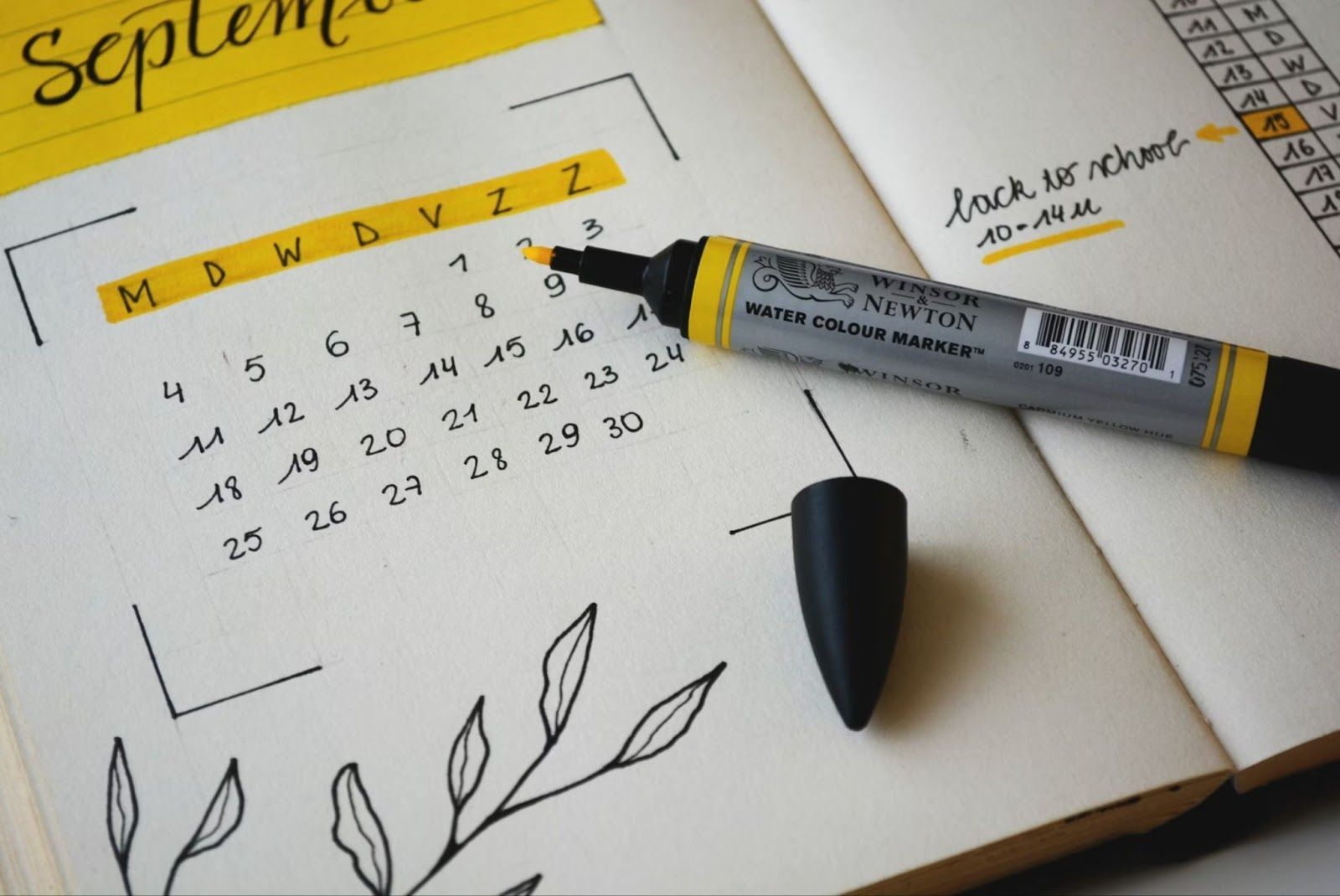
We talk about tomorrow all the time, but oddly enough, we rarely give the day after tomorrow a proper name. That is where overmorrow comes in. It is a neat, old word that means exactly that, no extra explanation needed. It used to be part of everyday English, and honestly, it feels like we lost something useful when it faded away.
Nudiustertian

Just like English once had a word for the day ahead, it also had one for the day behind us. Nudiustertian means the day before yesterday. It sounds grand and a bit theatrical, especially for something so ordinary. Still, it does the job beautifully and makes casual conversation sound far more distinguished than necessary.
Clinomania

Now let’s move from calendars to something far more comfortable: the bed. Clinomania describes that powerful urge to stay under the covers, even when you know you should get up. It is not about being lazy so much as being deeply committed to comfort. If mornings have ever felt like negotiations, this word gets you.
Fudgel

Of course, once you finally leave the bed, another challenge appears: actually getting things done. Fudgel refers to pretending to work while accomplishing very little. People have been fudgeling for centuries, which is oddly comforting. It turns out that "looking busy" is an ancient skill, not a modern invention.
Bloviate

And then there are moments when someone appears busy not by working, but by talking. Bloviate means speaking at great length without saying much of substance. Long speeches, endless stories, and conversations that go nowhere all qualify. The word itself feels inflated, which makes it a perfect match, don’t you think?
Ultracrepidarian

Bloviating often goes hand in hand with another familiar habit: giving strong opinions without much knowledge. An ultracrepidarian is someone who does exactly that. The term has been around for ages, which suggests people have always had thoughts on things they barely understand, and have never been shy about sharing them.
Absquatulate

Sometimes, listening to an ultracrepidarian makes you want to do one thing only: leave. And there are many ways of leaving, but this one feels quite appropriate. Absquatulate means to make a sudden exit, often to avoid discomfort or trouble. It has a playful sound, but the impulse behind it is universal. We have all wanted to disappear quietly at least once.
Collywobbles

Of course, not every uncomfortable moment sends us running. Sometimes it settles right in the stomach. Collywobbles describes that nervous, fluttery, slightly uneasy feeling we get when something feels off. The word is light and bouncy, which helps soften a sensation most people would rather avoid.
Wamble

And when that uneasy feeling spreads, you might start to wamble. To wamble is to feel unsteady or unsettled, whether it is shaky legs or a queasy stomach. It is one of those words that sounds exactly like the feeling it describes, which makes it surprisingly satisfying to say. Try it out!
Discombobulate

Let’s wrap it up with a word you have probably needed at least once! The word discombobulate means to be confused or thrown off, usually in a harmless, everyday way. Missed plans, mixed messages, or a sudden change can all discombobulate us. It sounds dramatic, but the experience is wonderfully ordinary.