Lost in translation

Use these English words abroad, and you are in for a big surprise


Published on June 14, 2026

Image: Nachristos

We Americans like to think that since we speak English, we can get by just fine anywhere from London to Bridgetown. But traveling abroad can quickly turn into a game of linguistic telephone! Imagine the sheer confusion of a tourist asking for a nice, warm biscuit with breakfast, only to be handed a chocolate chip cookie, or trying to pack their luggage into a boot instead of the trunk. It pays to think twice before you open your mouth overseas, or you might find yourself in some hilariously awkward situations. Here are 12 everyday words that mean something completely different once you leave American soil.

1

Biscuit (U.S. vs. U.K.)

Image: Pawel Czerwinski

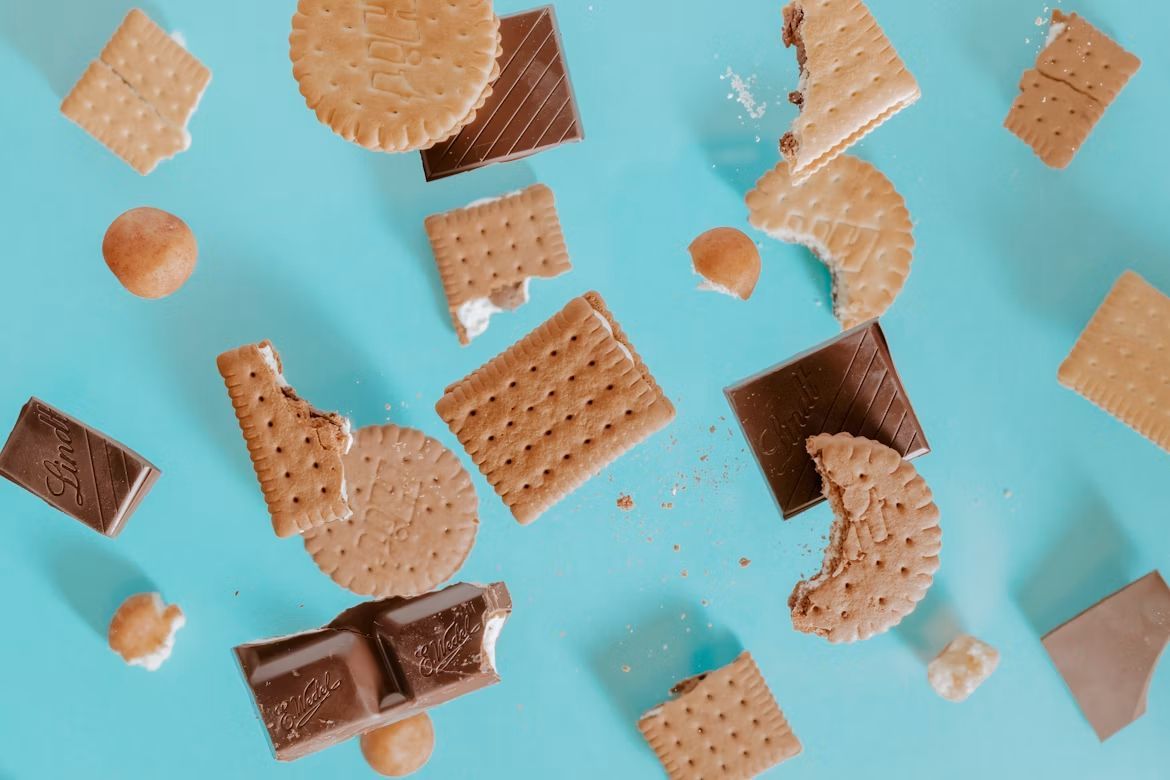
Picture yourself at a quaint London bed-and-breakfast, ordering gravy to go with your morning biscuit. The waiter returns, looking baffled, with a plate of crunchy chocolate chip cookies.

To us, a biscuit is that fluffy, buttery piece of heaven perfect for breakfast. To the British, a biscuit is what we call a cookie. Save the gravy for home, or you'll get some very strange looks!

2

Boot (U.S. vs. U.K.)

Image: Zhen Yao

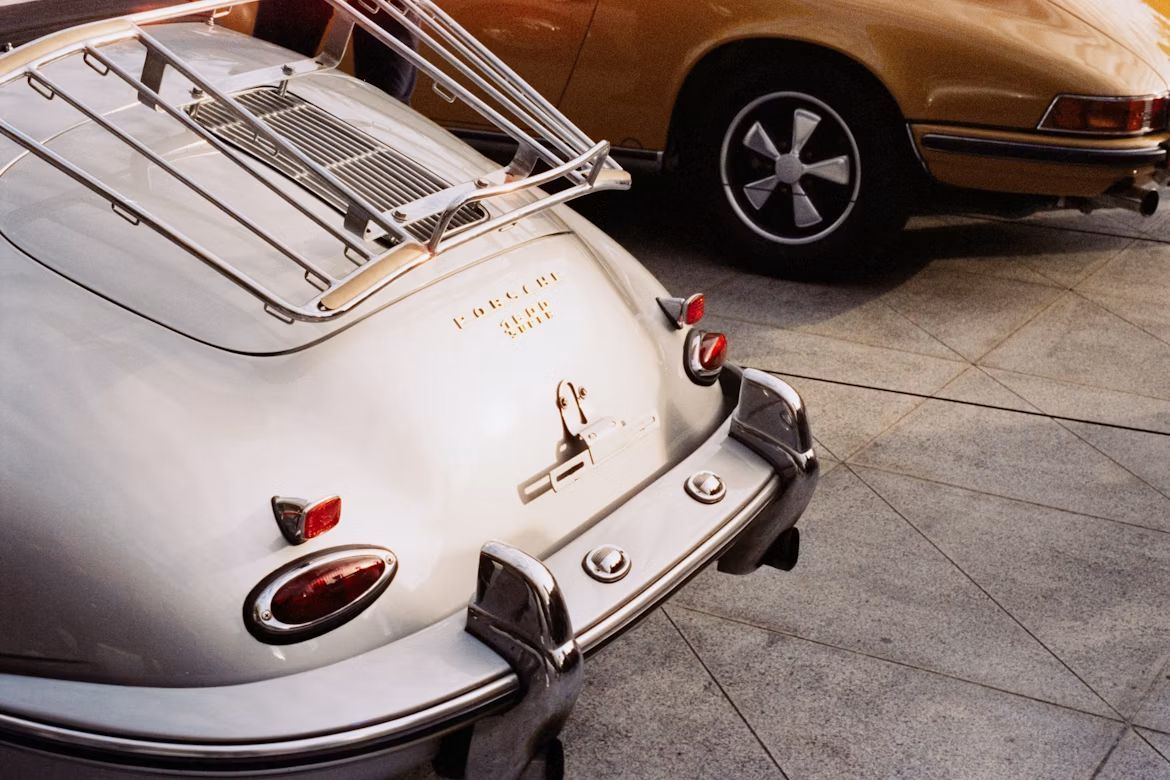
You arrive at a London hotel, and the polite bellhop asks, "Shall I put your bags in the boot, sir?" You might look down at your leather footwear and wonder how on earth your suitcase is going to fit in there.

Don't worry, your shoes are safe. While Americans call the rear storage compartment of a car the trunk, the British call it the boot.

3

Banger (U.S. vs. Ireland)

Image: Rachel Clark

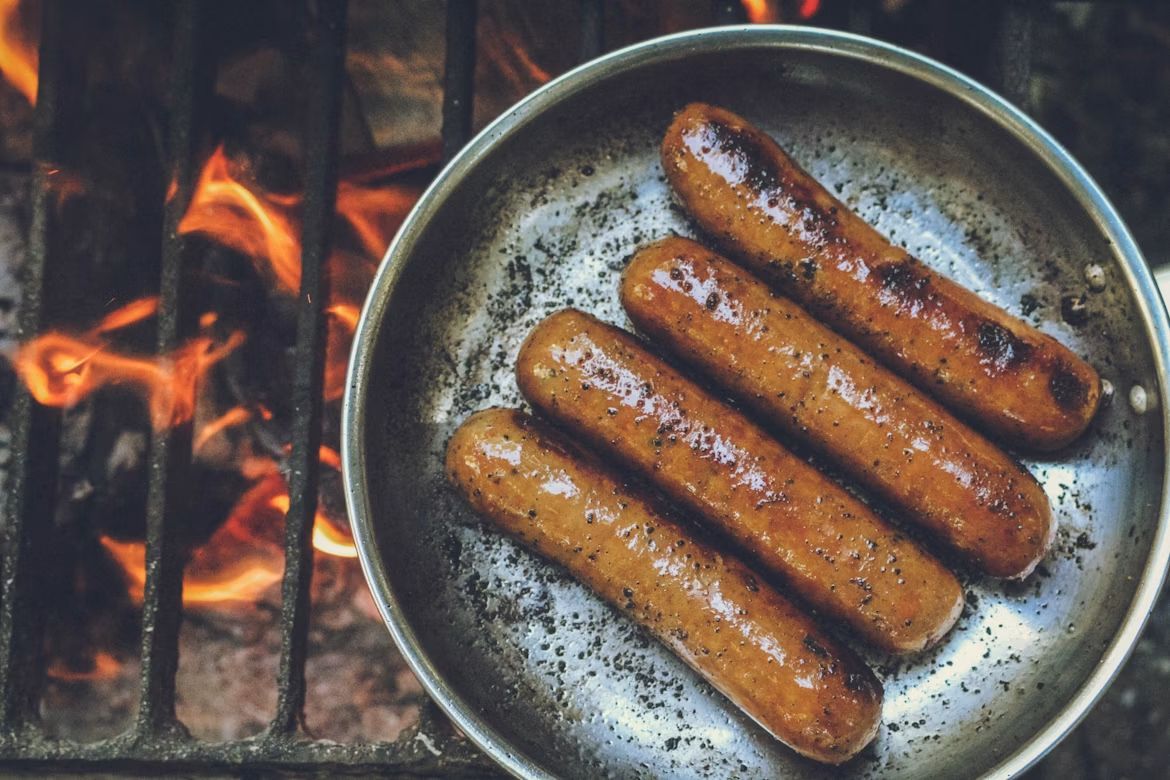
Imagine your Irish tour guide points to a menu and promises you a "classic banger" for lunch. You might expect the pub to start blasting a high-energy, catchy song right there at the table.

Instead, you'll be served a sizzling, savory sausage. In Ireland and the U.K., bangers are just sausages, famously paired with mashed potatoes for a comforting meal. It's a hit for your stomach, not your ears!

4

Messages (U.S. vs. Scotland)

Image: Centre for Ageing Better

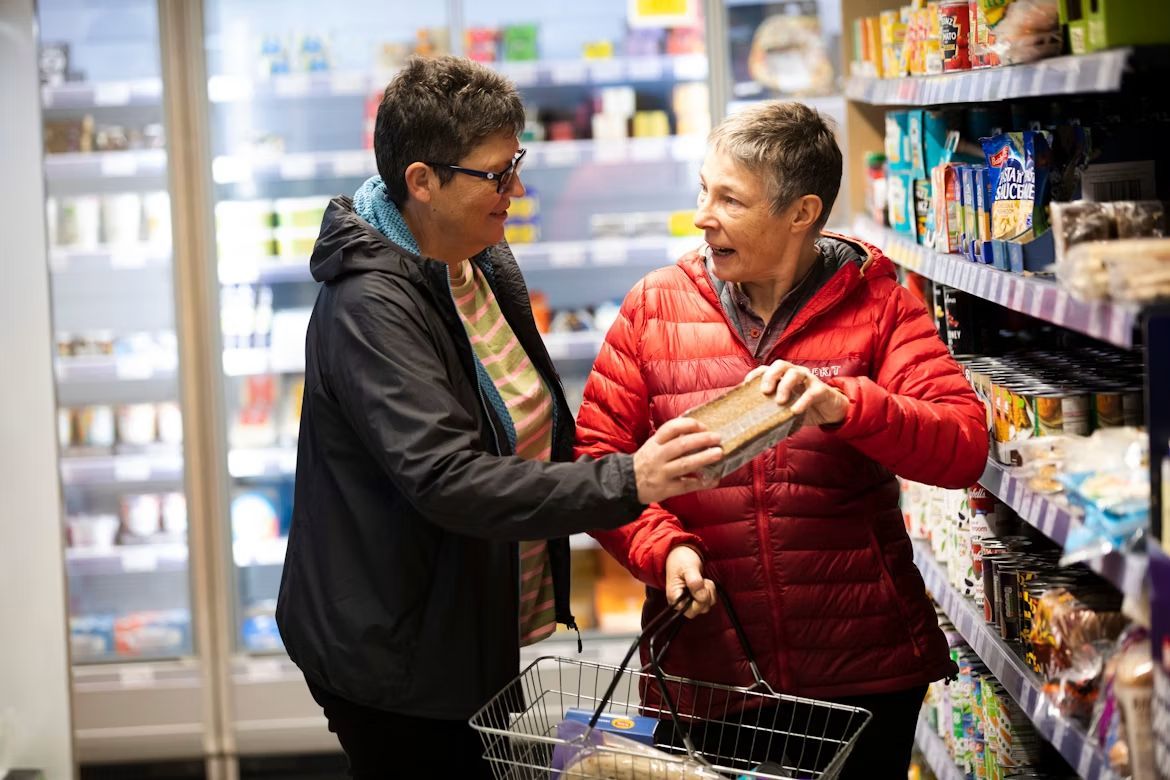
Next time you hear a Scotsman say he is "going for the messages," don't expect him to return with a handful of letters or a phone full of unread texts.

In Scotland, this delightful phrase simply means going grocery shopping. He’s just heading out to grab some milk, bread, and eggs, completely offline.

5

Fortnight (U.S. vs. Australia/U.K.)

Image: Estée Janssens

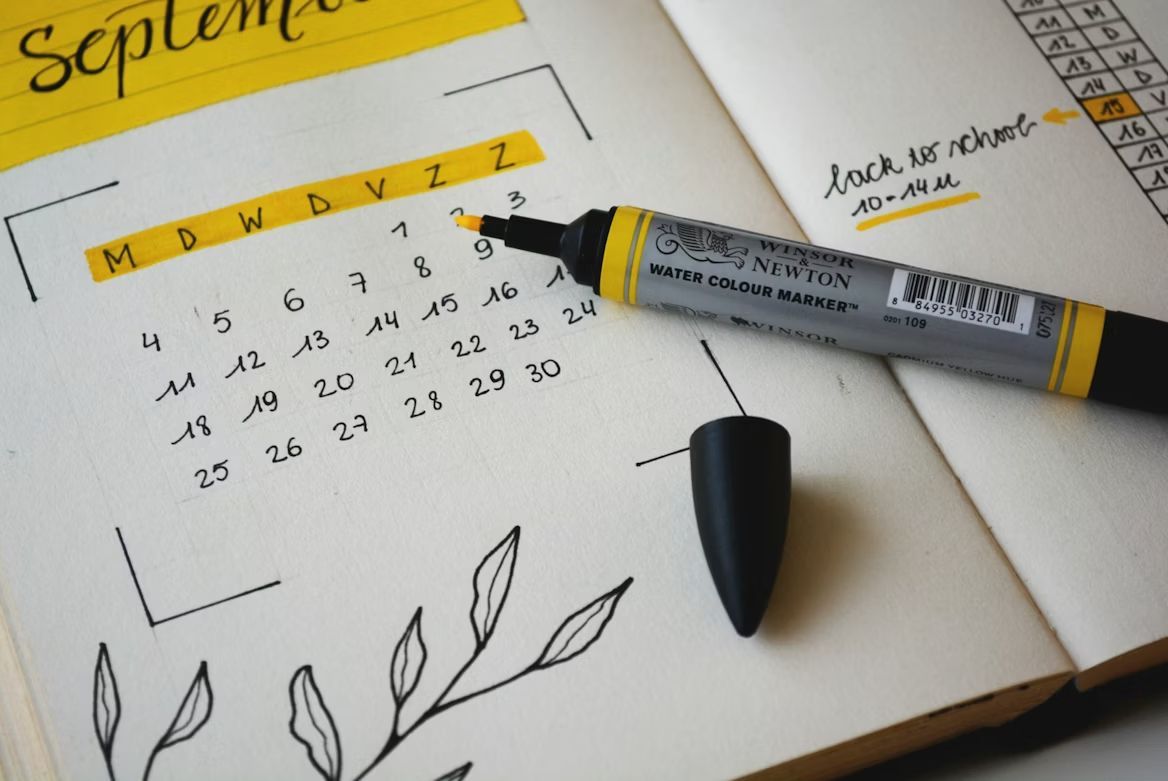
If an Aussie hotel clerk tells you your reservation is locked in for a fortnight, you might be taken aback. While we rarely use this old-fashioned word in the States, it is completely standard down under and in the U.K. It simply means a period of two weeks. Enjoy your long vacation!

6

Jelly (U.S. vs. U.K./New Zealand)

Image: THE RETROMATE CAFE CAFE

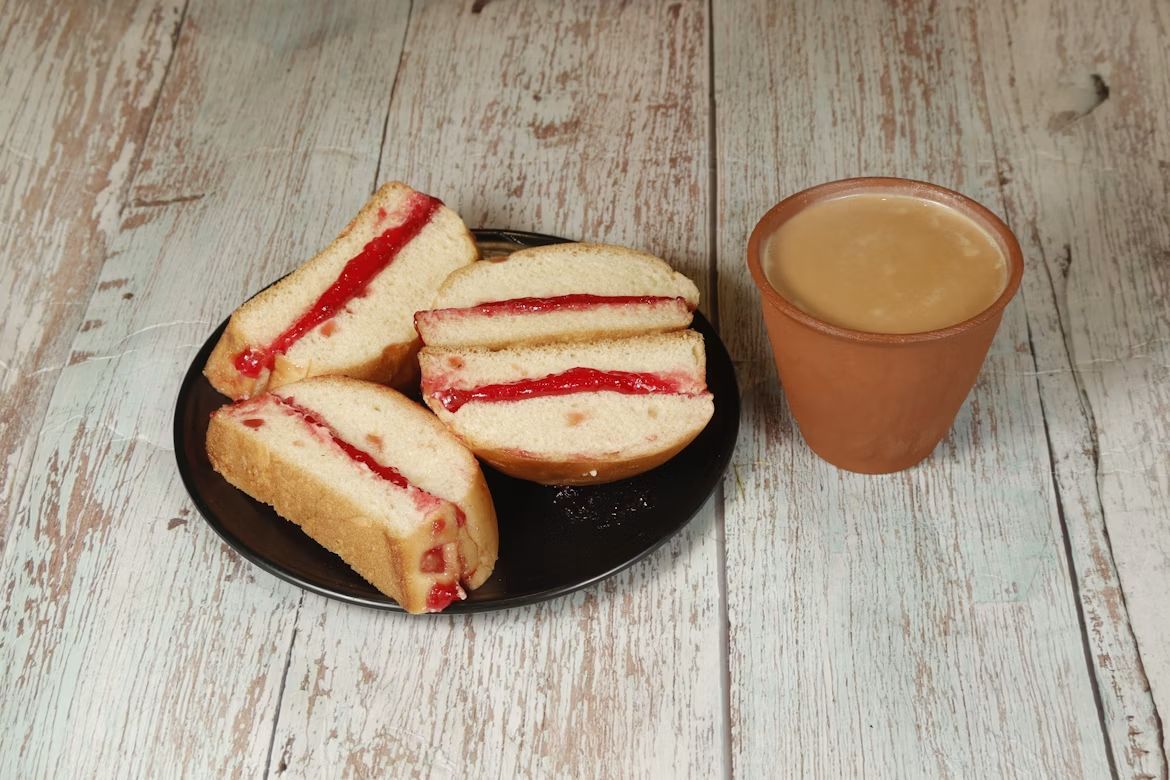
Imagine ordering a classic peanut butter and jelly sandwich in Auckland, only to watch the café worker stare at you in absolute horror.

In New Zealand and the U.K., jelly isn't a smooth fruit spread; it’s what we call Jell-O. Putting a wobbly, strawberry gelatin dessert between two slices of bread is definitely an acquired taste you might want to skip.

7

Entrée (U.S. vs. Canada/France)

Image: Julien Sarazin

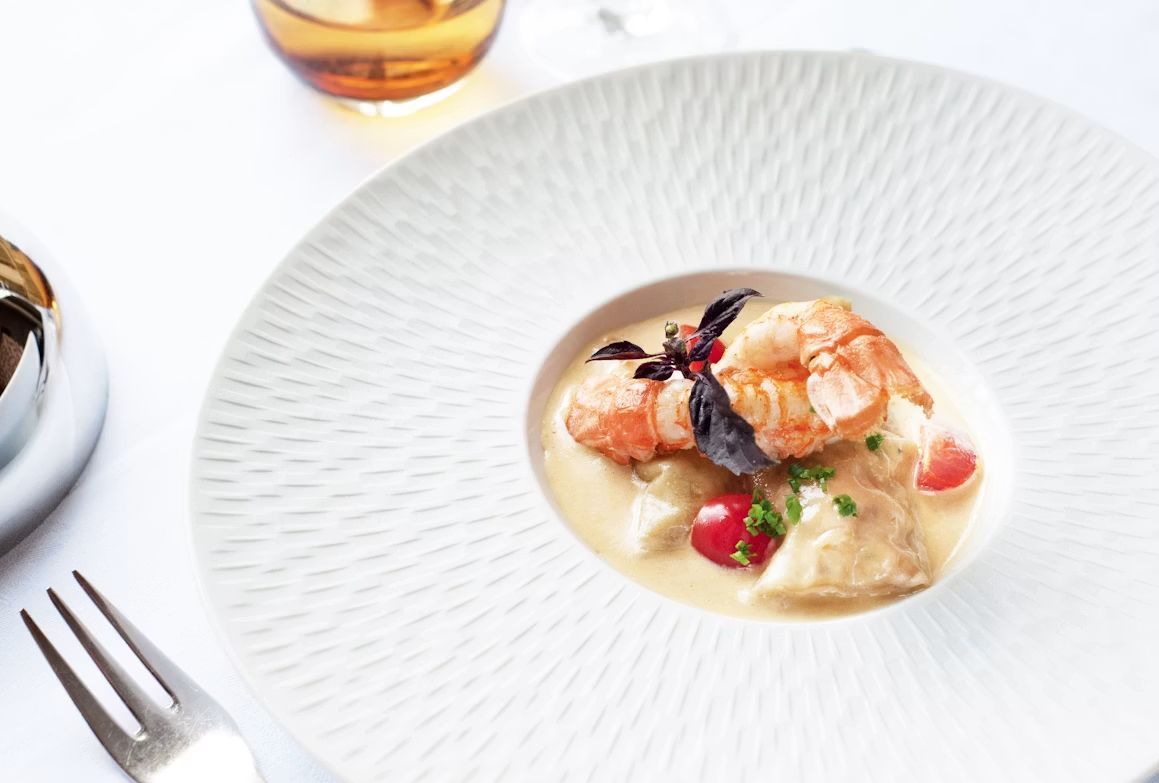
You’re celebrating a beautiful anniversary at a lovely restaurant in Montreal. Eager for the main event, you order a delicious-sounding steak from the entrée section of the menu, expecting a giant plate.

Unfortunately, you’ll be left scratching your head when a tiny appetizer arrives. In Canada and Europe, the entrée is the starter. The actual main course comes later, so pace yourself!

8

Suspenders (U.S. vs. U.K.)

Image: Caroline Hernandez

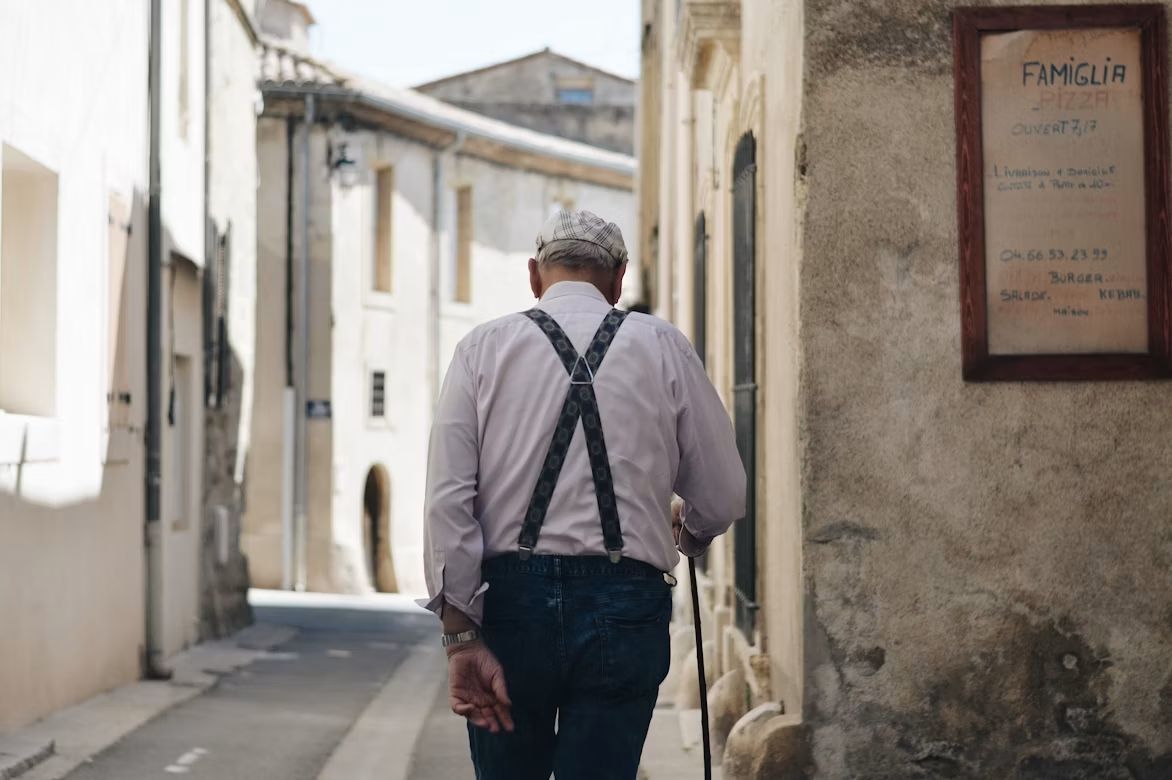
Imagine a stylish American gentleman telling his British colleagues that he bought a bright red pair of suspenders to wear to the office. The room will likely go dead silent with embarrassment.

To Americans, suspenders are just classy elastic shoulder straps that hold up trousers. In the U.K., however, suspenders are garter belts used to hold up women's stockings. That's one major office mix-up!

9

Lick (Barbados vs. U.S.)

Image: Lawrence Hookman

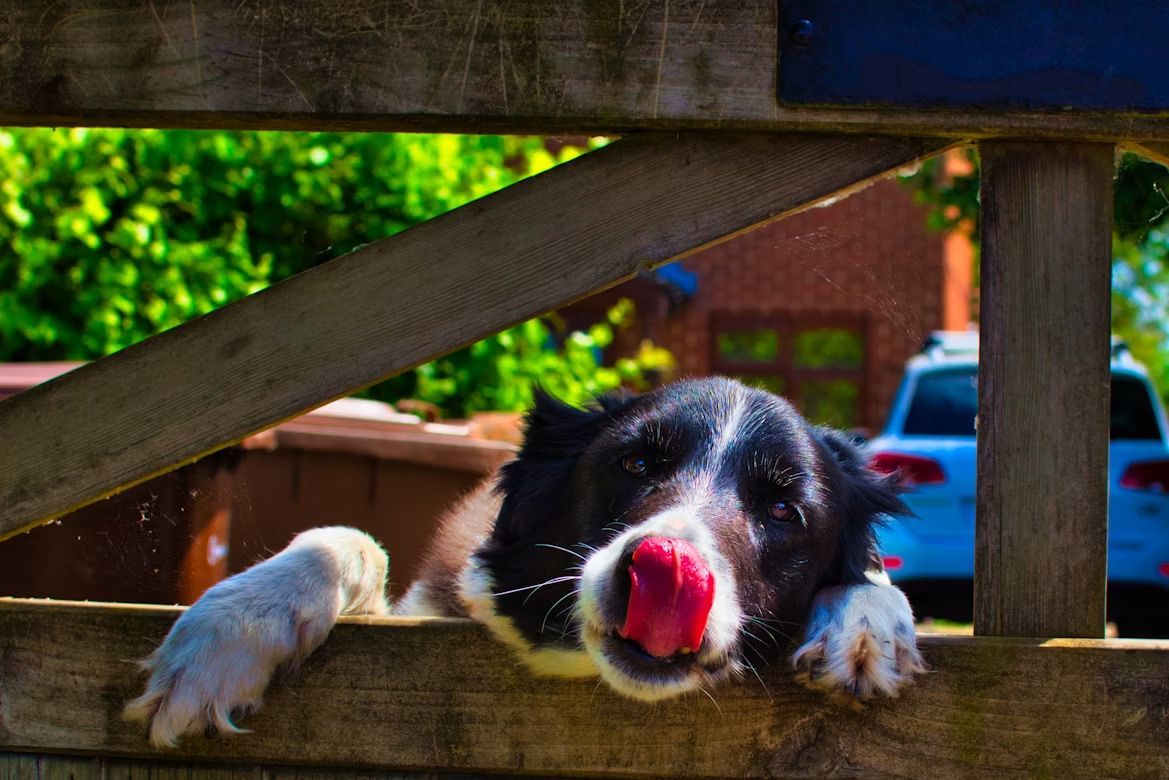
If you are relaxing on a beautiful beach in Barbados and a friendly local warns that someone might "give you a lick," please don't expect anyone to come over and run their tongue across your arm!

In the Caribbean, giving someone a lick means to hit or strike them. It’s an aggressive warning, a far cry from the completely innocent, sugary action we think of back home.

10

Pavement (U.S. vs. U.K.)

Image: Josh Wilburne

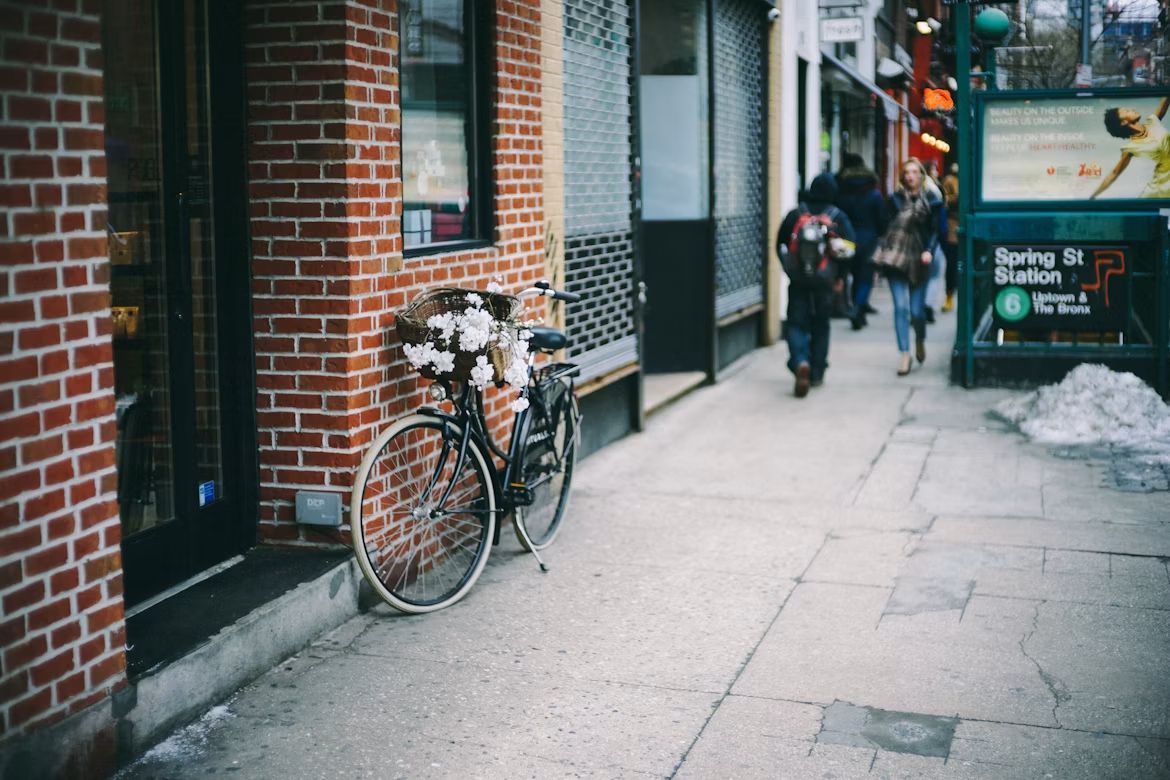
Imagine walking through London when an angry cyclist yells, "Get off the pavement!" You might look down, confused, thinking, "But I’m not standing in the middle of the street!"

In the U.S., pavement refers to the asphalt road where cars drive. In the U.K., the pavement is actually the sidewalk. He’s just asking you to clear the pedestrian path, so no need to dodge traffic!

11

Pants (U.S. vs. U.K.)

Image: lan deng

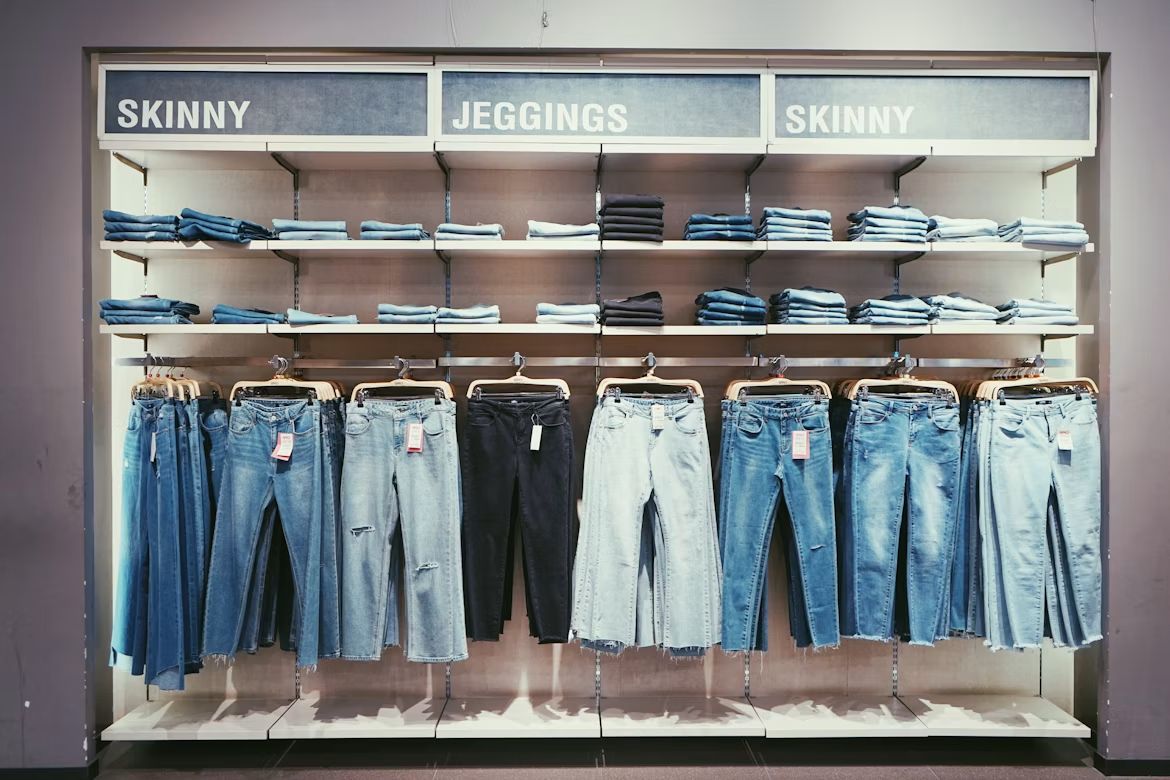
Imagine complimenting a British gentleman at a formal dinner by telling him, "I love your pants!" Instead of a thank you, you'll likely receive a look of absolute horror.

To Americans, pants are simply trousers. But to the British, pants refer strictly to underwear. Telling someone you like their pants means you’re complimenting their briefs, which is a bit too much information for polite conversation!

12

Chips (U.S. vs. U.K./Ireland)

Image: Mustafa Bashari

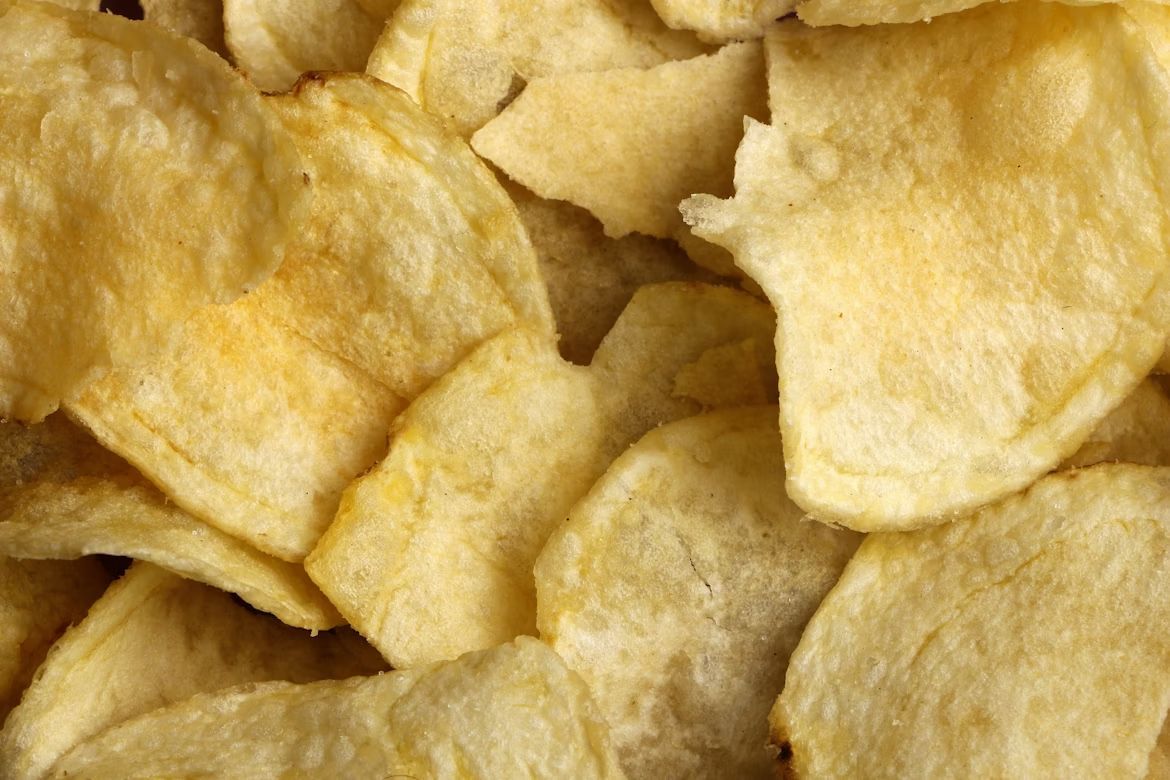
Picture yourself walking into a London pub and ordering a burger with a side of potato chips. You might be disappointed when the waiter brings out a basket of steaming, thick-cut French fries instead of a crispy bag of Lay's.

In the U.K. and Ireland, chips are fries. If you actually want those thin, crunchy snacks from a bag, you have to ask for "crisps."

Words of the trade

Did you know that these 12 common phrases were born from old professions?


Published on June 14, 2026


Image: Clark Young

The repetitive actions of each craft have spawned terms, idioms, and phrases that make up their particular tech lingo. Many of these expressions have transcended their natural realm to become a part of the universal language. These once-practical expressions now live on as reminders of how deeply language is tied to human work, skill, and invention. Take a look at these 12 everyday expressions and wonder at their unassuming origins.

1

Cut to the chase

Image: Jon Tyson
2

In early silent films, long, dull scenes often tested audiences’ patience. Editors and directors learned to "cut to the chase," meaning skip the filler and jump straight to the excitement, often a chase scene.

Over time, the phrase escaped the editing room. Today, when someone uses it in conversation, they’re simply asking you to get to the point and drop the buildup.

3

Rule of thumb

Image: Dominik Scythe

Before precise measuring tools were widespread, carpenters, brewers, and other craftspeople were often said to have used their thumbs for rough estimates. The width or length of a thumb served as an informal "rule."

Although modern workers rely on rulers and scales, the old phrase remains alive, meaning a general principle or handy guideline rather than a strict rule.

4

By the book

Image: Walls.io


Guild members and early tradespeople often followed written manuals that dictated how to perform their craft. Working "by the book" meant adhering to these official rules exactly.

Today, the phrase describes anyone who sticks strictly to regulations, whether it’s a police officer enforcing the law or a student obeying classroom rules.

5

Loose cannon

Image: Berry Hafkin


On old warships, heavy cannons were secured with chains. If a storm or battle broke those chains, a "loose cannon" could roll violently across the deck, crushing sailors and damaging the ship.

In modern speech, it labels an unpredictable person: someone whose uncontrolled actions can endanger a team, project, or reputation.

6

Cut from the same cloth

Image: SIL Group
7

Tailors once worked from large pieces of fabric, cutting pieces for multiple garments. If two suits were cut from the same cloth, they shared identical material and quality.

Today, we use the expression to describe people with similar traits or values, like friends, relatives, or colleagues who clearly come from the same "fabric."

8

Spin a yarn

Image: Matt Benson


Sailors and rope-makers often spent long hours twisting fibers into rope, a process known as spinning yarn. To keep themselves entertained, they told tall stories while working.

Thus, to "spin a yarn" came to mean weaving an elaborate tale. It’s still used for anyone who tells a long, colorful story, whether it’s true or not.

9

Strike while the iron is hot

Image: Jonathan Bean


A blacksmith must hammer metal quickly once it’s heated to the right glow; wait too long, and it hardens. The saying advised workers to act fast for the best results.

It evolved into a general reminder to seize opportunities as quickly as they arise, while conditions are favorable and momentum is on your side.

10

Show your true colors

Image: David Dibert
11

Naval ships sometimes flew false flags to mislead enemies, then hoisted their actual national colors before engaging in battle. Revealing one’s "true colors" meant honesty after disguise.

Now the phrase praises sincerity or exposes deceit, depending on context. It still evokes that dramatic moment when masks fall away.

12

In the limelight

Image: Megs Harrison
13

Before electric bulbs, theaters used lime burned with gas to produce a brilliant white light that spotlighted leading actors on stage.

Those performers quite literally stood "in the limelight." Today, the phrase simply means being the center of attention, whether on stage or in everyday life.

14

Bite the bullet

Image: National Library of Medicine

Before modern anesthesia, wartime surgeons had soldiers bite a bullet to cope with agony during operations. The metal gave them something firm to clamp down on.

Today, "bite the bullet" means facing a tough task bravely, accepting pain or difficulty with stoic resolve rather than avoiding it.

15

Toeing the line

Image: The Deseronto Archives
16

Sailors and soldiers in drills stood with their toes exactly on a marked line to show discipline and precision.

The phrase came to represent strict obedience to orders or standards. When someone "toes the line," they conform carefully to expected behavior.

17

Upper hand

Image: Chris de Lima

In sword fighting, the combatant whose hand was positioned higher typically had greater reach and control. Gaining "the upper hand" meant securing an advantage over an opponent.

Today, the duel may be metaphorical: winning an argument, negotiation, or competition, but the sense of dominance remains the same.

Looking for an extra scoop of literary fun?

Learn more with our Word of the day

felicitous

/fəˈlɪsədəs/