Linguistic smothies
The origin of smog, popsicle, and other common portmanteaus
Published on December 7, 2025
 Credit: Kim Menikh
We all know that brunch means breakfast plus lunch, or that Eurasia is used to refer to the connected European and Asian continents. But did you know that words like twirl, smog, or Texarkana are in the same category of portmanteaus or blend words?
Portmanteaus (from the French porte-manteau, ‘cloak-carrier’, a suitcase that opens in two equal parts) are terms formed by combining two or more words, their sounds, or their meanings. They were named by Lewis Carrol (the one from Alice in Wonderland) to explain the logic behind some odd words in his poem Jabberwocky: like a porte-manteau that you open in two parts, portmanteaus are opened to reveal two meanings. Let’s explore some common portmanteaus (and also some that are false).
Twirl
 Credit: Nihal Demirci
This word is used to talk about anything that spins or rotates, like someone doing a pirouette or moving their thumbs around each other. It is a term common in everyday language, but did you know it’s a blend of two words?
Yes, twirl comes from combining twist and whirl, both in sound and meaning. A twirl, then, is a rotation (twist) that happens rapidly (whirl). Something to think about the next time you find yourself twirling your thumbs.
Popsicle
 Credit: Jarritos Mexican Soda
The word ‘popsicle’ was originally the name of an ice pop brand started by Frank Epperson, who forgot a bucket of powdered lemonade on his porch and found it frozen the next morning. But how did the word ‘popsicle’ come to be?
This treat was originally called the "Epsicle ice pop", a combination of Epperson and icicle. Allegedly, Frank’s children started calling it a ‘popsicle’ (pop + icicle) and insisted the name be changed. In time, the brand became so popular that it became the usual term for any ice pop.
Texarkana
 Credit: Domino Studio
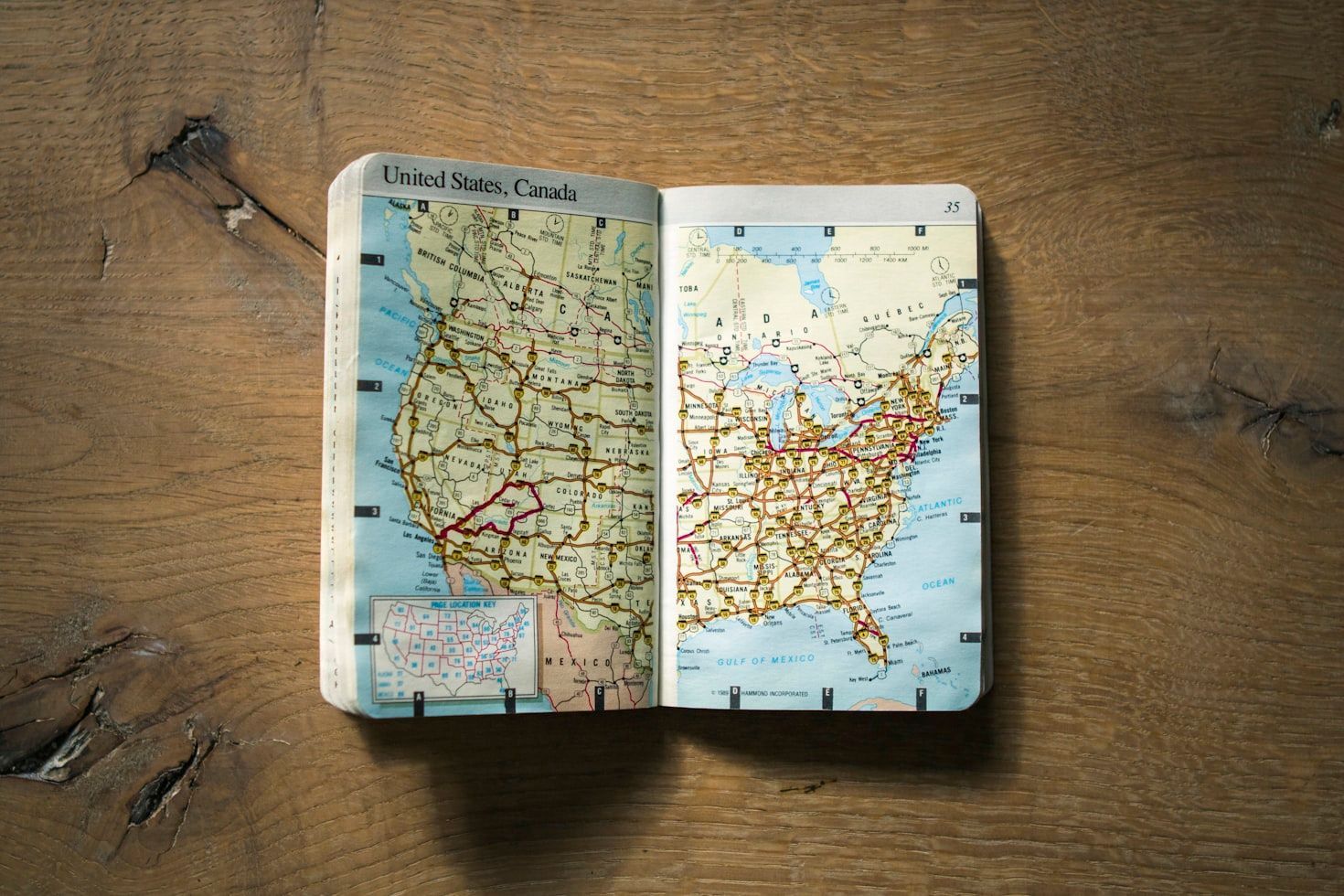
If you ever find yourself near the Texas-Arkansas border, you might find a city called Texarkana. In fact, you might find two cities called Texarkana, one in each state, both in the Texarkana Metropolitan Area.
It’s not clear who named them, but everyone agrees that Texarkana is a portmanteau for Texas-Arkansas-Louisiana. Both cities claim to have the same birth date, but we can debunk this: Arkansan Texarkana was founded a year before Texan Texarkana.
Contrail
 Credit: William Hook
First of all, what is a contrail? Contrails are the line-shaped clouds left by aircraft, missiles, or rockets as a result of engine exhaust vapor combining with low temperatures. The vapor of the engines condenses when it contacts the cold atmosphere, leaving a trail, so condensation + trail: contrail.
Endorphin
 Credit: Madison Oren
Sadly for couch potatoes everywhere, it is a proven fact that exercise makes you feel good. This is because, during physical exercise, our brain creates endorphins, which work as painkillers and mood boosters.
Why are these natural painkillers called this way? You might remember the word morphine, the name of a common opiate analgesic. Endorphins are endogenous, meaning they are created by our organism. Combine this word with an old spelling of morphine, endogenous + morphin: endorphin.
Sitcom
 Credit: Ben Griffiths
Any sitcom fan might tell you that the appeal of the genre is not about the narrative arcs but the funny situations the characters find themselves in.
This comedic format, originally produced for radio, was first called situational comedy. With time, it was combined into a portmanteau, situational + comedy: sitcom.
Parsnip
 Credit: Carl Tronders
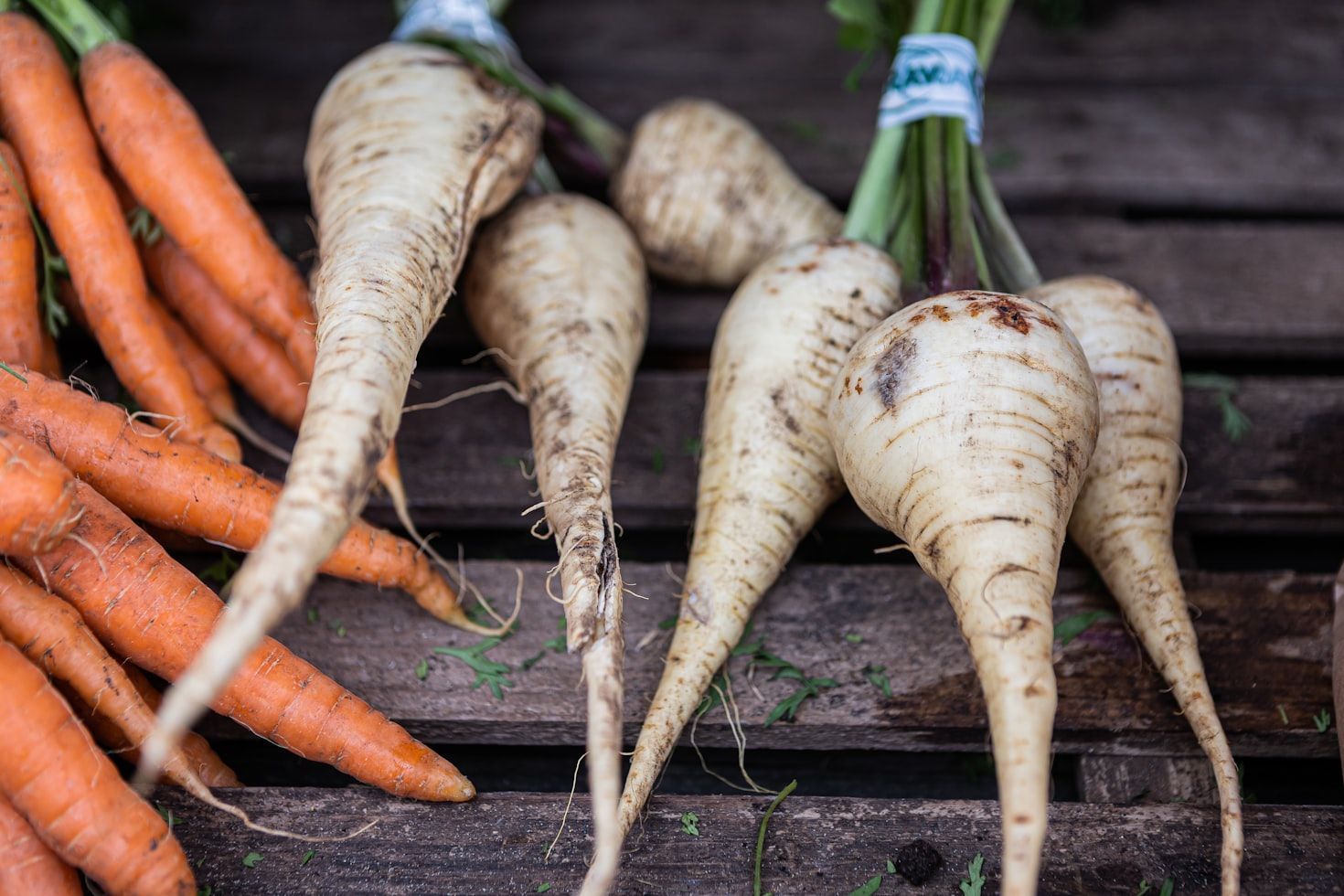
Let’s have a look at a false portmanteau. For centuries before sugar was brought to Europe, parsnips were used as a sweetener. Ancient Romans called them pastinaca, now part of their scientific name (pastinaca sativa). How did they come to be called parsnips?
It is a widespread belief that parsnip is a portmanteau for parsley + turnip, since parsnip leaves look similar to parsley, but this is not true. In Old French, parsnips were called pasnaie, a word that Old English adopted as pasnepe. The ending -nepe meant turnip, so in time, pasnepe evolved into parsnip. So, not a blended word, but one that you will find in many portmanteau lists.
Electrocution
 Credit: Nikhita Singhal
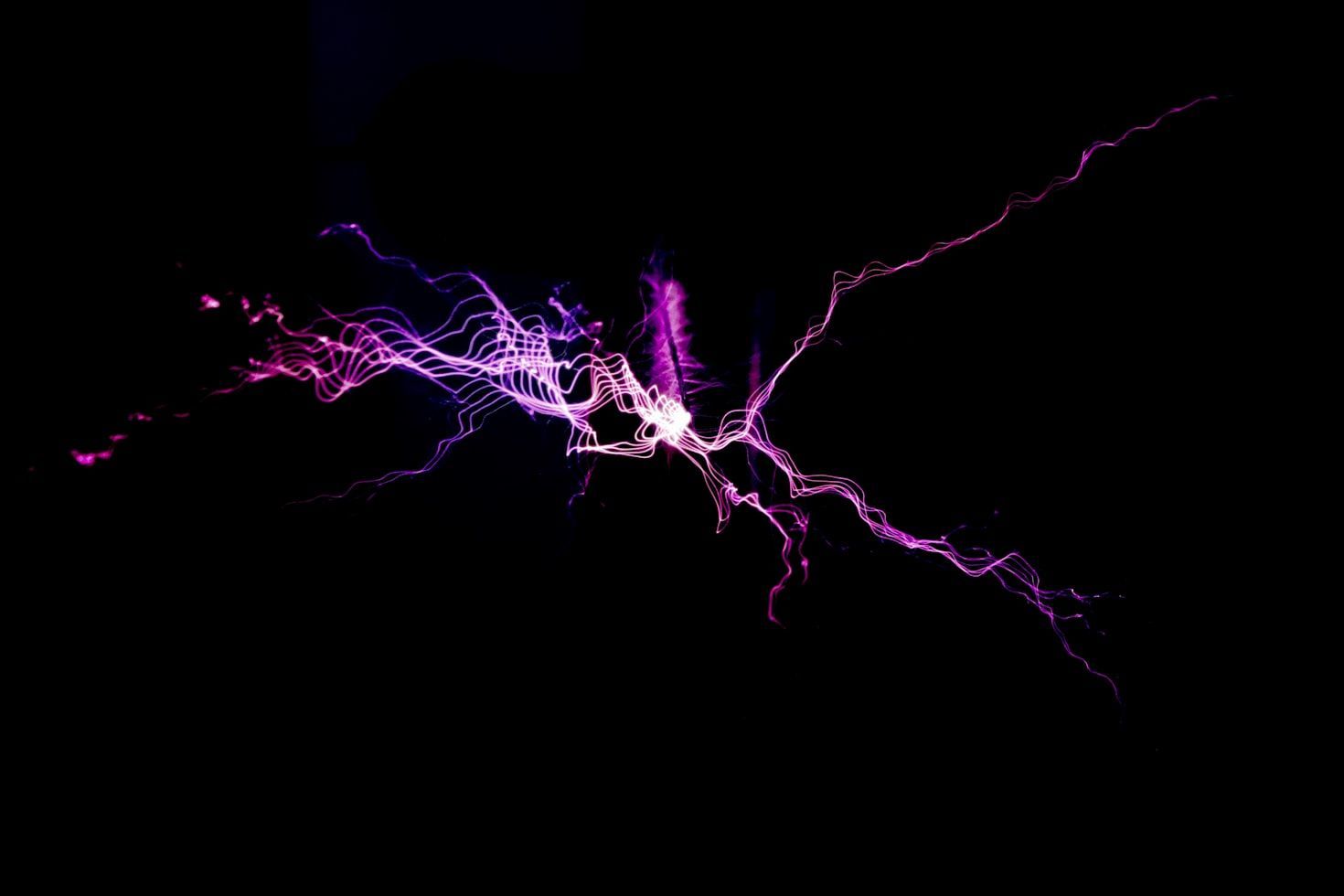
Being electrocuted is not a pleasant experience, and the origins of the word are as gruesome as the thing described. In the late 19th Century, the state of New York adopted the electric shock as the standard form of capital punishment. Newspapers covering the first execution by this method mixed the words electric + execution, coining the portmanteau electrocution.
Lacking a judicial term to describe accidental deaths caused by electricity, electrocution came to be used for all incidents involving an electric shock.
Smog
 Credit: Uvi D
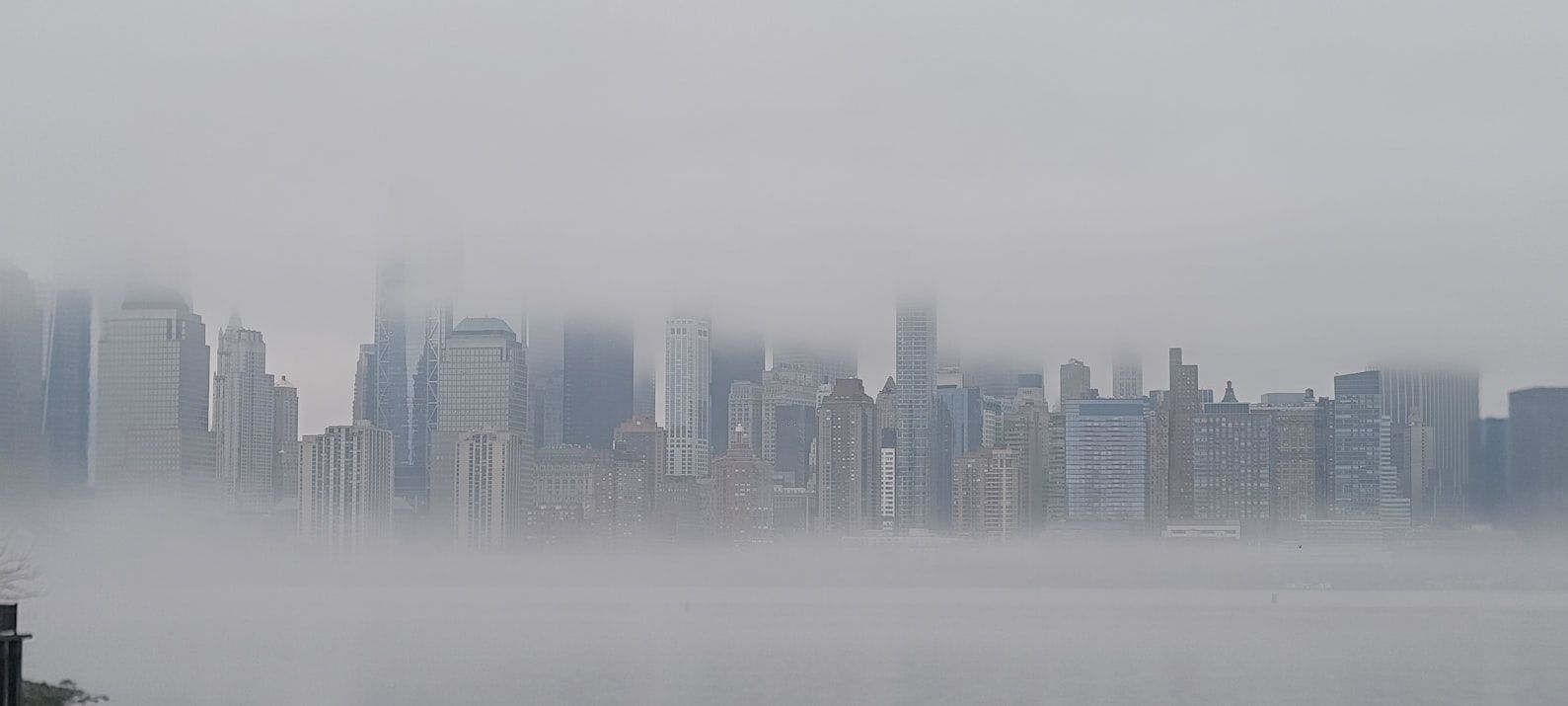
Air pollution is an unfortunate reality in our current world, and words like smog are a byproduct of these environmental issues. The city of London has suffered from bad air quality and fog for many centuries, an issue only worsened by smoke during the Industrial Revolution.
This phenomenon, also called pea soup fog, eventually became known as smog, a portmanteau of smoke + fog. The term not only describes the greyish color associated with it, but also the smell produced by chemical contaminants.
Shepherd
 Credit: joseph d'mello
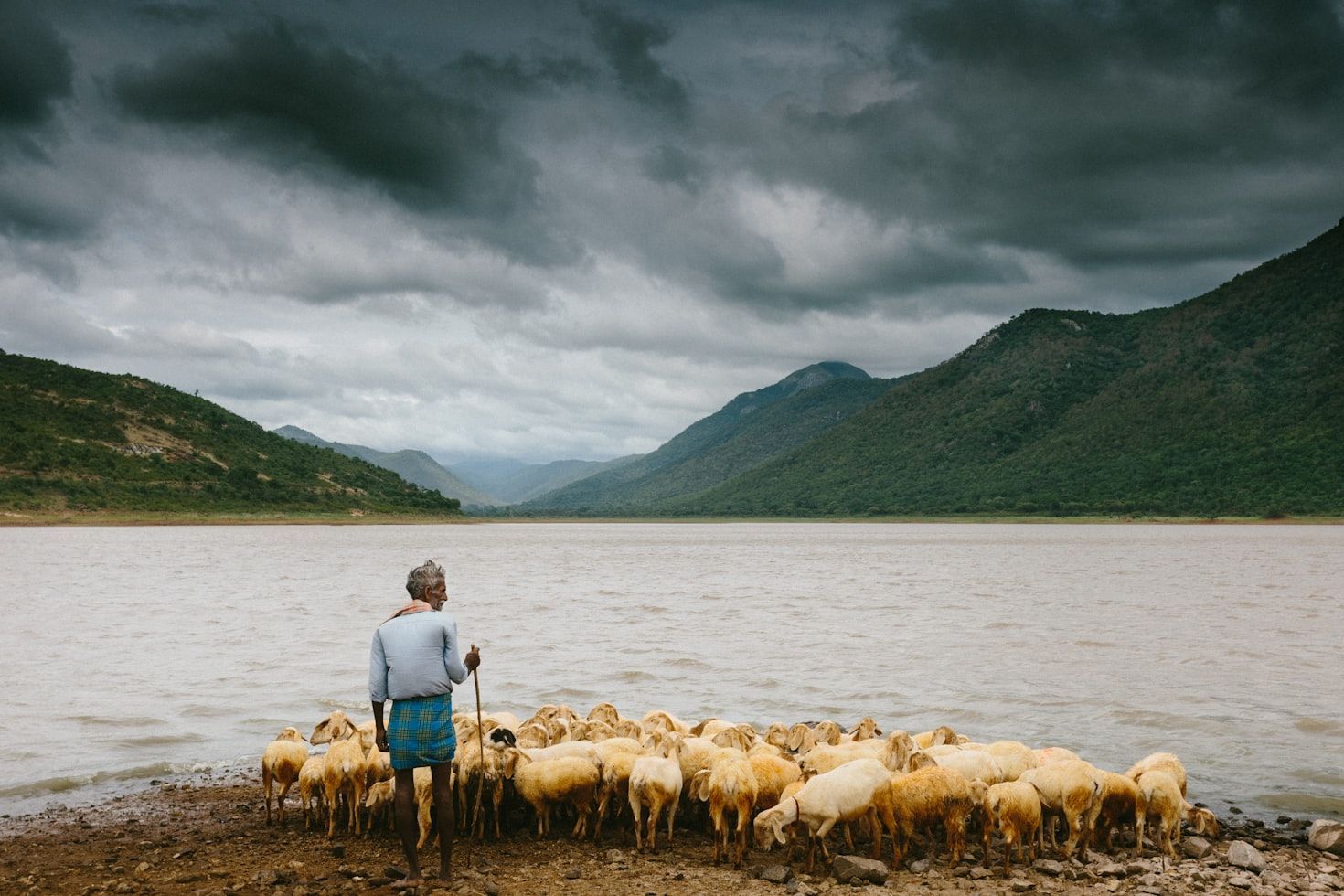
Let’s end our list with a portmanteau nearly as old as the profession it names. In the English language, the word shepherd is recorded as early as the 12th Century, though it had been in use for many centuries before that. Middle English sceepherde comes from Old English scēaphyrde, a portmanteau for scēap (sheep) + hierde (herdsman, someone who keeps domesticated animals).
The original term was only used for animal keepers, but eventually gained the added meaning of ‘leader’ or ‘guide’. Lewis Carroll might have named portmanteaus in the 19th Century, but they have existed since the dawn of time.