Brains and barks

The world's smartest dogs: Wait until you see which tops the list!


Published on September 2, 2025


Image: Cookie the Pom

Every dog has its own unique traits that make it stand out. At the same time, pups of the same breed often share common characteristics, such as strength, speed, or sociability. Today, we're focusing on a peculiar feature: intelligence. If you're wondering how smart your dog is, love learning about different breeds, or are just intrigued by the idea of canine IQs, this article is for you. Join us as we explore the 10 dog breeds considered the smartest in the world!

1

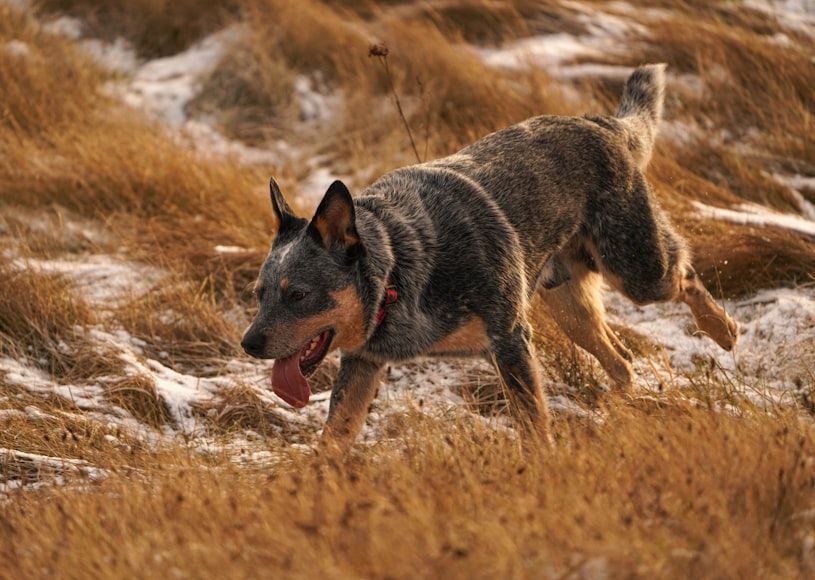
Australian Cattle Dog

Image: Marcin Wojna

If you're looking for a tough, hardworking, and dependable dog, the Australian Cattle Dog is a top choice! Also known as the Blue Heeler, this breed is widely recognized as one of the most intelligent. Originally bred in the 19th century, it was developed to herd cattle across long distances and rugged terrain. Experts praise its strong problem-solving skills, quick learning ability, and independent thinking.

2

Rottweiler

Image: Kevin Seibel

The Rottweiler is one of the oldest herding breeds, with origins dating back to the Roman Empire. Though often feared for their large size and powerful jaws, these dogs are much more than just muscle. Experts note that Rottweilers are quick learners, highly obedient, and excel in search, rescue, and protection work.

3

Papillon

Image: Niko Nieminen

If dogs went to college, the Papillon would be on the honor roll. Also known as the Continental Toy Spaniel, this breed is easily recognized by the shape of its ear fringes, which resemble wings. Known for being smart and alert, this little pup is great at learning new commands and performing complex tricks. And there’s more: Papillons are highly social dogs that get along well with people and other pets. Did you know that this was Marie Antoinette's favorite dog breed?

4

Labrador Retriever

Image: Vincent van Zalinge

These are the gentle souls of the neighborhood. Known for serving as guide and therapy dogs, this English breed is often praised for its energy, sociability, loyalty, sensitivity, anticipatory skills, and strong obedience. Perhaps that’s why the Labrador Retriever held the title of the most popular dog breed in the United States for more than 30 consecutive years!

5

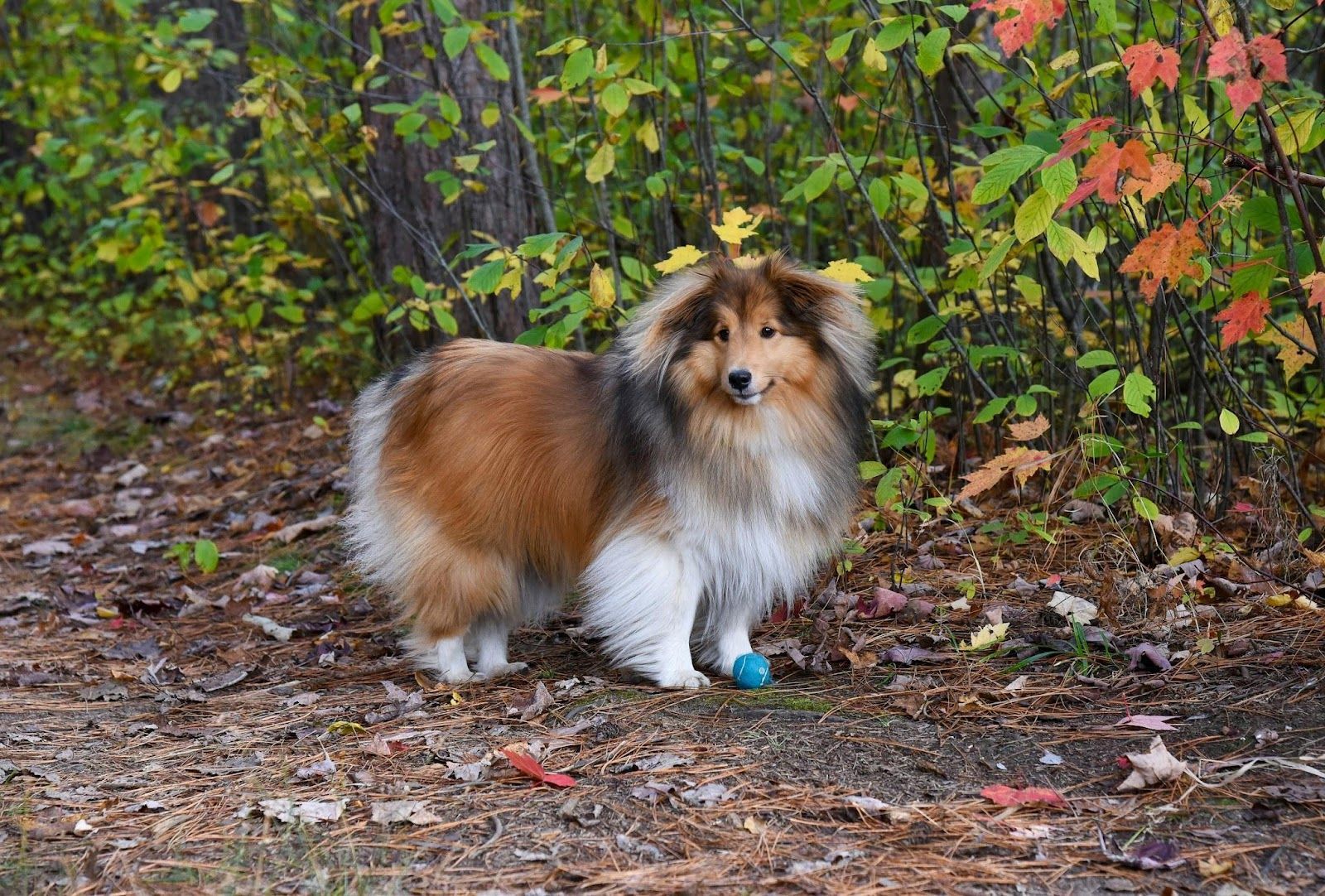
Shetland Sheepdog

Image: Kat van der Linden

As its name suggests, this beautiful breed was developed to herd sheep and protect livestock. Don’t let their small size fool you—Shelties have a surprisingly powerful bark that carries over long distances. Experts highlight their loyalty and their impressive ability to learn new commands quickly and respond with great precision. Additionally, their alertness and problem-solving skills make them ideal for herding tasks.

6

Doberman Pinscher

Image: Ryan Hyde

Let’s be honest: most of us feel a little intimidated by the piercing gaze of a Doberman Pinscher—and with good reason! These dogs are naturally protective and highly alert. The Doberman is fast, smart, and fearless, qualities that make it a preferred breed for police, military, and protection work. It might not be the friendliest dog on the block, but it's definitely sharp and focused.

7

Golden Retriever

Image: Taylor Sondgeroth

Here’s a true star: the Golden Retriever, one of the most popular dog breeds worldwide, especially as a family pet. Their friendly, affectionate, and trustworthy temperament pairs perfectly with their high intelligence and quick learning ability. Thanks to their emotional awareness and impressive cognitive skills, Golden Retrievers excel in therapy work and search-and-rescue missions.

8

German Shepherd

Image: Yuriy Bogdanov

Do you remember Rin Tin Tin? Known worldwide as a "police dog," the German Shepherd is a hardworking and dedicated breed. While it sometimes gets a bad rap, this dog is actually very affectionate, loyal, and fiercely protective. Its intelligence ranks it among the top dog breeds, with experts highlighting its obedience, problem-solving skills, and ability to learn complex commands.

9

Poodle

Image: RR Rivera

This adorable breed ranks number 2 out of 110 in intelligence! Friendly, athletic, highly obedient, and impressively smart, Poodles were recruited by European circuses in the 18th and 19th centuries to perform amazing tricks and routines. Among their most remarkable traits are exceptional learning ability, excellent memory, and strong problem-solving skills.

10

Border Collie

Image: Anna Dudkova

We have a winner! The Border Collie is widely recognized as the most intelligent of all dog breeds. It has it all: athleticism, energy, agility, speed, quick learning, sharp memory, excellent tracking skills, fast responses, intense focus, and outstanding problem-solving ability. In the early 2000s, a Border Collie named Chaser earned the title of "The smartest dog in the world." She shocked researchers by learning and remembering over 1,000 words linked to objects and actions!



Menu mind games: 10 dishes that aren't what they sound like


Published on September 2, 2025


Image: New Africa

If you’ve ever ordered a dish expecting a sweet pastry and received a plate of organ meat instead, you have experienced the confusing world of culinary misnomers. Food names are rarely literal. Often, they are shaped by historical slang, ironic jokes, changing definitions, or creative marketing to make a strange dish sound more appetizing. Here are ten of the most famously misleading food names out there.

1

Welsh rabbit

Image: kokofoundit

If you order Welsh rabbit expecting a plate of meat, you will be disappointed. Welsh rabbit contains absolutely zero poultry. Instead, it’s a savory comfort dish featuring a melted cheese sauce seasoned with ale, mustard, and Worcestershire sauce, poured hot over toasted bread.

The name originated in 18th-century Britain as a joke. At the time, the Welsh were stereotyped as being particularly fond of cheese, and the name was likely a mocking way to imply that they either couldn’t afford real meat or lacked the hunting skills to catch a rabbit.

2

Sweetbreads

Image: Pozhar_S

This item is neither sweet nor is it a baked bread. Sweetbreads are a type of offal—the culinary term for organ meats—specifically referring to the thymus gland or pancreas of a calf or a lamb.

The origin of this deceptive name has two linguistic origins. The "sweet" part likely refers to the meat’s delicate and slightly sweet flavor compared to other meats like liver or kidney. The "bread" part comes from the Old English word bræd, which meant flesh or meat. Over the centuries, the spelling shifted to look like a bakery item, leading to modern confusion.

3

Rocky Mountain oysters

Image: Sham Clicks

Found mainly on menus across the American West and the Canadian prairies, this dish has nothing to do with oysters. You won’t find any pearls here: Rocky Mountain oysters are bull, pig, or sheep testicles. They are typically peeled, coated in a seasoned flour batter, and finally deep-fried.

The name is a euphemism. When cattle ranchers separated young bulls from the herd, they minimized waste by turning every part of the animal into food. To make the dish sound more attractive, they dubbed them "oysters" for the similar slippery texture of the raw seafood counterparts.

4

Headcheese

Image: Natalia Hanin

Despite what the name implies, headcheese is a cold cut, specifically a meat jelly or terrine made from the flesh of a pig or calf’s head. The meat is simmered with spices, chopped up, and cooled inside its own natural gelatinous broth until it sets into a sliceable loaf.

The confusion lies in how the word "cheese" used to be used. Historically, "cheese" could refer to any food item that was pressed, molded, and shaped into a solid block or loaf.

5

Marrowfat

Image: James McDowall

The name marrowfat evokes images of savory animal fat. In reality, marrowfat is 100% plant-based. Marrowfat peas are a specific variety of large green peas that are left to dry naturally in the field before harvesting.

Linguistically, the name combines two older adjectives. "Marrow" was used to describe something plump, soft, and thick-textured, while "fat" was used to describe any crop or soil that was unusually rich or abundant.

6

Ladyfingers

Image: WS-Studio

Although the name sounds like an ingredient from a fairy tale, ladyfingers are actually sweet sponge biscuits. They are used as the base for several desserts, such as Italian tiramisu and British trifles.

Ladyfingers are said to have originated in the 14th century at the court of the County of Savoy, to mark a visit by the King of France. Their long shape and their resemblance to slender fingers earned them their name.

7

Egg cream

Image: Brent Hofacker

Order an egg cream at an old-school New York City soda fountain, and you’ll get a frothy drink with no eggs and no cream. A traditional egg cream consists of just three ingredients: whole milk, seltzer water, and chocolate syrup.

How did a drink with no eggs or cream inherit such a name? The most popular theory points to a linguistic mix-up. Brooklyn soda fountain owners in the early 20th century may have used the Yiddish word echt, which means "genuine" or "real." Customers likely misheard echt cream as "egg cream," and the catchier name stuck.

8

Sweetmeat

Image: Samosudov

To a modern reader, "sweetmeat" might sound like glazed ham or candied bacon. However, it’s an old-fashioned word for simple candy, candied fruits, or sugar confections.

In Old English, mete didn't mean animal flesh; it was a generic term for any solid food or sustenance. Therefore, a "sweet-meat" was merely a "sweet food item." As the definition of meat narrowed exclusively to animal muscle, the candy word stayed current.

9

Cold duck

Image: Natalia Carbajal

If you see Cold Duck on the menu, don’t expect a savory poultry dish. Cold Duck is a sweet cocktail made by blending sparkling red wine with champagne.

The name is actually a translation error originating in Germany. Invented in the 19th century, the drink was originally called Kalte Ende (meaning "cold end"), because it was made by mixing all the leftover, opened bottles of wine together. Over time, the German word Ende (end) was accidentally mispronounced as Ente (duck). When the recipe traveled across the Atlantic, it was translated literally into English as "Cold Duck."

10

Spotted dick

Image: Foodgraphy39

Despite its name, Spotted Dick is a completely innocent dessert. It’s a traditional British steamed pudding packed with dried fruits like raisins and currants, usually served on top of warm vanilla custard.

The confusion lies in old regional dialects. The "spotted" part describes the dark raisins peeking out of the dough. "Dick," on the other hand, was a 19th-century dialectal corruption of the words pudding or dough (likely evolving from dough to dook to dick).

Looking for an extra scoop of literary fun?

Learn more with our Word of the day

humanity

/hjuˈmænədi/