Time-tested phrases

Time flies! Fun idioms that make every second count


Published on November 20, 2025

Image: Aron Visuals

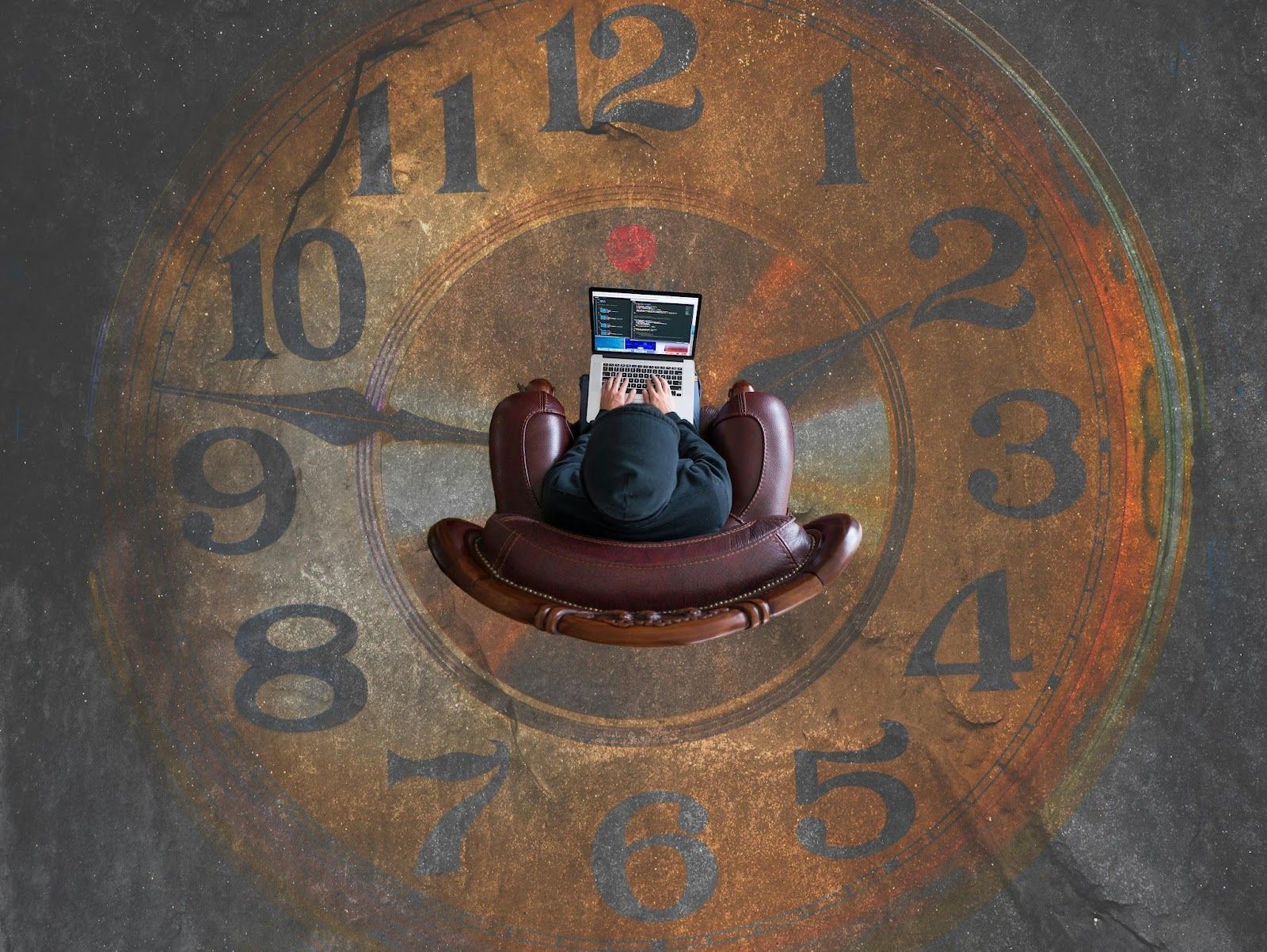
Clocks, alarms, calendars: since ancient times, humans have been finding ways to measure time. And because time plays such a central role in our lives, it’s no surprise that it’s also a key part of our everyday language, often without us even realizing it. From trying to "beat the clock" to learning to "hold our horses" or waiting for something that happens "once in a blue moon," today we’re exploring the origins and meanings of 10 time-related idioms you’ve probably never stopped to think about.

1

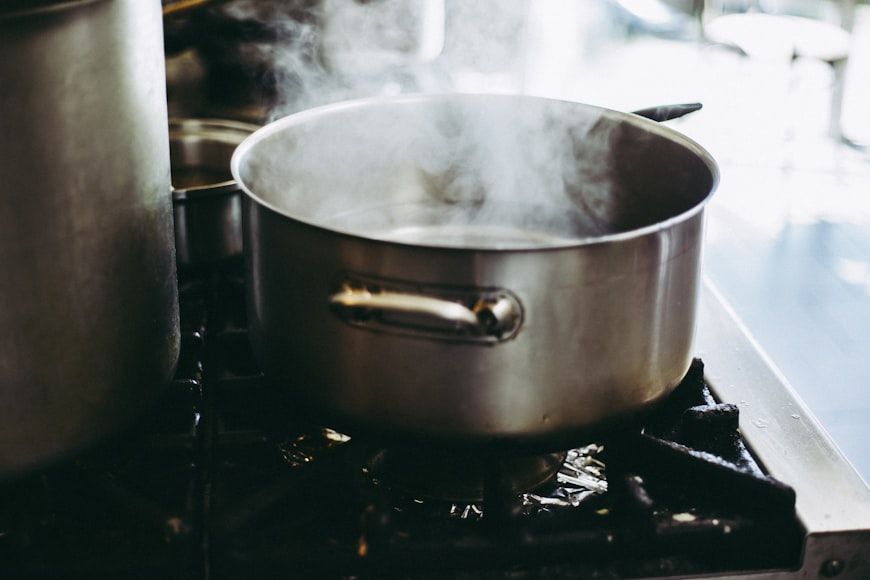
A watched pot never boils

Image: Michal Balog

"She kept pacing while waiting for the test results, but a watched pot never boils."

Remember that class in school that felt like it would never end? The more you watched the clock, the slower the minutes seemed to pass, making time feel like it stood still. That’s exactly when the idiom "a watched pot never boils" fits perfectly, capturing that impatient feeling we get when we’re desperately waiting for something to happen.

2

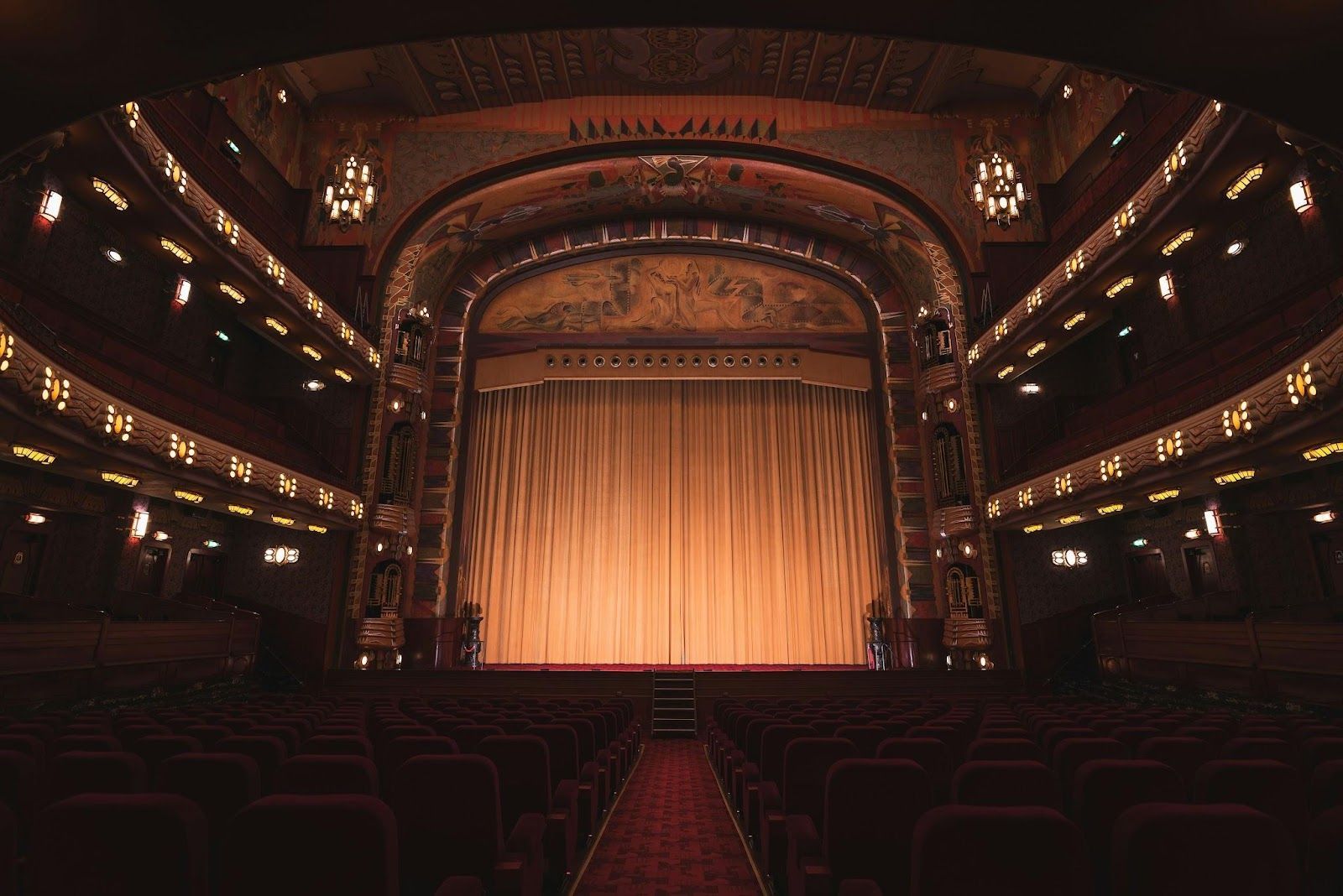
Waiting in the wings

Image: Liam McGarry

"With the current mayor nearing retirement, several ambitious candidates are already waiting in the wings."

Theater has given us many of the idioms we use every day, most of them inspired by its traditions and stagecraft. The "wings," for example, are those areas on both sides of the stage, where actors stand before stepping into the spotlight. That’s where the expression "waiting in the wings" comes from; it describes someone who’s ready and poised for the perfect moment to act.

3

Time is money

Image: Kevin Ku

"Don’t waste your morning scrolling through social media. Remember: time is money."

There’s one thing humanity has tried for ages but still hasn’t been able to achieve: turning back time. You can regret the past or wish with all your heart to relive it, but once time is gone, it’s gone. That’s where the popular saying "time is money" comes in, reminding us of the value of time and why we should use it wisely. Often credited to the brilliant Benjamin Franklin, it’s a phrase nearly everyone has heard or used at some point.

4

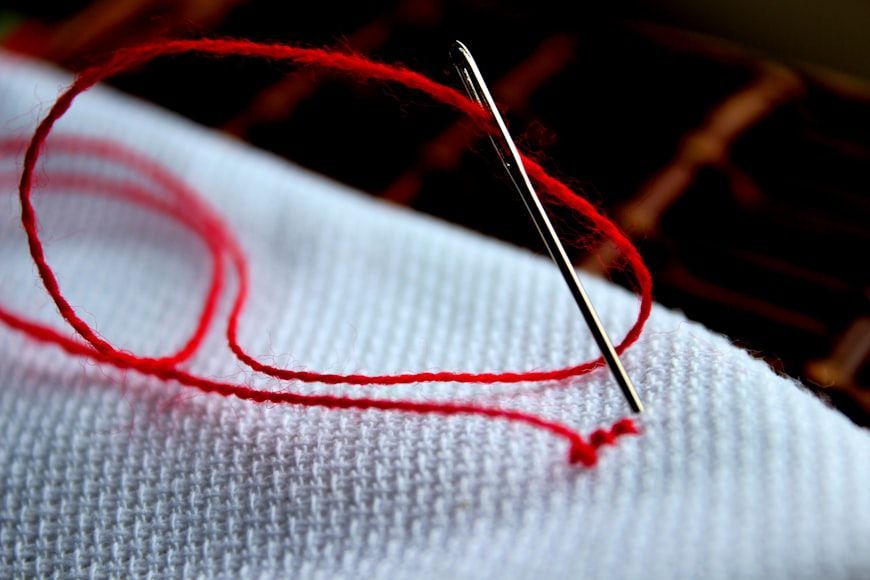
A stitch in time saves nine

Image: Kateryna Shevchenko

"I told my friend to see a doctor when her cold started, because a stitch in time saves nine."

Originating from the world of sewing—where a quick stitch can stop a small tear from turning into a big rip—this idiom reminds us that the sooner we deal with a problem, the easier it is to fix. Do you live by that rule, or are you the type who waits until the hole in your shirt becomes impossible to ignore?

5

Once in a blue moon

Image: Kym MacKinnonv

"We go to the beach together once in a blue moon, but it’s always special."

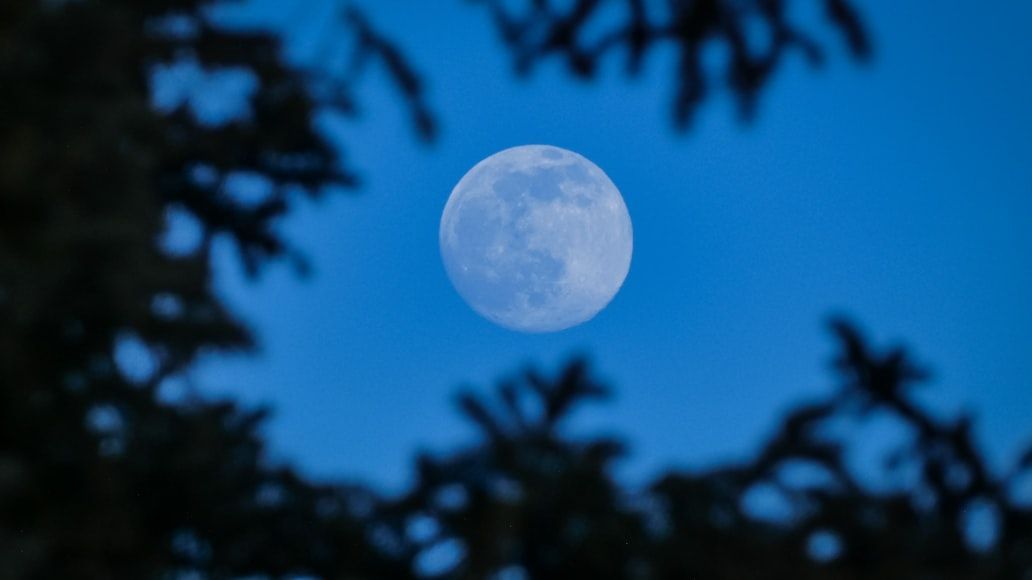
In astronomy, a blue moon refers to the second full moon in a single calendar month. Despite the name, it has nothing to do with the moon’s color. Since this event happens only about once every two or three years, the expression "once in a blue moon" is used to describe something that occurs very rarely—or almost never.

6

Beat the clock

Image: Andy Beales

"The firefighters beat the clock and stopped the flames from spreading."

You wake up at 8:15 and need to be at the office by 9. If you actually make it, you can proudly say you "beat the clock." This expression, meaning to finish something just in time or before a deadline, likely originated in the world of sports, especially racing. But it really became popular thanks to the TV game show Beat the Clock, where contestants had to complete fun challenges before time ran out.

7

A whale of a time

Image: Mayte Garcia Llorente

"Grandpa had a whale of a time telling us his old adventure stories."

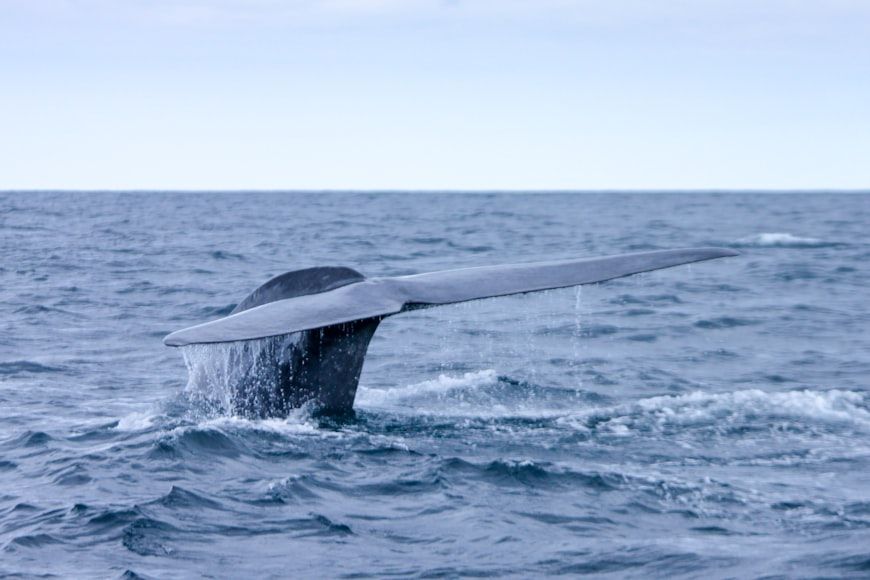
We’ve all had that moment after a fun night out with friends when you get home, smile to yourself, and think about how great the event was. That’s when you can say you had "a whale of a time." This expression dates back to the 19th century and uses the whale’s enormous size as a metaphor for the big, unforgettable experience you’ve just had.

8

Hold your horses

Image: Kimberly Archambault

"I know you’re excited about the trip, but hold your horses until we finish packing."

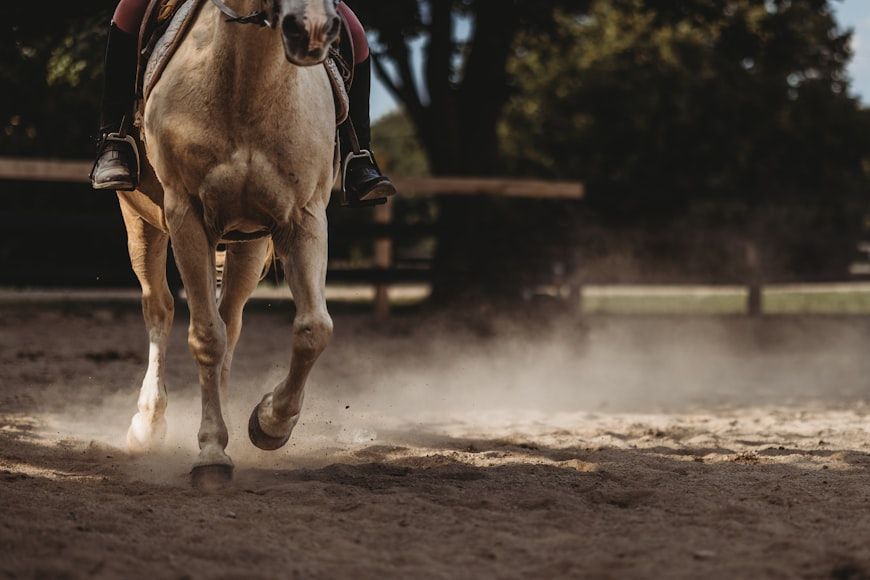
You don’t have to live in the countryside to know that when you’re riding a horse or driving a cart, you need to pull on the reins to slow down or stop. That’s exactly what this idiom is about: patience and self-control. When someone tells you to "hold your horses," they’re suggesting that you should wait a moment or proceed more carefully in a situation.

9

The time is ripe

Image: Rosario Fernandes

"She felt the time was ripe to tell her family about her plans."

No matter how hungry you are, if you take that delicious pie out of the oven too soon, it probably won’t turn out right. Sometimes, it’s better to wait for the perfect moment. Just like when harvesting fruit, you wait until it’s fully ripe before picking it. That’s exactly what the idiom "the time is ripe" communicates: it’s the right moment to take action.

10

Hang fire

Image: Petra Reid

"I’ll hang fire on making my decision until I’ve spoken with everyone involved."

Back in the 17th century, things weren’t like they are today; even firearms worked differently. Flintlock guns, for example, sometimes had a delay between pulling the trigger and the bullet firing. This specific malfunction gave rise to the idiom "hang fire," which refers to any situation or person that is delayed or hesitant.


WORD MASH-UP

Mixed words that make sense: 10 portmanteaus explained


Published on November 20, 2025


Image: Nick Fewings

In life, many inventions came from mixing things around, the ebay cocktails were at least! Well, something similar happens with words, they are called portmanteaus: two words are cleverly fused to create a new one with an original meaning, of course. These linguistic mashups are not only funny, but they are also convenient and expressive: there’s no way to replace words like "brunch" or "workaholic." In this article, we’ll explore 10 portmanteaus and explain how they were formed and what they mean. Are you ready? Let’s go!

1

Brunch

Image: Priscilla Du Preez 🇨🇦

Let’s kick off the list with a classic. This word is so commonly used, that we often forget it’s actually a combination of "breakfast" and "lunch." It was born after the need to call that late-morning meal something new.

A brunch can also be a social event as much as a meal, often accompanied by friends, laughter, and relaxed vibes. Modern, practical, and precise, this one is here to stay.

2

Adorkable

Image: Warren

You probably know someone who is a bit awkward and nerdy, but irresistibly cute. Well, that person is "adorkable." This word is a combination of "adorable" and "dork," and far from being an insult, it describes someone whose interests may be uncommon, yet they are cute and appealing.

The word has found a home in popular culture, introduced by Fox to describe the main character of an upcoming TV series. But it stayed because it is an accurate and affectionate description, don’t you agree?

3

Biopic

Image: Daizy Isumi

Bohemian Rapsody; I, Tonya; The Social Network, can you guess what they have in common? First of all, they are movies, specifically "biopics." But the distinctive feature is that they all portray the significant lives of real people. In the case of the movies mentioned, the people were Freddie Mercury, Tonya Harding, and Mark Zuckerberg.

The word "biopic" combines the words "biography" and "picture." Whether it’s an artist, politician, or scientist, biopics aim to capture the essence of a person’s life on the big screen. They offer a peek into history and, more often than not, it’s used to highlight some aspects of these people’s lives.

4

Motel

Image: Steven Lewis

Did you know the word "motel" is a portmanteau? It combines the words "motor" and "hotel" and it emerged during the rise of automobile travel in the mid-20th century. What was the appeal of motels? Their location!

Motels provided convenient, roadside lodging for travelers who didn’t want to stray too far from the highway. They were budget-friendly and perfect for a quick overnight stay. Of course, over the years, motels have become an iconic and essential part of American road culture. While often depicted as mysterious in movies, they are still the number one choice for weary drivers!

5

Edutainment

Image: Tim Mossholder

Who said learning can’t be fun? In fact, most professionals agree that the best way to effectively learn something is through enjoyment! So, "education" meets "entertainment" to give birth to "edutainment," a term to describe educative content that is also recreational and fun to make the learning experience, an enjoyable one!

The term has been embraced by everything from children’s TV shows to interactive museums, where people can experience lively tours that help the information stick. Learning is not a chore anymore, edutainment will keep everyone engaged!

6

Workaholic

Image: KOBU Agency

Neither too little nor too much is good in any case! The same goes for work. We all want to strive and improve in life, but being addicted to work won’t get us anywhere. Don’t be a "workaholic"!

This word combines "work" and "alcoholic," and even though alcohol isn’t involved in this description, the term was chosen to refer to an addiction. The adjective describes those who cannot stop working, usually to the detriment of their personal lives. While this behavior is not recommended, no one can deny it was a necessary word!

7

Frenemy

Image: Monika Simeonova

In social circles, the workplace, and even within the family, we all have that one person for whom we can’t really decide whether we love or hate them—that’s our personal "frenemy."

A frenemy is someone who blurs the lines between "friend" and "enemy," a blend of both. It describes the kind of person who might support you but also somehow, compete with you. It’s truly a unique, and often confusing dynamic. Nothing personal, it’s all about chemistry!

8

Mockumentary

Image: Jakob Owens

Have you watched The Office? That series is set in a paper company, where we follow the people who work there, their relationships, and their terribly useless boss. It’s styled as a documentary, but it is actually a work of fiction and also a bit of a satire. That’s what makes it a mockumentary.

Blending the words "mock" and "documentary," this specific type of film imitates documentary-like features, such as the handheld camera or characters’ interviews and comments, while incorporating fictional stories and deadpan humor, absurd situations, and satirical elements. The purpose? To mock real-life scenarios or exaggerate them.

9

Webinar

Image: Austin Distel

We’ve already learned that education can take a fun turn and become entertaining. Similarly, education also found a way to become accessible to all through the internet, our best ally when it comes to learning. A "webinar" is a blend of "web" and "seminar," and it refers to online educational events.

It’s a product of the digital age and the goal is to increase accessibility and comfort, as they are typically attended from home. They have become a key piece of professional development and, during the pandemic, were highly requested to keep up with the educational goals. Creative, don’t you think?

10

Phablet

Image: Firmbee.com

To close our article, we’ll also explore a word that comes from the technological field. In this case, the word "phablet" is a combination of "phone" and "tablet." You may wonder why this word was created, and that would be a fair question.

A phablet is what you get when you combine both technology devices in order to create a device with a larger screen—bigger than a phone but smaller than a tablet. It is both an inventive device with a creative word that aims to give users the best of both worlds. The comfort of a phone, with the size(-ish) of a tablet. Did you know about this one?

Looking for an extra scoop of literary fun?

Learn more with our Word of the day

humanity

/hjuˈmænədi/