Animal world
This pigeon saved 500 soldiers during WWI. Read about her story
Published on August 19, 2026
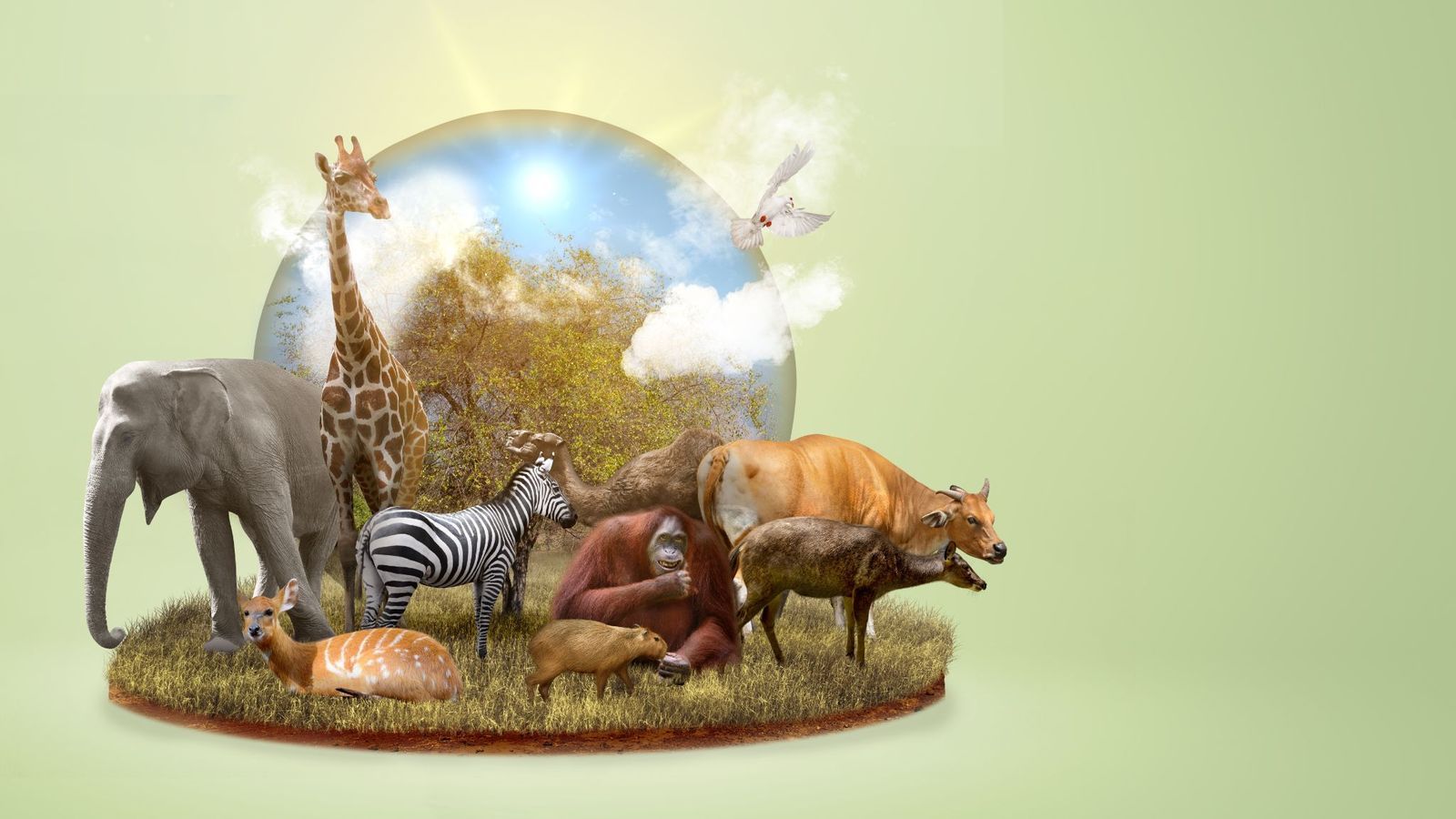
There’s a sled dog that battled a blizzard to deliver medicine, a horse that solved math problems, a cloned sheep, and that’s just the beginning. Some major events in history didn’t have people as their protagonists, but animals, and their stories deserve to be read. Here are 10 remarkable animals that changed science, war, medicine, and even the future of human flight.
Beautiful Jim Key, the horse
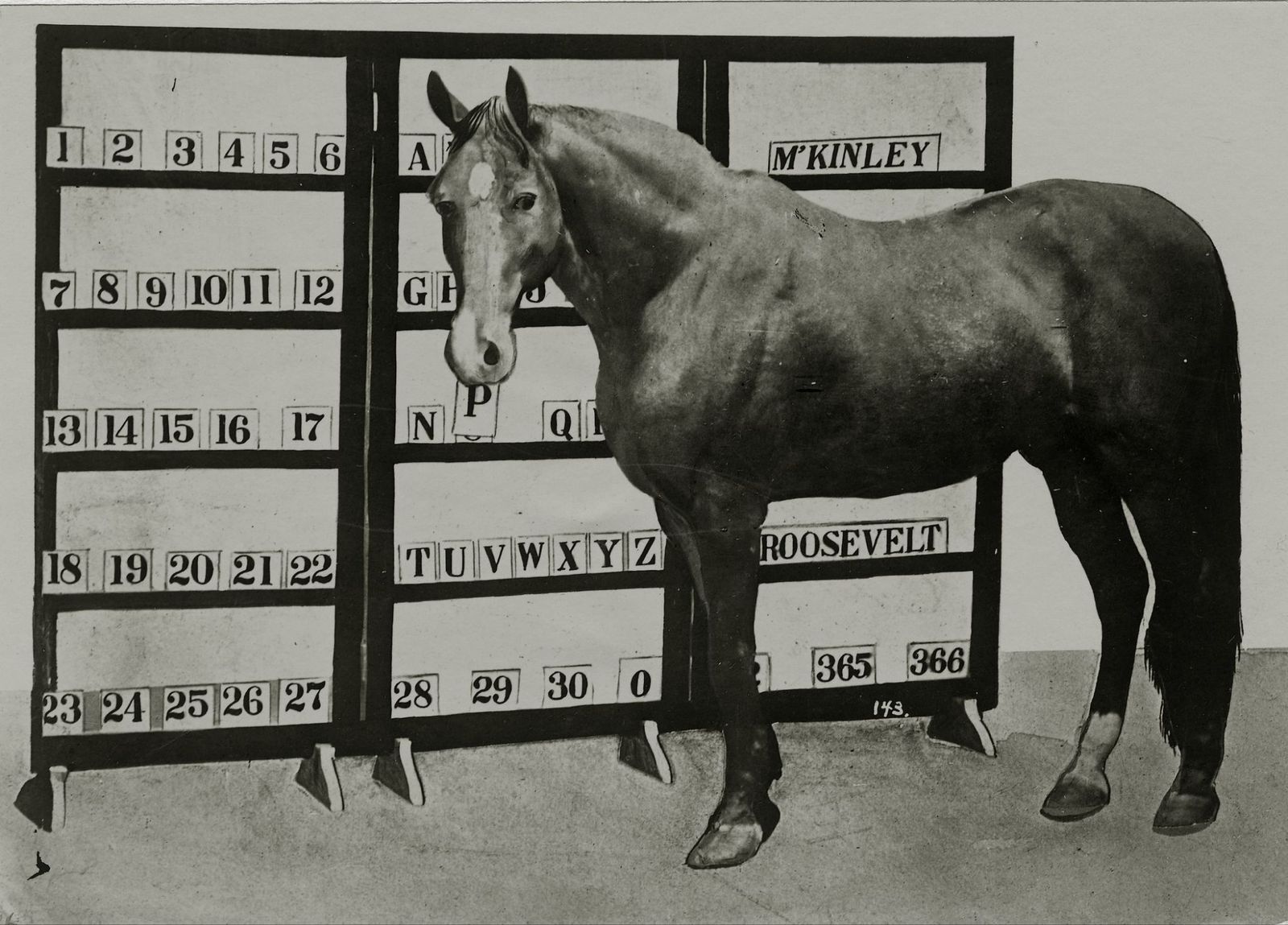
It’s not uncommon to see cute animals perform impressive tricks, and there are even talent shows specifically for animals. But more than a century ago, one remarkable horse stunned Americans by appearing to read, spell, and solve math problems.
Beautiful Jim Key was born in Tennessee in 1889 and was trained by Dr. William Key, who had been born enslaved in 1833 and taught himself veterinary medicine after emancipation. Key noticed the young horse watching him play fetch with a dog and decided to see what else the animal could pick up. Using patience instead of harsh methods, Dr. Key taught Jim to recognize letters, numbers, and words well enough to amaze crowds across the country. The horse debuted in 1897 at the Tennessee Centennial Exposition in Nashville. He could spell simple words, identify coins, operate a cashier, and hand back correct change to customers. President William McKinley watched him perform and called it one of the most astonishing exhibitions he had ever seen.
Snowball, the cat
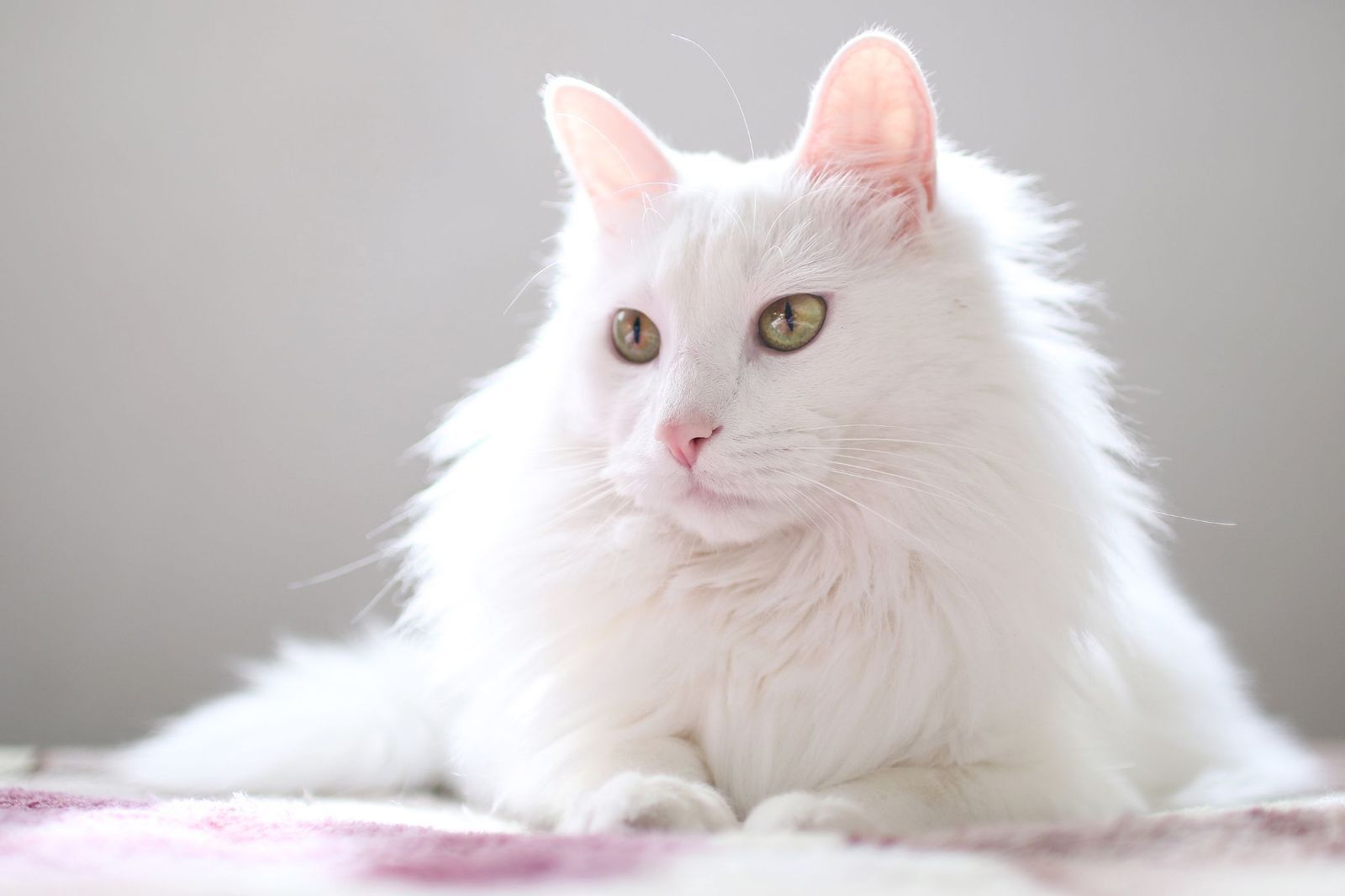
Detective shows lovers know that tiny clues can crack a case wide open. Fingerprints, footprints, and stray hairs have solved countless mysteries. In 1994, a criminal case was broken through due to a cat’s hair.
In 1994, Prince Edward Island, Canada, became the setting for one of forensic science’s most unusual breakthroughs. After the murder of Shirley Duguay, investigators found white cat hairs on a bloodstained jacket belonging to the natural suspect, Douglas Beamish, her partner. Tucked inside the lining were 27 strands of long white fur. Those hairs matched Snowball, Duguay’s pet cat, through DNA extracted from the fur. It marked the first criminal conviction in which non-human DNA played a decisive role. The case demonstrated that animal DNA could connect suspects to crime scenes just as effectively as human evidence. Snowball never knew he was helping detectives, but it was his fur that changed forensic investigations forever.
Cher Ami, the pigeon
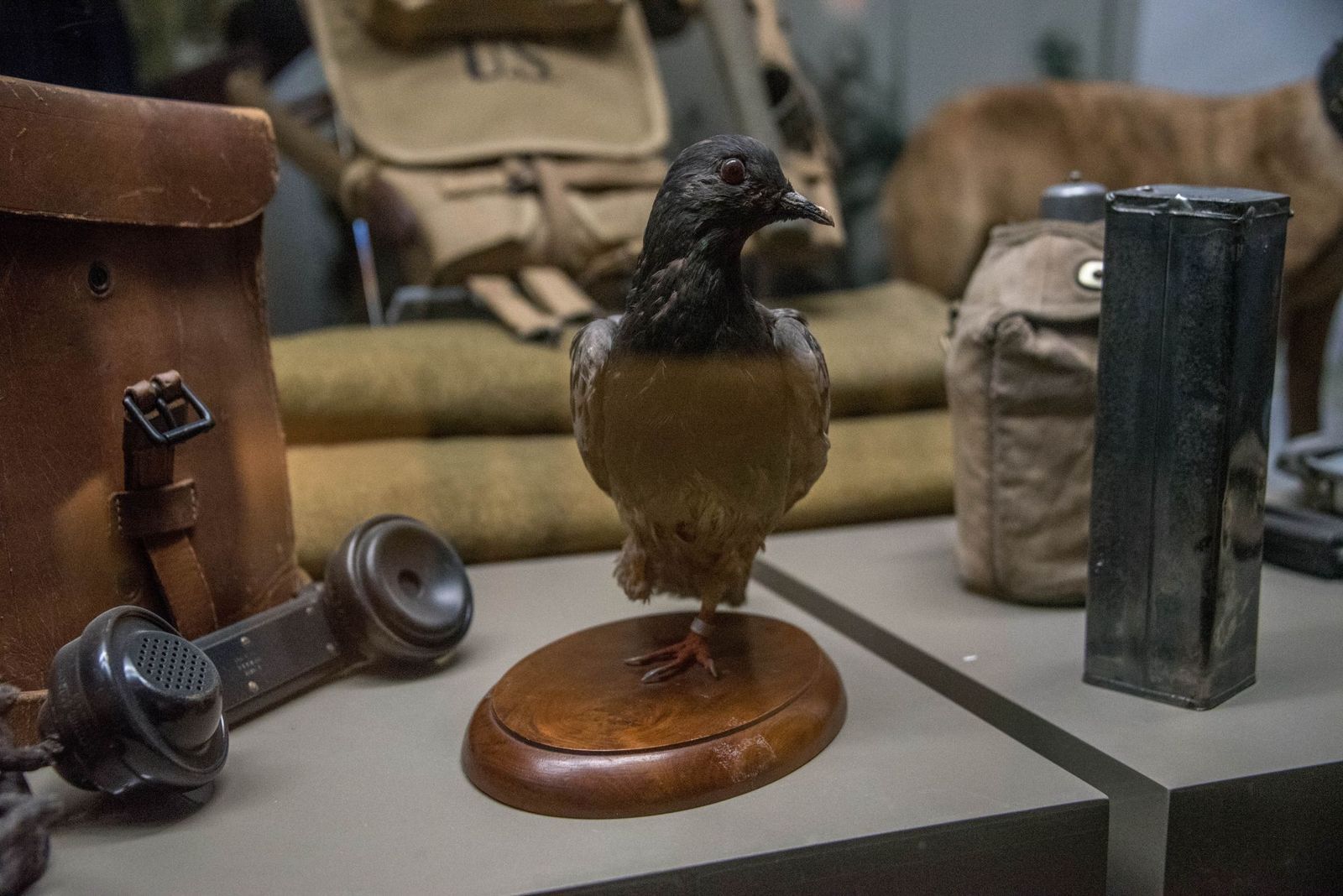
During wartime, a missed message could cost hundreds of lives. Long before radios became dependable on the battlefield, armies often relied on an unlikely messenger that could succeed when every other method had failed.
Cher Ami was a homing pigeon serving with the American Expeditionary Forces during WWI. In October 1918, more than 550 American soldiers of the "Lost Battalion" became trapped in France’s Argonne Forest and were mistakenly shelled by their own artillery. Major Charles Whittlesey had already lost two messenger pigeons to enemy fire when he released his last bird, a Black Check cock named Cher Ami, carrying a note begging American gunners to stop the barrage. Despite being shot through the chest, blinded in one eye, and nearly losing a leg, Cher Ami completed the flight carrying the desperate message that identified the battalion's true position. The shelling stopped, and roughly 194 soldiers survived the ordeal. The pigeon received the French Croix de Guerre, and her body is displayed at the Smithsonian Institution.
Dolly, the sheep
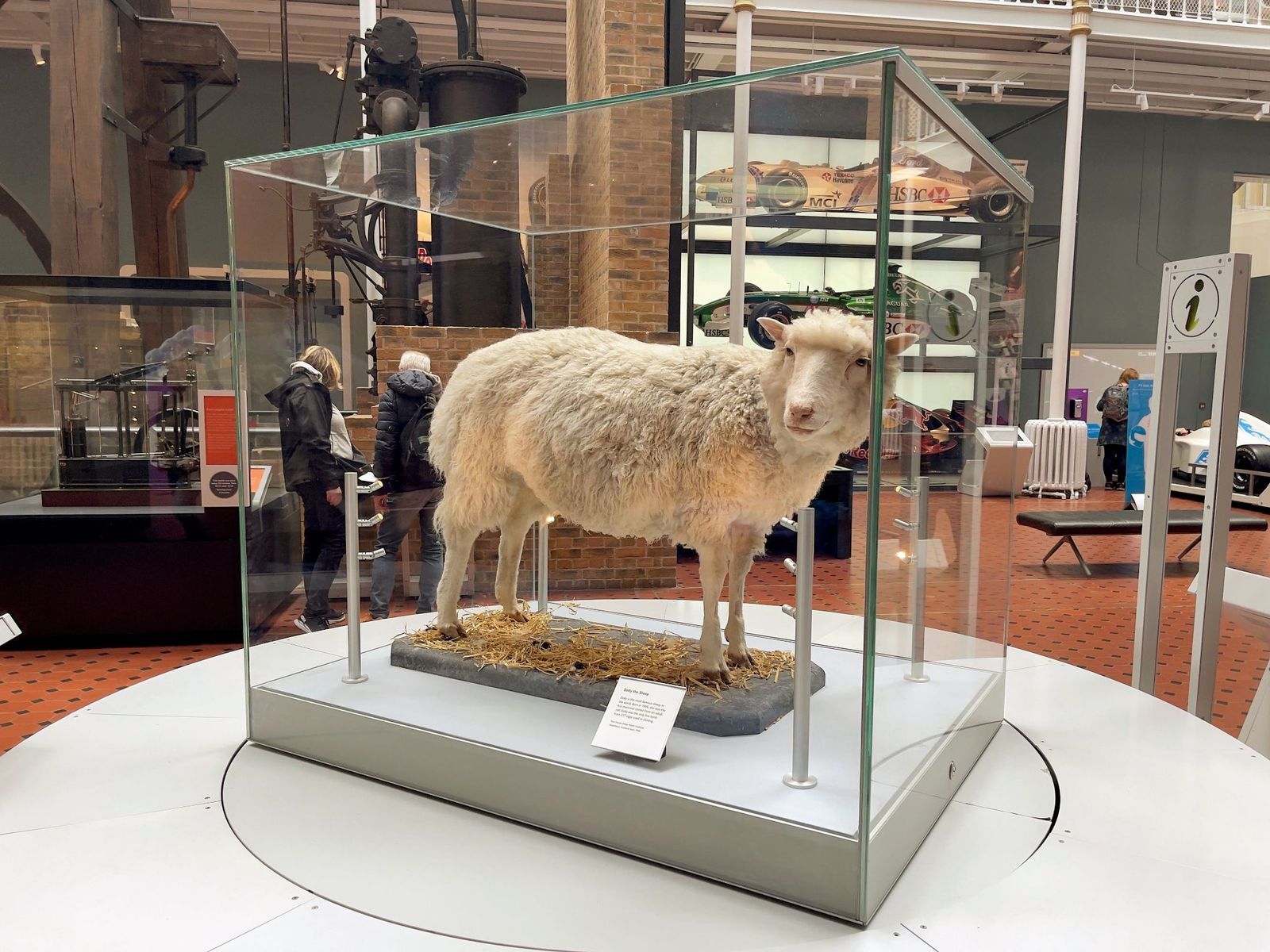
If you were watching the news in February 1997, you probably remember the day this story broke. Dolly was born on July 5, 1996, at the Roslin Institute near Edinburgh, though her existence stayed under wraps until researchers published their findings the following year.
She had been created by scientists Ian Wilmut and Keith Campbell from a single cell taken from the udder of a six-year-old Finn Dorset ewe using a technique called somatic cell nuclear transfer. Before Dolly, scientists believed adult cells were too specialized to create an entirely new animal. Her successful birth proved otherwise and became one of the greatest breakthroughs in modern biology. Dolly went on to live an ordinary-looking life at Roslin, grazing alongside other sheep and eventually giving birth to six lambs of her own. She passed in 2003, at age six, and her body is now preserved and on permanent display at the National Museum of Scotland in Edinburgh, where she remains one of the most visited exhibits in the building.
Balto, the dog
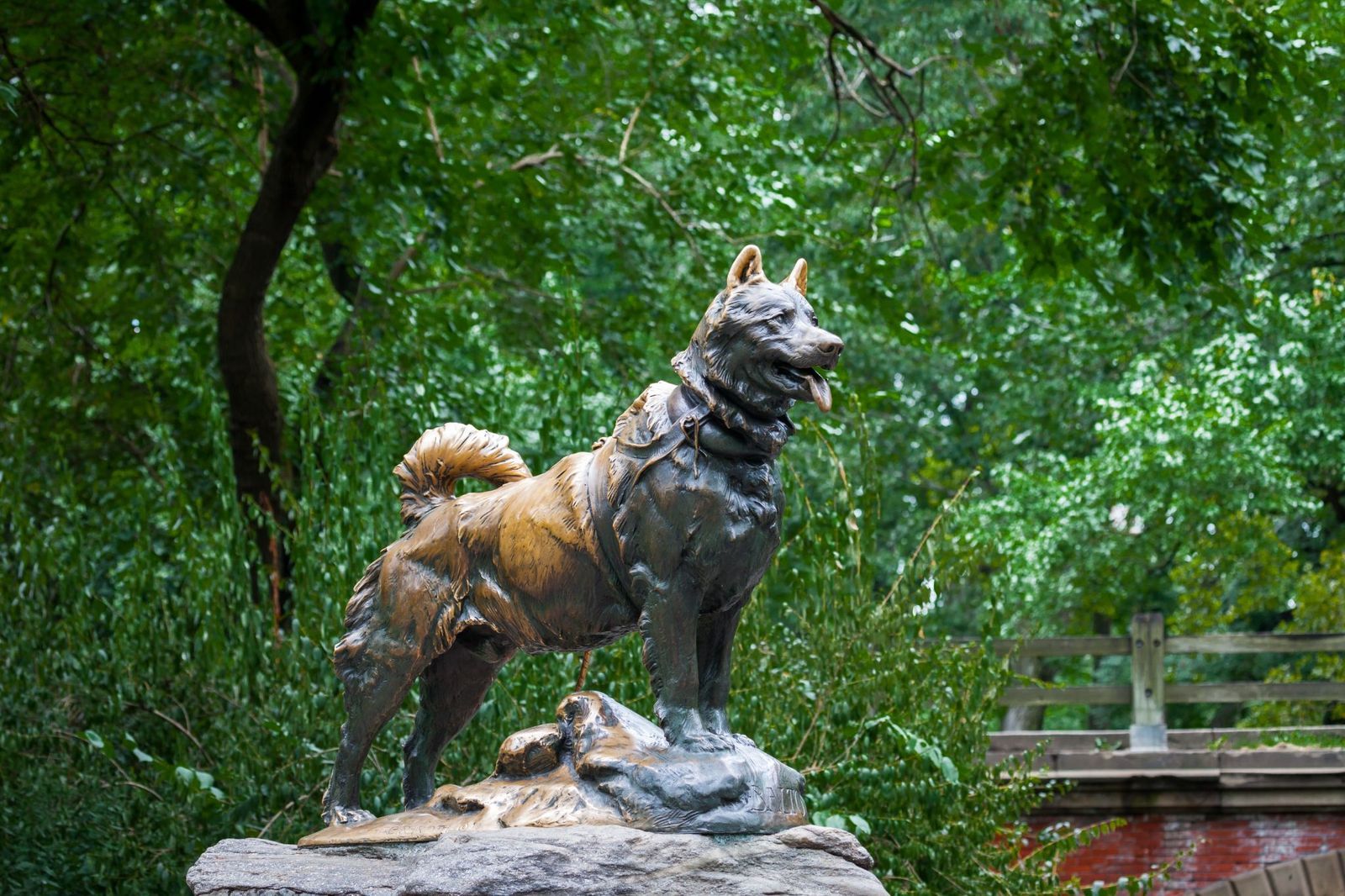
If you need a medicine today, you probably walk a few blocks, get to your local chemist, and get it. However, in 1925, the inhabitants of Nome, Alaska, suffered a whole lot more than that to get some life-saving medicine, and the hero behind the story is a dog.
That year, a diphtheria outbreak threatened the people in Nome, one of the most isolated communities in the country. With airplanes grounded by brutal weather and sea routes frozen solid, officials organized an emergency relay of about 150 dogs and 20 mushers to transport lifesaving antitoxin across nearly 700 miles of Alaska. Balto is the dog that led the final 53-mile stretch through blinding snow and powerful winds, guiding musher Gunnar Kaasen safely into Nome on February 2, 1925. Although many teams contributed to the famous Serum Run, Balto became the public face of the mission. His achievement was celebrated with parades, newspaper headlines, and even a bronze statue in NYC’s Central Park.
Montauciel, the sheep
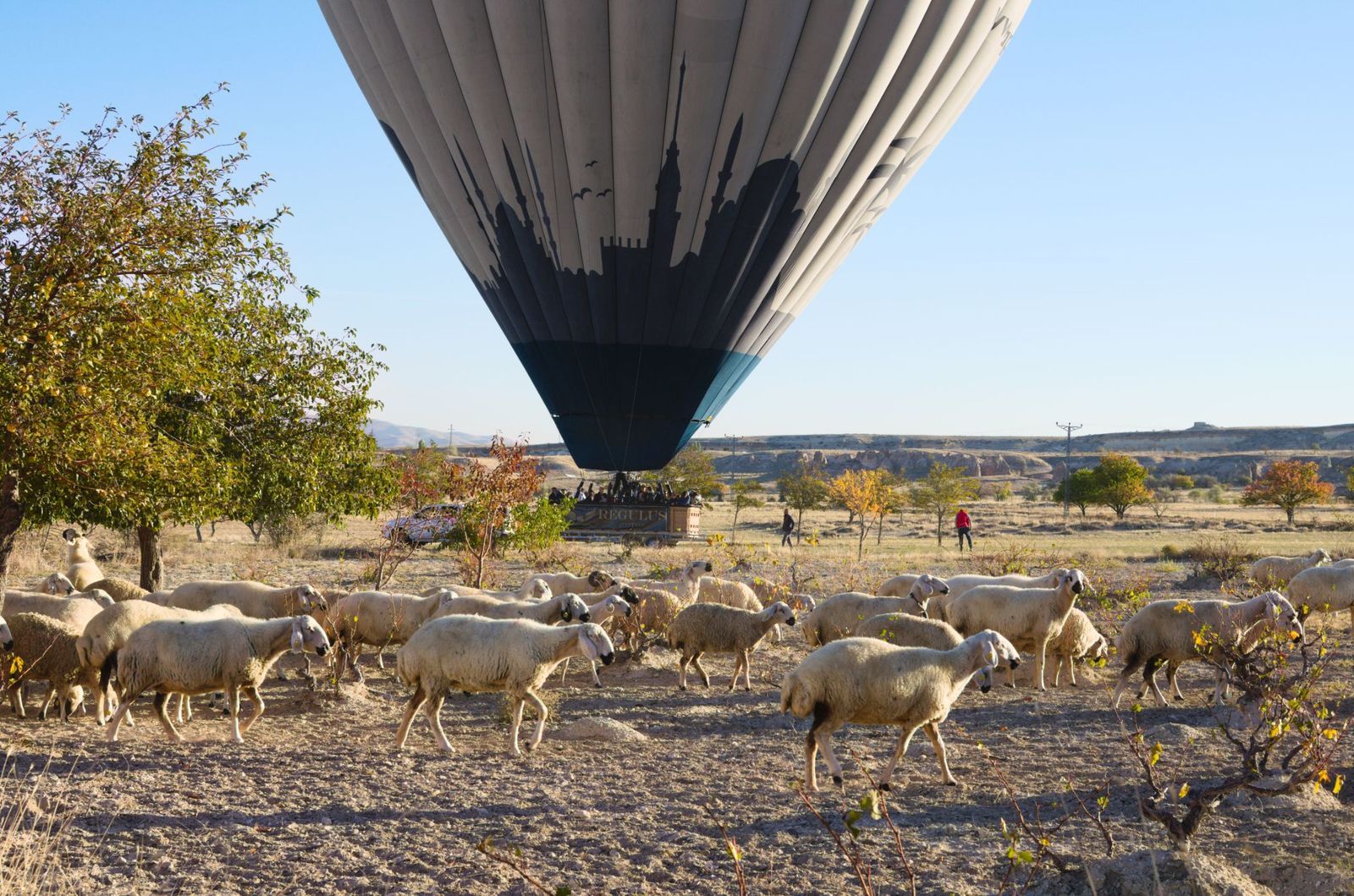
Hot air balloons today are pretty common, but in the 18th century, they were a brand new invention, and no one really knew whether living creatures could survive the journey into the sky. Before risking human passengers, the Montgolfier brothers, French paper manufacturers from a small town in the south of France, decided to let a few animals go first.
Montauciel, whose name means "Climb to the Sky," was a sheep selected by the Montgolfier brothers for a historic balloon experiment in 1783. Accompanied by a duck and a rooster, the sheep lifted off from the grounds of the Palace of Versailles before King Louis XVI, Queen Marie Antoinette, and thousands of spectators. The balloon climbed roughly 1,500 feet and traveled about two miles before landing safely. Finding the animals unharmed reassured scientists that high-altitude flight was possible for living creatures. Just a few months later, on November 21, 1783, humans made the first free hot air balloon flight.
Pickles, the dog
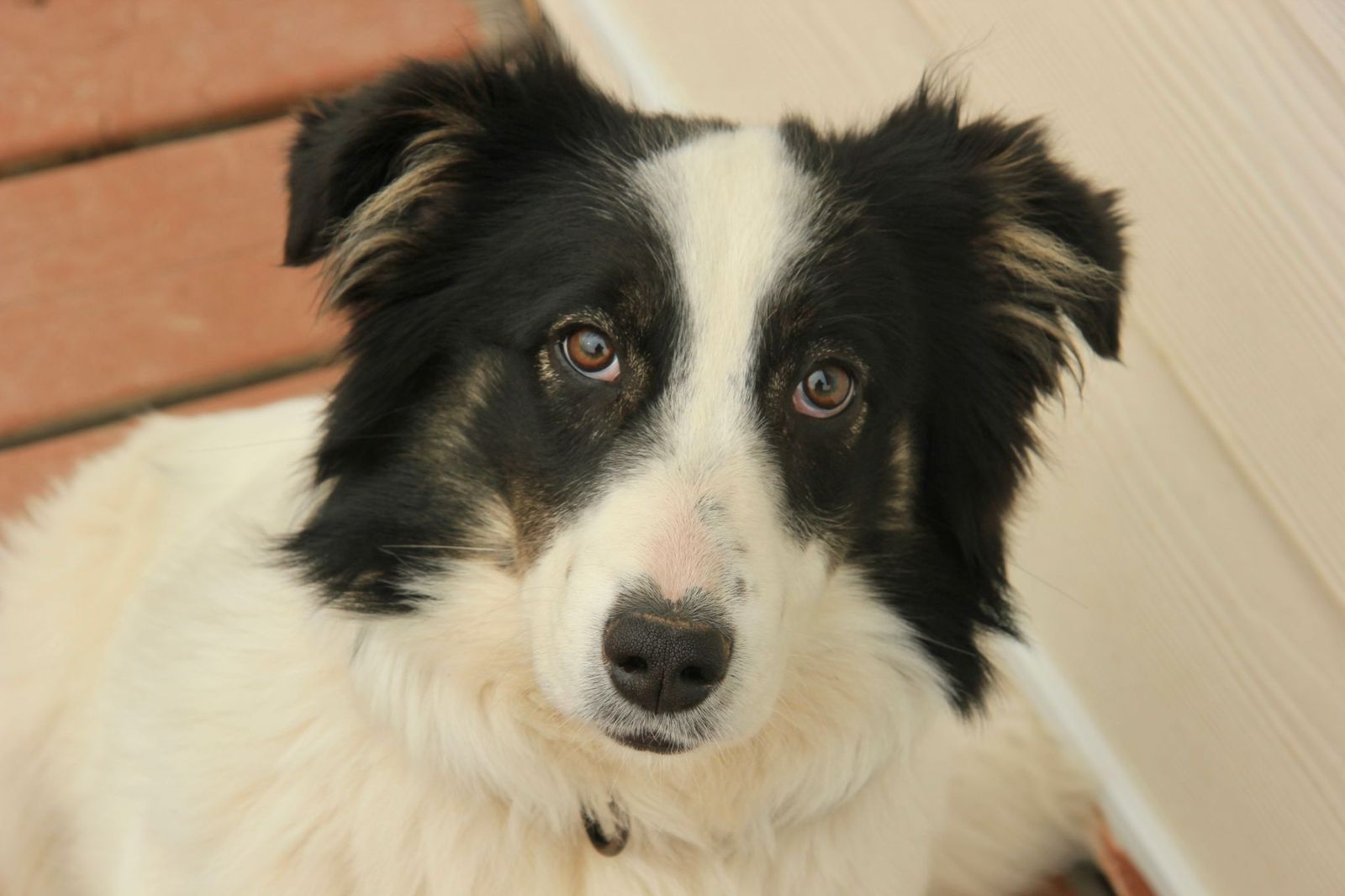
Everything around the FIFA World Cup revolves around taking home that golden cup and keeping it for the next four years. Imagine the chaos it must have been when the Jules Rimet Trophy was lost just before the tournament started in England in 1966.
Weeks before England was set to host the tournament, the Jules Rimet Trophy was stolen in broad daylight from a stamp exhibition at Westminster Central Hall in London, lifted from a display case despite a team of guards posted nearby. For a whole week, investigators looked for it, but couldn’t find it. On March 27, a week after the robbery, a Londoner named David Corbett was heading out for an evening walk with his four-year-old collie mix, Pickles, when the dog stopped to sniff a package tucked under a garden hedge near their home. Wrapped in a newspaper was the missing trophy. Corbett became a suspect for a brief time, but after all doubts about him were cleared, Pickles became an international celebrity, appearing on television, attending banquets, and even receiving a year's supply of dog food.
David Greybeard, the chimpanzee
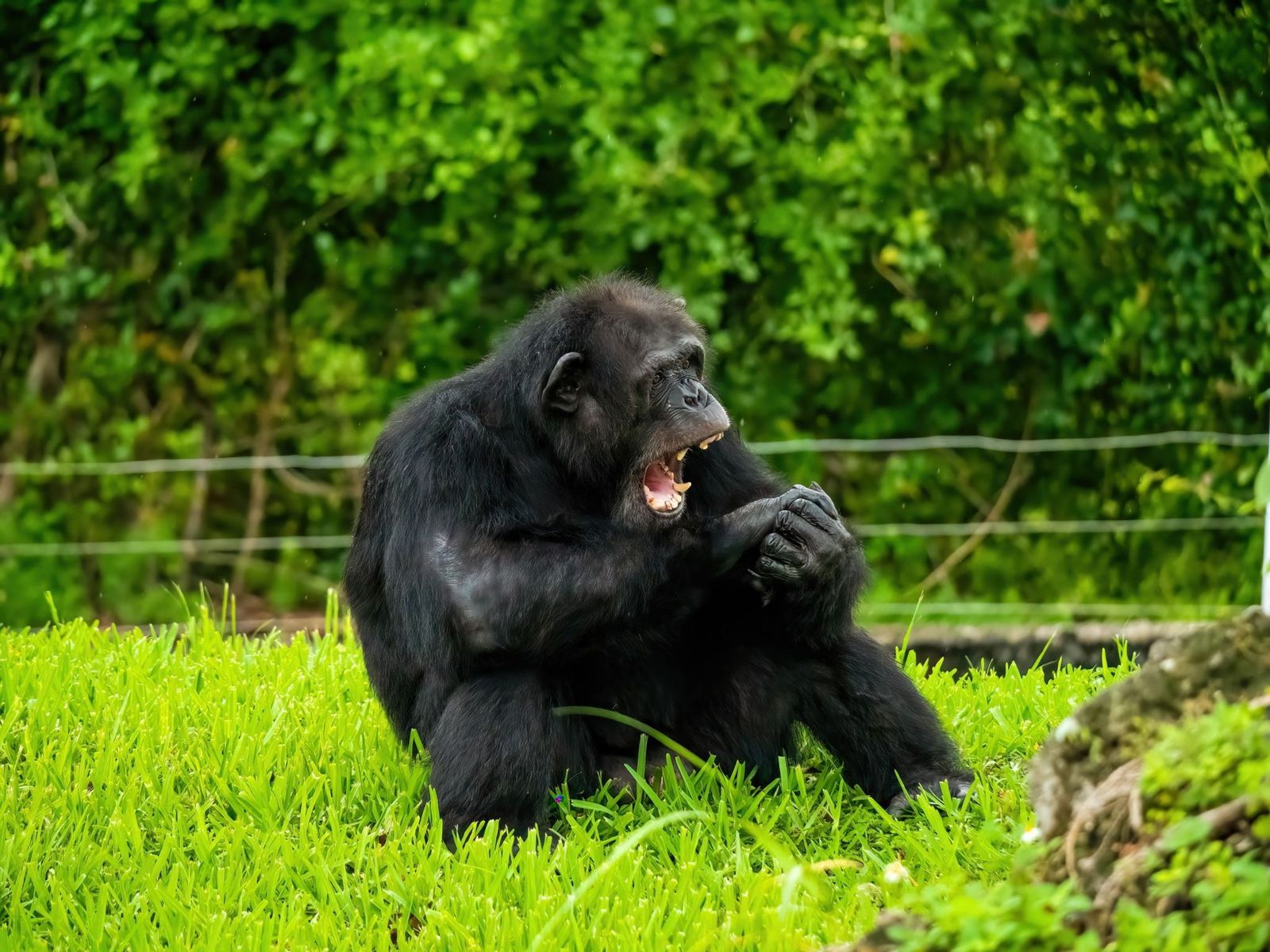
Many people grew up believing that making tools was what separated humans from every other living creature. But in the forests of East Africa, one chimpanzee challenged that belief without ever realizing how important his actions would become.
In 1960, while studying chimpanzees in Tanzania’s Gombe Stream National Park, researcher Jane Goodall observed an adult male chimp she named David Greybeard poking a stem of grass into a termite mound, pulling it out coated in insects, and eating them straight off the stalk. Days later, she watched him strip the leaves off a twig first, shaping it into a more effective tool. Goodall reported her findings, and the discovery forced experts to rethink what it meant to be human. Greybeard became one of the most famous chimpanzees in scientific history and helped transform the study of animal intelligence.
Smoky, the dog
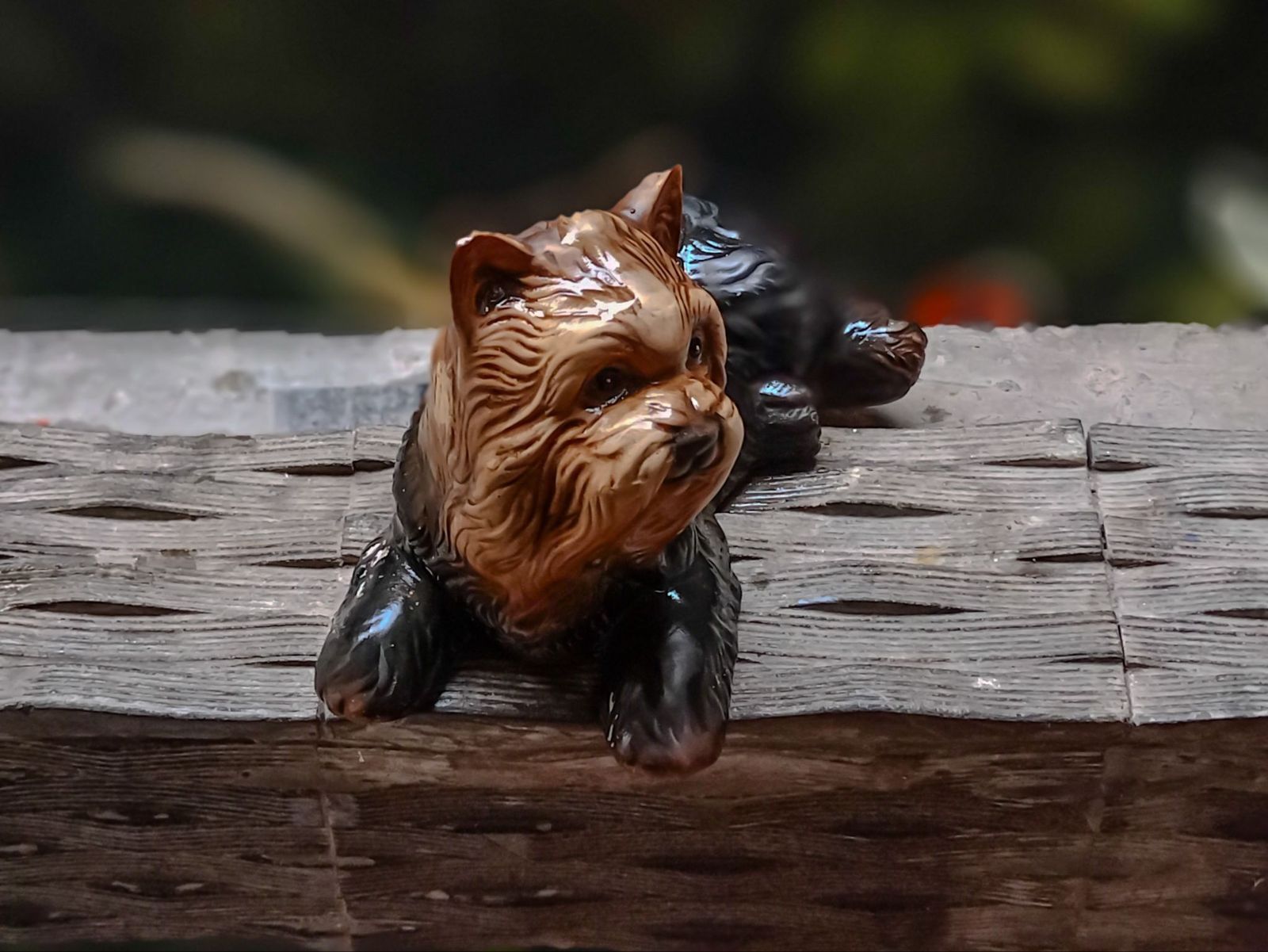
If you own a small dog, you know how amazing their ability to squeeze into tiny places is. During WWII, that simple ability turned one Yorkshire Terrier into an unlikely military hero whose size helped save lives.
Smoky was discovered in 1944 inside an abandoned foxhole in New Guinea by American soldiers. Weighing only about four pounds, she soon became the companion of Corporal William Wynne. During the fighting in the Philippines, engineers needed to run telephone wire through a narrow, 70-foot pipe beneath an airfield without exposing workers to enemy fire. Smoky was small enough to pull the line through while following her owner, sparing dozens of soldiers from dangerous work under attack. After the war, Wynne began bringing Smoky to visit wounded soldiers in military hospitals, and the effect she had on morale was so noticeable that historians now regard her as the first documented therapy dog. She lived until 1957 and is buried in Ohio, where a small statue marks the spot.
Elsa, the lioness
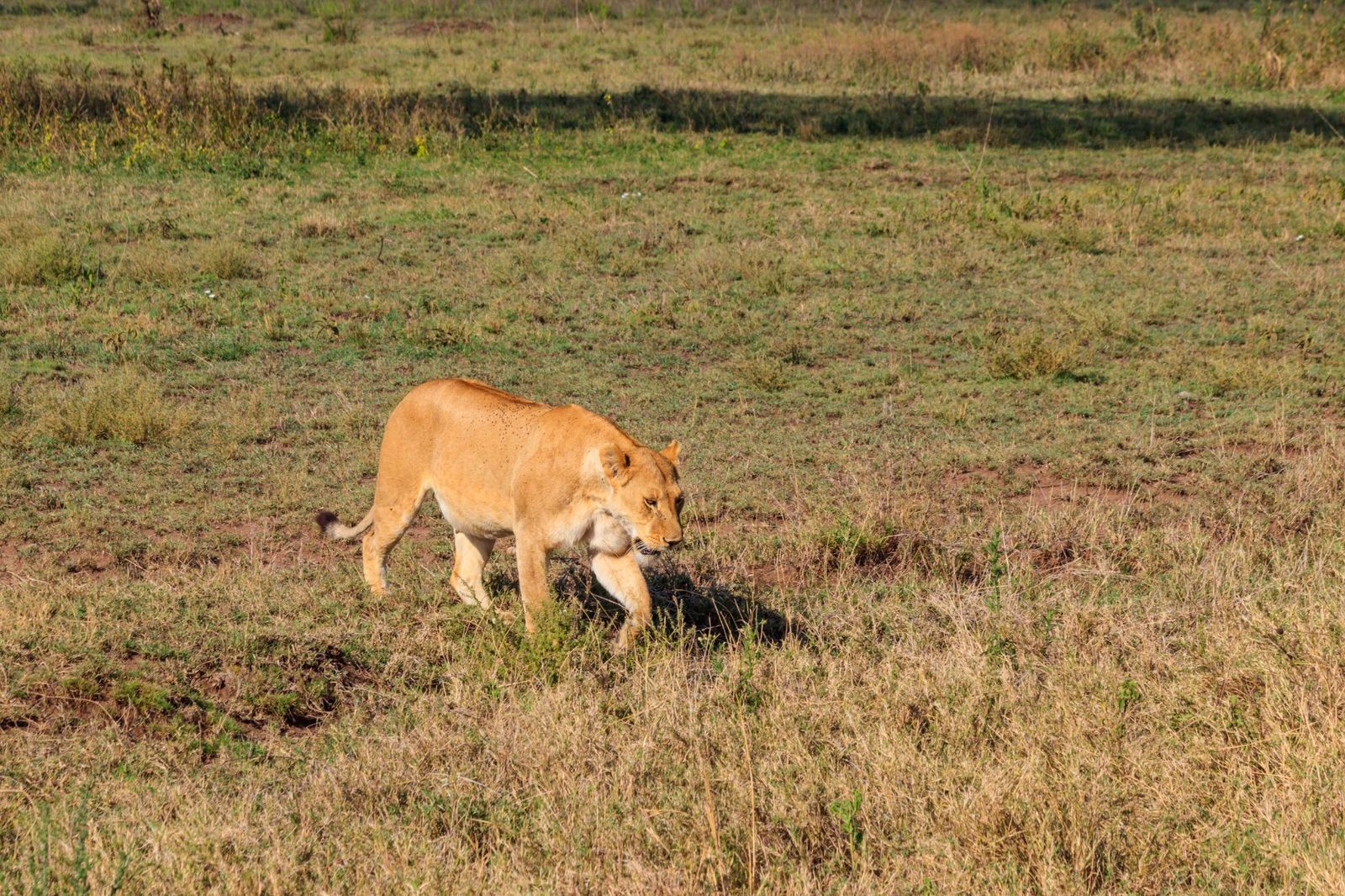
Visiting the zoo is a fun activity; kids love the thrill of seeing a wild animal up close. But people don’t usually think about how difficult life can be for animals raised by people, out of their own habitat. One lioness changed public attitudes about that and inspired millions to care about wildlife conservation.
In 1956, a Kenyan man named George Adamson made a tragic mistake by taking a lioness’ life in self-defense, only to discover she had been protecting three newborn cubs hidden nearby. Two of the cubs were sent to a zoo in the Netherlands, but the smallest, a female Adamson and his wife Joy named Elsa, stayed behind with the couple. Rather than raising her in captivity, the couple gradually taught her to hunt and live independently before releasing her into the wild. Joy later wrote "Born Free," published in 1960, which became an international bestseller and inspired the Academy Award-winning 1966 film of the same name. Elsa's story introduced countless readers and moviegoers to the importance of protecting Africa's wildlife while demonstrating that careful rewilding could succeed under the right conditions.


