The mysteries of Scripture
This phrase appears more than 70 times in Scripture
Published on June 8, 2026
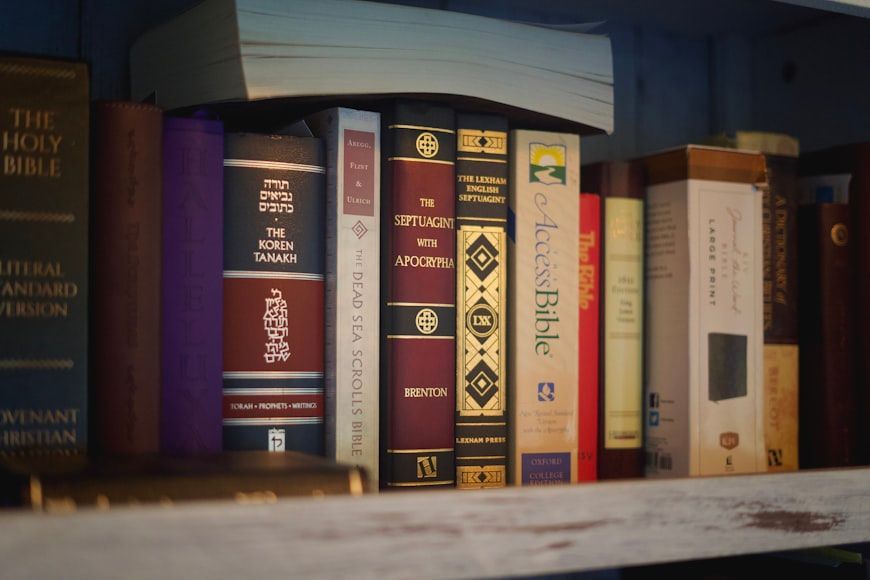
The Bible, the Tanakh, the Holy Scriptures, the Word of God: there are many names for this millennial text, but do they all refer to the same thing? Under the name ‘Bible’ —from the Greek biblia, ‘books’— we find different texts, some longer than others, connected to different faiths and traditions. What makes up the Bible? How does it vary from tradition to tradition? What was its original language? Keep on reading to find out the answer to these questions and other interesting facts about this sacred text.
The Bible and the Tanakh
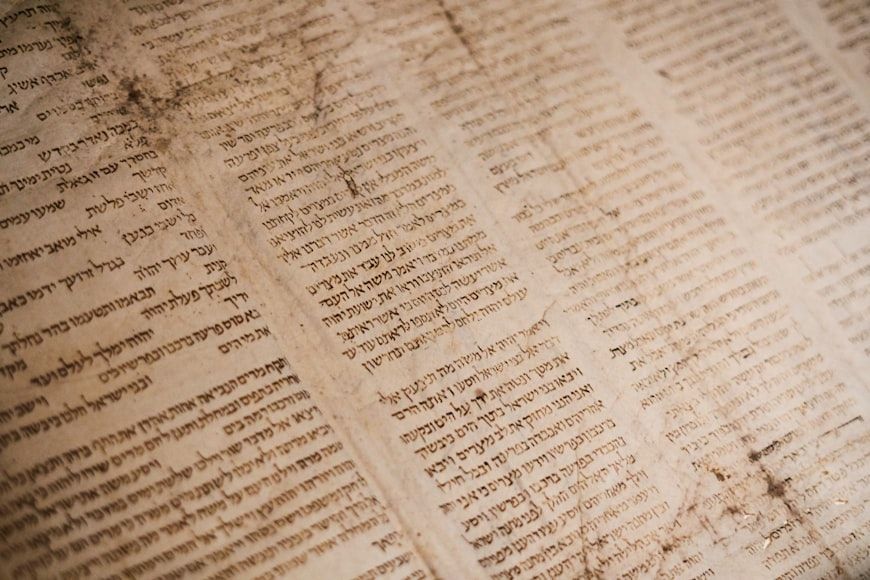
While many people mistakenly refer to the Torah as the "Jewish Bible", it actually includes only the first five books of Moses—what, in Christian tradition, is sometimes called the Pentateuch. The complete collection of sacred Jewish texts is actually called Tanakh, an acronym of the sections included: Torah —the narrations and law written in the books of Moses—, Nevi’im —the Prophets—, and Ketuvim —writings of wisdom and poetic literature.
Are the Jewish Tanakh and the Christian Old Testament the same text? Not quite. Most of the text coincides, but is organized in a different way and translated from different sources. Additionally, books that are not part of the Jewish tradition—for example, Tobit or Judith—are not included in all Christian Bibles.
What is in the Christian Bible?
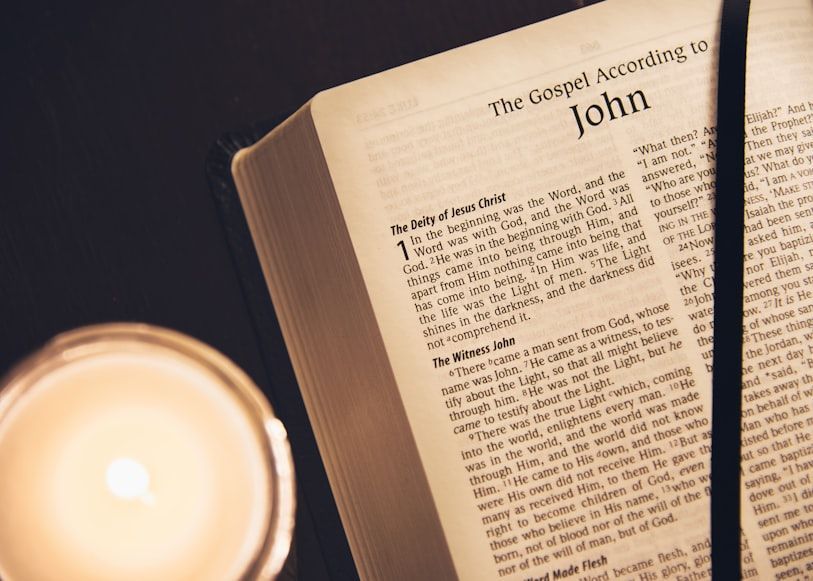
You might be surprised to learn that not all Christians read the same Bible. While the New Testament is the same, there are differences in what books are included in the Old Testament. Seven books—Tobit, Judith, Wisdom, Sirach, Baruch, and 1 & 2 Maccabees, plus some sections in Daniel and Esther— are considered part of the canon by Catholics and Orthodox traditions, but are not accepted by denominations of Protestant tradition.
Why are these books questioned? They were written at a later time than the rest of the Old Testament, around the 3rd century BCE, and were often only accessible through Greek translations. While Catholics and Orthodox have traditionally accepted them, the Protestant denominations do not, on account of their not being accepted as canonical by the Jewish tradition. However, these texts are often read as historical documents, even if they are not considered to be inspired by God.
A multilingual text
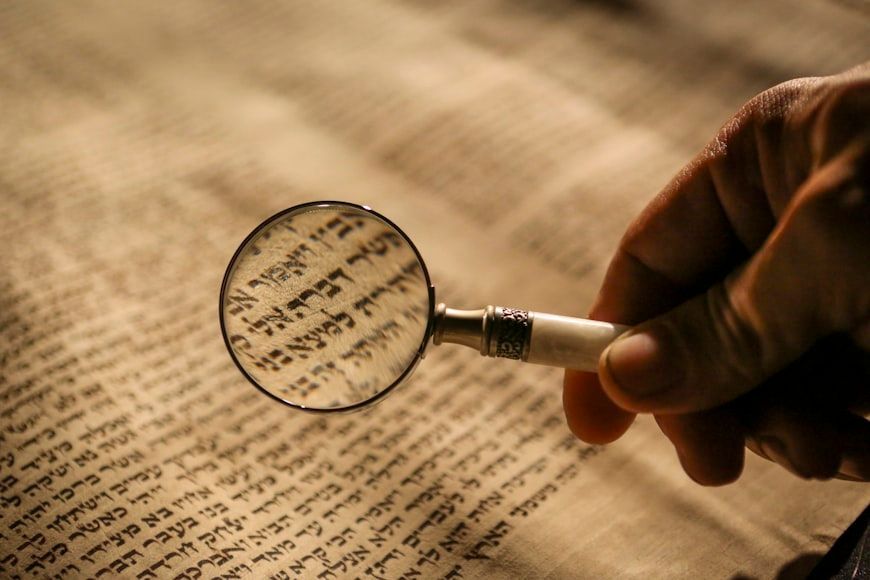
The Bible was written across many centuries in different places, so the original text is not in a single language. The majority of the Tanakh and the Old Testament was originally written in Biblical Hebrew (which is different, although related, from Modern Hebrew), while some sections were written in Aramaic.
What about the New Testament? While most writers spoke Aramaic, the text is written in Koine Greek, a colloquial version of Greek used as a common tongue at the time. However, the text still includes words and phrases in Hebrew and Aramaic, such as amen, Abba, or hosanna.
A text across three continents
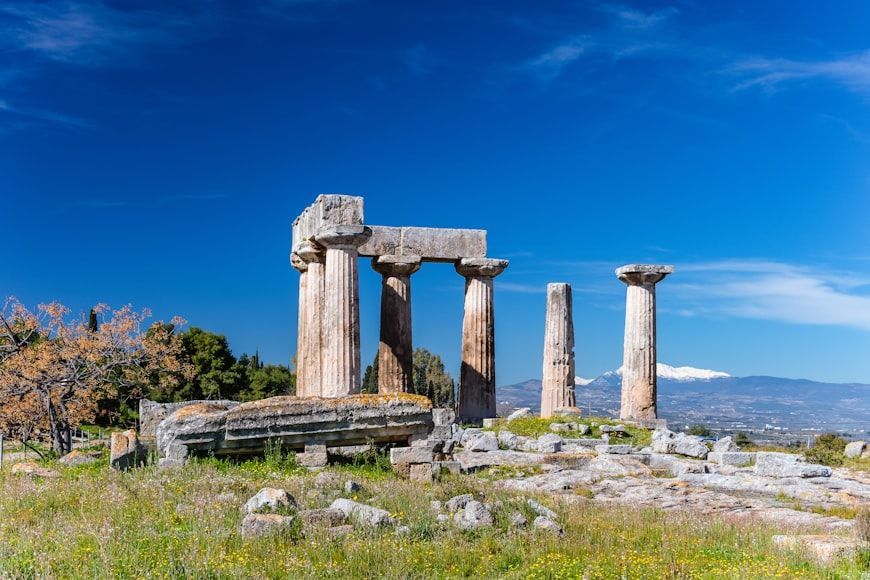
As a text composed by many people across many centuries, the Bible was not penned in a single location, but across three different continents and several countries. The majority of the Tanakh/Old Testament was written in the ancient kingdoms of Israel and Judah, with some parts written during the Israelite exile in Babylon (modern-day Iraq). Additionally, some traditions believe that the books of Moses were written in modern-day Egypt.
What about the New Testament? Though closer in time, its sections were written in places all around the Mediterranean, mainly in ancient Judea, Greece, Macedonia, modern-day Turkey, and Rome.
The Biblical genres
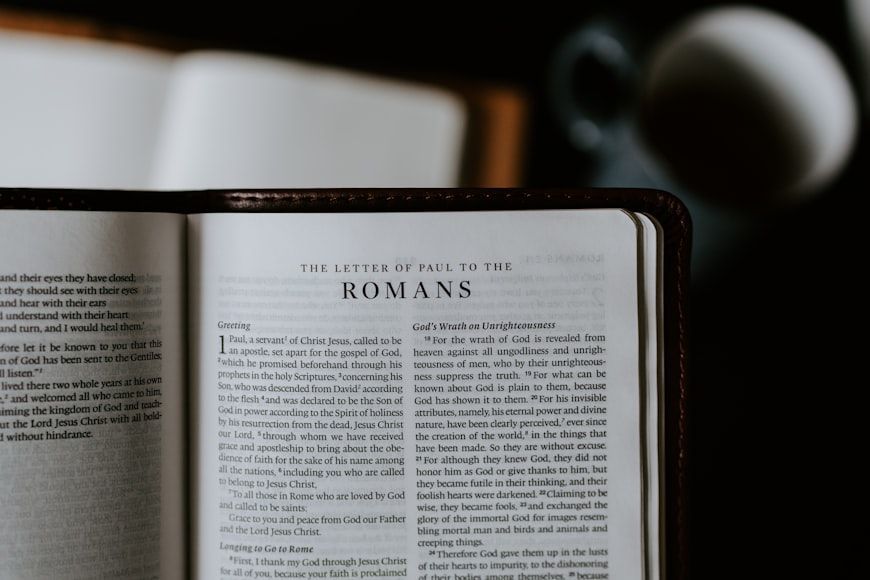
The Bible is an anthology, written and compiled over several centuries and under different circumstances. As such, it includes a variety of known literary genres, such as historical narratives —for example, Genesis or Acts—, compendiums of law —Leviticus or Deuteronomy—, wisdom literature —Proverbs—, poetry —Psalms or Song of Solomon—, prophetic and apocalyptic texts —Isaiah, Jeremiah, or Revelations—, and letters —Romans or Corinthians.
In addition to all these genres, already established when the sections of the Bible were written, some books include the first recorded examples of a literary genre, such as the Gospels —a unique mix of narrative, biography, and theology—, or the Parables, which, unlike fables, convey complex moral and religious teachings alongside their interpretation.
The Biblical gaps
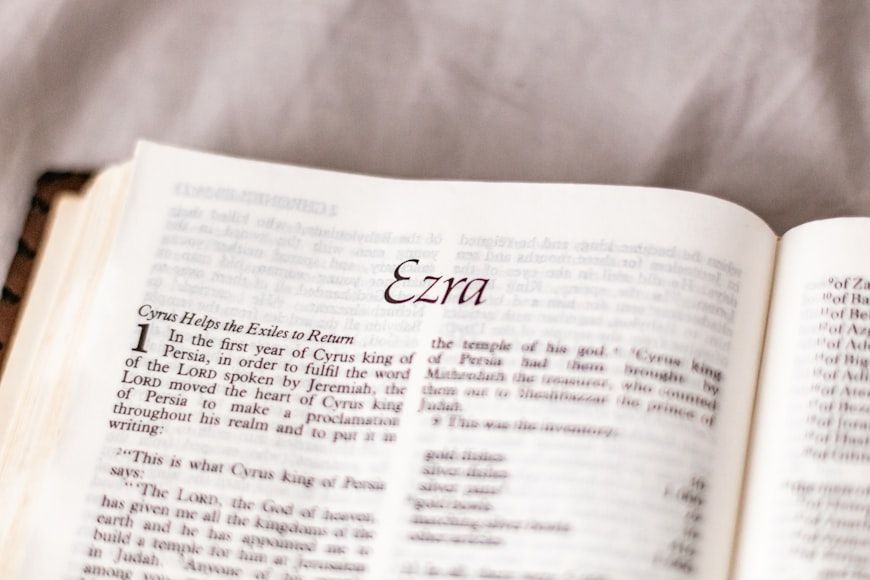
All Bibles start in the same moment, the beginning of time, but not all Bibles follow the same chronology. The Tanakh narrates the story of the Israelites up until the construction of the Second Temple (6th century BCE), and the New Testament picks the story up around the years 5 to 1 BCE. What happened in the meantime? It depends on who you ask.
In the Protestant traditions, that gap is known as the "Silent Years", on account of the lack of inspired texts and prophets. In the Catholic and Orthodox traditions, the gap is shortened by Maccabees 1 and 2, which narrate the uprising against the Seleucid Empire in the 2nd Century BCE. There is, however, another biblical gap in the New Testament, known as the "Lost Years", that goes from the last mention of Jesus as a child —his visit to the Temple at 12 years old— to his baptism in the River Jordan at 30 years old.
How many commandments?
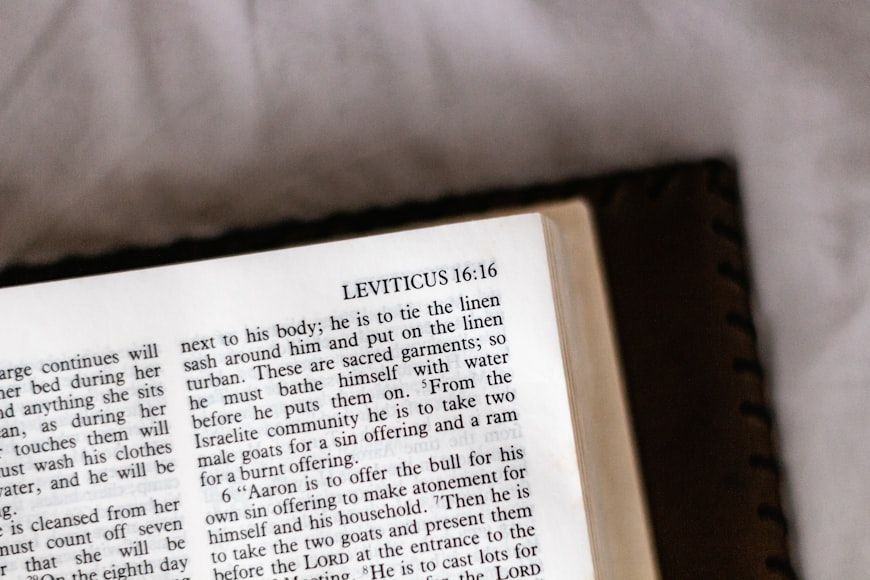
If someone were to ask how many commandments are in the Bible, many would quickly respond that there are 10. However, not all traditions would accept this as a correct answer. The Jewish tradition recognizes 613 divine commandments or mitzvot. The first 10, listed twice in the Torah, are a list of fundamental moral and theological principles, while the remaining 603 regulate different aspects of life, such as society, rituals, ethics, or justice.
Do all Christian traditions follow the same commandments? Yes and no. The text of the Old Testament describes the ten commandments, but does not enumerate them, so each tradition has its own way of assigning numbers to each commandment, which can lead to confusion.
Verses and Books
The biblical text is traditionally divided into books, which are divided into verses, but these divisions vary between the Tanakh and the Christian Bibles. The Tanakh contains 24 books divided into 3 sections—Torah, Nevi’im, and Ketuvim. The longest book is Tehillim or Psalms, while the shortest is the book of Obadiah.
In the Christian tradition, the longest book is Jeremiah, while the shortest book is John 3, with only 13 verses. The longest verse (in English) is Esther 8:9 with more than 70 words, while the shortest is John 11:35, with just two.
We don’t know what Jesus looked like
Have you ever wondered why there are many different depictions of Jesus around the world, even when they are most likely historically incorrect? The truth is, we can only guess what he looked like, based on the historical time and the geographical location, but we don’t have any physical description of him.
The four Gospels give us all sorts of information about Jesus, from his genealogy to his life, his family, his teachings, and his mission, but he is never described in terms of appearance. Even when different people talk about him, he is described based on his place of origin, his lineage, or his actions.
The most repeated phrase
If you have ever read any part of the Bible, you might have noticed that many phrases are repeated. This is not a coincidence, but a deliberate literary device, intended to emphasize certain ideas and help to retain their message.
What is the most repeated phrase in the Bible? Both the Tanakh and the Christian Bibles coincide here, with the phrase "Do not fear" —and similar variants such as "Fear not" or "Be not afraid"— repeated more than 70 times in the Tanakh, and more than a hundred times in the Christian Bible.
The longest name
Names carry a deep meaning in the Bible, often related to historical circumstances, spiritual characteristics, or prophetic messages. In fact, many passages involve the renaming of individuals to reflect a newfound mission or experience, such as God renaming Abram (‘exalted father’) as Abraham (‘father of a multitude’), or Jesus renaming Simon as Peter (in Aramaic, Kepha, "stone") to mean he would be the rock of early Christianity.
Among these names, one stands out due to its length and its ominous message. In the book of Isaiah, God instructs the prophet Isaiah to name his second child Mahershalalhashbaz, a name that means ‘swift are the spoils, speedy is the plunder’, and is interpreted as prophecising the upcoming invasion of Israel by the Assyrian empire. Fun fact: if this name rings a bell for you, it might be due to the actor Mahershala Ali, whose real name is Mahershalalhashbaz Gilmore.


