Happy accidents
These people hit rock bottom—and built empires there
Published on December 20, 2025
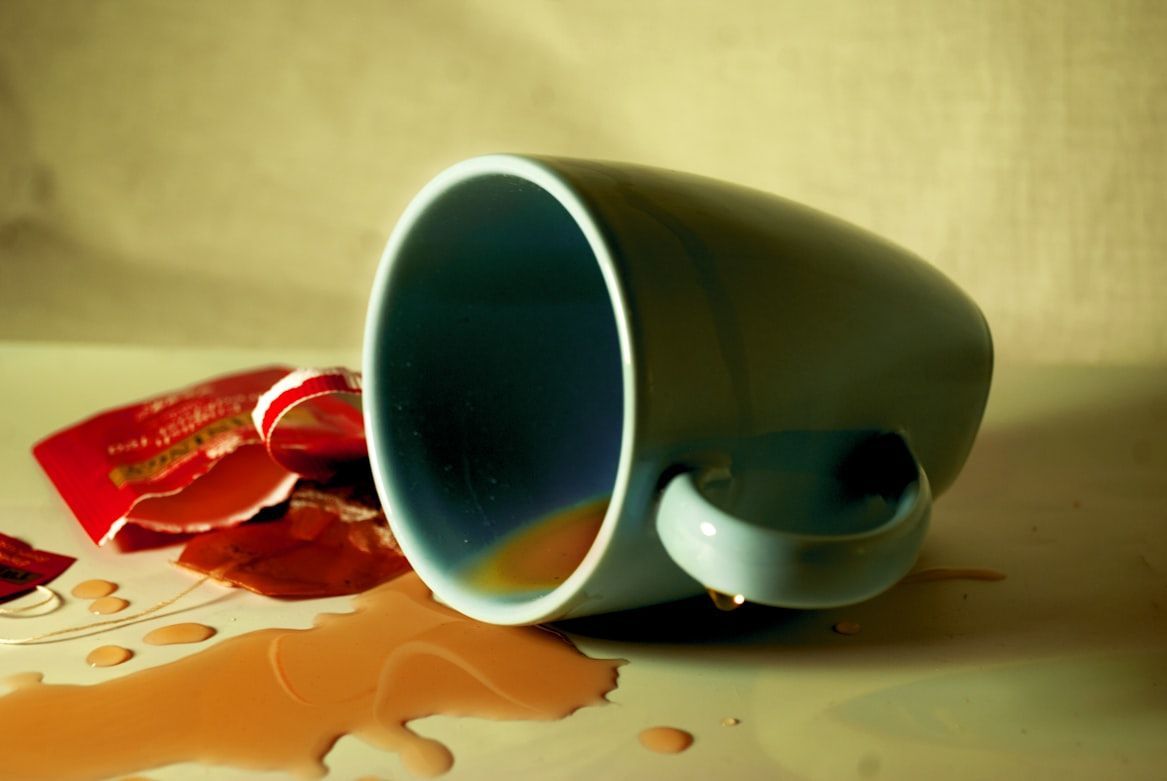 Image: Chiara Guercio
They say every crisis hides an opportunity—and sometimes, a small mistake or a twist of fate can become the turning point in an otherwise ordinary life. From career shifts sparked by injury to small moments of curiosity that led to breakthroughs in science and culture, these 10 stories prove that even the most unexpected setbacks can lead to extraordinary outcomes.
A walk in the woods
 Image: Keenan Barber
In 1941, Swiss engineer Georges de Mestral noticed burrs clinging to his clothes during a walk with his dog—an observation that sparked a revolutionary invention. Curious, he examined the seeds under a microscope and saw their tiny hooks, which eventually inspired the hook-and-loop fastener now known as Velcro.
He patented the invention in 1955, and it was later adopted by NASA and the military, ultimately earning de Mestral a fortune and a lasting legacy in textile innovation.
A new color
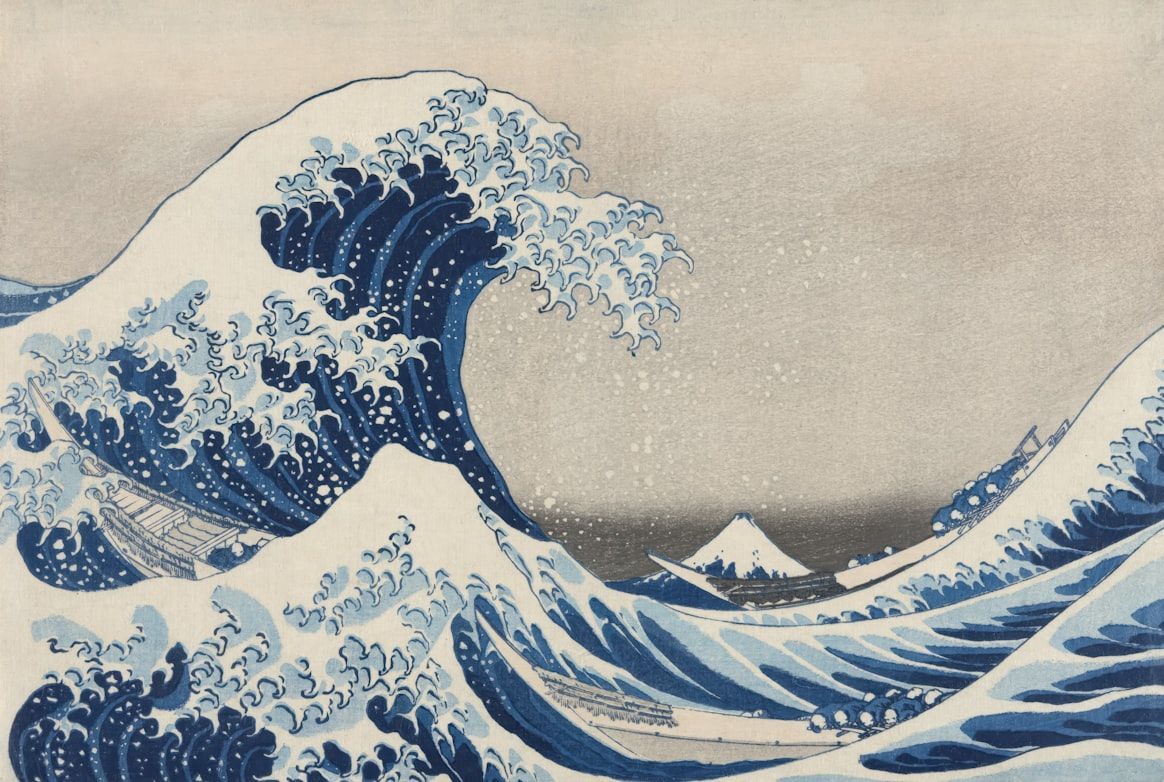 Image: Art Institute of Chicago
In the early 1700s, a German chemist accidentally created a deep blue pigment while trying to make red—but the mixture oxidized into a striking new hue. Impressed by its richness, he preserved the formula and named it Prussian Blue.
Artists quickly embraced the color, which became widely used in paintings and later in blueprints. Prussian Blue appears in famous works like Hokusai’s The Great Wave and Van Gogh’s The Night Café.
A lab mistake
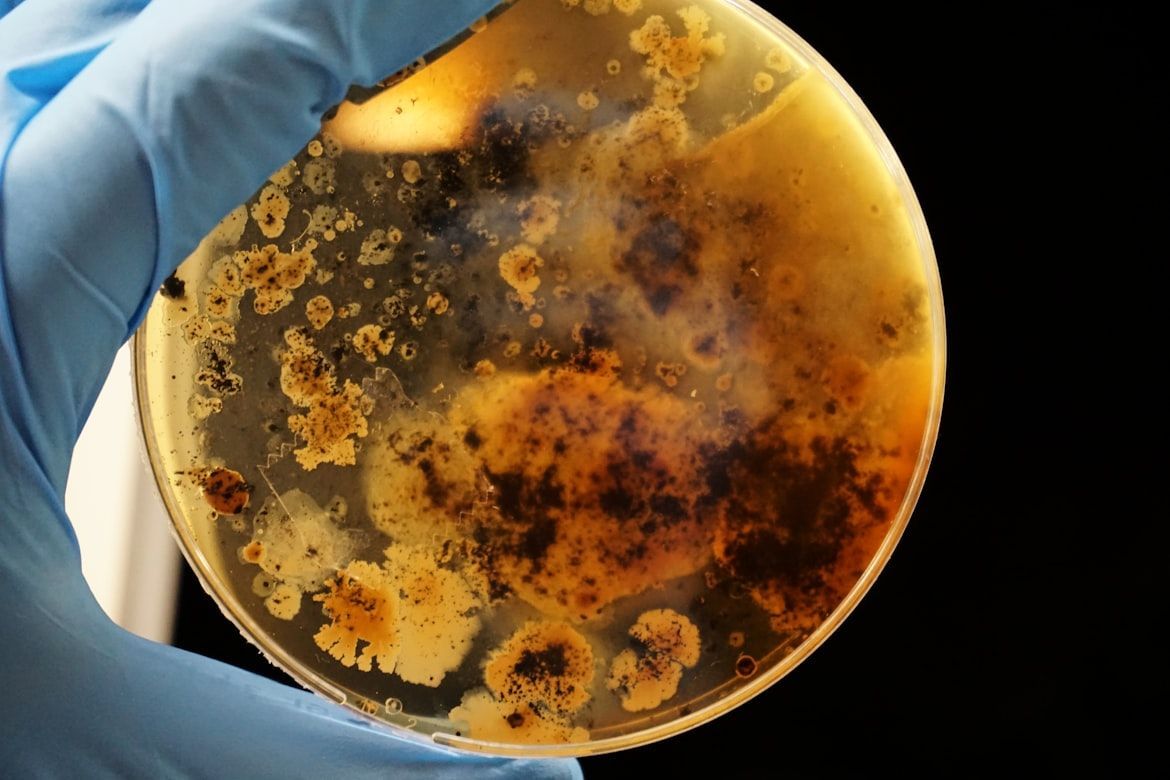 Image: Adrian Lange
In 1928, Alexander Fleming accidentally left a petri dish uncovered before leaving on vacation.
When he returned, he noticed mold had killed the bacteria around it—a chance observation that led to the groundbreaking discovery of penicillin.
A blind genius
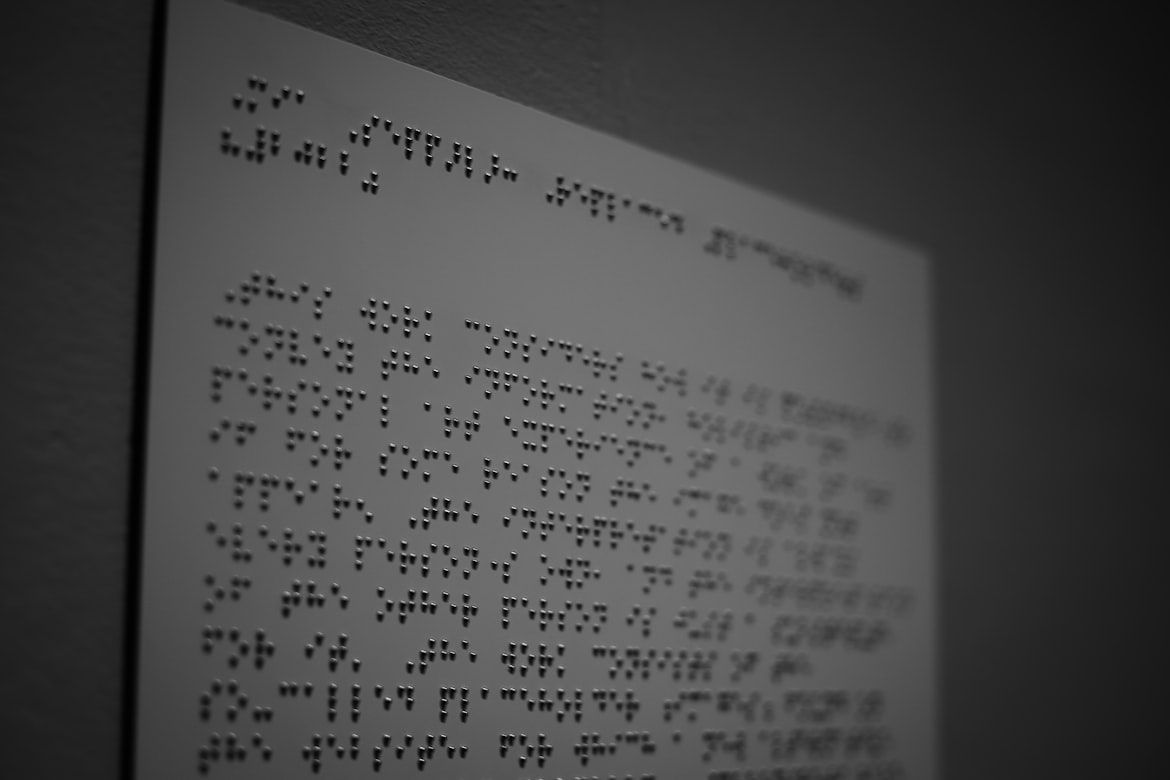 Image: Ramona
Louis Braille was blinded at age 3 after an accident in his father's workshop. Sharp-minded and eager to learn, he impressed his teachers and was granted access to higher education.
By age 15, he had developed a tactile alphabet that became the Braille system. His method revolutionized accessibility for the blind and is still used worldwide today.
The gentle surgeon
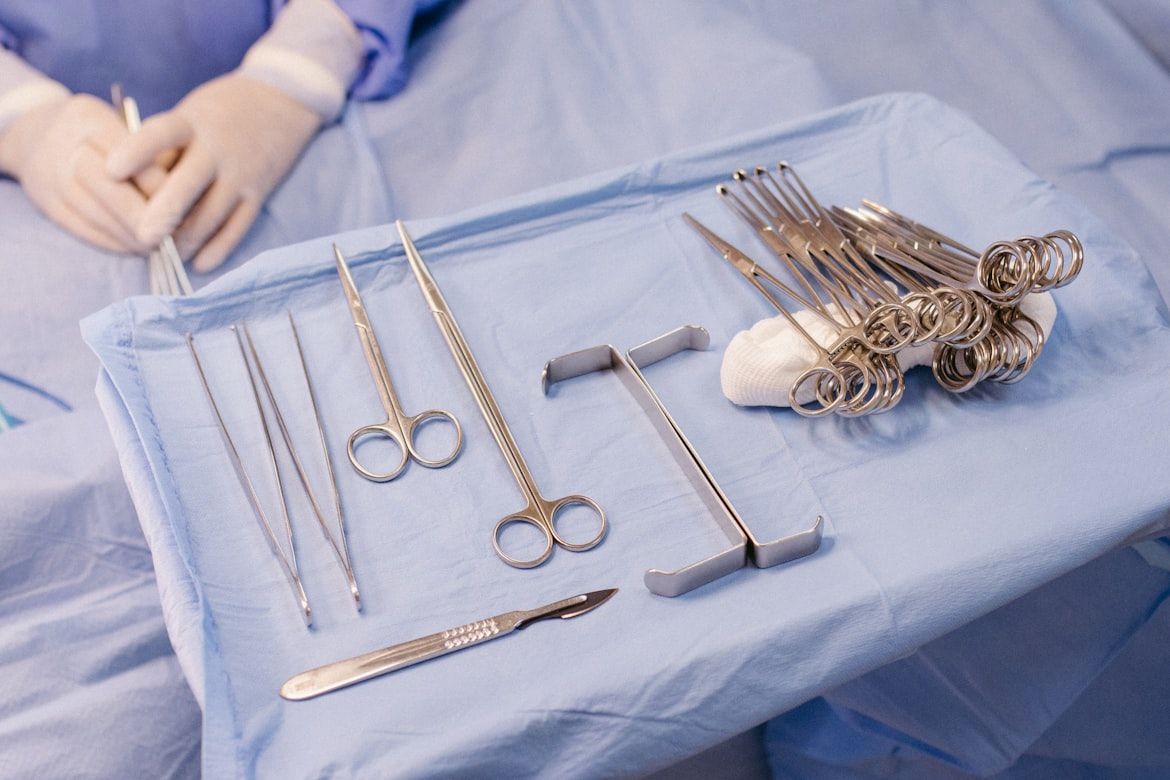 Image: Jonathan Borba
Ambroise Paré, a 16th-century battlefield surgeon, once ran out of boiling oil used to cauterize wounds. In its place, he tried an old Roman remedy made of egg yolk, oil, and turpentine—and found it healed wounds far better than the traditional method.
He also introduced the use of ligatures (silk threads) to tie off blood vessels during amputations, helping shift surgery toward gentler, more effective treatments.
A dangerous experiment
 Image: Sergey Omelchenko
While studying pitchblende, a uranium-rich ore, Marie Curie accidentally discovered the strange, invisible energy we now know as radioactivity. Her groundbreaking research revealed that certain elements could emit powerful, previously unknown forms of energy.
Unaware of the risks, Curie handled radioactive materials without protection for years. Her prolonged exposure eventually led to leukemia, which caused her death in 1934.
Sounds through wires
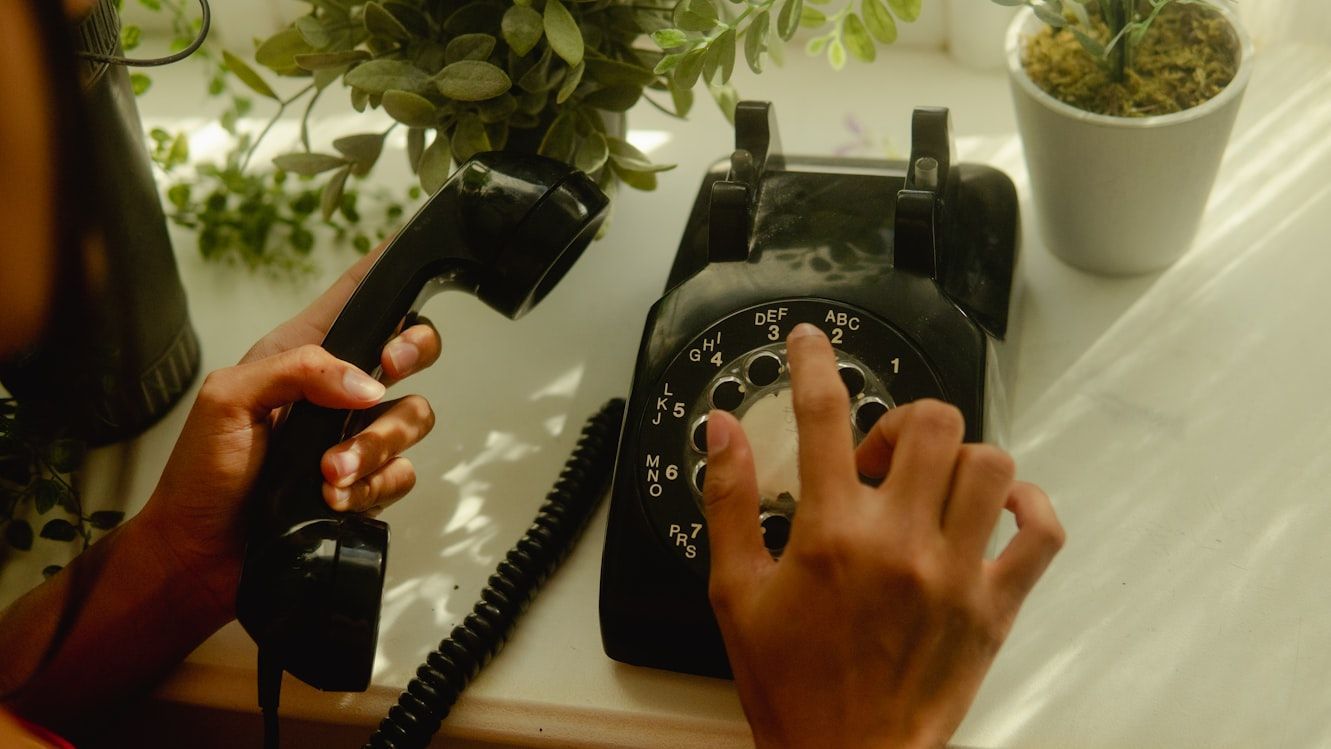 Image: Wesley Hilario
While experimenting with the telegraph, Alexander Graham Bell accidentally heard sound vibrations transmitted through wires. This unexpected moment sparked his interest in sending the human voice electrically.
Building on this idea, Bell developed the first practical telephone, changing global communication forever.
A fateful accident
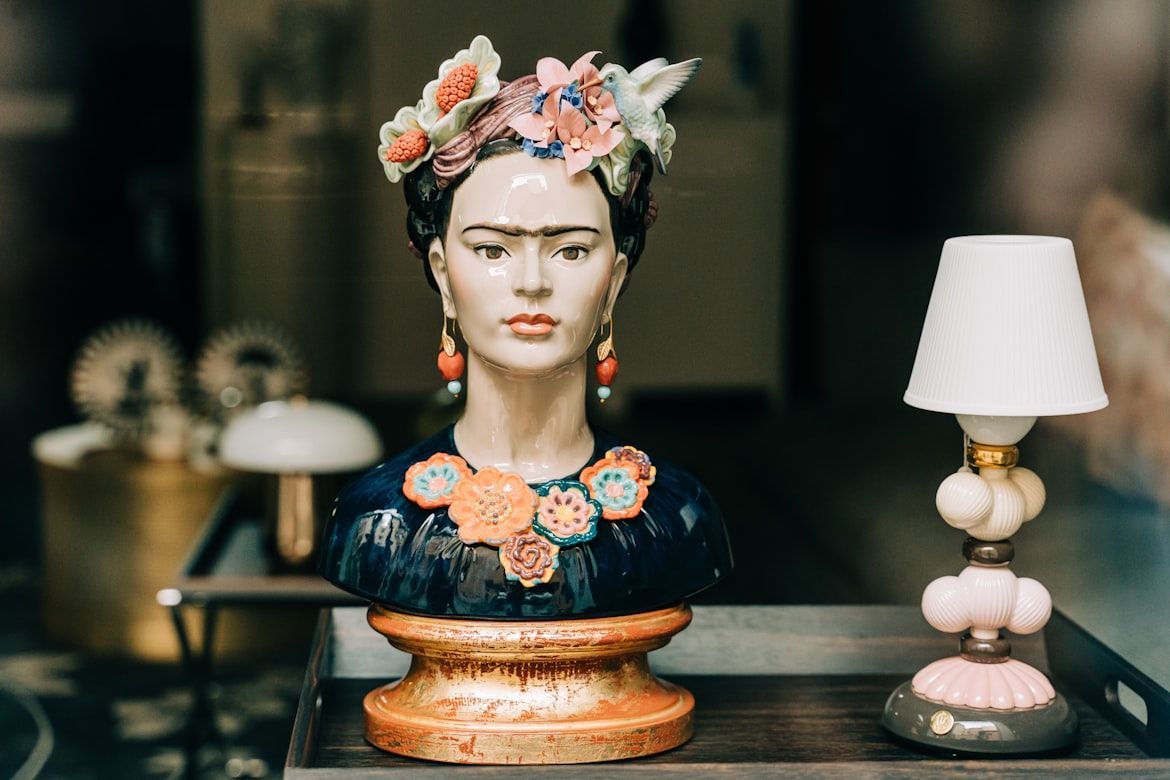 Image: Gabriella Clare Marino
At 18, Frida Kahlo was severely injured in a bus accident, suffering multiple broken bones and internal injuries. The trauma left her in chronic pain and required long periods of bed rest.
During her recovery, she began painting from her hospital bed, using a special easel and mirror. What started as a form of therapy soon evolved into a powerful artistic voice, launching her legendary career.
A plane crash in the desert
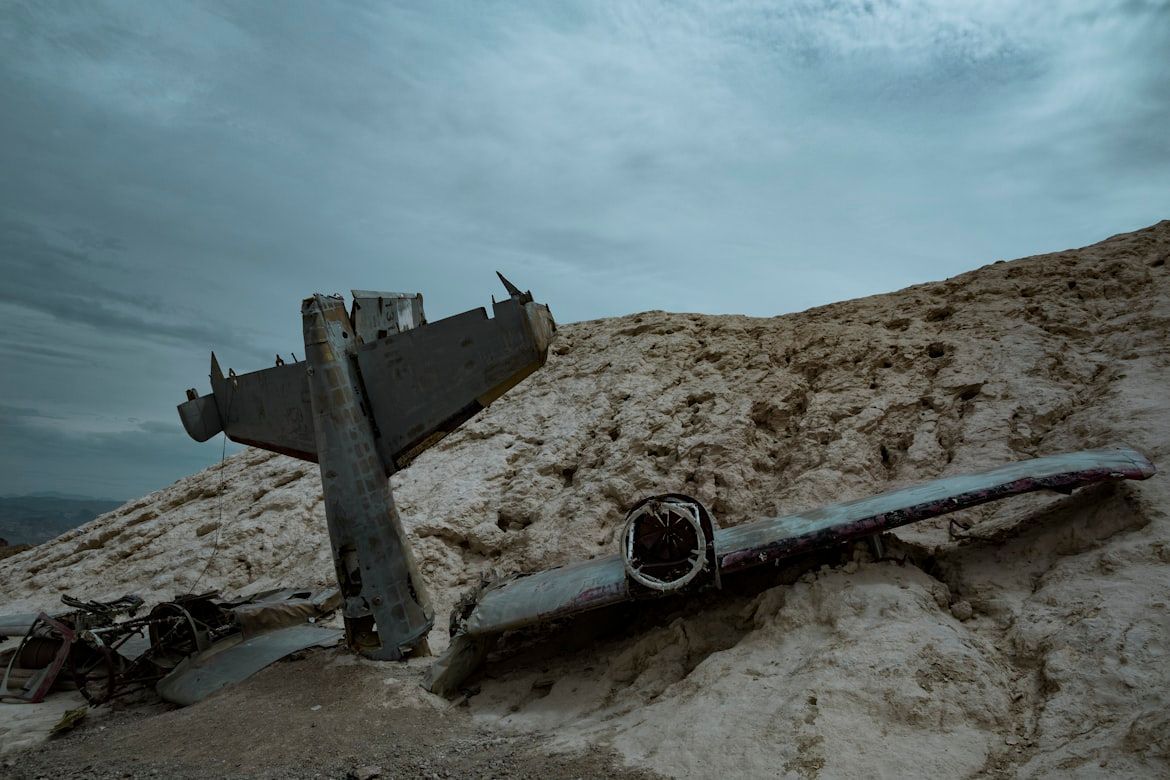 Image: Jon Vio
In 1935, Antoine de Saint-Exupéry crashed in the Libyan desert while flying a mail route. He and his mechanic nearly died of dehydration before being rescued by Bedouins after several days.
The harrowing experience left a lasting impact on Saint-Exupéry, who later wrote The Little Prince. The book became one of the most translated and cherished works in literary history.
A melted candy bar
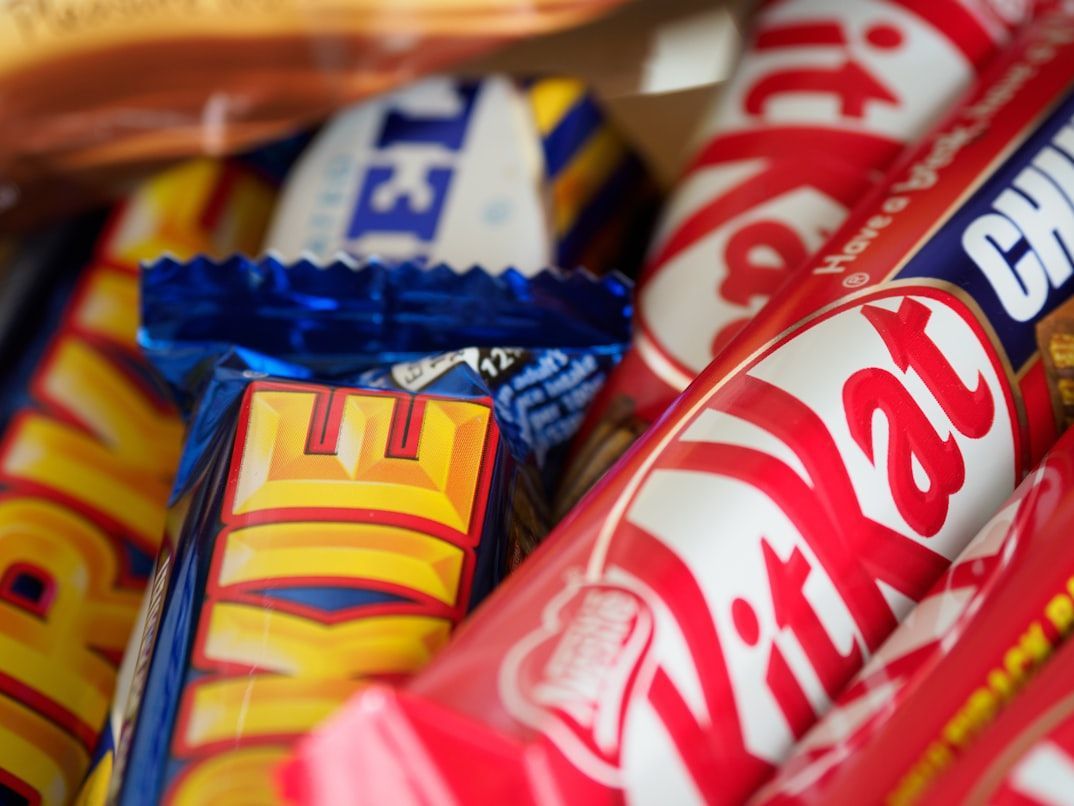 Image: Brett Jordan
While working near an active radar set, Raytheon engineer Percy Spencer noticed a candy bar had melted in his pocket. Intrigued, he directed the microwaves at some popcorn—and watched it pop.
That curious accident led to the invention of the microwave oven, a now-essential household appliance born entirely by chance.