Risky business
These are the 10 most dangerous jobs: You won't believe the top 5!
Published on October 1, 2025
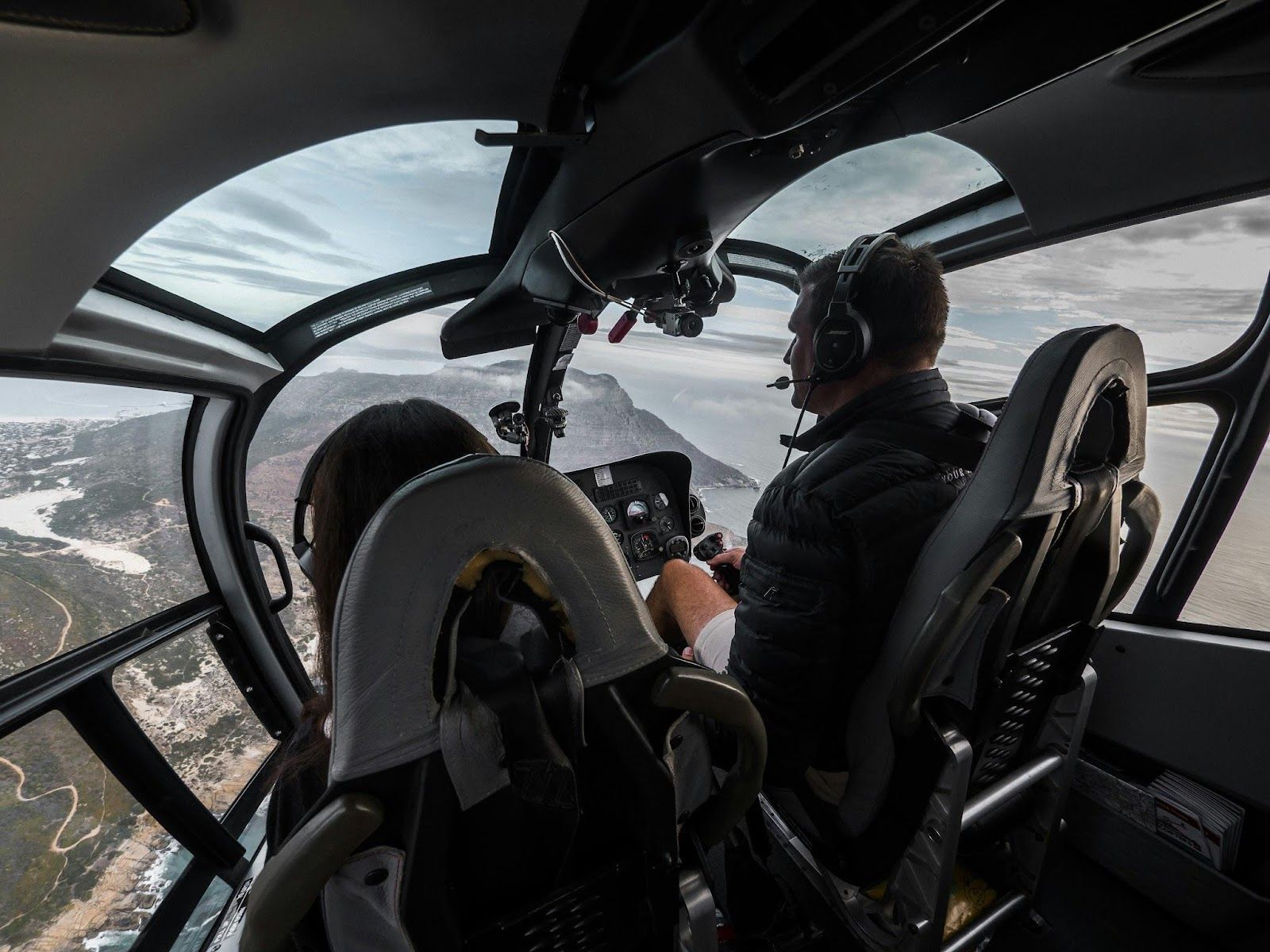 Image: John O'Nolan
All jobs come with risks, but some are far more dangerous than others. Certain jobs aren’t for everyone, yet someone has to do them—and many take them on with remarkable dedication and enthusiasm. Here are 10 of the most dangerous jobs in the world, ranked from least to most dangerous. Let’s take a look!
Police Officer
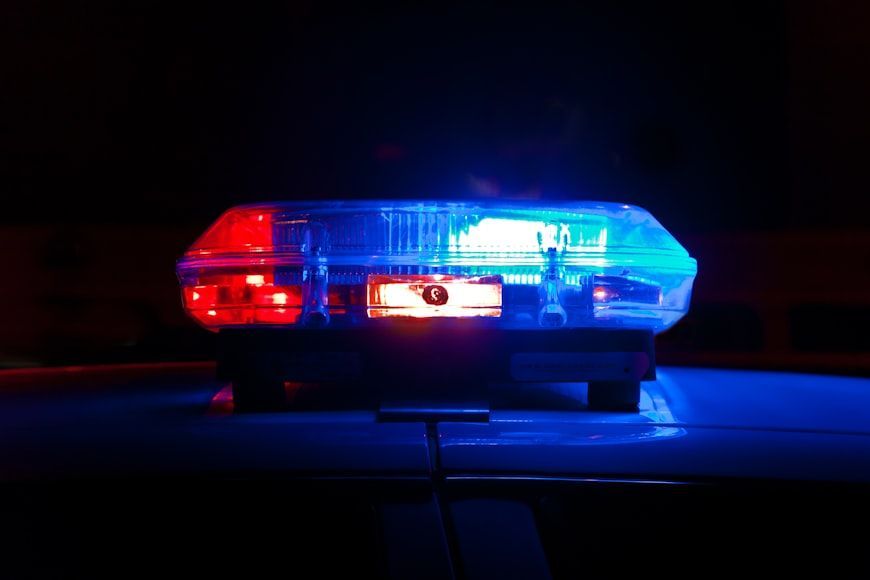 Image: Scott Rodgerson
This is likely one of the first professions that comes to mind when we think of dangerous jobs. While it’s true that police work can put an officer’s physical safety at risk, here it ranks at number 10 on the list. It may not be the most deadly job, but the high level of unpredictability and constant stress officers face makes it a career not suited for everyone.
Factory Workers
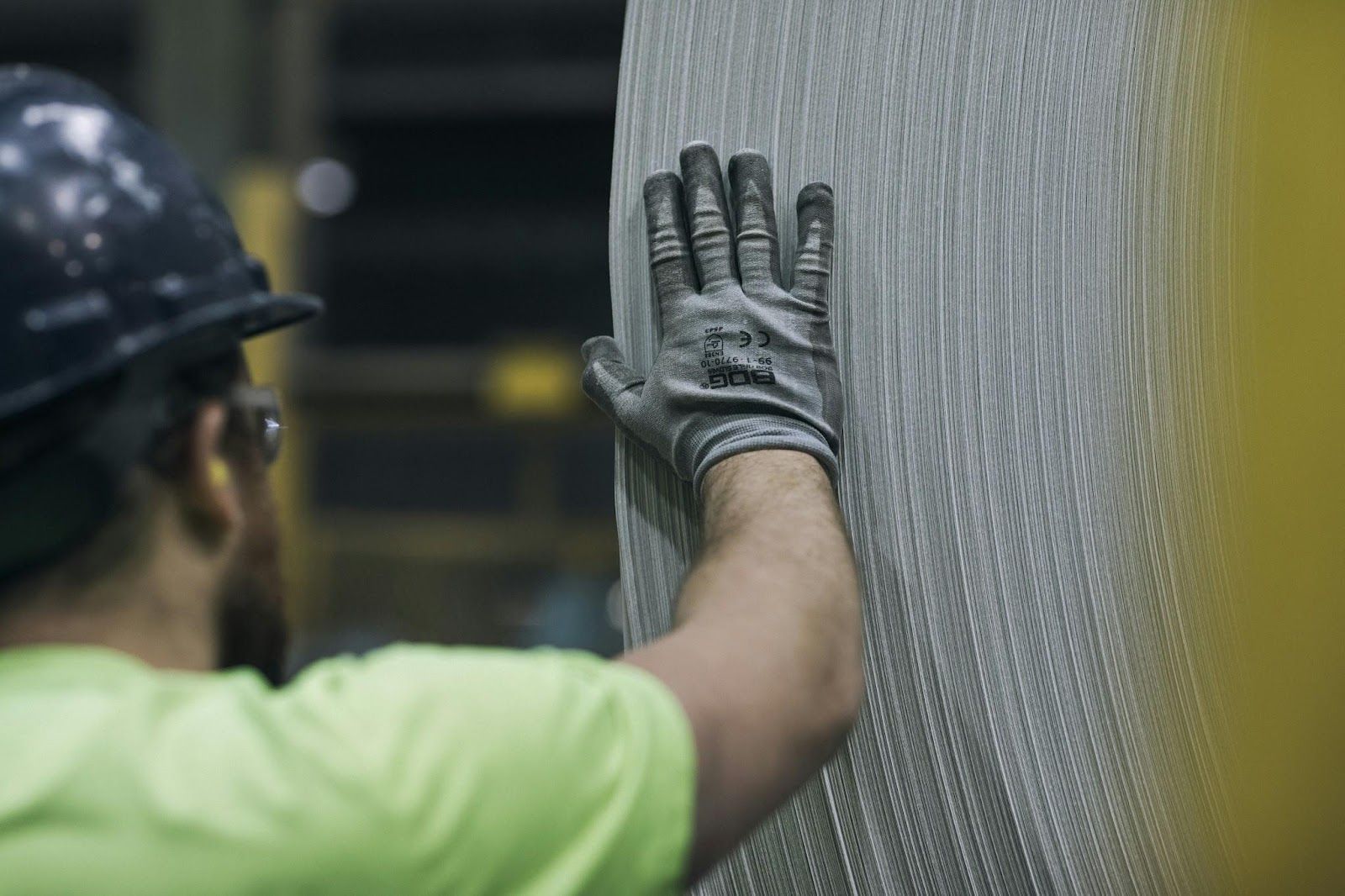 Image: MRC Témiscamingue
When it comes to non-fatal injuries, factory workers are among the most at risk. With production lines filled with heavy machinery and hazardous materials, accidents happen more often than we'd like. In 2022 alone, over 350,000 non-fatal injuries were reported in US manufacturing jobs, many involving hand injuries from contact with equipment.
Drivers
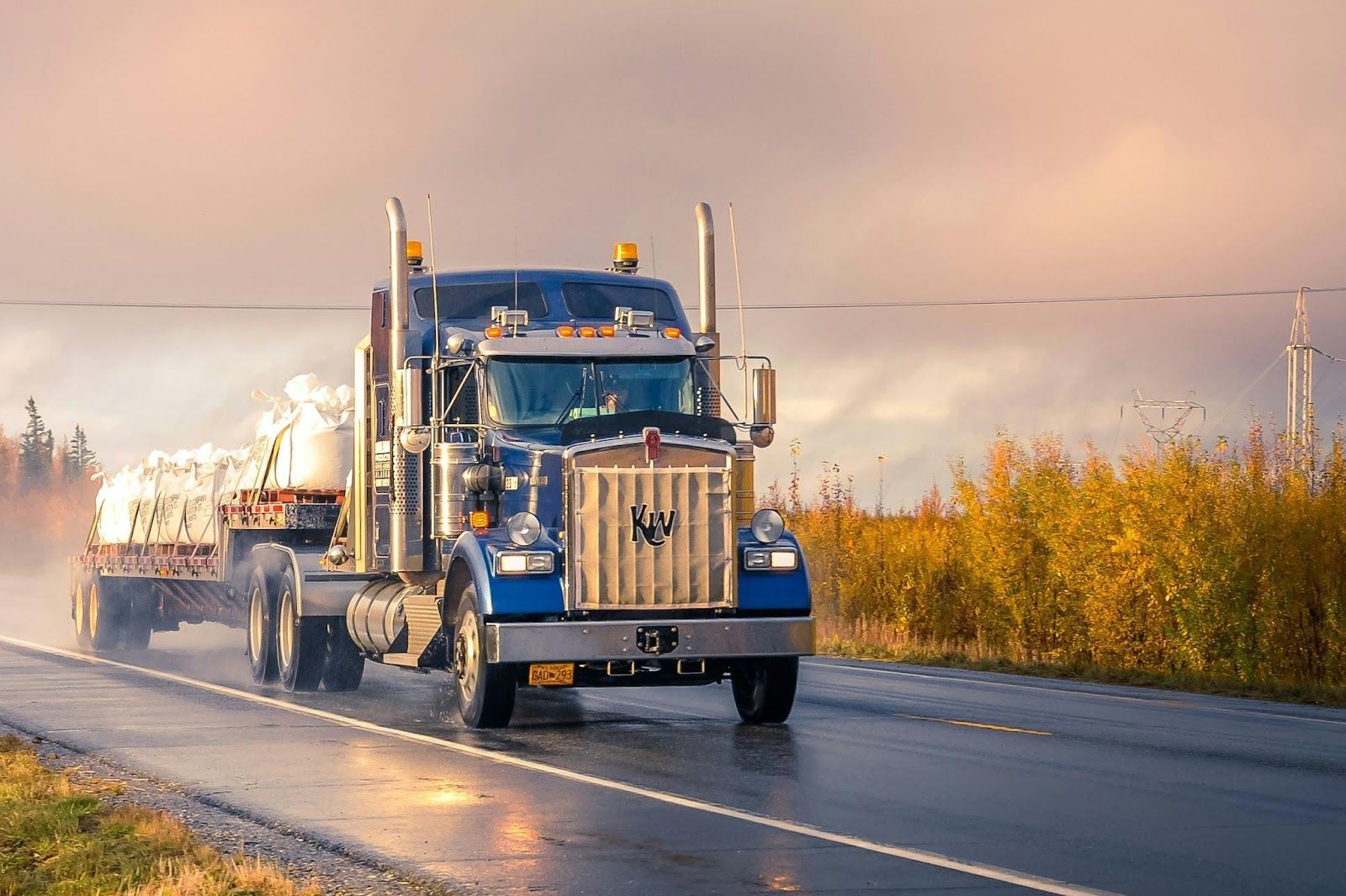 Image: Zetong Li
Traffic, especially on highways and busy roads, can be dangerous. Professional drivers must not only be familiar with their own vehicle and the road, but also remain alert to the unpredictable behavior of others. Fatigue from long hours of work is another significant risk factor. For these reasons, being a cab, bus, or truck driver can actually be more dangerous than being a police officer. Surprising, right? But it's true: according to the US Bureau of Labor Statistics, transportation incidents generally account for about 37% of all work-related fatalities.
Refuse collectors
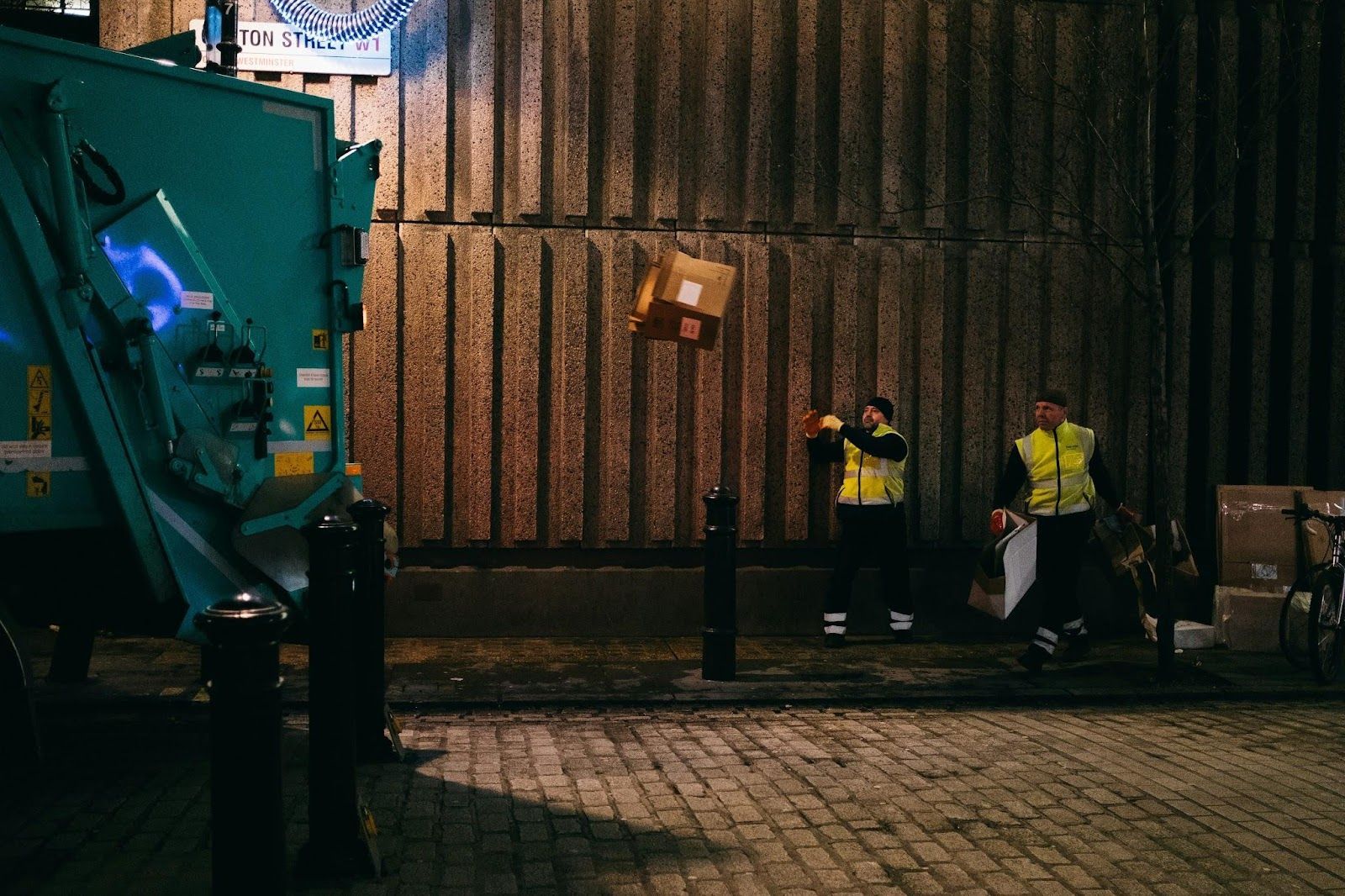 Image: Jay Clark
Refuse collectors come in at #7 on the list. These everyday heroes face risks that most people are unaware of. Apart from dealing with constant traffic, they're exposed to contamination, harmful bacteria, and even physical injuries from sharp or hazardous items hidden in the trash. Applause for collectors and the incredible work they do!
Roofers
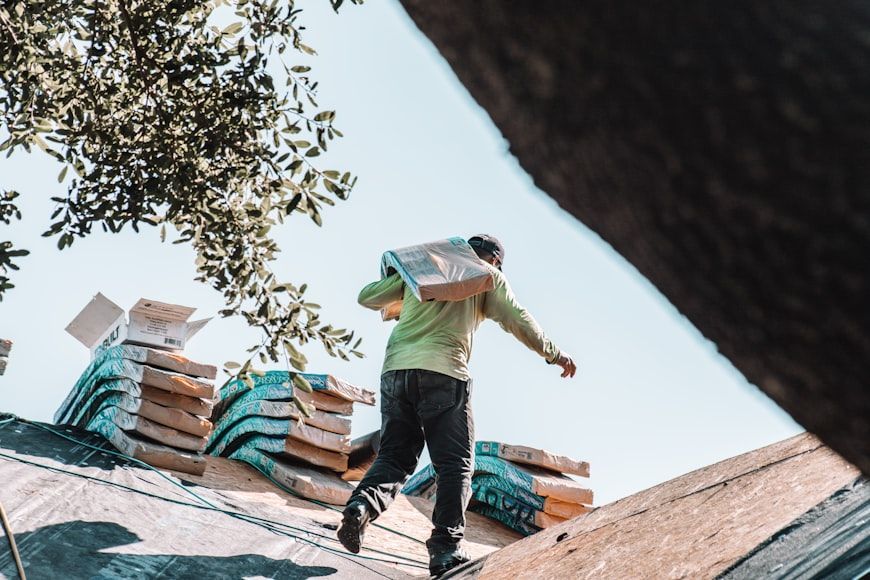 Image: Zohair Mirza
If you're afraid of heights, this probably isn't the job for you. Roofers consistently rank among the top 5 most dangerous jobs in the US and the world! But it's not just the height that makes this job risky; handling heavy, sometimes hazardous materials while maintaining balance is enough to challenge even the most experienced tightrope walker. On top of that, cold, windy, or wet weather makes the job even riskier.
Miners
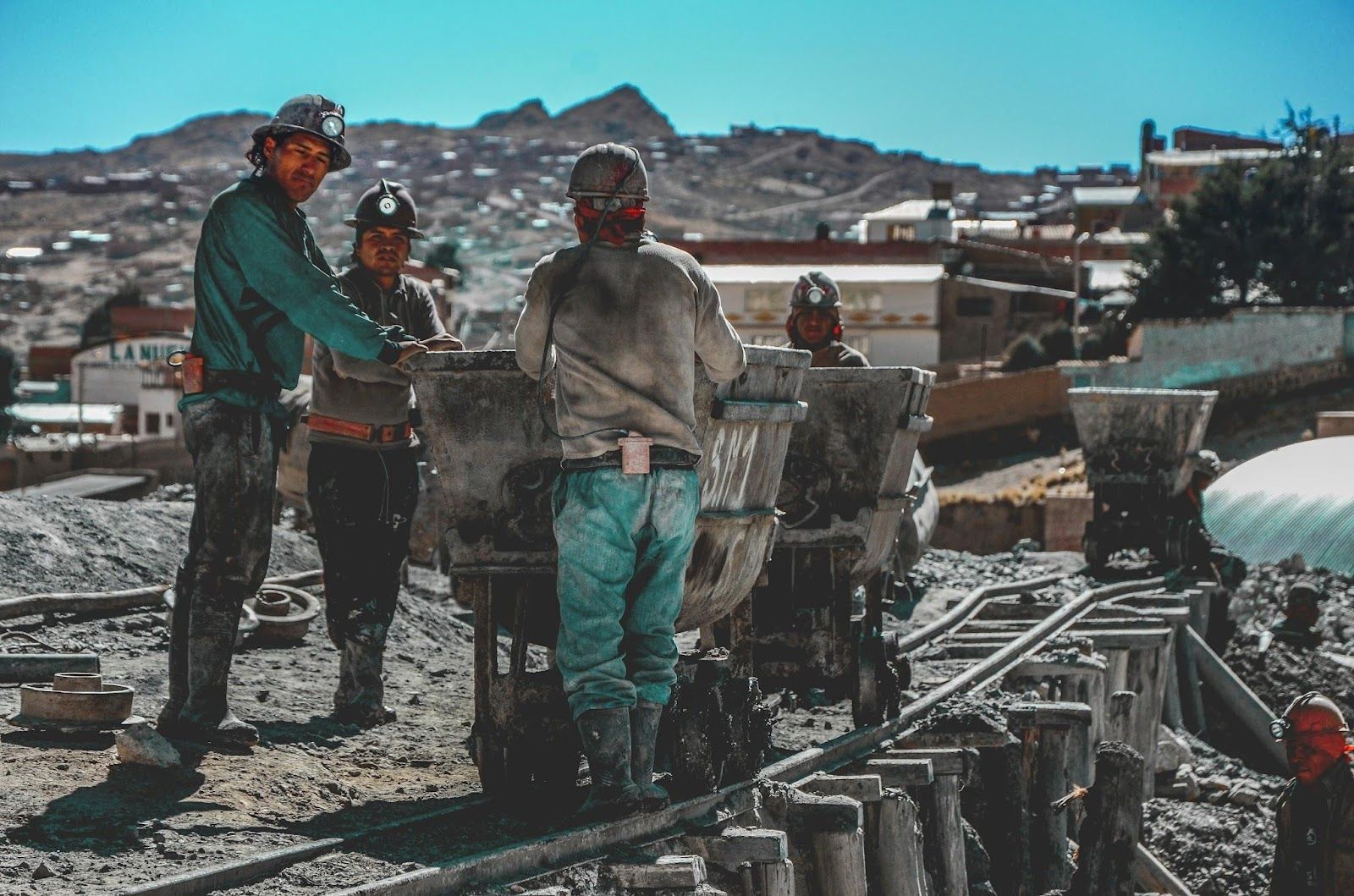 Image: Pedro Henrique Santos
Despite technological advances, mining remains a perilous job. Working deep underground comes with constant risk: tunnels can collapse, potentially trapping workers or causing painful, even fatal, injuries. In addition, remote locations, extreme temperatures, and exposure to chemicals and explosives only add to the dangers. For these reasons, miners rank at #5 on this list of the world’s most dangerous jobs.
Farmers
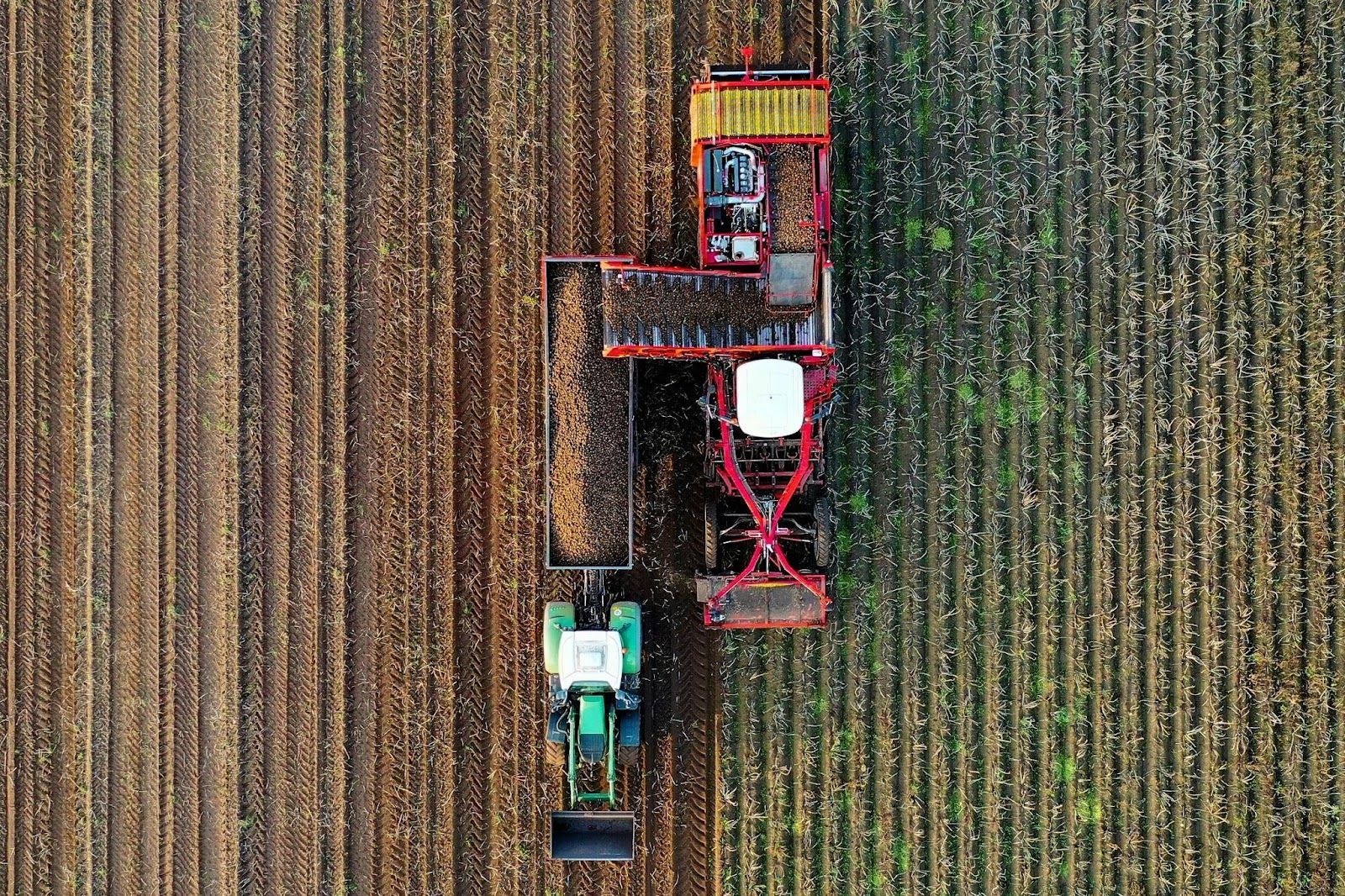 Image: Rob Mulder
Just like us, you might be surprised to learn that farmers rank #4 among the most dangerous jobs. While life in the countryside may seem peaceful compared to the city, farming is actually very demanding.
Farmers work long hours and face constant risks: handling animals, operating large and dangerous machinery, exposure to pesticides and other chemicals, and working on uneven terrain, ladders, or inside silos are just some of the challenges they confront every day.
Pilots
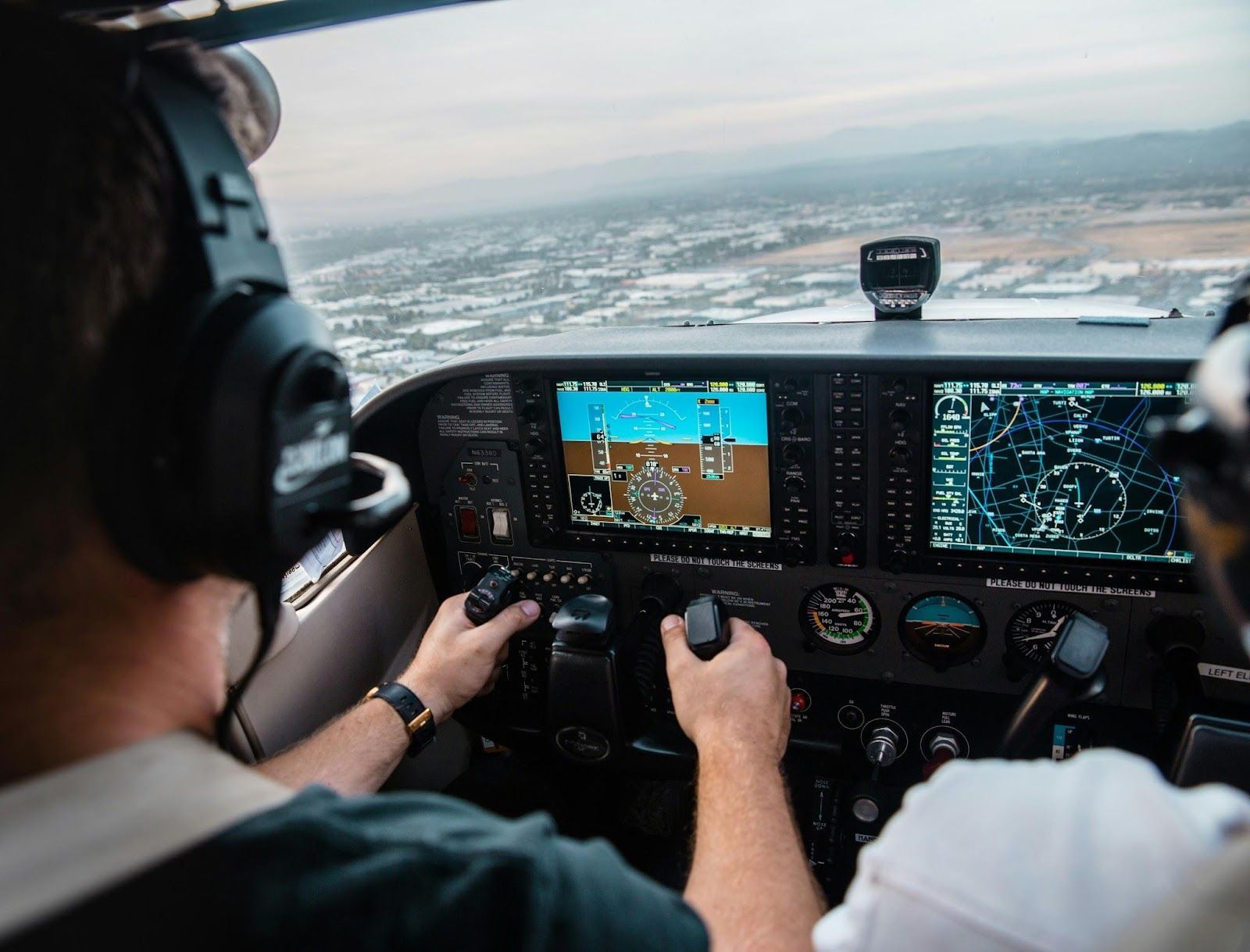 Image: Kristopher Allison
While miners face danger underground, pilots confront it in the skies. Being a pilot can be thrilling and rewarding, but it also carries serious risks. Operating complex aircraft at high altitudes means that any mechanical failure can be extremely difficult to manage. Pilots can’t always land immediately in an emergency and may have to remain in the air while troubleshooting. Add unpredictable weather into the mix, and it’s clear why this is one of the most demanding—and dangerous—jobs.
Fishermen
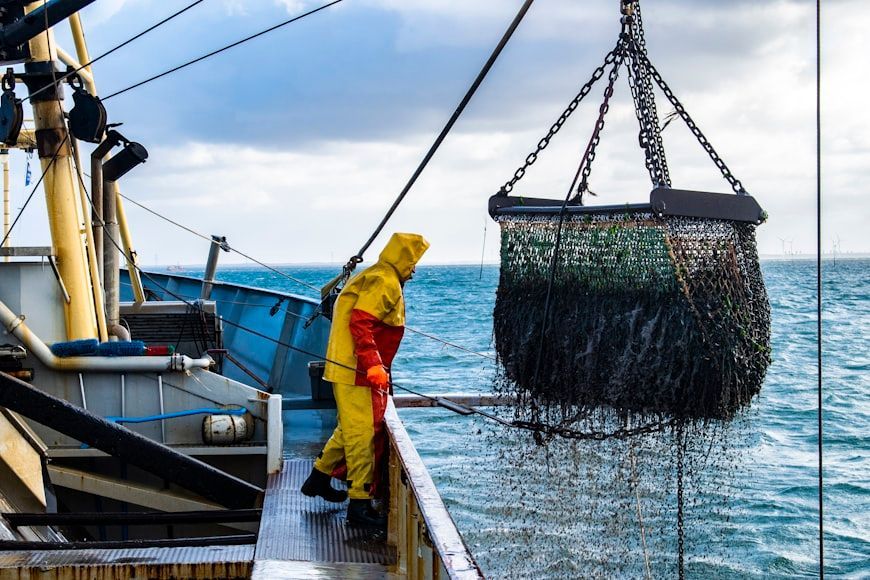 Image: Paul Einerhand
Commercial fishing is nothing like spending a relaxing Saturday casting a line with a friend. These workers can spend months at sea, operating heavy equipment while navigating rough waters, unpredictable weather, and even the dangers posed by marine wildlife. In the US, studies show that about 51% of fishing-related fatalities are caused by vessel disasters, while 30% result from falls overboard—making this one of the most perilous jobs in the world**.**
Loggers
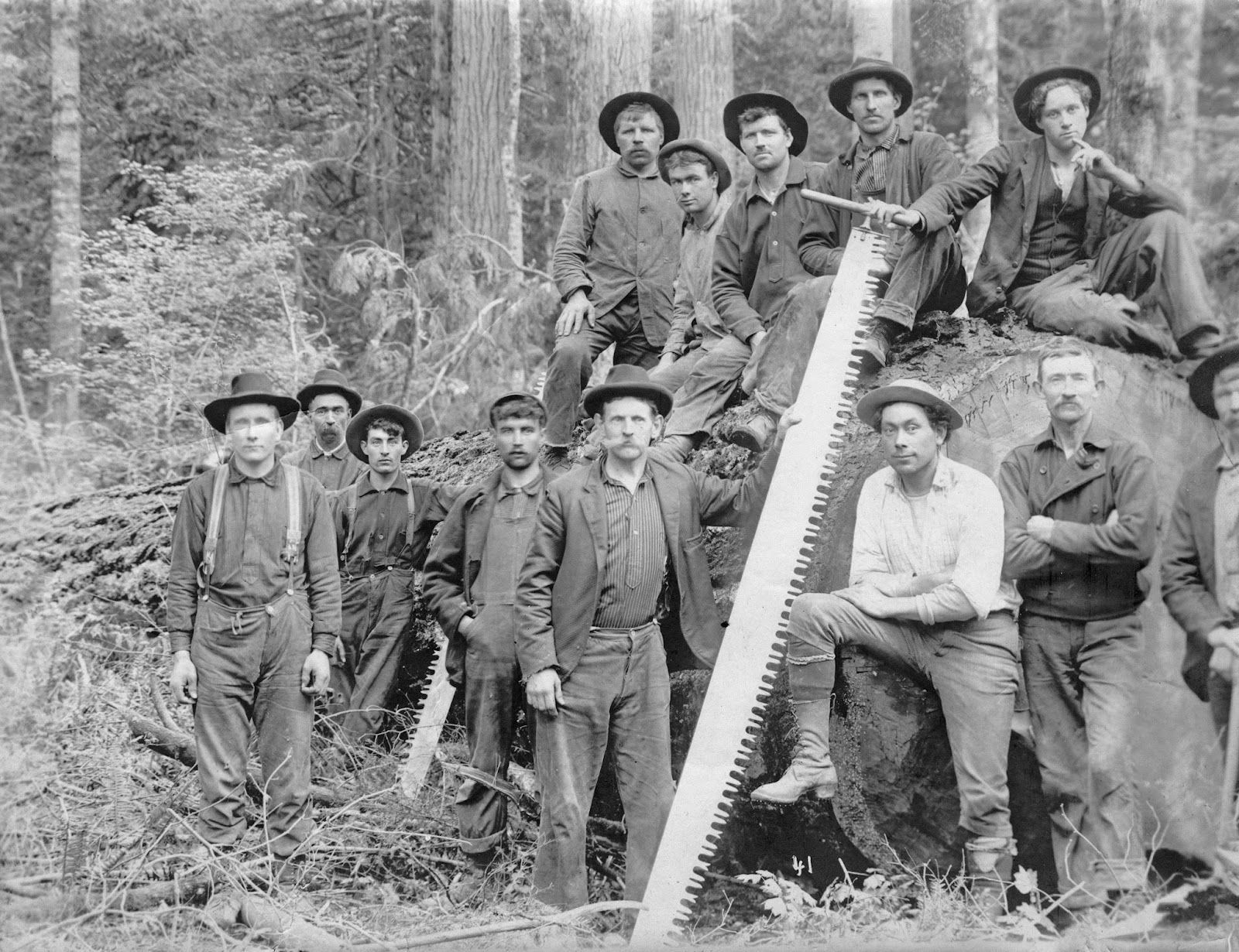 Image: The Oregon State University Collections and Archives
Using large axes and chainsaws while surrounded by massive trees that could fall at any moment is just one of the everyday dangers loggers face. In fact, the risk is so high that they hold the #1 spot among the world’s most dangerous jobs. Logging carries a high risk of fatalities and injuries each year, with most deaths caused by falling trees.