Jobs nearly gone
These 10 jobs are almost gone. Do you remember them?
Published on September 14, 2026
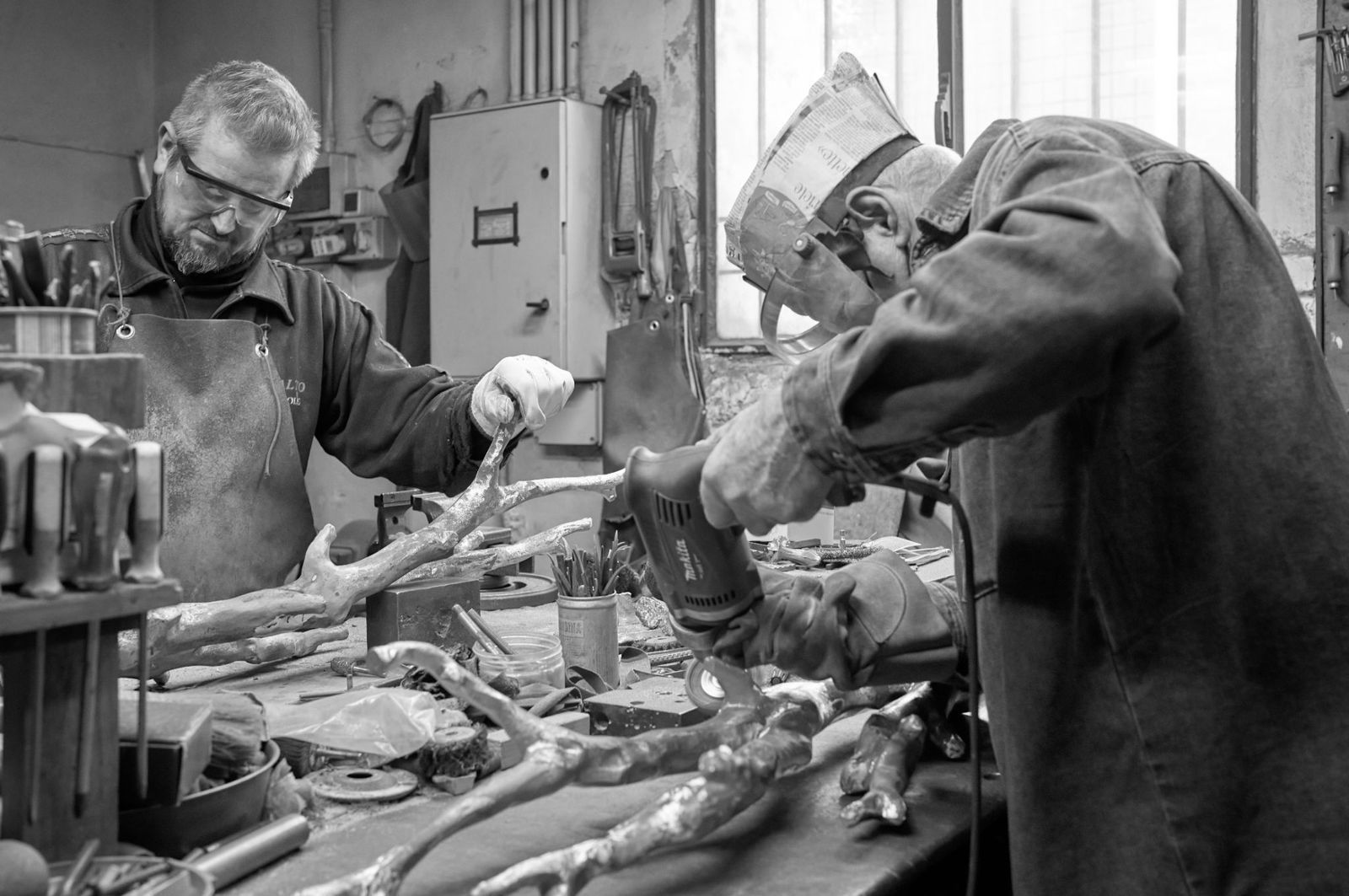
When businesses are forced to shut down or completely change the way they operate as technology moves forward, pieces of everyday life are left behind. Not only does this affect old traditions that were attached to those businesses, but also the people who were linked to these industries. There was a time when your milk was delivered by the milkman, or when, to make a call, you had to speak to a telephone operator. Let’s take a trip to the past and see some jobs that had to adapt, and others that simply disappeared over time.
Milkman

Going to the supermarket or the convenience store when you need dairy products is what most of us do, but life was a little different throughout much of the 20th century, when refrigerators weren’t as common, and grocery stores weren't as big. If you wanted milk, you had to call the milkman.
The milkman was a trusted member of every community, and his job was to deliver fresh milk directly to customers early in the morning several days a week. People would leave their empty bottles at their doorstep, and sometime in the morning, after some familiar glass bottles clinking, the milkman would have replaced them.
Newspaper delivery boy
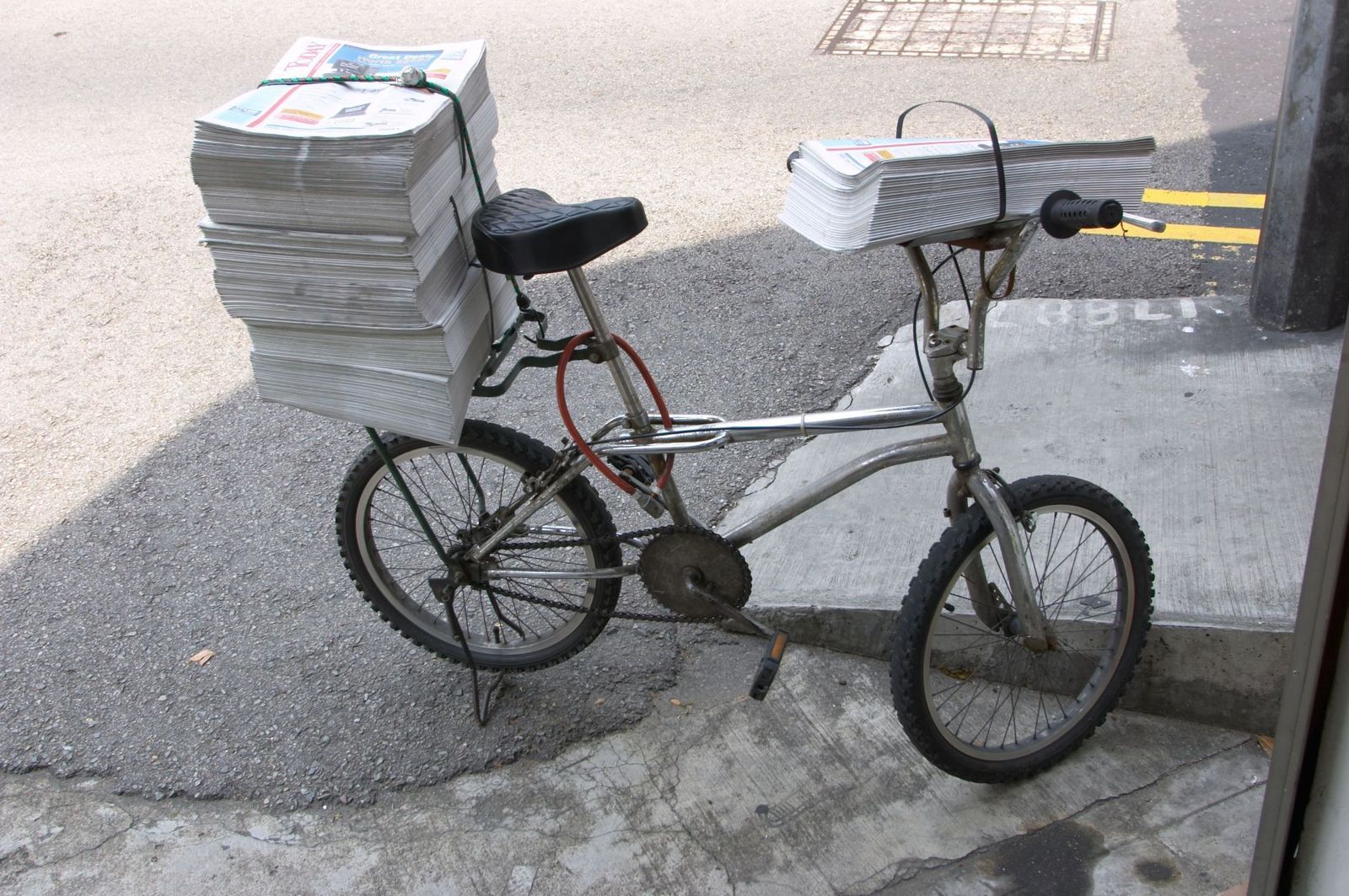
Many people would remember the delivery boy on his bike and his canvas bag full of newspapers. If you were a teenager looking to make some extra cash during most of the 20th century, being a part-time newspaper delivery boy was a great choice.
Getting the newspaper at your doorstep used to be essential, so these kids carried a lot of responsibility. The newspaper was, for the vast majority of people, the primary source of reliable information. But the job, as it is traditionally remembered, is almost completely gone due to the rise of the digital era.
Telephone operator
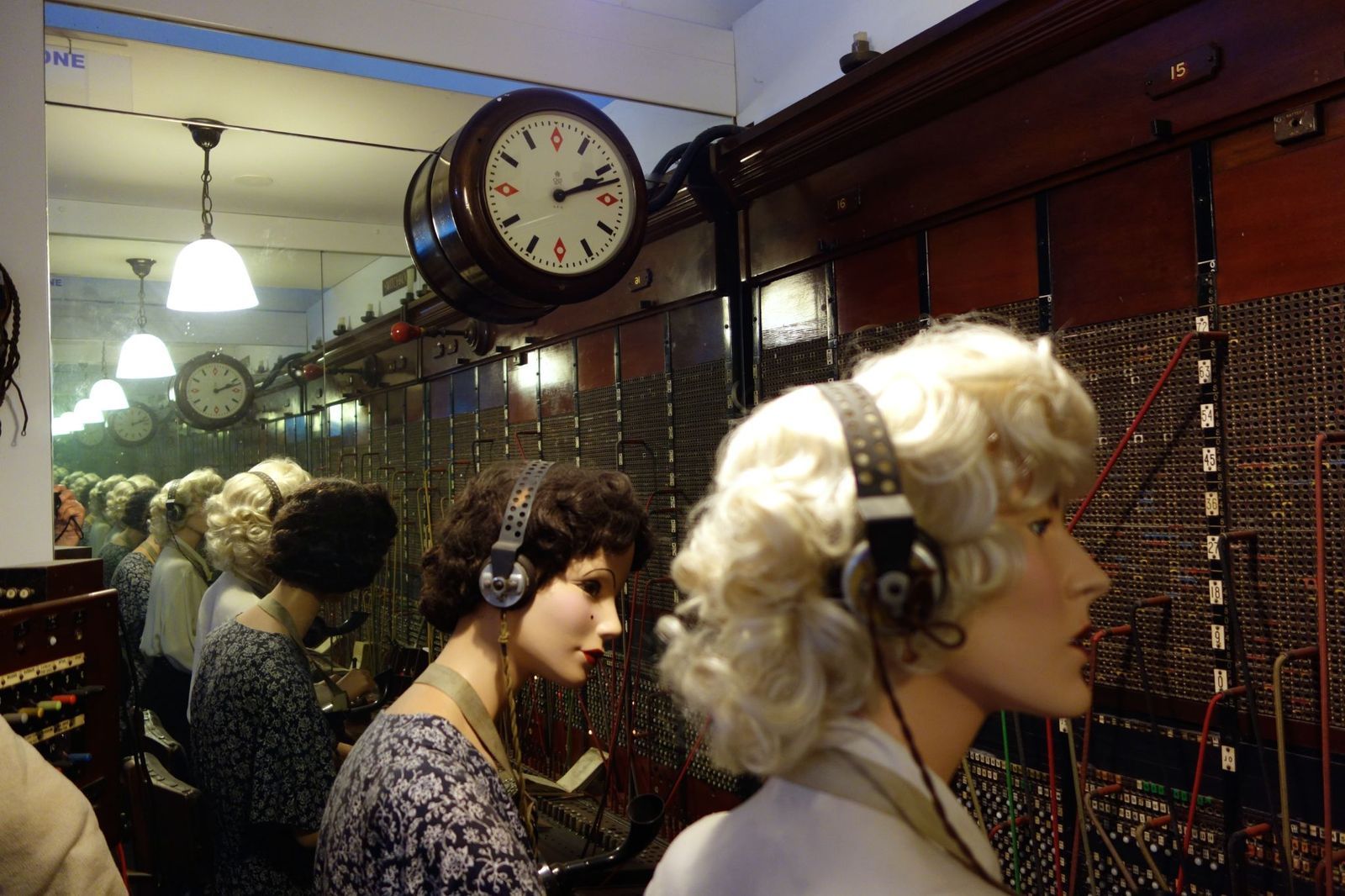
In a world where cell phones can do everything from calling your kids and texting to streaming a movie anywhere, thinking about the important role telephone operators played feels so far away in time. Making a call in the late 19th century and most of the 20th century was nothing like today.
Telephone operators were responsible for manually connecting different calls by plugging cables into switchboards in order to help callers reach whoever they were trying to speak to. They were the human link that made the entire system work and enabled communication across cities, states, and countries.
Video store clerk

When, in order to watch a movie we didn’t physically own, we had to rent it, video store clerks were necessary. But their job was much more than just ringing you up. They would recommend movies for the family and always keep you up to date about new releases. Sometimes you could even show up and tell them what type of film you liked, and they would give you some advice on what to rent. With the downfall of video rental stores, most of these positions disappeared.
Toll booth collector
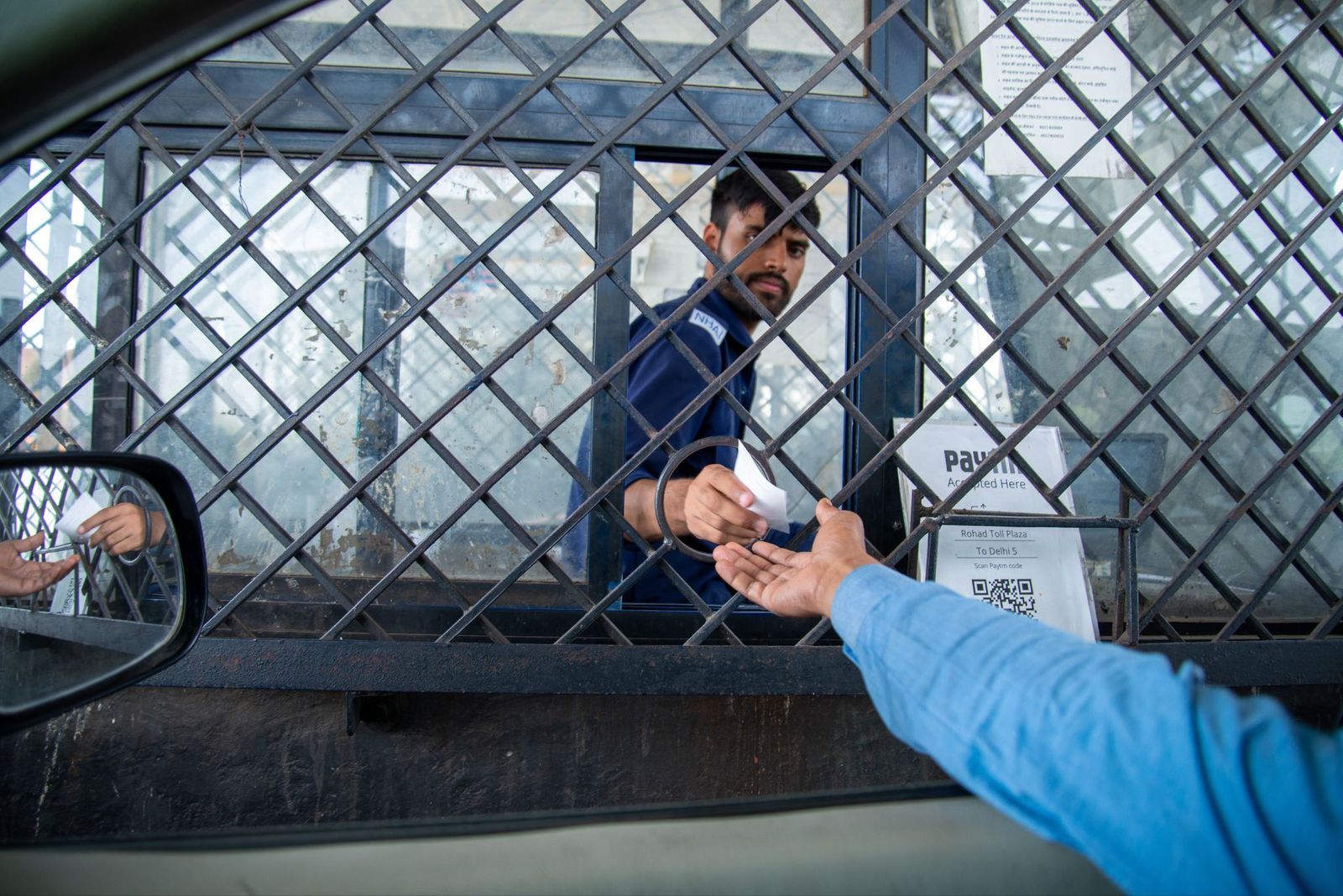
Before E-ZPass and cashless tolling, we would have to fully stop at highway toll plazas, roll down the window, have a little chat with the toll collector, and hand him cash to continue traveling. But besides charging you, toll collectors were very helpful when GPS and the internet weren’t a thing, as they often served as the first point of contact when you needed directions or some sort of assistance.
Once states modernized their highways, these jobs were gradually removed.
Travel agent (traditional storefront)

Planning your vacations looked very different a few decades ago. Typically, you would meet up with your travel agent, and they would help you with almost every detail of your trip. People didn’t have the internet and websites where they could handle all of this themselves as easily as it is today, so the travel agents booked flights, hotels, cruises, rental cars, everything you can think of.
They were essential for a well-organized trip and helped make things much simpler. You can still find some traditional travel agents, though it is not nearly as common as it used to be.
Elevator operator
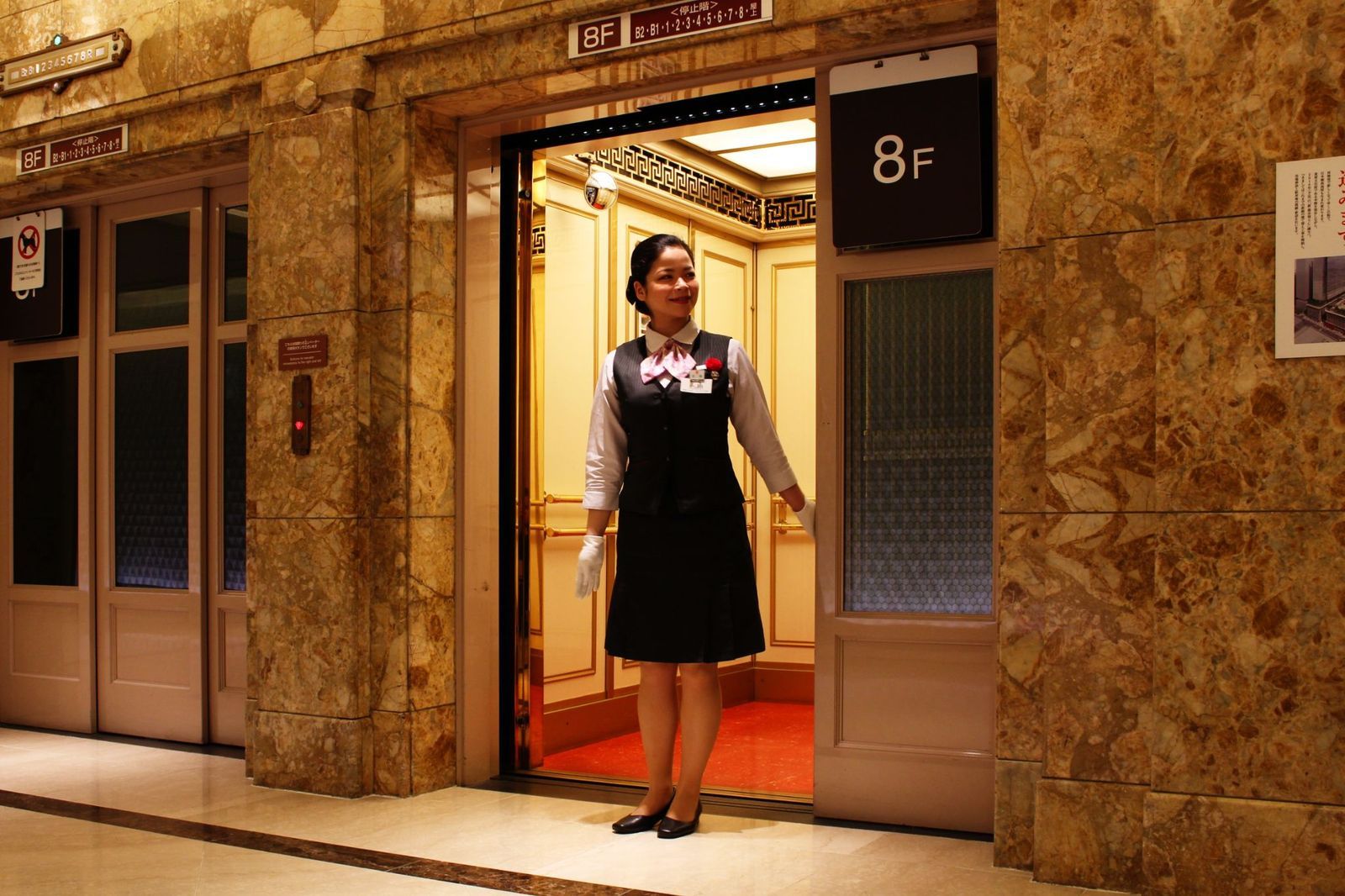
Operating an elevator now involves simply walking into it and pressing a button. But until the 1950s and part of the 1960s, elevators were a lot more complicated, and you needed specific skills to use them. Part of the common experience of using an elevator was greeting the operator and telling them where you were going, so they could make sure you had a safe ride to your floor. They would often wear smart uniforms and be very courteous with passengers.
Projectionist (film reels)
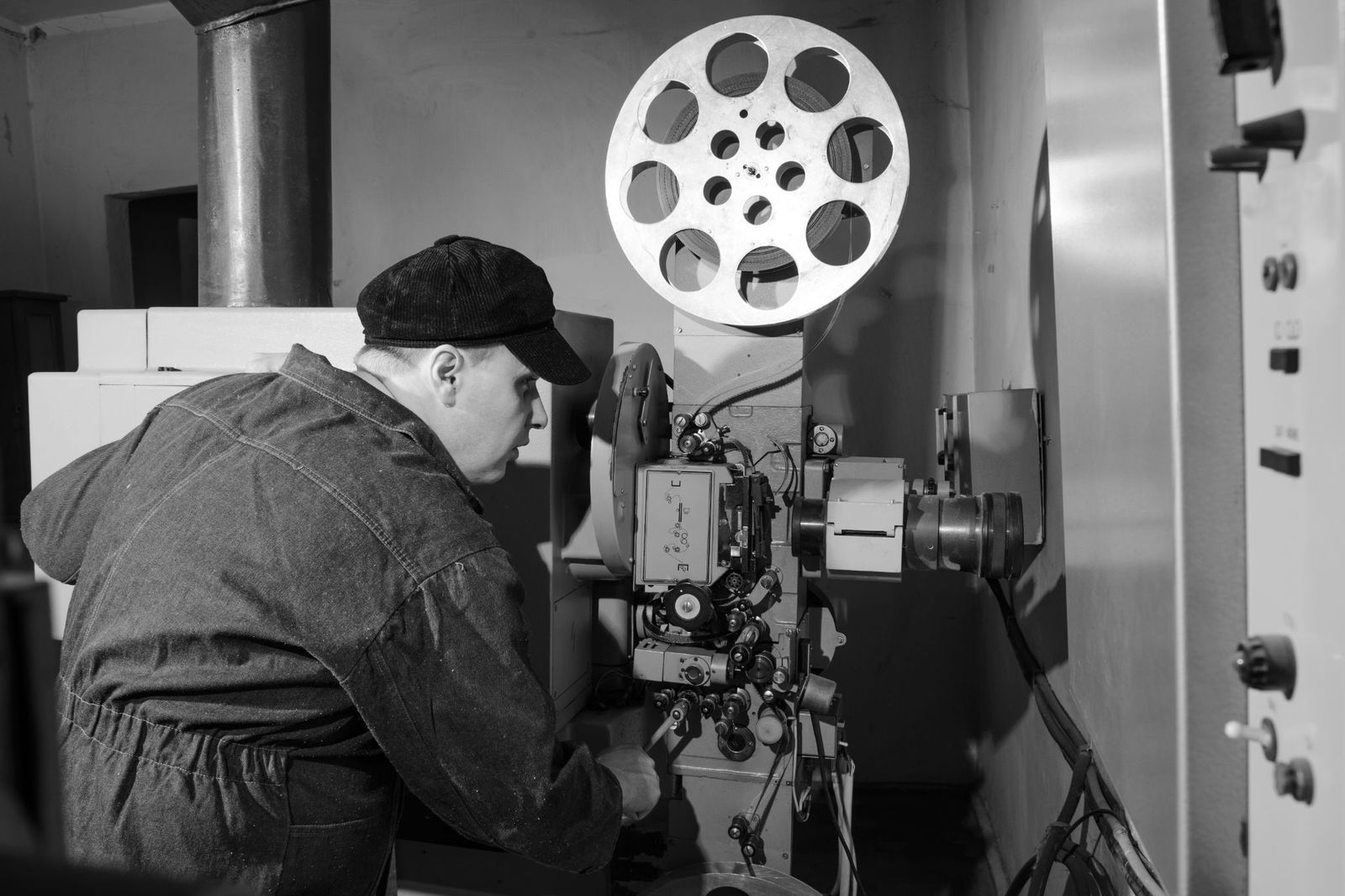
How good or bad your experience at the movies was depended a lot on the projectionist. When there were no digital files, the projectionists were the ones responsible for operating the film projectors — but this involved many more tasks than just hitting "play."
Projectionists loaded large reels of film and had to constantly monitor the equipment, swap reels when necessary, make sure the movie was focused, the sound synchronized, and that it played smoothly from beginning to end. After theatres moved away from 35mm film projectors to digital ones, the need for specialized projectionists declined significantly.
Typesetter

Without typesetters, the printing industry couldn’t function. When computers hadn’t yet revolutionized the communications business, typesetters were the ones arranging individual metal letters in order to prepare text for printing: newspapers, magazines, books, advertisements, etc.
Typesetters had to be skilled to know how to organize the entire layout of a page to make it accurate and appealing for readers. And even the smallest typo could mean a lot of extra work to fix it by hand.
Human computer
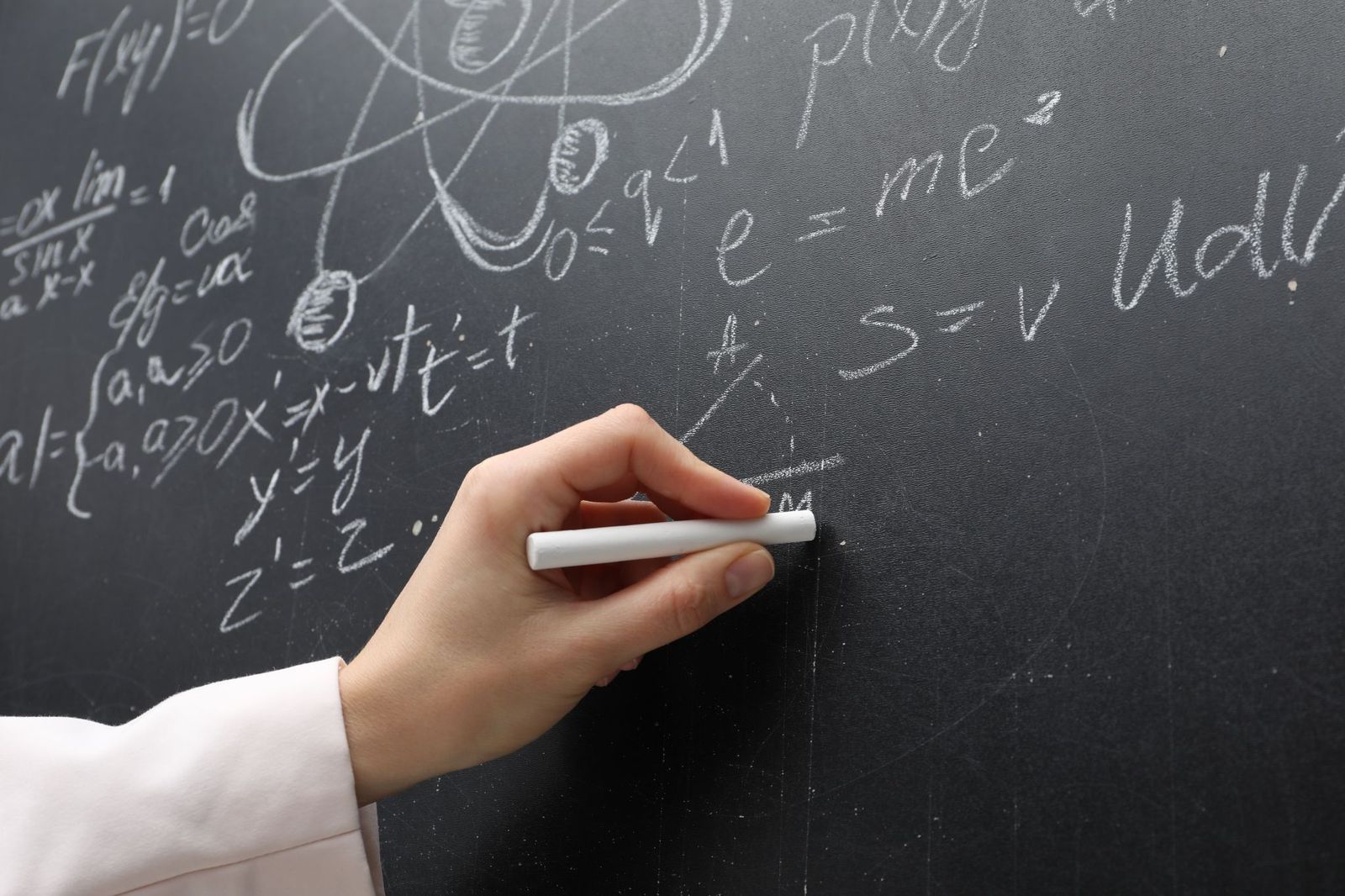
The term "human computer" may sound a little odd, but before we had computers as we know them now, companies would hire very smart mathematicians to perform complex calculations by hand — using pencil and paper!
The tasks they carried out were essential to science, playing a crucial role in many of the 20th century’s greatest achievements, like the Space Race. Human computers working for NASA were responsible for calculating everything from rocket trajectories to spacecraft orbits.