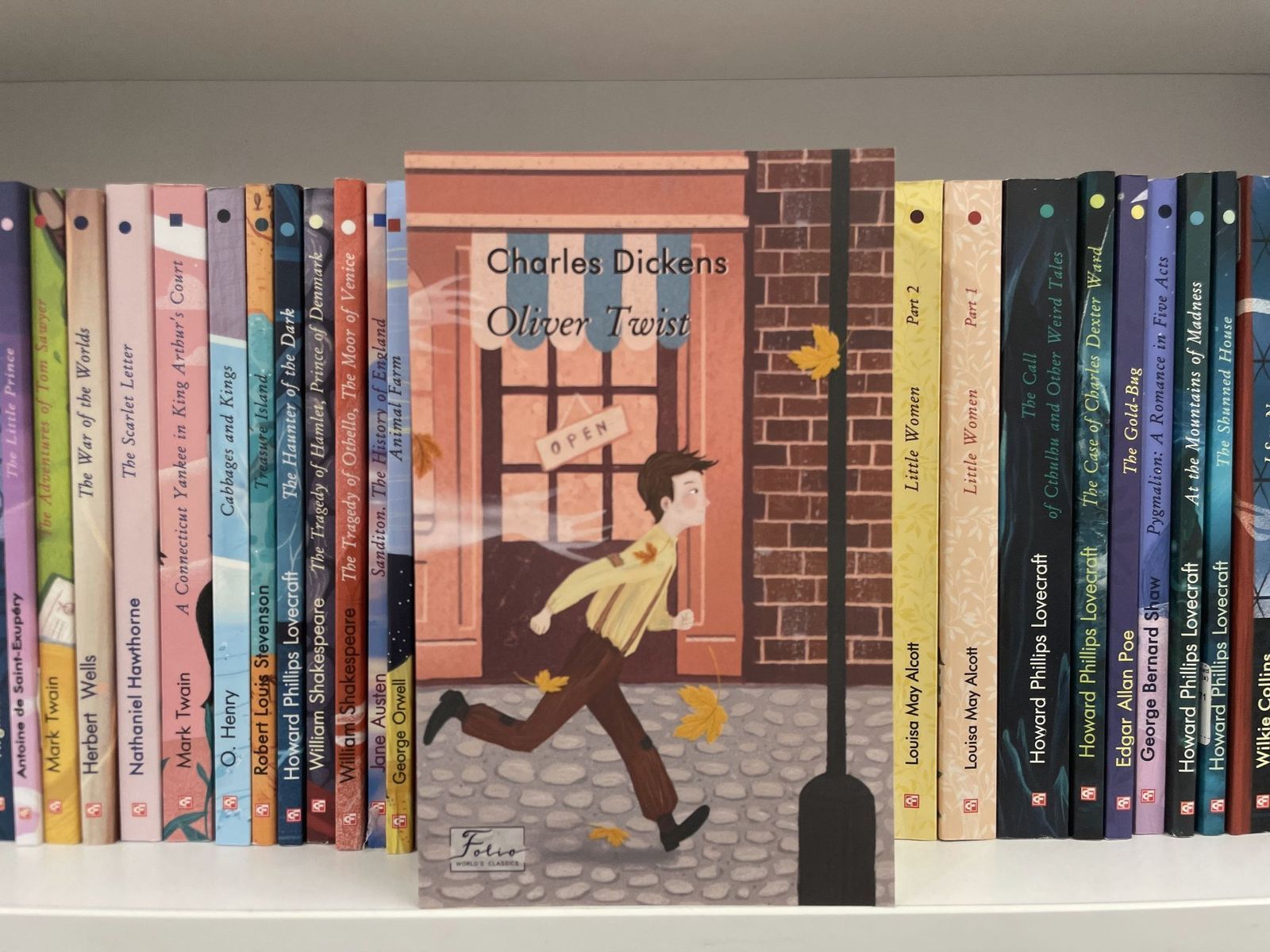
One fragment at a time

These 10 beloved novels were published one chapter at a time


Published on August 20, 2026
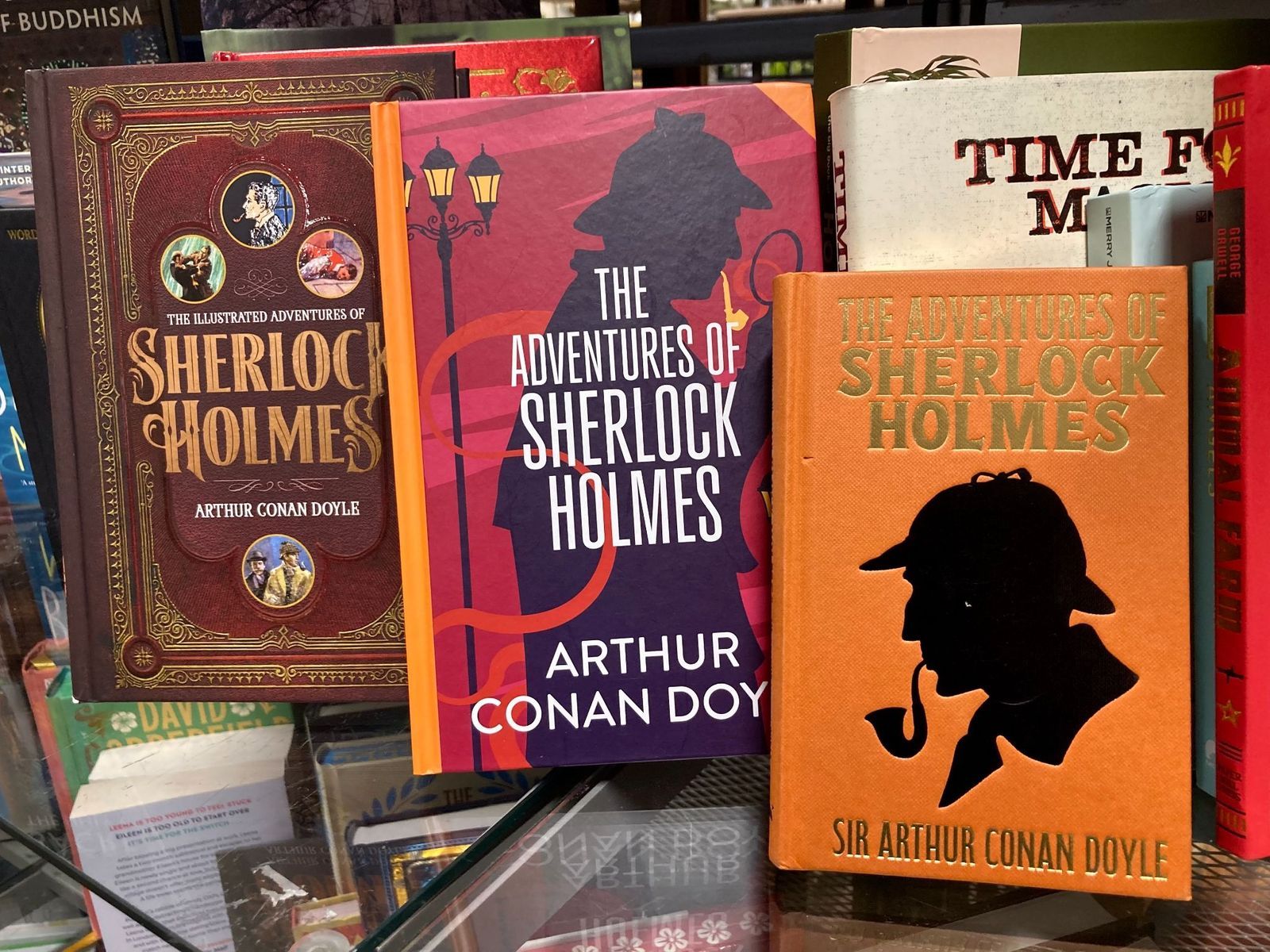

Image: Steve Travelguide

Back in the day, fiction wasn’t pre-ordered online and launched in bookstores with shiny, colorful covers. Instead, many of the titles we call literature classics were first printed in cheap paper magazines that flocks of readers returned weekly or monthly to: That was the only way to know how Sherlock Holmes solved complicated mysteries, or whether Jim Hawkins survived the pirates in Treasure Island. Here are 10 stories behind novels that made audiences fall in love, one chapter at a time.

1

Treasure Island, by Robert Louis Stevenson
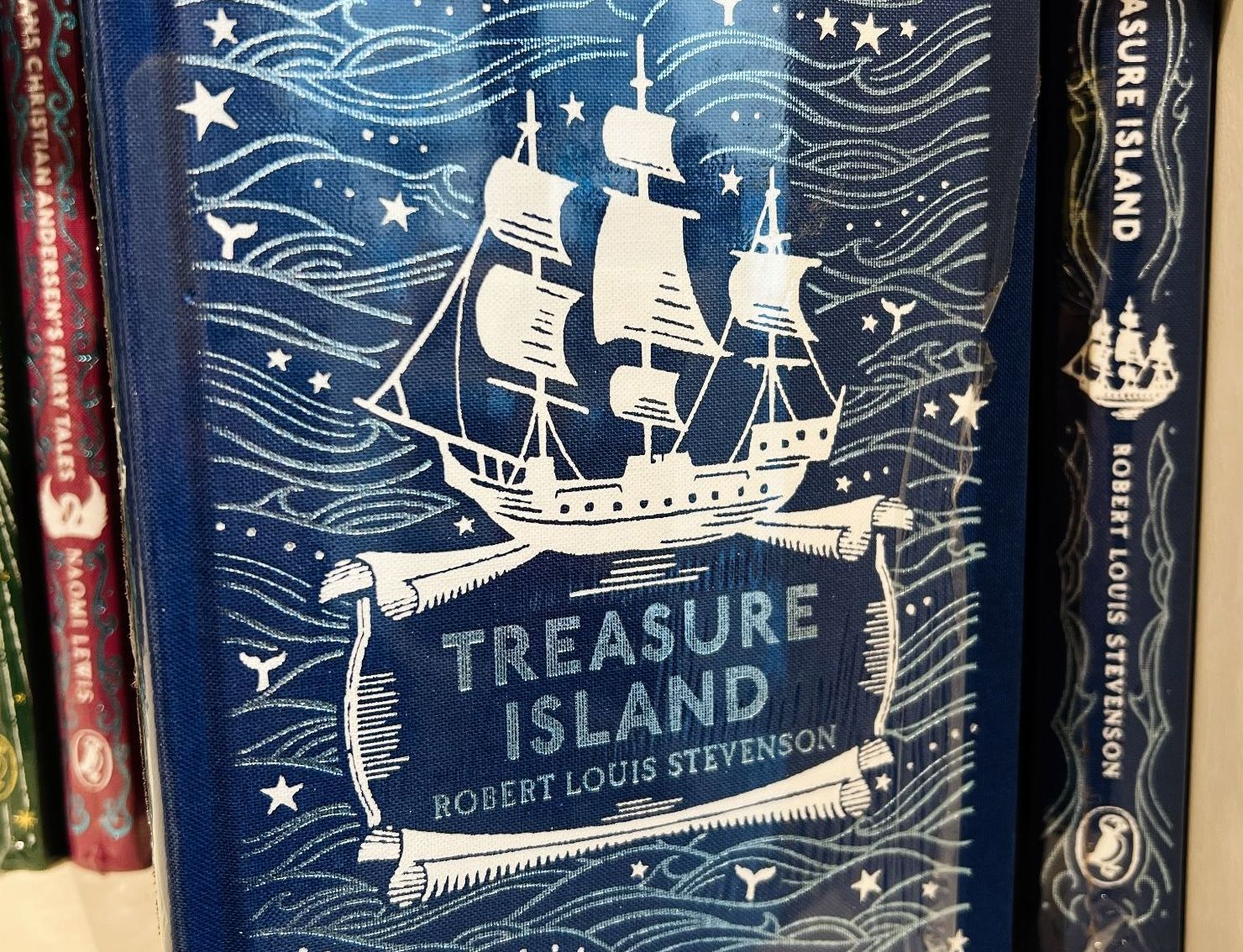
Image: AS project

The book that hooked young readers with the pirates’ genre flopped initially. When Robert Louis Stevenson's tale of seafarers and buried gold began running in the children's weekly Young Folks in 1881, it didn’t garner many fans. The story was printed under the pseudonym "Captain George North," and went out in seventeen installments spread across four months.

Even Stevenson's own wife, Fanny, disliked it enough that she argued against its ever becoming a book. But Stevenson pressed on and wrote a famous introduction charmingly defending the genre. The book was published by Cassell & Co. two years later, this time under his real name. The response was immediate: a bestseller, plus the template for how the world would picture pirates ever after.

2

The Adventures of Sherlock Holmes, by Arthur Conan Doyle
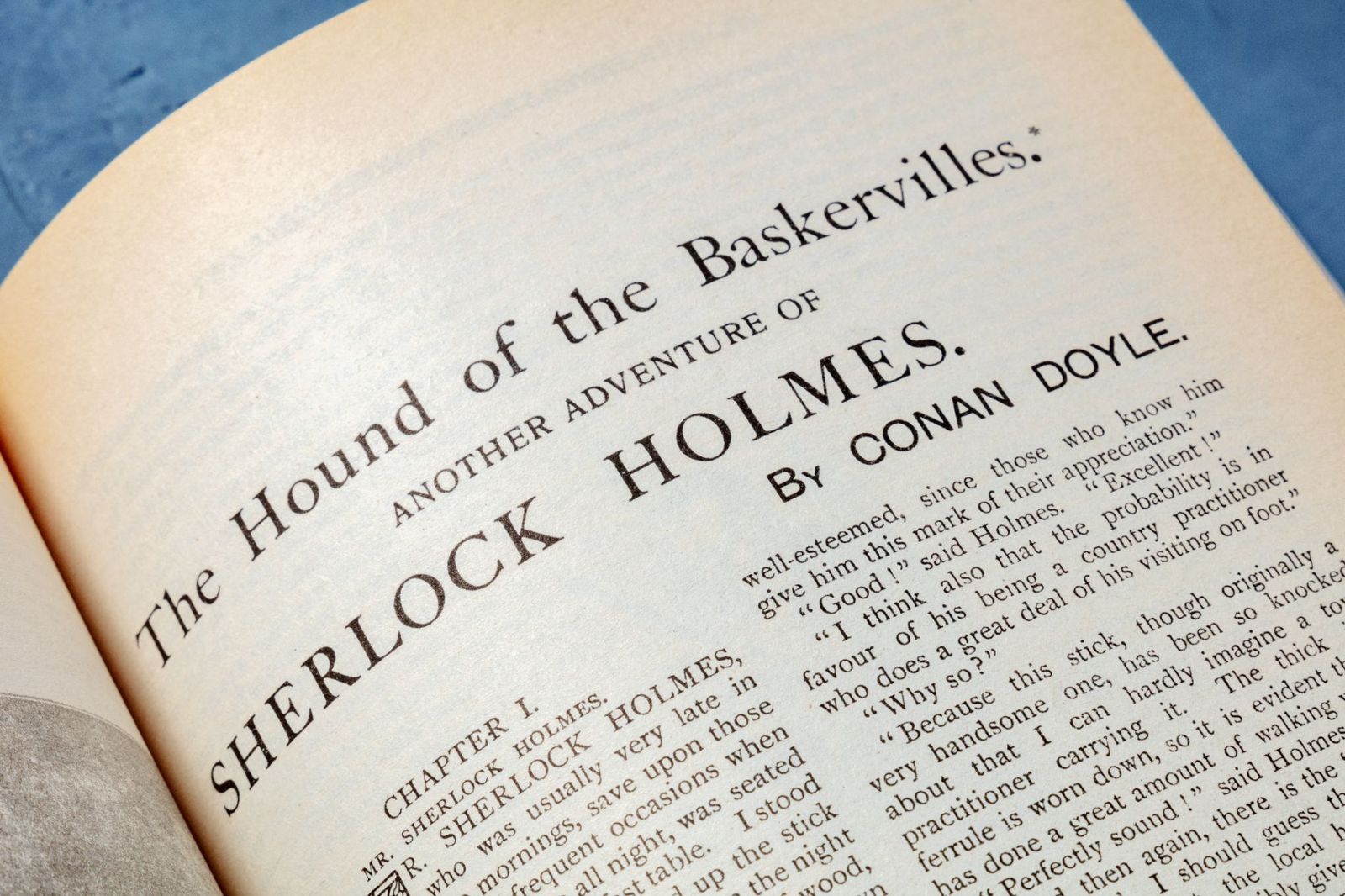
Image: Plateresca

Sherlock Holmes never wore a deerstalker cap in Arthur Conan Doyle's original text. That image came from illustrator Sidney Paget, hired to accompany the twelve stories that ran monthly in The Strand Magazine from July 1891 to June 1892.

The format itself was the real innovation: rather than one long serialized novel, readers got a complete, satisfying mystery every month, always featuring the same detective and his loyal Dr. Watson.

It worked very well. Subscriptions to The Strand climbed so sharply that Doyle was able to demand a raise before writing his next batch of cases. When George Newnes published the stories together as a book later that year, Holmes was already a household name.

3

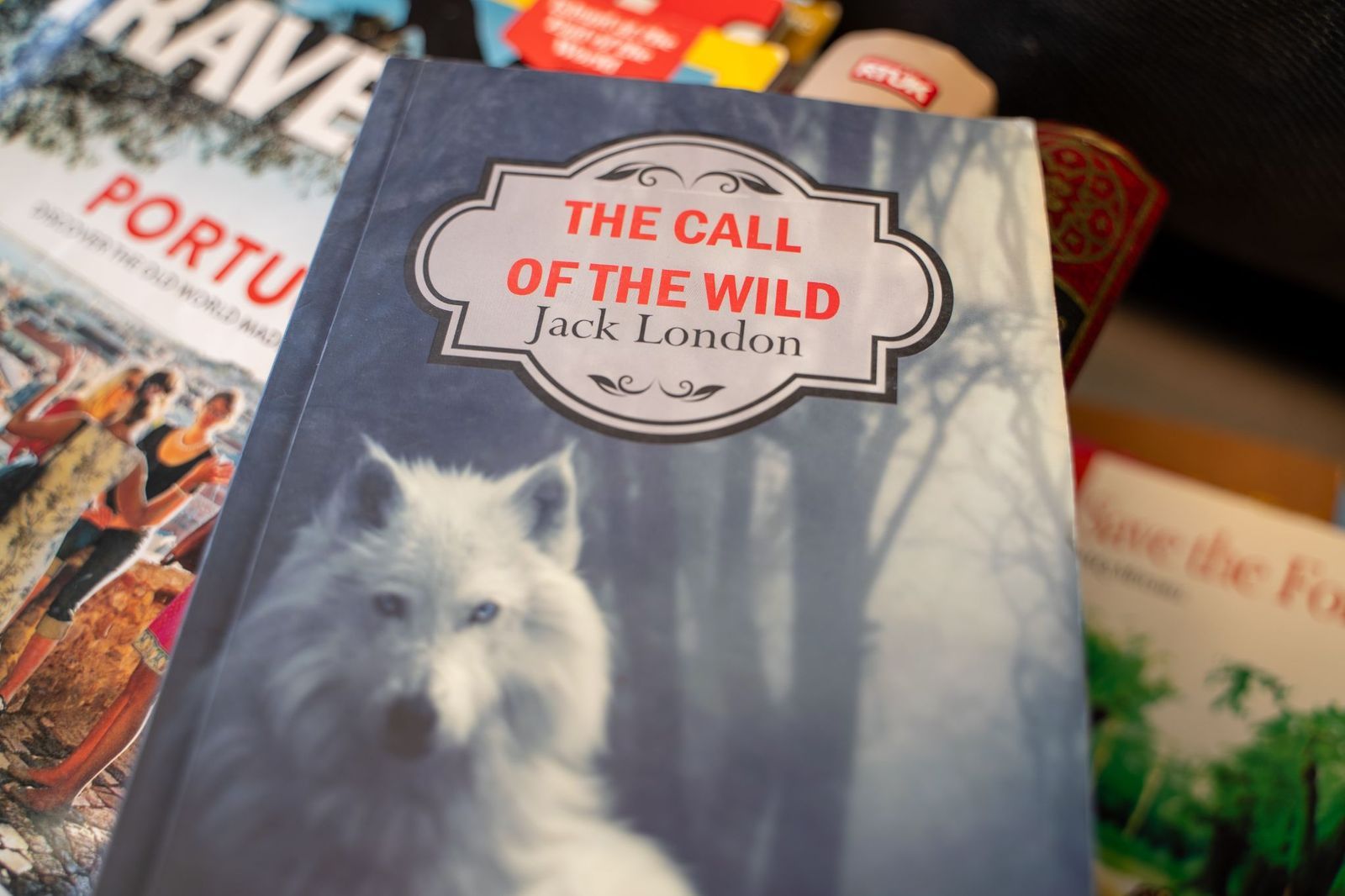
The Call of the Wild, by Jack London

Image: Erman Gunes

Writer Jack London needed money fast, so in January 1903 he mailed off a manuscript about a dog named Buck to The Saturday Evening Post. The idea had come from the year he had spent in the Yukon. The editor liked it, but asked London to trim five thousand words.

He agreed, priced his labor at three cents a word, and cashed a check for $750 (roughly $28,000 today). The story ran over a summer across several issues of the Post, a magazine better known for genteel fiction than tales of sled dogs clawing their way back to savagery in the Klondike. Just twenty-two days after that first payment, the Macmillan publishing house bought the book rights for $2,000 (roughly $76,000 today). When the novel appeared that August, its first printing of 10,000 copies sold out immediately.

4

Tarzan of the Apes, by Edgar Rice Burroughs
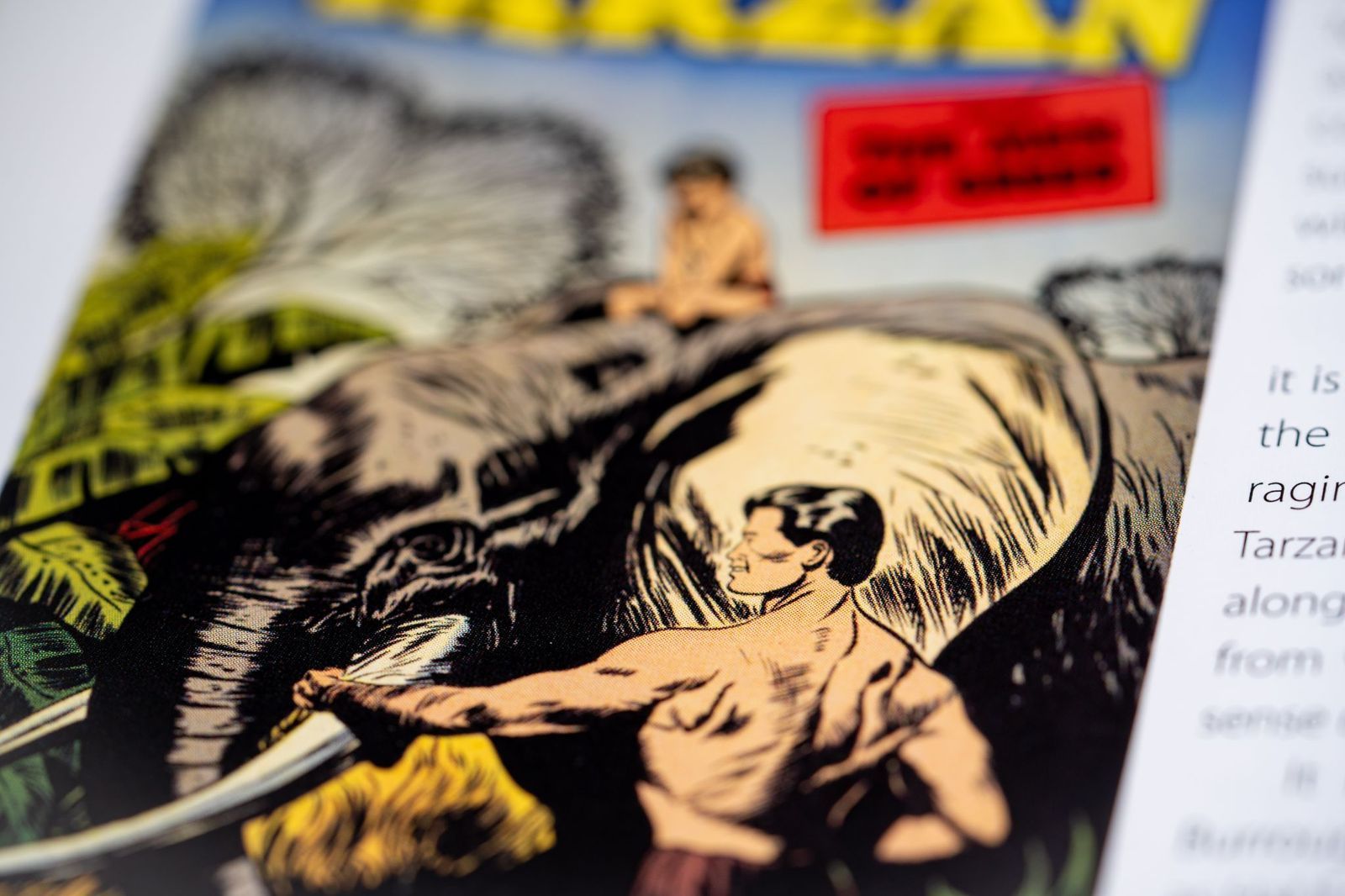
Image: Erman Gunes

Tarzan's debut wasn't serialized the way most magazine fiction of 1912 was. Editor Thomas Metcalf ran the entire novel, uncut, in one issue of the pulp All-Story that October, an almost unheard-of gamble.

Edgar Rice Burroughs, a failed soldier and failed businessman turned struggling writer, received $700 (roughly $24,000 today) for it, enough to convince him he could write for a living. But when he brought Metcalf a sequel the following year, Metcalf turned it down, twice.

Burroughs took The Return of Tarzan to a rival pulp instead, which ran it as a conventional seven-part serial and paid him even more money than before: $1,000. Every Tarzan novel that followed stuck to that same magazine-first formula. The books didn’t arrive until 1914.

5

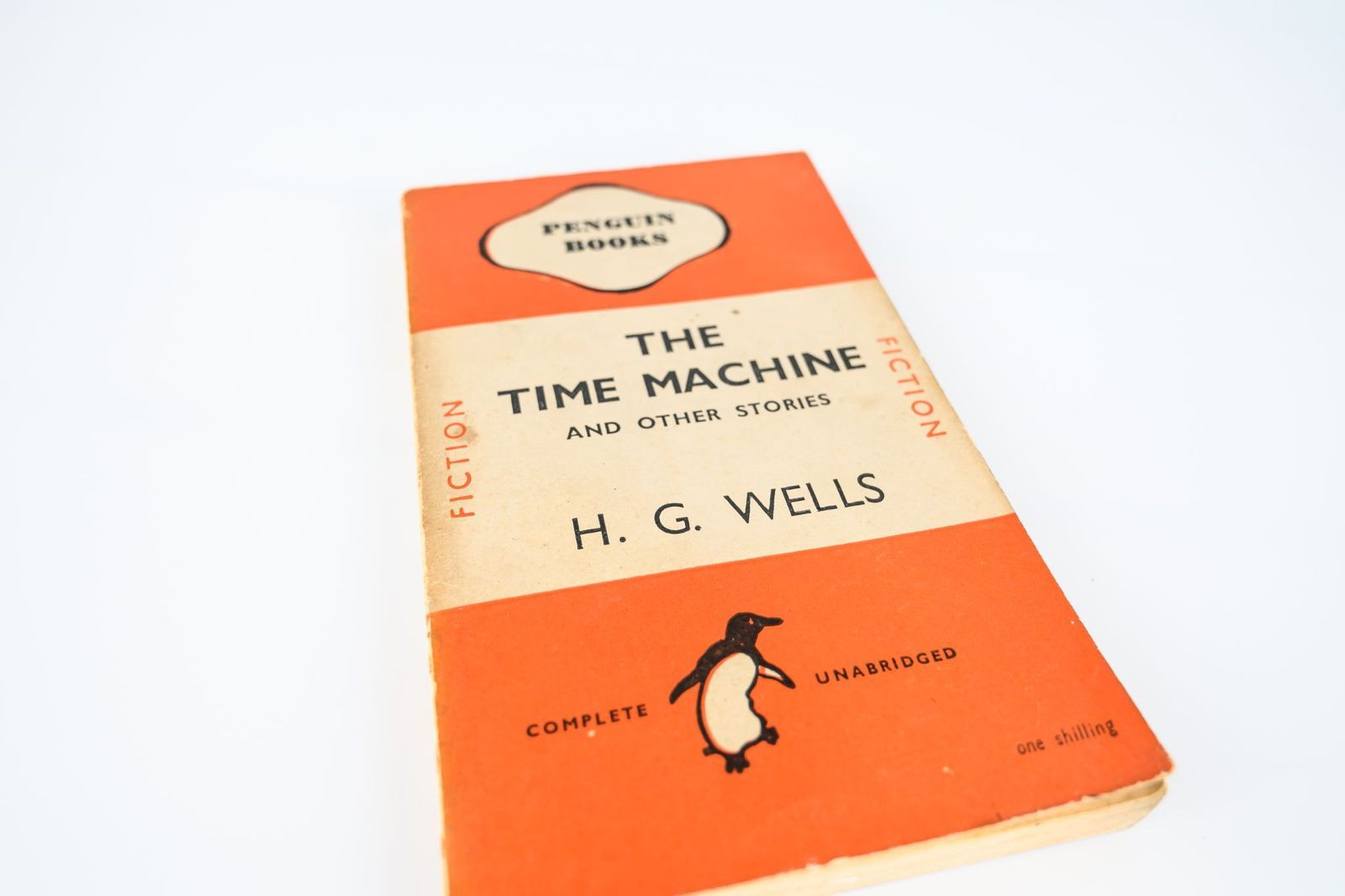
The Time Machine, by H. G. Wells

Image: SJBright

H. G. Wells spent seven years failing to get this story right. It began as a college magazine serial in 1888, and resurfaced incomplete in a newspaper called the National Observer in 1894. But it didn't find its final shape until editor William Henley asked Wells to expand it into a five-part serial. Wells agreed, was paid £100 (around $23,000 today), and watched the story run over 5 months in 1895. Readers liked it.

When book publications soon followed on both sides of the Atlantic, the American edition misprinted the author's name as "H. S. Wells," an error they had time to correct, since it has never been out of print.

6

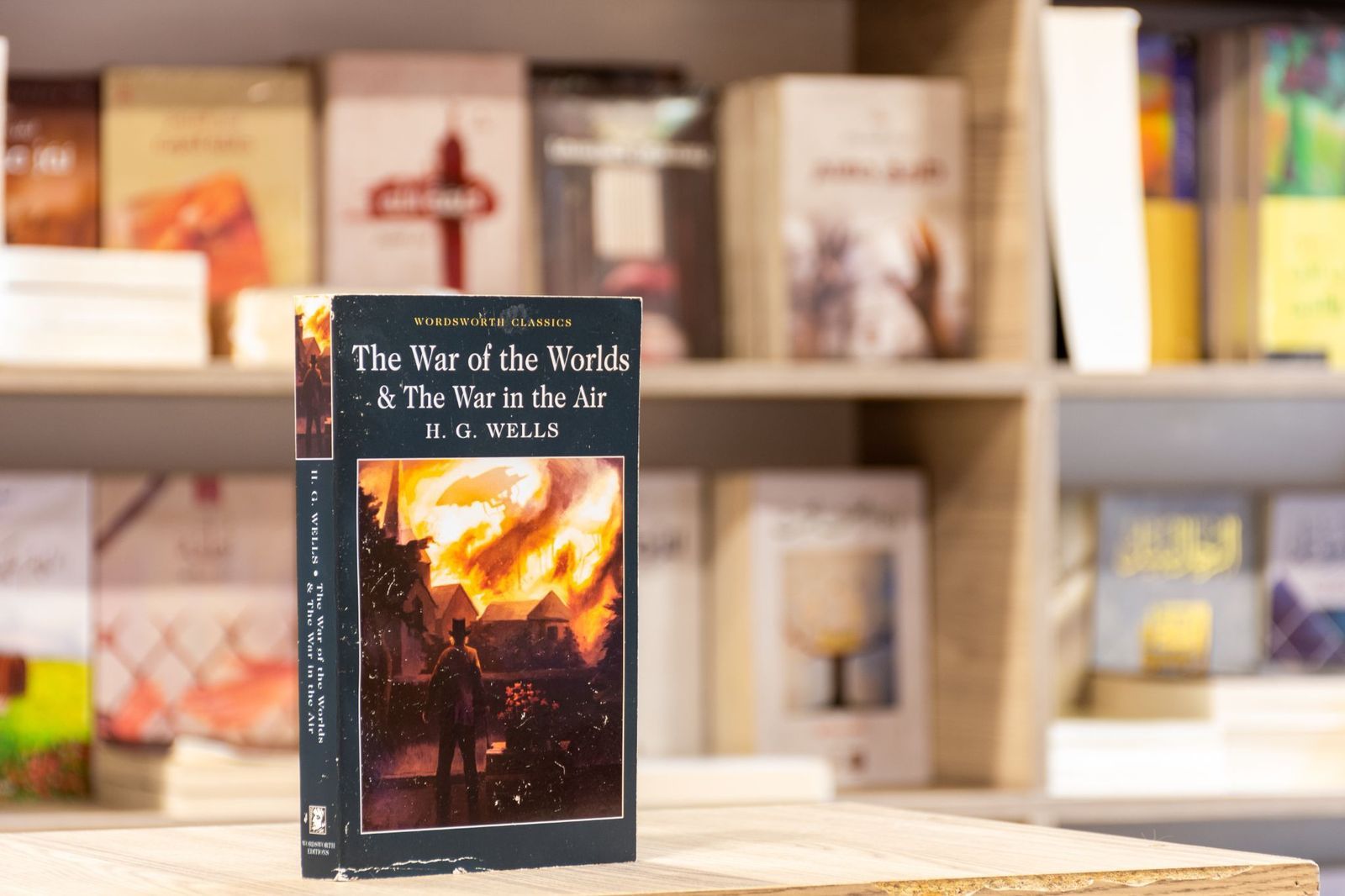
The War of the Worlds, by H. G. Wells

Image: hamdi bendali

The idea of a Martian invasion was handed to H. G. Wells by his brother Frank. During a walk through the English countryside, Frank idly wondered aloud what would happen if beings from another planet suddenly dropped out of the sky. Wells took it upon himself to imagine the answer and wrote it down.

For the story, the British magazine Pearson's paid him the current equivalent of $45,200, though the editor insisted on knowing how it ended before agreeing to run it. It simultaneously ran in Cosmopolitan in America, from April to December 1897.

It proved so popular that unauthorized versions soon popped up in American newspapers, including one from William Randolph Hearst. The authorized book followed in 1898.

7

Uncle Tom's Cabin, by Harriet Beecher Stowe

Image: MKPhoto12

In 1851, the abolitionist newspaper The National Era paid Harriet Beecher Stowe, a 40-year-old mother of six, the equivalent of $13,000 today) for a short antislavery narrative in three parts.

She kept writing and writing. It stretched into forty weekly installments over ten months, with readers so invested that they wrote in to protest whenever she missed a week. By the time the serial ended in 1852, publisher John P. Jewett had already arranged to release it as a book.

It sold 10,000 copies in its first week alone, 300,000 within the year in the U.S., and 1.5 million more across England.

8

The Martian Chronicles, by Ray Bradbury
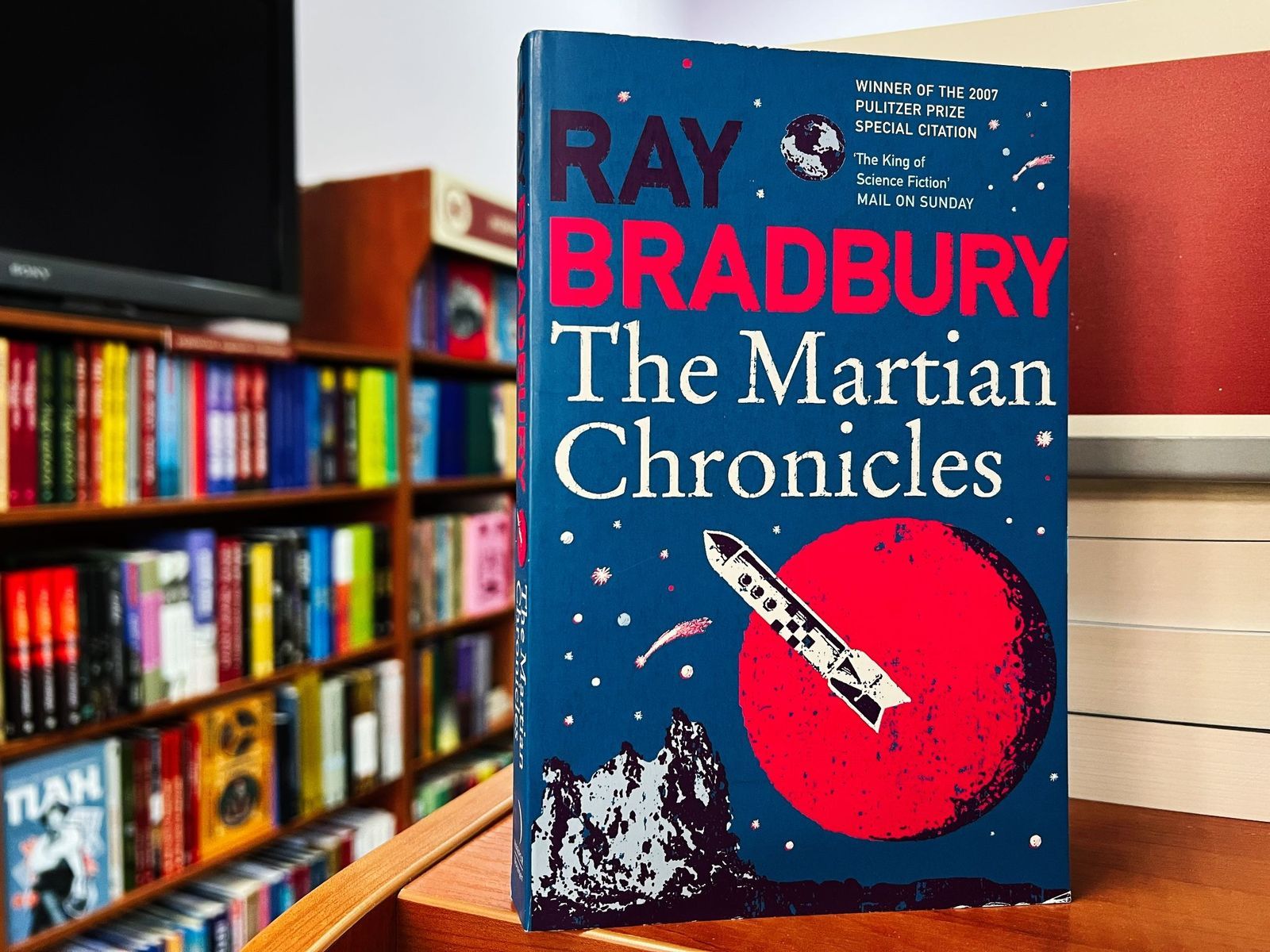
Image: AS photo family

Ray Bradbury didn't set out to write The Martian Chronicles. He'd simply been publishing Mars stories in pulp magazines throughout the 1940s, one after another, with no grand plan connecting them.

Then, on his last night in New York in 1949, a Doubleday editor coincidentally named Walter Bradbury asked what he intended to do with all those Martian tales. Could they be stitched into something resembling a novel? They reached an agreement, and Walter offered Ray $750 for the Mars book (roughly $10,500 today) as part of a two-book, $1,500 deal. Bradbury went home to Los Angeles, revised his old stories, and wrote new bridging chapters inspired by Steinbeck.

9

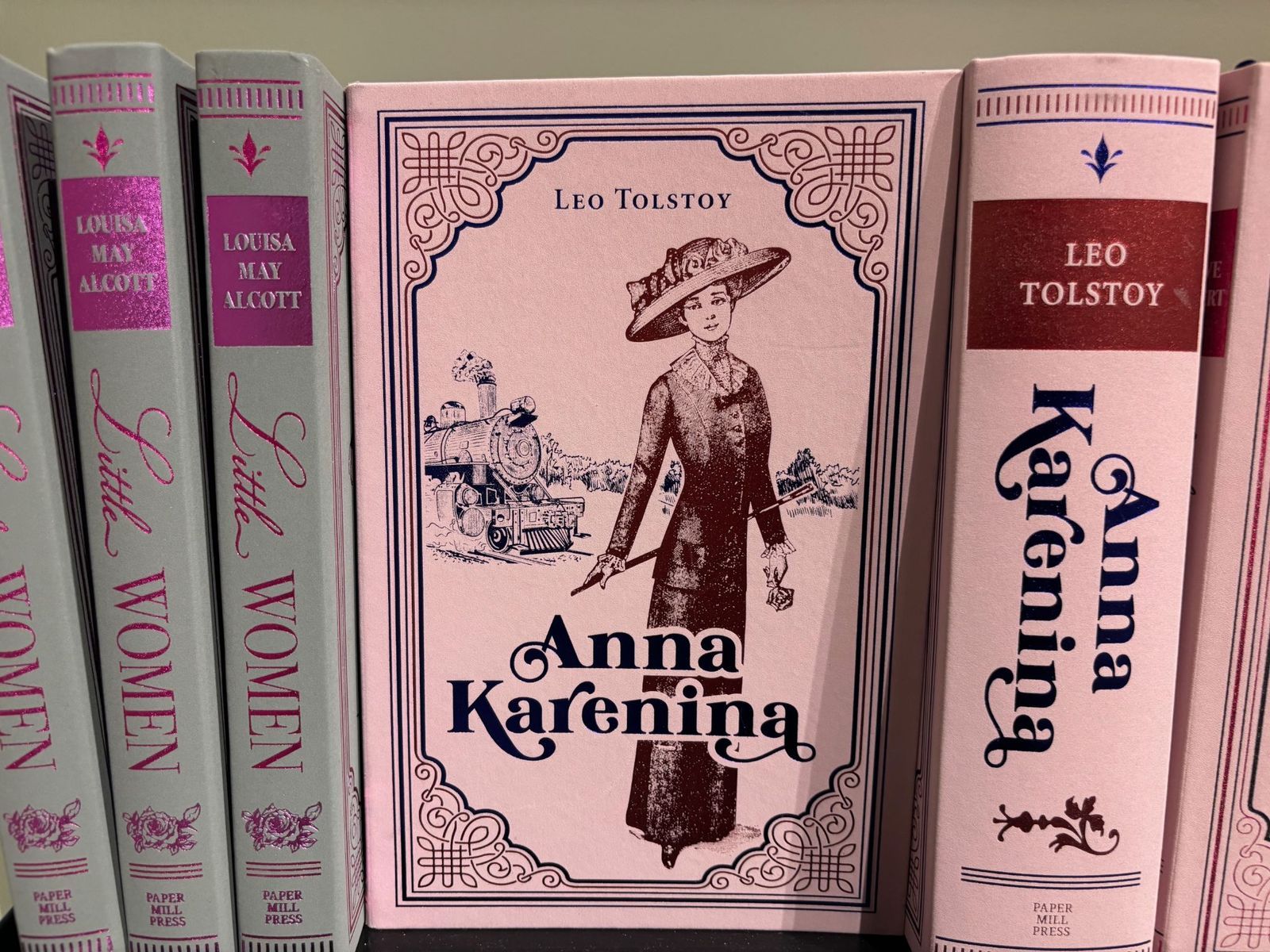
Anna Karenina, by Leo Tolstoy

Image: bella1105

Leo Tolstoy never got to finish telling his own story, at least not in the pages where readers had been following it. Serialized in The Russian Messenger from 1875 to 1877, Anna Karenina earned Tolstoy an extraordinary sum of more than $300,000 today. That was more per printed page than rivals like Turgenev or Dostoevsky.

Then, just as the story was reaching its final chapters, editor Mikhail Katkov refused to print the eighth and last part. Tolstoy had written unflattering things about Russian volunteers rushing off to fight in the Balkans, and Katkov wanted no part of it. Tolstoy published the ending separately, as its own pamphlet, before the complete novel finally appeared as a book in 1878.

10

Oliver Twist, by Charles Dickens

Image: marhus

Virtually every major and minor novel by Charles Dickens was originally published in serialized form. While he was still serializing The Pickwick Papers, the book that made him famous, he was already contracted to deliver another novel entirely. Publisher Richard Bentley paid him £500 (roughly $97,400 today) for the rights to Oliver Twist, plus a monthly salary to edit Bentley's own new magazine, where the novel would run.

Between 1837 and 1839, readers got two or three chapters of Oliver's grim childhood each month, even as Dickens juggled a second serialized story on the side. Bentley published the complete novel in three volumes months before the magazine version had even finished.


EXPLORING THE WORLD

Discover 10 Major Cities That Aren't Capitals


Published on August 20, 2026


Image: CHUTTERSNAP

In quiz games, it's not uncommon to come across some tricky questions about world capitals. And it's no wonder: plenty of well-known first-rate cities, full of attractive landmarks and must-see sights, could be mistaken for capitals even if they are not. To give them back some of their lost glory, we have chosen 10 metropolises whose cultural, historical, and financial pre-eminence deserve to be spotlighted.

1

Barcelona, Spain

Image: Aleksandar Pasaric

The fact that Madrid is the capital of Spain is unquestionable. But did you know that Barcelona was the capital for a while? Throughout the history of the Spanish territory, the center of power moved to different cities until 1561, when Philip II decided to establish the court permanently in Madrid.

Today, Barcelona is the second most relevant Spanish city in terms of economic activity; its port is one of the most significant in the Mediterranean, and its proximity to the border with France makes it an important center of connection with the rest of the European Union. It is also a dynamic and creative city that preserves its traditional charm, which makes it a major tourist attraction.

2

Shanghai, China

Image: Edward He

Located on the central coast of China, Shanghai is one of the most populated cities in the country. It is a financial hub and one of the most modern metropolises. However, it is not the capital of the Asian giant. Founded in 1291 at the mouth of the Yangtze River, its impressive skyscrapers dominate the landscape of a city that still retains much of the spirit of traditional China.

Visiting the Bund, the city's famous waterfront promenade, and enjoying the breathtaking views of the skyscrapers is one of the best things to do in Shanghai. Another option is to let yourself be tempted by the street food at the Yuyuan Market or learn about the country’s history by visiting the Shanghai Museum, one of the largest in China. You can explore it during the day or at night: Shanghai, like New York, is a city that never sleeps!

3

Rio de Janeiro, Brazil

Image: Lucas Campoi

If we talk about Brazil, Rio de Janeiro is the first city that comes to mind. The classic image of Christ the Redeemer with open arms on the Corcovado mountain overlooking the beautiful beaches below is unbeatable. Once upon a time, Rio was the capital of colonial Brazil and remained so until 1960, when the seat of government was moved to modern Brasilia.

Despite having lost its title of "capital", the Cidade Maravilhosa is the second most populated and second-largest economy after São Paulo. In addition, thanks to its rich cultural history and vibrant festivals, Rio has left an indelible mark on the minds and hearts of millions of people. In fact, its famous carnival is one of the most iconic events in the world, considered by many to be "the greatest party on the planet".

4

Zürich, Switzerland

Image: Henrique Ferreira

Many foreigners are surprised that the city of Bern is the capital of Switzerland. They would more logically guess that this title is held by Zurich, the country's economic center, or Geneva, which houses the European headquarters of the United Nations and many international organizations. But it was precisely to avoid excessive concentration of power that Bern was chosen as the "federal city" in 1848.

The truth is that Zurich doesn't need to be the capital of Switzerland; it can brag about many other things. Among them, being the most populous city in the country and one of the cities with the highest quality of life in the world. Zurich combines urban life and breathtaking natural scenery with charm. Visitors will find a city that still retains traces of its 2,000 years of history, as well as a large number of world-class cultural gems distributed throughout vibrant neighborhoods full of art, design, and innovative cuisine.

5

Johannesburg, South Africa

Image: Thomas Bennie

Despite being one of the few big cities in the world that is neither on the coast nor has a major river connecting it to the sea, Johannesburg is the largest city and financial center of South Africa, as well as one of the continent's major economic powers.

Mistakenly, it is considered the capital of South Africa. Actually, the Rainbow Nation has three official capitals, but none of them is Johannesburg —Pretoria is the seat of executive power, Cape Town is home to the National Parliament, and Bloemfontein is the judicial capital—.

Nicknamed the "City of Gold" for its past as a mining mecca, today Johannesburg is the epitome of a modern, cosmopolitan African city, where green prairies converge with different cultures and traditions from the continent and the world.

6

Cartagena, Colombia

Image: Leandro Loureiro

Cartagena, a historic fortified city, is a fun and fascinating place to explore. In 1984, the city center and its fortifications were awarded the title of World Heritage Site by UNESCO. From its founding in the 16th century and throughout the Spanish viceroyalty, Cartagena was one of the most important ports in South America. In fact, most of its artistic and cultural heritage comes from this period.

While Cartagena may not be the capital, its mix of informal appeal, beachside charm, and urban vibrancy make it Colombia's most touristic city and the one that receives the most foreign visitors.

7

Sydney, Australia

Image: Laura Cros

Sydney is Australia's largest and most populous city. In addition, this metropolis is home to lush parks, soft sandy beaches, some of the world's most famous monuments, and iconic architectural landmarks such as the Opera House. However, it is not the country’s capital, as many people think. The capital is located in Canberra, about 185 miles from Sydney, and was specially designed in 1913 to house the parliament and government house.

Nowadays Sydney is Australia's main city for trade and finance, and connects the English-speaking world with Asia. Built on one of the most beautiful bays in the world, Sydney is one of the cities with the best reputation on the planet for being the most cosmopolitan and multi-ethnic city in Australia, for its great weather, and its cultural scene.

8

Mumbai, India

Image: Raj Rana

Mumbai has a lot to boast about. It is not only the most populous city and financial center of India but also the cultural capital of the country, home to Bollywood and other culturally relevant institutions such as the National Centre for Performing Arts and the Prithvi Theater.

Despite not being the political capital, Mumbai has many points of interest. One of the most visited tourist attractions is the famous Gateway of India, an 85-foot high arch-monument, a symbol of the British colonial era. It is also not a bad idea to stroll along Marine Drive —a beautiful promenade overlooking the Arabian Sea— or feel like a true local getting lost in the markets of Colaba and Crawford.

9

Toronto, Canada

Image: Sandro Schuh

It may not be the capital, but if we are asked to name one Canadian city, Toronto is probably the first one that comes to mind. And it is not by chance: Toronto is the most famous, thriving, modern, and attractive city in Canada, a metropolis of over six million people that offers an open and friendly face to the world.

In addition to being the economic and financial center of the country, Toronto is the quintessential multicultural city. Its cosmopolitan nature and lively urban and cultural life are among its main features. Within a few miles, we can go from the Greek Quarter to the Portuguese Quarter, passing through Chinatown, Little Italy, or Koreatown. Toronto is a small world in itself that offers great cultural, linguistic, and gastronomic richness, all in one city.

10

Istanbul, Turkey

Image: Anna Berdnik

The city of Istanbul is so significant —both currently and historically— that many people believe it to be the capital of Turkey. They are not that wrong, since Istanbul was the capital from 1453 until 1923, when the Republic of Turkey was established and the territorial center was moved to Ankara. This change did not sit well with Istanbul at first, but from the 1950s onwards, it was modernized and continued to grow. Today, it is the most important city in the country and the most populous in Europe.

Istanbul is known for being one of the most beautiful and diverse cities in the world. Its grounds were home to the ancient cities of Byzantium and Constantinople, making it rich in culture and history. Split between the continents of Asia and Europe, Istambul is surrounded by palaces, museums, and mosques, such as the iconic Hagia Sophia, an ancient Christian basilica famous for its enormous dome that is said to have "changed the history of architecture".

Looking for an extra scoop of literary fun?

Learn more with our Word of the day

dissonant

/ˈdɪsənənt/